


 English
 Español
 ไทย
ไทย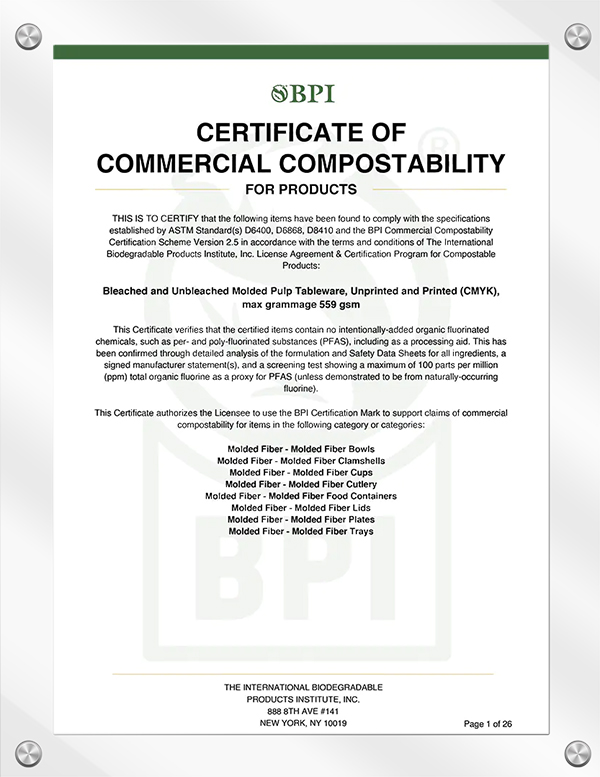
Zhong Xin Ecoware Technology (Thailand) Co., Ltd. has expanded its bagasse and molded fiber tableware lineup for the 202...
READ MOREWelcome to Zhong Xin Ecoware Technology ( Thailand ) CO., LTD. Official Website
-
 [email protected]
-
 +66-31240888
Disposable Eco Friendly Dinnerware Manufacturer
Specializing in the R&D and manufacturing of biodegradable plant fiber tableware.
-
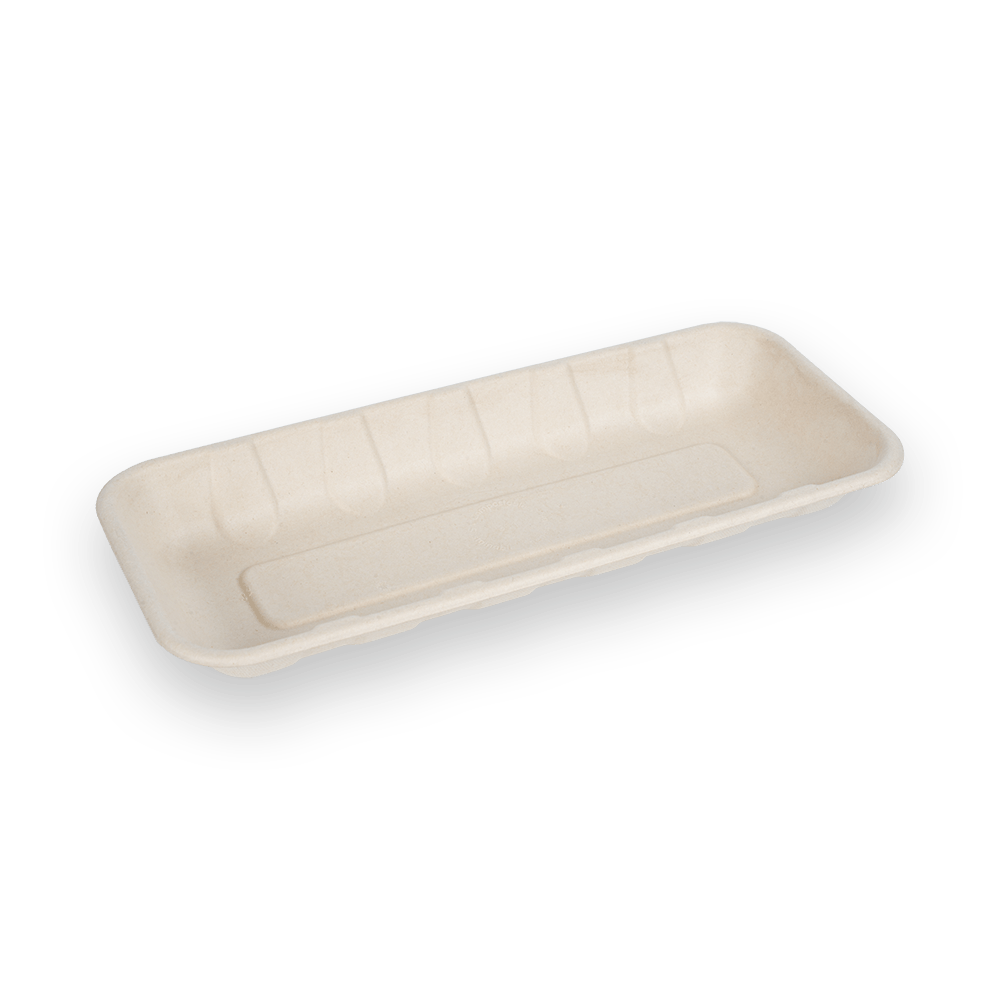
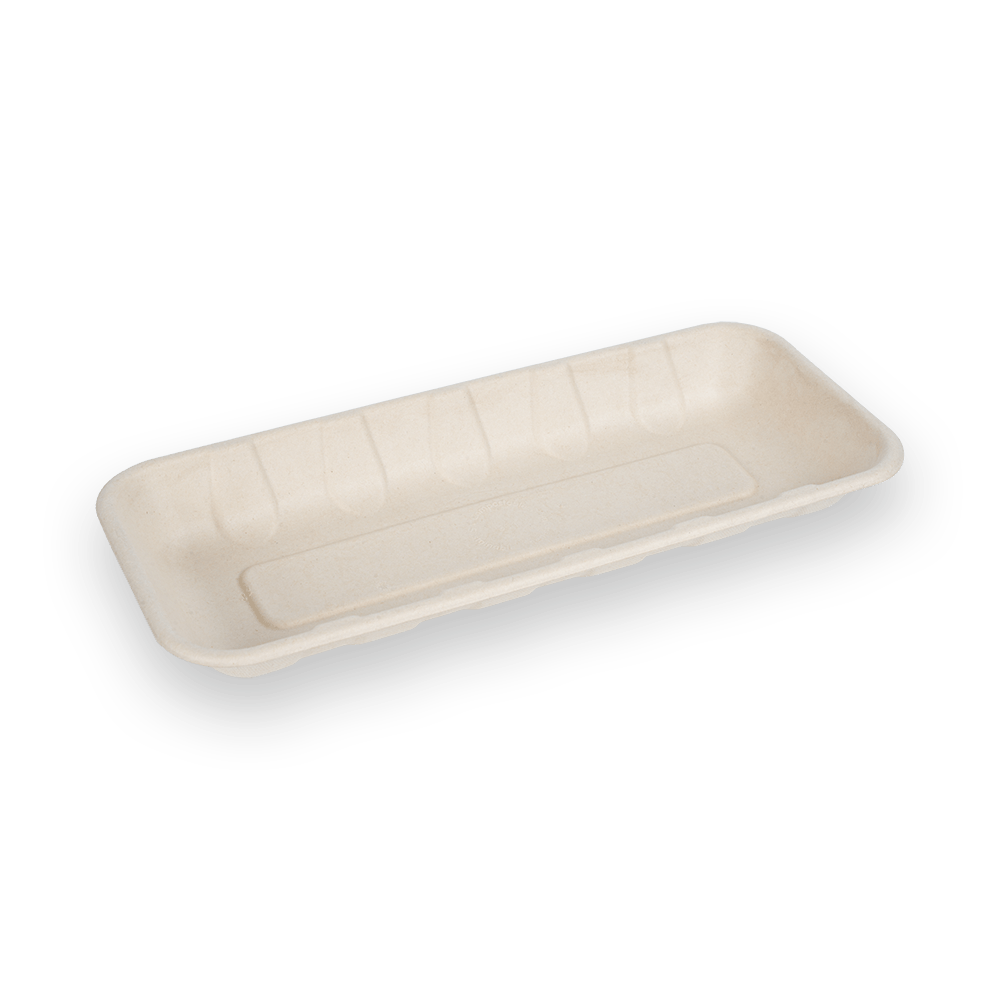 104 Biodegradable tray
Size(mm)
260*115*30
Weight(g)
18
Pcs/Bag
125
Bags/CTN
4
Pcs/CTN
500
L/CTN
44.5
W/CTN
23.5
H/CTN
27
Volume/CT
0.02823525
CONTACT US -
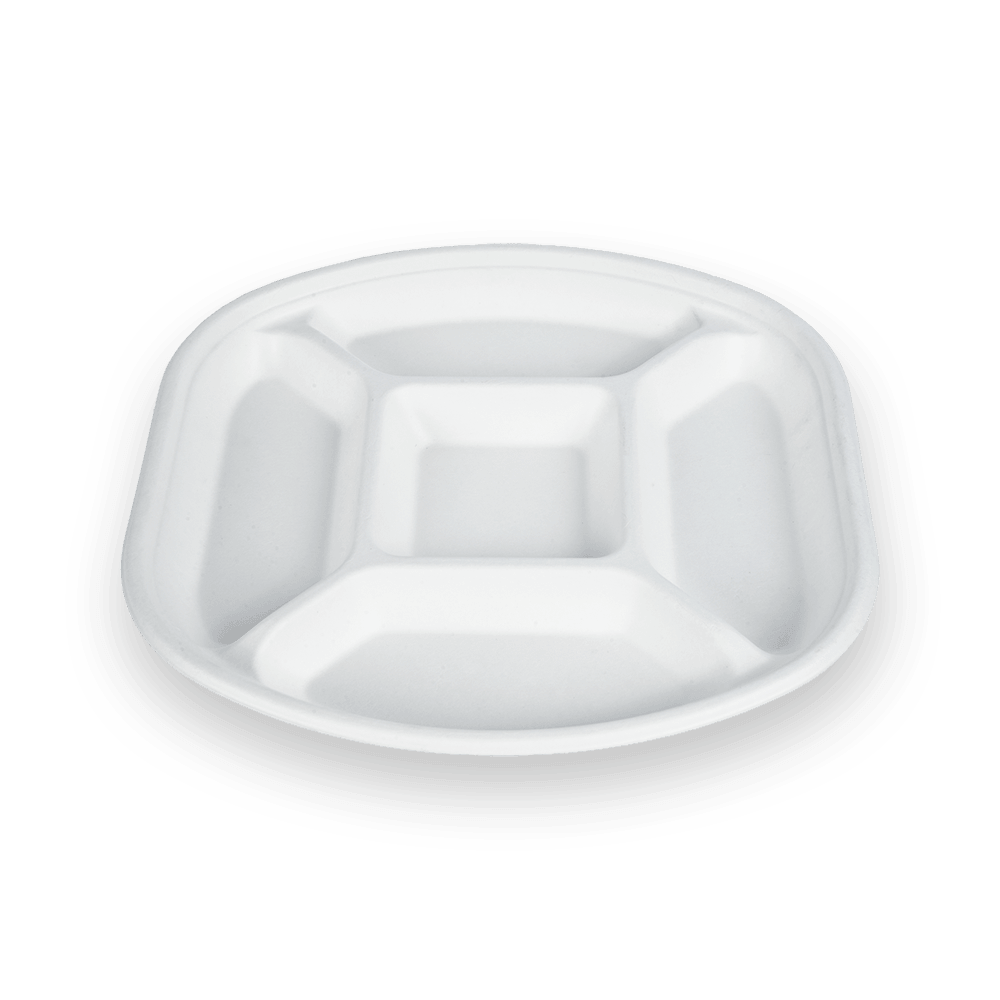
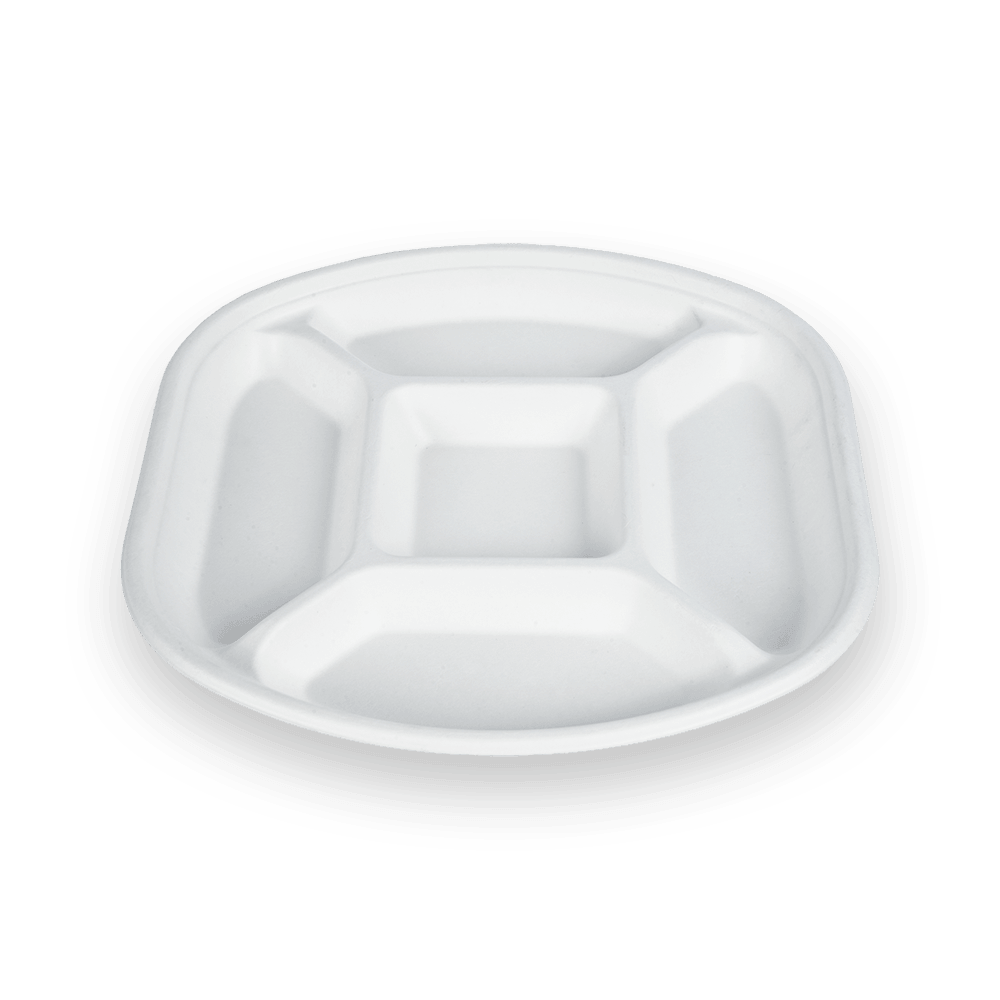 5-grid round biodegradable partition trayCONTACT US
 -
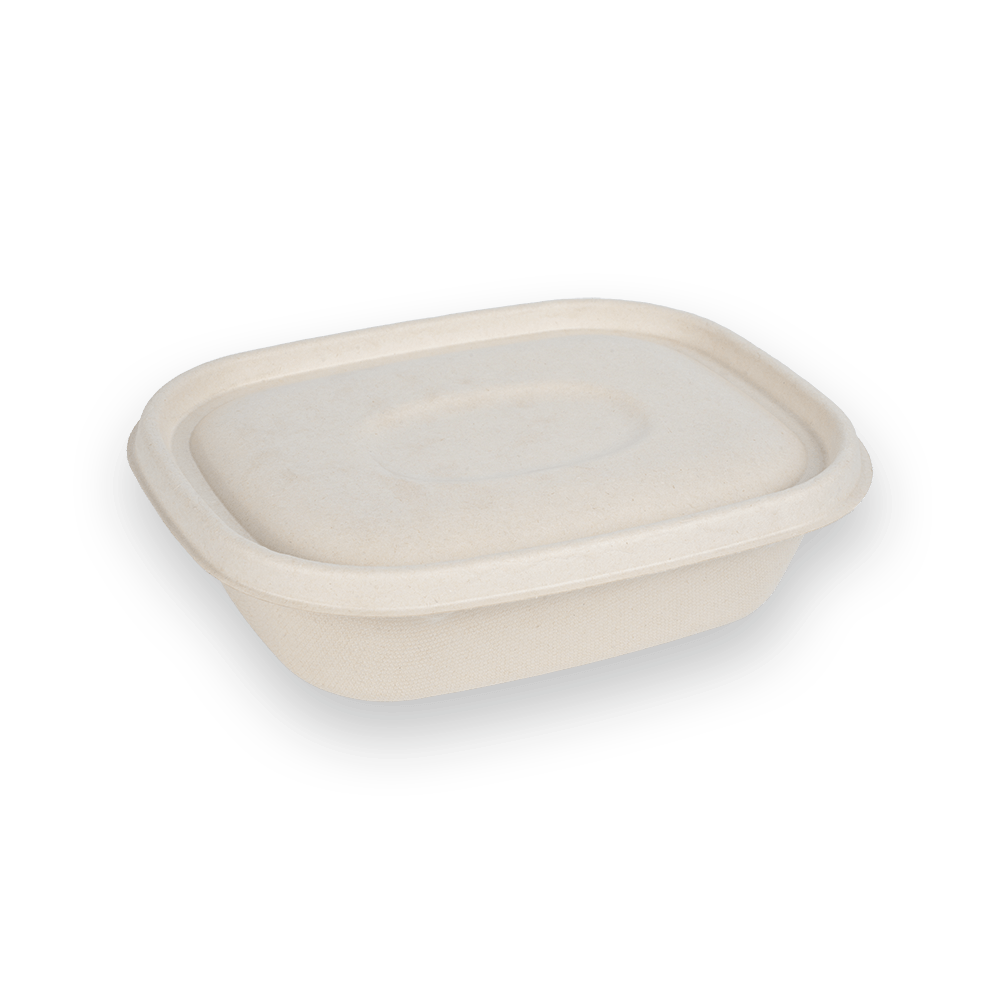
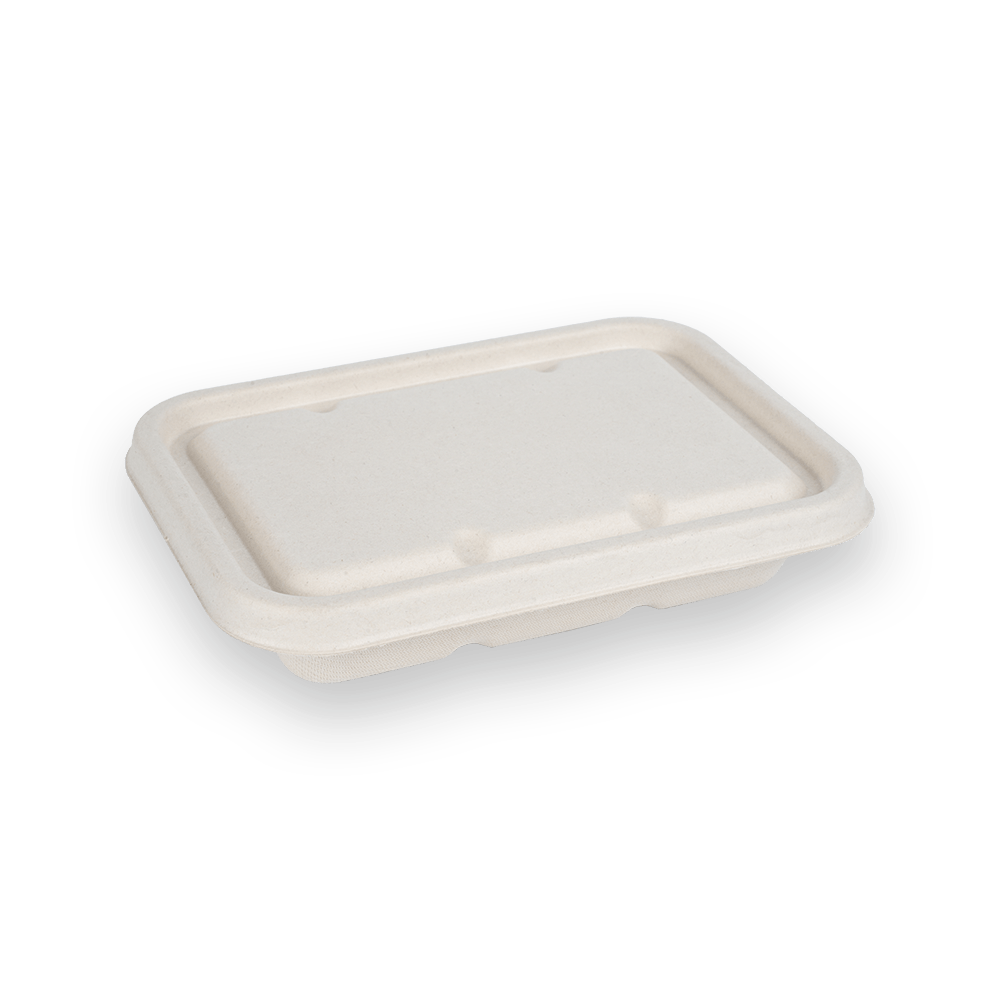
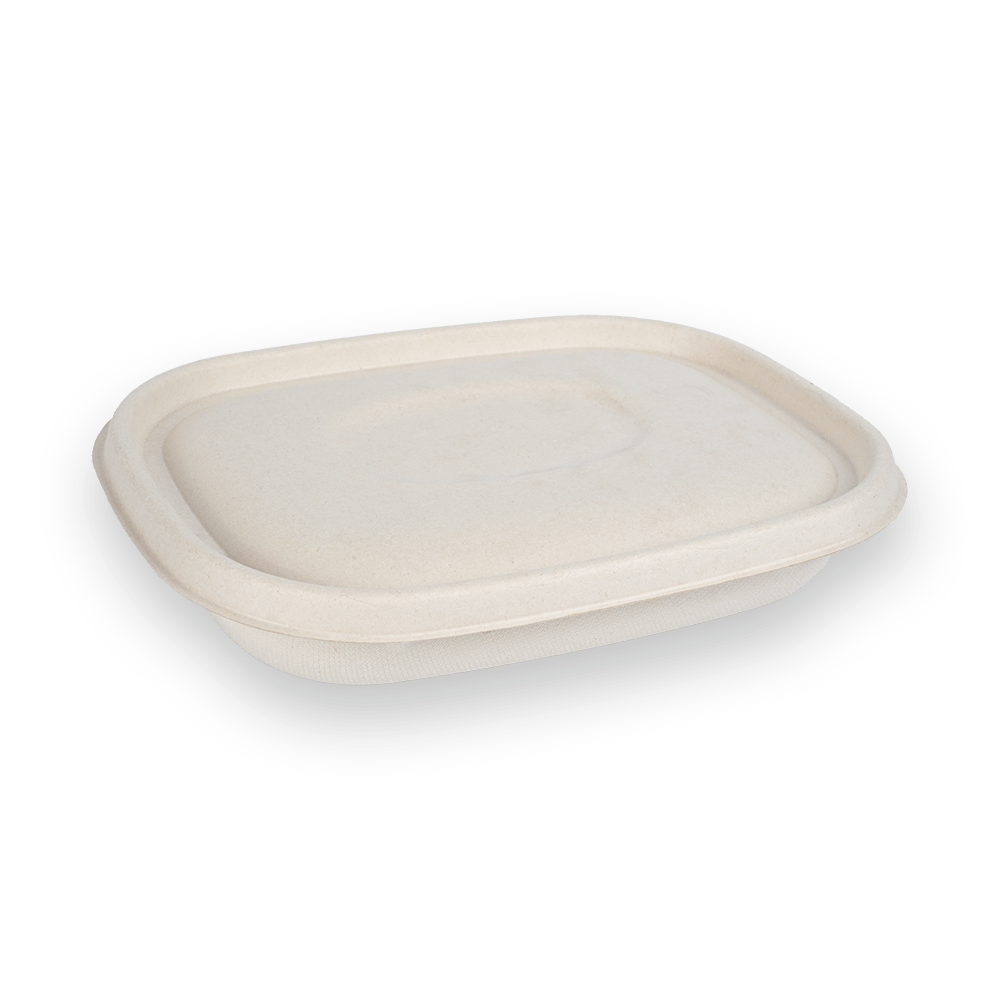 CT850 takeaway box + lid
Size(mm)
220*170*40
Weight(g)
20
Pcs/Bag
50
Bags/CTN
6
Pcs/CTN
300
L/CTN
52
W/CTN
44.5
H/CTN
23
Volume/CTN
CONTACT US -
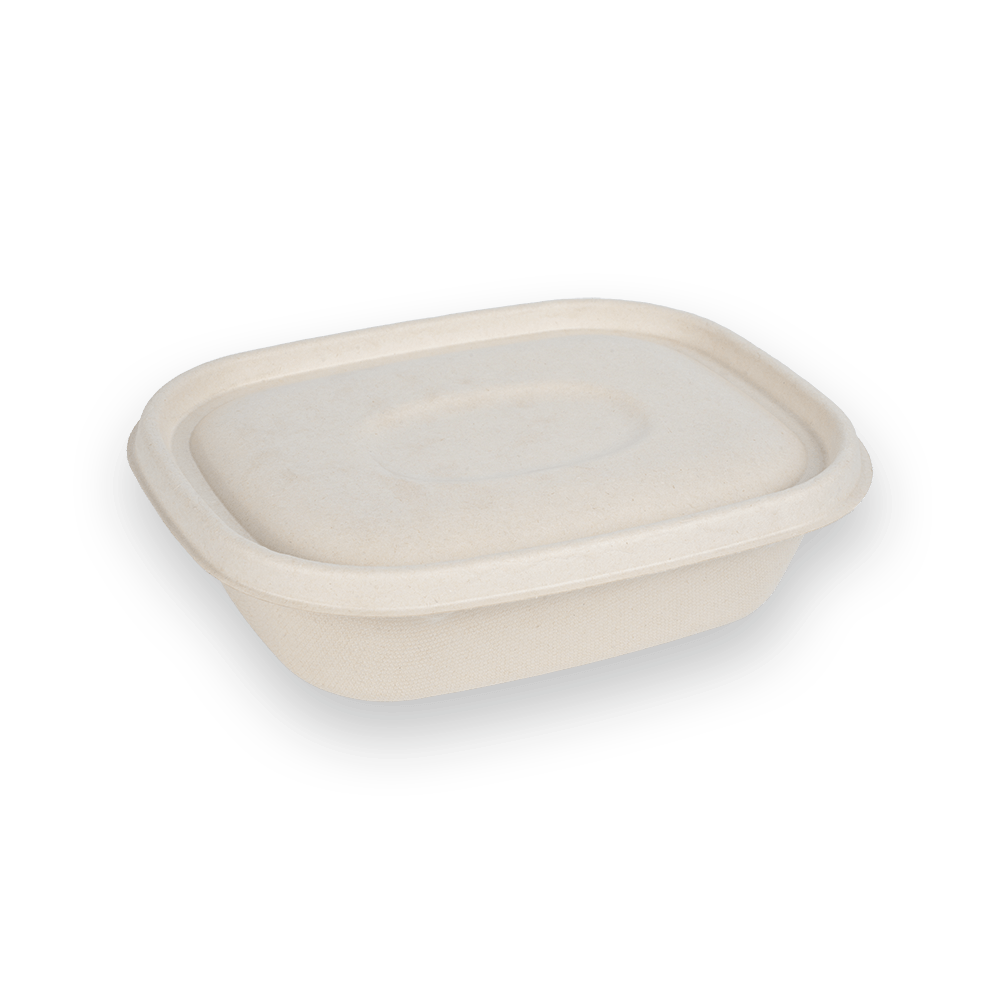 CT1100 takeaway box + lid
Size(mm)
220*170*55
Weight(g)
24
Pcs/Bag
50
Bags/CTN
6
Pcs/CTN
300
L/CTN
52
W/CTN
42
H/CTN
23
Volume/CTN
CONTACT US -
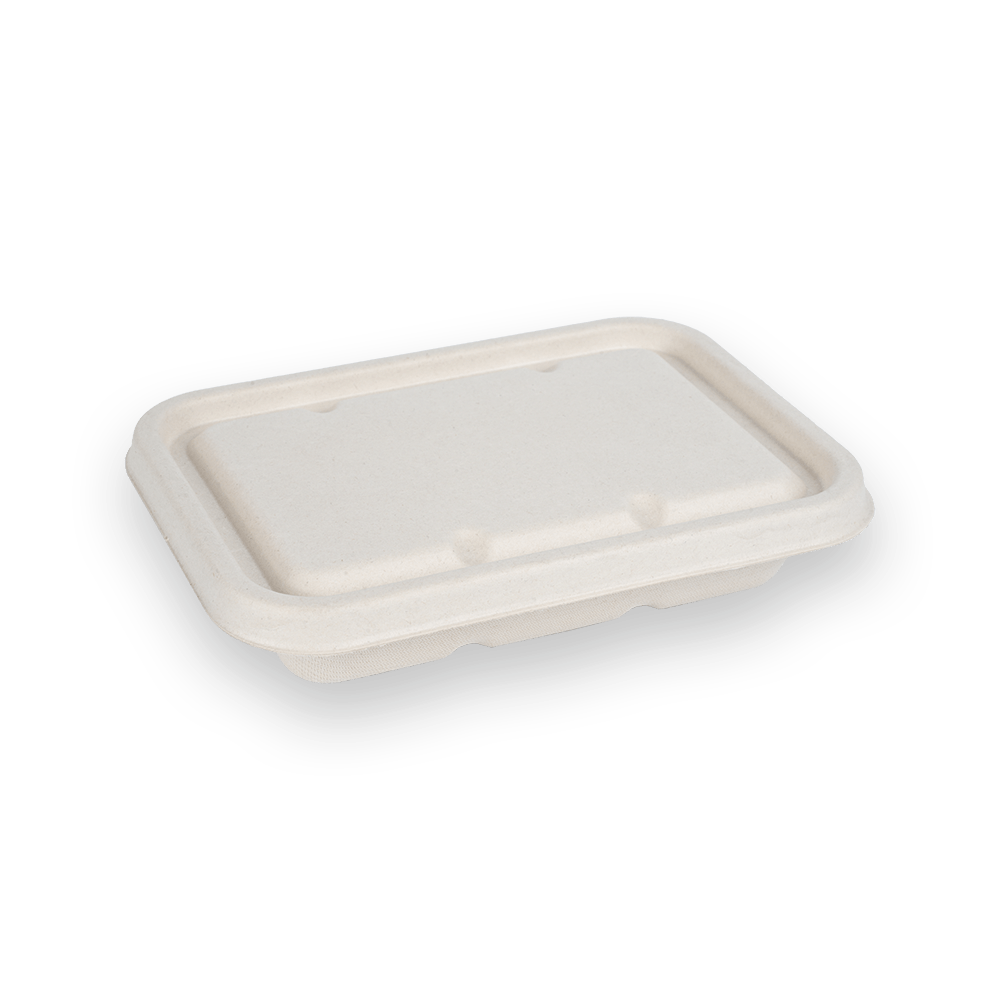 HN450ml square box + lid
Size(mm)
180*125*39
Weight(g)
15
Pcs/Bag
125
Bags/CTN
4
Pcs/CTN
500
L/CTN
51
W/CTN
37.5
H/CTN
27
Volume/CTN
CONTACT US -
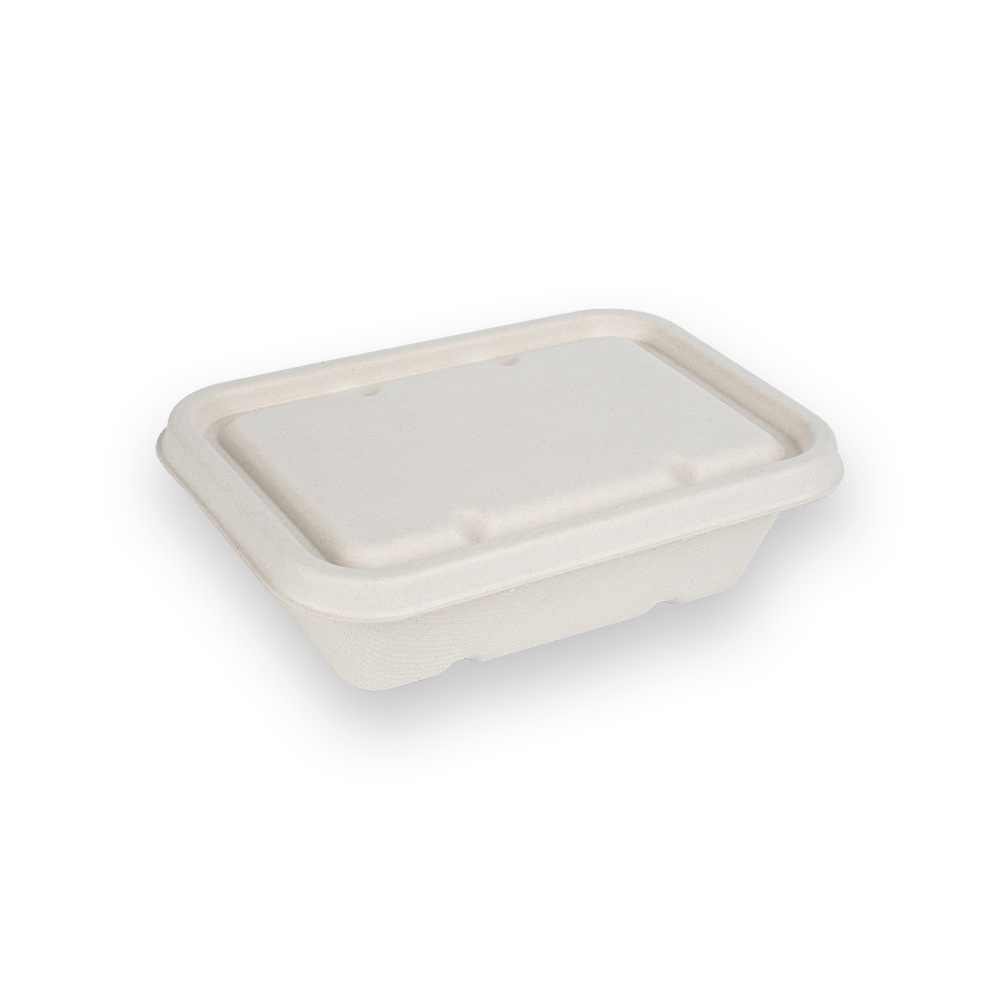 HN650ml square box + lid
Size(mm)
180*125*55
Weight(g)
17
Pcs/Bag
125
Bags/CTN
4
Pcs/CTN
500
L/CTN
55
W/CTN
37.5
H/CTN
27
Volume/CTN
CONTACT US -
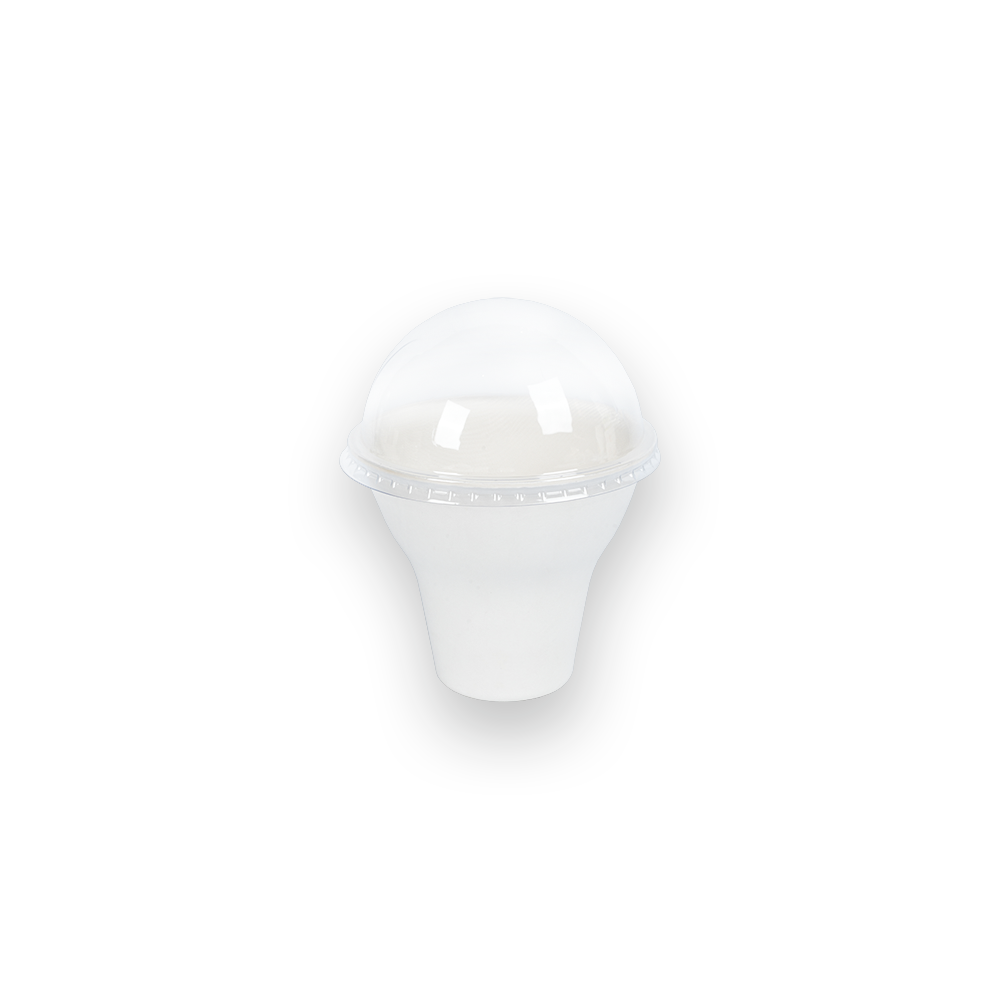
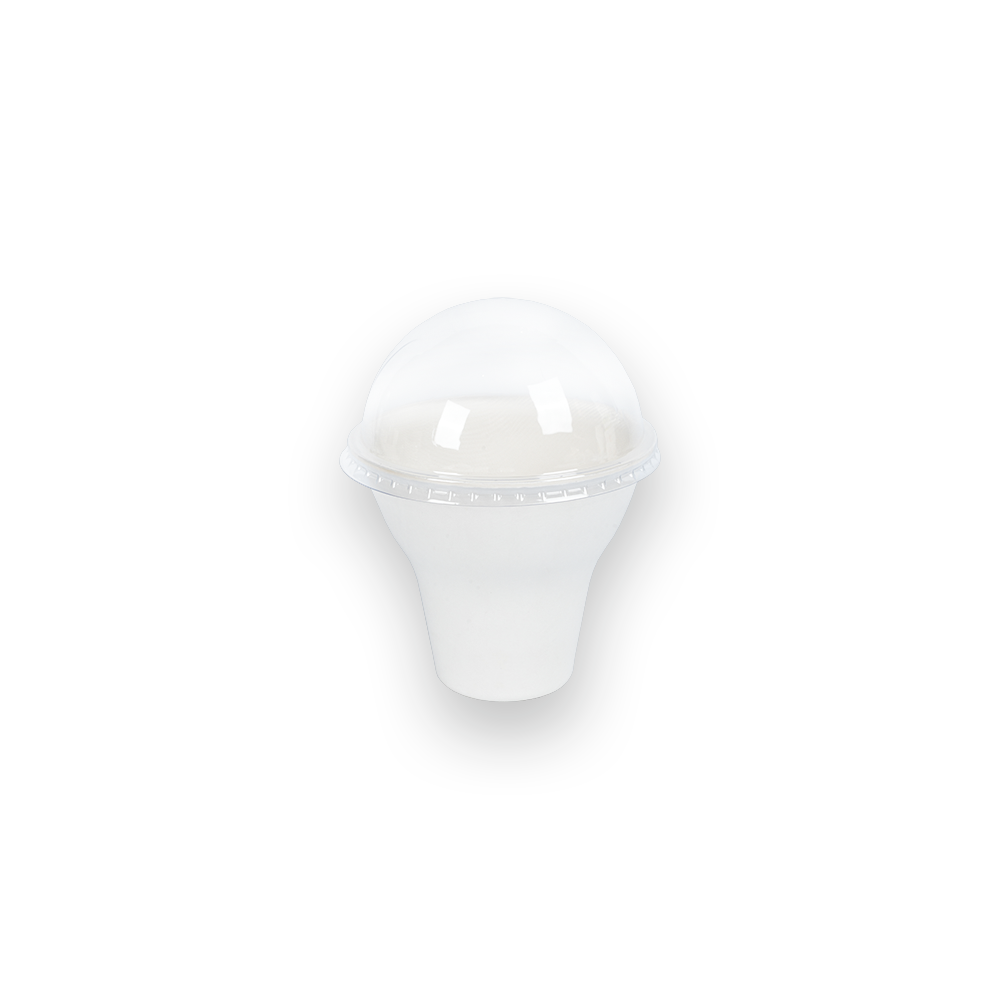 Environmentally friendly pulp ice cream paper cup
Size(mm)
100*90
Weight(g)
14
Pcs/Bag
Bags/CTN
Pcs/CTN
1000
L/CTN
51.5
W/CTN
35
H/CTN
21
Volume/CTN
CONTACT US -
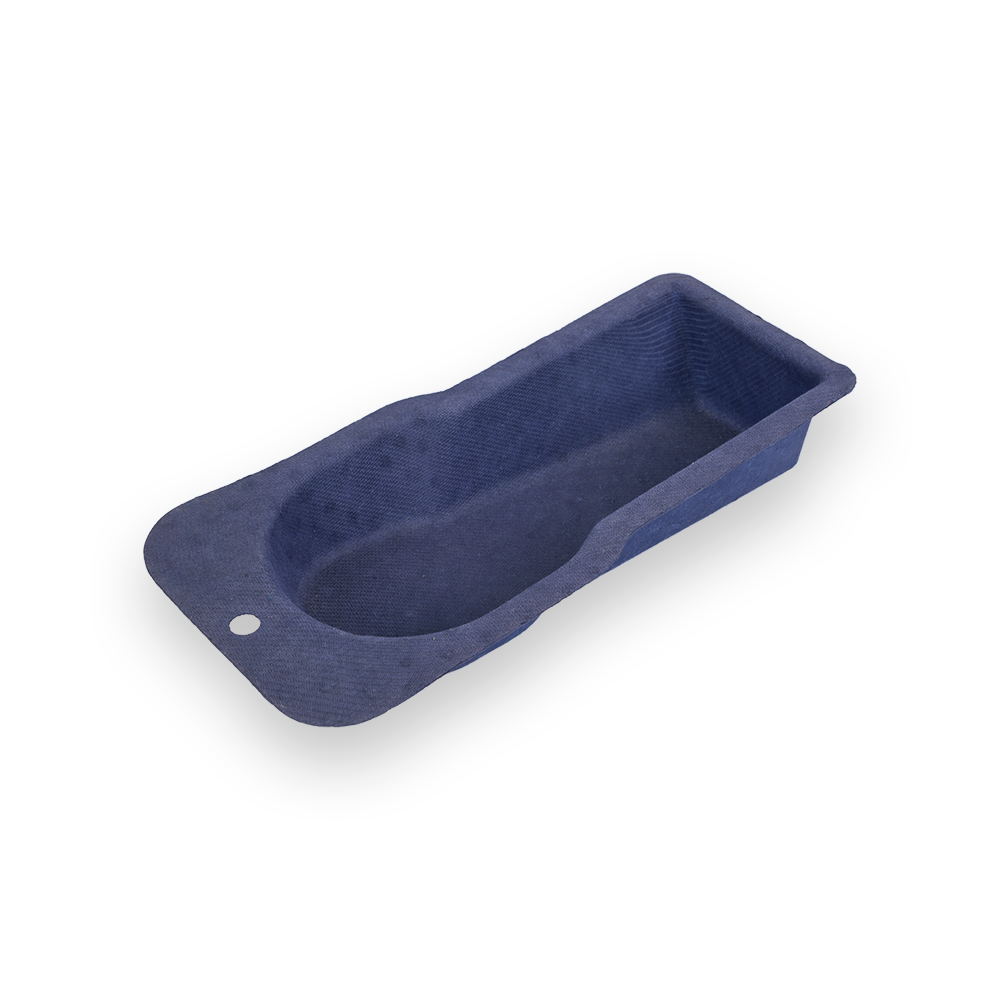 Paper-plastic molding industrial liningCONTACT US
 -
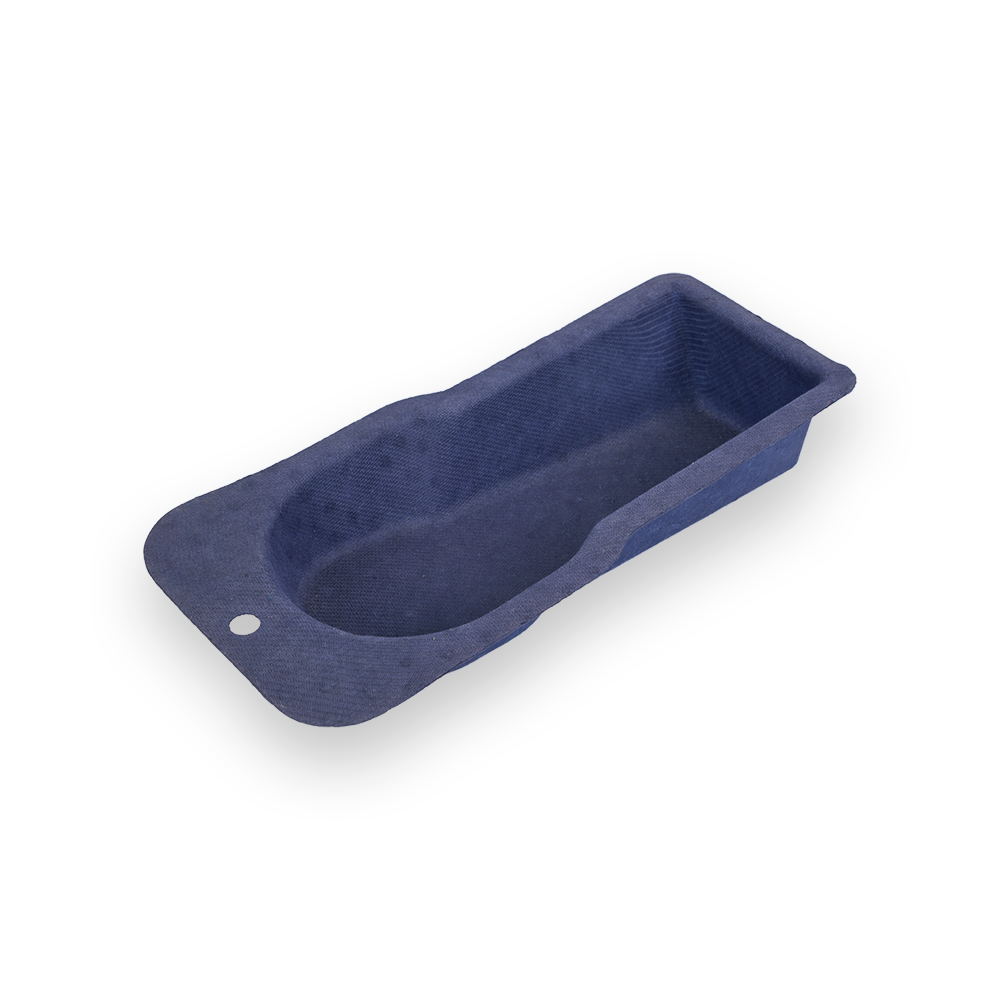
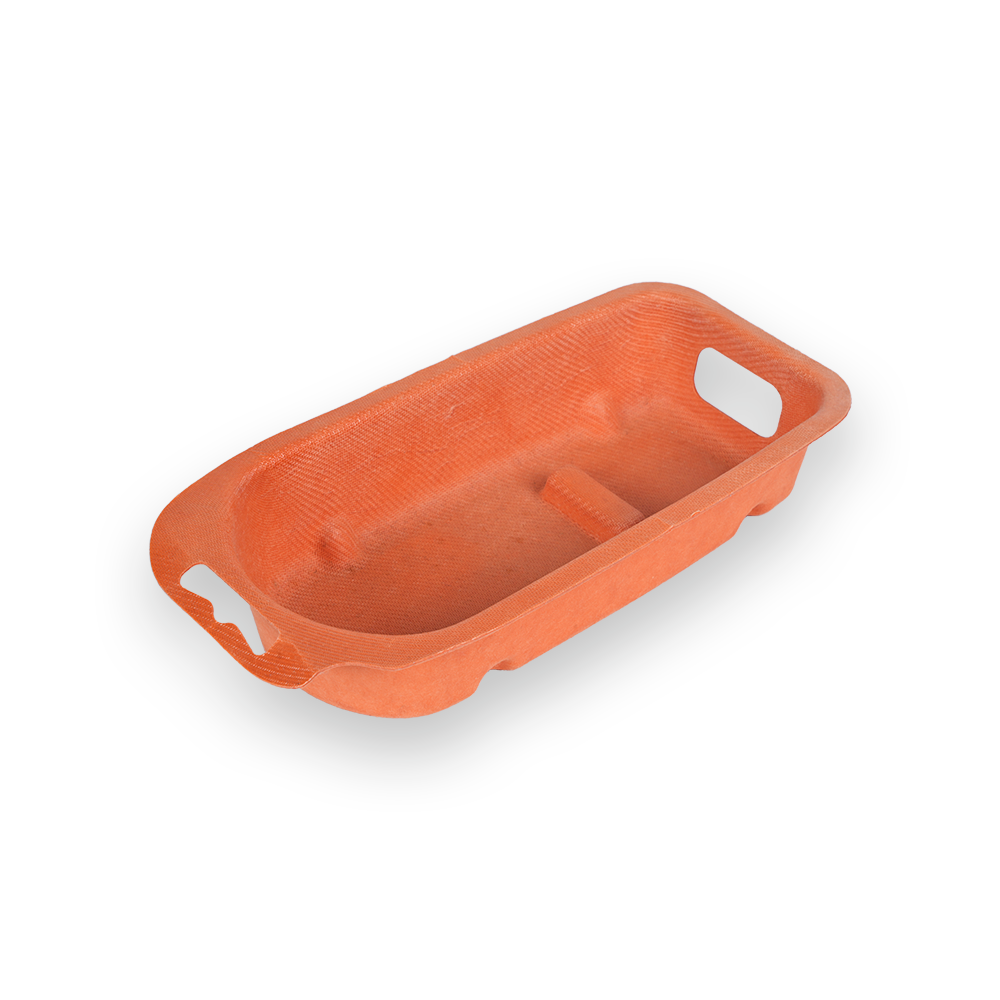 Degradable pulp molded hanging inner trayCONTACT US
Our Story
Zhong Xin Ecoware Technology ( Thailand ) CO., LTD.
Zhong Xin Ecoware(Thailand) is a Disposable Eco Friendly Dinnerware Manufacturer and Disposable Sugarcane Bagasse Plates Factory. At present, the first phase workshop of the factory has been fully completed and put into use. The second phase of the factory is being constructed intensively.
The landing and development of Zhong Xin in Thailand has brought a large amount of initial investment for land, factories, etc., and continuous operational investment for continuous equipment updates, technological upgrades, and capacity expansion.
Zhong Xin Ecoware(Thailand) has directly and indirectly created thousands of job opportunities, increased government revenue, promoted local economic development, cultivated local supply chains, provided systematic training for employees, improved the quality of local human capital, injected vitality into the local economy, enhanced industrial competitiveness, and ultimately improved residents' living standards.
Zhong Xin Ecoware(Thailand) actively collaborates with local pulp mills to explore new cooperation models for developing new products, improving production capacity and quality. At the same time, relying on Zhongxin's advanced production technology, process flow, management experience, and quality control system, it promotes the development of this industry in Thailand.
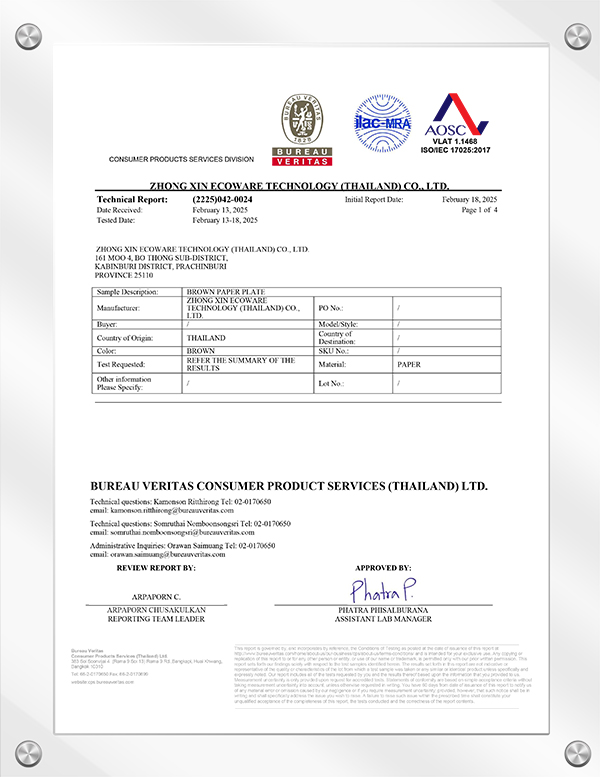
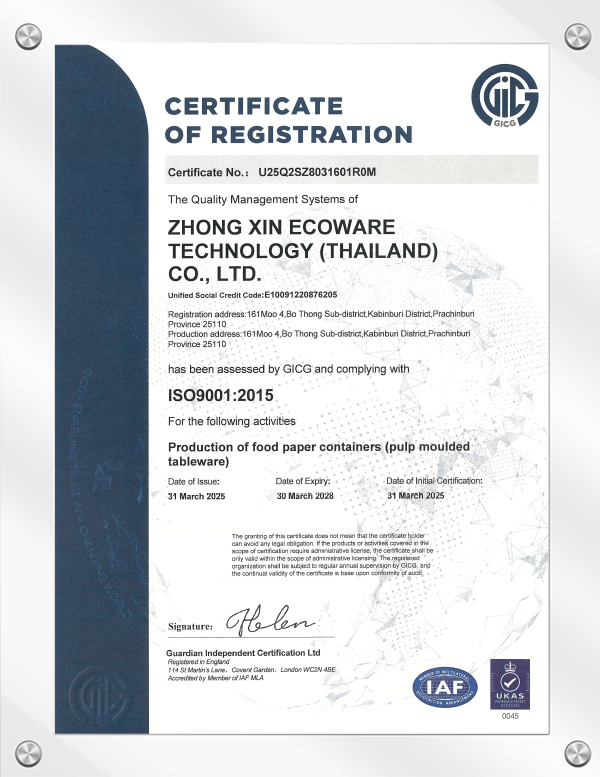
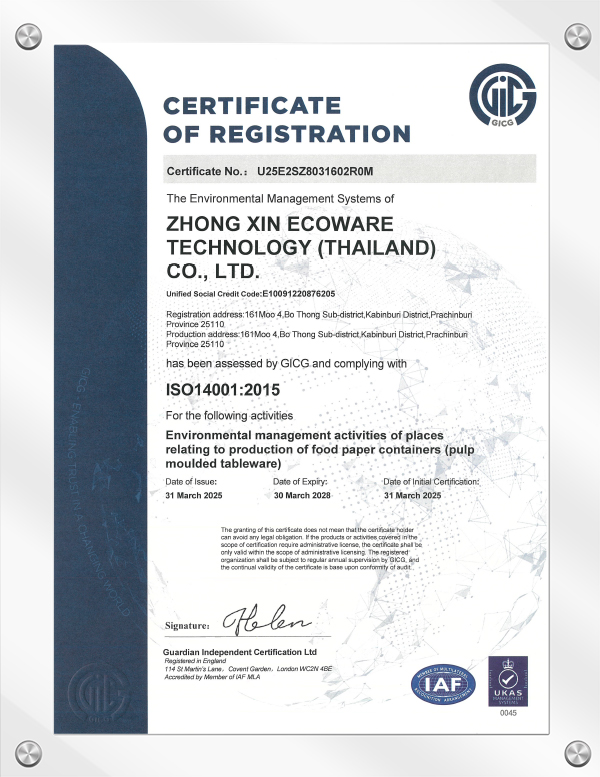
Certificate Of Honor
News & Events
-
-
This article focuses on matching clamshell formats to burgers, rice meals and fried food. For exact dimensions and 6-inc...
READ MORE -
Takeaway food is often prepared hours before it is eaten. A lunch box that can move directly from the refrigerator to th...
READ MORE -
Quick Summary Pizzerias, slice shops and event caterers in North America order nine-inch pizza plates in high volume, an...
READ MORE


Industry Knowledge Extension
What are Disposable Sugarcane Bagasse Plates used for?
Disposable sugarcane bagasse plates have gained popularity as an eco-friendly alternative to traditional plastic and paper plates. These plates are made from bagasse, the fibrous residue left after extracting juice from sugarcane. Due to their sturdy nature and biodegradability, they are commonly used in various settings.
- Catering and Food Service: Sugarcane bagasse plates are often used by caterers, restaurants, and food vendors for serving meals at events, parties, and takeout orders. Their strength allows them to hold heavier foods like stews, pastas, or barbecued dishes without bending or leaking.
- Picnics and Outdoor Gatherings: Their eco-friendly properties make these plates ideal for outdoor events. They break down naturally after disposal, reducing waste in landfills.
- Takeout and Delivery: Many food delivery services opt for sugarcane plates as they provide a sturdy, safe, and environmentally conscious alternative to traditional plastic containers.
- Parties and Events: With a growing interest in sustainability, disposable sugarcane plates are frequently used at weddings, birthday parties, and other special occasions.
Sugarcane bagasse plates serve as a practical, sustainable solution for a variety of food-serving occasions, reducing plastic waste and offering a more eco-friendly option.
What are some options for Disposable Eco-Friendly Dinnerware?
As the demand for sustainable products rises, there are various options available for eco-friendly disposable dinnerware. These alternatives help reduce plastic waste and can be composted after use, contributing to a more sustainable future.
Sugarcane Bagasse Plates: These plates are made from the pulp of sugarcane after the juice has been extracted. They are compostable, sturdy, and can hold hot, greasy foods without losing their integrity.
Bamboo Plates: Bamboo is a fast-growing and renewable resource, making it an ideal material for disposable dinnerware. Bamboo plates are sturdy, biodegradable, and can often be composted or recycled.
Palm Leaf Plates: These plates are made from naturally fallen palm leaves, which are cleaned, shaped, and pressed into plate forms. They are strong, biodegradable, and offer a rustic, elegant aesthetic.
PLA (Polylactic Acid) Plates: Made from fermented plant starch, usually corn, PLA plates are biodegradable and compostable. They provide a plastic-like finish but decompose more readily in commercial composting environments.
Paper Plates (with no plastic coating): While paper plates are a traditional option, they must be free of plastic coatings to be truly eco-friendly. Look for uncoated, recyclable or compostable paper plates.
Edible Plates: An innovative option, edible plates are made from grains and starches, like rice or wheat. These plates can be consumed after use or broken down naturally, reducing waste.
Each of these options offers a more sustainable alternative to traditional plastic dinnerware, with varying environmental impacts depending on the material and disposal method.
Do Biodegradable Sugarcane Plates contain permanent chemicals?
Biodegradable sugarcane plates are generally considered safe and environmentally friendly, but it’s important to understand what goes into making them. Here are key points to consider:
Natural Composition: Sugarcane bagasse plates are made primarily from plant fibers, meaning they do not typically contain synthetic chemicals or additives. The production process uses minimal processing, keeping the natural properties intact.
Chemical Additives: Some sugarcane plates may contain small amounts of additives to enhance their durability, such as water-resistant coatings. However, these are usually plant-based and not harmful to the environment in the long run.
Non-Toxic and Biodegradable: Many sugarcane plates are designed to break down naturally over time without leaving harmful residues. They generally do not contain permanent chemicals that could pose environmental or health risks.
Compostability: These plates can be composted, and they typically degrade within 30 to 90 days, depending on environmental conditions. In composting environments, they break down into natural organic matter, enriching the soil.
Certifications and Standards: Look for certifications such as ASTM D6400 or EN 13432, which indicate that the product meets specific standards for biodegradability and compostability.
Minimal Processing: Sugarcane plates are often free from permanent chemicals that are common in plastic or Styrofoam dinnerware. Their biodegradability is a key selling point for eco-conscious consumers.
Start Now
Get Quotation & Sample In 24h
Send us your product size, quantity, structure requirements, we will
reply the proposal and quotation within 24 hours, support sample proofing

-
-
 +66-31240888
 -
 161 Village No. 4, Bo Thong Subdistrict Kabin Buri District Prachinburi Province 25110
Quick Links
Product Categories
News & Events
-
New Bagasse Tableware Lineup for 2026: What Is New and Where to See It
Sep 28,2026
-
How to Select Bagasse Clamshells for Burgers, Rice Meals and Fried Food
Sep 28,2026
-
Microwave Reheating: Is a Bagasse Lunch Box Suitable
Sep 25,2026
-
9 Inch Pizza Plates and Bagasse Pizza Boards: A Sourcing Guide for US and Canadian Distributors
Sep 19,2026
-
PFAS-Free & Compostability Verification: A Buyer's Checklist for Bagasse and Molded Fiber Packaging
Sep 19,2026
-
Bagasse vs PLA vs Molded Fiber: What Distributors Should Stock in 2026
Sep 19,2026
-
Can Sugarcane Plates Handle Hot, Greasy Foods
Sep 18,2026
-
Bagasse Tableware RFQ Template: Get a Comparable Thailand Factory Quote
Sep 14,2026
-
Are Takeaway Food Containers Ready for Saucy Meals
Sep 11,2026
-
7-Inch vs 9-Inch Bagasse Plates: Carton and 20GP Guide
Sep 07,2026
-
Will Bagasse Pulp Trays Sag Under Heavy Meals
Sep 04,2026
-
Zhongxin Packaging at the 140th Canton Fair 2026: Booths and Buyer Meeting Guide
Sep 02,2026
Copyright © 2025 Zhong Xin Ecoware Technology ( Thailand ) CO., LTD.
All Rights Reserved.

Disposable Sugarcane Bagasse Plates Factory