


 English
 Español
 ไทย
ไทย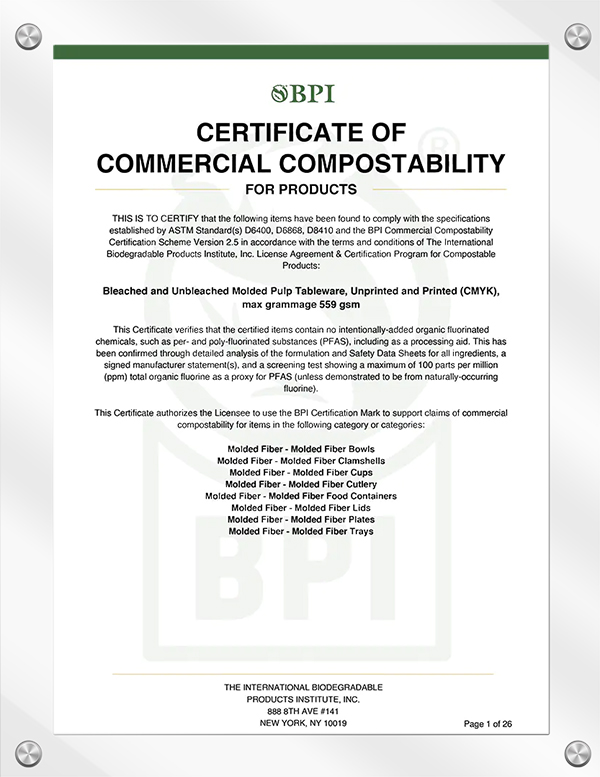
Published: October 16, 2026 How to Find Zhong Xin at the 140th Canton Fair: A Visitor Navigation Guide The 140th Canton...
READ MOREWelcome to Zhong Xin Ecoware Technology ( Thailand ) CO., LTD. Official Website
-
 [email protected]
-
 +66-31240888
Biodegradable Medical Supplies Factory
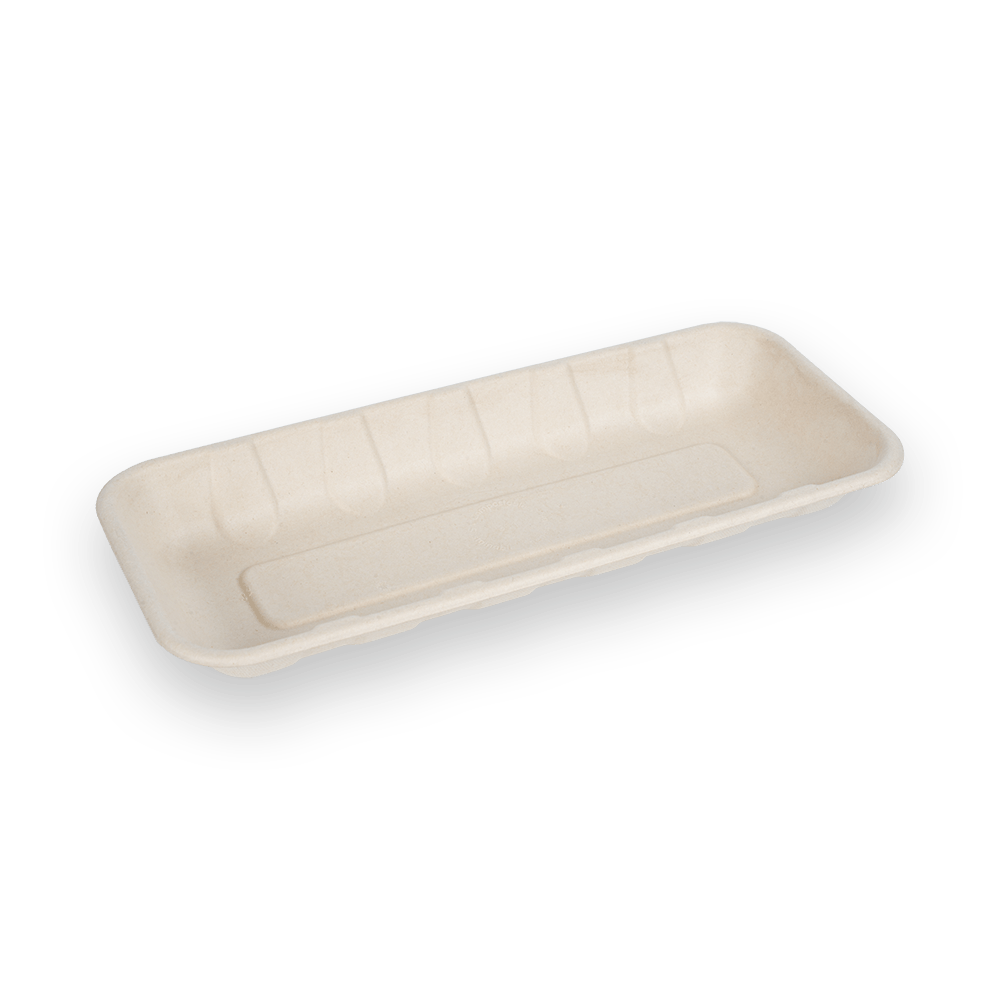
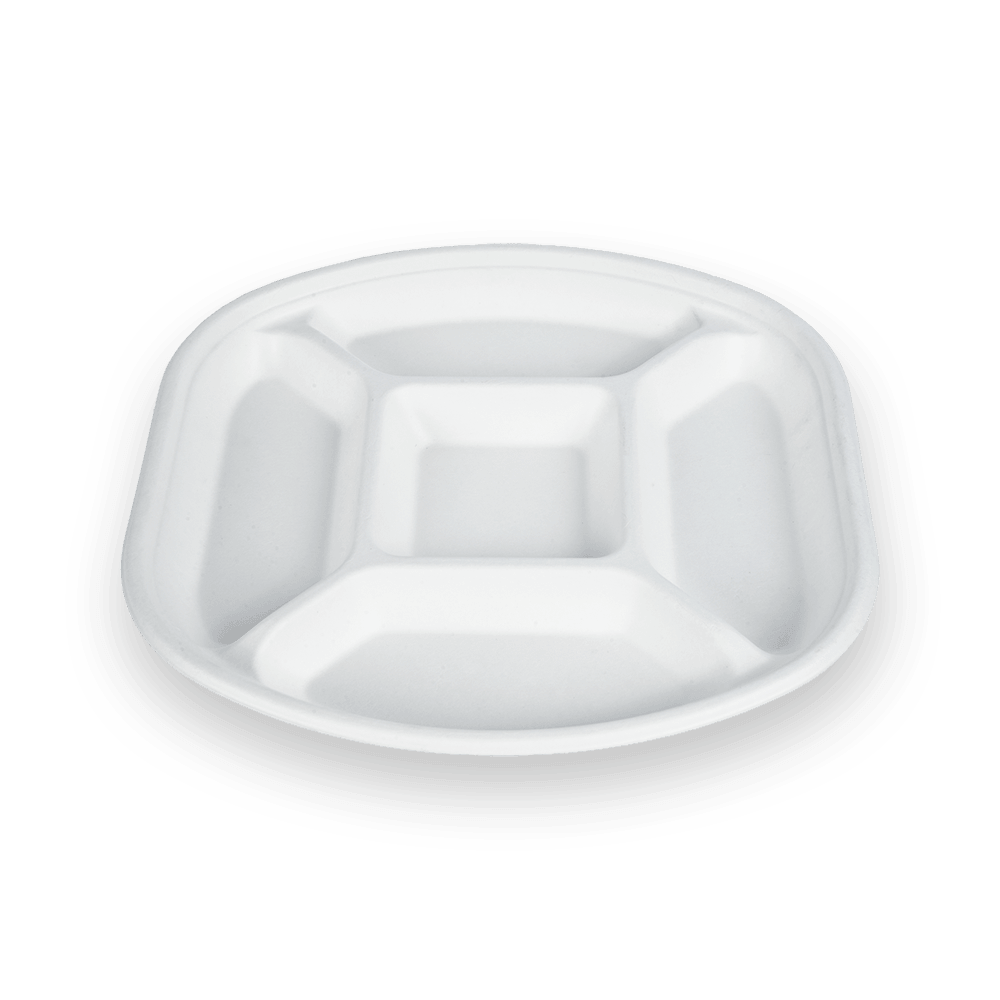
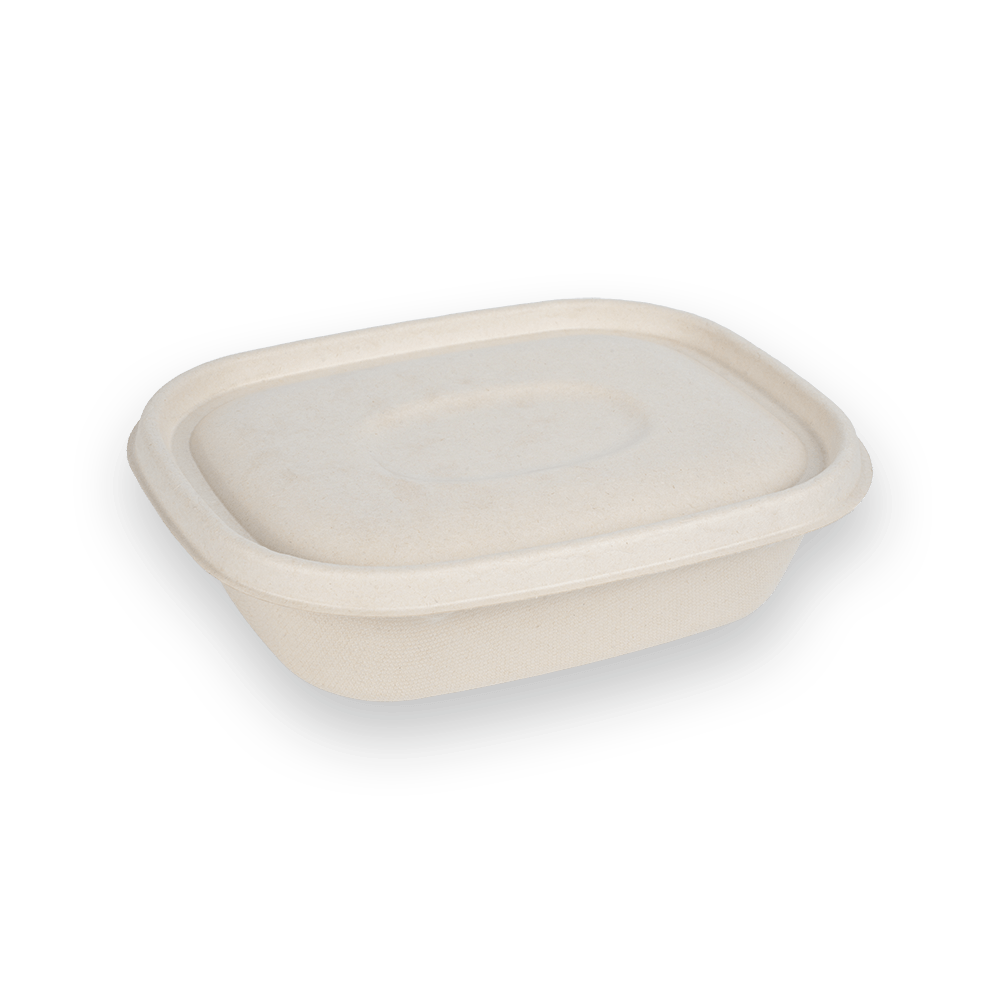
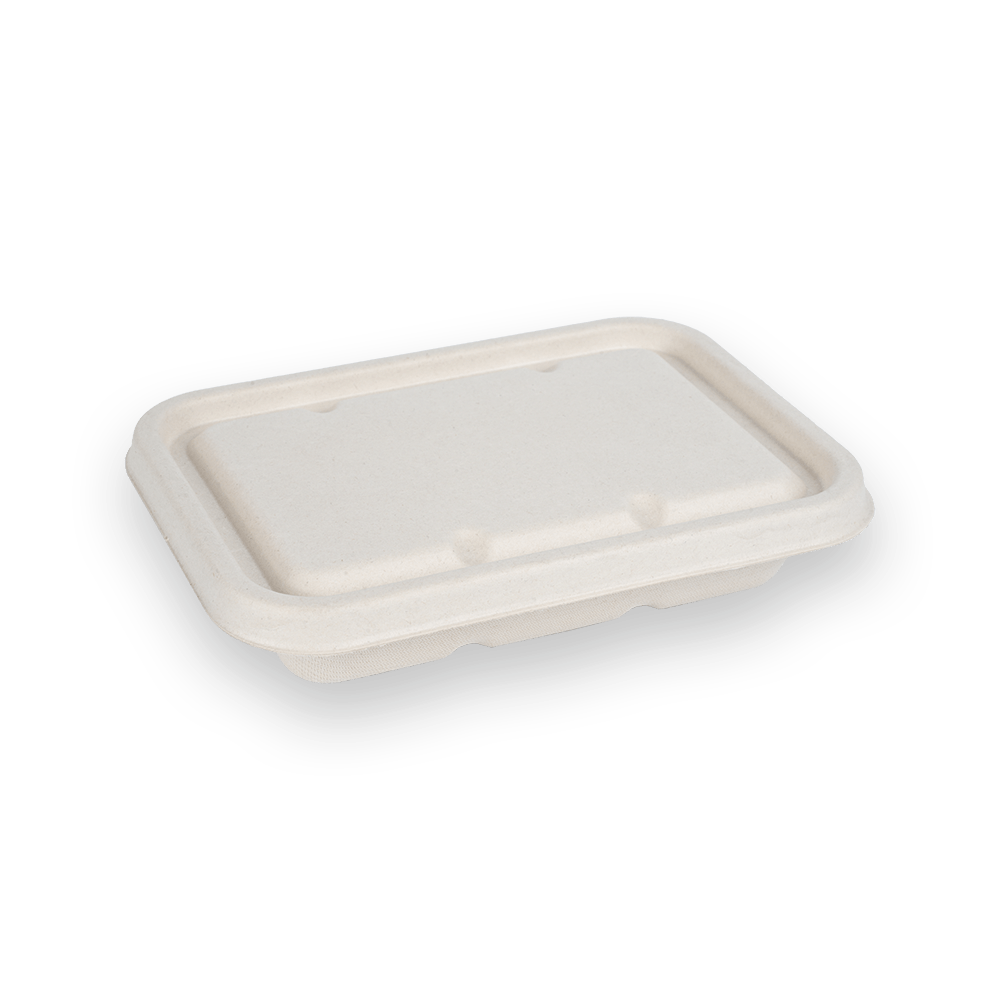
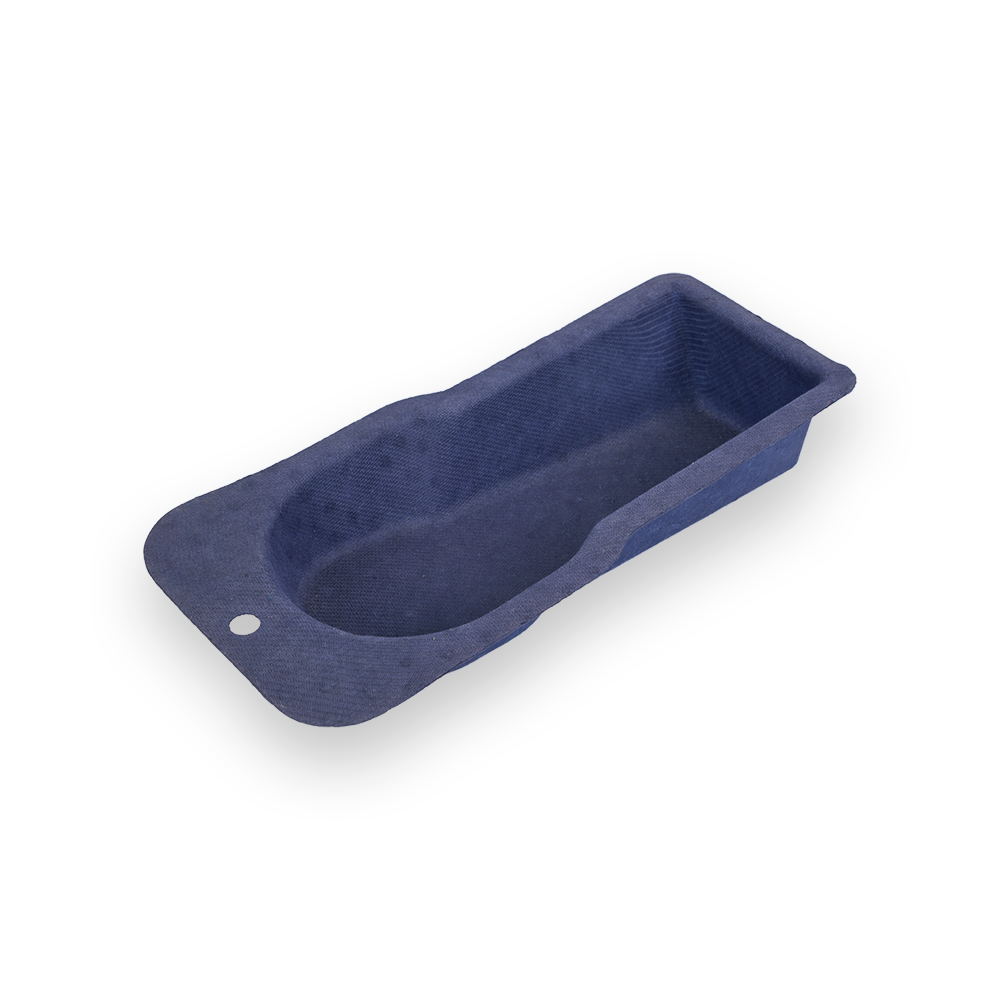
Disposable medical supplies are made from natural plant fibers through molding technology and are environmentally friendly. 99.99% biodegradable, non-toxic and harmless
-
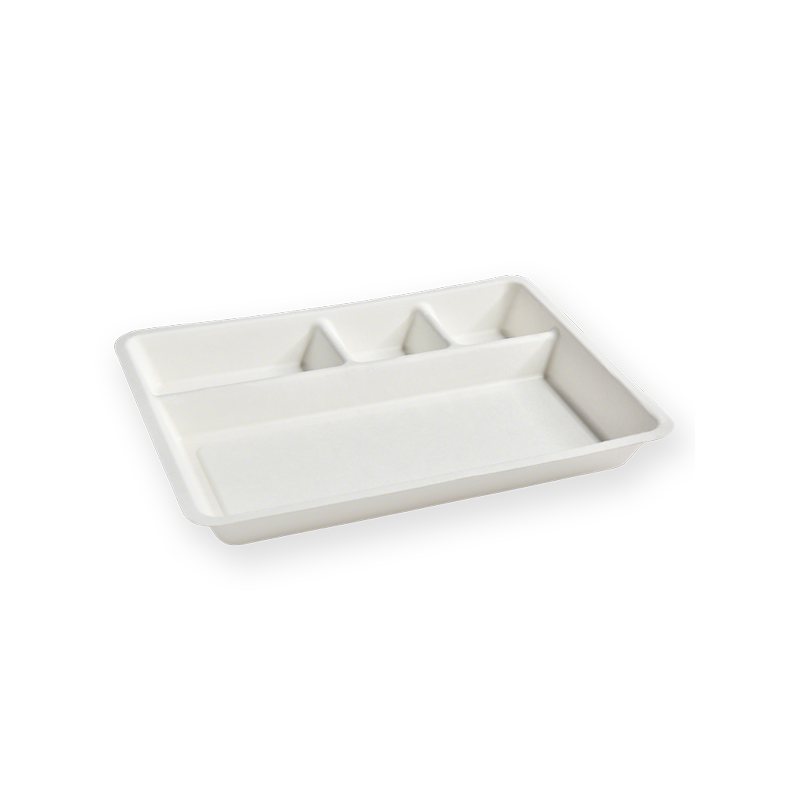 Biodegradable Medical SuppliesCONTACT US
 -
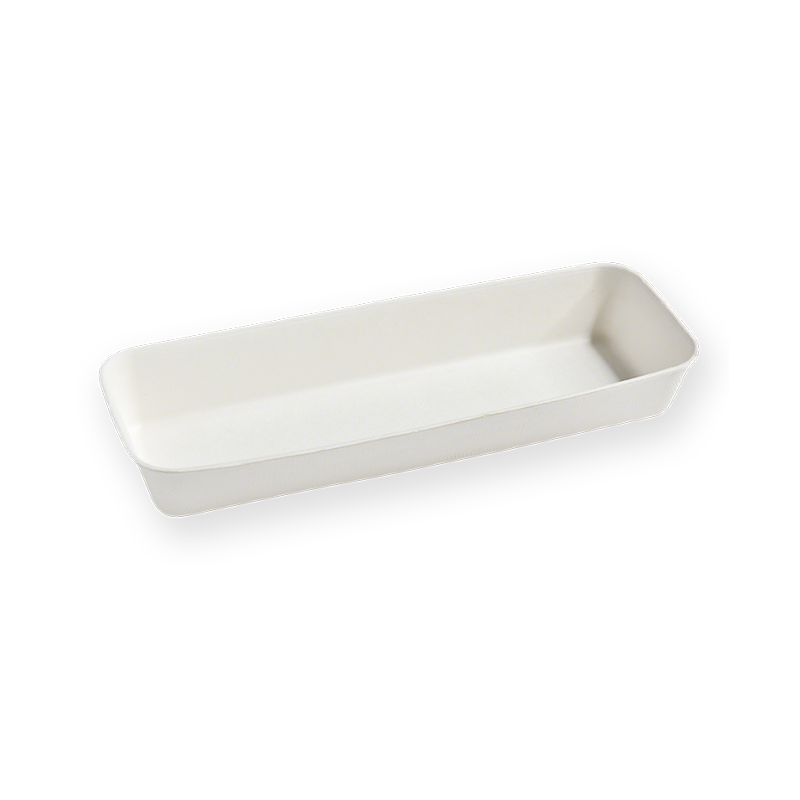 Biodegradable Medical SuppliesCONTACT US
 -
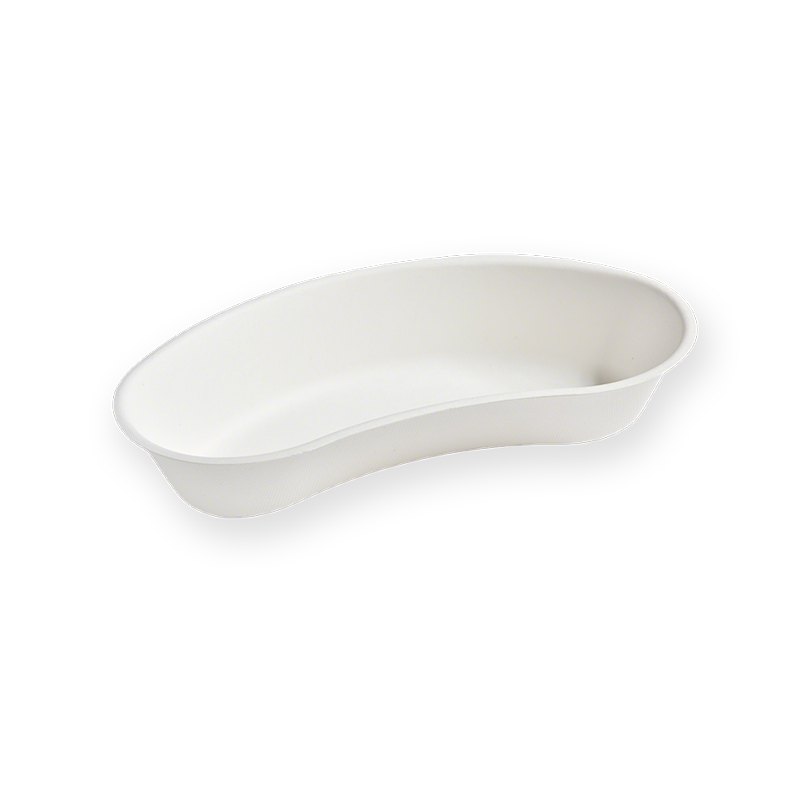 Biodegradable Medical SuppliesCONTACT US
 -
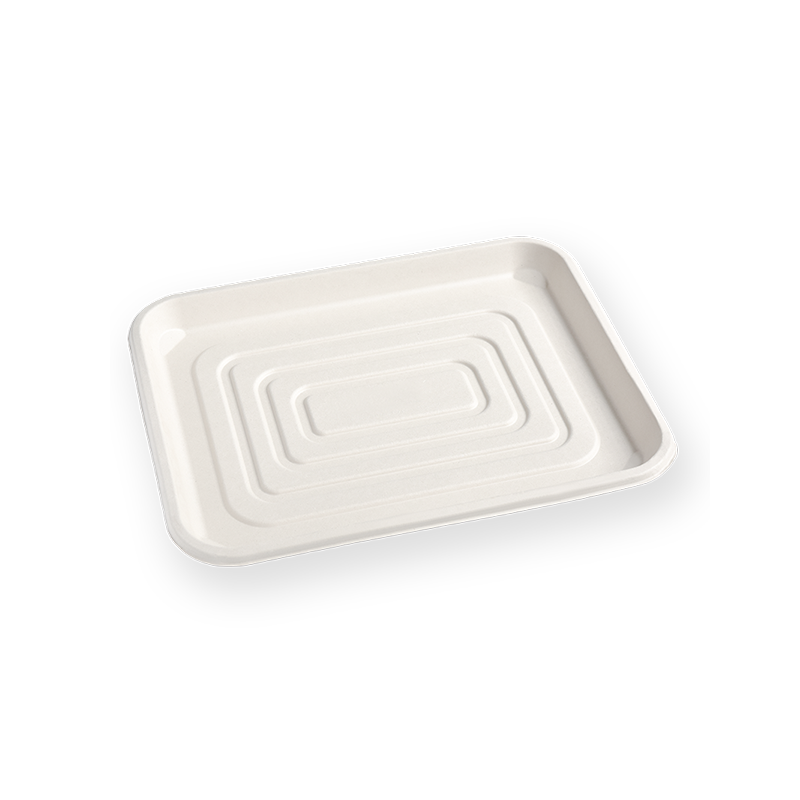 Biodegradable Medical SuppliesCONTACT US
Our Story
Zhong Xin Ecoware Technology ( Thailand ) CO., LTD.
Zhong Xin Ecoware(Thailand) is a Thailand Wholesale Biodegradable Medical Supplies Manufacturer and OEM Biodegradable Medical Supplies Factory. Both the first and second phases of the Thailand plant have now been completed and put into production, bringing the site to an annual capacity of 100,000 tonnes. The plant is already supplying orders for customers in the United States.
The landing and development of Zhong Xin in Thailand has brought a large amount of initial investment for land, factories, etc., and continuous operational investment for continuous equipment updates, technological upgrades, and capacity expansion.
Zhong Xin Ecoware(Thailand) has directly and indirectly created thousands of job opportunities, increased government revenue, promoted local economic development, cultivated local supply chains, provided systematic training for employees, improved the quality of local human capital, injected vitality into the local economy, enhanced industrial competitiveness, and ultimately improved residents' living standards.
Zhong Xin Ecoware(Thailand) actively collaborates with local pulp mills to explore new cooperation models for developing new products, improving production capacity and quality. At the same time, relying on Zhongxin's advanced production technology, process flow, management experience, and quality control system, it promotes the development of this industry in Thailand.
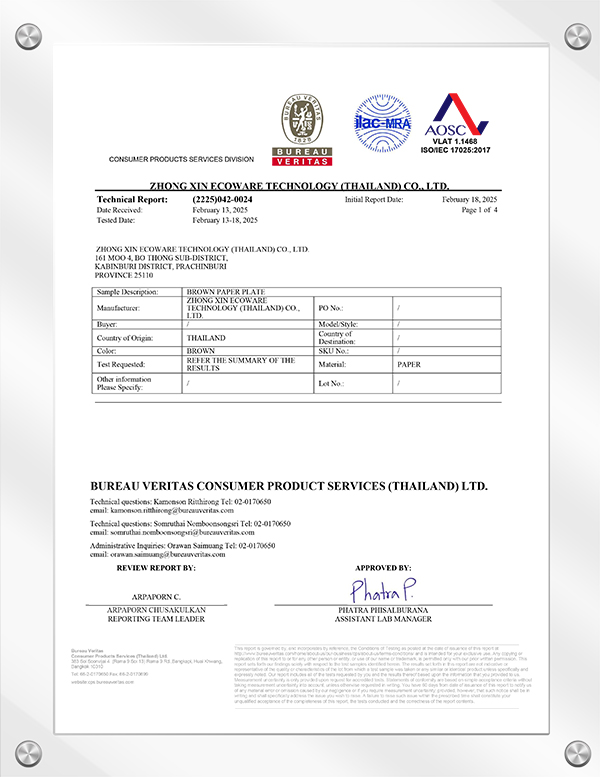
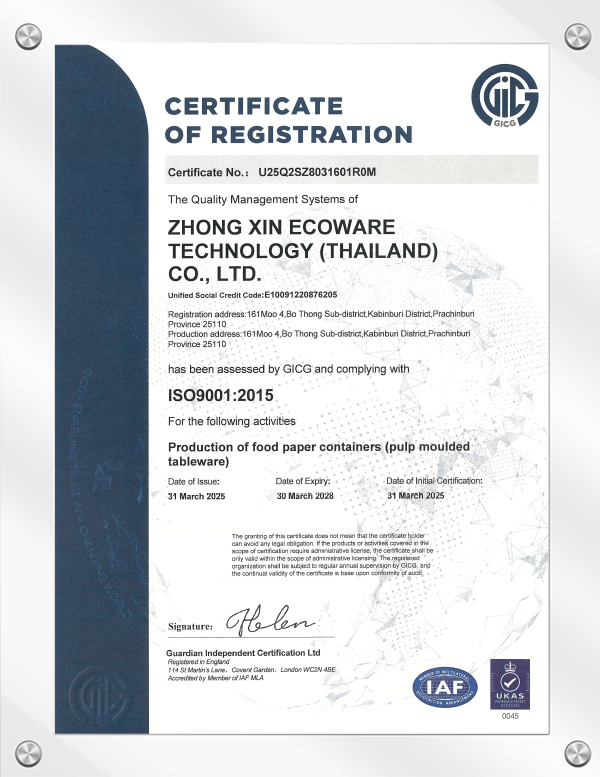
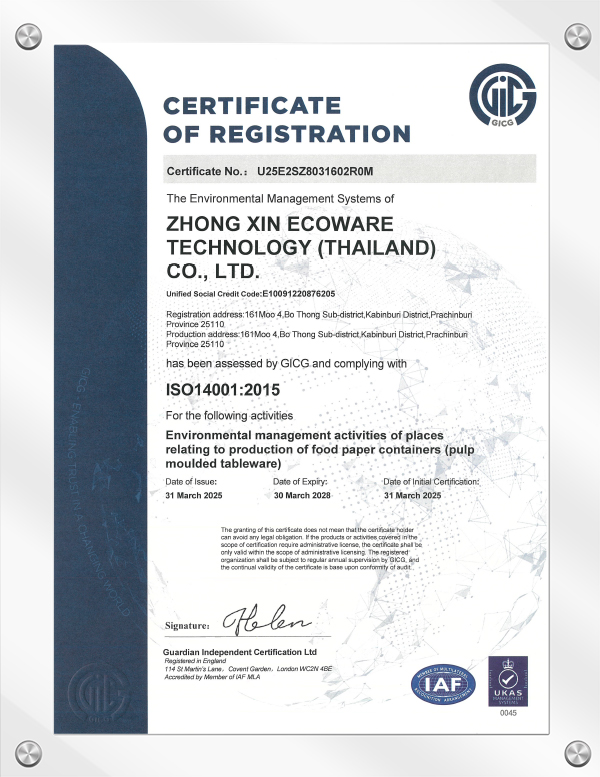
Certificate Of Honor
News & Events
-
-
Published: October 15, 2026 | By Zhong Xin Ecoware Technology (Thailand) Co., Ltd. Quick Summary: Thailand vs China Bag...
READ MORE -
Changing food packaging can affect more than the container itself. A lid that sits loosely, a box that occupies too much...
READ MORE -
Bagasse tableware is the molded fiber product range most buyers meet first and understand last. It looks like paper, per...
READ MORE


Industry Knowledge Extension
Common Materials in Biodegradable Medical Supplies:
Biodegradable medical supplies are designed to break down naturally over time, reducing their environmental footprint. The materials used in their production are diverse, catering to various medical needs. One such material is polylactic acid (PLA), derived from renewable resources like cornstarch. PLA is used for sutures, screws, and pins due to its strength and biocompatibility. Another commonly used material is polyglycolic acid (PGA), which is known for its fast degradation rate, making it suitable for absorbable sutures.
Chitosan, a natural polymer derived from the shells of crustaceans, is also gaining popularity. Its antimicrobial properties and biodegradability make it an ideal candidate for wound dressings and drug delivery systems. Additionally, starch-based materials are used for making surgical gloves and other disposable items, offering an alternative to traditional latex or vinyl products.
These materials are chosen for their ability to decompose under natural conditions, such as soil burial or composting, without releasing harmful substances. They also offer benefits like reduced risk of infection and improved patient outcomes due to their biocompatibility. The use of such materials in medical supplies is a significant step towards a more sustainable healthcare system.
Disadvantages of Sugarcane Bagasse Medical Supplies:
While sugarcane bagasse is a renewable resource and a promising material for biodegradable medical supplies, it is not without its drawbacks. One of the primary concerns is the variability in quality and consistency due to differences in the source and processing of the bagasse. This can unpredictable product performance, which is a critical issue in medical applications where reliability is paramount.
Another disadvantage is the potential for allergic reactions in patients sensitive to the proteins and other organic compounds present in bagasse. This can complicate the use of bagasse-based products, especially in applications where direct contact with the patient's skin or internal organs is involved.
The production process of bagasse-based medical supplies can be energy-intensive, potentially offsetting some of the environmental benefits associated with using a renewable resource. Additionally, the disposal of these products can be complex, as they require specific conditions to break down effectively, which may not always be available in all healthcare settings.
Post-Disposal Methods for Disposable Medical Supplies:
The disposal of disposable medical supplies is a critical aspect of their lifecycle, and it must be managed with care to minimize environmental impact. One common method for biodegradable supplies is composting. This involves the controlled decomposition of organic waste, which can convert these supplies into nutrient-rich soil amendments. However, not all healthcare facilities have access to industrial-scale composting facilities, which can limit the feasibility of this method.
Another disposal method is anaerobic digestion, a process that breaks down organic matter in the absence of oxygen, producing biogas that can be used as a renewable energy source. This method is particularly useful for managing medical waste that may contain pathogens, as the high temperatures involved in the process can help ensure the waste is sterilized.
Incineration, while not the environmentally friendly option, is sometimes used for the disposal of medical waste due to its effectiveness in sterilization and volume reduction. However, it is crucial to implement strict emission controls to minimize the release of harmful pollutants into the atmosphere.
Recycling certain components of disposable medical supplies is another post-disposal method, although it is often limited by the complexity of the products and the potential contamination during use. Efforts are being made to design medical supplies that are easier to disassemble and recycle, which could significantly reduce their environmental footprint.
Start Now
Get Quotation & Sample In 24h
Send us your product size, quantity, structure requirements, we will
reply the proposal and quotation within 24 hours, support sample proofing

-
-
 +66-31240888
 -
 161 Village No. 4, Bo Thong Subdistrict Kabin Buri District Prachinburi Province 25110
Quick Links
Product Categories
News & Events
-
How to Find Zhong Xin at the 140th Canton Fair: A Visitor Navigation Guide
Oct 16,2026
-
Thailand vs China Bagasse Tableware: 8 Comparisons Buyers Should Verify
Oct 16,2026
-
Will Takeout Containers Fit Your Existing Lids and Delivery Workflow
Oct 16,2026
-
What Is Bagasse Tableware? A 2026 Buyer Guide to Material, Performance and Documents
Oct 13,2026
-
Bagasse Tray Wholesale: How Bulk Buyers Cut Cost with Carton and Container Planning
Oct 09,2026
-
What Should a Bagasse Manufacturer Include in a Bulk Order Quote
Oct 09,2026
-
FOB, CIF or DDP? Incoterms for Bagasse Tableware Buyers Shipping from Thailand
Oct 06,2026
-
Packaging or Food Contact? Which EU Regime Applies to Bagasse Cups, Bowls, Plates and Cutlery
Oct 06,2026
-
Compostable Cutlery Sets for Private Label: 7 Sourcing Checks for Retail and Foodservice Buyers
Oct 06,2026
-
US vs EU Bagasse Tableware Imports: 8 Documentation and Compliance Checks Buyers Should Run
Oct 06,2026
-
How to Prepare a Bagasse Tableware Import: 10 Readiness Checks for US and EU Buyers
Oct 06,2026
-
Beyond Plates: Which Foods Suit Bagasse Tableware
Oct 02,2026
Copyright © 2025 Zhong Xin Ecoware Technology ( Thailand ) CO., LTD.
All Rights Reserved.

Biodegradable Medical Supplies Wholesale