


 English
 Español
 ไทย
ไทย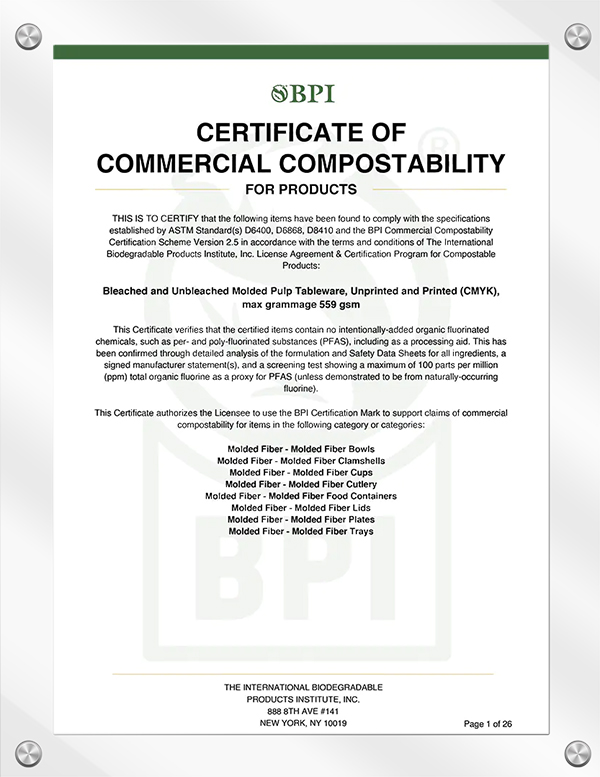
Cutlery is the part of a tableware program that buyers notice last and customers notice first. A fork that snaps, a wrap...
READ MOREWelcome to Zhong Xin Ecoware Technology ( Thailand ) CO., LTD. Official Website
-
 [email protected]
-
 +66-31240888
Biodegradable Industrial Packaging Factory
Pulp fine industrial packaging mainly refers to paper plastic packaging products made from natural plant fibers using wet pressing and semi dry pressing techniques, with fine appearance quality, used to meet the packaging needs of high-end products. Degradable, recyclable, cushioned and shock-absorbing, resistant to compression and bending, anti-static. Widely used in fields such as electronic products, cosmetics, pharmaceuticals, and gift packaging to meet customers' customized needs
-
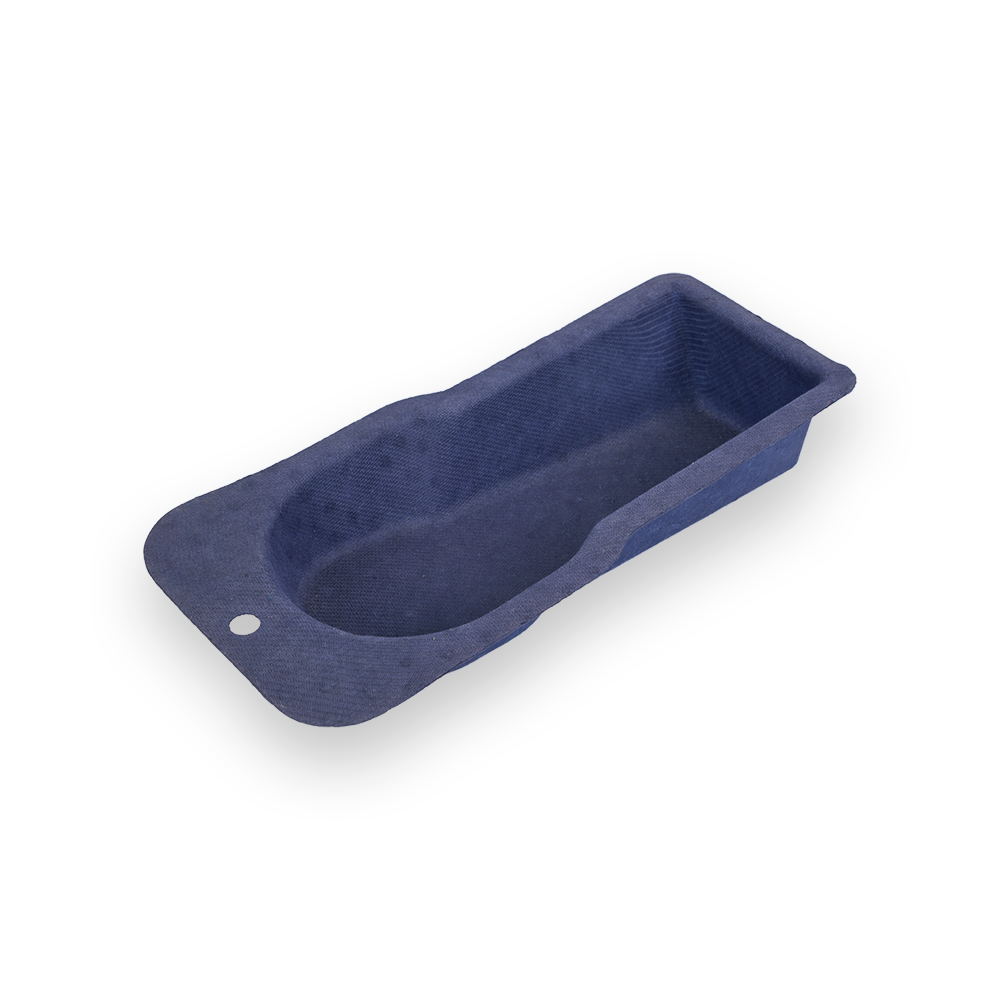 Paper-plastic molding industrial liningCONTACT US
 -
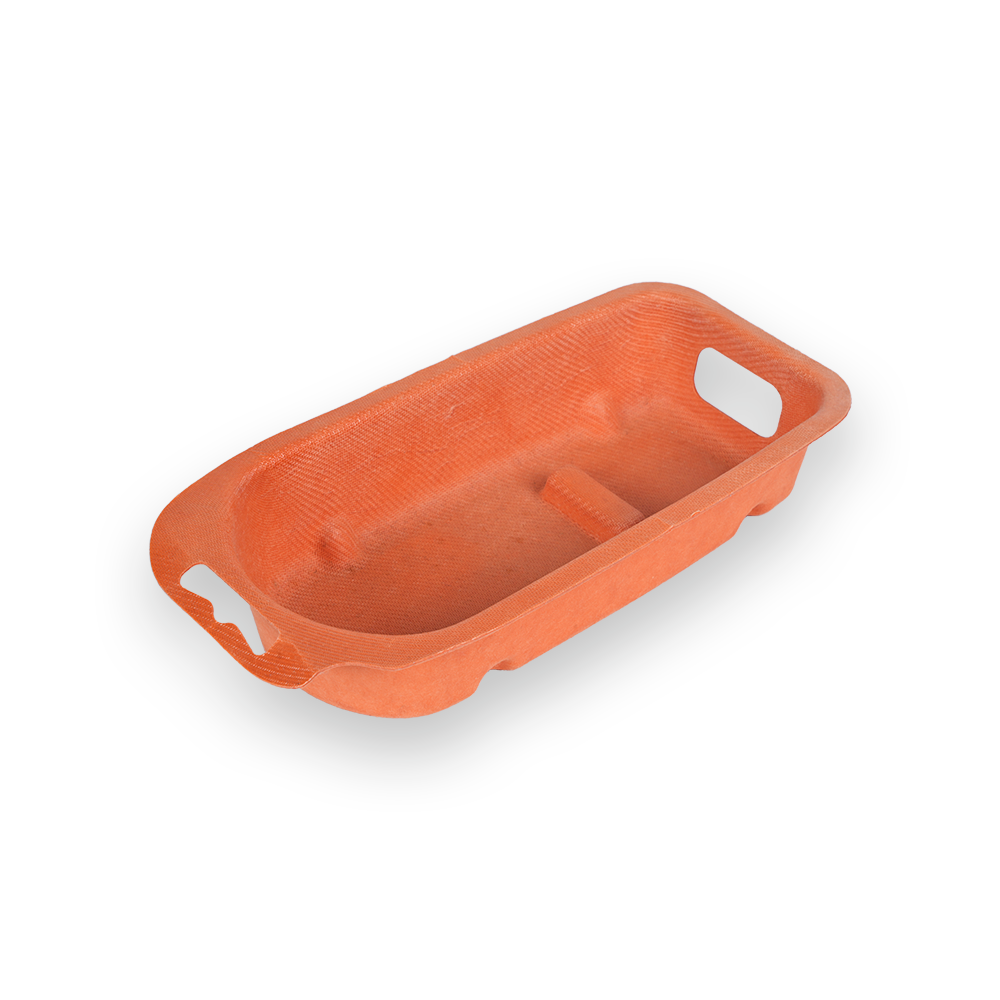 Degradable pulp molded hanging inner trayCONTACT US
 -
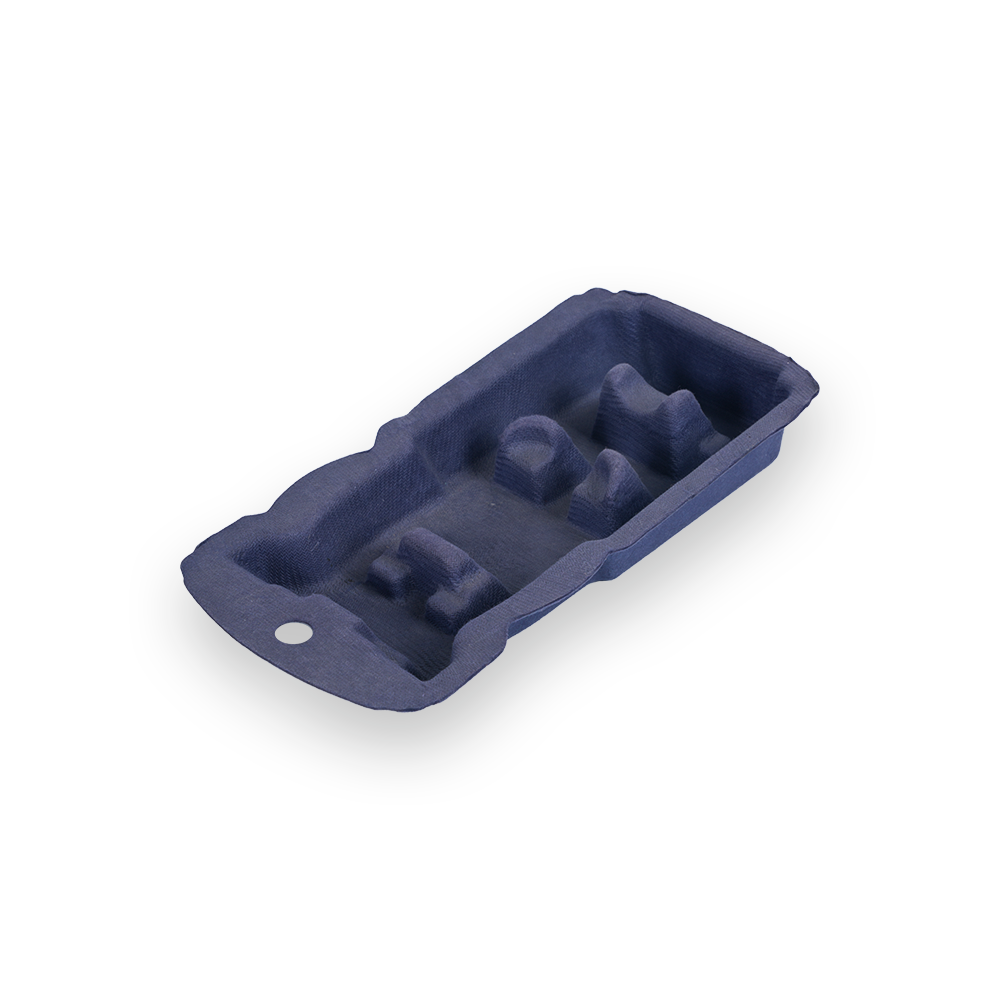 Degradable industrial inner trayCONTACT US
 -
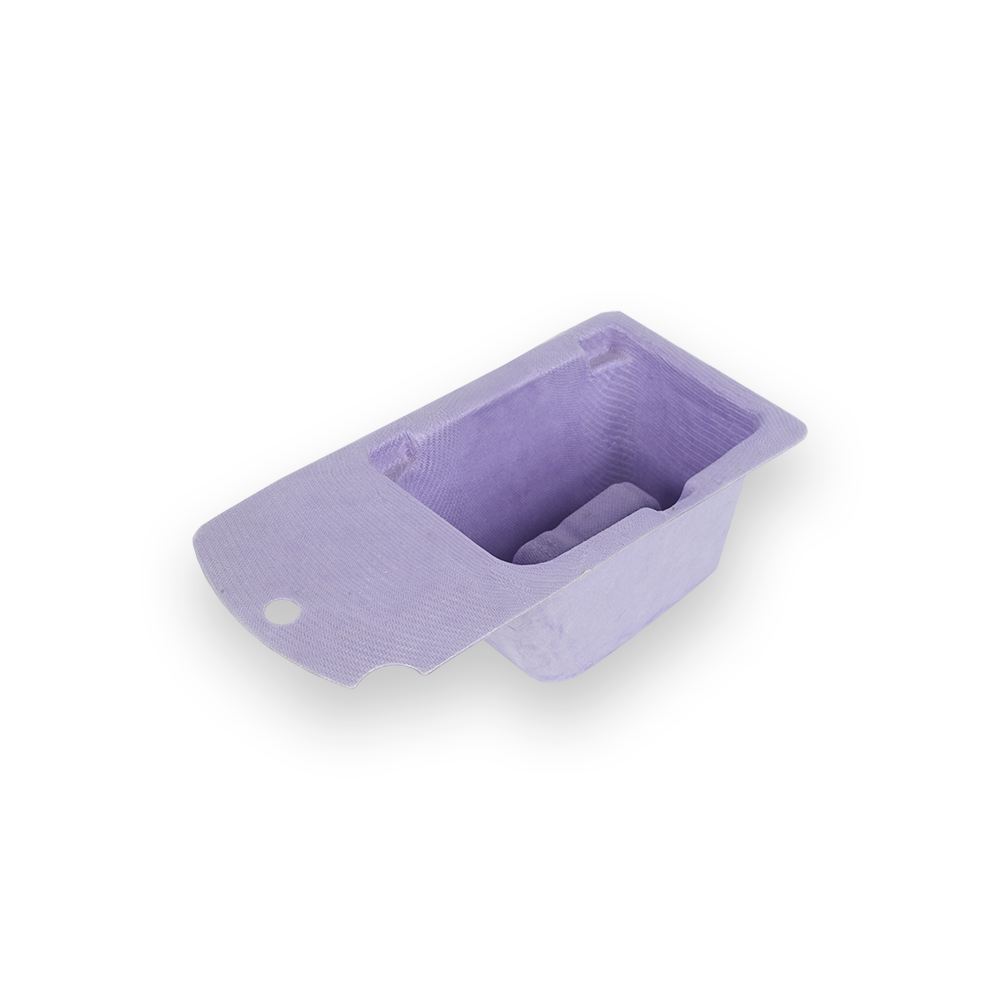 Pulp molded three-dimensional box inner trayCONTACT US
 -
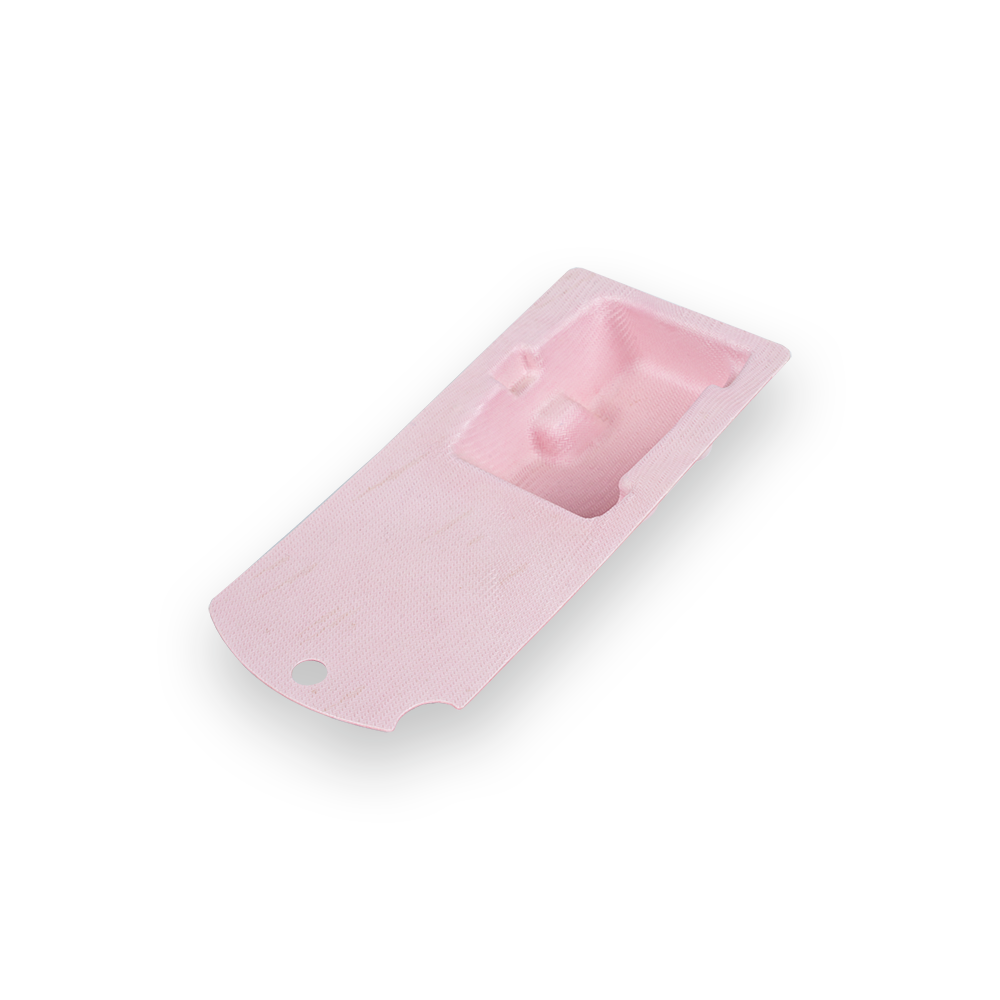 Paper-plastic molding hanging protective binCONTACT US
 -
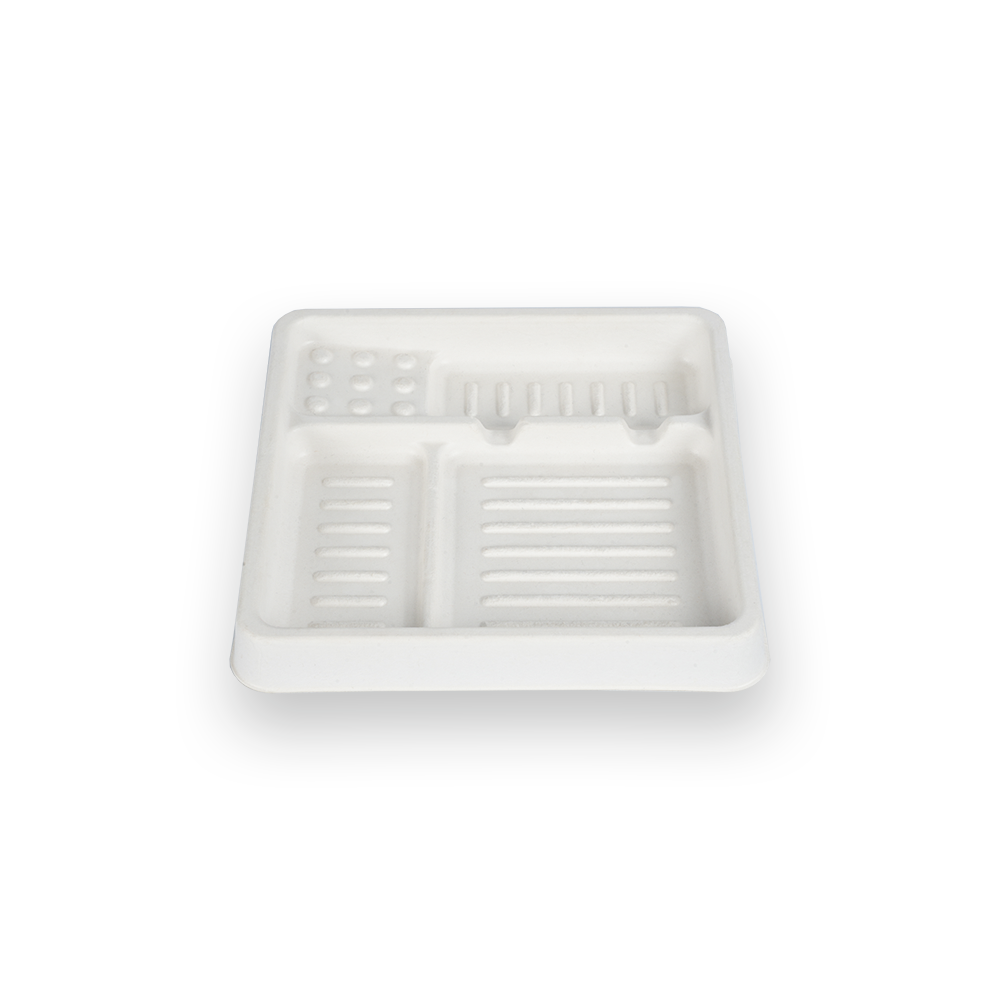 Environmentally friendly three-dimensional hanging hole protective boxCONTACT US
 -
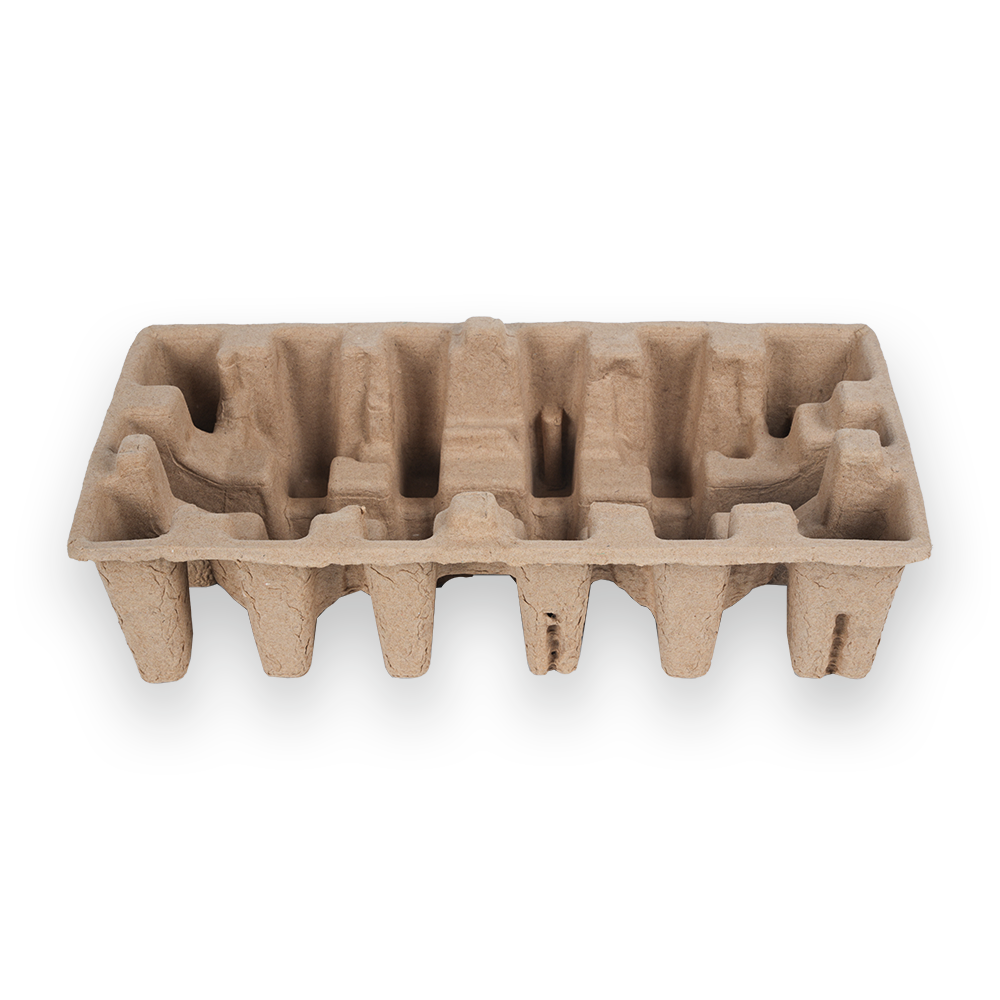 Environmentally friendly degradable industrial packagingCONTACT US
 -
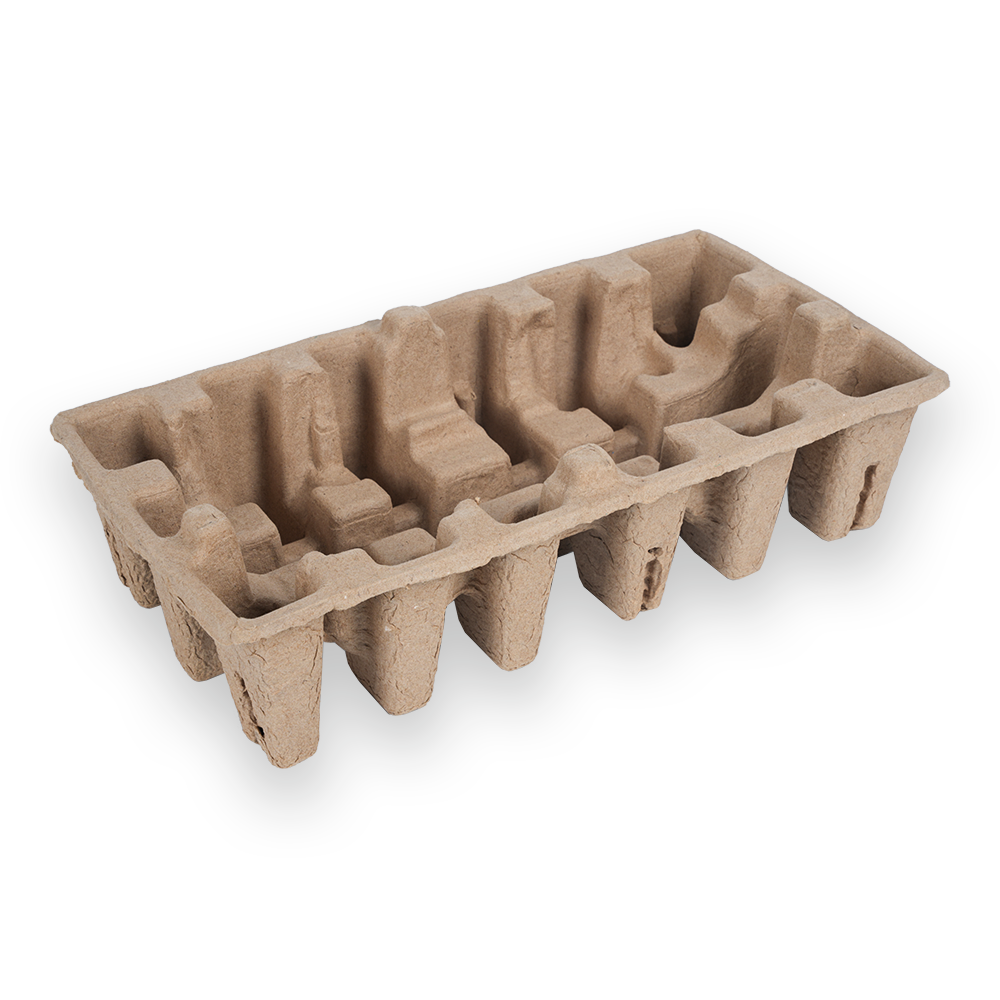 Environmentally friendly degradable dry-pressed pulp packagingCONTACT US
 -
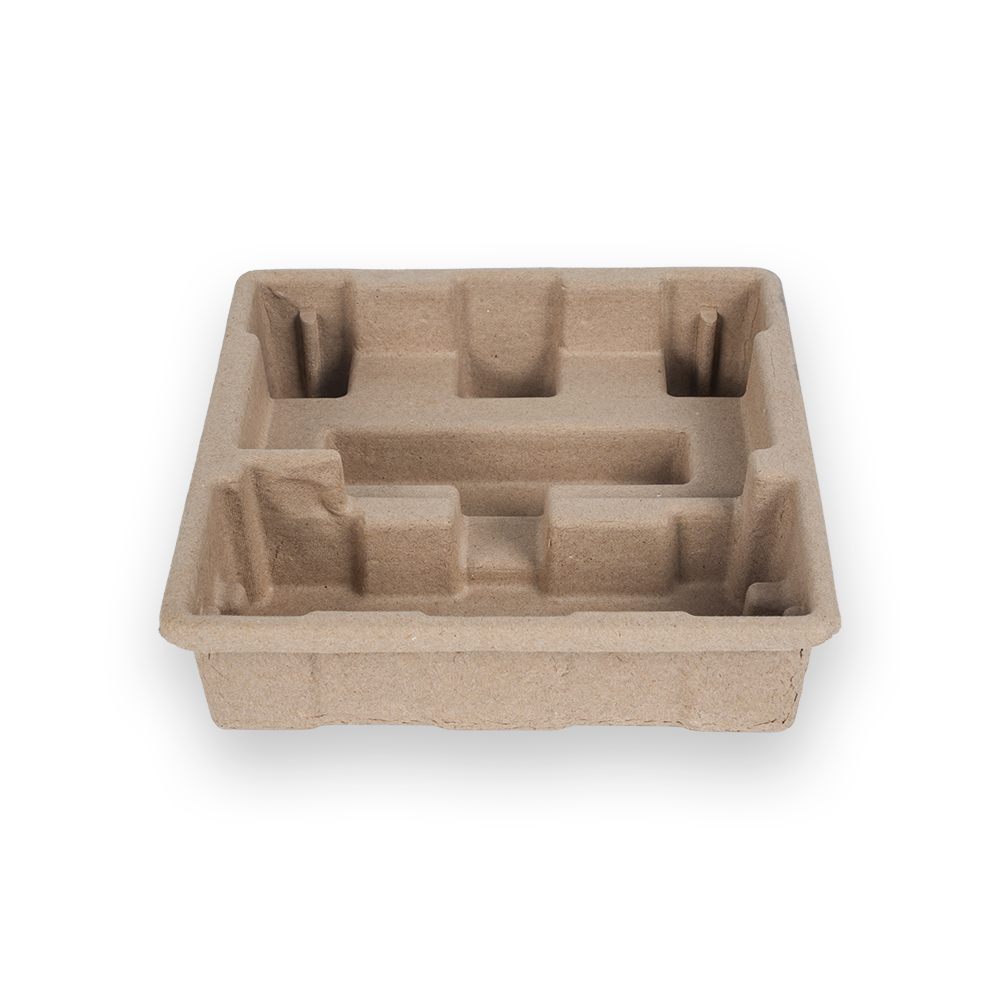 Environmentally friendly degradable paper trayCONTACT US
Our Story
Zhong Xin Ecoware Technology ( Thailand ) CO., LTD.
Zhong Xin Ecoware(Thailand) is a Thailand Wholesale Biodegradable Industrial Packaging Manufacturer and OEM Biodegradable Industrial Packaging Factory. At present, the first phase workshop of the factory has been fully completed and put into use. The second phase of the factory is being constructed intensively.
The landing and development of Zhong Xin in Thailand has brought a large amount of initial investment for land, factories, etc., and continuous operational investment for continuous equipment updates, technological upgrades, and capacity expansion.
Zhong Xin Ecoware(Thailand) has directly and indirectly created thousands of job opportunities, increased government revenue, promoted local economic development, cultivated local supply chains, provided systematic training for employees, improved the quality of local human capital, injected vitality into the local economy, enhanced industrial competitiveness, and ultimately improved residents' living standards.
Zhong Xin Ecoware(Thailand) actively collaborates with local pulp mills to explore new cooperation models for developing new products, improving production capacity and quality. At the same time, relying on Zhongxin's advanced production technology, process flow, management experience, and quality control system, it promotes the development of this industry in Thailand.
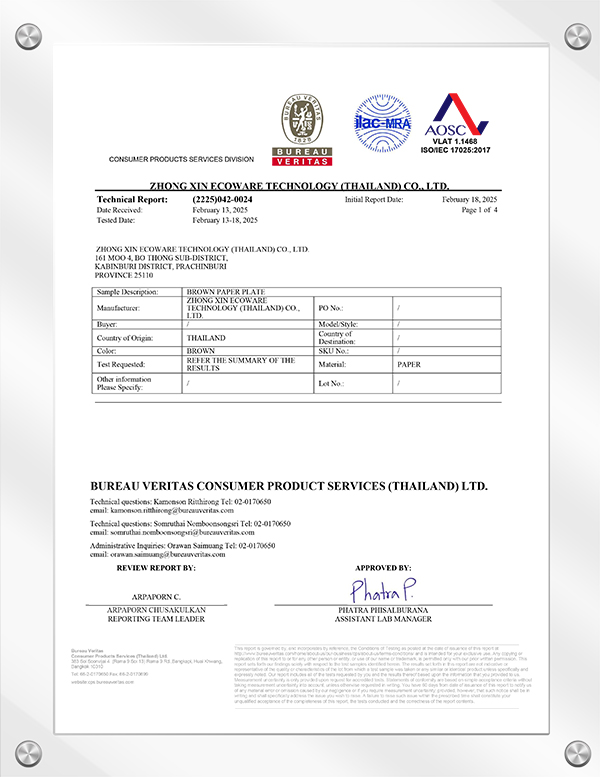
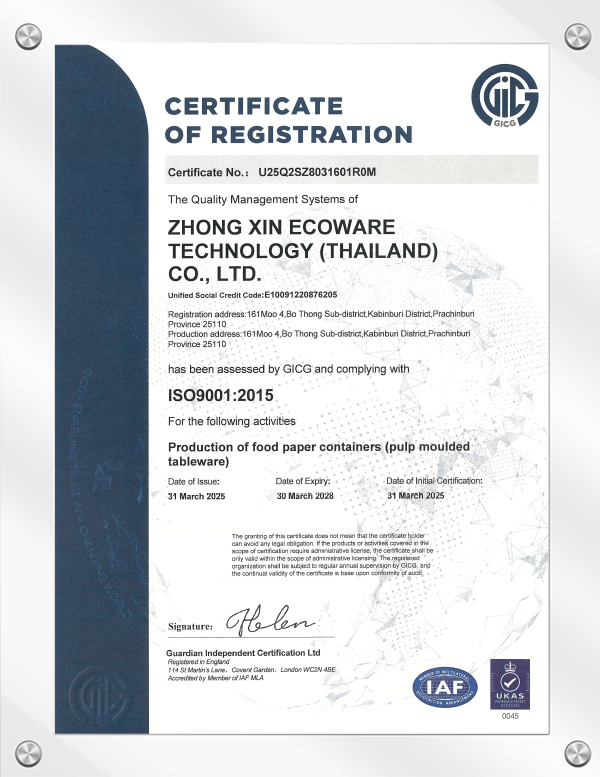
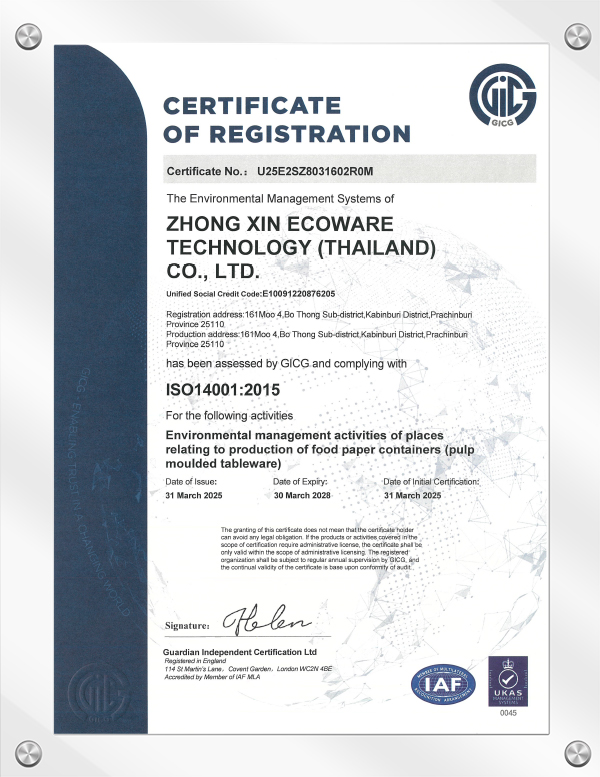
Certificate Of Honor
News & Events
-
-
Buyers sourcing bagasse and molded fiber tableware often plan one product range for several markets. The product can be ...
READ MORE -
Preparing a bagasse tableware import is not a single document or a single check. It is a sequence: lock the specificatio...
READ MORE -
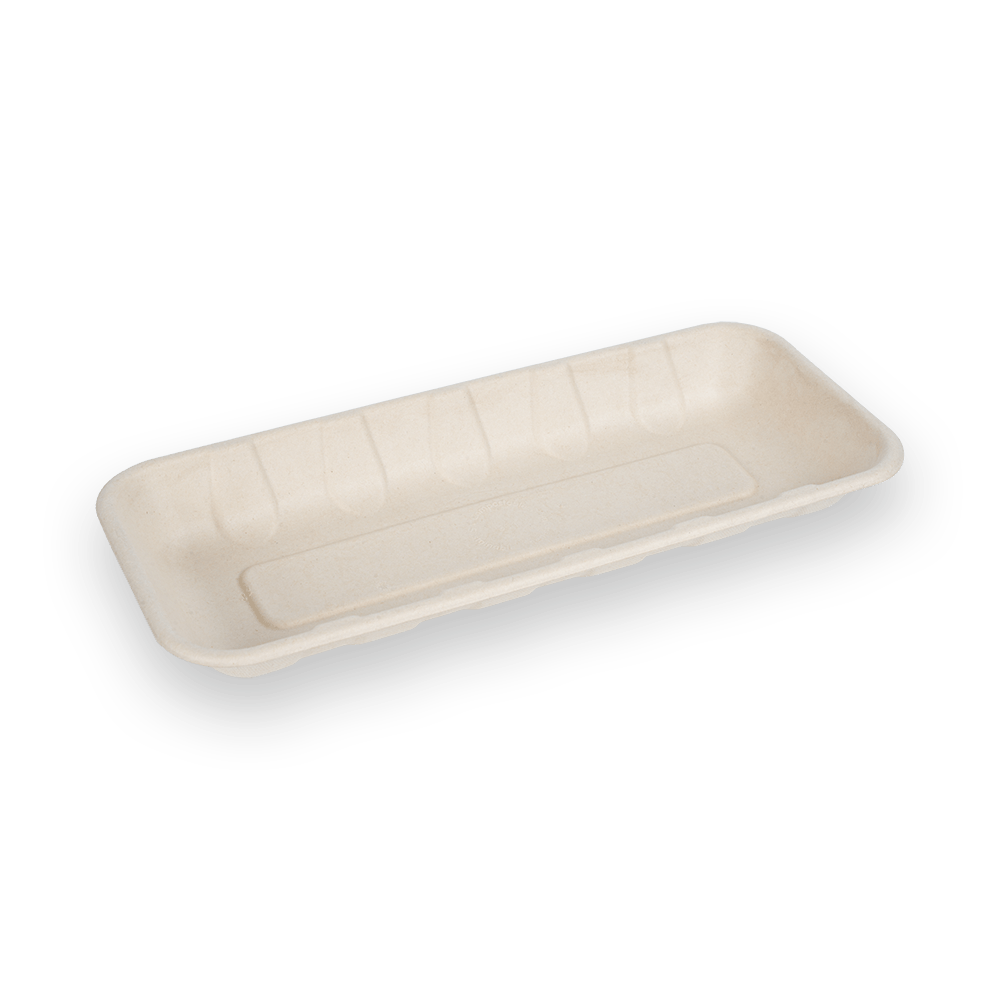
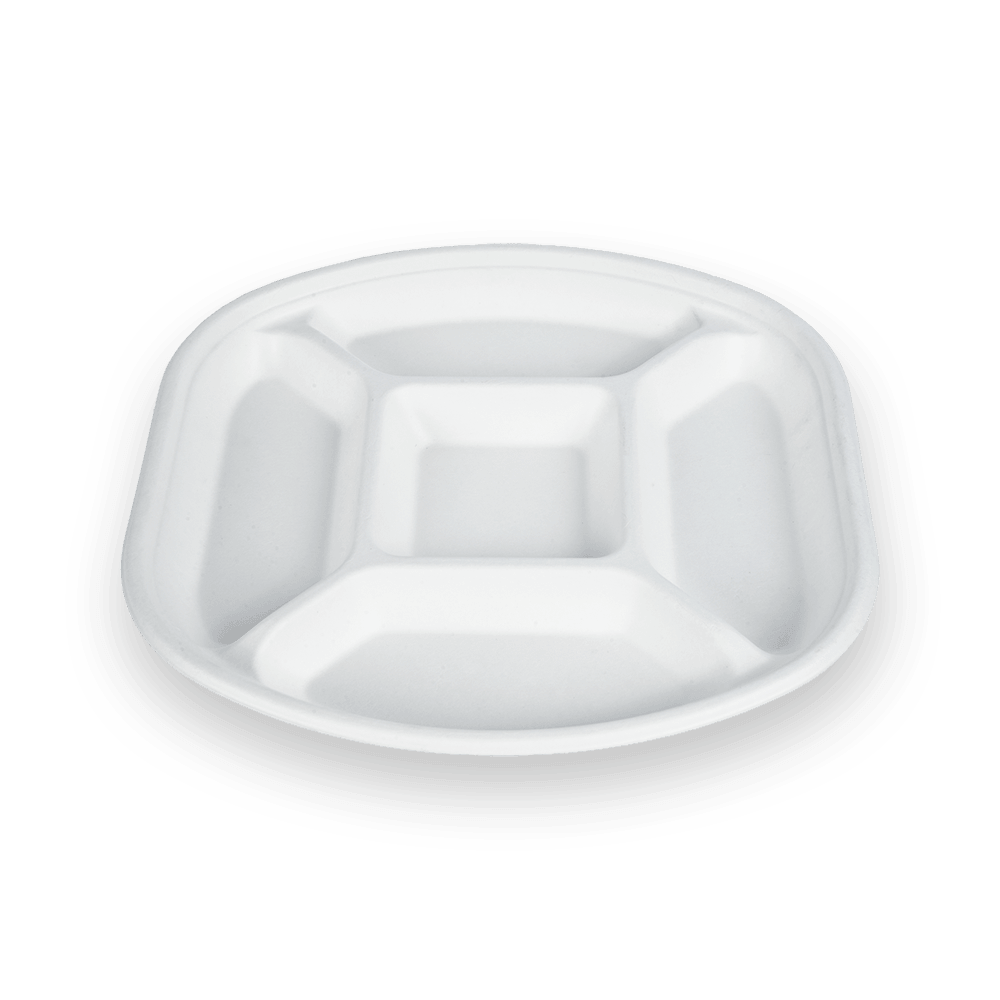
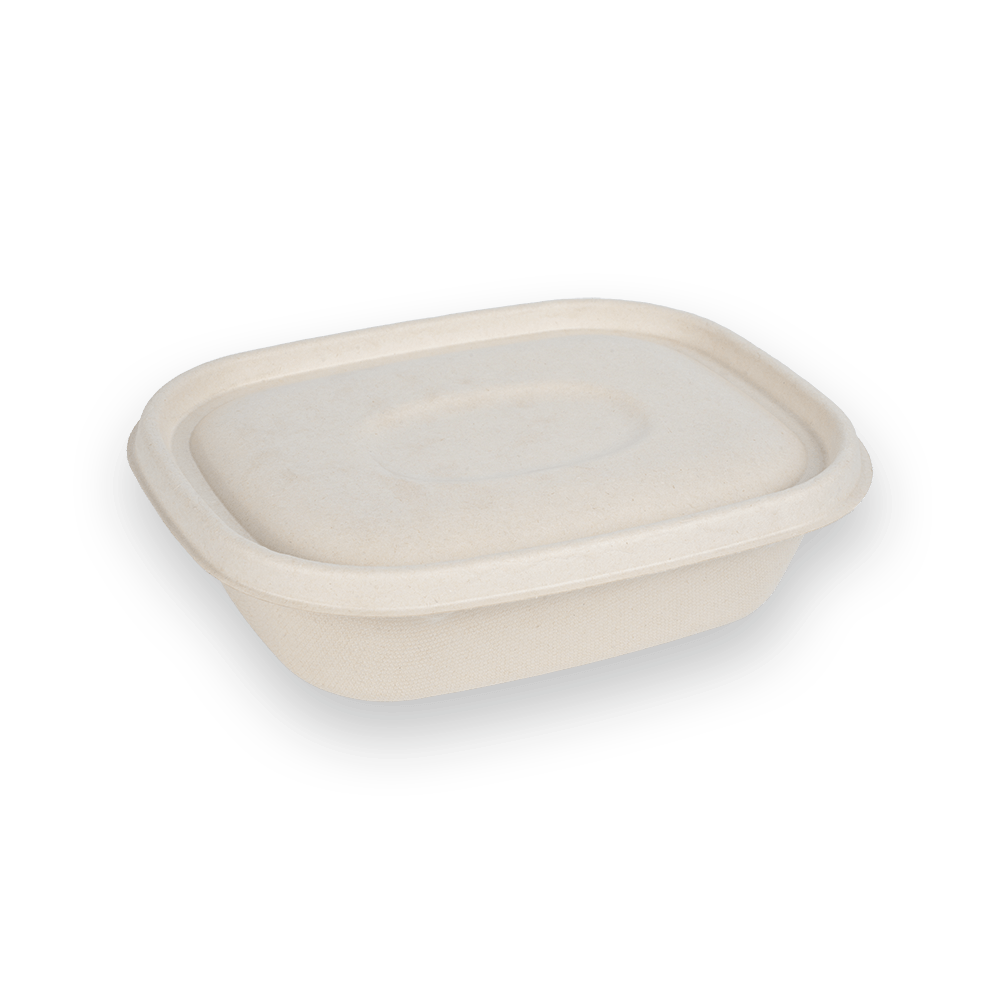
Bagasse tableware is no longer limited to serving a simple side dish. Sugarcane fiber can be molded into plates, bowls, ...
READ MORE


Industry Knowledge Extension
What Are the Common Problems with Biodegradable Industrial Packaging?
1. Limited Durability and Shelf Life
One of the primary concerns with biodegradable industrial packaging is its relatively short shelf life compared to conventional plastic. Biodegradable materials are designed to break down over time when exposed to environmental elements, such as moisture or heat. While this is beneficial for reducing long-term environmental waste, it can pose a problem for products that need to be stored for extended periods. Packaging materials like biodegradable plastics or plant-based films may deteriorate prematurely, compromising the integrity of the product inside. This issue is particularly relevant for industries like food packaging, where freshness and protection from contamination are critical.
2. Higher Cost of Production
Biodegradable packaging materials are often more expensive to produce than traditional plastics. The raw materials used for biodegradable packaging, such as cornstarch, sugarcane, or other plant-based substances, tend to be costlier to source and process. Additionally, the technology required to produce biodegradable materials at a mass scale is still developing, which can add to production costs. As a result, companies opting for biodegradable packaging may face higher upfront costs, which could be passed on to consumers or impact the overall profitability of the product.
3. Waste Management and Recycling Challenges
While biodegradable packaging is designed to break down more easily than traditional plastic, it does not necessarily degrade in all environments. In industrial settings, waste management systems may not be equipped to properly process biodegradable materials. Composting requires specific conditions—such as moisture, heat, and microbial activity—which are not always present in standard landfill or recycling facilities. This can biodegradable packaging accumulating in landfills, where it may still take years to fully decompose, defeating the purpose of its design. Furthermore, the presence of biodegradable materials in recycling streams can contaminate the recycling process, further challenges in waste management.
What Are the Characteristics of Eco-Friendly Molded Pulp Packaging?
Characteristics: Made from Recycled Paper and Natural Fibers
Eco-friendly molded pulp packaging is typically produced from post-consumer recycled paper, cardboard, or natural fibers like wood or sugarcane bagasse. The process involves pulping the material, molding it into the desired shape, and drying it. The result is a lightweight, sturdy, and protective packaging material.
Advantages:
- Sustainability: Using recycled materials reduces the need for virgin resources, making molded pulp packaging a more sustainable choice. It can also be recycled again at the end of its life cycle, contributing to a circular economy.
- Biodegradability: Unlike plastic alternatives, molded pulp packaging is completely biodegradable. When exposed to environmental conditions, it breaks down naturally without leaving harmful residues.
- Renewable: Many molded pulp products are made from renewable resources, such as wood or bagasse, reducing reliance on non-renewable materials.
Characteristics: Versatility in Design and Customization
Molded pulp packaging can be molded into various shapes and sizes to meet the specific needs of different products. Whether it's used for electronics, food items, or fragile products, molded pulp can be shaped into custom compartments and trays that securely hold and protect items during transit.
Advantages:
- Protection and Durability: The molded pulp design offers cushioning, making it ideal for protecting delicate items during shipping. Its ability to absorb shock reduces the likelihood of damage to products, reducing waste and ensuring that items reach customers in good condition.
- Lightweight and Space-Efficient: Molded pulp is lightweight, reducing the overall weight of packages. This can savings in shipping costs, especially when transporting large quantities of products. Additionally, the material is space-efficient, often requiring less volume than foam or plastic alternatives.
How to Choose Between Compostable and Biodegradable Packaging and What Are Their Applications?
As sustainability continues to be a focal point in consumer preferences and business practices, choosing between compostable and biodegradable packaging can be a challenging decision for companies. While both options offer environmental benefits, they differ in their composition, decomposition processes, and ideal applications.
Compostable Packaging
Compostable packaging is made from materials that break down into organic matter under the right conditions, typically in industrial composting facilities. These materials must meet specific standards, such as ASTM D6400 or EN 13432, to ensure they decompose completely without leaving toxic residues.
Applications:
- Food Service Industry: Compostable packaging is ideal for restaurants, catering services, and takeout businesses that use disposable containers, cups, and utensils. Since composting facilities can process compostable materials efficiently, they offer a practical solution for managing waste in these industries.
- Agricultural Products: Fresh produce often benefits from compostable packaging, as it can be broken down easily and safely, avoiding the accumulation of plastic waste.
- Event Packaging: Large events such as festivals and conferences can adopt compostable packaging for single-use items like plates, cups, and napkins, reducing the environmental impact of waste.
Biodegradable Packaging
- Biodegradable packaging is designed to break down over time through natural processes such as microbial activity. It is not necessarily compostable and may require specific environmental conditions, such as heat or moisture, to degrade effectively.
Applications:
- Shipping and Delivery: Biodegradable packaging is often used in logistics, particularly for shipping materials like packing peanuts or bubble wraps, where it can break down in landfill settings.
- Retail Products: Certain products, such as toiletries or small electronics, may be packaged in biodegradable materials for better environmental impact.
- Consumer Goods: Companies that produce everyday items, such as cleaning products or snacks, are increasingly choosing biodegradable materials to package their goods.
Start Now
Get Quotation & Sample In 24h
Send us your product size, quantity, structure requirements, we will
reply the proposal and quotation within 24 hours, support sample proofing

-
-
 +66-31240888
 -
 161 Village No. 4, Bo Thong Subdistrict Kabin Buri District Prachinburi Province 25110
Quick Links
Product Categories
News & Events
-
Compostable Cutlery Sets for Private Label: 7 Sourcing Checks for Retail and Foodservice Buyers
Oct 06,2026
-
US vs EU Bagasse Tableware Imports: 8 Documentation and Compliance Checks Buyers Should Run
Oct 06,2026
-
How to Prepare a Bagasse Tableware Import: 10 Readiness Checks for US and EU Buyers
Oct 06,2026
-
Beyond Plates: Which Foods Suit Bagasse Tableware
Oct 02,2026
-
New Bagasse Tableware Lineup for 2026: What Is New and Where to See It
Sep 28,2026
-
How to Select Bagasse Clamshells for Burgers, Rice Meals and Fried Food
Sep 28,2026
-
Microwave Reheating: Is a Bagasse Lunch Box Suitable
Sep 25,2026
-
9 Inch Pizza Plates and Bagasse Pizza Boards: A Sourcing Guide for US and Canadian Distributors
Sep 19,2026
-
PFAS-Free & Compostability Verification: A Buyer's Checklist for Bagasse and Molded Fiber Packaging
Sep 19,2026
-
Bagasse vs PLA vs Molded Fiber: What Distributors Should Stock in 2026
Sep 19,2026
-
Can Sugarcane Plates Handle Hot, Greasy Foods
Sep 18,2026
-
Bagasse Tableware RFQ Template: Get a Comparable Thailand Factory Quote
Sep 14,2026
Copyright © 2025 Zhong Xin Ecoware Technology ( Thailand ) CO., LTD.
All Rights Reserved.

Biodegradable Industrial Packaging Wholesale