-
 [email protected]
-
 +66-31240888



 English
 Español
 ไทย
ไทยAre Eco Lunch Boxes Ready for Hot Meals and Takeout
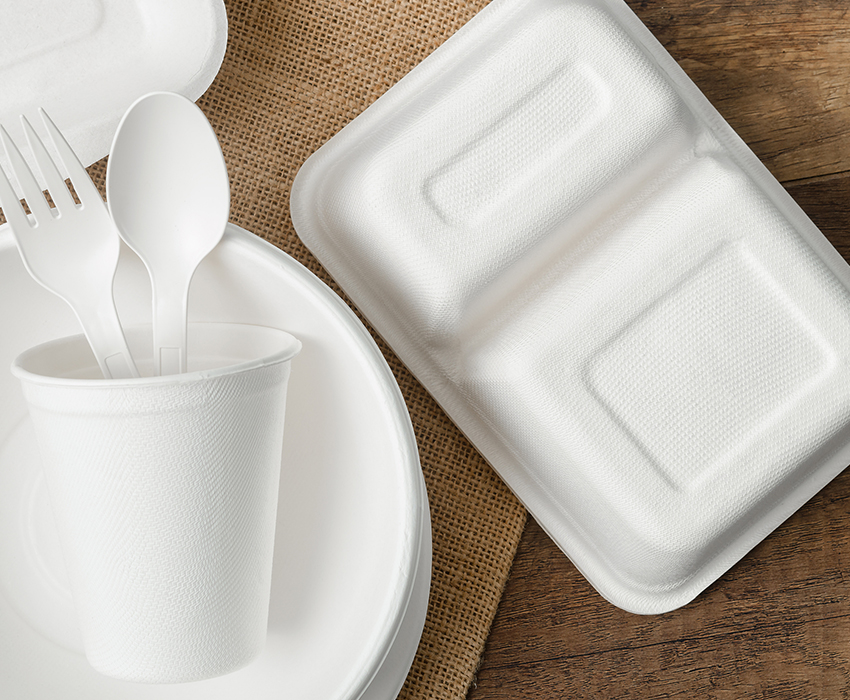
Takeout culture has changed the way people choose food packaging. Customers now expect containers to do more than simply hold meals. They want packaging that can handle hot dishes, prevent leaks during delivery, maintain food quality, and reduce unnecessary plastic waste. This has increased interest in the Eco-Friendly Disposable Lunch Box, especially those made from plant-based materials such as sugarcane bagasse fiber.
A common question from restaurants, catering services, and everyday consumers is whether eco lunch boxes can truly manage demanding food applications. Hot rice, pasta with sauce, fried meals, soups, and mixed dishes all create challenges related to temperature, moisture, oil resistance, and structural strength. Modern molded fiber technology has improved these containers significantly, making them suitable for many takeaway situations. Bagasse-based food packaging is designed for both hot and cold meals, with many products tested for resistance to heat, moisture, and grease.
How Plant Fiber Materials Improve Takeout Packaging Performance
The material composition determines how well an Eco-Friendly Disposable Lunch Box performs. Many eco lunch containers use sugarcane bagasse, a natural fiber remaining after sugar extraction. Through pulp molding and heat-press forming processes, these fibers can be shaped into rigid food containers with stable structures.
Unlike thin paper packaging, molded bagasse containers provide better support for heavier meals. The fiber network helps the box maintain its shape during transportation, while surface treatments improve resistance against liquids and oils.
- Sugarcane bagasse fiber: Provides a renewable raw material source and creates a firm container structure.
- Pulp molding technology: Forms containers with reinforced edges and better compression strength.
- Food-grade surface treatment: Helps reduce moisture penetration from sauces, soups, and oily foods.
Some commercial bagasse containers are designed for hot food applications around 100°C–120°C, with options that support microwave heating and freezer storage depending on product specifications.
Typical Material Features of Eco Lunch Boxes
| Feature | Common Specification | Benefit for Users |
| Raw Material | Sugarcane bagasse fiber | Reduces reliance on petroleum-based packaging |
| Temperature Resistance | Approx. 100°C–120°C for many models | Suitable for hot meals and takeaway dishes |
| Capacity Range | 500ml–1300ml+ options | Fits individual meals, combo dishes, and catering portions |
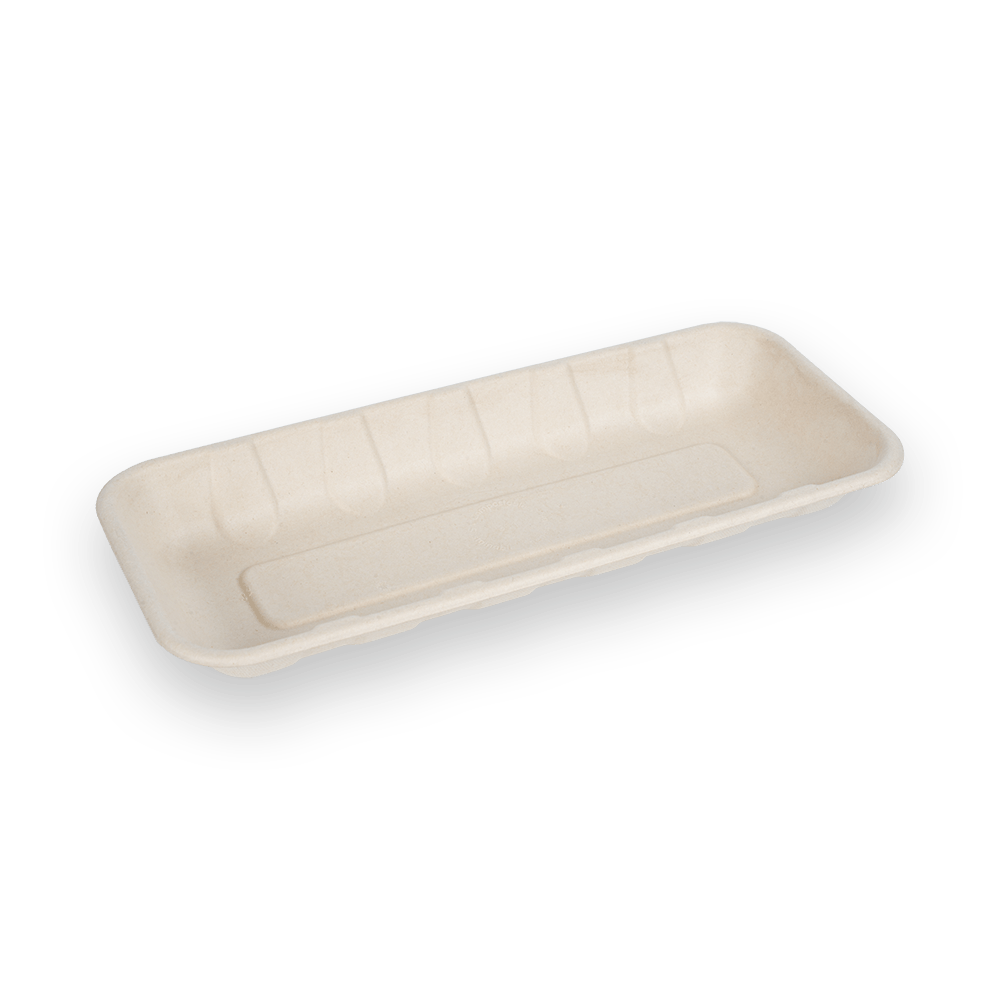
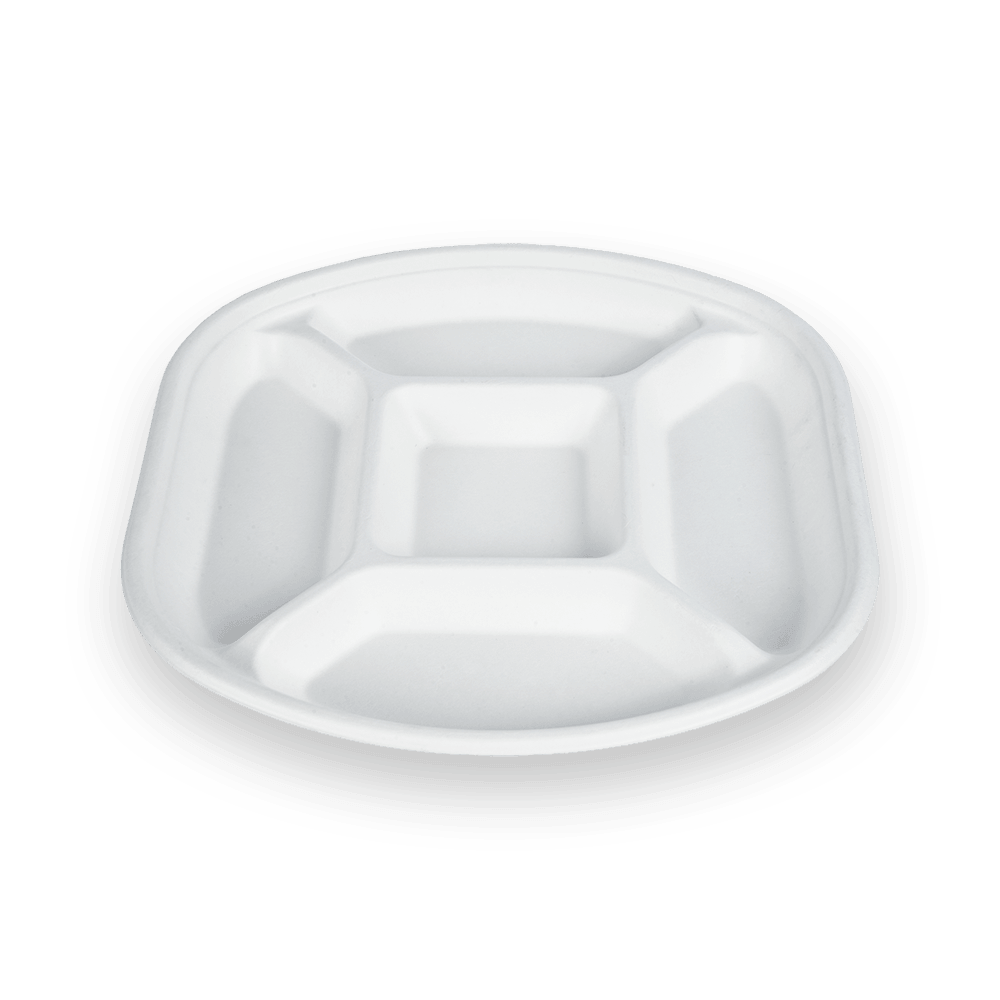
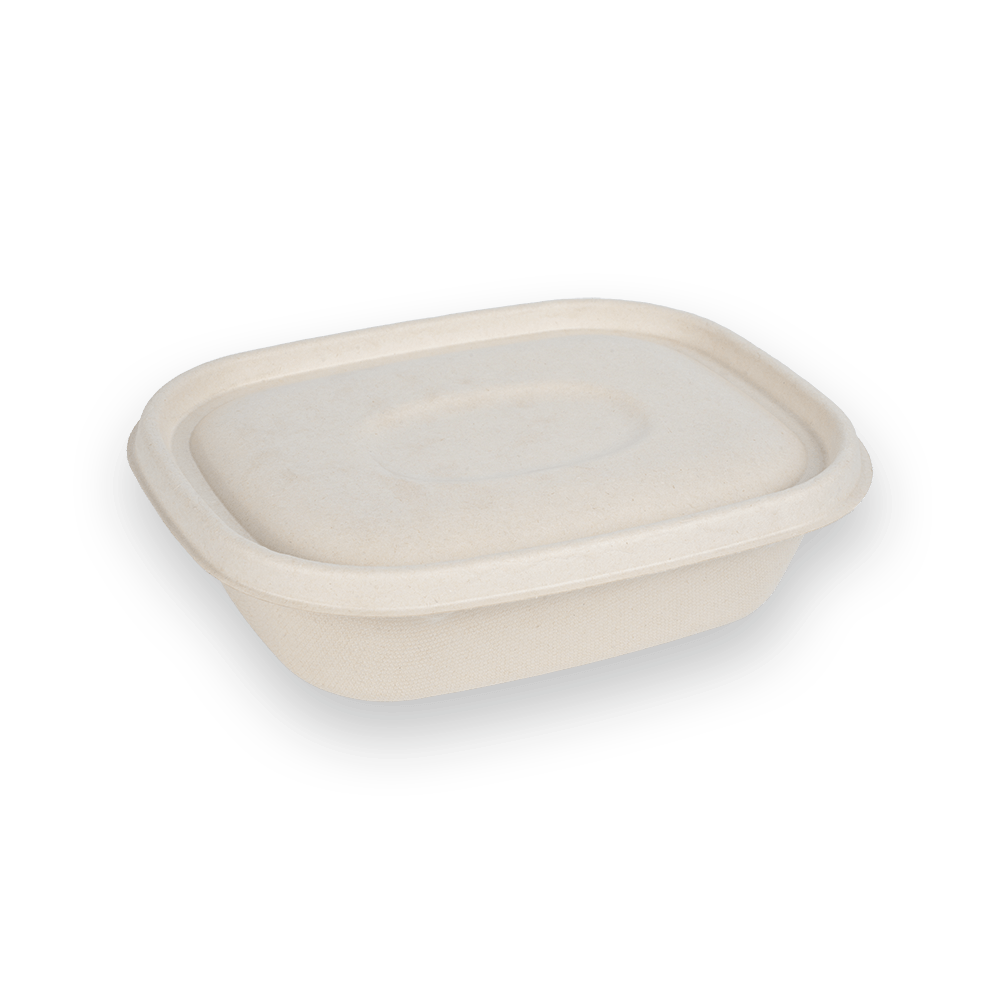
| Structure | Clamshell, compartment, tray designs | Supports different food presentation needs |
Can Eco Lunch Boxes Handle Hot Meals Without Leaking?
Leak protection is one of the biggest concerns for food delivery. A container that loses strength after contact with steam, sauce, or cooking oil can affect customer satisfaction. The latest generation of biodegradable food packaging uses denser fiber structures and improved molding techniques to create stronger walls and tighter edges.
For meals such as noodles, curry, rice bowls, and grilled food with sauces, container design plays an important role. A deeper base, reinforced corners, and matching lids can help reduce spills during transportation.
- Clamshell lunch boxes: Suitable for meals requiring secure closure during delivery.
- Multi-compartment boxes: Keep different foods separated, such as main dishes, vegetables, and side items.
- Deep containers: Provide extra space for soups, stews, and high-volume meals.
Testing standards vary among suppliers, but many bagasse containers are designed to resist water and oil exposure while maintaining their shape during normal food service conditions.
Are Eco-Friendly Disposable Lunch Boxes Suitable for Different Food Applications?
The answer depends on the container design and the type of meal being served. Restaurants and food brands usually choose packaging according to portion size, temperature requirements, and transportation time.
| Food Application | Recommended Container Feature | Reason |
| Hot rice meals | Rigid bagasse box with lid | Maintains shape and protects food during delivery |
| Fried food | Oil-resistant fiber container | Helps reduce grease absorption |
| Salads and cold dishes | Lightweight pulp container | Provides convenient single-use packaging |
| Catering meals | Large-capacity compartment box | Supports portion control and food separation |
Why Food Businesses Are Exploring Fiber-Based Takeout Solutions
Restaurants, meal delivery companies, and catering providers are paying more attention to packaging materials because customers increasingly evaluate the complete dining experience, including how meals are presented and packaged.
An Eco-Friendly Disposable Lunch Box offers a balance between practical performance and responsible material choices. Compared with traditional plastic containers, plant fiber packaging provides a different approach by using agricultural by-products as the main material source.
- Improved customer perception: Natural-looking packaging can support brands that focus on sustainable services.
- Flexible usage: Available in different sizes, shapes, and compartment layouts.
- Food service compatibility: Designed for restaurants, takeaway counters, catering events, and delivery platforms.
Choosing the Right Eco Lunch Box for Takeout Needs
Not every eco container is designed for the same purpose. Buyers should consider several product details before making a decision:
- Meal type: Soups and oily foods require stronger moisture and grease resistance.
- Delivery distance: Longer transportation requires better structural durability.
- Container size: Different meals require different capacities, from small portions to family-style servings.
- Heating requirements: Microwave compatibility should be confirmed based on the specific product design.
Eco Lunch Boxes Bring New Possibilities to Modern Food Packaging
The question “Are eco lunch boxes ready for hot meals and takeout?” has a practical answer: many modern fiber containers can meet everyday food service requirements through improved materials and manufacturing processes. Their performance depends on factors such as fiber quality, molding technology, container design, and intended application.
As takeaway services continue to grow, packaging needs to provide reliable protection while matching changing consumer expectations. The development of the Eco-Friendly Disposable Lunch Box shows how plant-based materials can move beyond simple alternatives and become functional solutions for modern dining scenarios.
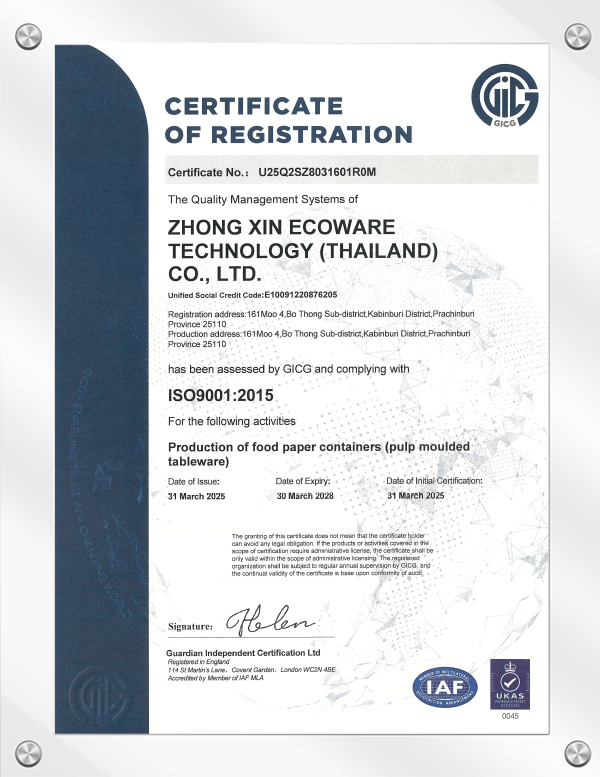
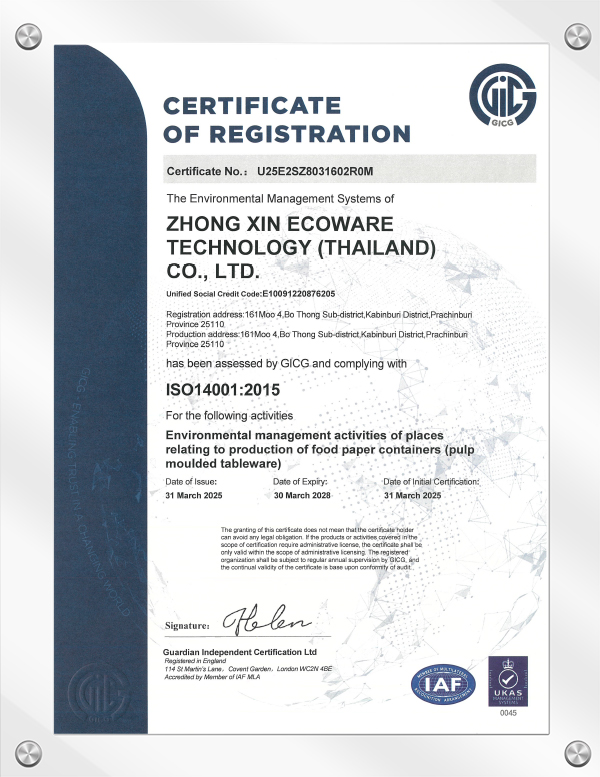
Zhong Xin Ecoware Technology (Thailand) Co., Ltd. supplies bagasse and molded fiber food packaging to importers, distributors and foodservice brands. For MOQ, pricing, samples and lead time, email info@fiber-product.com or use the contact form.


Zhong Xin Ecoware(Thailand) was registered on November 1, 2023, and officially began construction of the factory building in June 2024. At present, the first phase workshop of the factory has been fully completed and put into use. The second phase of the factory is being constructed intensively.
The landing and development of Zhong Xin in Thailand has brought a large amount of initial investment for land, factories, etc., and continuous operational investment for continuous equipment updates, technological upgrades, and capacity expansion.
Zhong Xin Ecoware(Thailand) has directly and indirectly created thousands of job opportunities, increased government revenue, promoted local economic development, cultivated local supply chains, provided systematic training for employees, improved the quality of local human capital, injected vitality into the local economy, enhanced industrial competitiveness, and ultimately improved residents' living standards.
Zhong Xin Ecoware(Thailand) actively collaborates with local pulp mills to explore new cooperation models for developing new products, improving production capacity and quality. At the same time, relying on Zhongxin's advanced production technology, process flow, management experience, and quality control system, it promotes the development of this industry in Thailand.

-
-
 +66-31240888
 -
 161 Village No. 4, Bo Thong Subdistrict Kabin Buri District Prachinburi Province 25110
-
New Bagasse Tableware Lineup for 2026: What Is New and Where to See It
Sep 28,2026
-
How to Select Bagasse Clamshells for Burgers, Rice Meals and Fried Food
Sep 28,2026
-
Microwave Reheating: Is a Bagasse Lunch Box Suitable
Sep 25,2026
-
9 Inch Pizza Plates and Bagasse Pizza Boards: A Sourcing Guide for US and Canadian Distributors
Sep 19,2026
-
PFAS-Free & Compostability Verification: A Buyer's Checklist for Bagasse and Molded Fiber Packaging
Sep 19,2026
-
Bagasse vs PLA vs Molded Fiber: What Distributors Should Stock in 2026
Sep 19,2026
-
Can Sugarcane Plates Handle Hot, Greasy Foods
Sep 18,2026
-
Bagasse Tableware RFQ Template: Get a Comparable Thailand Factory Quote
Sep 14,2026
-
Are Takeaway Food Containers Ready for Saucy Meals
Sep 11,2026
-
7-Inch vs 9-Inch Bagasse Plates: Carton and 20GP Guide
Sep 07,2026
-
Will Bagasse Pulp Trays Sag Under Heavy Meals
Sep 04,2026
-
Zhongxin Packaging at the 140th Canton Fair 2026: Booths and Buyer Meeting Guide
Sep 02,2026
Copyright © 2025 Zhong Xin Ecoware Technology ( Thailand ) CO., LTD.
All Rights Reserved.

Biodegradable Disposable Bagasse Tableware Manufacturer