-
 [email protected]
-
 +66-31240888



 English
 Español
 ไทย
ไทยHow Reliable Are Biodegradable Pulp Packaging Trays Under Moisture and Freezer Stress
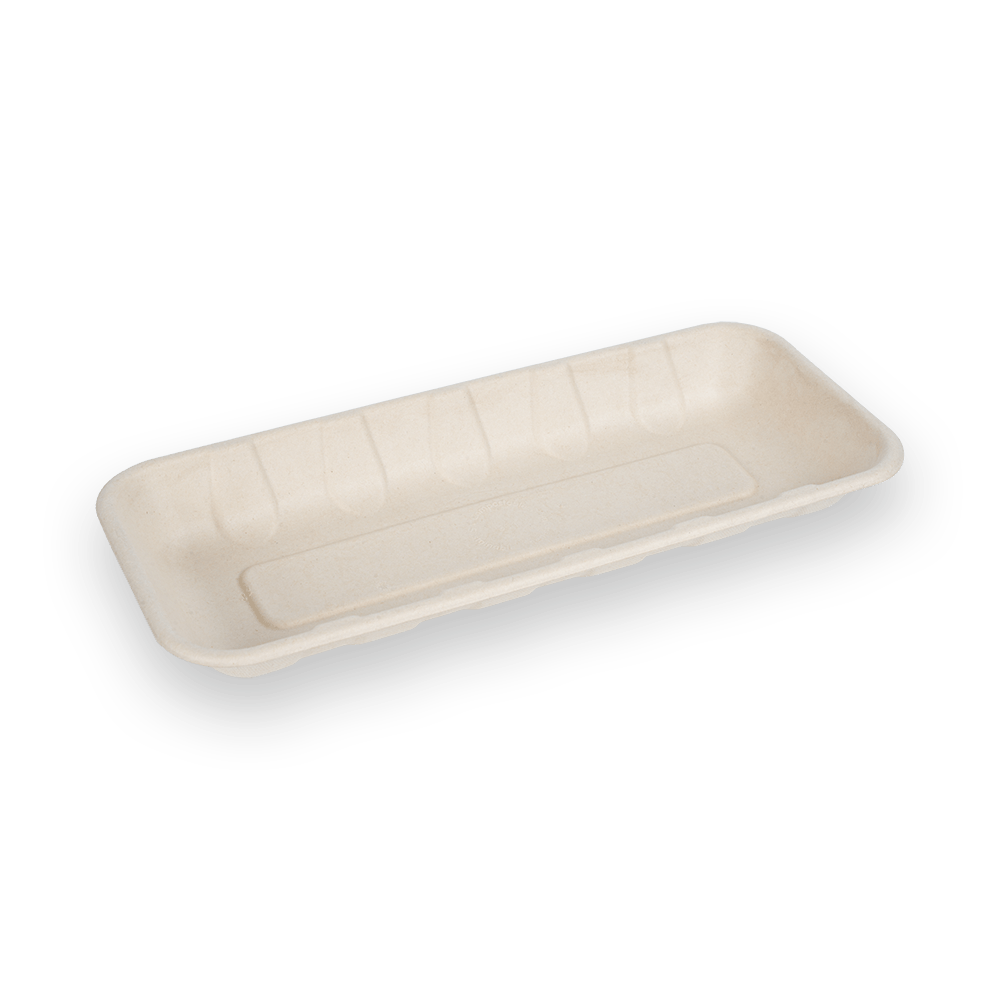
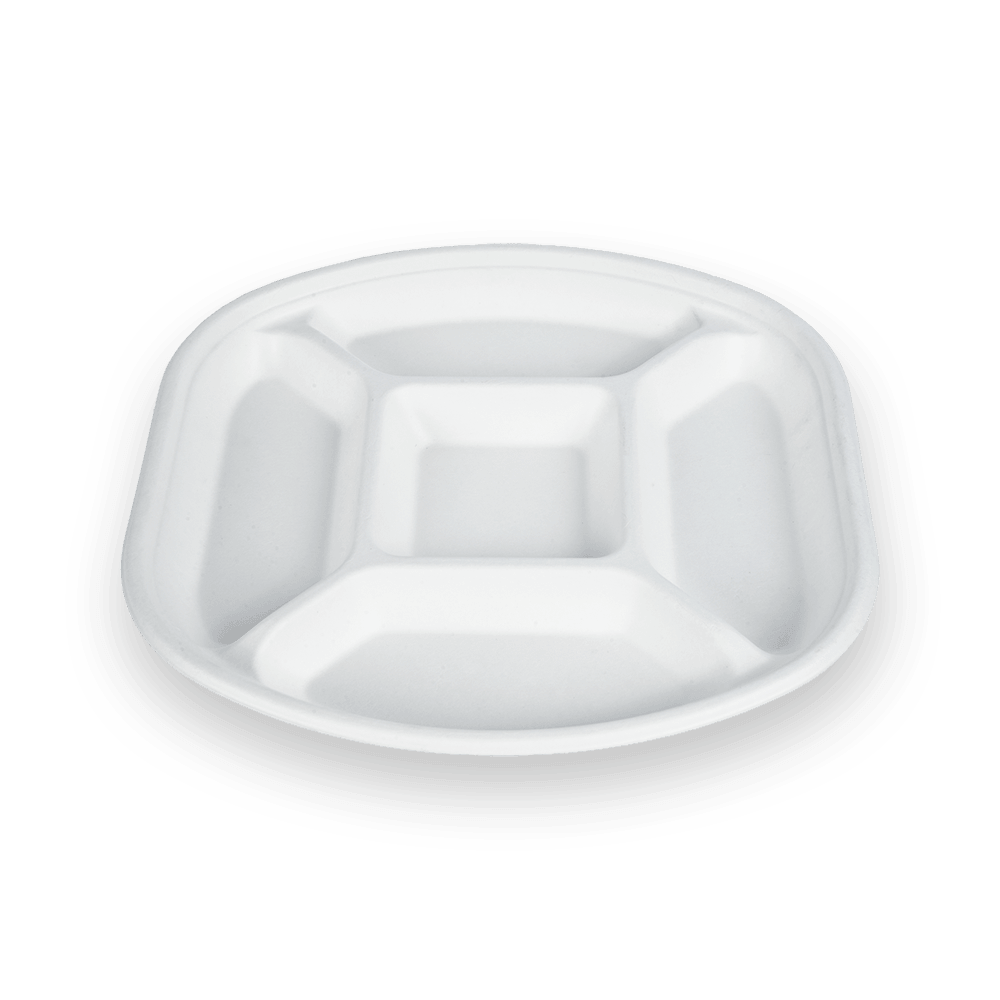
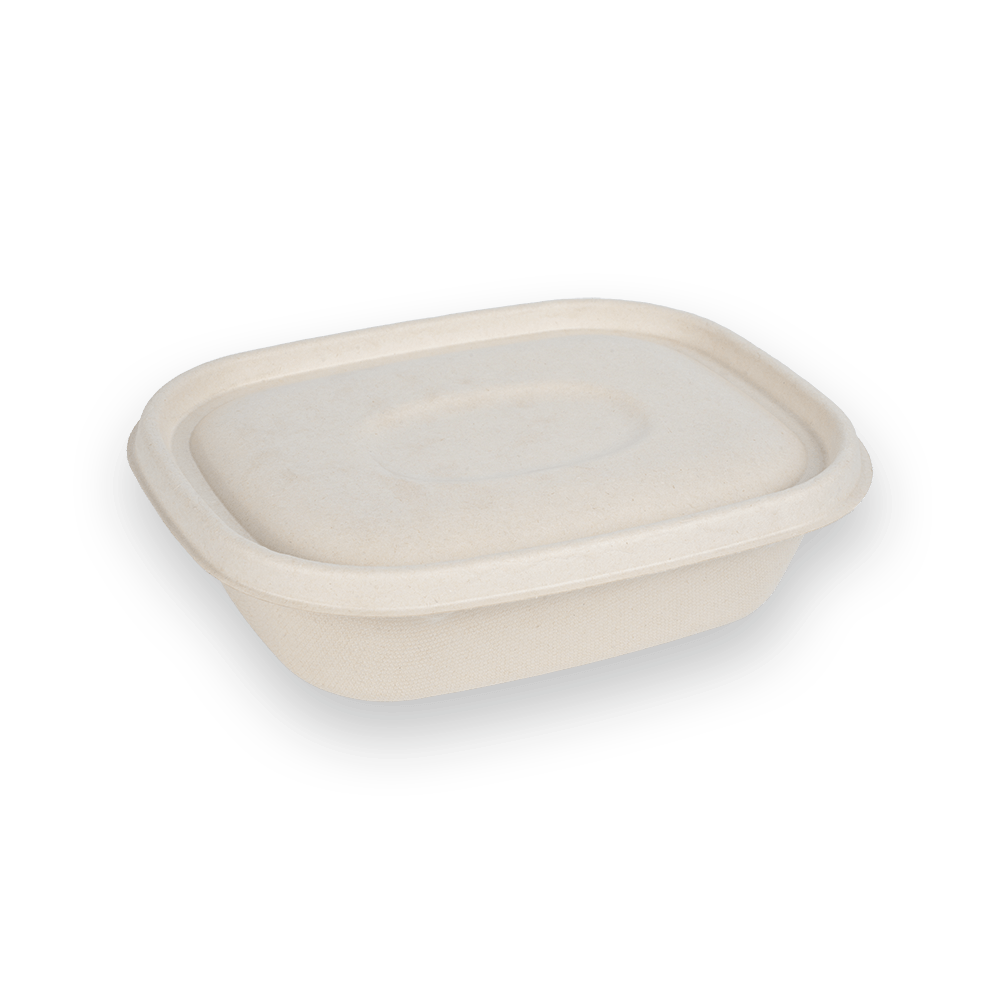
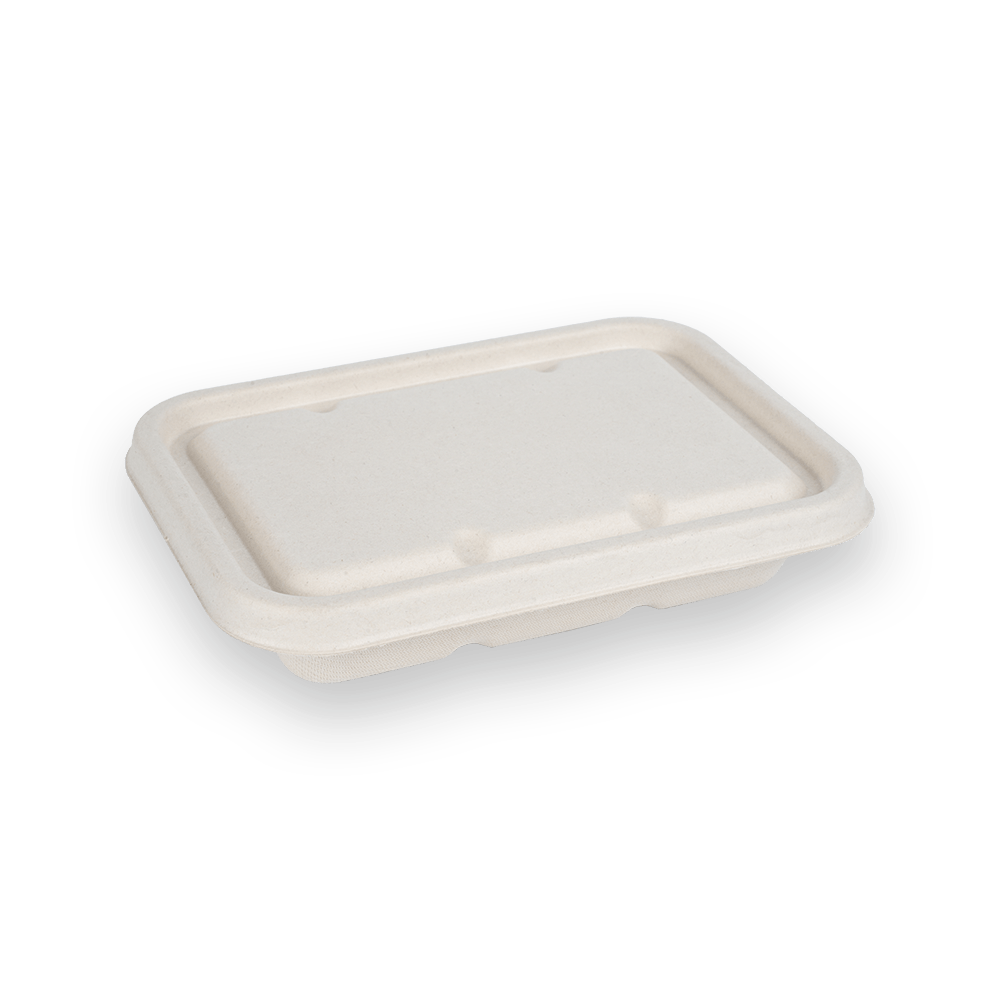
The use of a Biodegradable Pulp Packaging Tray has expanded quickly in food service and retail cold-chain logistics. Yet real-world reliability is often tested under two harsh conditions: high moisture exposure and freezer storage cycles. These environments expose the structural limits of molded fiber materials far more clearly than standard dry-condition evaluations.
Scientific studies on molded fiber packaging consistently show that humidity and temperature fluctuations directly influence mechanical strength, deformation resistance, and surface stability, especially under stacking and condensation conditions.
Moisture Stress Behavior in Molded Fiber Structures
Water Absorption and Fiber Swelling Mechanism
Molded pulp trays are constructed from compressed cellulose fibers that naturally interact with moisture. While this supports biodegradability, it also introduces structural sensitivity.
- Fiber networks absorb water through capillary diffusion
- Swelling occurs at micro-fiber junctions, weakening bonding strength
- Moisture accumulation reduces compression resistance over time
Research indicates that humidity cycling can accelerate creep deformation and significantly reduce stacking strength, even without complete structural failure.
Freezer Conditions and Temperature Transition Effects
Cold Storage Shock and Condensation Risk
Freezer environments introduce a different stress mechanism compared to humidity alone. The critical issue is not only low temperature but also rapid transition between cold and ambient conditions.
| Condition | Material Reaction | Structural Outcome |
| Frozen storage (0°C to -20°C) | Fiber stiffness increases temporarily | Reduced flexibility, brittle behavior |
| Cold-to-room transfer | Surface condensation formation | Localized moisture spikes |
| High humidity environment | Moisture diffusion into fiber matrix | Gradual strength decline |
| Food load inside tray | Internal vapor pressure increase | Accelerated deformation risk |
Experimental observations show that condensation during temperature transition can trigger rapid deformation due to moisture uptake at the surface layer, which spreads into deeper fiber structures.
Mechanical Reliability Under Combined Stress
Stacking Strength and Creep Behavior
One of the more critical performance indicators for molded fiber trays is stacking strength. Under moisture cycling, compressional creep increases significantly, affecting load-bearing stability.
- Humidity fluctuation accelerates deformation rate under load
- Moisture content becomes a dominant factor in compression failure
- Repeated environmental cycling intensifies structural fatigue
Research on molded fiber packaging demonstrates that compressional creep can increase multiple times under alternating humidity conditions compared to stable environments, even without visible breakage.
Barrier Properties and Moisture Control Technologies
Engineering Improvements in Tray Performance
Modern Biodegradable Pulp Packaging Tray systems incorporate several reinforcement strategies to improve reliability under moisture and freezer stress.
- Cellulose nanofiber reinforcement increases fiber bonding density
- Biowax or starch coatings reduce water penetration speed
- Hot-press densification lowers porosity and slows diffusion pathways
Advanced material studies show that adding nanocellulose layers can significantly improve both moisture resistance and mechanical strength retention, especially in refrigerated storage scenarios.
Performance Comparison Under Environmental Stress
| Tray Type | Moisture Resistance | Freezer Stability | Stack Load Performance |
| Standard molded pulp tray | Moderate absorption rate | Medium stability, condensation sensitive | Declines under humidity cycling |
| CNF-reinforced tray | Improved barrier control | Higher structural retention | Better compression endurance |
| Wax-coated pulp tray | Strong surface water resistance | Good short-term cold storage behavior | Moderate load stability |
| Hybrid fiber composite tray | Balanced moisture control | Enhanced freeze-thaw resilience | Higher stacking strength retention |
Real-World Reliability in Cold Chain Applications
Transport and Storage Considerations
In practical logistics environments, trays rarely experience a single static condition. Instead, they undergo repeated transitions between refrigerated storage, transport handling, and ambient exposure.
- Cold chain breaks introduce rapid humidity changes
- Stacking pressure increases during distribution and warehousing
- Condensation forms during unloading and display phases
These combined factors explain why performance in real usage often differs from laboratory testing results focused on isolated temperature or humidity conditions.
The reliability of a Biodegradable Pulp Packaging Tray under moisture and freezer stress depends on how well the material system manages water diffusion, condensation impact, and structural load simultaneously.
While molded fiber trays naturally exhibit sensitivity to moisture and temperature cycling, engineered solutions such as nanofiber reinforcement and hydrophobic coatings significantly improve performance stability. Reliability is not defined by resistance to a single stress factor, but by the ability to maintain structural integrity across combined environmental conditions typical in cold-chain food distribution.
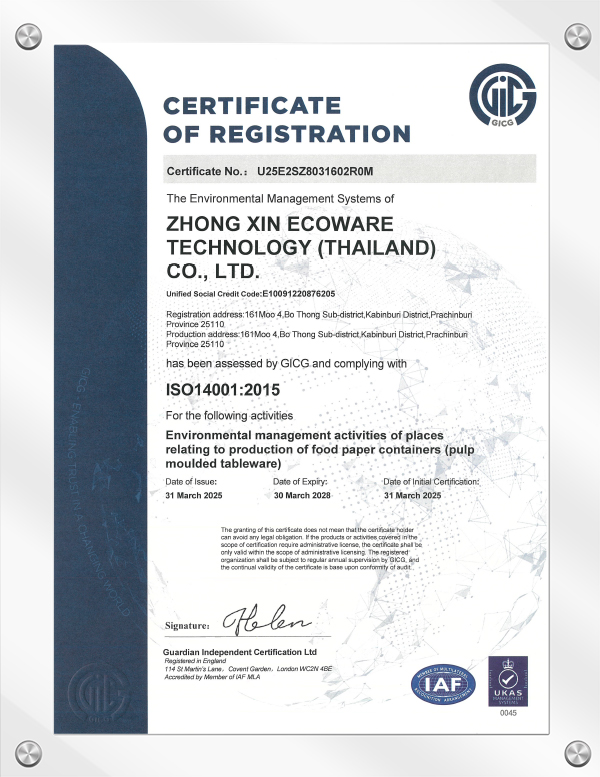
Zhong Xin Ecoware Technology (Thailand) Co., Ltd. supplies bagasse and molded fiber food packaging to importers, distributors and foodservice brands. For MOQ, pricing, samples and lead time, email info@fiber-product.com or use the contact form.


Zhong Xin Ecoware(Thailand) was registered on November 1, 2023, and officially began construction of the factory building in June 2024. At present, the first phase workshop of the factory has been fully completed and put into use. The second phase of the factory is being constructed intensively.
The landing and development of Zhong Xin in Thailand has brought a large amount of initial investment for land, factories, etc., and continuous operational investment for continuous equipment updates, technological upgrades, and capacity expansion.
Zhong Xin Ecoware(Thailand) has directly and indirectly created thousands of job opportunities, increased government revenue, promoted local economic development, cultivated local supply chains, provided systematic training for employees, improved the quality of local human capital, injected vitality into the local economy, enhanced industrial competitiveness, and ultimately improved residents' living standards.
Zhong Xin Ecoware(Thailand) actively collaborates with local pulp mills to explore new cooperation models for developing new products, improving production capacity and quality. At the same time, relying on Zhongxin's advanced production technology, process flow, management experience, and quality control system, it promotes the development of this industry in Thailand.
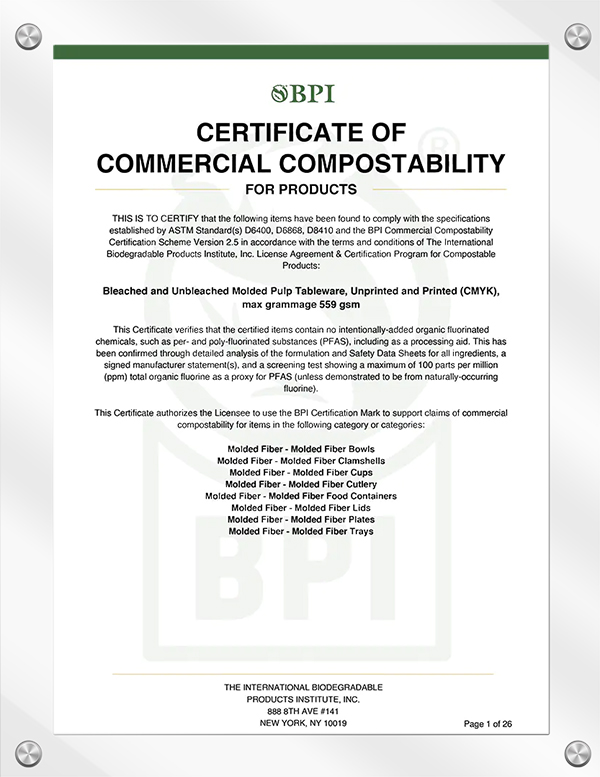
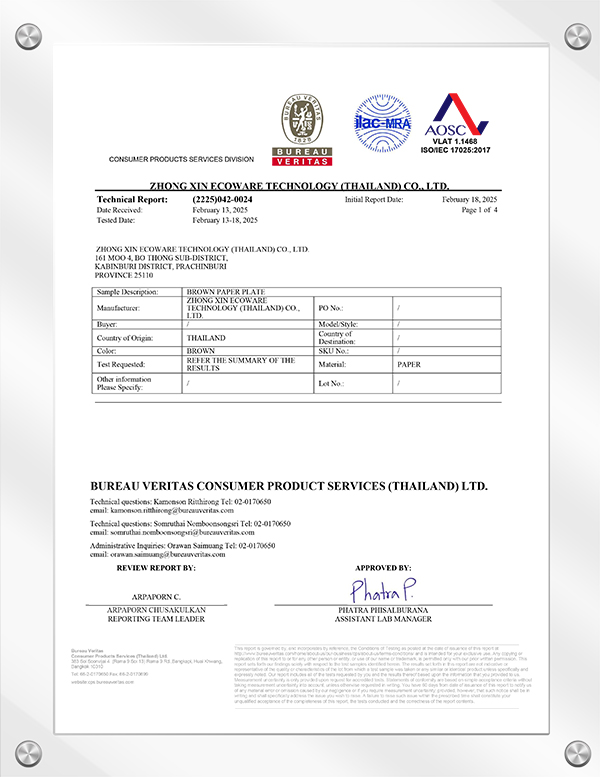
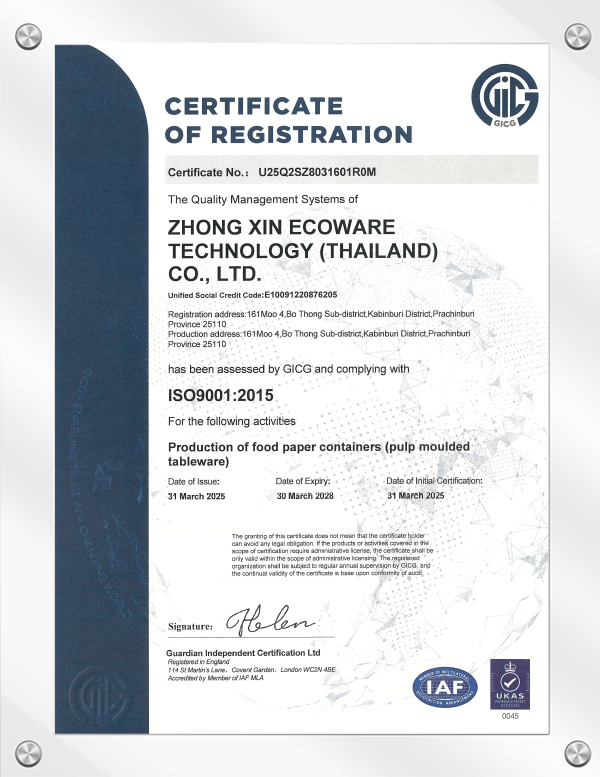

-
-
 +66-31240888
 -
 161 Village No. 4, Bo Thong Subdistrict Kabin Buri District Prachinburi Province 25110
-
What Is Bagasse Tableware? A 2026 Buyer Guide to Material, Performance and Documents
Oct 13,2026
-
Bagasse Tray Wholesale: How Bulk Buyers Cut Cost with Carton and Container Planning
Oct 09,2026
-
What Should a Bagasse Manufacturer Include in a Bulk Order Quote
Oct 09,2026
-
FOB, CIF or DDP? Incoterms for Bagasse Tableware Buyers Shipping from Thailand
Oct 06,2026
-
Packaging or Food Contact? Which EU Regime Applies to Bagasse Cups, Bowls, Plates and Cutlery
Oct 06,2026
-
Compostable Cutlery Sets for Private Label: 7 Sourcing Checks for Retail and Foodservice Buyers
Oct 06,2026
-
US vs EU Bagasse Tableware Imports: 8 Documentation and Compliance Checks Buyers Should Run
Oct 06,2026
-
How to Prepare a Bagasse Tableware Import: 10 Readiness Checks for US and EU Buyers
Oct 06,2026
-
Beyond Plates: Which Foods Suit Bagasse Tableware
Oct 02,2026
-
New Bagasse Tableware Lineup for 2026: What Is New and Where to See It
Sep 28,2026
-
How to Select Bagasse Clamshells for Burgers, Rice Meals and Fried Food
Sep 28,2026
-
Microwave Reheating: Is a Bagasse Lunch Box Suitable
Sep 25,2026
Copyright © 2025 Zhong Xin Ecoware Technology ( Thailand ) CO., LTD.
All Rights Reserved.

Biodegradable Disposable Bagasse Tableware Manufacturer