-
 [email protected]
-
 +66-31240888



 English
 Español
 ไทย
ไทยBiodegradable Food Trays: Types, Materials, and Safe Use
Types of Biodegradable Trays for Food
Biodegradable food trays are disposable trays that break down into natural compounds (water, carbon dioxide, and biomass) under specific environmental conditions. Unlike conventional plastic trays (PS, PET, PP), they are designed to be composted rather than landfilled. The following types are distinguished by raw material, manufacturing process, and performance characteristics.
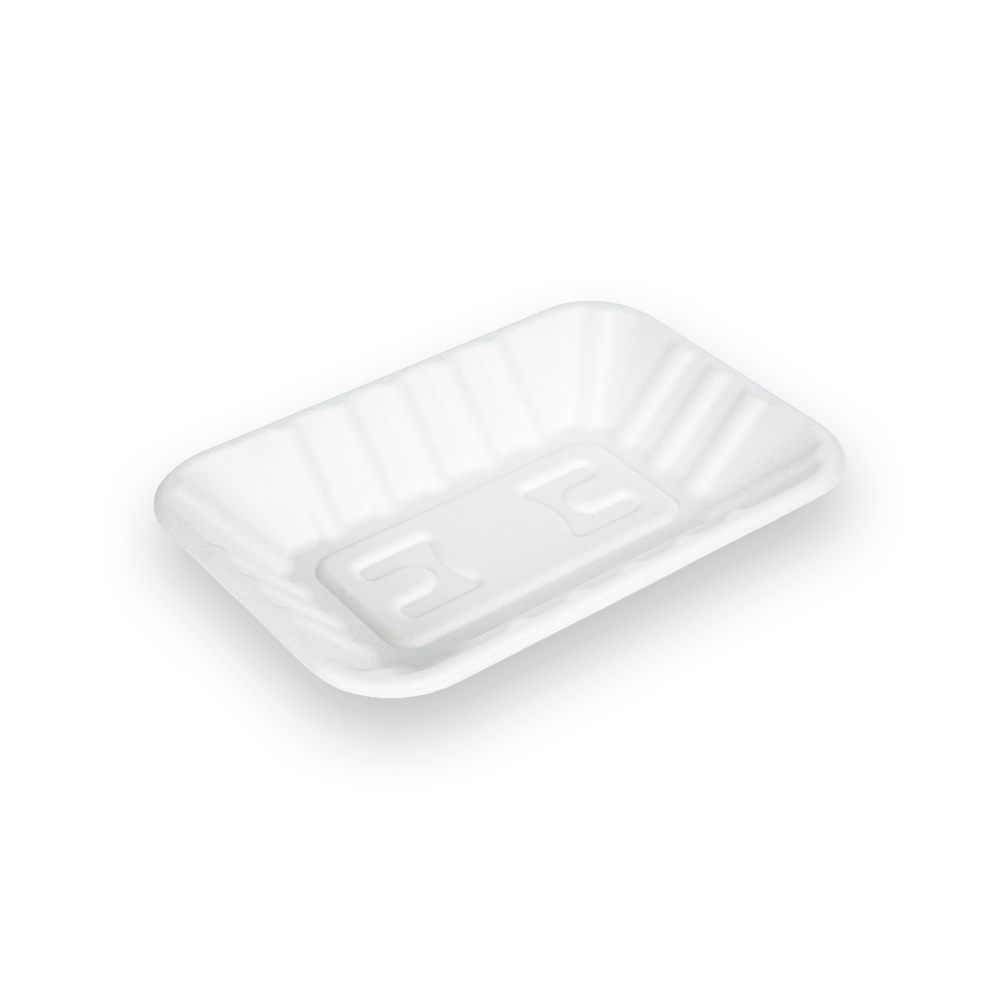
Bagasse (sugarcane fiber) trays. Made from the dry fibrous residue left after crushing sugarcane stalks. The fiber is mixed with water, formed into tray shapes using heat and pressure (similar to paper pulp molding), and dried. No plastic binders are required because natural lignin in the fiber acts as a binder. Bagasse trays are rigid, heat-resistant to 150°C (oven-safe, microwave-safe), and tolerate oily foods well. They are the most common type in food service for takeout containers, cafeteria trays, and fruit / vegetable packing. Color ranges from light brown to white (if bleached with hydrogen peroxide). Thickness: 1.5–3.0 mm. Composting time: 30–60 days industrial, 3–6 months home.
Bamboo fiber trays. Similar to bagasse but using bamboo pulp. Bamboo grows faster than sugarcane (harvestable in 3–5 years vs. 12–18 months for sugarcane regrowth). Bamboo fiber trays are slightly stronger (tensile strength 25–35 MPa vs. 20–30 MPa for bagasse) and have a smoother surface. They are more expensive than bagasse (about 20–40% higher). Composting time is similar. Some bamboo trays include a small amount (5–10%) of bamboo starch or rice starch to improve surface smoothness.
Corn starch (PLA) – not actually fiber-based, but a bioplastic. Polylactic acid (PLA) is made from fermented corn starch. PLA trays look and feel like clear plastic (PET) but are derived from renewable sources. They are compostable only in industrial facilities (50–60°C, high humidity) and are not home compostable. PLA does not tolerate heat above 50–60°C; a PLA tray with hot food (70°C) will soften and deform within 5–10 minutes. For cold food applications (salads, fruit cups, deli items), PLA works well. Many PLA trays are labeled "compostable" but end-users often confuse this with "biodegradable in the environment"—it is not. Without industrial composting, PLA persists for years.
Biodegradable Material Information for Food Trays
Fiber Preparation and Binder Chemistry. Bagasse, bamboo, and straw fibers consist of cellulose (45–55%), hemicellulose (20–30%), and lignin (15–25%). Cellulose provides strength; hemicellulose absorbs water; lignin binds fibers together when heated (softens at 80–120°C, flows at 140–170°C, then solidifies upon cooling). In commercial production, the fiber is pulped (separated into individual fibers) by mechanical beating or chemical cooking (with sodium hydroxide or sodium sulfite). For bagasse, chemical pulping takes 2–4 hours at 150–170°C, yielding a pulp that is easier to mold. The pulp is diluted to 1–3% fiber concentration in water, then vacuum-formed over a screen mold. The formed tray is pressed at 150–250 psi and 180–200°C for 5–15 seconds. The combination of heat and pressure activates the lignin, which flows and then cures, binding the fibers. No synthetic binders are required, though some manufacturers add 1–5% starch (corn or potato) to improve bonding. Wet-strength additives (polyamide-epichlorohydrin resins, 0.5–1.5%) are used in some bagasse trays to extend performance with wet foods. These resins are FDA-approved but are synthetic; for “100% plastic-free” claims, look for trays that specify "no wet-strength resin."
Water and Oil Resistance Mechanisms. Fiber-based trays naturally absorb water because cellulose is hydrophilic (contact angle 30–50 degrees). To achieve useful wet strength, manufacturers use three strategies. The first is densification: pressing at high pressure reduces pore size and capillary wicking. A tray pressed at 250 psi has water absorption of 60–80% of its dry weight; a tray pressed at 100 psi absorbs 120–150% of its dry weight. The second is sizing agents: internal sizing (aluminum sulfate (alum) and rosin soap, 0.5–2%) is added to the pulp. This deposits hydrophobic particles on fibers, reducing water wicking. The third is surface coating: some biodegradable trays have a thin (2–5 µm) layer of biowax (carnauba wax, rice bran wax) or polylactic acid (PLA) sprayed on. A wax-coated bagasse tray can hold soup for 60 minutes; an uncoated bagasse tray leaks after 20 minutes. However, coatings reduce compostability—wax-coated trays may take 6–12 months to compost instead of 2–3 months. Some “waterproof” bagasse trays advertised may actually be coated with a thin plastic (polyethylene or polybutylene succinate), making them neither fully compostable nor recyclable. Check the product specification: if it says "water-resistant" without specifying coating, the coating may be plastic.
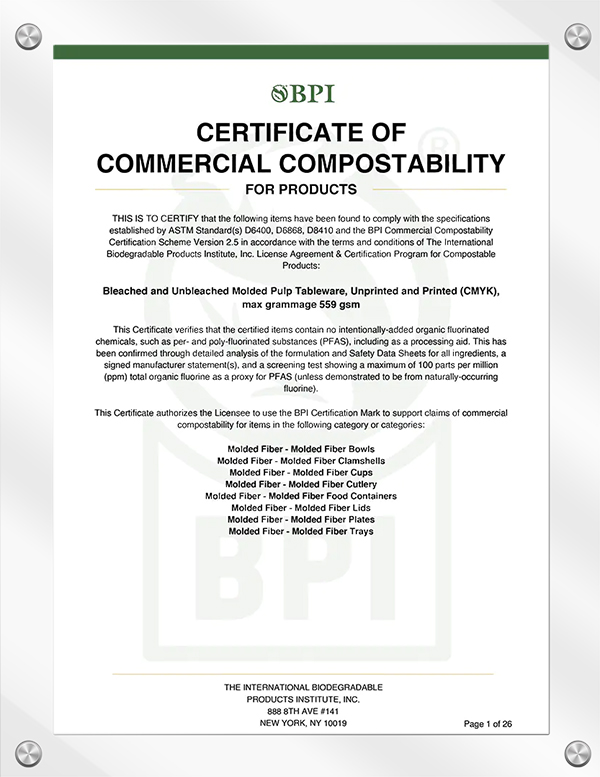
Additives for Compostability Certification. To meet ASTM D6400 or EN 13432 for industrial compostability, biodegradable trays must disintegrate into pieces smaller than 2 mm within 12 weeks and biodegrade (convert CO₂ to 90% of theoretical) within 180 days. Additives that help include calcium carbonate filler (5–15% by weight). Calcium carbonate increases stiffness and opacity but does not slow biodegradation. Some trays also contain starch (corn or potato, 5–20%) to increase biodegradation rate—starch is quickly consumed by microbes, leaving a porous fiber structure that then breaks down. However, starch absorbs water, so trays with high starch content (above 15%) have lower wet strength. For food trays expected to contact moist foods (e.g., cut fruit with juices), a starch content below 10% is ideal. For dry foods (biscuits, crackers), 15–20% starch is acceptable. In Europe, the OK compost HOME certification (TÜV Austria) requires that a tray biodegrade in a home compost pile at ambient temperature (20–30°C) within 12 months. Fewer than 5% of bagasse trays on the market hold this certification because the testing is more stringent.
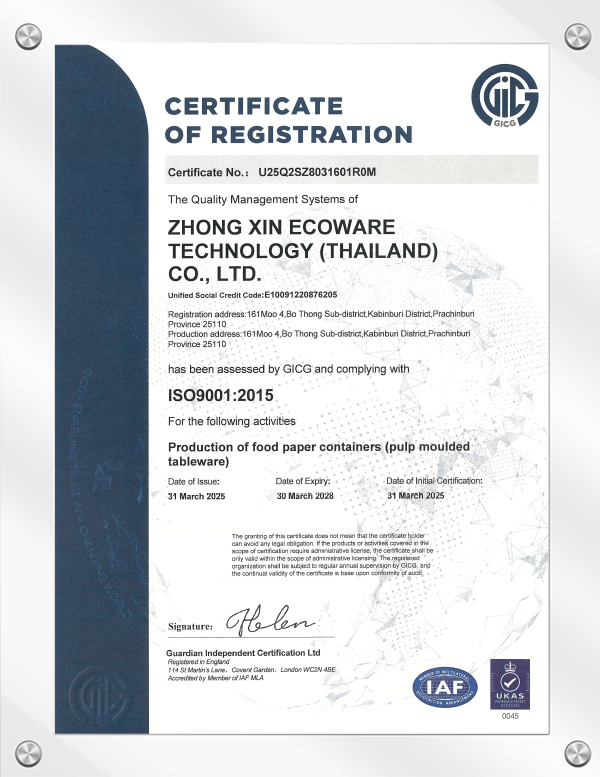
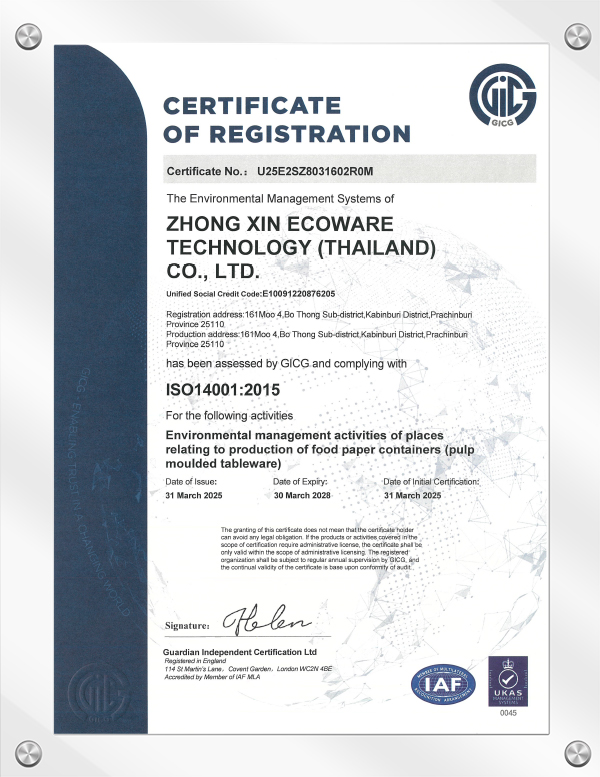
Zhong Xin Ecoware Technology (Thailand) Co., Ltd. supplies bagasse and molded fiber food packaging to importers, distributors and foodservice brands. For MOQ, pricing, samples and lead time, email info@fiber-product.com or use the contact form.
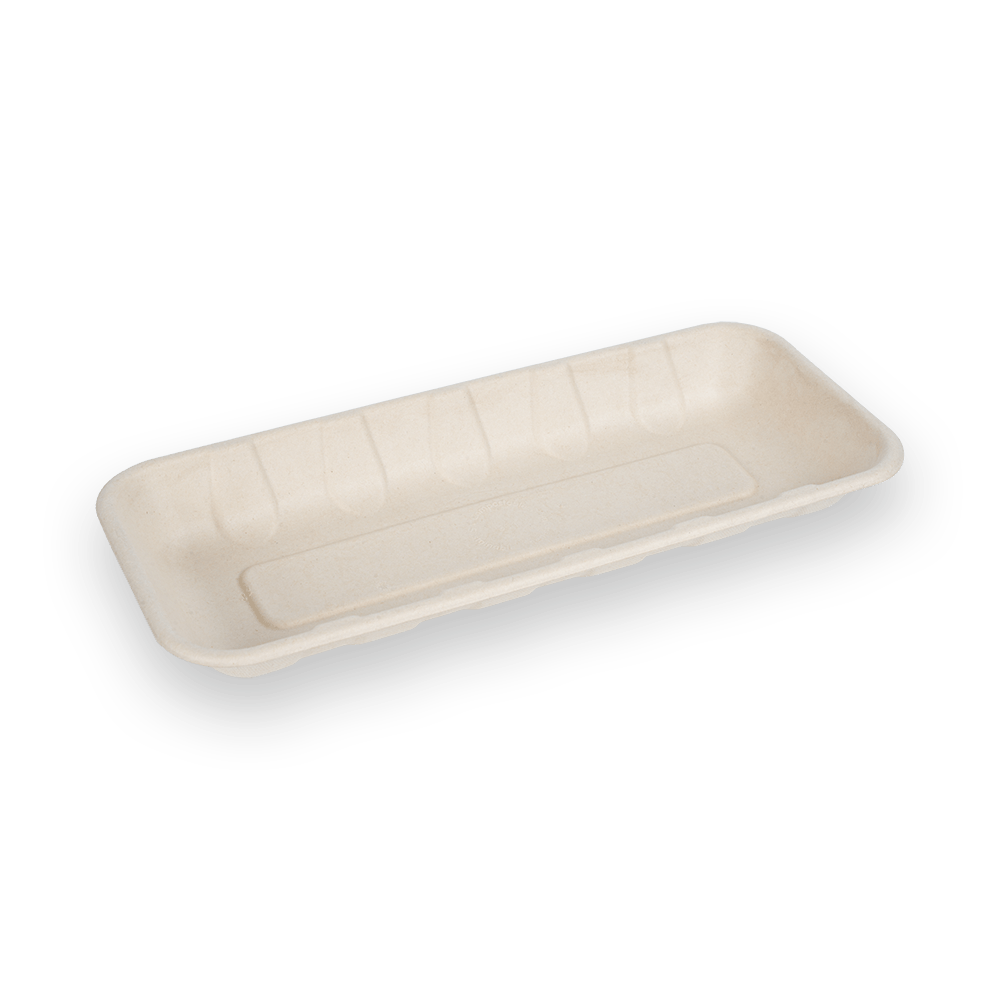
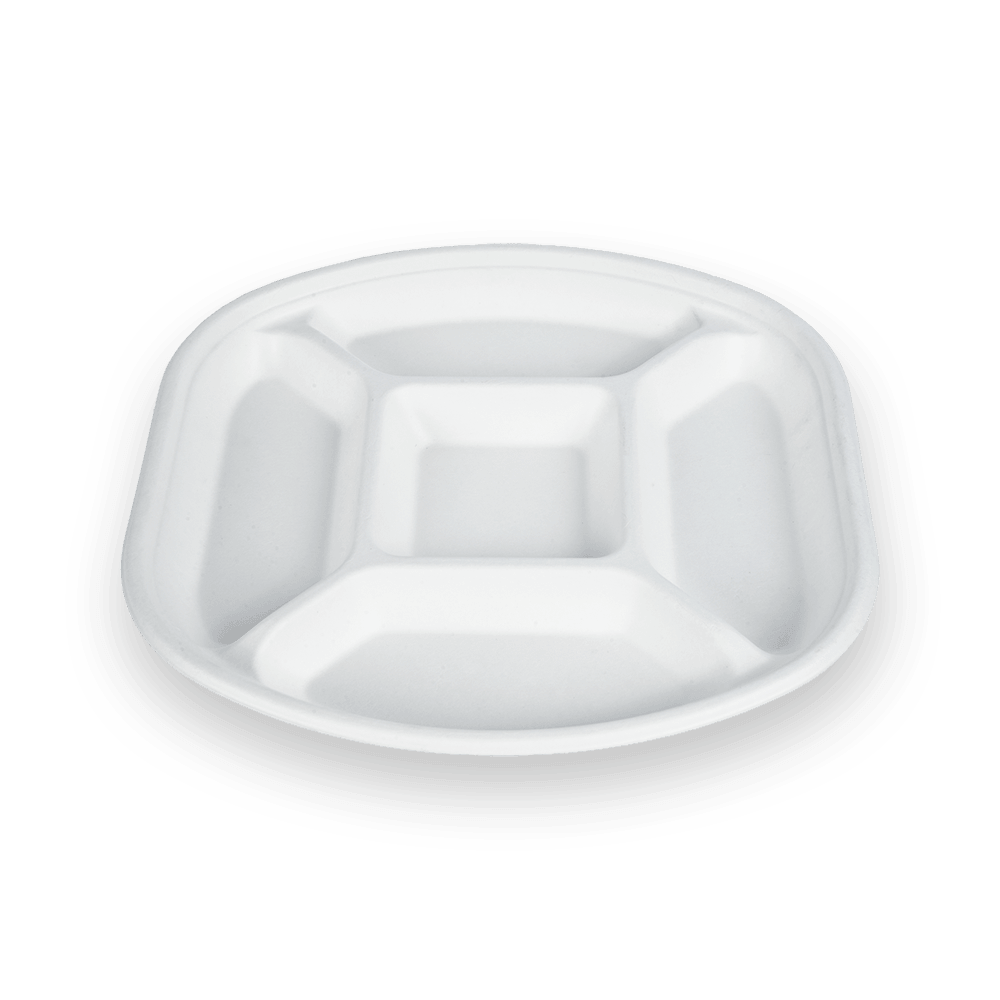

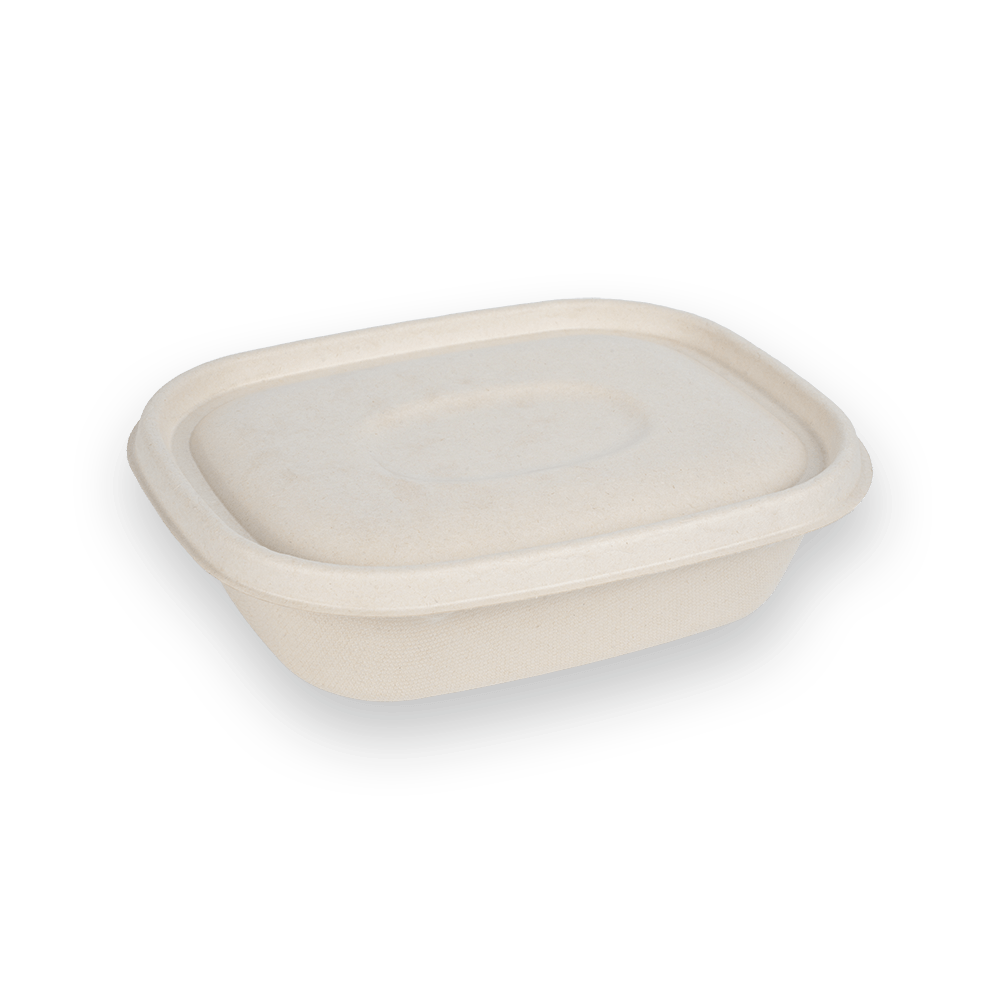

Zhong Xin Ecoware(Thailand) was registered on November 1, 2023, and officially began construction of the factory building in June 2024. At present, the first phase workshop of the factory has been fully completed and put into use. The second phase of the factory is being constructed intensively.
The landing and development of Zhong Xin in Thailand has brought a large amount of initial investment for land, factories, etc., and continuous operational investment for continuous equipment updates, technological upgrades, and capacity expansion.
Zhong Xin Ecoware(Thailand) has directly and indirectly created thousands of job opportunities, increased government revenue, promoted local economic development, cultivated local supply chains, provided systematic training for employees, improved the quality of local human capital, injected vitality into the local economy, enhanced industrial competitiveness, and ultimately improved residents' living standards.
Zhong Xin Ecoware(Thailand) actively collaborates with local pulp mills to explore new cooperation models for developing new products, improving production capacity and quality. At the same time, relying on Zhongxin's advanced production technology, process flow, management experience, and quality control system, it promotes the development of this industry in Thailand.

-
-
 +66-31240888
 -
 161 Village No. 4, Bo Thong Subdistrict Kabin Buri District Prachinburi Province 25110
-
Can Paper Packaging Meet Retail Shelf and Branding Requirements
Oct 23,2026
-
Bagasse Cups and Cup Lids: A Sourcing Guide for Foodservice and Takeaway Buyers
Oct 20,2026
-
How to Find Zhong Xin at the 140th Canton Fair: A Visitor Navigation Guide
Oct 16,2026
-
Thailand vs China Bagasse Tableware: 8 Comparisons Buyers Should Verify
Oct 16,2026
-
Will Takeout Containers Fit Your Existing Lids and Delivery Workflow
Oct 16,2026
-
What Is Bagasse Tableware? A 2026 Buyer Guide to Material, Performance and Documents
Oct 13,2026
-
Bagasse Tray Wholesale: How Bulk Buyers Cut Cost with Carton and Container Planning
Oct 09,2026
-
What Should a Bagasse Manufacturer Include in a Bulk Order Quote
Oct 09,2026
-
FOB, CIF or DDP? Incoterms for Bagasse Tableware Buyers Shipping from Thailand
Oct 06,2026
-
Packaging or Food Contact? Which EU Regime Applies to Bagasse Cups, Bowls, Plates and Cutlery
Oct 06,2026
-
Compostable Cutlery Sets for Private Label: 7 Sourcing Checks for Retail and Foodservice Buyers
Oct 06,2026
-
US vs EU Bagasse Tableware Imports: 8 Documentation and Compliance Checks Buyers Should Run
Oct 06,2026
Copyright © 2025 Zhong Xin Ecoware Technology ( Thailand ) CO., LTD.
All Rights Reserved.

Biodegradable Disposable Bagasse Tableware Manufacturer