


 English
 Español
 ไทย
ไทย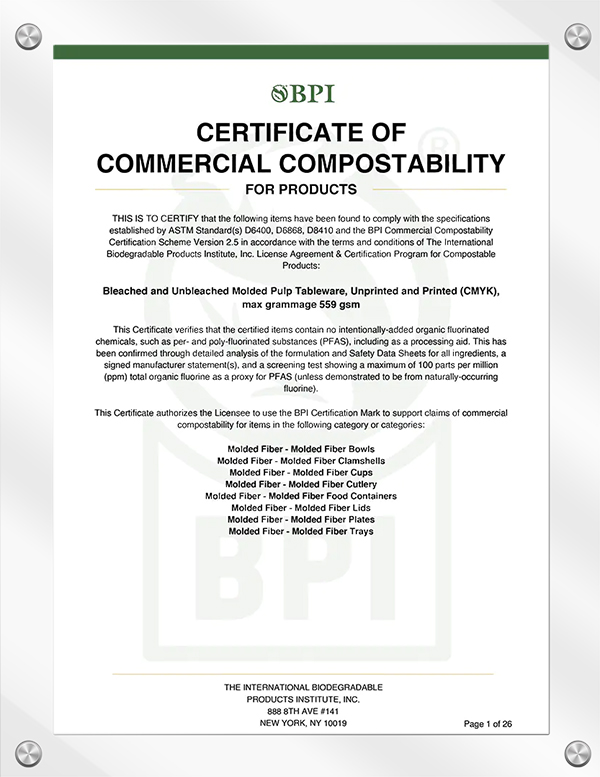
Published: October 16, 2026 How to Find Zhong Xin at the 140th Canton Fair: A Visitor Navigation Guide The 140th Canton...
READ MOREWelcome to Zhong Xin Ecoware Technology ( Thailand ) CO., LTD. Official Website
-
 [email protected]
-
 +66-31240888
PULP Lamination Products Factory
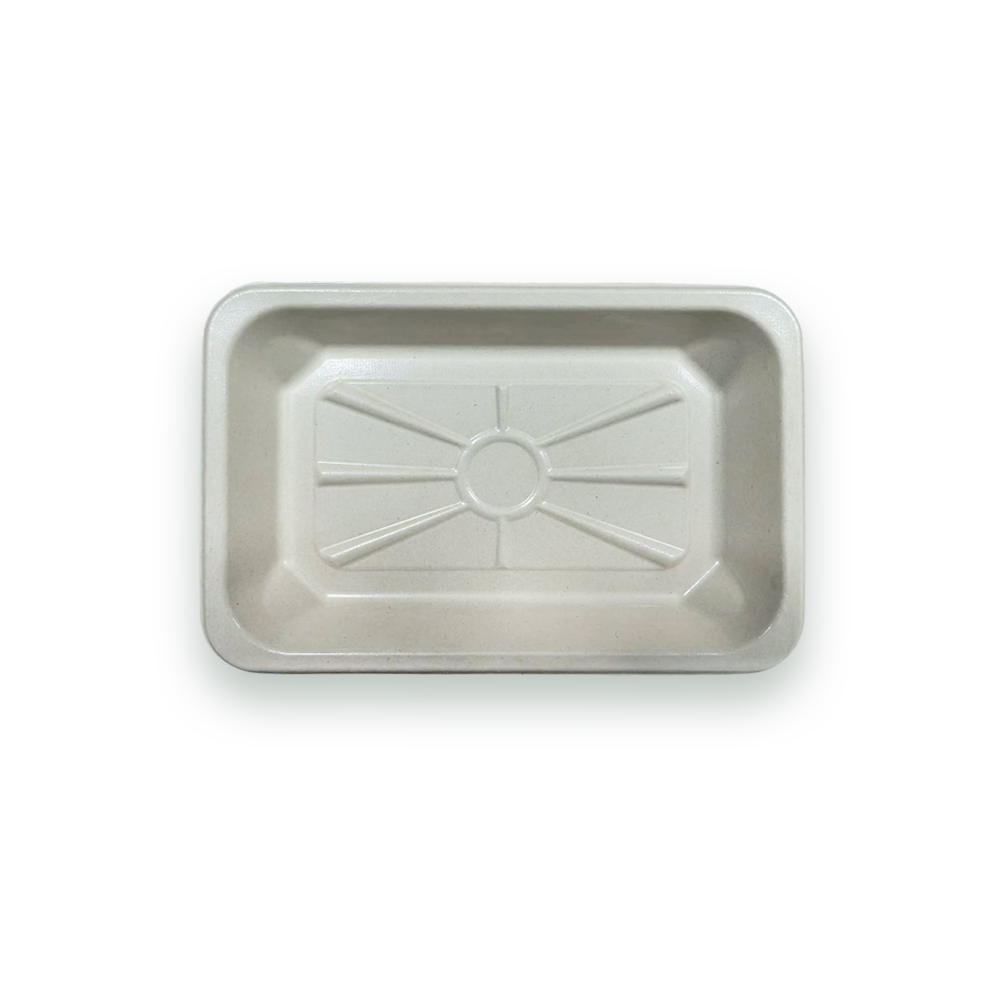
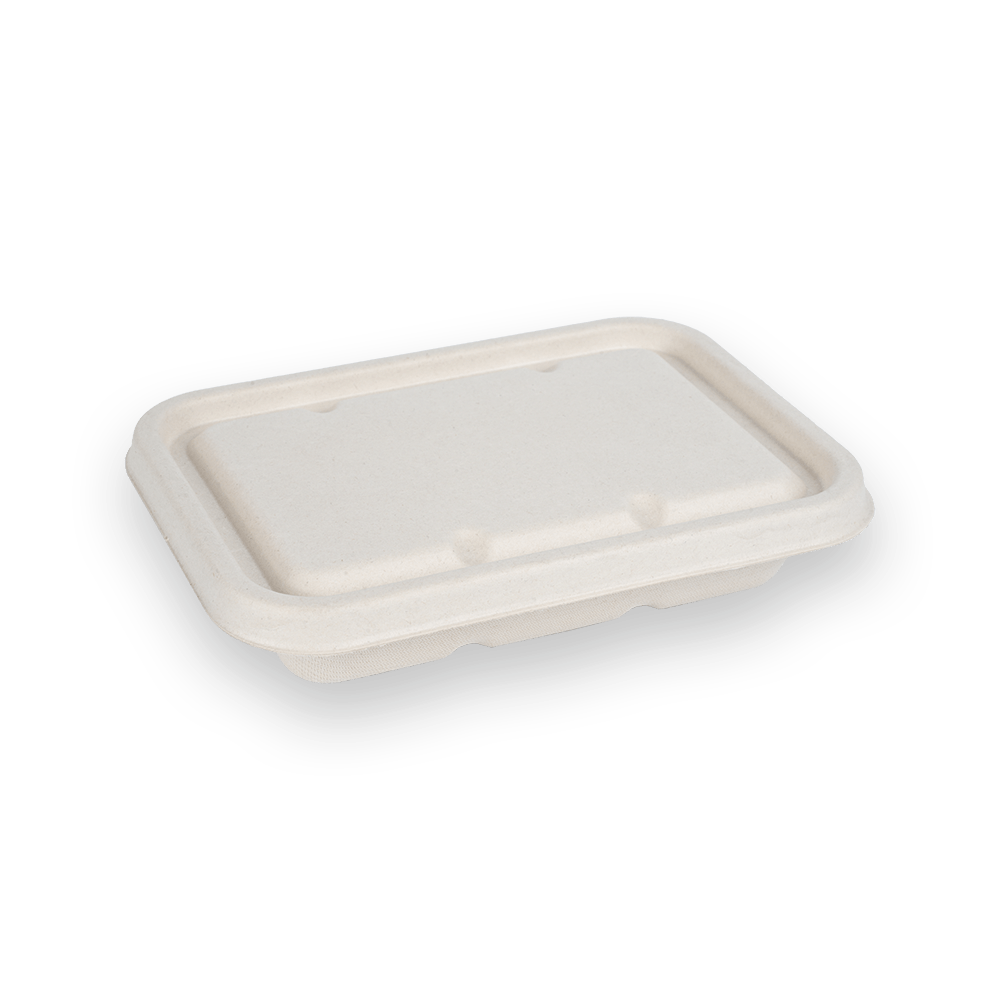
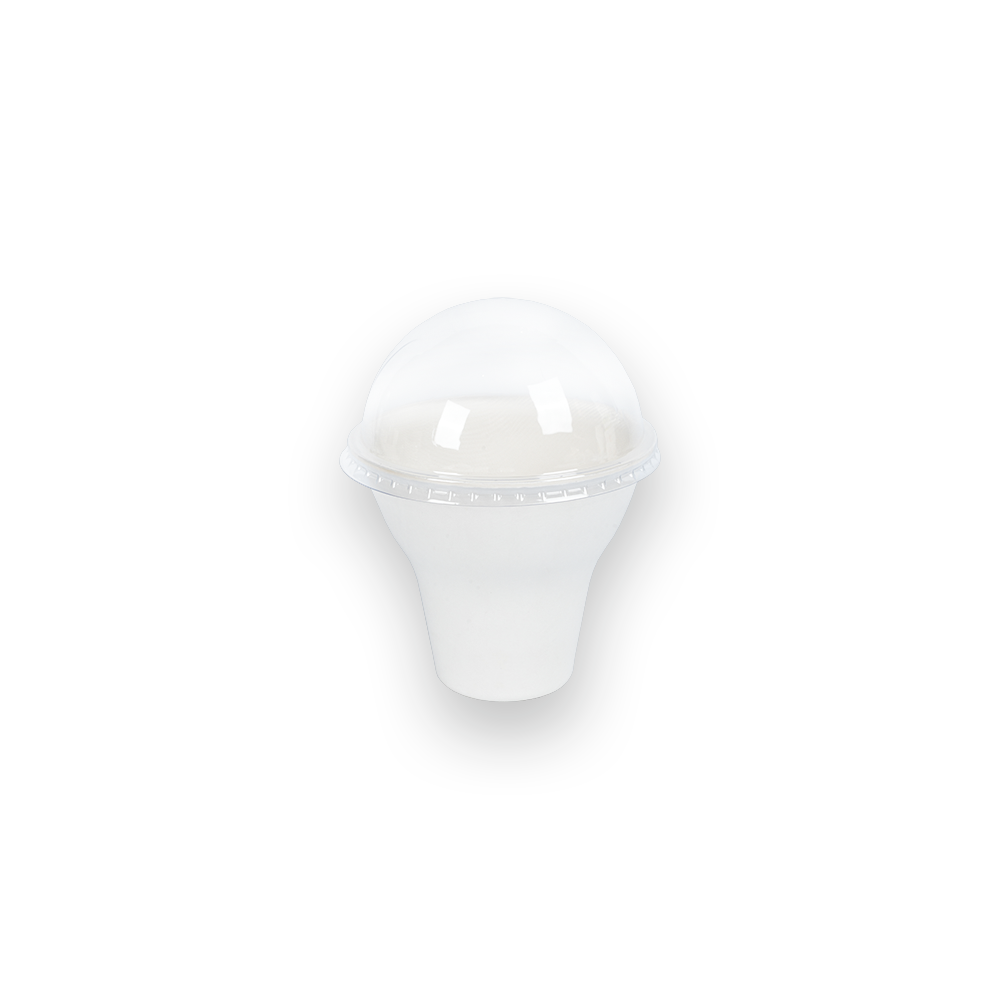
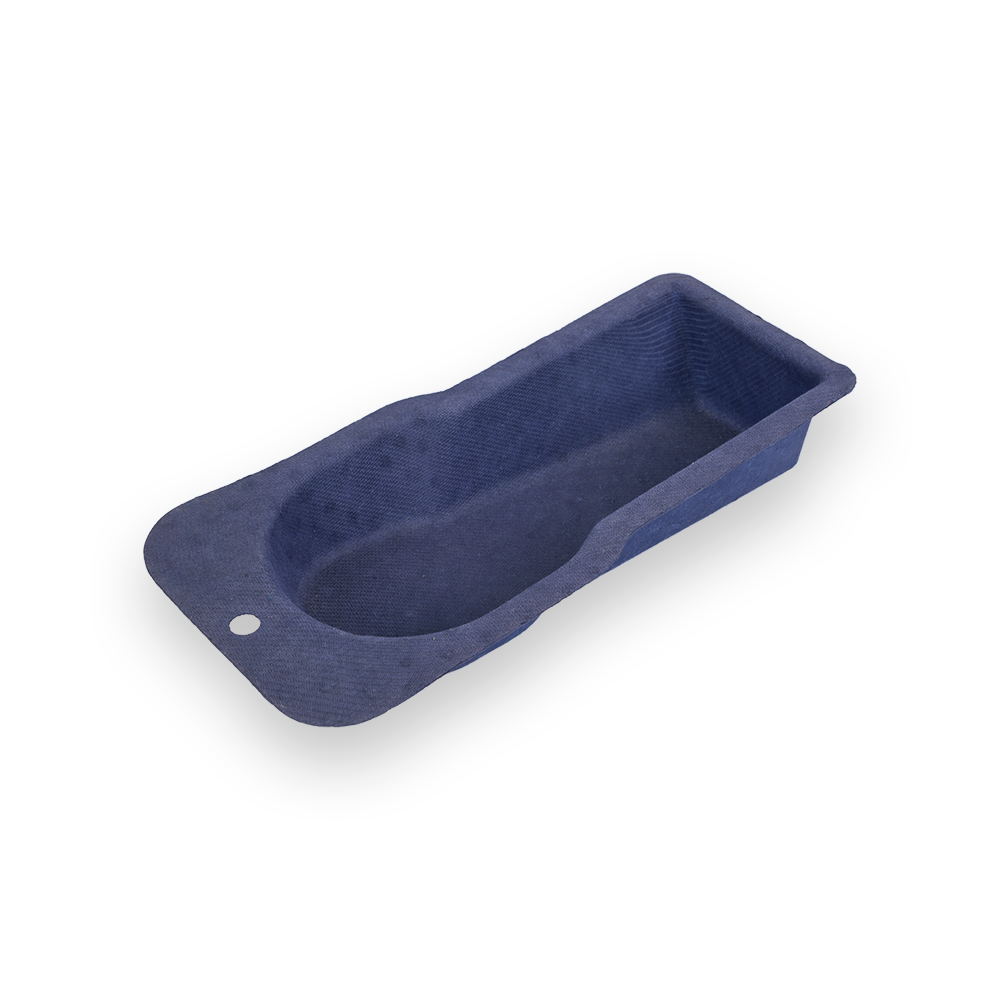
By laminating with different materials such as PE, PET, PLA, EVOH, etc., different performances can be achieved. It is widely used in pre-prepared meals, supermarket fresh food packaging, food packaging and other fields.
-
 PULP LaminationCONTACT US
Our Story
Zhong Xin Ecoware Technology ( Thailand ) CO., LTD.
Zhong Xin Ecoware(Thailand) is a Thailand Wholesale PULP Lamination Products Manufacturer and OEM PULP Lamination Products Factory. Both the first and second phases of the Thailand plant have now been completed and put into production, bringing the site to an annual capacity of 100,000 tonnes. The plant is already supplying orders for customers in the United States.
The landing and development of Zhong Xin in Thailand has brought a large amount of initial investment for land, factories, etc., and continuous operational investment for continuous equipment updates, technological upgrades, and capacity expansion.
Zhong Xin Ecoware(Thailand) has directly and indirectly created thousands of job opportunities, increased government revenue, promoted local economic development, cultivated local supply chains, provided systematic training for employees, improved the quality of local human capital, injected vitality into the local economy, enhanced industrial competitiveness, and ultimately improved residents' living standards.
Zhong Xin Ecoware(Thailand) actively collaborates with local pulp mills to explore new cooperation models for developing new products, improving production capacity and quality. At the same time, relying on Zhongxin's advanced production technology, process flow, management experience, and quality control system, it promotes the development of this industry in Thailand.
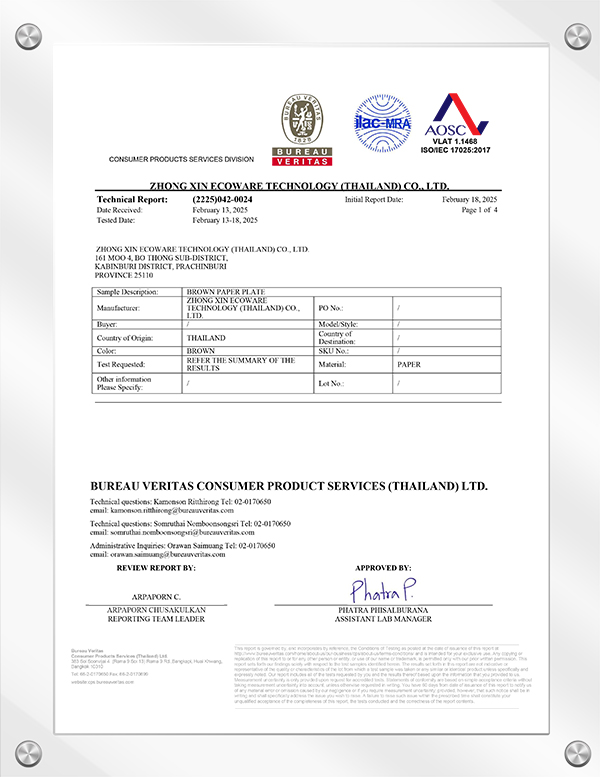
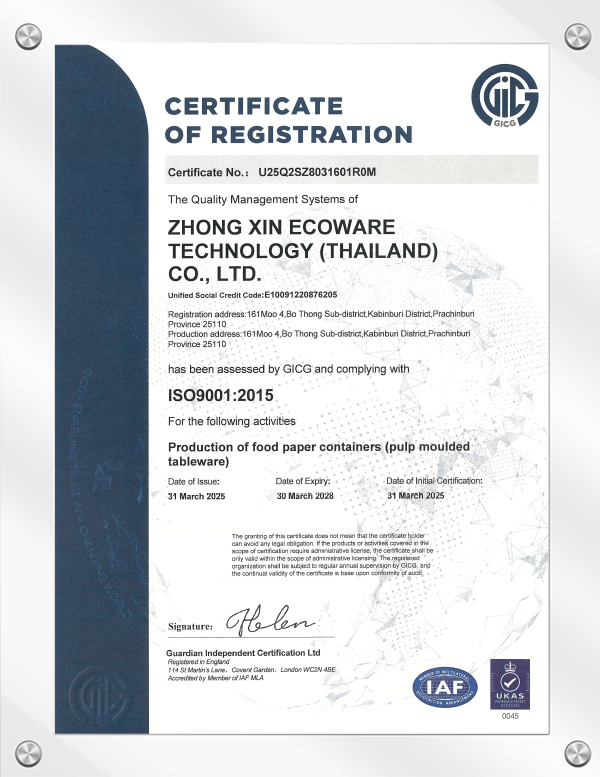
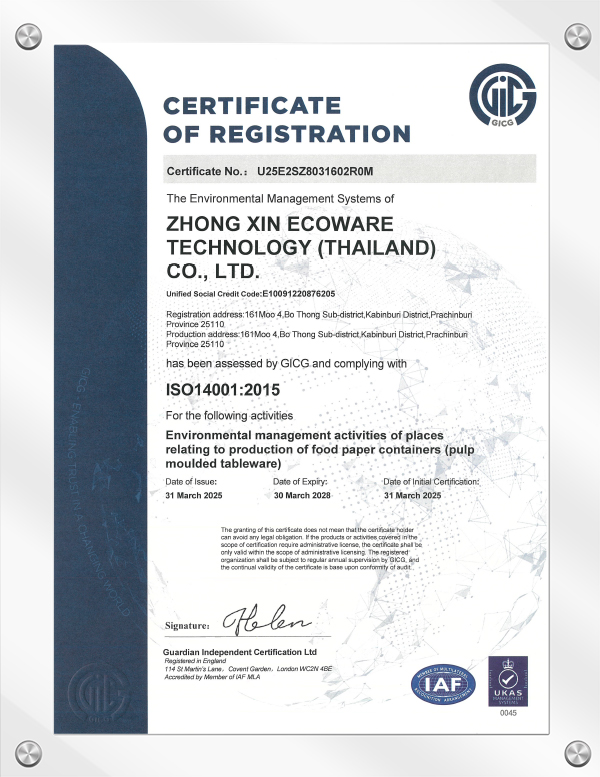
Certificate Of Honor
News & Events
-
-
Published: October 15, 2026 | By Zhong Xin Ecoware Technology (Thailand) Co., Ltd. Quick Summary: Thailand vs China Bag...
READ MORE -
Changing food packaging can affect more than the container itself. A lid that sits loosely, a box that occupies too much...
READ MORE -
Bagasse tableware is the molded fiber product range most buyers meet first and understand last. It looks like paper, per...
READ MORE


Industry Knowledge Extension
What is pulp lamination biodegradable tableware made of?
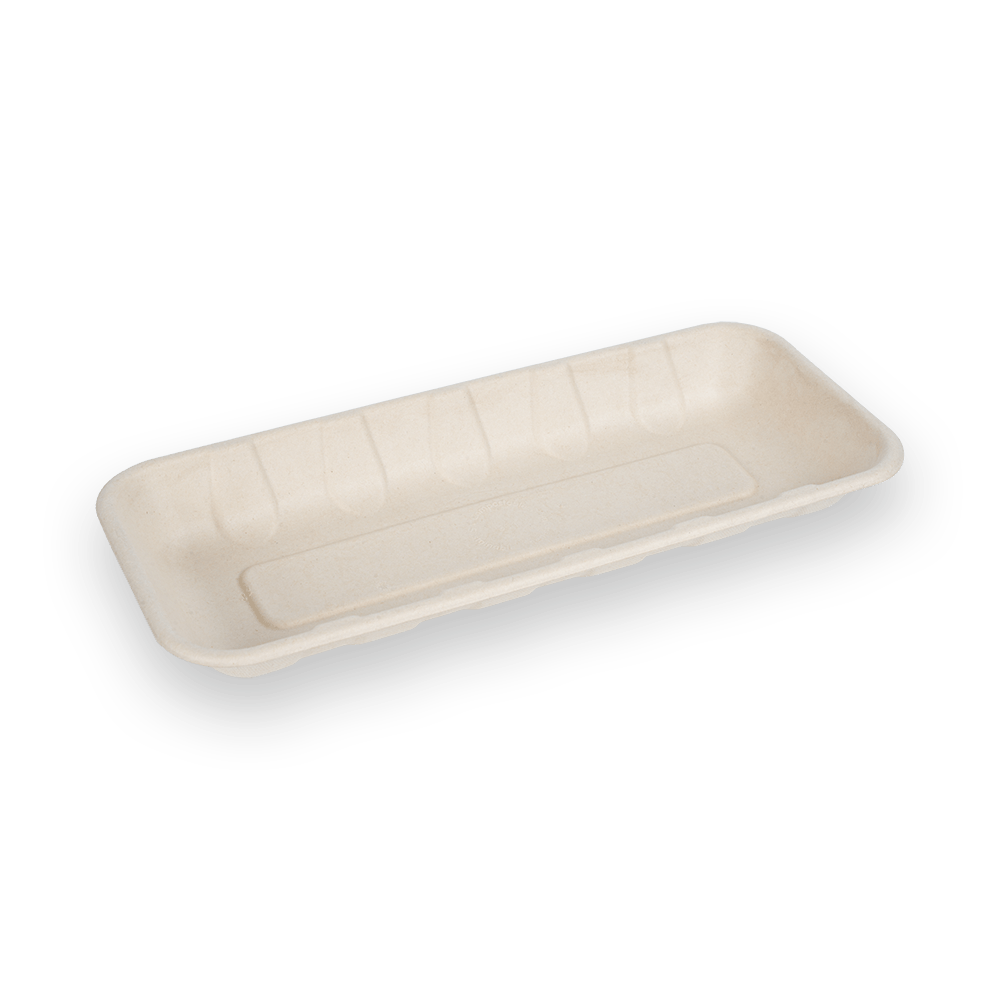
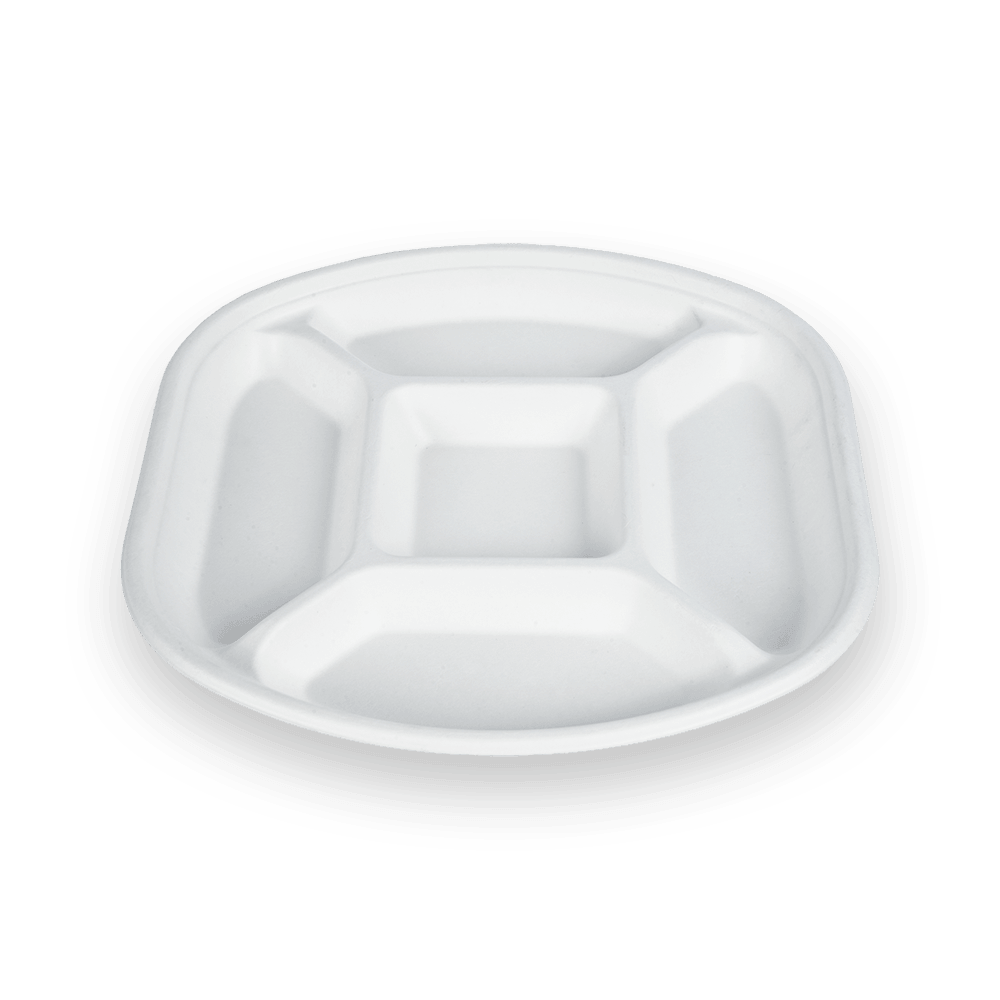
Pulp lamination biodegradable tableware is typically made from natural plant fibers like sugarcane bagasse, bamboo pulp, or wood pulp. These fibers form sturdy containers and plates through a molding process. To enhance their performance against moisture or oils, a thin laminated coating—often water-based or bio-based—is applied. This coating strengthens the tableware’s durability during food service while still allowing the product to break down under proper composting environments. The focus remains on reducing dependency on traditional plastics, yet maintaining everyday usability.
How is laminated pulp tableware biodegradable if it has a coating?
Some people worry that lamination prevents biodegradability. In this case, manufacturers often use eco-friendly barrier materials instead of conventional petroleum-based plastic films. These newer bio-coatings are designed to degrade along with the fiber body, ensuring the product can participate in industrial composting. Although the breakdown speed may vary depending on the composting system and local waste management methods, these tableware products are generally recognized as a more sustainable alternative compared with disposable plastic or fully polyethylene-lined products.
Where is this tableware typically used?
Pulp lamination biodegradable tableware is commonly seen in quick-service restaurants, coffee shops, food delivery services, and cafeterias. It fits well in situations where hygiene and convenience are important, but environmental burden is also a priority. These products handle a variety of hot and cold foods, including meals with sauces or higher moisture levels. Because they are lightweight, stackable, and relatively strong, businesses adopt them not only for sustainability goals but also for practical operational needs.
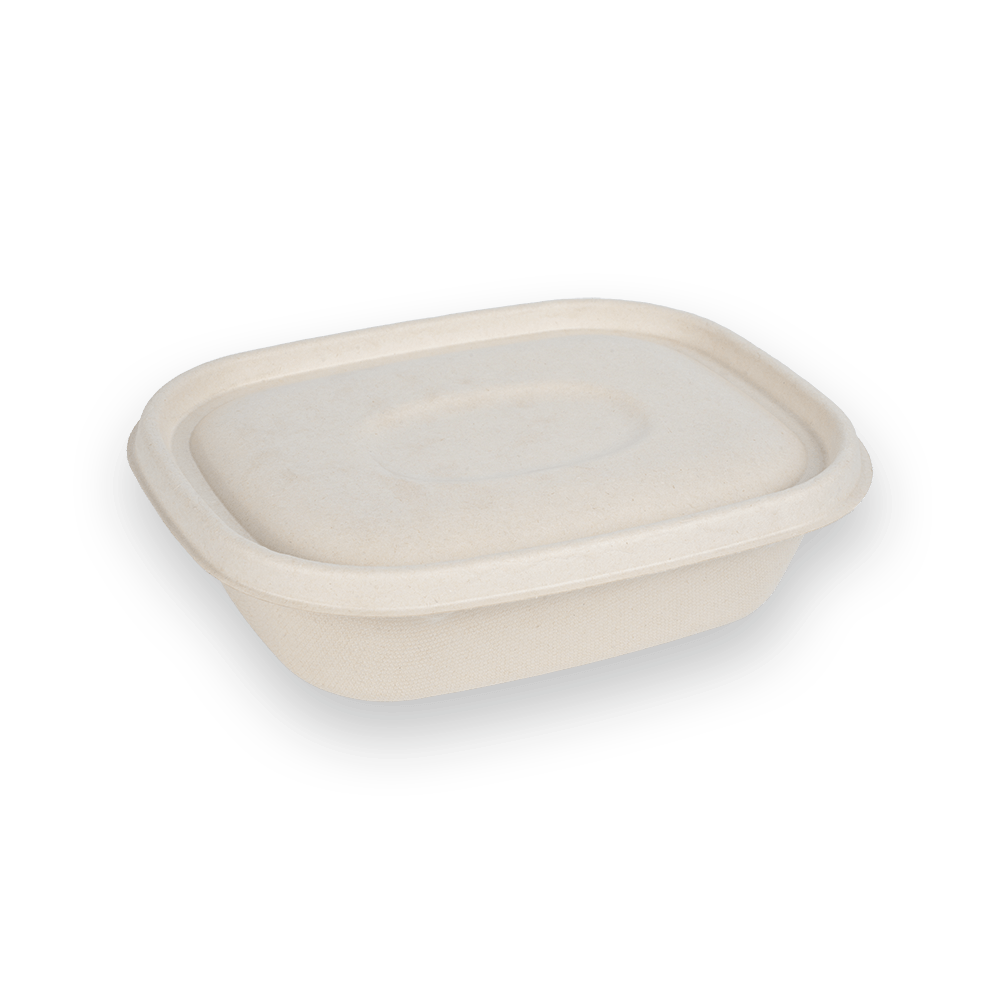
Laminated Pulp Food Containers: Why Are They a Good Choice?
Choosing food packaging today involves more than simply finding something that holds and protects food. Many consumers and food service providers are considering the environmental effects of the products they use daily. Laminated pulp food containers address several areas of concern in a way that aligns with current sustainability efforts.
One major advantage of laminated pulp containers is their functional protection. Food items, especially takeaway meals, often contain moisture, oils, or heat. Traditional pulp, while sustainable, may absorb liquid over time. The laminated barrier improves resistance, ensuring the container maintains structure and food remains secure. This reliability makes the product useful for a wide range of cuisines, from steamed dishes to salads and baked goods.
Another important benefit is the reduced reliance on fossil-fuel-based materials. Although the lamination is necessary for performance, manufacturers increasingly choose coatings that are more eco-conscious. This helps reduce plastic waste and supports the transition to renewable materials. When supported by proper collection and industrial composting systems, the container has the potential to contribute less waste to landfill compared with fully plastic alternatives.
These containers also support brand and consumer expectations. Many companies want packaging that communicates environmental consideration. By selecting laminated pulp food containers, food service providers demonstrate an interest in lowering their environmental footprint. Consumers, in turn, may feel more comfortable selecting businesses that align with their values. In a competitive food industry, this can be advantageous in building trust and customer loyalty.
Practicality matters. Laminated pulp containers are relatively easy to stack, store, and transport. They provide consistent performance without requiring complicated disposal instructions. For many food businesses, this combination of usability and sustainability makes them a reasonable choice.
Start Now
Get Quotation & Sample In 24h
Send us your product size, quantity, structure requirements, we will
reply the proposal and quotation within 24 hours, support sample proofing

-
-
 +66-31240888
 -
 161 Village No. 4, Bo Thong Subdistrict Kabin Buri District Prachinburi Province 25110
Quick Links
Product Categories
News & Events
-
How to Find Zhong Xin at the 140th Canton Fair: A Visitor Navigation Guide
Oct 16,2026
-
Thailand vs China Bagasse Tableware: 8 Comparisons Buyers Should Verify
Oct 16,2026
-
Will Takeout Containers Fit Your Existing Lids and Delivery Workflow
Oct 16,2026
-
What Is Bagasse Tableware? A 2026 Buyer Guide to Material, Performance and Documents
Oct 13,2026
-
Bagasse Tray Wholesale: How Bulk Buyers Cut Cost with Carton and Container Planning
Oct 09,2026
-
What Should a Bagasse Manufacturer Include in a Bulk Order Quote
Oct 09,2026
-
FOB, CIF or DDP? Incoterms for Bagasse Tableware Buyers Shipping from Thailand
Oct 06,2026
-
Packaging or Food Contact? Which EU Regime Applies to Bagasse Cups, Bowls, Plates and Cutlery
Oct 06,2026
-
Compostable Cutlery Sets for Private Label: 7 Sourcing Checks for Retail and Foodservice Buyers
Oct 06,2026
-
US vs EU Bagasse Tableware Imports: 8 Documentation and Compliance Checks Buyers Should Run
Oct 06,2026
-
How to Prepare a Bagasse Tableware Import: 10 Readiness Checks for US and EU Buyers
Oct 06,2026
-
Beyond Plates: Which Foods Suit Bagasse Tableware
Oct 02,2026
Copyright © 2025 Zhong Xin Ecoware Technology ( Thailand ) CO., LTD.
All Rights Reserved.

PULP Lamination Products Wholesale