-
 [email protected]
-
 +66-31240888



 English
 Español
 ไทย
ไทยFOB, CIF or DDP? Incoterms for Bagasse Tableware Buyers Shipping from Thailand
Bagasse tableware is a low-value, high-volume product, so freight is not a detail in the quotation — it is often the largest single line in the landed cost. That makes the Incoterm on the offer one of the most commercially important terms a buyer agrees to, and one of the least often written down explicitly.
Quick Summary: Incoterms for Bagasse Tableware Buyers
- Verify the term on the quotation: EXW, FOB, CFR, CIF or DDP changes what the price includes and who arranges what.
- Verify the handover point: where risk passes is not the same as where cost stops — confirm both.
- Verify who clears what: export clearance, import clearance and duties sit with different parties depending on the term.
- Verify the insurance position: a CIF quotation includes cover, but the level of cover is worth checking against the value of the goods.
- Verify the origin: goods produced in Thailand and goods produced in China are not the same shipment, even when the product is identical.
- Verify by re-quoting on one basis: ask every supplier for the same term before comparing numbers.
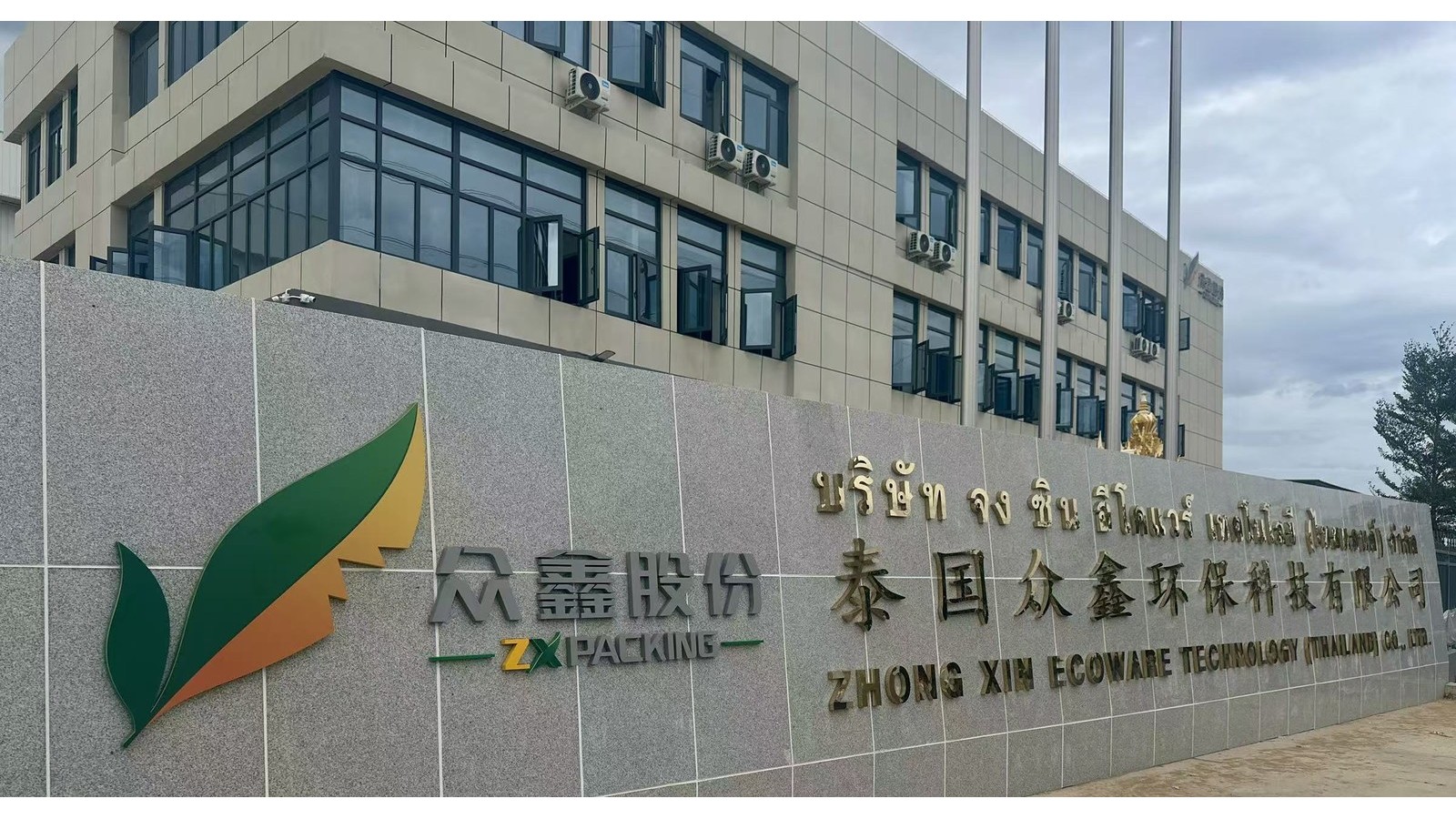
Comparing bagasse tableware quotations is only meaningful once the Incoterm is identical: the same container can be quoted as FOB, CIF or DDP and produce three very different landed costs.
Buyers often compare quotations that are not comparable. One supplier quotes FOB, another quotes DDP, a third quotes a unit price with no term at all. The numbers look close; the obligations behind them are not. The correction is not complicated — it just has to happen before the order, not after the invoice.
Core buyer principle: the Incoterm decides who arranges, who pays and who carries risk at each stage. Until it is fixed and written down, a price comparison is a comparison of assumptions rather than of costs.
What Each Term Hands to Whom
| Term | Main carriage arranged by | Import clearance and duty | Risk passes | Typical fit |
|---|---|---|---|---|
| EXW | Buyer | Buyer | At the supplier’s premises | Buyers with their own forwarder and export capability |
| FOB | Buyer | Buyer | When goods are on board at origin port | Buyers with freight contracts and volume |
| CFR | Supplier | Buyer | When goods are on board at origin port | Buyers who want freight arranged, not insured, by the supplier |
| CIF | Supplier | Buyer | When goods are on board at origin port | Buyers who want one invoice covering freight and minimum cover |
| DAP | Supplier | Buyer | At the named destination, not unloaded | Buyers who can clear import themselves |
| DDP | Supplier | Supplier | At the named destination, ready for unloading | Buyers who want a single delivered price |
Descriptions are a working summary for procurement purposes. The current published rules of the applicable Incoterms edition govern, and your broker or trade adviser should confirm the version and the exact allocation for your shipment.
1. Is the Term on the Quotation Explicit and Complete?
The first check is not which term is better. It is whether the offer states one at all, names the place, and names the edition.
What should buyers verify?
- Confirm the three-letter term appears on the quotation, not only in conversation.
- Confirm the named place or port, because "FOB" without a port is not a complete term.
- Confirm which edition of the rules the parties intend to use, and state it in the purchase order.
- Confirm whether the price includes packing, palletisation, marking and documentation.
- Confirm the validity period of the freight element, which moves more often than the product price.
Buyer red flag: a unit price with no term, or a term with no named port — both leave the cost split undefined and are usually resolved in the supplier’s favour later.
How Zhong Xin Ecoware Supports This
Zhong Xin Ecoware Technology (Thailand) Co., Ltd. quotes molded fiber bagasse tableware from production bases in China and Thailand, with the Incoterm, the named port or place and the packing basis stated on the quotation so that offers can be compared on identical terms.
Evidence buyers can request: written quotation with term and named place, packing specification, carton and weight data, port of loading, origin declaration.
2. FOB: What the Buyer Takes On
FOB is the term most experienced importers prefer, because it gives the buyer control of the freight contract. It also transfers a set of tasks to the buyer that are easy to underestimate on a first order.
What should buyers verify?
- Confirm what the supplier does before the handover: inland transport to port, export documentation, and terminal handling at origin.
- Confirm the booking window and cut-off dates, and who is responsible if the container misses the vessel.
- Confirm the container type and the loading plan, since FOB does not include a loading guarantee beyond the agreed stow.
- Confirm the document set the supplier will issue and when.
- Confirm demurrage, detention and storage responsibilities after loading.
Buyer red flag: choosing FOB to save cost without having a freight contract, an origin agent and a clear cut-off schedule in place.
How Zhong Xin Ecoware Supports This
For FOB shipments, the loading plan, packing specification and the document set are prepared ahead of the booking so the buyer’s forwarder receives consistent data and the container is ready before the cut-off.
Evidence buyers can request: loading proposal, packing list, carton dimensions and weights, draft export documents, booking timeline.

3. CIF and CFR: Where the Cost Can Hide
CIF and CFR move the freight arrangement to the supplier, which simplifies the buyer’s workload and removes visibility of the freight element. That trade is usually worth it — as long as the buyer checks what is inside the number.
What should buyers verify?
- Confirm whether the quoted freight reflects the actual route and schedule, or a generic rate.
- For CIF, confirm the level of insurance cover included and whether it suits the value of the shipment.
- Confirm the free time at destination and who pays if the container is not collected in time.
- Confirm the destination charges that are not part of the freight figure and remain with the buyer.
- Confirm what happens if rates move between order confirmation and shipment.
Buyer red flag: a CIF rate that is significantly below the prevailing market — the difference is usually found later in destination charges, free time or the level of cover.
How Zhong Xin Ecoware Supports This
Freight-inclusive quotations state the route, the schedule basis and the coverage included, and destination charges that remain with the buyer are listed separately so that the total can be seen rather than assumed.
Evidence buyers can request: quotation with freight breakdown, insurance basis for CIF, destination charge list, free time and demurrage terms.
4. DDP: What the Supplier Takes On
DDP is attractive because it produces one number delivered to the door. It is also the term where supplier quotations vary most, because the seller is carrying duties, taxes and import clearance.
What should buyers verify?
- Confirm exactly which charges the delivered price includes, and which remain the buyer’s.
- Confirm how duty is calculated and re-charged, and whether the buyer receives the underlying documents.
- Confirm the destination address and the unloading responsibility, which differ between DAP and DDP.
- Confirm the importer of record recorded for the shipment, because it affects the buyer’s own records.
- Confirm what happens if the duty estimate is wrong at the time of entry.
Buyer red flag: a DDP quotation with no breakdown at all. Duty treatment differs by origin and by product, so a delivered price that is not explained cannot be verified.
How Zhong Xin Ecoware Supports This
Where a delivered arrangement is requested, the quotation states what is included, the origin of the goods and the production site, so that the buyer’s broker can check the duty basis. Duty and tax treatment are confirmed by the buyer’s customs broker.
Evidence buyers can request: delivered-price breakdown, origin and production site declaration, material composition, commercial invoice and packing list.
5. Comparing Offers on One Basis
Three offers arrive on three different terms. The fastest way to compare them is to convert everything to one basis — usually the cost at the buyer’s own warehouse.
What should buyers verify?
- Ask every supplier to quote the same term, or to list the excluded charges separately so they can be added back.
- Include the costs that sit outside the term: destination charges, inland delivery, storage and any inspection.
- Compare per carton as well as per unit, because it exposes differences in packing efficiency.
- Check the container loading basis, since a better cube utilisation can outweigh a lower unit price.
- Re-check the comparison if the order quantity changes, because freight steps rather than scales.
Buyer red flag: selecting a supplier on unit price from a quotation that mixes terms — the saving is often a cost that was simply moved.
How Zhong Xin Ecoware Supports This
Quotations state the term, the named place, the case pack and the reference container loading, so that buyers can convert offers to a single basis and compare per carton rather than per headline unit price.
Evidence buyers can request: quotations on a single requested term, case pack per item code, reference loading per container, packing specification.
6. Thailand or China Origin: What Changes
Identical products shipped from two production bases are two shipments. The origin stated on the entry file, the route and the transit time all follow from where the goods were made.
What should buyers verify?
- Confirm the production site for the items on the order, and that it is stated on the commercial documents.
- Confirm the port of loading and the routing implied by that site.
- Confirm the origin you will declare and whether it affects any preferential treatment you intend to claim.
- Confirm transit time, which affects reorder cycles and safety stock planning.
- Confirm whether splitting an order across two bases changes the loading plan or the delivery schedule.
Buyer red flag: assuming that a sample price from one production base applies to shipment from the other, including the origin and route.
How Zhong Xin Ecoware Supports This
Because the company operates production bases in both China and Thailand, the production site is stated per order so that the buyer’s broker can confirm origin, routing and any preferential treatment before the order is confirmed.
Evidence buyers can request: production site declaration, port of loading, certificate of origin where applicable, route and transit indication.
7. Which Term Fits Which Buyer
There is no universally better term — only a better fit for the buyer’s own capability and volume.
What should buyers verify?
- If you have a freight contract and an origin agent, FOB usually gives the best control and visibility.
- If you import occasionally or lack a forwarder, CIF or DAP reduces the tasks you must manage.
- If you need a single budget number and can accept less transparency, DDP simplifies planning.
- If you are starting with samples or a trial order, confirm which term the trial will use, since it is often not the term of the bulk order.
- Record the agreed term in the purchase order, not only in the quotation.
Buyer red flag: a first order placed on one term and the reorder assumed to be on the same one, without restating it.
How Zhong Xin Ecoware Supports This
Buyers are quoted on the term that fits their capability, and the agreed term is repeated on the order confirmation so that the first order and the reorder are handled consistently.
Evidence buyers can request: quotation and order confirmation showing the agreed term, loading and document checklist, contact for freight questions.
Get a Quote for Your Next Order
Zhong Xin Ecoware Technology (Thailand) Co., Ltd. supplies molded fiber bagasse tableware for wholesale, distribution and private-label programs from production bases in China and Thailand. Send your item list, target quantity and required term to info@fiber-product.com for a quotation on a single, comparable basis.
Note: this guide is written for procurement planning and is not legal or customs advice. Incoterms responsibilities, duty treatment and entry requirements should be confirmed with your freight forwarder, customs broker or trade adviser.
Related Buyer Guides
- How to prepare a bagasse tableware import: 10 readiness checks
- US vs EU bagasse tableware imports: 8 documentation checks
- Packaging or food contact? Which EU regime applies
- Compostable cutlery sets for private label: 7 sourcing checks
- Browse biodegradable food packaging
About Zhong Xin Ecoware
Zhong Xin Ecoware Technology (Thailand) Co., Ltd. supplies bagasse and molded fiber food packaging to importers, distributors and foodservice brands. For MOQ, pricing, samples and certification files, contact info@fiber-product.com.
Last updated: 6 October 2026.
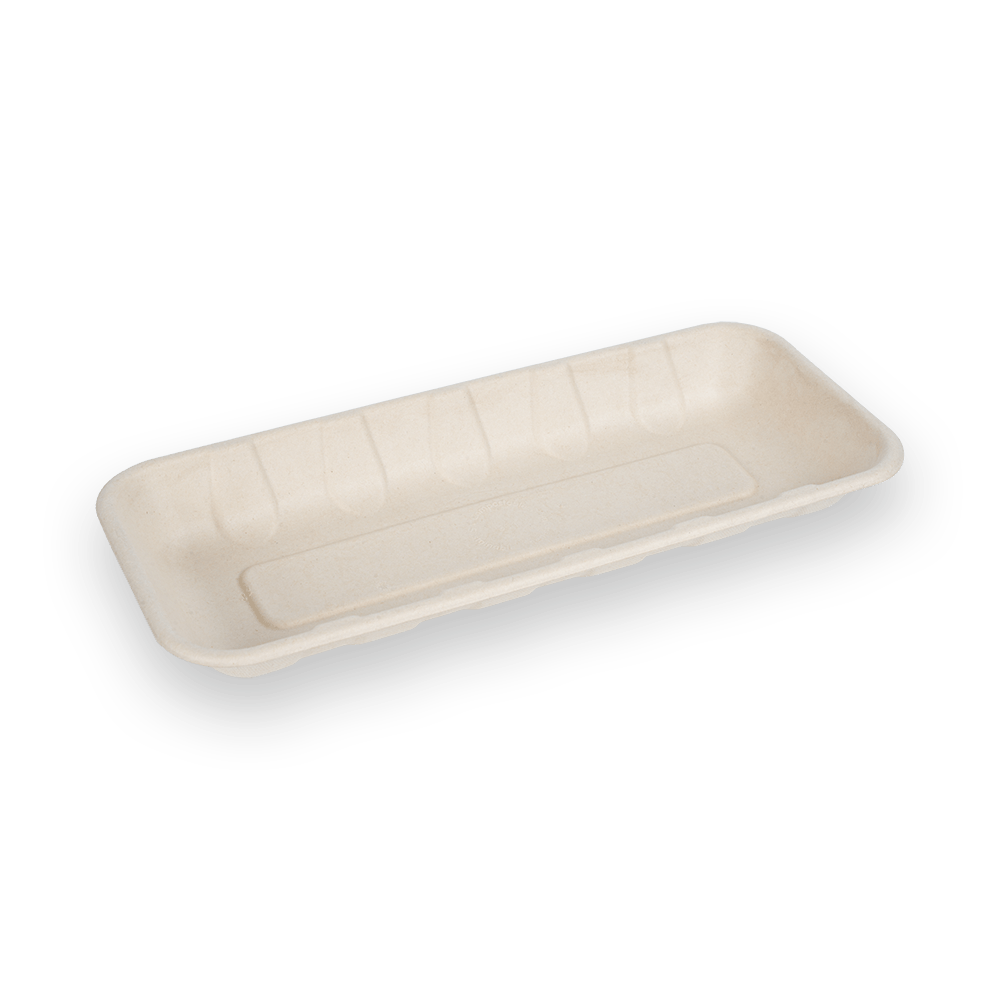


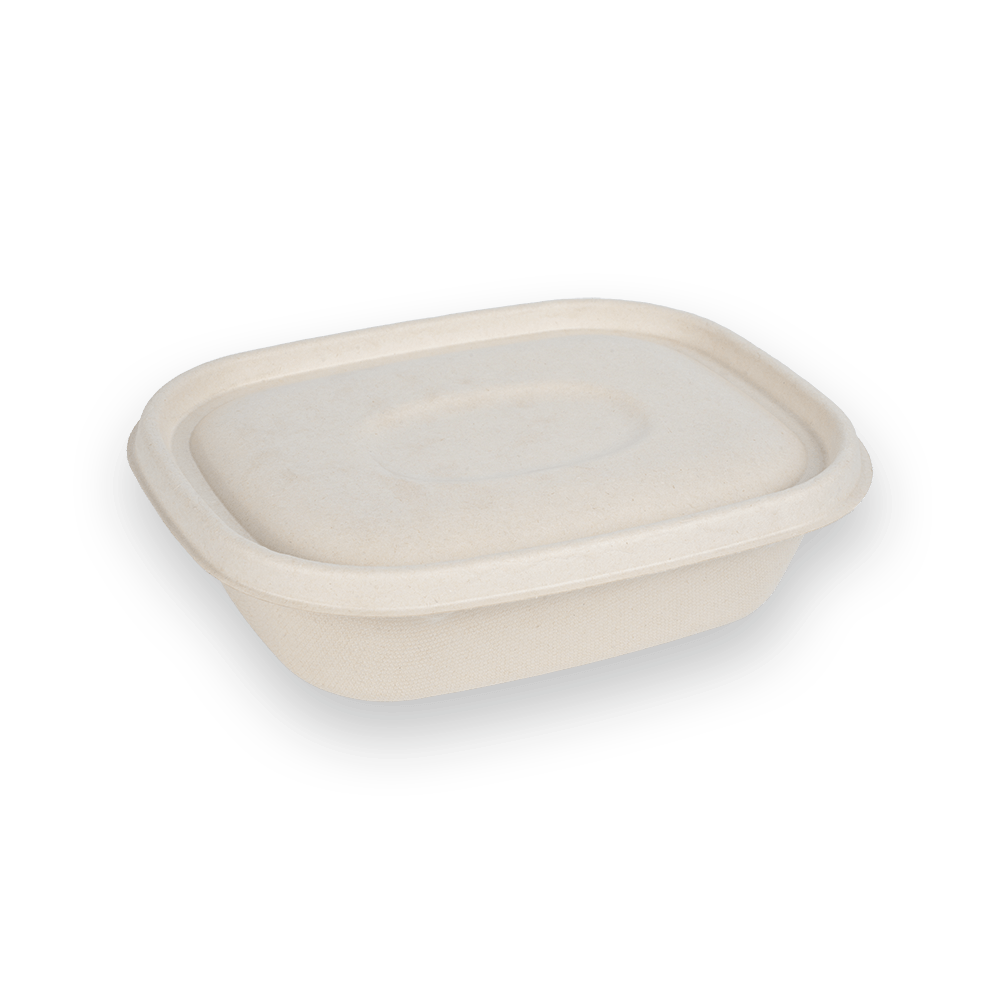
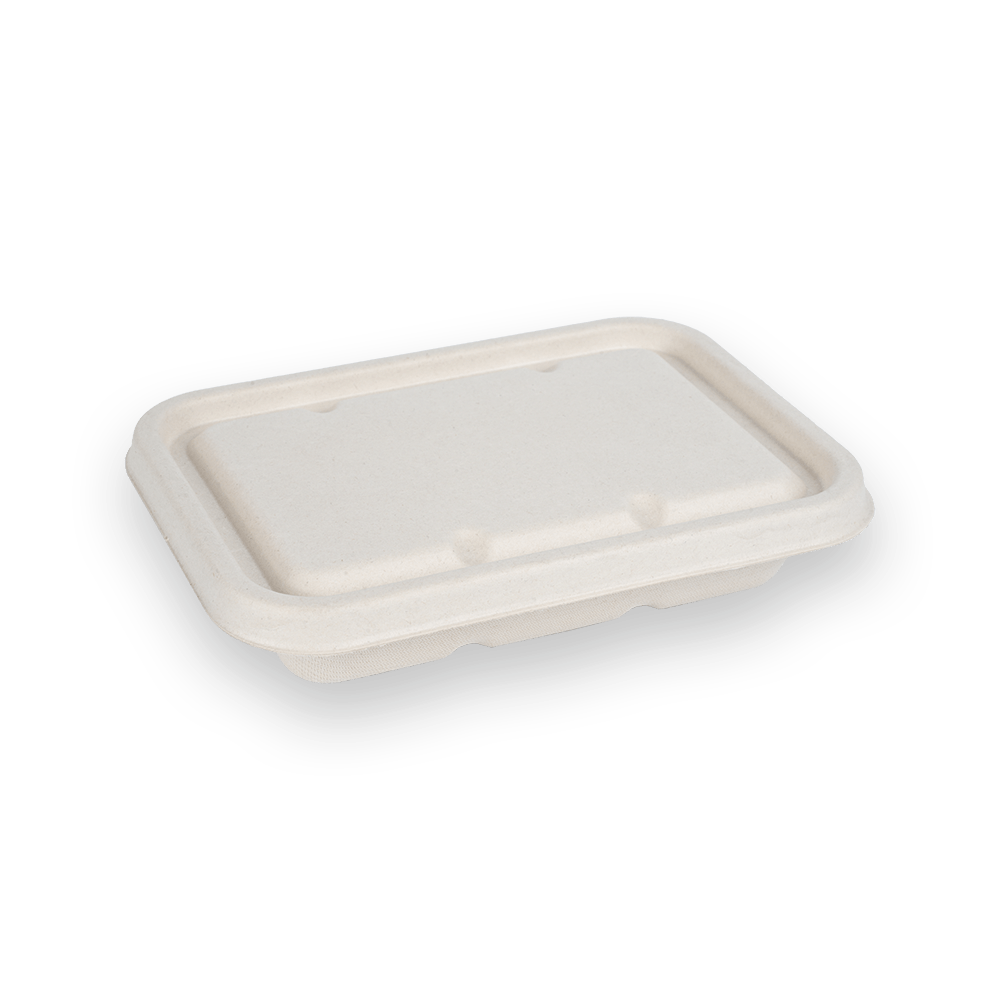

Zhong Xin Ecoware(Thailand) was registered on November 1, 2023, and officially began construction of the factory building in June 2024. At present, the first phase workshop of the factory has been fully completed and put into use. The second phase of the factory is being constructed intensively.
The landing and development of Zhong Xin in Thailand has brought a large amount of initial investment for land, factories, etc., and continuous operational investment for continuous equipment updates, technological upgrades, and capacity expansion.
Zhong Xin Ecoware(Thailand) has directly and indirectly created thousands of job opportunities, increased government revenue, promoted local economic development, cultivated local supply chains, provided systematic training for employees, improved the quality of local human capital, injected vitality into the local economy, enhanced industrial competitiveness, and ultimately improved residents' living standards.
Zhong Xin Ecoware(Thailand) actively collaborates with local pulp mills to explore new cooperation models for developing new products, improving production capacity and quality. At the same time, relying on Zhongxin's advanced production technology, process flow, management experience, and quality control system, it promotes the development of this industry in Thailand.
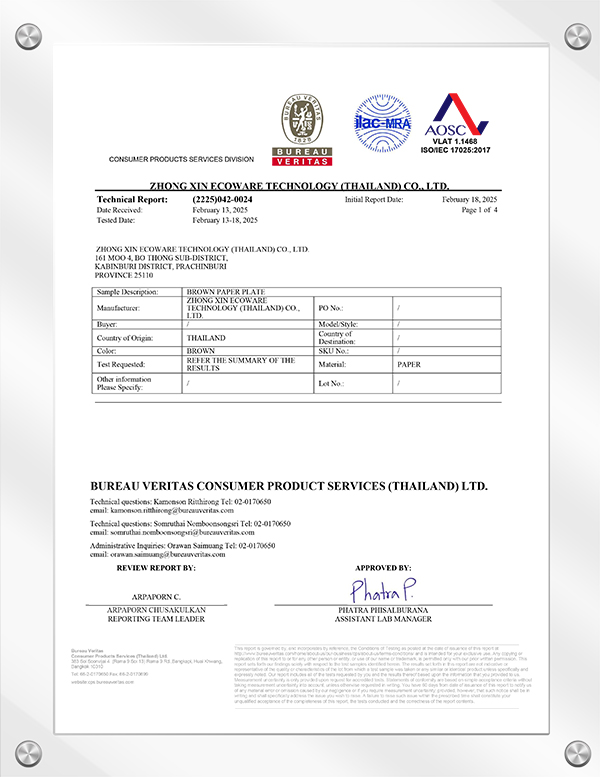
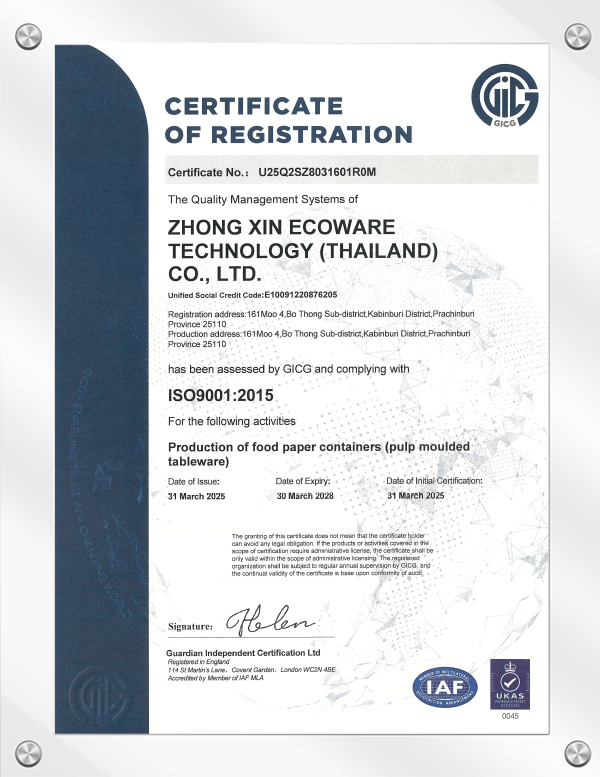
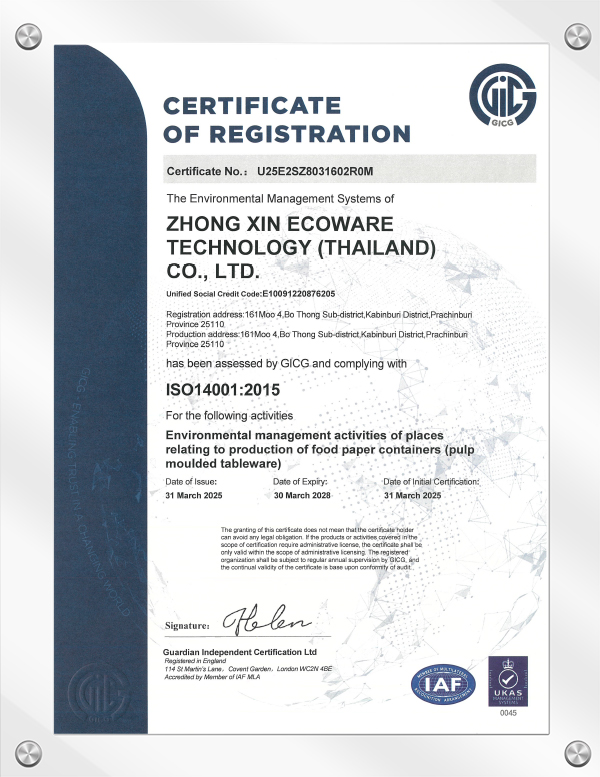

-
-
 +66-31240888
 -
 161 Village No. 4, Bo Thong Subdistrict Kabin Buri District Prachinburi Province 25110
-
Compostable Cutlery Sets for Private Label: 7 Sourcing Checks for Retail and Foodservice Buyers
Oct 06,2026
-
US vs EU Bagasse Tableware Imports: 8 Documentation and Compliance Checks Buyers Should Run
Oct 06,2026
-
How to Prepare a Bagasse Tableware Import: 10 Readiness Checks for US and EU Buyers
Oct 06,2026
-
Beyond Plates: Which Foods Suit Bagasse Tableware
Oct 02,2026
-
New Bagasse Tableware Lineup for 2026: What Is New and Where to See It
Sep 28,2026
-
How to Select Bagasse Clamshells for Burgers, Rice Meals and Fried Food
Sep 28,2026
-
Microwave Reheating: Is a Bagasse Lunch Box Suitable
Sep 25,2026
-
9 Inch Pizza Plates and Bagasse Pizza Boards: A Sourcing Guide for US and Canadian Distributors
Sep 19,2026
-
PFAS-Free & Compostability Verification: A Buyer's Checklist for Bagasse and Molded Fiber Packaging
Sep 19,2026
-
Bagasse vs PLA vs Molded Fiber: What Distributors Should Stock in 2026
Sep 19,2026
-
Can Sugarcane Plates Handle Hot, Greasy Foods
Sep 18,2026
-
Bagasse Tableware RFQ Template: Get a Comparable Thailand Factory Quote
Sep 14,2026
Copyright © 2025 Zhong Xin Ecoware Technology ( Thailand ) CO., LTD.
All Rights Reserved.

Biodegradable Disposable Bagasse Tableware Manufacturer