


 English
 Español
 ไทย
ไทย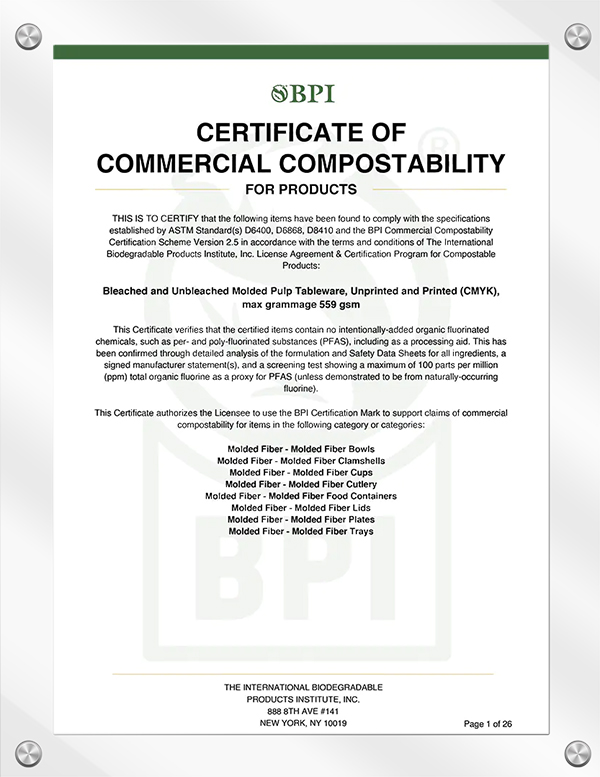
Retail packaging must do more than hold a product. It needs to fit shelf dimensions, present brand information clearly, ...
READ MOREWelcome to Zhong Xin Ecoware Technology ( Thailand ) CO., LTD. Official Website
-
 [email protected]
-
 +66-31240888
Biodegradable Food Packaging Supplier
Pulp tableware is an environmentally friendly tableware made from natural plant fibers through molding technology. 100% biodegradable, non-toxic and harmless, widely used in the catering industry, food delivery, aviation hotels, and household use, it is an ideal choice to replace traditional plastic tableware.
-
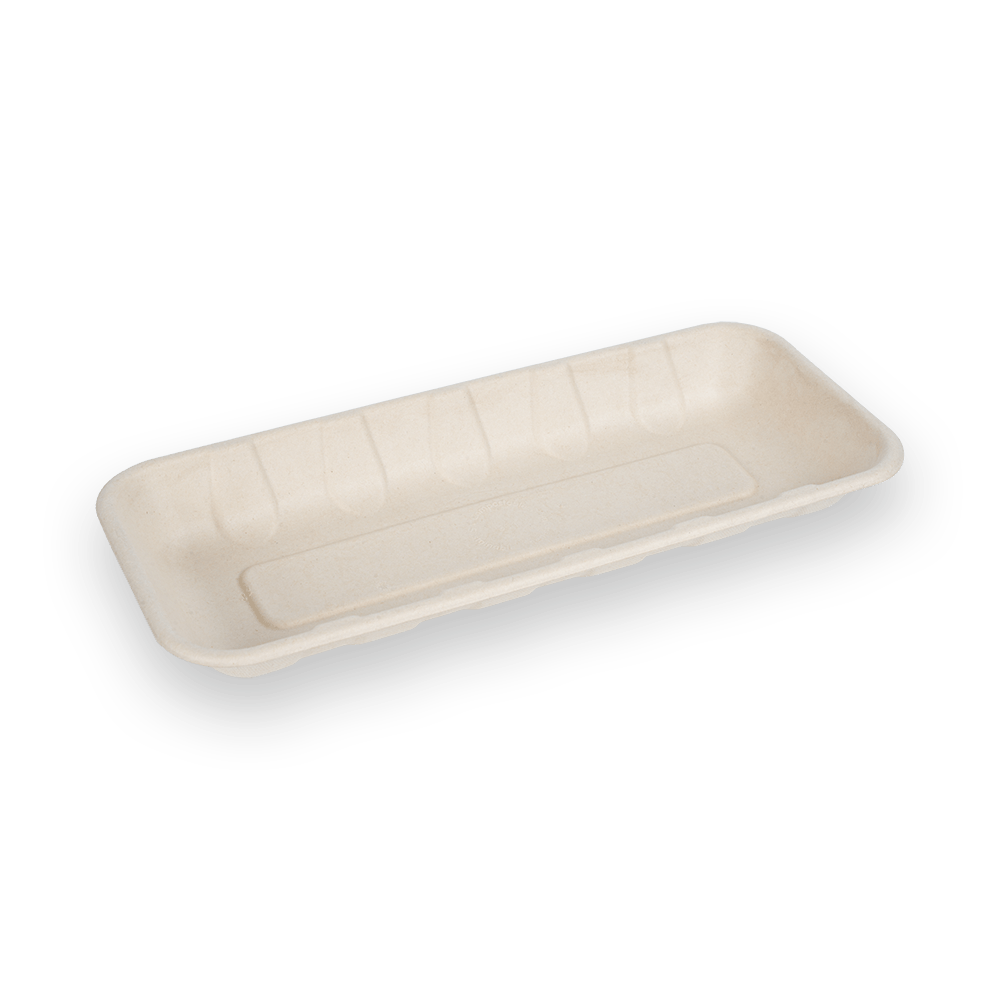
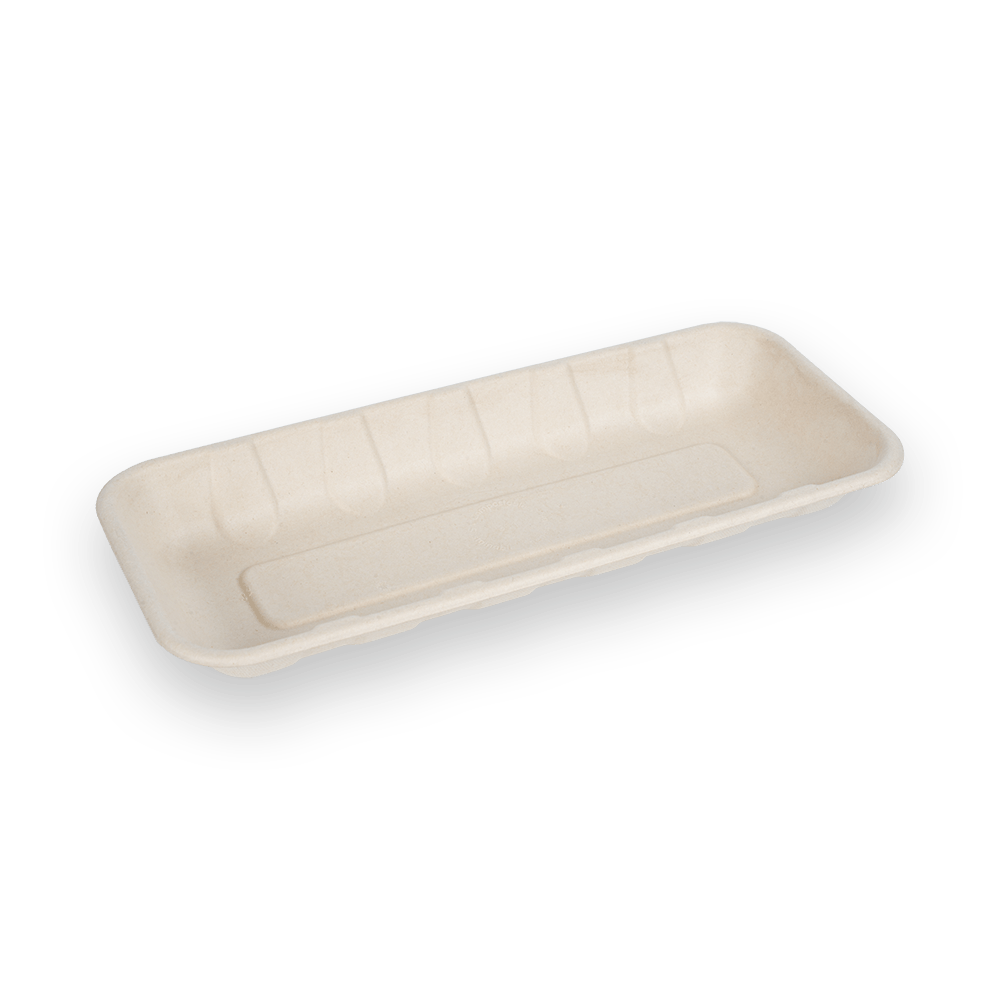 104 Biodegradable tray
Size(mm)
260*115*30
Weight(g)
18
Pcs/Bag
125
Bags/CTN
4
Pcs/CTN
500
L/CTN
44.5
W/CTN
23.5
H/CTN
27
Volume/CT
0.02823525
CONTACT US -
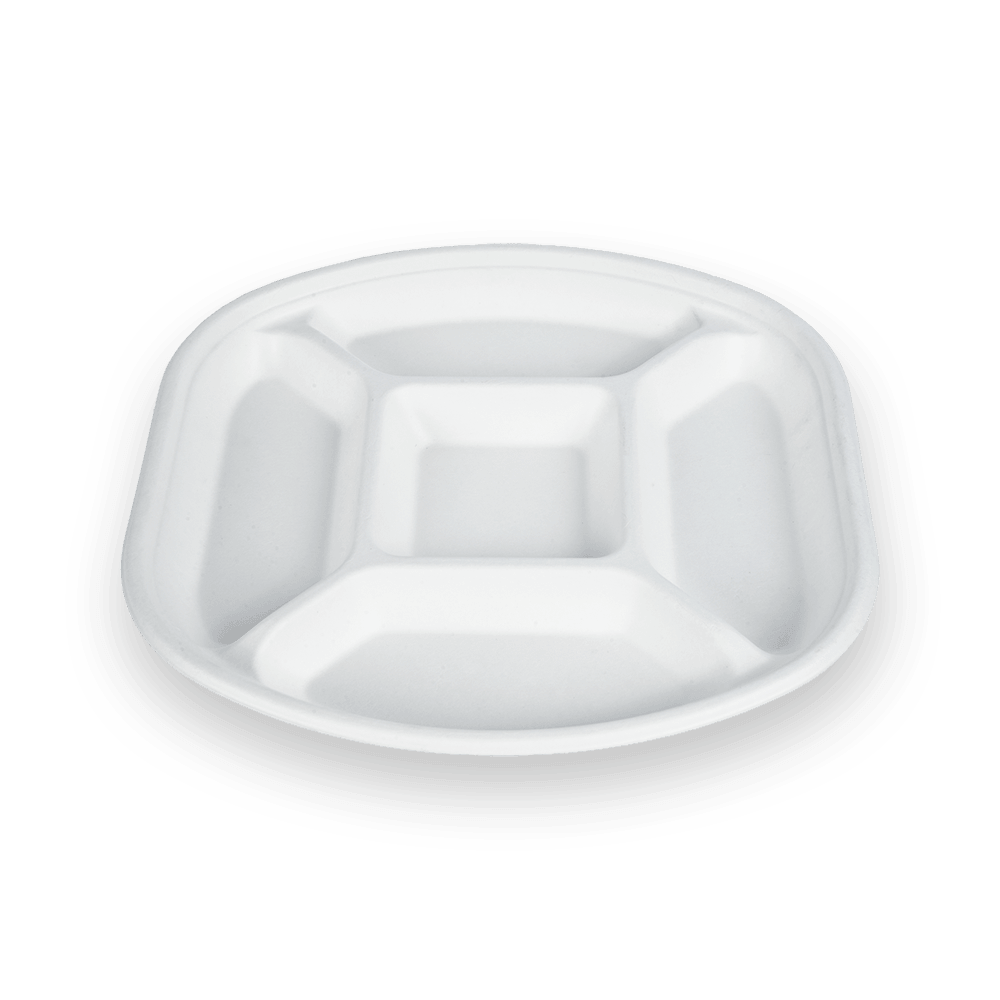
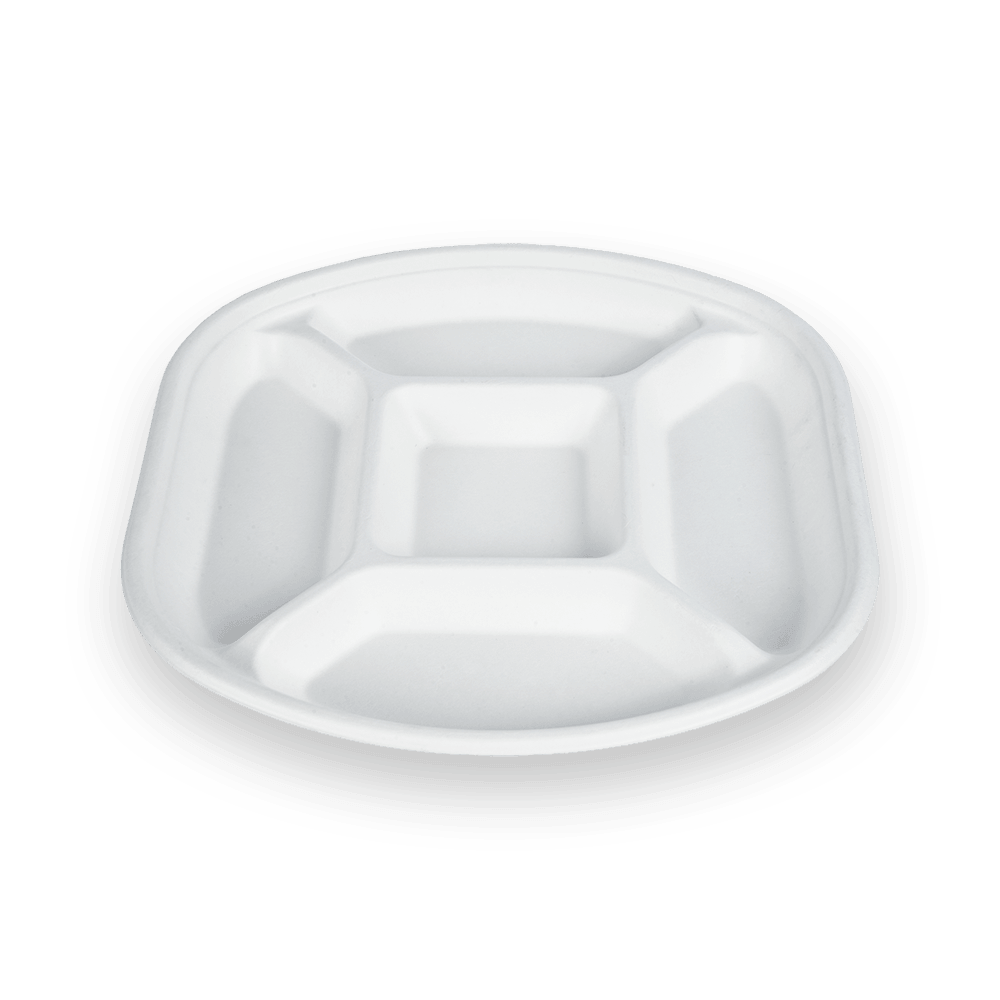 5-grid round biodegradable partition trayCONTACT US
 -
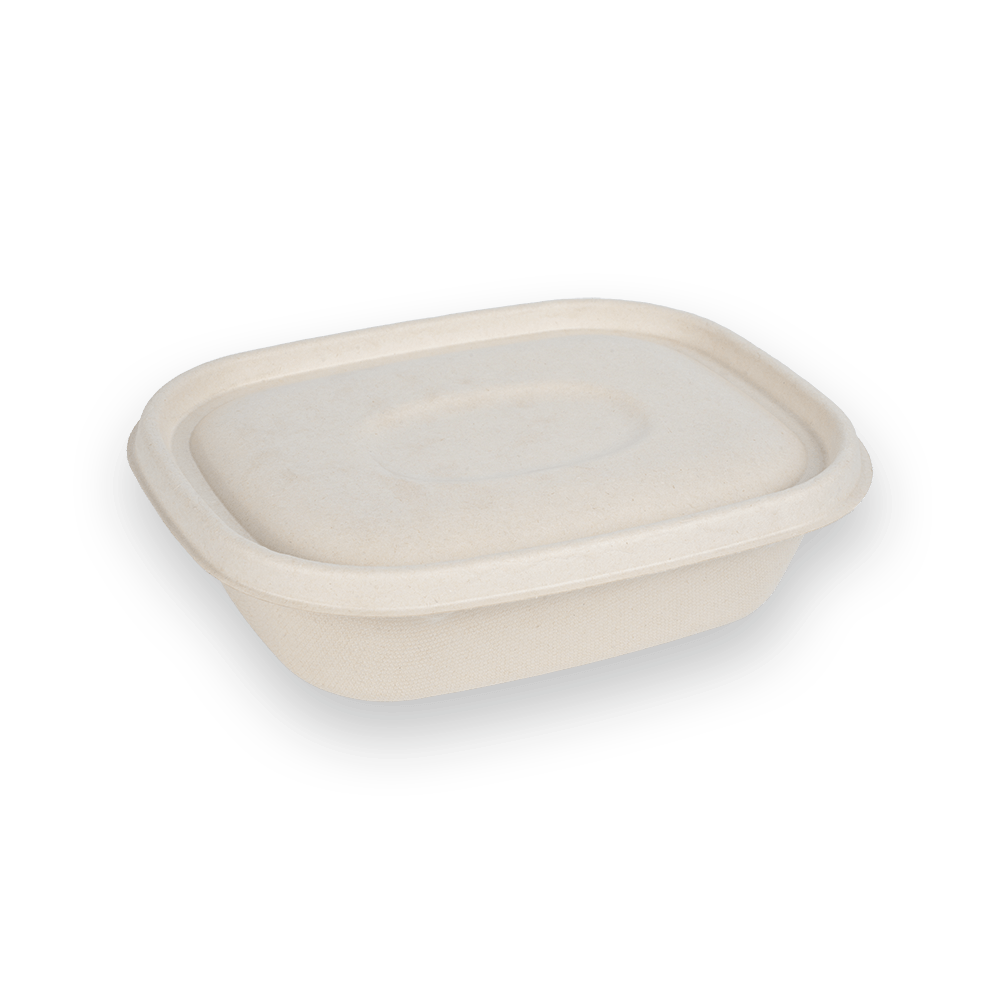
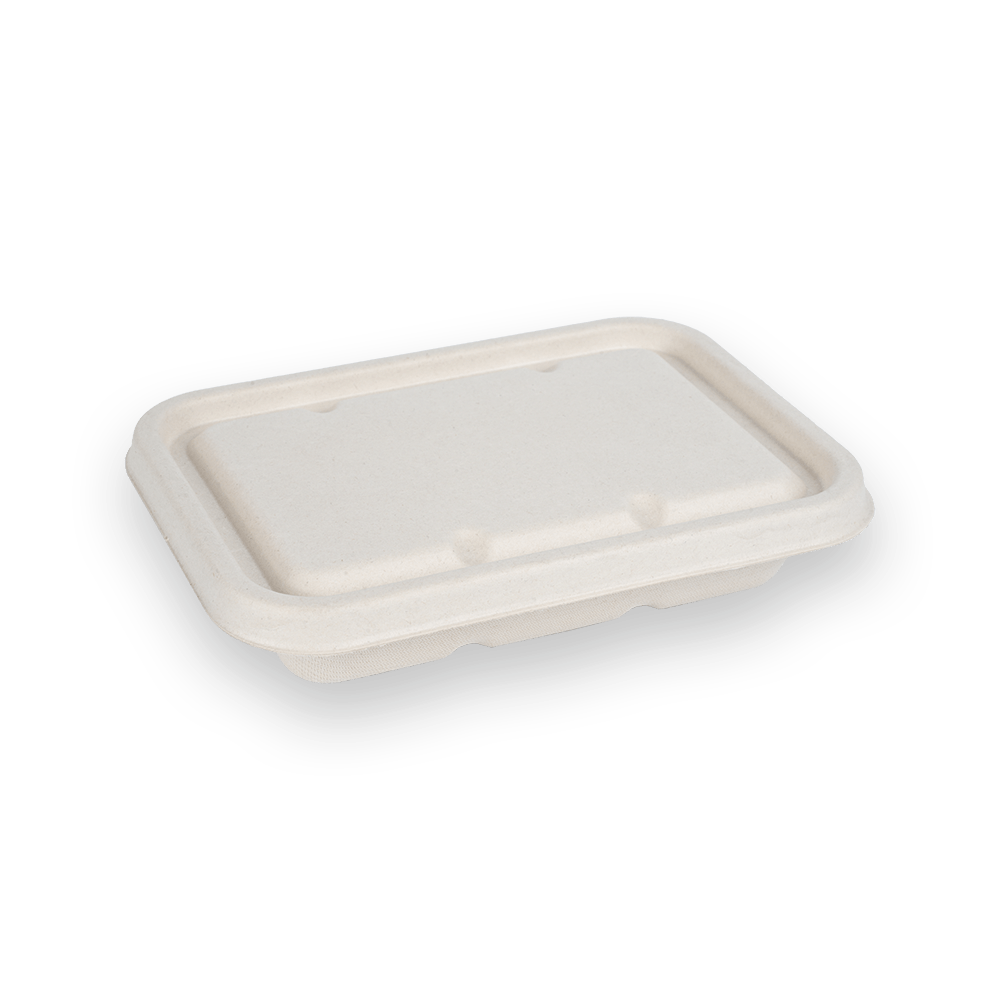
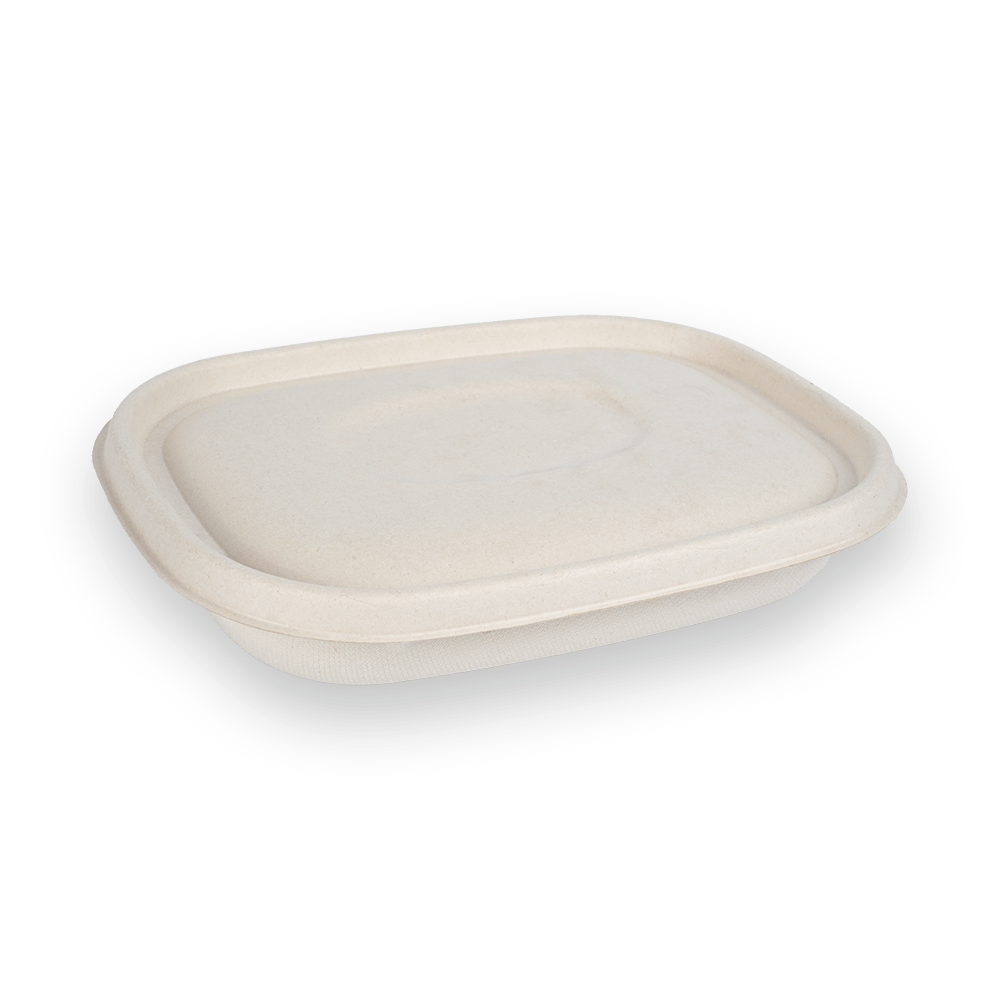 CT850 takeaway box + lid
Size(mm)
220*170*40
Weight(g)
20
Pcs/Bag
50
Bags/CTN
6
Pcs/CTN
300
L/CTN
52
W/CTN
44.5
H/CTN
23
Volume/CTN
CONTACT US -
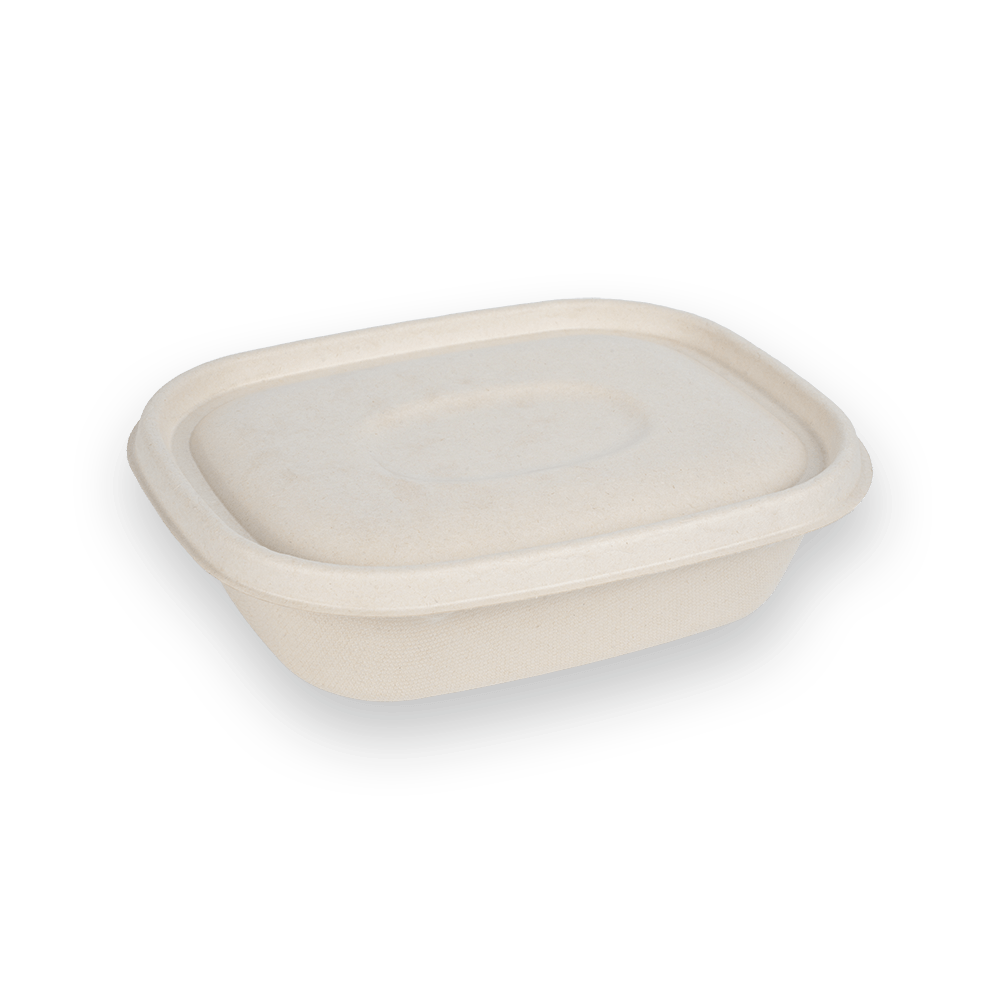 CT1100 takeaway box + lid
Size(mm)
220*170*55
Weight(g)
24
Pcs/Bag
50
Bags/CTN
6
Pcs/CTN
300
L/CTN
52
W/CTN
42
H/CTN
23
Volume/CTN
CONTACT US -
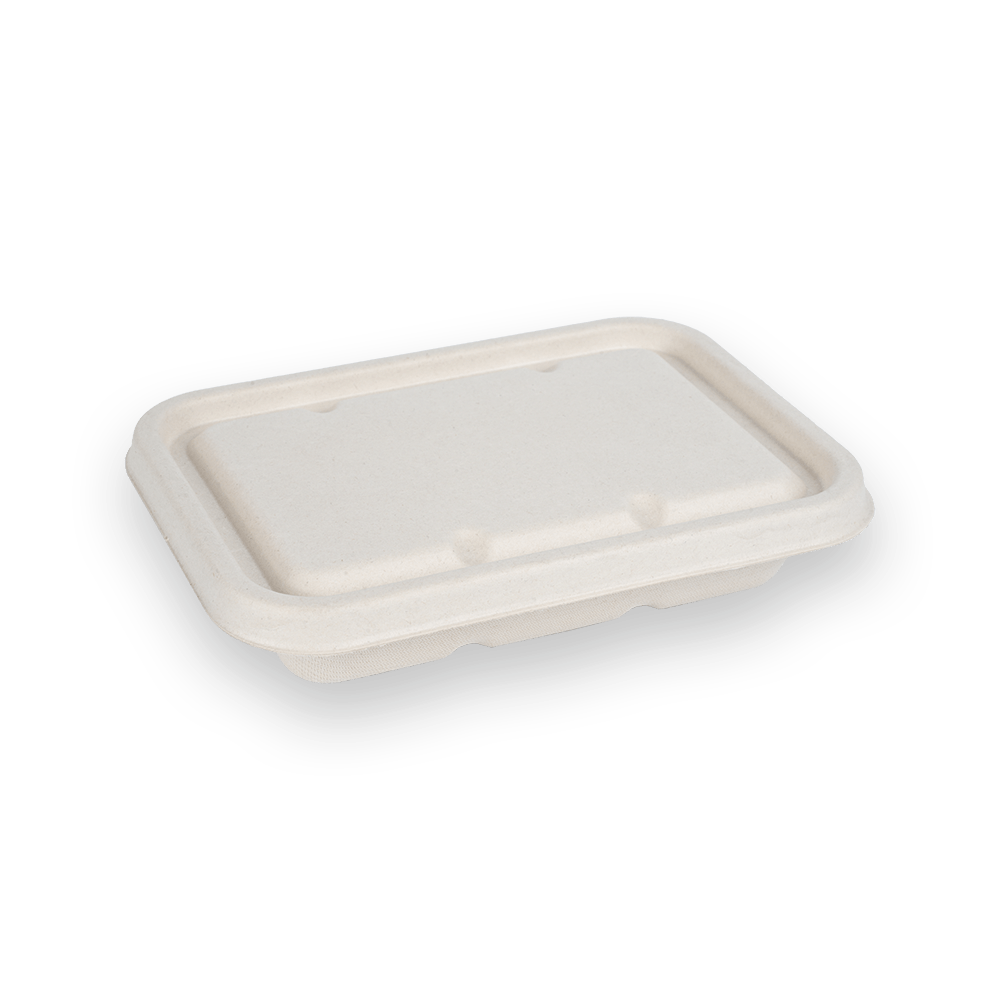 HN450ml square box + lid
Size(mm)
180*125*39
Weight(g)
15
Pcs/Bag
125
Bags/CTN
4
Pcs/CTN
500
L/CTN
51
W/CTN
37.5
H/CTN
27
Volume/CTN
CONTACT US -
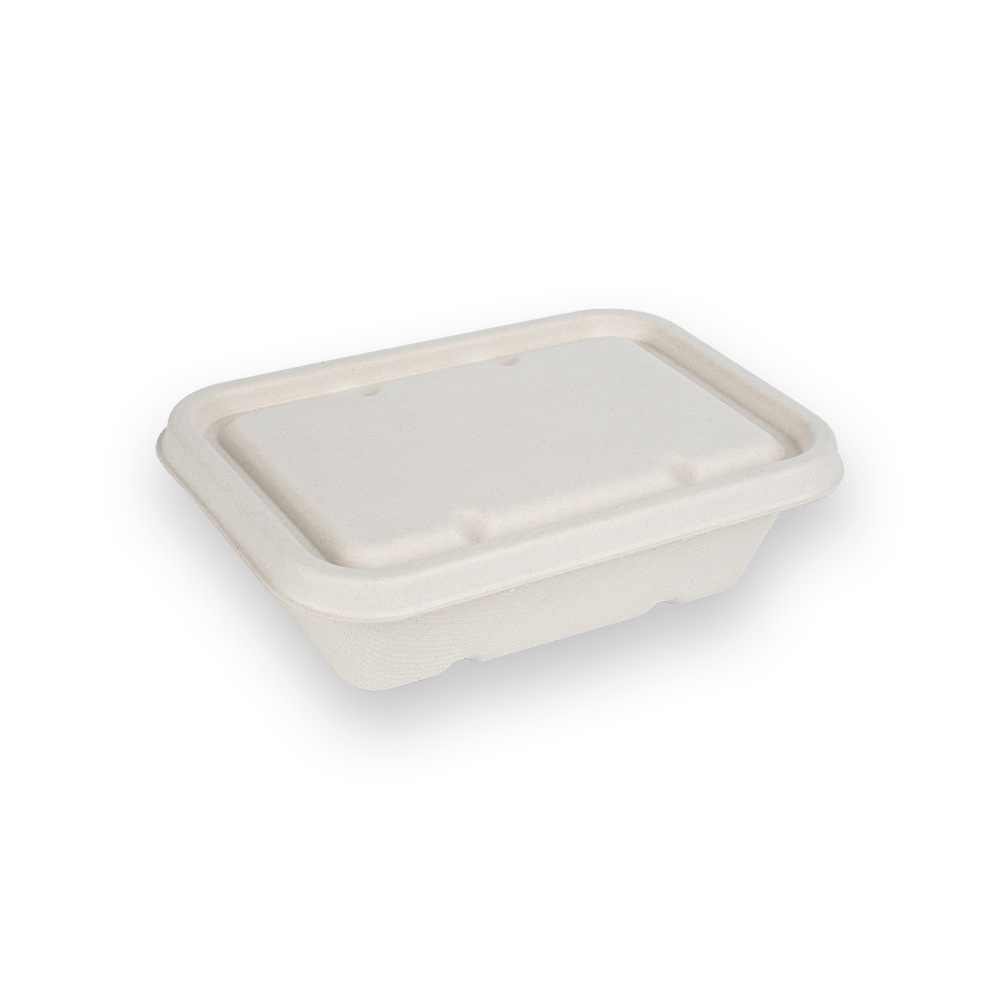 HN650ml square box + lid
Size(mm)
180*125*55
Weight(g)
17
Pcs/Bag
125
Bags/CTN
4
Pcs/CTN
500
L/CTN
55
W/CTN
37.5
H/CTN
27
Volume/CTN
CONTACT US -
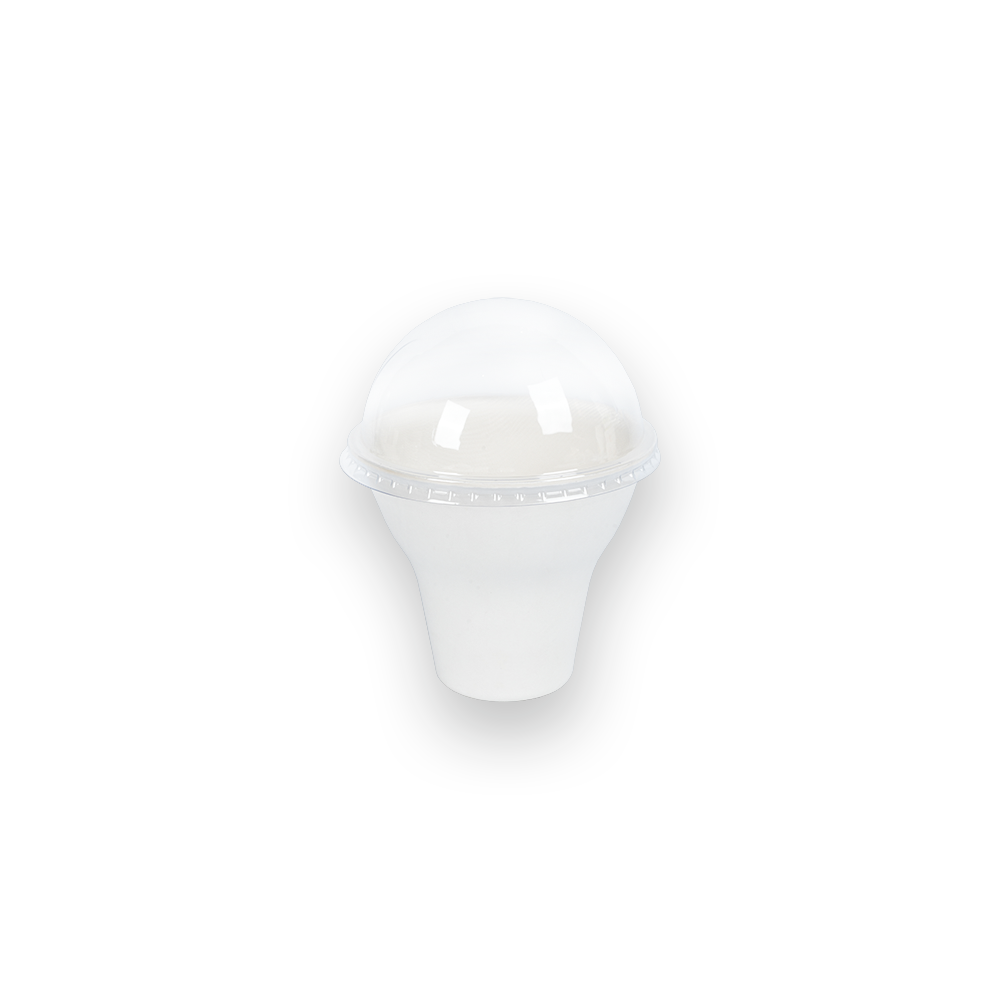
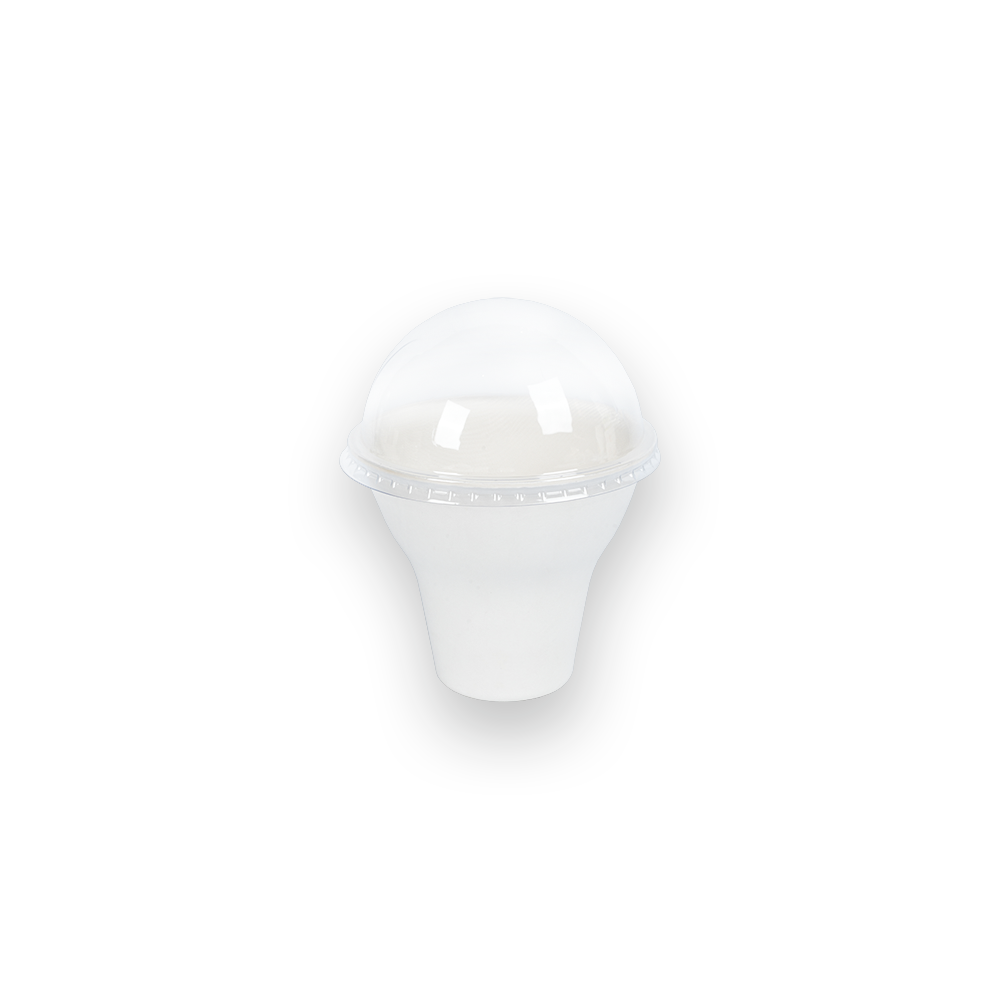 Environmentally friendly pulp ice cream paper cup
Size(mm)
100*90
Weight(g)
14
Pcs/Bag
Bags/CTN
Pcs/CTN
1000
L/CTN
51.5
W/CTN
35
H/CTN
21
Volume/CTN
CONTACT US -
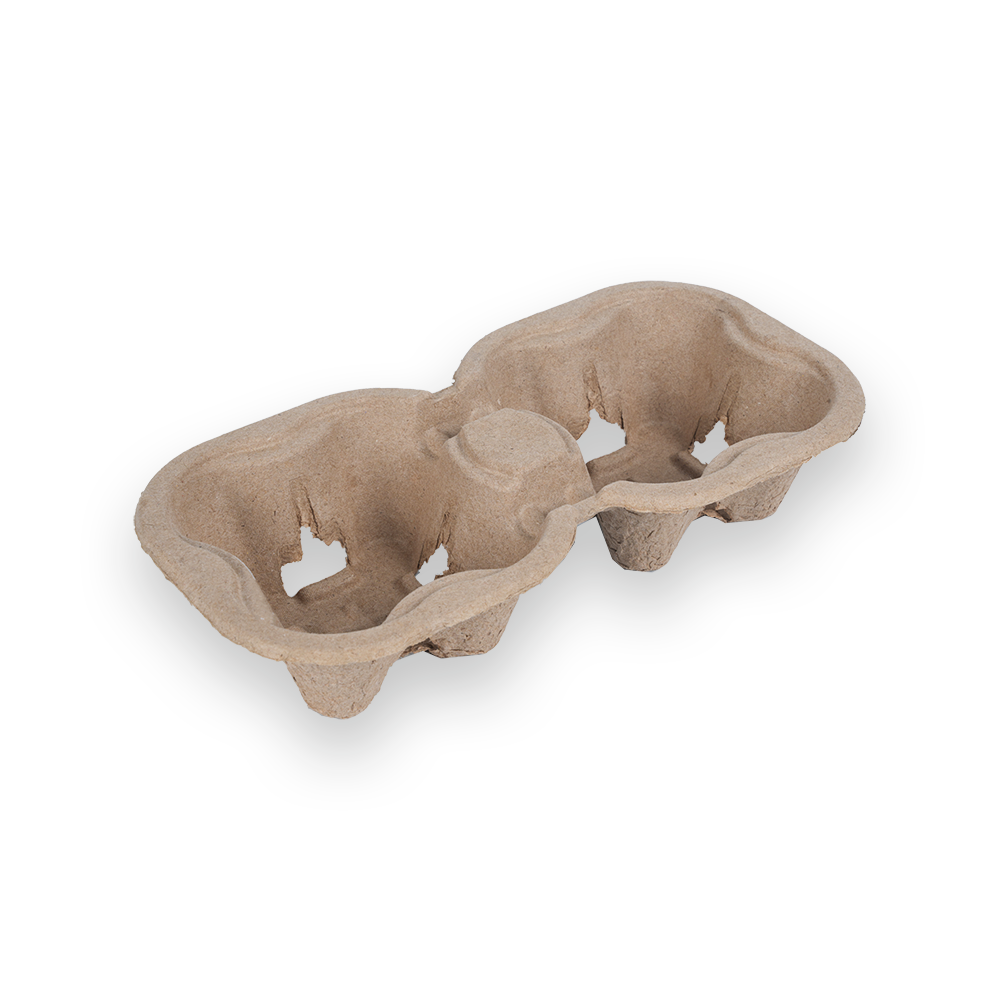 Cup HolderCONTACT US
 -
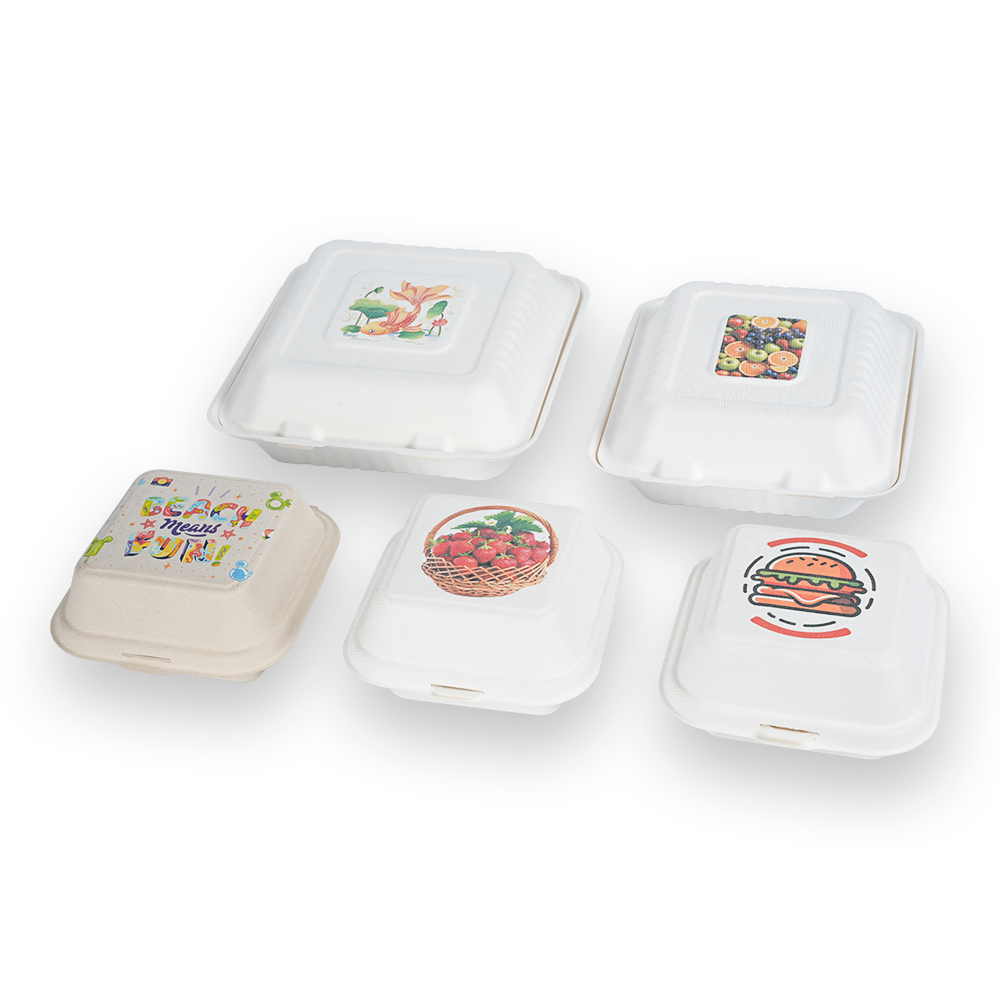 PULP PrintingCONTACT US
Our Story
Zhong Xin Ecoware Technology ( Thailand ) CO., LTD.
Zhong Xin Ecoware(Thailand) is a Thailand Wholesale Biodegradable Food Packaging Manufacturer and OEM Biodegradable Food Packaging Factory. Both the first and second phases of the Thailand plant have now been completed and put into production, bringing the site to an annual capacity of 100,000 tonnes. The plant is already supplying orders for customers in the United States.
The landing and development of Zhong Xin in Thailand has brought a large amount of initial investment for land, factories, etc., and continuous operational investment for continuous equipment updates, technological upgrades, and capacity expansion.
Zhong Xin Ecoware(Thailand) has directly and indirectly created thousands of job opportunities, increased government revenue, promoted local economic development, cultivated local supply chains, provided systematic training for employees, improved the quality of local human capital, injected vitality into the local economy, enhanced industrial competitiveness, and ultimately improved residents' living standards.
Zhong Xin Ecoware(Thailand) actively collaborates with local pulp mills to explore new cooperation models for developing new products, improving production capacity and quality. At the same time, relying on Zhongxin's advanced production technology, process flow, management experience, and quality control system, it promotes the development of this industry in Thailand.
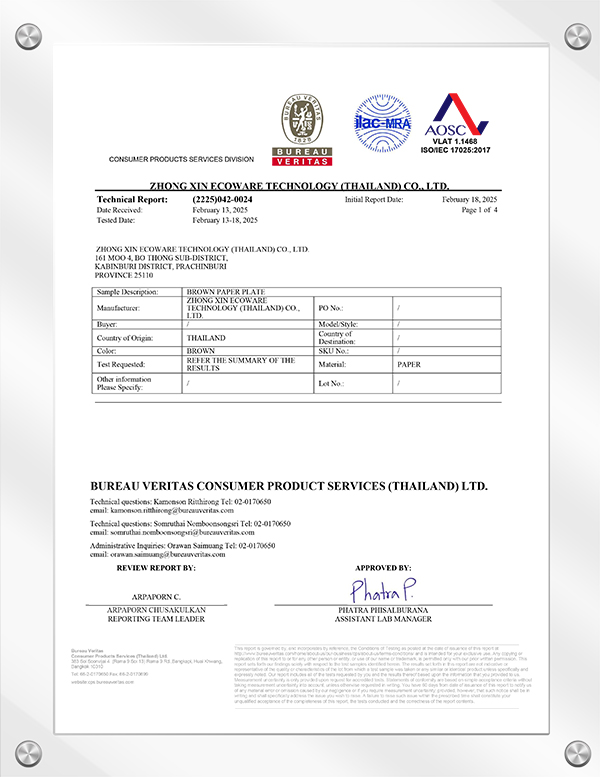
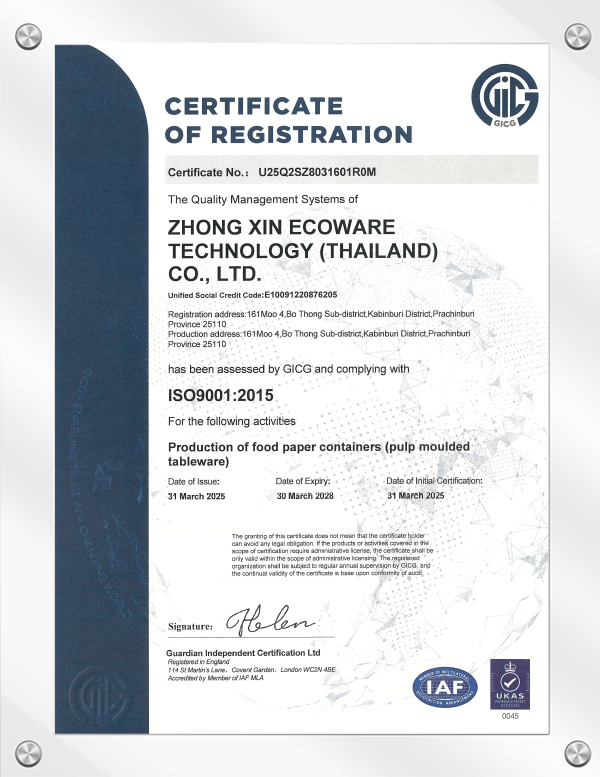
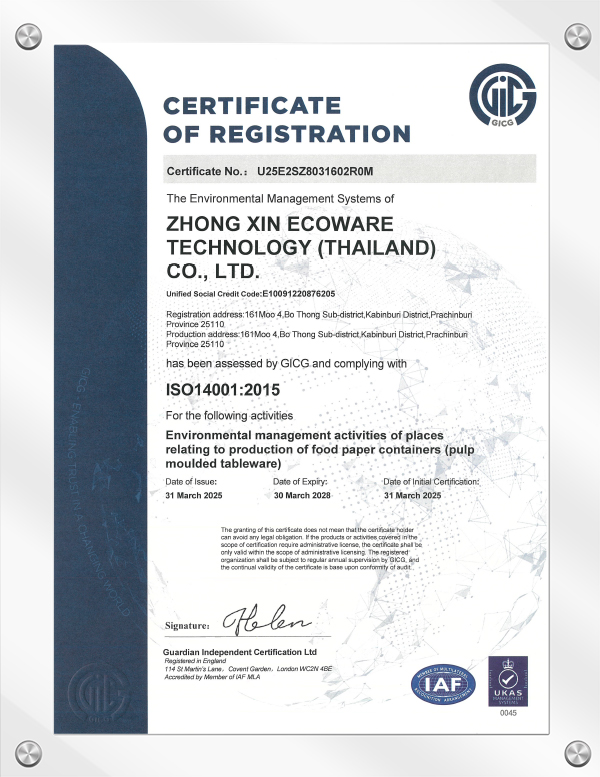
Certificate Of Honor
News & Events
-
-
Published: October 20, 2026 | By Zhong Xin Ecoware Technology (Thailand) Co., Ltd. Bagasse Cups, Cup Lids and Cup Holde...
READ MORE -
Published: October 16, 2026 How to Find Zhong Xin at the 140th Canton Fair: A Visitor Navigation Guide The 140th Canton...
READ MORE -
Published: October 15, 2026 | By Zhong Xin Ecoware Technology (Thailand) Co., Ltd. Quick Summary: Thailand vs China Bag...
READ MORE


Industry Knowledge Extension
Pulp tableware is an environmentally friendly tableware made from natural plant fibers through molding technology. 100% biodegradable, non-toxic and harmless, widely used in the catering industry, food delivery, aviation hotels, and household use, it is an ideal choice to replace traditional plastic tableware.
Start Now
Get Quotation & Sample In 24h
Send us your product size, quantity, structure requirements, we will
reply the proposal and quotation within 24 hours, support sample proofing

-
-
 +66-31240888
 -
 161 Village No. 4, Bo Thong Subdistrict Kabin Buri District Prachinburi Province 25110
Quick Links
Product Categories
News & Events
-
Can Paper Packaging Meet Retail Shelf and Branding Requirements
Oct 23,2026
-
Bagasse Cups and Cup Lids: A Sourcing Guide for Foodservice and Takeaway Buyers
Oct 20,2026
-
How to Find Zhong Xin at the 140th Canton Fair: A Visitor Navigation Guide
Oct 16,2026
-
Thailand vs China Bagasse Tableware: 8 Comparisons Buyers Should Verify
Oct 16,2026
-
Will Takeout Containers Fit Your Existing Lids and Delivery Workflow
Oct 16,2026
-
What Is Bagasse Tableware? A 2026 Buyer Guide to Material, Performance and Documents
Oct 13,2026
-
Bagasse Tray Wholesale: How Bulk Buyers Cut Cost with Carton and Container Planning
Oct 09,2026
-
What Should a Bagasse Manufacturer Include in a Bulk Order Quote
Oct 09,2026
-
FOB, CIF or DDP? Incoterms for Bagasse Tableware Buyers Shipping from Thailand
Oct 06,2026
-
Packaging or Food Contact? Which EU Regime Applies to Bagasse Cups, Bowls, Plates and Cutlery
Oct 06,2026
-
Compostable Cutlery Sets for Private Label: 7 Sourcing Checks for Retail and Foodservice Buyers
Oct 06,2026
-
US vs EU Bagasse Tableware Imports: 8 Documentation and Compliance Checks Buyers Should Run
Oct 06,2026
Copyright © 2025 Zhong Xin Ecoware Technology ( Thailand ) CO., LTD.
All Rights Reserved.

Thailand Sugarcane Fiber Packaging