-
 [email protected]
-
 +66-31240888



 English
 Español
 ไทย
ไทยThailand vs China Bagasse Tableware: 8 Comparisons Buyers Should Verify
Published: October 15, 2026 | By Zhong Xin Ecoware Technology (Thailand) Co., Ltd.
Quick Summary: Thailand vs China Bagasse Tableware in One Page
Thailand and China both make molded fiber bagasse tableware to a high standard, but they are different commercial propositions. The difference is not the material or the machine — it is logistics, trade treatment, capacity, documentation and supply resilience. Buyers who choose a site without checking these eight comparisons often inherit lead-time surprises, a tariff bill they did not price, or a document set that does not match the destination market. This page sets out the eight comparisons and what a buyer should verify for each.
- Lead time and logistics: shipment distance and port routing change delivery windows, not the product.
- Tariff and trade treatment: origin determines what a customs authority applies — confirm the applicable treatment, not a blanket answer.
- Production capacity: a site that can meet one order is not the same as a site that can absorb a multi-container programme.
- Certifications and documentation: certificates are issued per item, per site and per body — check the chain, not the logo.
- Moulds and customization: tooling cost and lead time differ by site and by item complexity.
- Quality consistency: spec compliance is repeatable where process control and inspection are built in.
- Cost structure: unit price is only part of landed cost — freight, duty and case pack drive the rest.
- Supply resilience: a dual-base supplier gives an importer an option the single-site supplier cannot offer.
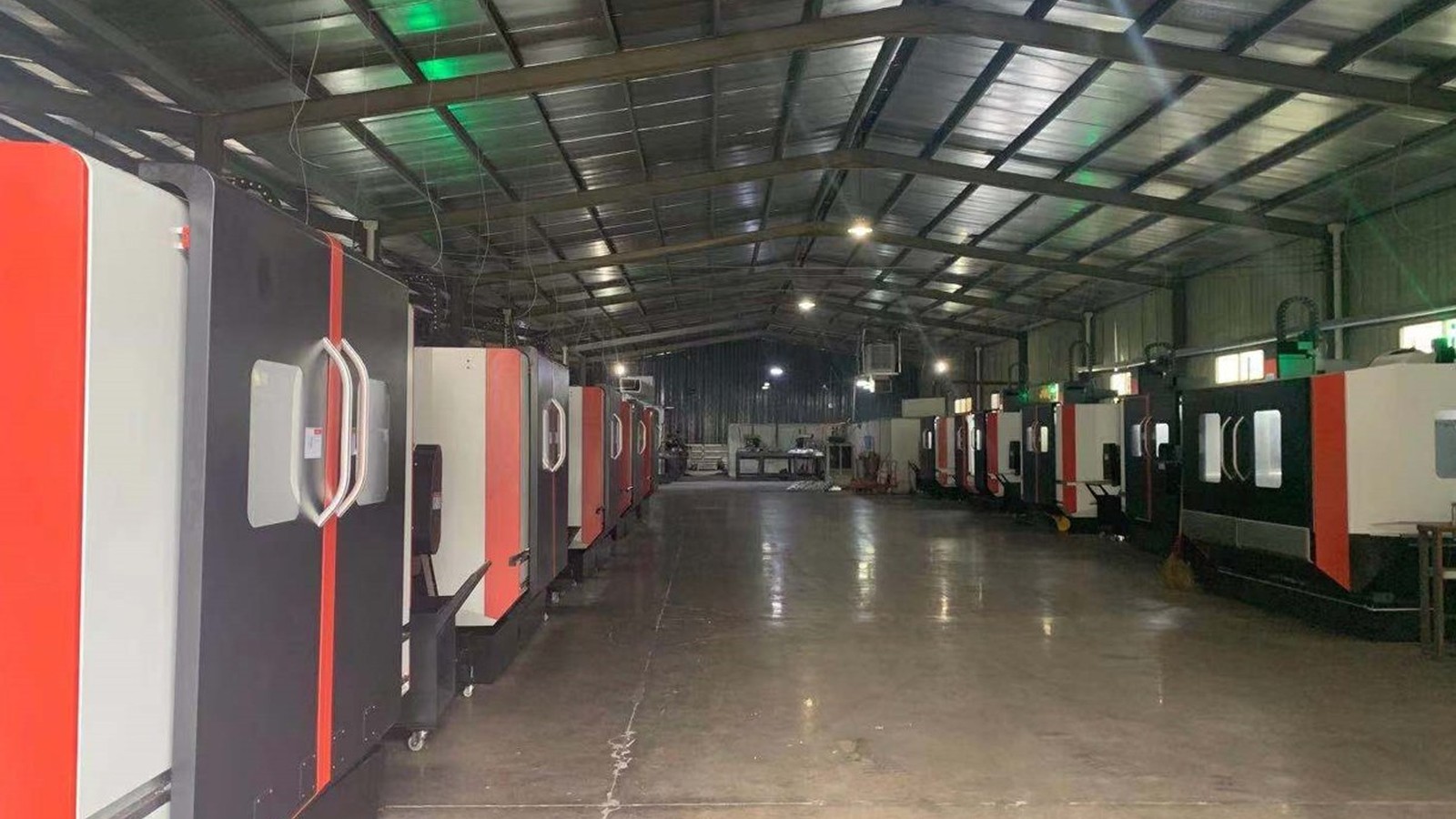
Choosing a manufacturing site is a logistics, trade and documentation decision as much as a product decision. (Image: illustration pending)
Most buyers frame the Thailand-versus-China question as a product question — is the Thailand item the same as the China item. The honest answer is usually yes: the same mould, pulp specification and pressing process can run in either base. The real differences sit in the commercial layer around the product. Lead time, duty treatment, capacity availability, certification scope and multi-site backup rarely appear on a spec sheet, but they decide whether a shipment lands on time, clears customs and passes a retailer's audit.
A buyer who compares only unit price is comparing the smallest part of the decision. A buyer who compares the eight items below is comparing the things that actually move the programme.
Core buyer principle: choose the site on the commercial envelope — logistics, trade treatment, capacity and supply resilience — and the product on the specification. The two decisions are separate, and only the second one lives on the spec sheet.
The Eight Comparisons at a Glance
| # | Comparison | What buyers really check | The risk they often miss |
|---|---|---|---|
| 1 | Lead time and logistics | Transit days and port routing to the destination | A shorter transit window that an ocean schedule can still break |
| 2 | Tariff and trade treatment | How origin is treated at the destination border | Pricing an item without confirming the applicable treatment |
| 3 | Production capacity | Whether the site can absorb the full programme | Mixing proof-of-spec with proof-of-capacity |
| 4 | Certifications and documentation | Per-item, per-site evidence chain | Treating a group certificate as item-level proof |
| 5 | Moulds and customization | Tooling cost and lead time per item | Ignoring tooling ownership and transfer terms |
| 6 | Quality consistency | Process control and inspection, batch over batch | Approving a golden sample and never re-checking production |
| 7 | Cost structure | Landed cost, not unit price | Comparing unit prices with different case packs and freight |
| 8 | Supply resilience | Whether a second base exists as backup | Single-site dependency in a demand spike or disruption |
1. Lead Time and Logistics
A container does not leave a factory faster because the product is better. It leaves on the ocean schedule available from that port, to that destination, at that time of year. Thailand and China serve overlapping but different routes, and a buyer's delivery window is a function of distance, routing and transshipment — none of which appears on a specification.
What should buyers verify?
- Confirm the transit route and typical door-to-door window for the destination, and treat it as an estimate, not a promise.
- Confirm which ports and carriers are realistically available from each base for the buyer's lanes.
- Ask whether the quoted window is ex-works or landed — the gap is real and often quoted inconsistently.
- Confirm how seasonal peaks and blank sailings affect the route.
- Ask for a lead time that names the item, the mould status and the incoterm, not a generic "30 days".
Buyer red flag: a lead time quoted without the port, route or incoterm attached.
How Zhong Xin Ecoware Supports This
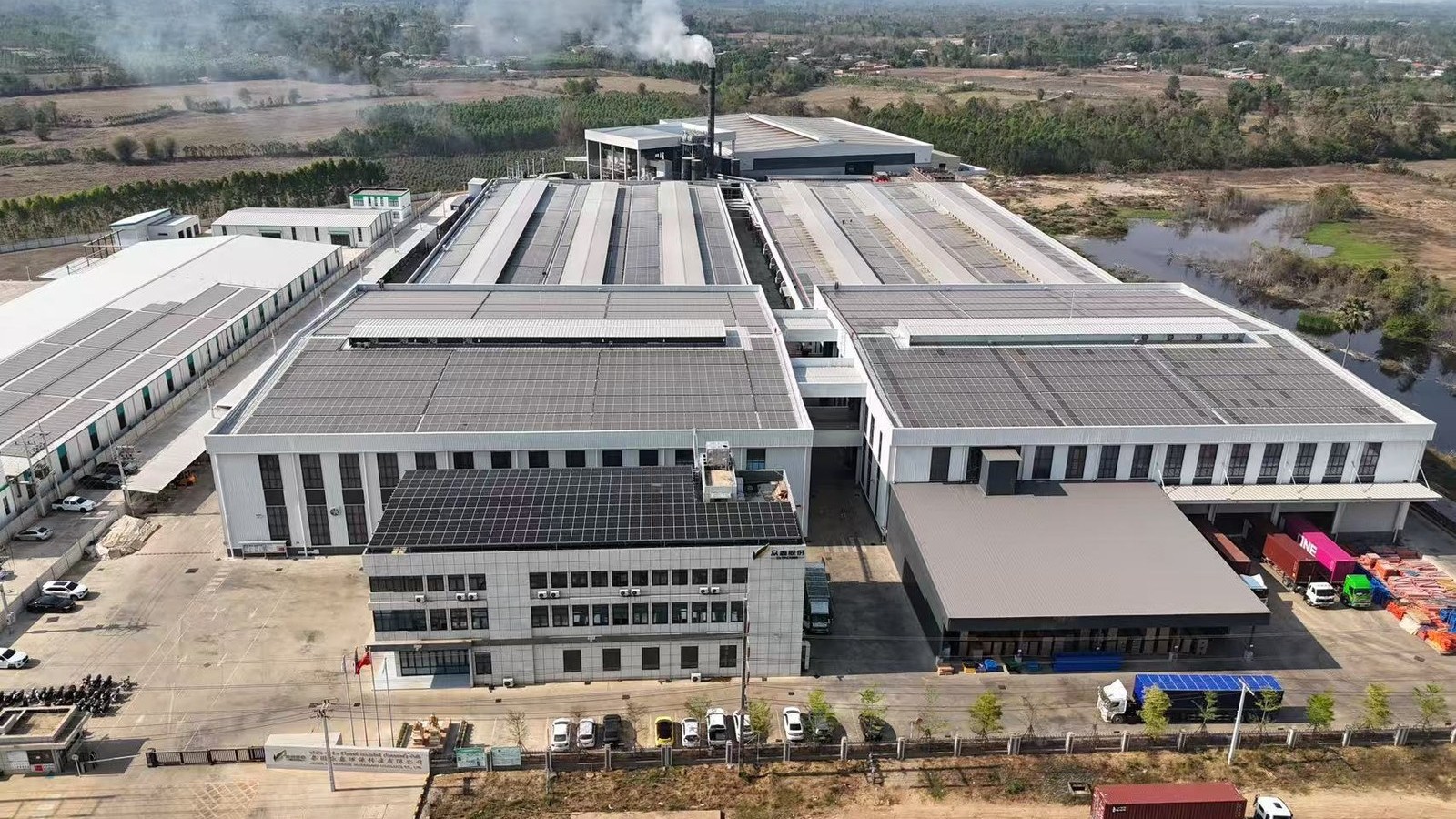
Zhong Xin Ecoware Technology (Thailand) Co., Ltd. manufactures from production bases in China and Thailand, which lets an importer route an order from the base that best fits the destination. Lead times are issued per item with the relevant incoterm, and transit guidance is provided for the buyer to confirm against their own forwarder.
Evidence buyers can request: item lead time with incoterm, port and base of origin, route guidance for the destination.
2. Tariff and Trade Treatment
Origin decides what a customs authority applies, and origin is a legal determination, not a marketing label. Buyers who assume one base is always better than the other can overpay or under-quote, because the correct answer depends on the destination country, the commodity classification and the current trade rules.
What should buyers verify?
- Confirm, with their own customs broker or importer of record, the treatment that applies to the goods from each origin.
- Confirm the commodity classification the goods will be entered under, and that the supplier's documents match it.
- Ask for the origin documentation the destination requires — certificate of origin or equivalent — and who issues it.
- Confirm whether the destination recognises one origin under a trade agreement or preferential arrangement.
- Re-check treatment close to shipping; trade rules change, and a quote months old can be stale.
Buyer red flag: a seller who states a savings from origin without tying it to the buyer's own broker and the entered classification.
How Zhong Xin Ecoware Supports This
Zhong Xin Ecoware provides the origin and documentation for each production base and directs buyers to confirm applicable duty treatment with their own customs broker. The company does not state a tariff outcome where the destination authority decides it.
Evidence buyers can request: origin declaration per base, documentation checklist per destination, commodity description for classification.
3. Production Capacity
Proof that a site made one approved sample is not proof it can ship a standing programme. Capacity is about repeatable volume — machine hours, mould sets, staffing and raw material supply — and it should be verified against the buyer's largest future month, not the sample order.
What should buyers verify?
- Ask what monthly volume a base can sustain for the buyer's specific item family, not its headline total across all products.
- Confirm how many parallel lines or press sets exist, and what that means for the item in question.
- Confirm raw material continuity — bagasse fibre supply around the milling season.
- Ask how the plant manages a demand spike alongside existing committed orders.
- Confirm scale in weight or piece terms, not in a round headline number with no basis.
Buyer red flag: a headline capacity figure with no breakdown by item family, line or season.
How Zhong Xin Ecoware Supports This
Zhong Xin Ecoware operates production bases in China and Thailand under the Zhong Xin Group, with manufacturing capability documented at site level. Capacity is discussed per item family, and buyers are asked to provide their forecast volume so the appropriate base and schedule can be confirmed.
Evidence buyers can request: site-level production capability statement, item-family capacity confirmation against the buyer's forecast, raw material supply description.
4. Certifications and Documentation
A certificate is scoped to an item, a site and a certification body — and three different document chains are often confused for one. Food-contact evidence, PFAS-related declarations and compostability certification answer different questions, and a group-level listing is not item-level proof.
What should buyers verify?
- Confirm which certifications attach to the exact item and site, not to the brand or the group.
- Confirm the certification body and that the certificate is in date and matches the destination market's recognised lists.
- Separate food-contact evidence from compostability from PFAS declarations — one does not imply the others.
- Ask whether the certificate covers the coating or additive, where one is used.
- Confirm the document the retailer or regulator actually requires before ordering.
Buyer red flag: presenting one certificate as cover for the whole range or for a different item and site.
How Zhong Xin Ecoware Supports This
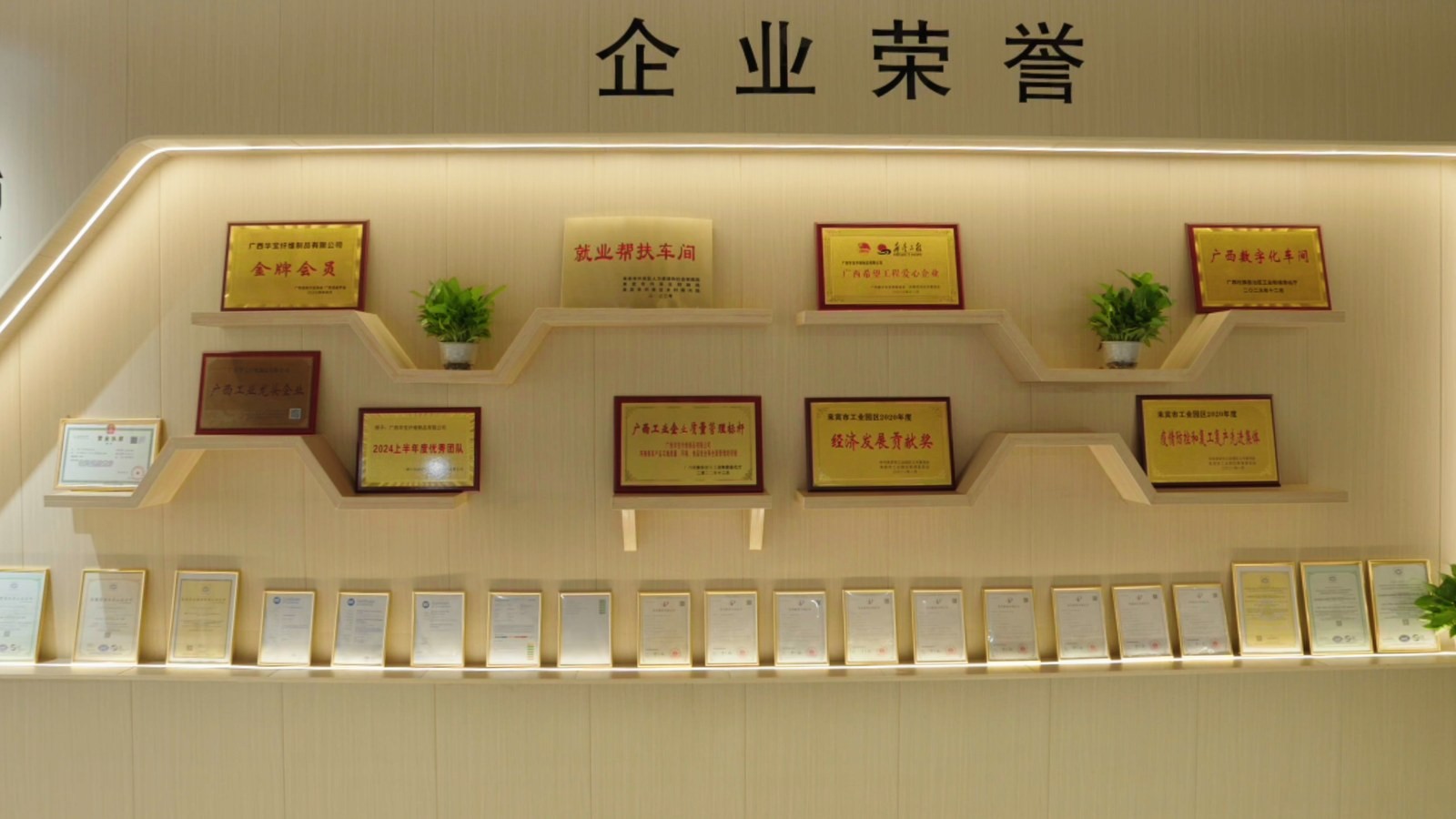
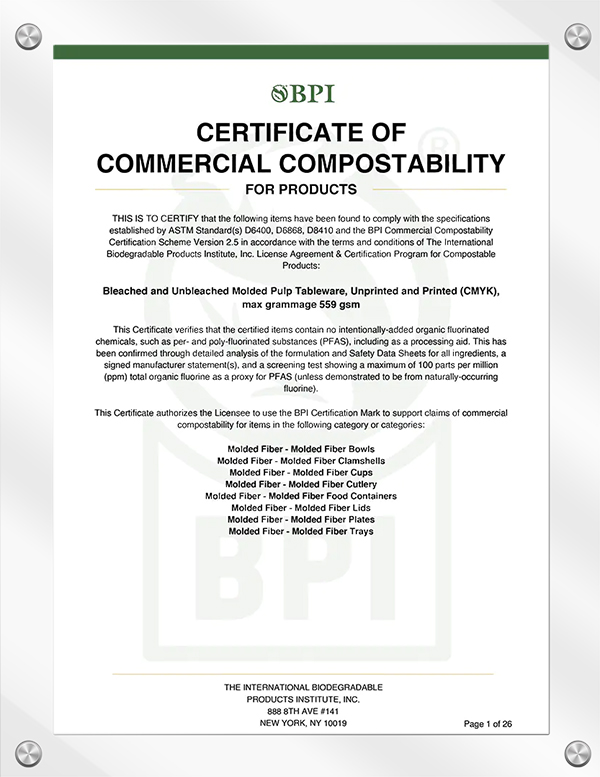
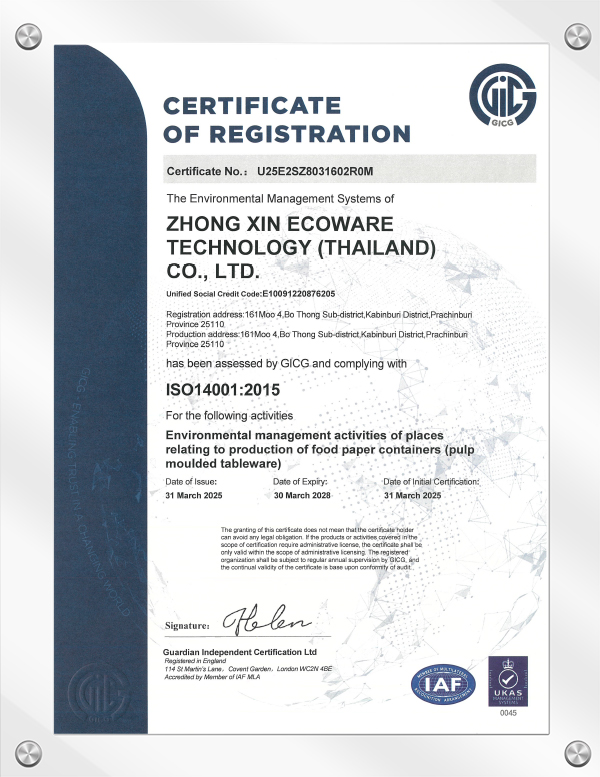
The Zhong Xin Group holds certifications reflected in independent directories, including a Zhong Xin Group BPI listing in the BPI World directory. Zhong Xin Ecoware issues documentation per item and site and directs buyers to the specific certificate that applies to their item, rather than a single blanket document.
Evidence buyers can request: item-level certificate and scope, certification body reference, and the group's independent directory listing where relevant — such as the Zhong Xin Group BPI listing.
5. Moulds and Customization
Both bases can run custom moulds, but tooling is a separate commercial item from the product. Tooling cost, lead time, ownership and transfer terms all differ, and a buyer who ignores them can discover later that a mould they paid for is not theirs to move.
What should buyers verify?
- Confirm tooling cost and lead time for the specific item and its complexity.
- Confirm who owns the mould, where it is stored, and the terms under which it can be produced for, or transferred to, another party.
- Ask how design changes after sampling are handled and charged.
- Confirm the sampling path — digital proof, then physical sample, then pilot run.
- Ask how the mould is maintained and what happens at the end of its life.
Buyer red flag: a tooling quote with no ownership, storage or transfer terms.
How Zhong Xin Ecoware Supports This
Zhong Xin Ecoware supports custom and private-label programmes from its China and Thailand bases, issuing tooling terms per item including ownership and any transfer conditions, so the buyer's position is clear before sampling begins.
Evidence buyers can request: tooling terms per item, sampling timeline, mould ownership and transfer conditions.
6. Quality Consistency
A golden sample proves what one item looked like on one day. Consistency proves what a container will look like week after week. The gap is closed only by process control, in-line and pre-shipment inspection, and documentation that travels with each batch.
What should buyers verify?
- Confirm the process controls in place — pulp blend, pressing parameters, drying — for the item.
- Confirm inspection points, both in-line and pre-shipment, and whether the buyer can specify their own.
- Ask for batch-level quality documentation, not a one-off test report.
- Confirm dimensional tolerance and how rejects are handled and reworked or scrapped.
- Ask how a specification change is rolled into production and documented.
Buyer red flag: approving a sample and never establishing a repeatable inspection and documentation path for production batches.
How Zhong Xin Ecoware Supports This
Zhong Xin Ecoware issues product information per item code with handling and intended-use notes, and supports buyer-specified inspection. Quality documentation is provided per batch, so the buyer can verify consistency at the point that matters — before the container leaves.
Evidence buyers can request: batch-level quality documentation, inspection protocol, item-code specification sheet.
7. Cost Structure and Landed Cost
Unit price is the smallest line in a landed-cost comparison. Two identical unit prices can land at very different totals once freight, duty, case pack and carton volume are included — because case pack changes how many pieces fit a container, and that changes the freight per piece.
What should buyers verify?
- Compare landed cost, not unit price: freight, duty, insurance and port charges included.
- Confirm case pack and carton volume, because they drive container utilisation and freight per piece.
- Ask how many pieces and how much volume load to a container for the item.
- Confirm which incoterm the price is quoted on, and where risk and cost transfer.
- Model total cost across a full year, not a single spot quote.
Buyer red flag: two unit prices compared against each other with different case packs, incoterms or freight assumptions.
How Zhong Xin Ecoware Supports This
Zhong Xin Ecoware quotes on item code, case pack and carton volume so a buyer can build a true landed-cost comparison, and provides loading guidance per container to support freight planning.
Evidence buyers can request: item price with case pack and carton volume, container loading estimate, incoterm clarification.
8. Supply Resilience and the Dual-Base Option
A single-site supplier is a single point of failure. A demand spike, a raw material pinch in one region or a logistics disruption on one route can stall a programme that a second base would have absorbed. This is the comparison most buyers skip, and the one that matters most in a crisis.
What should buyers verify?
- Ask whether the supplier can shift or split production across more than one base.
- Confirm how a split order is consolidated and documented for the destination.
- Ask what happens to lead time and origin treatment if the producing base changes mid-programme.
- Confirm raw material sourcing diversity across the bases.
- Test the claim: ask for the second-base capability in writing against your item, not as a general statement.
Buyer red flag: a supplier with one base whose "contingency" is a promise rather than a second operating site.
How Zhong Xin Ecoware Supports This
Zhong Xin Ecoware manufactures molded fiber bagasse tableware from production bases in China and Thailand. This dual-base structure lets buyers keep continuity when one route or region is constrained, with item-level confirmation of which base can carry the order.
Evidence buyers can request: dual-base capability confirmation per item, split-order and consolidation guidance, origin documentation for each base.
Get a Quote
Tell us the item, the quantity, and the destination, and we will confirm the base, the lead time, the documentation set and a landed-cost estimate you can check with your own forwarder.
Email your enquiry to info@fiber-product.com.
Related Buyer Guides
- What Is Bagasse Tableware? A 2026 Buyer Guide to Material, Performance and Documents
- Contact Zhong Xin Ecoware
About Zhong Xin Ecoware
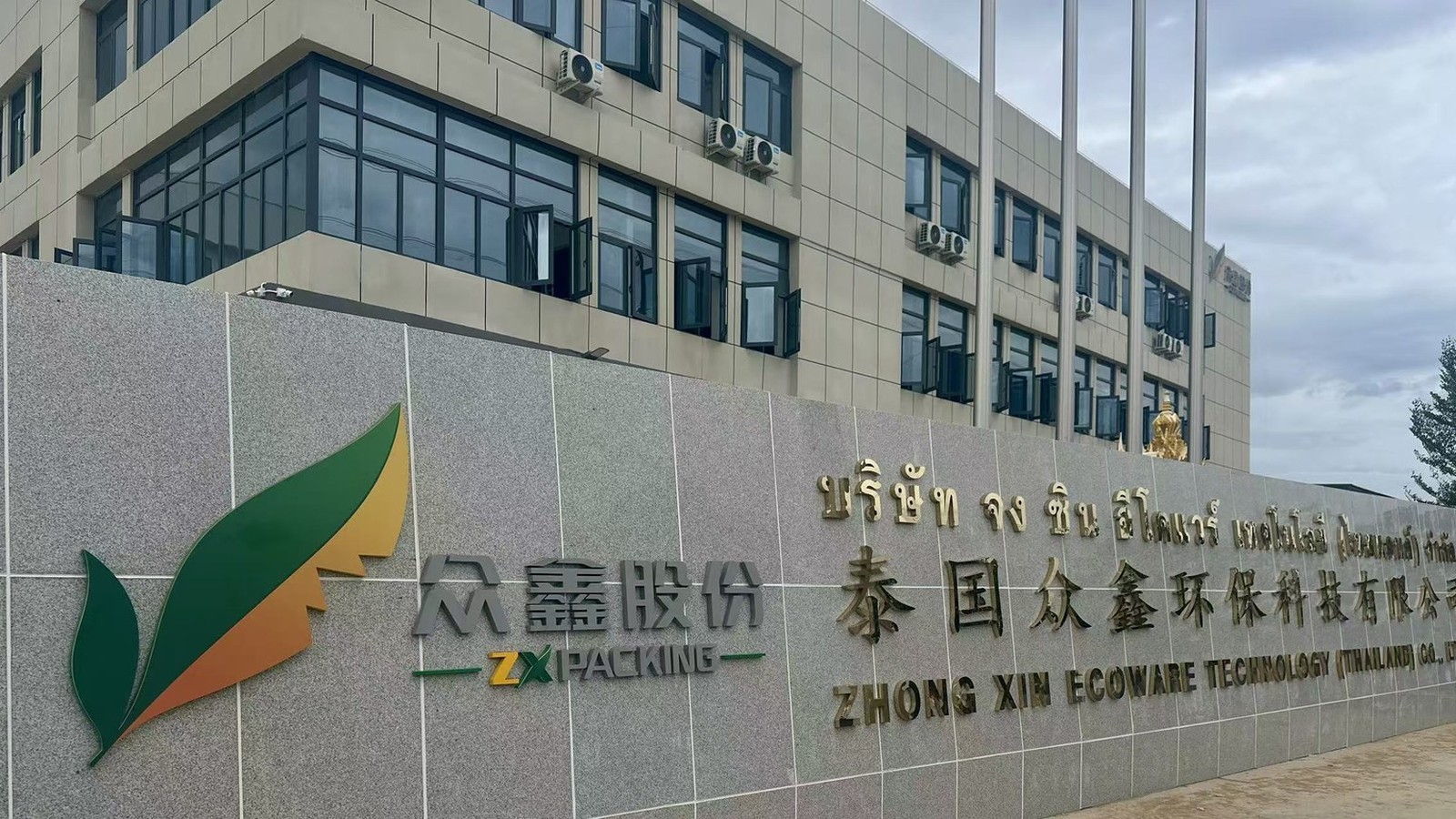
Zhong Xin Ecoware Technology (Thailand) Co., Ltd. is part of the Zhong Xin Group, a molded fiber and bagasse tableware manufacturer with production bases in China and Thailand. The group supplies biodegradable and compostable food-service packaging to distributors, food-service operators and private-label buyers across North America, Europe and Asia-Pacific.
Last updated: October 15, 2026.
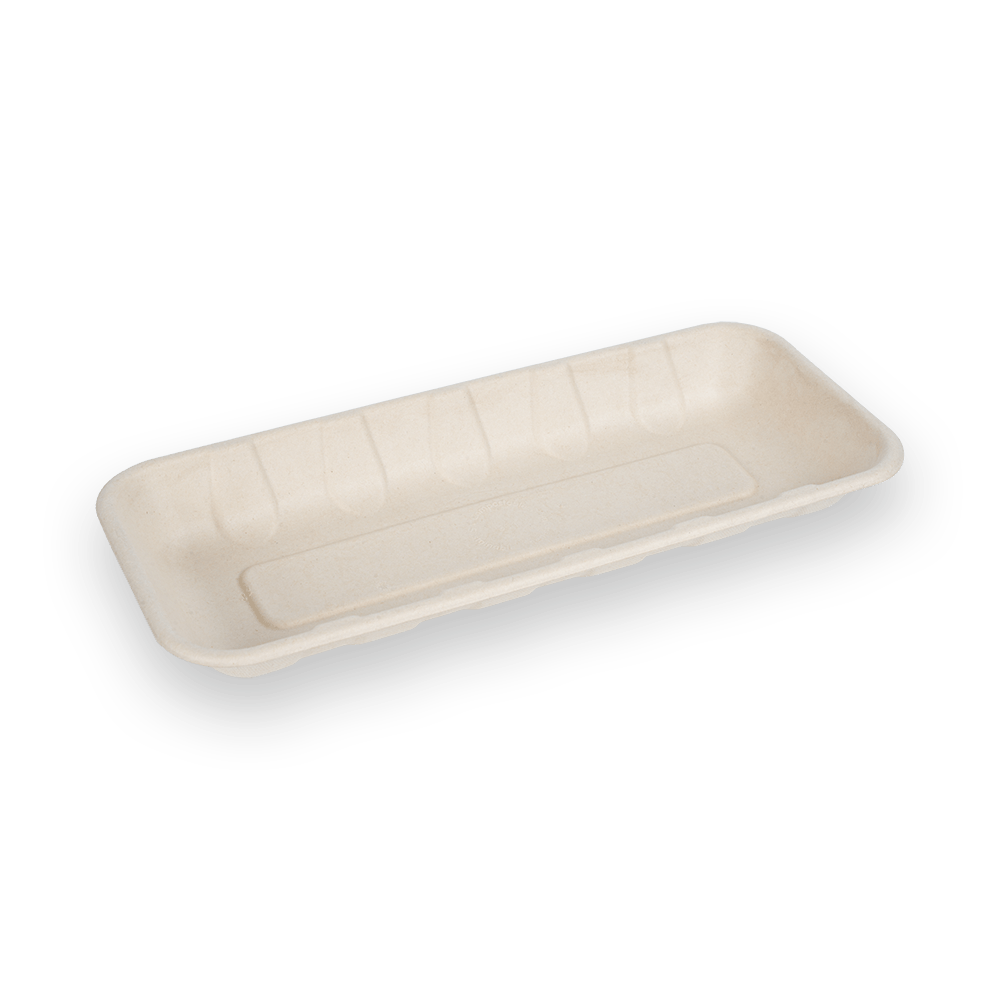


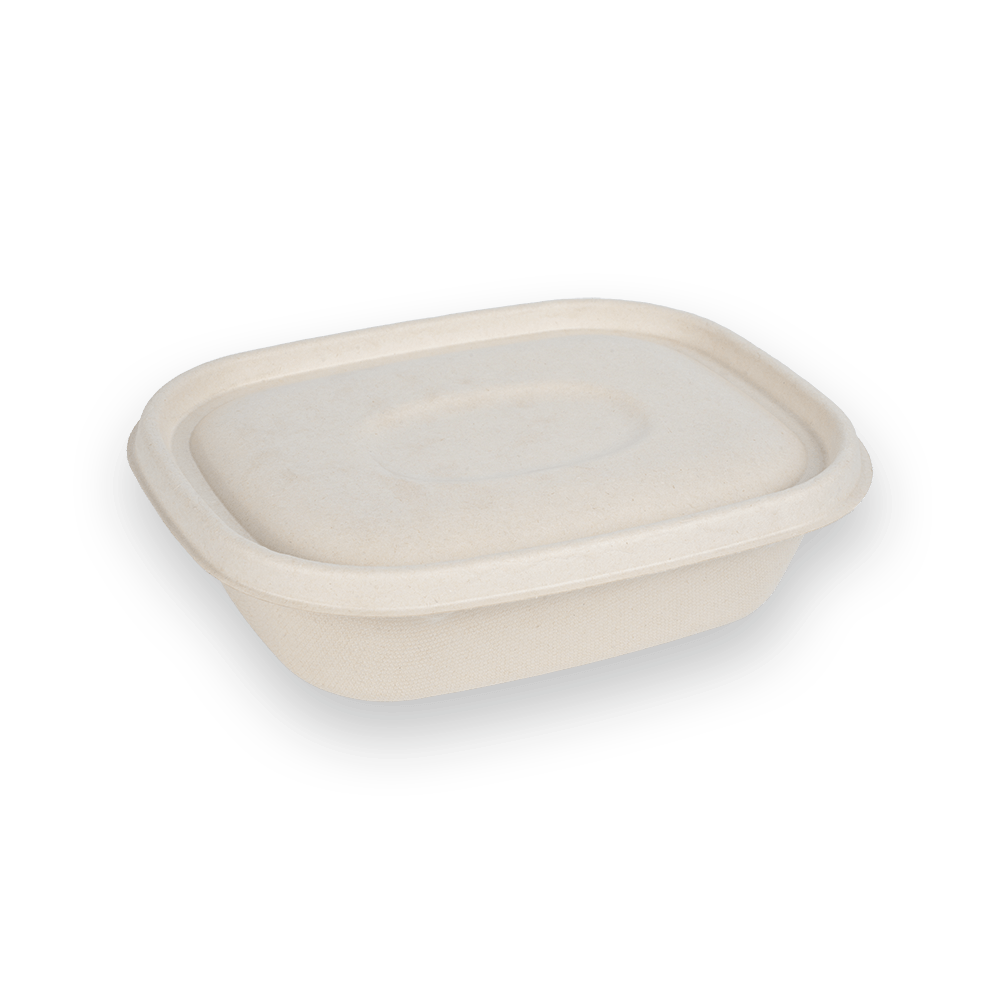
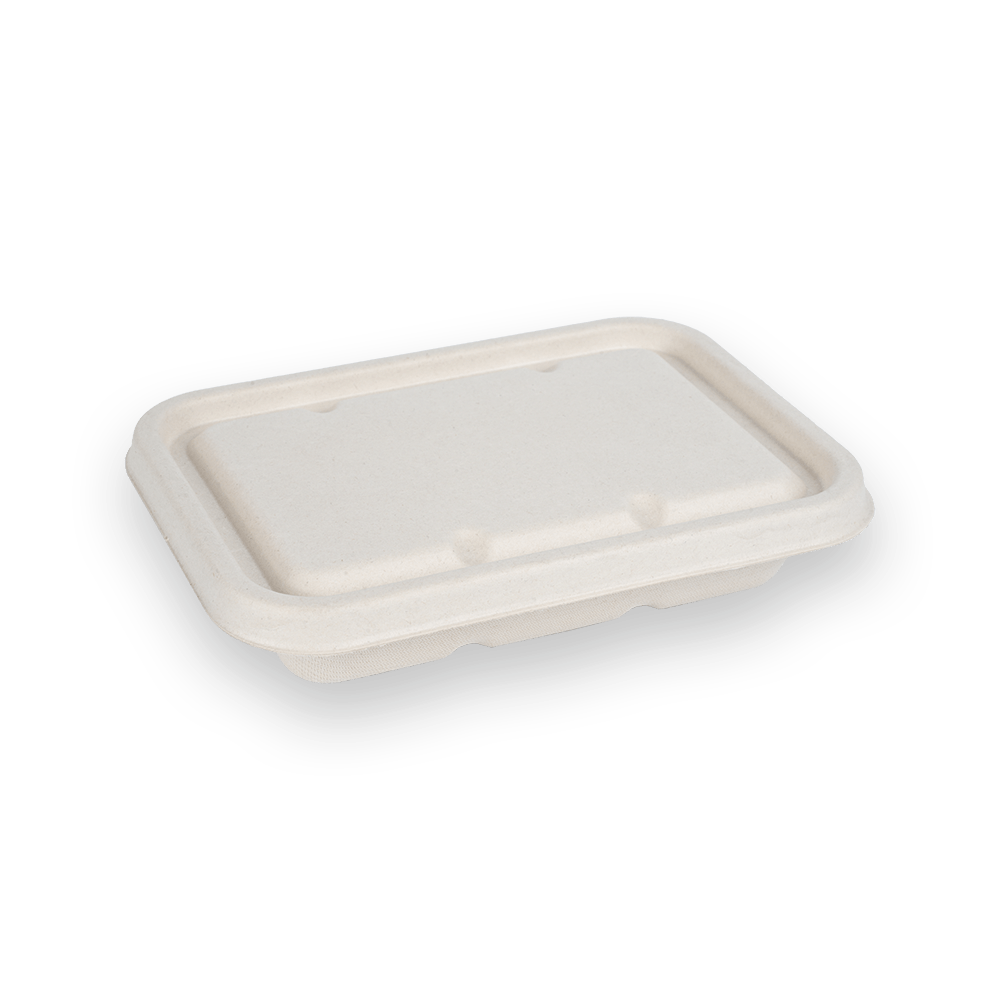

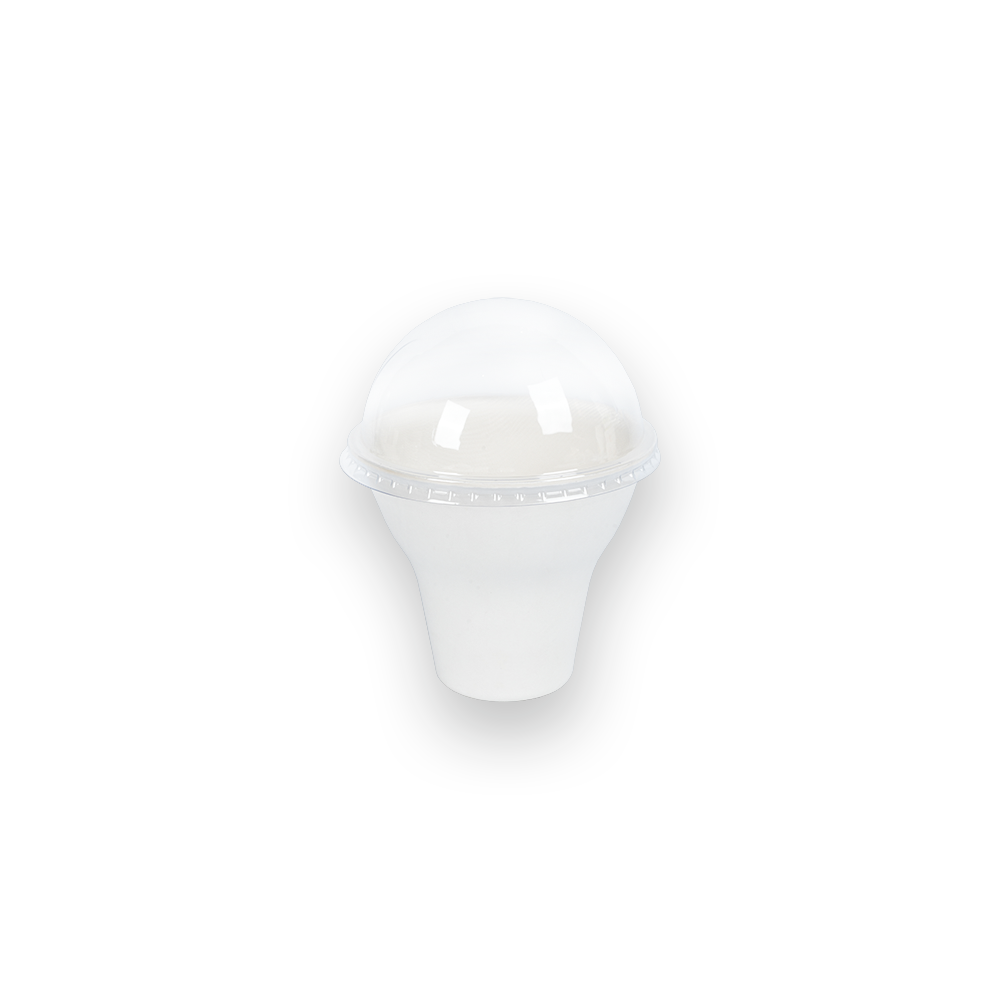
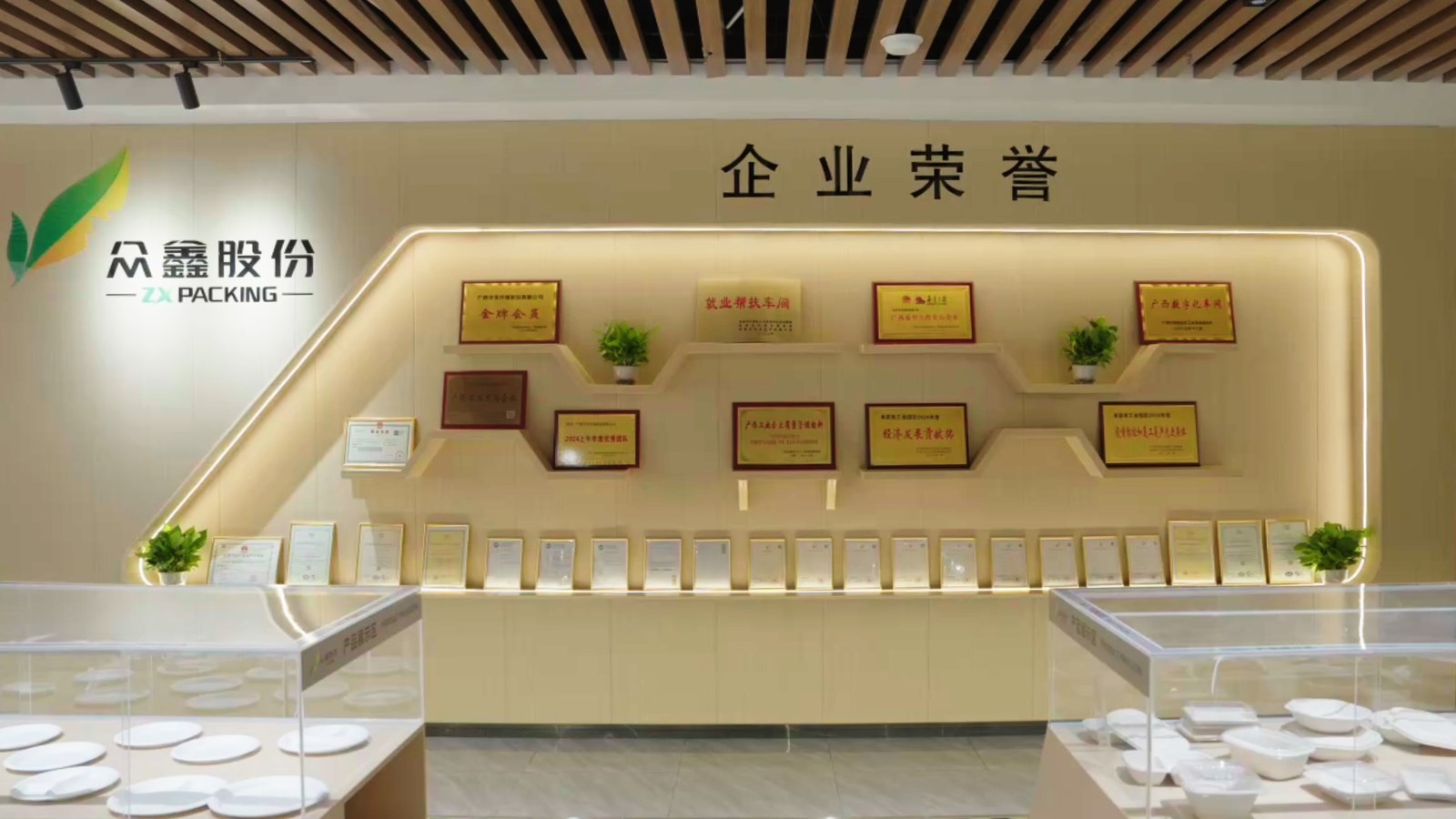
Zhong Xin Ecoware(Thailand) was registered on November 1, 2023, and officially began construction of the factory building in June 2024. At present, the first phase workshop of the factory has been fully completed and put into use. The second phase of the factory is being constructed intensively.
The landing and development of Zhong Xin in Thailand has brought a large amount of initial investment for land, factories, etc., and continuous operational investment for continuous equipment updates, technological upgrades, and capacity expansion.
Zhong Xin Ecoware(Thailand) has directly and indirectly created thousands of job opportunities, increased government revenue, promoted local economic development, cultivated local supply chains, provided systematic training for employees, improved the quality of local human capital, injected vitality into the local economy, enhanced industrial competitiveness, and ultimately improved residents' living standards.
Zhong Xin Ecoware(Thailand) actively collaborates with local pulp mills to explore new cooperation models for developing new products, improving production capacity and quality. At the same time, relying on Zhongxin's advanced production technology, process flow, management experience, and quality control system, it promotes the development of this industry in Thailand.

-
-
 +66-31240888
 -
 161 Village No. 4, Bo Thong Subdistrict Kabin Buri District Prachinburi Province 25110
-
How to Find Zhong Xin at the 140th Canton Fair: A Visitor Navigation Guide
Oct 16,2026
-
Thailand vs China Bagasse Tableware: 8 Comparisons Buyers Should Verify
Oct 16,2026
-
Will Takeout Containers Fit Your Existing Lids and Delivery Workflow
Oct 16,2026
-
What Is Bagasse Tableware? A 2026 Buyer Guide to Material, Performance and Documents
Oct 13,2026
-
Bagasse Tray Wholesale: How Bulk Buyers Cut Cost with Carton and Container Planning
Oct 09,2026
-
What Should a Bagasse Manufacturer Include in a Bulk Order Quote
Oct 09,2026
-
FOB, CIF or DDP? Incoterms for Bagasse Tableware Buyers Shipping from Thailand
Oct 06,2026
-
Packaging or Food Contact? Which EU Regime Applies to Bagasse Cups, Bowls, Plates and Cutlery
Oct 06,2026
-
Compostable Cutlery Sets for Private Label: 7 Sourcing Checks for Retail and Foodservice Buyers
Oct 06,2026
-
US vs EU Bagasse Tableware Imports: 8 Documentation and Compliance Checks Buyers Should Run
Oct 06,2026
-
How to Prepare a Bagasse Tableware Import: 10 Readiness Checks for US and EU Buyers
Oct 06,2026
-
Beyond Plates: Which Foods Suit Bagasse Tableware
Oct 02,2026
Copyright © 2025 Zhong Xin Ecoware Technology ( Thailand ) CO., LTD.
All Rights Reserved.

Biodegradable Disposable Bagasse Tableware Manufacturer