-
 [email protected]
-
 +66-31240888



 English
 Español
 ไทย
ไทยWhat Is Bagasse Tableware? A 2026 Buyer Guide to Material, Performance and Documents
Bagasse tableware is the molded fiber product range most buyers meet first and understand last. It looks like paper, performs like plastic in some ways and not in others, and arrives with a document set that many importers misread. This page is the starting point: what the material is, how it performs, which product family suits which job, what the compliance file has to contain, and where cost actually comes from.
Quick Summary: Bagasse Tableware in One Page
- What it is: tableware molded from sugarcane bagasse fibre, a by-product of sugar milling, rather than from virgin wood pulp or plastic.
- How it performs: good for hot, greasy and saucy foods within a defined temperature and time envelope, with limits worth knowing before you list it.
- What it covers: plates, bowls, containers, trays, cups and cutlery — but each family has different specification logic.
- What documents follow it: food-contact evidence, PFAS-related declarations and compostability certification are three separate chains.
- What drives cost: item size and weight, case pack and carton volume — not unit price alone.
- Where it is made: China and Thailand origin are commercially different shipments even when the product is identical.
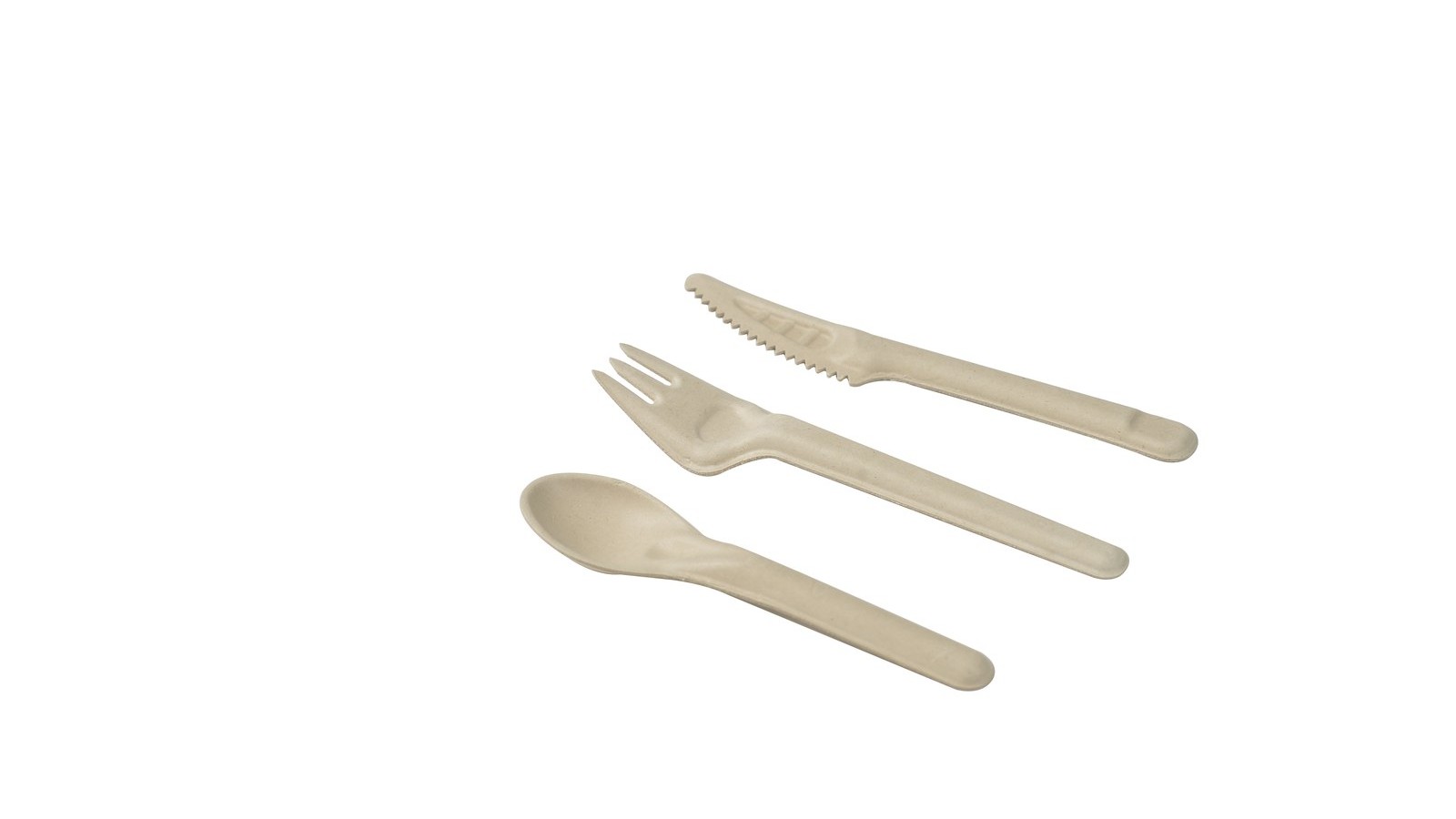
Bagasse tableware spans a wide product map, and each family carries its own specification, performance and documentation logic.
Buyers usually arrive with a narrow question — a plate that will not go soft, a container that will not leak, a certification that a retailer will accept. The answers sit in separate guides. This page maps them, so you can move from the general question to the specific one without starting over.
Core buyer principle: bagasse is not one material with one behaviour. Performance, documents and cost all follow from the specific item, its mould, its case pack and its production site. Start from the item code, not from the category name.
The Product Map: Which Family Does Your Job
| Product family | Typical use | What buyers check first | Go deeper |
|---|---|---|---|
| Plates and bowls | Dine-in, catering, delivery | Rigidity, oil resistance, size consistency | Hot and greasy foods |
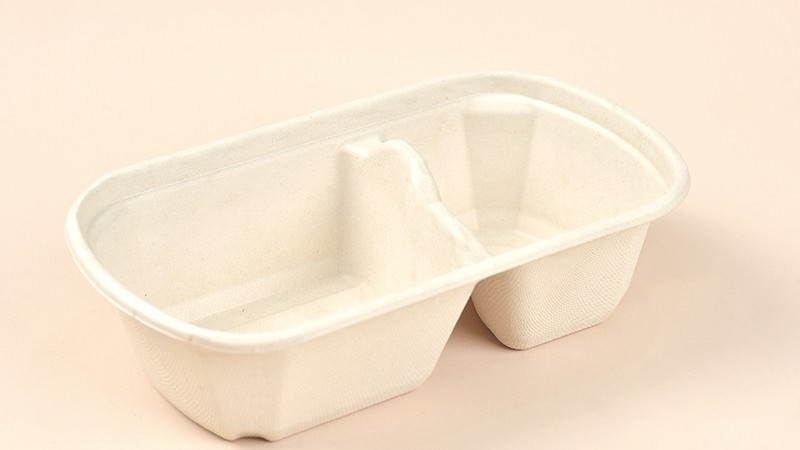
| Hinged containers and takeaway boxes | Delivery, takeaway, meal kits | Lid fit, leak behaviour, stacking | Selecting clamshells |
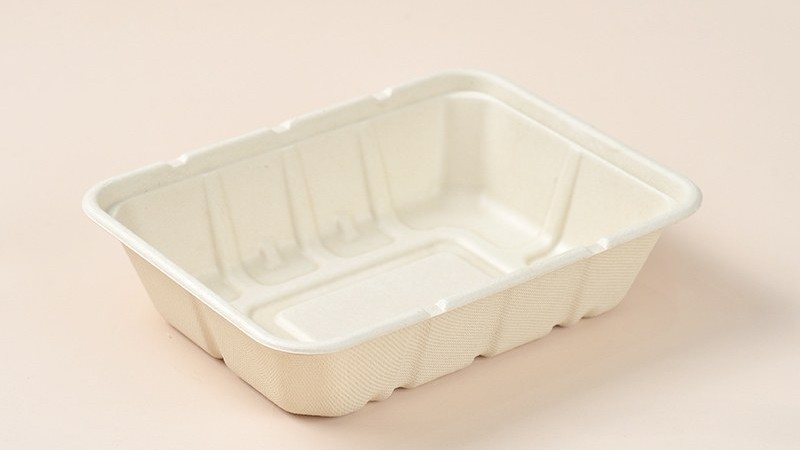
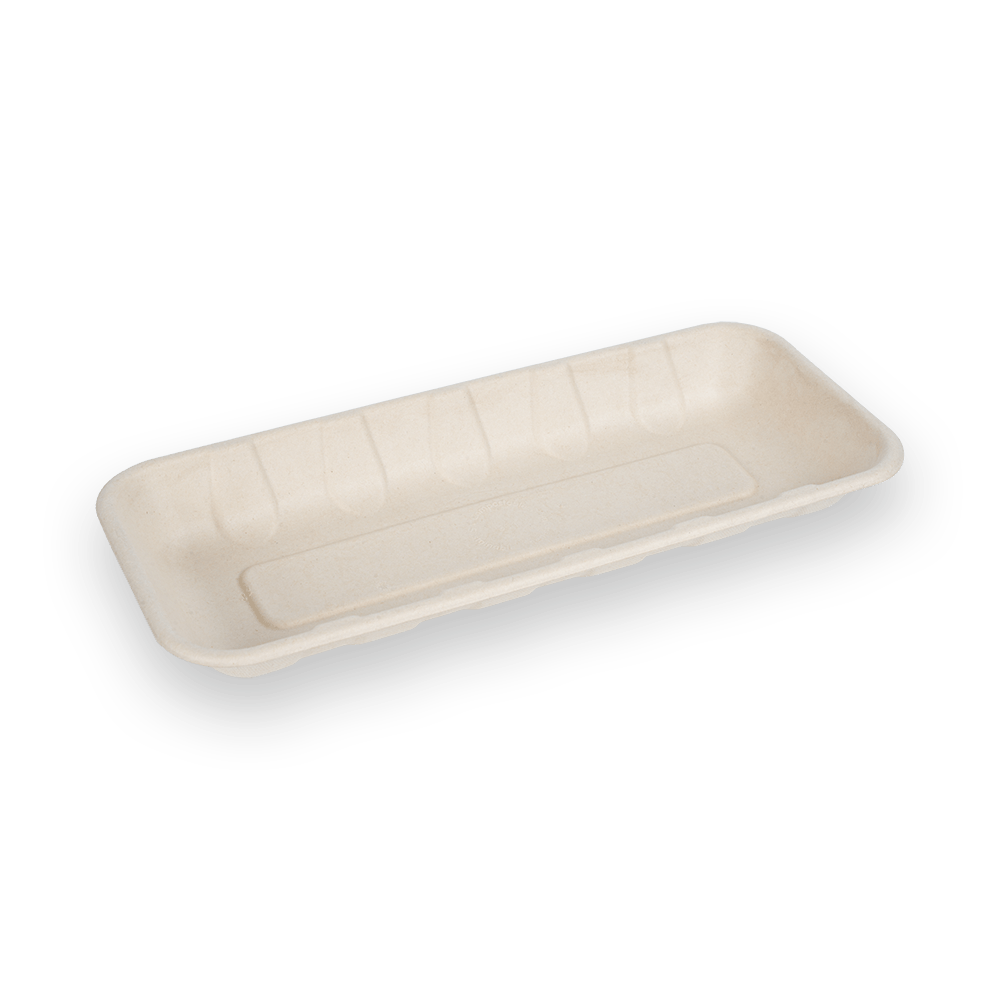
| Trays and compartment trays | Foodservice, canteens, airline | Load, sag, compartment depth | Tray load behaviour |
| Cups and lids | Beverages, sauces | Seal, heat retention, lid fit | EU regime for cups |
| Cutlery and wrapped sets | Delivery, retail, private label | Tine strength, wrap material, printing | Cutlery sourcing checks |
1. What Bagasse Tableware Actually Is
Bagasse is the fibrous residue left after sugarcane is crushed for juice. Instead of being burned or discarded, the fibre is cleaned, formed into a pulp and pressed in heated moulds into plates, bowls, containers, trays and cutlery.
What buyers should know
- The material is a by-product stream, which is why it is positioned as a lower-impact alternative to virgin wood pulp and to plastic.
- Finished properties depend on the pulp blend, the mould design and the pressing parameters — not on the word bagasse alone.
- Coatings or additives, where used, are part of the specification and part of the documentation.
- Moulded fiber trays, plates and clamshells share the process but not the performance envelope.
Buyer red flag: a specification that names the material but not the mould, the weight or the case pack.
How Zhong Xin Ecoware Supports This
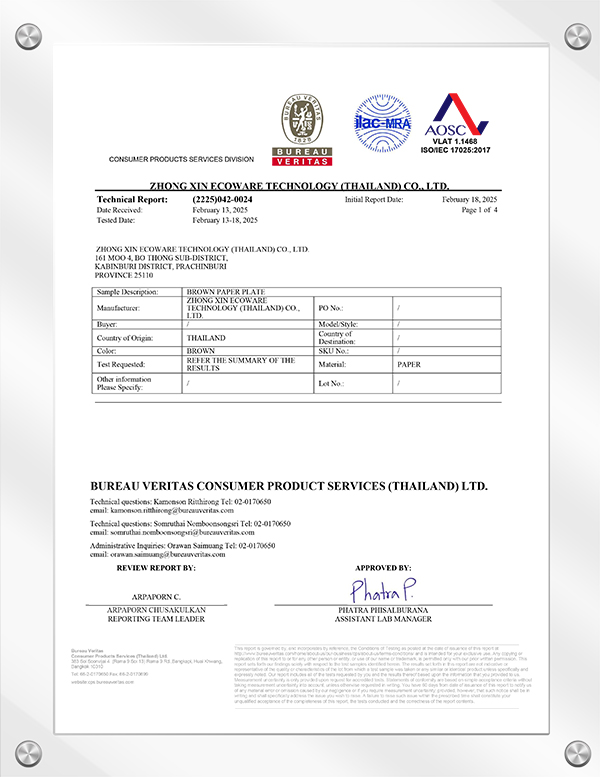
Zhong Xin Ecoware Technology (Thailand) Co., Ltd. manufactures molded fiber bagasse tableware from production bases in China and Thailand, with items described by item code, dimensions, unit weight and material composition.
Evidence buyers can request: item code list, dimensions and unit weights, material composition statement, production site declaration.
2. How It Performs — and Where the Limits Are
Bagasse tableware handles hot, greasy and saucy food well within a defined envelope. Most field failures come from use outside that envelope rather than from the material itself.
What buyers should verify
- Confirm the temperature and holding time the item was designed for, and how it behaves beyond them.
- Confirm oil and moisture resistance for the food types you actually serve.
- Confirm load capacity for the item, especially compartment trays and larger plates.
- Confirm microwave and oven suitability separately — they are not the same claim.
- Confirm how the item behaves when stacked or carried under weight.
Buyer red flag: treating a suitability claim for one item as a claim for the whole range.
How Zhong Xin Ecoware Supports This
Product information is issued per item code with intended use and handling notes, and buyers can request guidance for a specific menu or application before committing to a specification.
Evidence buyers can request: per-item handling notes, application guidance, test documentation for the item family, sample evaluation notes.
3. Is It Safe and Compliant?
This is where most import projects stall, because three different document chains are often treated as one.
What buyers should verify
- Food contact: evidence that the material and article are suitable for contact with food, supported by data rather than a general certificate.
- PFAS-related: a declaration that names the scope — the article, the coating, or both.
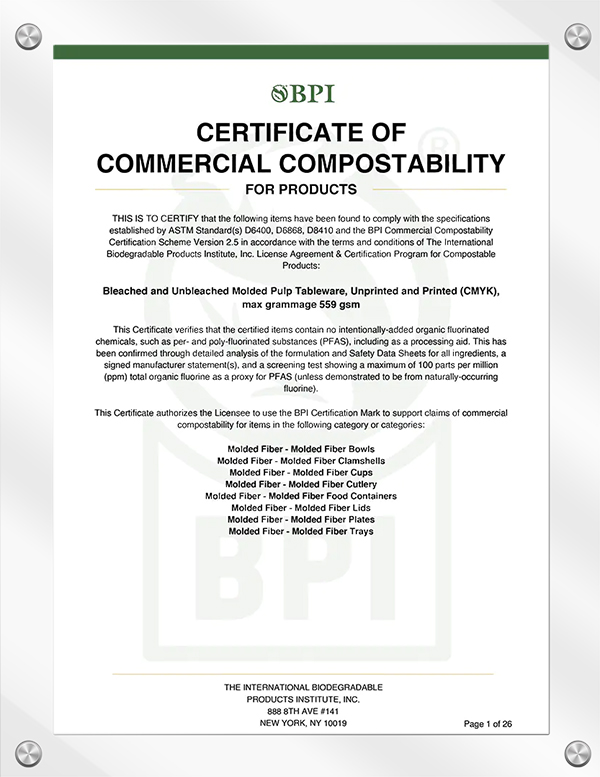
- Compostability: certification recognised in the destination market, for that item and site.
- Market requirements: what each destination expects, which is not the same in the US and the EU.
- Regime boundary: whether the item is a food-contact article, packaging, or both.
Buyer red flag: presenting a compostability certificate as proof of food-contact suitability. They are separate chains.
How Zhong Xin Ecoware Supports This
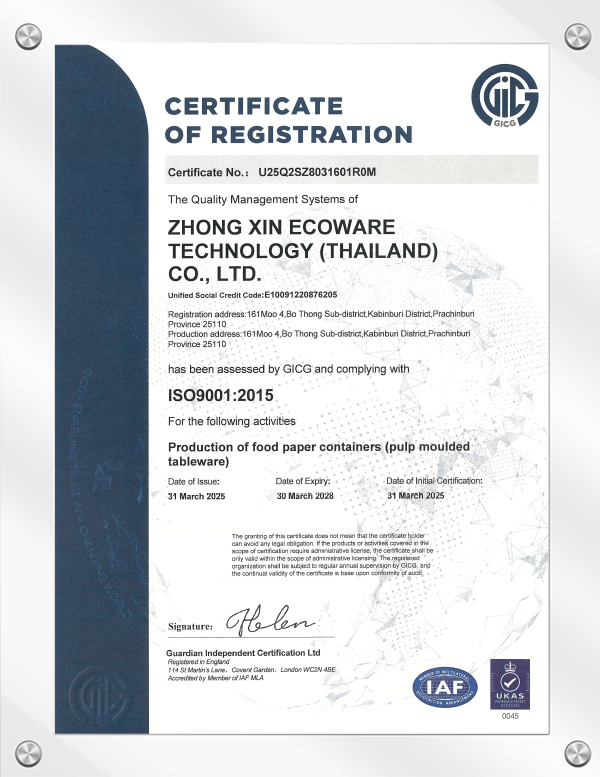
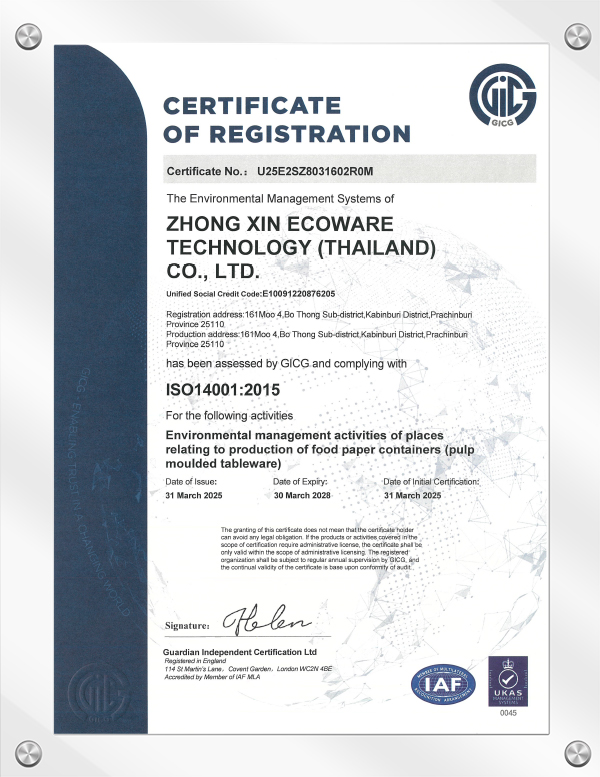
Documentation is provided per product family and production site with the scope of each document stated, so buyers can match evidence to the item, the market and the claim they intend to make.
Evidence buyers can request: certification index by family, PFAS-related declaration with scope, compostability documentation, market compliance mapping.
- PFAS-free and compostability verification checklist
- Certifications by market
- Is bagasse compostable?
4. What It Costs and Why
Bagasse tableware is a low-value, high-volume product: freight and packing are a large share of the delivered cost, and unit price alone misleads.
What buyers should verify
- Confirm the price basis: per piece, per carton, per kilogram or per container.
- Confirm pieces per carton and carton volume, because they convert directly into freight per piece.
- Confirm the Incoterm and the named port, since the same product quoted FOB and DDP is not comparable.
- Confirm MOQ and whether the mould is standard or custom.
- Compare cost per piece delivered, not price per piece ex works.
Buyer red flag: choosing on unit price from a quotation with no term, no case pack and no carton volume.
How Zhong Xin Ecoware Supports This
Quotations state the term, the named port, the case pack and the reference container loading, so offers can be converted to a single delivered basis.
Evidence buyers can request: quotation with term and case pack, packing specification, reference container loading, MOQ statement.
- Bagasse packaging cost, MOQ and FOB guide
- Tray wholesale cost and container planning
- FOB, CIF or DDP: Incoterms for buyers
5. Where It Is Made: China and Thailand
Identical products shipped from two production bases are two shipments, with different origin, routing and duty treatment.
What buyers should verify
- Confirm the production site for the items on the order, stated on commercial documents.
- Confirm the origin you will declare, and whether any preferential treatment you intend to claim depends on it.
- Confirm port of loading and transit time for reorder planning.
- Confirm whether a split order across bases changes the loading or delivery plan.
- Confirm whether the certification file covers the site that will actually produce the order.
Buyer red flag: assuming a sample price, certification or lead time from one site applies to shipment from the other.
How Zhong Xin Ecoware Supports This
With production bases in both China and Thailand, the production site is stated per order so the buyer’s broker and compliance adviser can confirm origin, routing and documentation before the order is confirmed.
Evidence buyers can request: production site declaration, port of loading, certificate of origin where applicable, site-specific documentation index.
6. How to Start
What buyers should verify
- Confirm sample availability, cost and lead time before committing to a range.
- Confirm whether the first order uses stock moulds or requires tooling, and the tooling timeline.
- Confirm the document pack that will be issued with the first shipment.
- Confirm the packing specification will be attached to the order.
- Confirm the market entry steps for your destination before the goods ship.
Buyer red flag: placing a first order without the packing specification and the document pack in hand.
How Zhong Xin Ecoware Supports This
Sample programs, order documentation and pre-shipment checks are handled per item code so the first order reflects the specification that was quoted.
Evidence buyers can request: sample plan, order documentation pack, packing specification, pre-shipment check record.
Frequently Asked Questions
Is bagasse tableware the same as molded fiber tableware?
Molded fiber is the process; bagasse is one of the fibres used in it. Bamboo, wood and other fibres are also molded. Ask which fibre, which blend and which mould — see bagasse vs PLA vs molded fiber.
Can it hold hot and greasy food?
Within its designed envelope, yes — and the envelope is item-specific. See hot and greasy foods and which foods suit bagasse tableware.
Can it go in the microwave?
Microwave suitability is a separate claim from heat resistance and should be confirmed per item. See microwave reheating.
Is it compostable?
Compostability depends on the item and the certification recognised in your market. See Is bagasse compostable?
What are the main disadvantages?
Volume, moisture behaviour and cost relative to plastic in some applications. See disadvantages of bagasse plates and how practical is bagasse tableware.
Does it need to be declared under packaging rules in the EU?
That depends on whether the item is a food-contact article, packaging, or both. See which EU regime applies.
Get a Quote for Your Next Order
Zhong Xin Ecoware Technology (Thailand) Co., Ltd. supplies molded fiber bagasse tableware for wholesale, distribution and private-label programs from production bases in China and Thailand. Send your item list, target quantity and destination market to info@fiber-product.com for a quotation with the packing specification and the documentation package.
Note: this page is a starting point for procurement planning, not legal or customs advice. Confirm requirements, documents and their scope with your compliance adviser, customs broker or the relevant competent authority.
About Zhong Xin Ecoware
Zhong Xin Ecoware Technology (Thailand) Co., Ltd. supplies bagasse and molded fiber food packaging to importers, distributors and foodservice brands. For MOQ, pricing, samples and certification files, contact info@fiber-product.com.
Last updated: 13 October 2026.


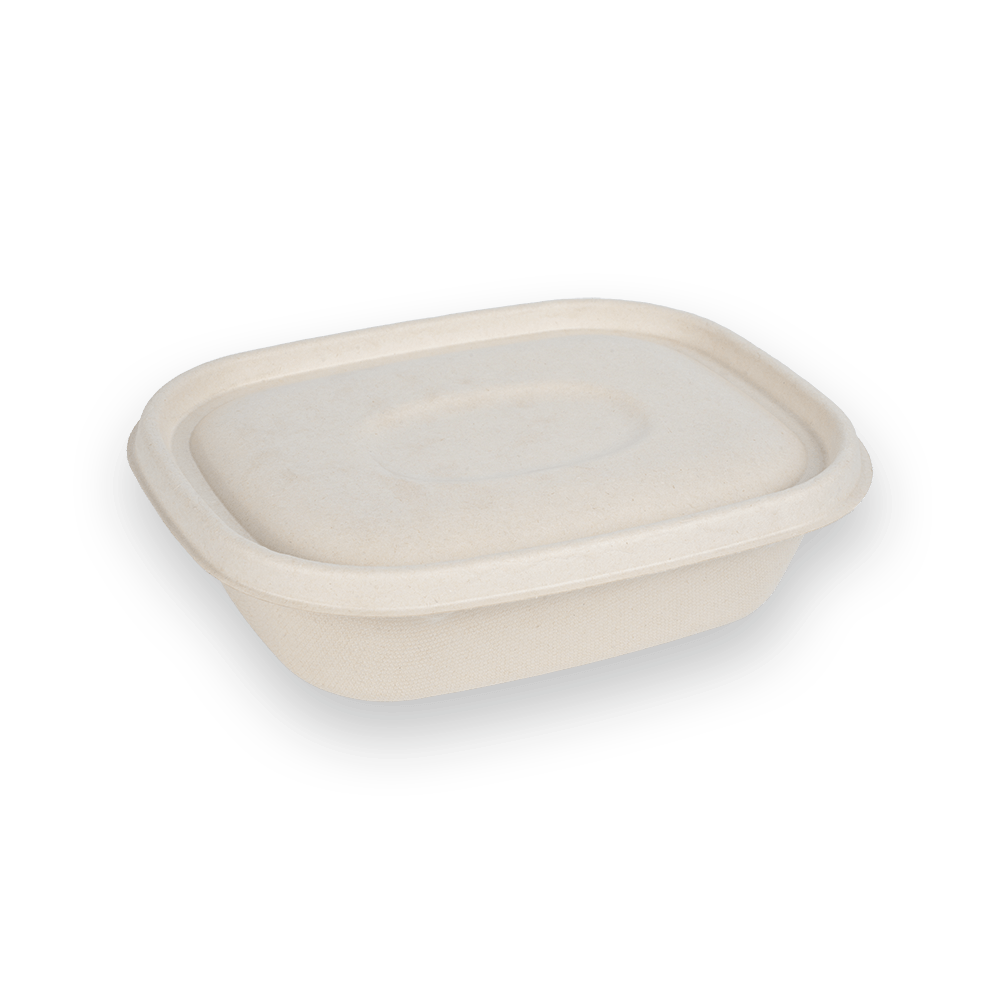
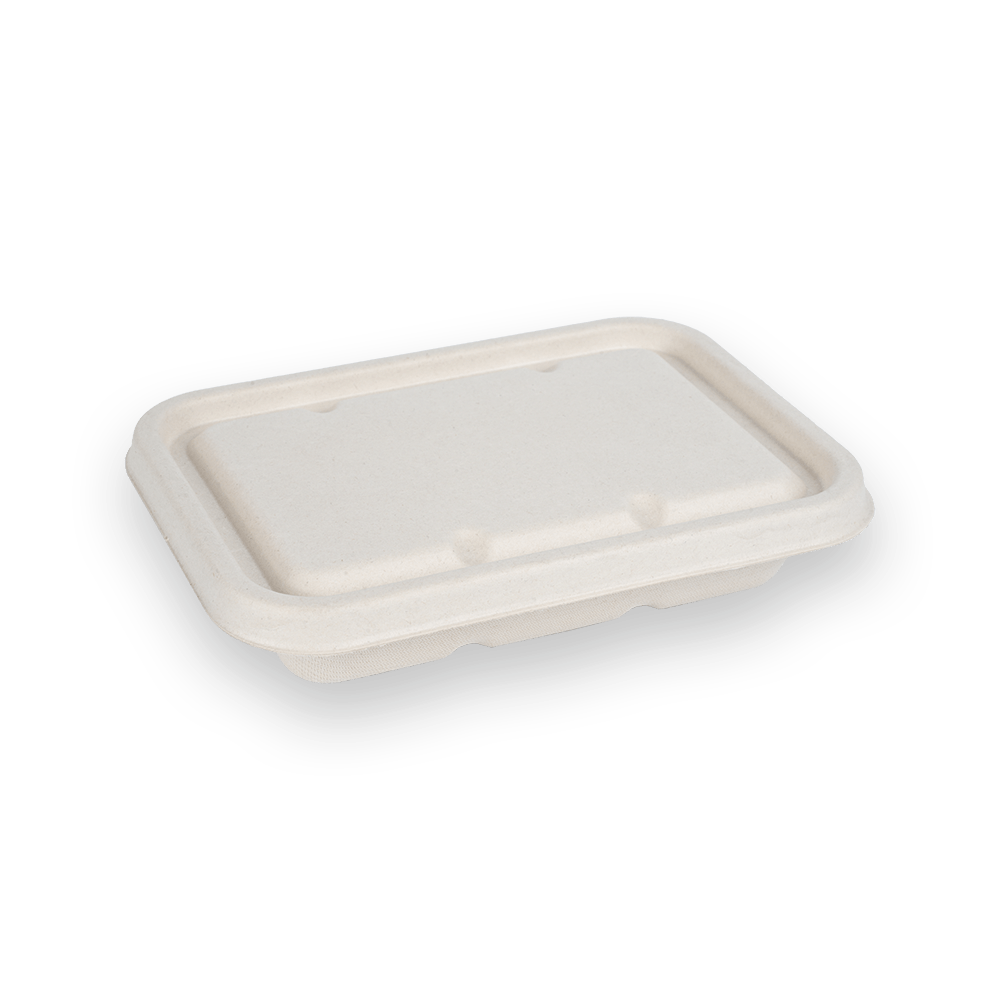

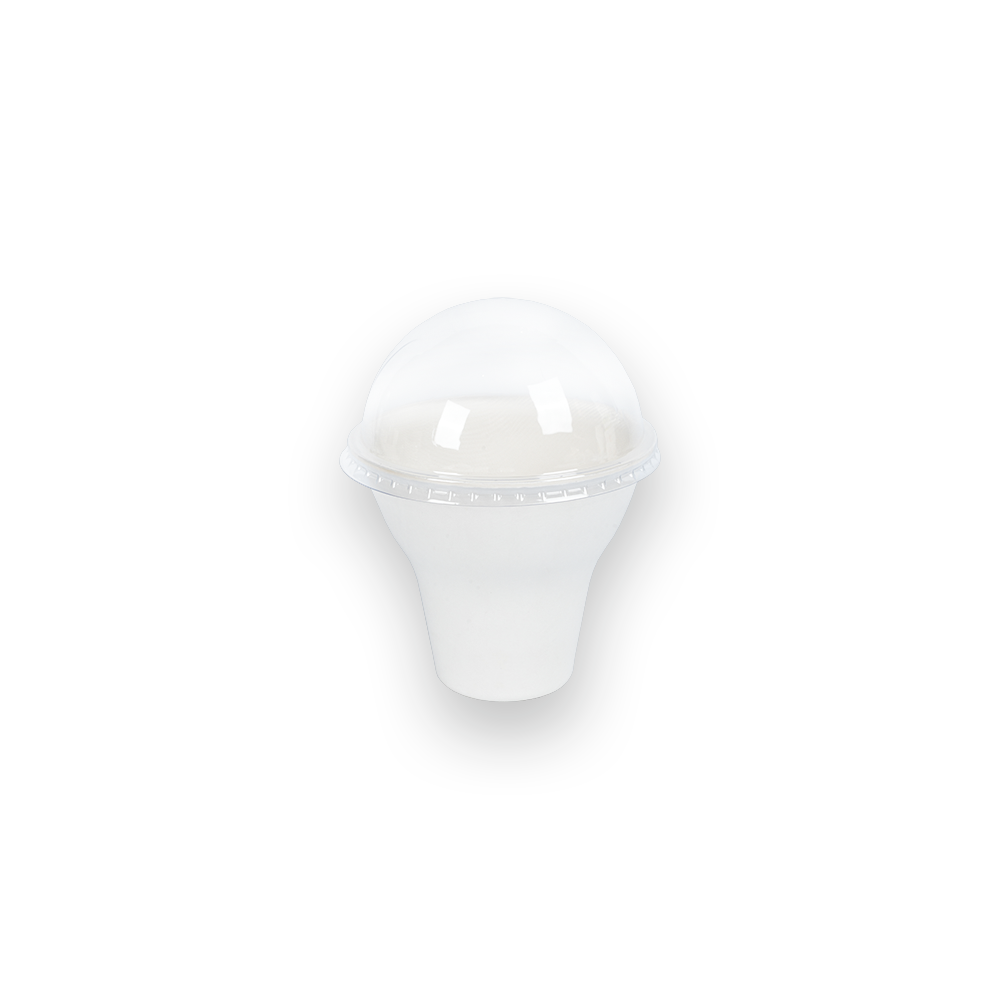
Zhong Xin Ecoware(Thailand) was registered on November 1, 2023, and officially began construction of the factory building in June 2024. At present, the first phase workshop of the factory has been fully completed and put into use. The second phase of the factory is being constructed intensively.
The landing and development of Zhong Xin in Thailand has brought a large amount of initial investment for land, factories, etc., and continuous operational investment for continuous equipment updates, technological upgrades, and capacity expansion.
Zhong Xin Ecoware(Thailand) has directly and indirectly created thousands of job opportunities, increased government revenue, promoted local economic development, cultivated local supply chains, provided systematic training for employees, improved the quality of local human capital, injected vitality into the local economy, enhanced industrial competitiveness, and ultimately improved residents' living standards.
Zhong Xin Ecoware(Thailand) actively collaborates with local pulp mills to explore new cooperation models for developing new products, improving production capacity and quality. At the same time, relying on Zhongxin's advanced production technology, process flow, management experience, and quality control system, it promotes the development of this industry in Thailand.

-
-
 +66-31240888
 -
 161 Village No. 4, Bo Thong Subdistrict Kabin Buri District Prachinburi Province 25110
-
What Is Bagasse Tableware? A 2026 Buyer Guide to Material, Performance and Documents
Oct 13,2026
-
Bagasse Tray Wholesale: How Bulk Buyers Cut Cost with Carton and Container Planning
Oct 09,2026
-
What Should a Bagasse Manufacturer Include in a Bulk Order Quote
Oct 09,2026
-
FOB, CIF or DDP? Incoterms for Bagasse Tableware Buyers Shipping from Thailand
Oct 06,2026
-
Packaging or Food Contact? Which EU Regime Applies to Bagasse Cups, Bowls, Plates and Cutlery
Oct 06,2026
-
Compostable Cutlery Sets for Private Label: 7 Sourcing Checks for Retail and Foodservice Buyers
Oct 06,2026
-
US vs EU Bagasse Tableware Imports: 8 Documentation and Compliance Checks Buyers Should Run
Oct 06,2026
-
How to Prepare a Bagasse Tableware Import: 10 Readiness Checks for US and EU Buyers
Oct 06,2026
-
Beyond Plates: Which Foods Suit Bagasse Tableware
Oct 02,2026
-
New Bagasse Tableware Lineup for 2026: What Is New and Where to See It
Sep 28,2026
-
How to Select Bagasse Clamshells for Burgers, Rice Meals and Fried Food
Sep 28,2026
-
Microwave Reheating: Is a Bagasse Lunch Box Suitable
Sep 25,2026
Copyright © 2025 Zhong Xin Ecoware Technology ( Thailand ) CO., LTD.
All Rights Reserved.

Biodegradable Disposable Bagasse Tableware Manufacturer