-
 [email protected]
-
 +66-31240888



 English
 Español
 ไทย
ไทยUK Bagasse Tableware Sourcing Guide: Single-Use Plastic Bans, Certifications and Thailand Factory Options
UK foodservice distributors, wholesalers and brands are replacing single-use plastic tableware faster than most markets, because the bans are already in force in every part of the country. England, Scotland, Wales and Northern Ireland each restrict plastic plates, bowls, trays and cutlery, and the rules differ by nation. Bagasse tableware made from sugarcane fiber is one of the most common replacements, but UK buyers need to check certifications, packaging regulations and supplier documents before placing a container order. This guide covers what is banned where, which certificates UK importers actually need, how packaging rules such as EPR affect buyers, and what to verify when sourcing from a Thailand molded fiber factory.
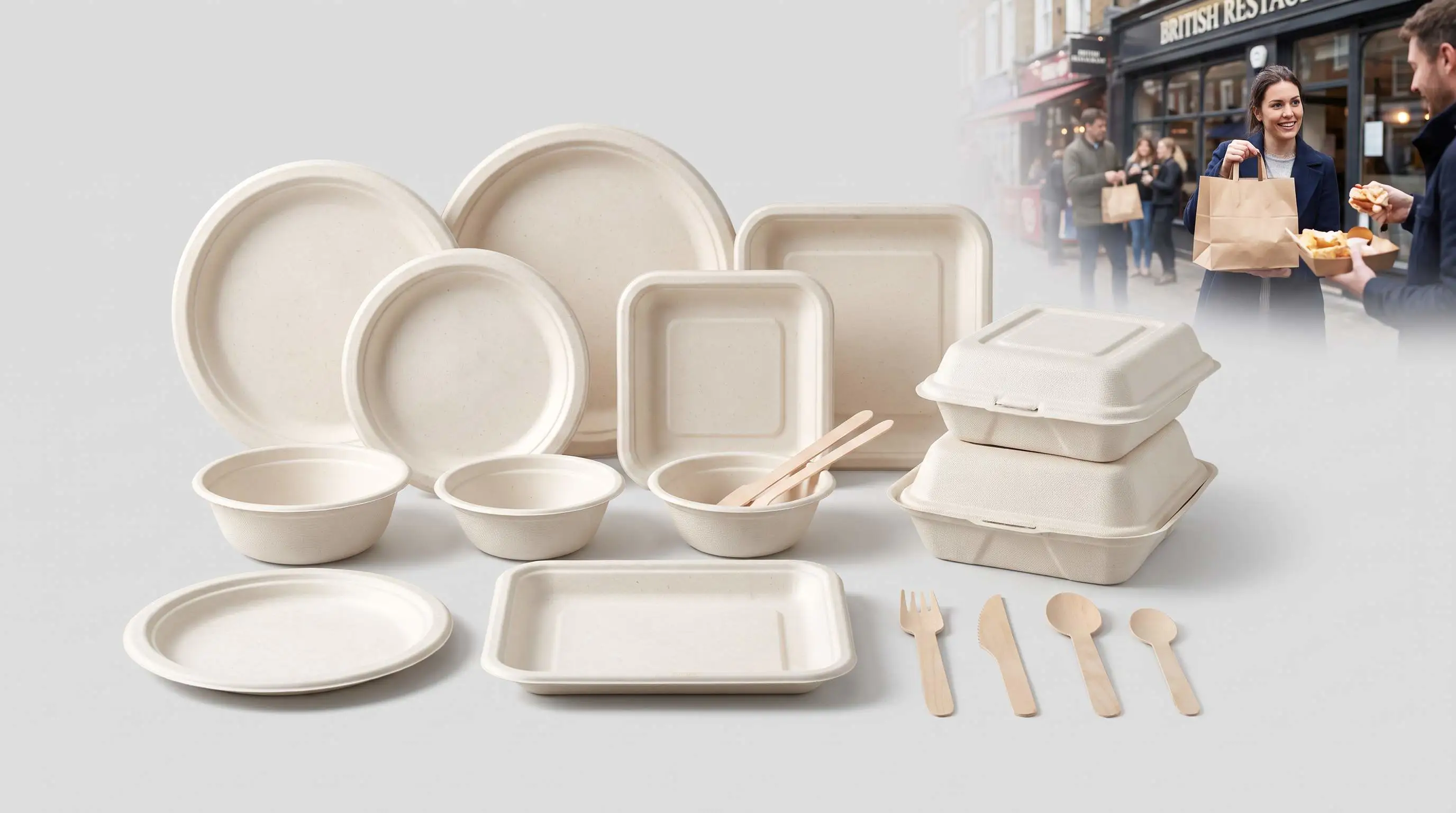
Why the UK foodservice market switched to bagasse
The UK has moved faster than the US on single-use plastic tableware. Instead of waiting for city-level ordinances, the national governments banned whole categories of plastic tableware at once. Foodservice operators had to find alternatives for plates, bowls, trays, cutlery and polystyrene containers in a short window, and molded fiber products made from bagasse became a standard replacement because they look and perform close to the plastic items they replace. The switch also brought secondary benefits that buyers care about: bagasse tableware is made from a renewable by-product of sugar production, it is microwave-safe for reheating, and it can be certified for industrial composting under BS EN 13432, the UK-adopted version of EN 13432.
For distributors, the practical consequence is steady repeat demand. Restaurants, caterers, stadiums and event venues in the UK reorder tableware on a weekly or monthly cycle, and once an operator has qualified a supplier and confirmed the certification paperwork, they rarely switch. That is why UK importers and wholesalers look for factories that can supply consistent quality at container volumes with the right documents, not just the lowest unit price.
UK single-use plastic bans: what is banned where
The restrictions are not identical across the four nations, and a product that is legal in one part of the UK can be restricted in another. The table below summarises the bans relevant to tableware buyers. The common thread is that single-use plastic plates, bowls, trays and cutlery are banned throughout the UK, with limited exemptions for pre-packaged food items.
| Nation | Effective date | Restricted items relevant to tableware |
|---|---|---|
| England | 1 October 2023 | Single-use plastic plates, bowls, trays, cutlery, balloon sticks; polystyrene cups and food containers. Exemption for shelf-ready pre-packaged food. |
| Scotland | 12 August 2022 | Single-use plastic cutlery, plates, stirrers and other listed products. Some business-to-business exemptions. |
| Wales | October 2023 | Single-use plastic plates, bowls, cutlery and related items. Exemption for pre-packaged food. |
| Northern Ireland | 2021; further restrictions from 2026 | EU Single-Use Plastics Directive 2019/904 items: cutlery, plates, straws, cotton bud sticks, and more from 2026. |
England: The Environmental Protection (Plastic Plates etc.) and Polystyrene Containers (England) Regulations took effect on 1 October 2023. The ban covers single-use plastic plates, bowls, trays, cutlery, balloon sticks and polystyrene cups and food containers, with an exemption for shelf-ready pre-packaged food.
Scotland: The Single-use Plastic Products (Scotland) Regulations 2021 came into force on 12 August 2022. The ban covers plastic cutlery, plates, stirrers and other listed single-use plastic products, with some business-to-business exemptions.
Wales: Restrictions on single-use plastic plates, bowls, cutlery and related items took effect in October 2023, following the same policy direction as England, with exemptions for pre-packaged food.
Northern Ireland: As part of the EU Single-Use Plastics Directive (2019/904) which continues to apply through the Windsor Framework, restrictions cover items such as cutlery, plates, straws and cotton bud sticks, with further restrictions scheduled for 2026.
The practical takeaway for a UK importer is simple: stock lines of plastic plates, bowls and cutlery are shrinking, and the replacement products need certification documents that prove compostability and food-contact safety. UK buyers also increasingly ask suppliers about packaging rules beyond the bans, especially EPR reporting.
Certifications UK buyers should verify
UK buyers evaluate four types of documents when qualifying a bagasse tableware supplier. The table below lists what each certificate proves and where to verify it independently. For the full compliance picture, also read our EN 13432 and OK Compost guide for EU buyers and the PPWR compliance checklist, because EU rules continue to shape how UK buyers evaluate suppliers.
| Document | What it proves | Where to verify |
|---|---|---|
| BS EN 13432 certificate (OK Compost / DIN CERTCO) | Industrial compostability of the product | Certification body database (TUV Austria, DIN CERTCO) |
| Food-contact compliance statement (GB) | Compliance with retained EU Regulation (EC) 1935/2004 food-contact requirements | Supplier statement matched to the exact SKU |
| BRCGS / ISO 22000 / FSSC 22000 | Food-safety quality management system at the factory | Certification body directory |
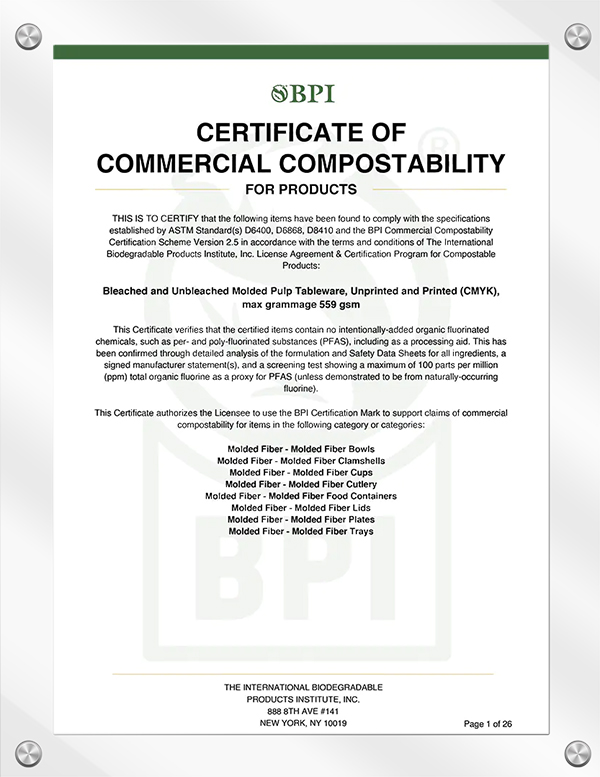
| BPI certification (for North American sales) | Compostability per ASTM D6400 | products.bpiworld.org |
Compostability under BS EN 13432. EN 13432 is the harmonised European standard for industrial compostability, and the UK adopted it as BS EN 13432. Independent certification bodies such as TÜV Austria (OK Compost) and DIN CERTCO certify products against this standard. When a UK buyer asks for a compostability certificate, they normally expect an EN 13432-based certificate, not a US-only claim. If the supplier holds US BPI certification as well, that covers the North American market but should not be presented as the UK/EU certificate.
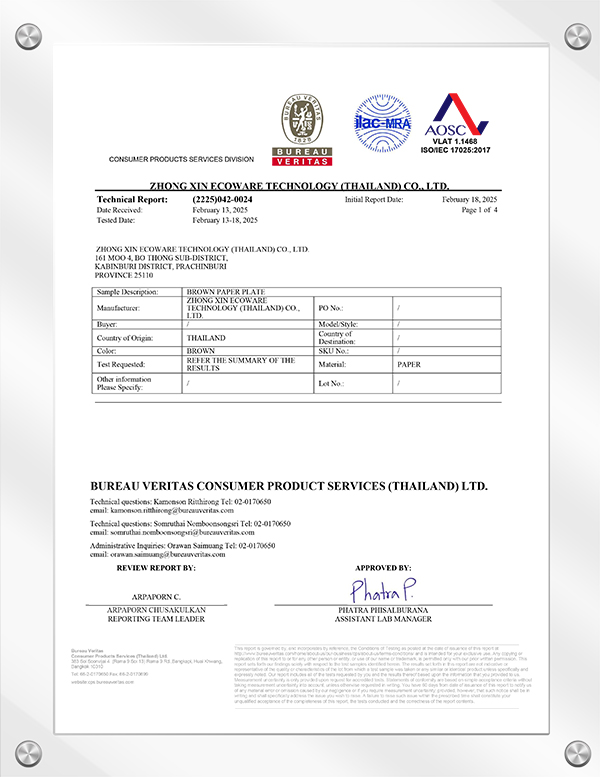
Food-contact compliance. In Great Britain, food contact materials must meet the requirements of the retained EU Regulation (EC) 1935/2004, implemented through GB national measures. For the UK market, buyers should ask for a food-contact compliance statement or a third-party test report for the specific product, and check that the statement covers the coating or printing version they are buying, because coated and printed products may require separate assessment.
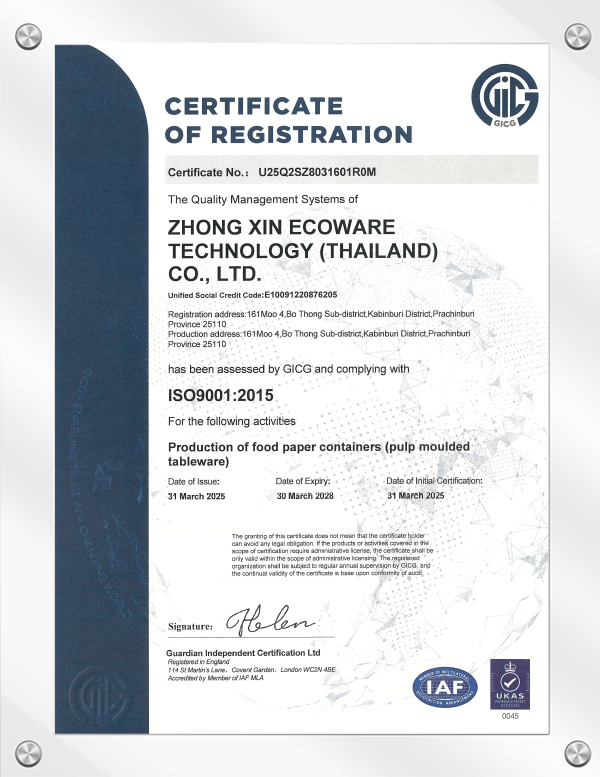
Quality and food-safety systems. UK distributors often request BRCGS certification or an equivalent food-safety management system certificate such as ISO 22000 or FSSC 22000, because it reduces their own supplier-audit burden. BRCGS is widely recognised by UK retailers and foodservice distributors.
Factory and product verification. A certificate is only as good as the company named on it. Buyers should verify the factory name, address and product scope directly with the certification body or directory rather than accepting a scanned certificate from a sales representative.
UK packaging rules beyond the bans
Two regulatory areas affect UK importers and brands even when the product itself is compliant.
Extended Producer Responsibility (EPR) for packaging. The UK packaging EPR regime requires producers that supply or import packaging into the UK to report data and pay fees. The first reporting cycle started in 2025 and the first fee payments are due from October 2025, based on packaging placed on the market in the previous year. Importers of bagasse tableware should confirm with their compliance provider whether their packaging and the packaging of the goods they import makes them a liable producer, and budget for reporting and fees. The obligation is on the UK business placing packaging on the market, so a Thailand factory is not the responsible party, but buyers should ask suppliers for packaging weights and materials data to support their reporting.
Green claims compliance. The Competition and Markets Authority (CMA) Green Claims Code applies to any environmental claim made in the UK, including claims about compostable or biodegradable packaging. Claims must be accurate, clear and substantiated. A UK brand selling "compostable" tableware should be able to point to the certification for the specific product, state the disposal route (industrial composting facility, not home compost unless separately certified), and avoid implying that all composting facilities accept the product. Suppliers that provide precise certification scope and disposal instructions make it easier for UK customers to comply.
Sourcing bagasse tableware from Thailand for the UK market
Thailand has become a practical sourcing base for UK buyers for three reasons: a dedicated sugarcane industry provides abundant bagasse raw material, the country has built substantial molded fiber manufacturing capacity, and Thai factories export container volumes to Europe and the UK on a regular schedule. Zhong Xin Ecoware Technology (Thailand) Co., Ltd. operates a molded fiber plant in Thailand alongside its China facilities, with combined annual production capacity of over 200,000 tonnes, which gives UK buyers the option of a second-source country without leaving the same supplier.
When sourcing from Thailand for the UK, confirm four points in writing. The ordering process itself follows the same path as any Asian factory order, and the details are covered in our guide to ordering from an Asian bagasse factory. For a comparison of the two sourcing countries, see China vs Thailand for bagasse tableware in 2026.
- Lead time and shipping schedule. Ask for current production lead time, the port of loading, and the sailing frequency to UK ports such as Felixstowe, Southampton or London Gateway. Container schedules change, so the quote should state the lead time from order confirmation to departure.
- Packing and container loading. Request the carton dimensions, pieces per carton and pieces per 40HQ container for the exact SKU. The loading quantity directly affects landed cost, and it should be stated in the RFQ.
- Import duty and customs. UK import duty rates depend on the commodity code and the current UK Global Tariff, and they can change. Ask your customs broker to confirm the applicable rate for the specific HS code before you commit to a price, and keep the certificate documents ready for customs if preferential or reduced rates apply.
- Certification documents matched to the SKU. Request the compostability certificate and food-contact statement that name the exact product and factory you are buying from, not a generic company brochure.
How to qualify a bagasse tableware supplier
Use the same verification discipline you would apply to any new supplier. Our detailed official registries verification guide walks through each directory step by step.
1. Check independent directories first. For compostability, look up the company in the BPI certified product directory or the equivalent EN 13432 certification body database. If the factory and product are not listed, there is no independent verification.
2. Request SKU-level documents. Ask for the certificate and test report that match the exact product, coating and printing version in your order.
3. Test a pre-production sample. Put the sample through the conditions your customers will use: microwave reheating, hot food with oil, and check for warping, soak-through and odor.
4. Verify the factory. Confirm the registered company name, plant address and production lines, and ask for photos or a virtual tour of the production area before a large order.
5. Confirm the paperwork for the UK market specifically. Make sure the compostability claim is based on BS EN 13432 / EN 13432, not only a US certification, and that the food-contact statement covers Great Britain requirements.
FAQ
Does the UK ban cover compostable tableware?
No. The UK bans target single-use plastic items. Bagasse and other plant-fiber tableware are legal replacements, but "compostable" claims must be certified under a recognised standard such as BS EN 13432 and should not be overstated.
What certification do UK buyers need for bagasse tableware?
UK buyers typically ask for an EN 13432-based compostability certificate (BS EN 13432), a food-contact compliance statement for Great Britain, and quality system certificates such as BRCGS or ISO when the buyer is a retailer or large distributor.
Can a Thailand factory supply the UK directly?
Yes. Thai molded fiber factories export to the UK on a regular basis. Confirm the lead time, packing data and current UK import duty with your broker before committing, and ask the supplier for the exact certification documents for the SKU.
Is EPR the importer's responsibility or the factory's?
The UK packaging EPR obligations fall on the UK business that imports or supplies packaging in the UK. The factory is not the responsible party, but buyers should request packaging weights and materials data from the supplier to support their EPR reporting.
Are bagasse plates microwave safe for UK foodservice use?
Bagasse tableware is formed under heat and pressure and is generally microwave-safe for reheating. Confirm the temperature range stated on the specification sheet for the specific SKU before making claims to your customers.
Sources
Zhong Xin Ecoware Technology (Thailand) Co., Ltd. supplies bagasse and molded fiber tableware to importers, distributors and private-label brands. For MOQ, pricing, samples and lead time, email info@fiber-product.com or use the contact form.
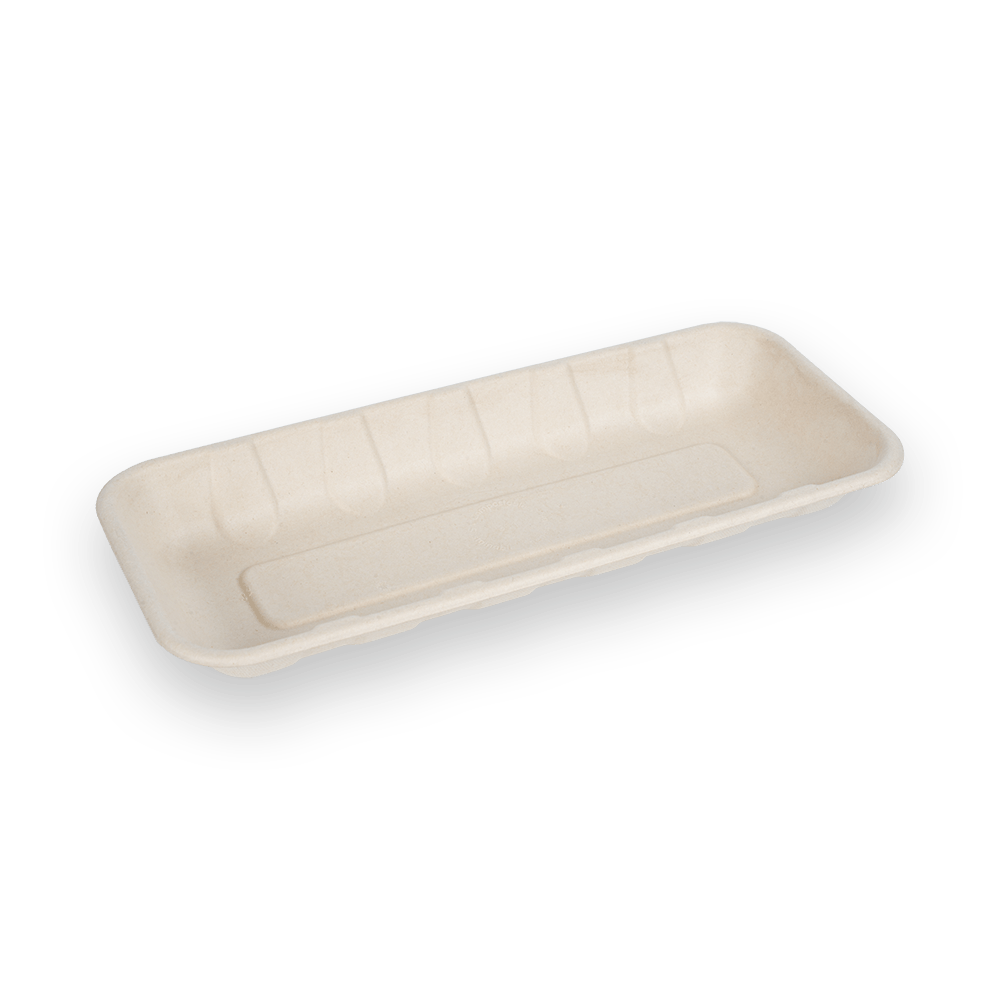


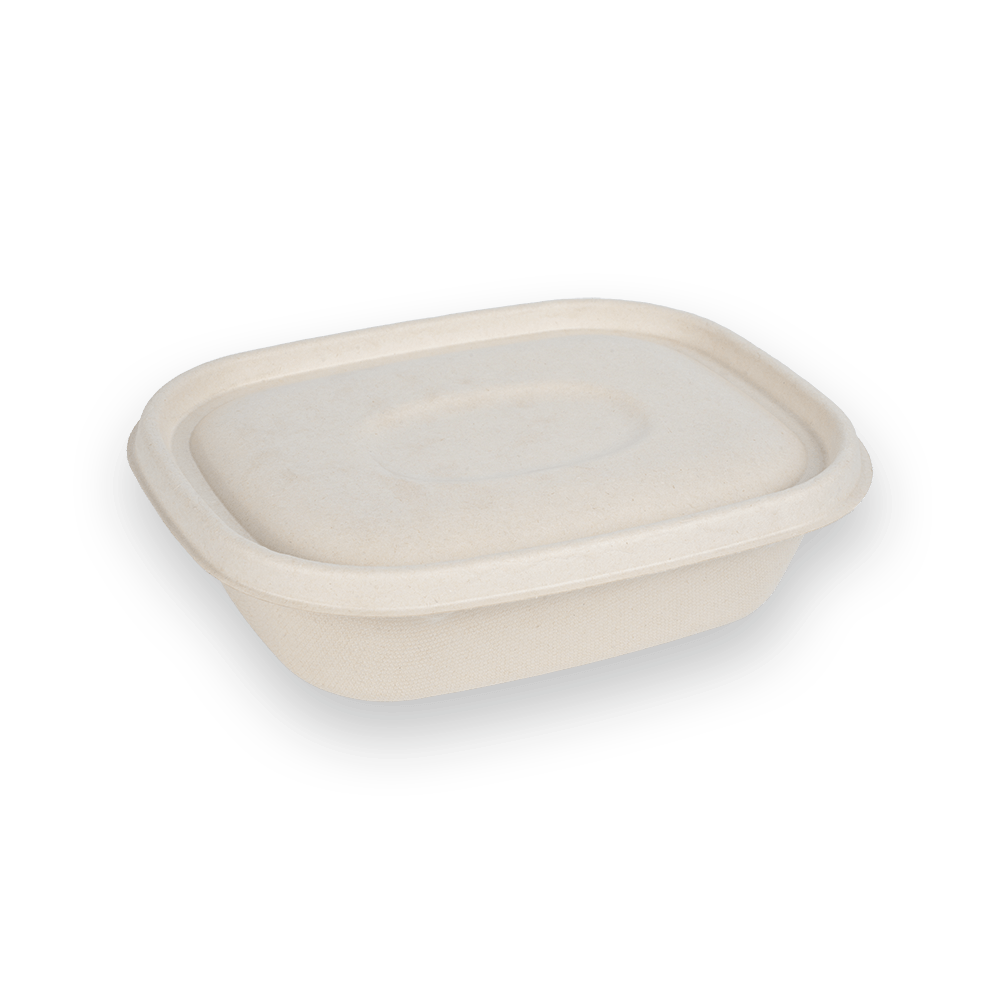
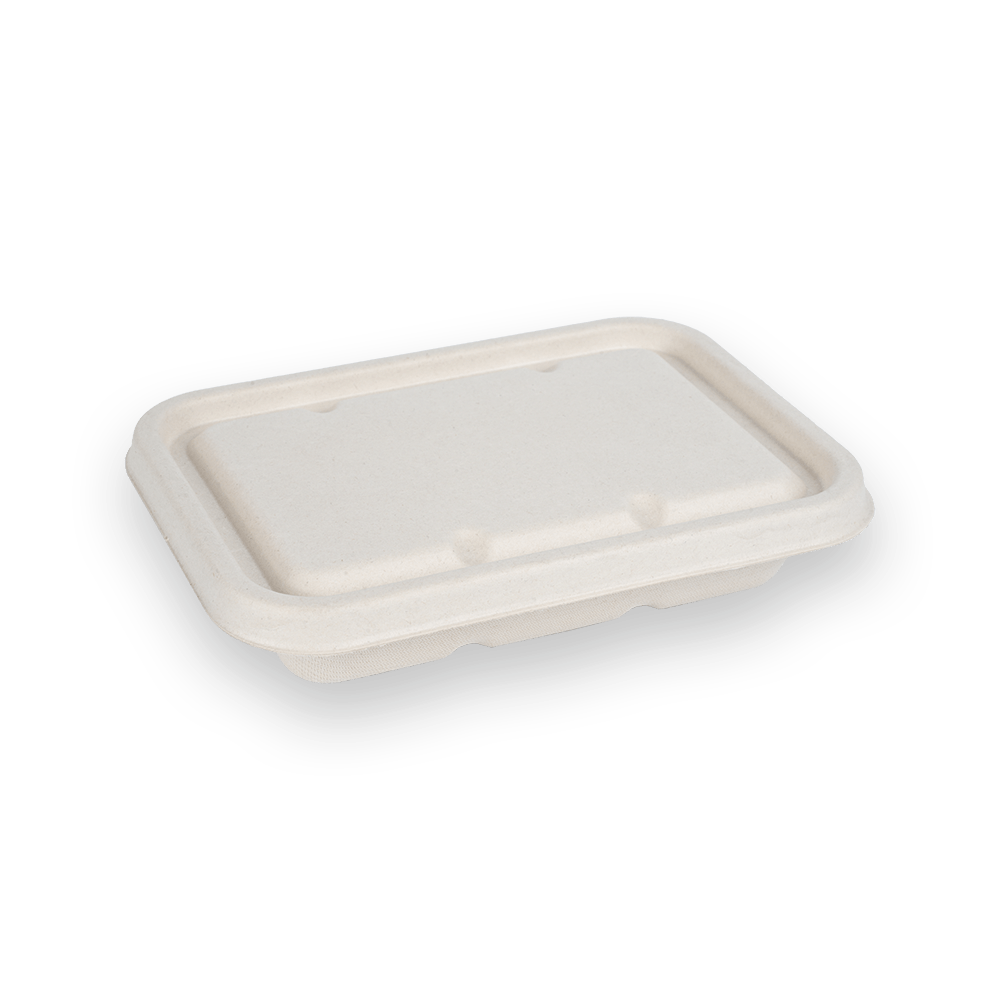

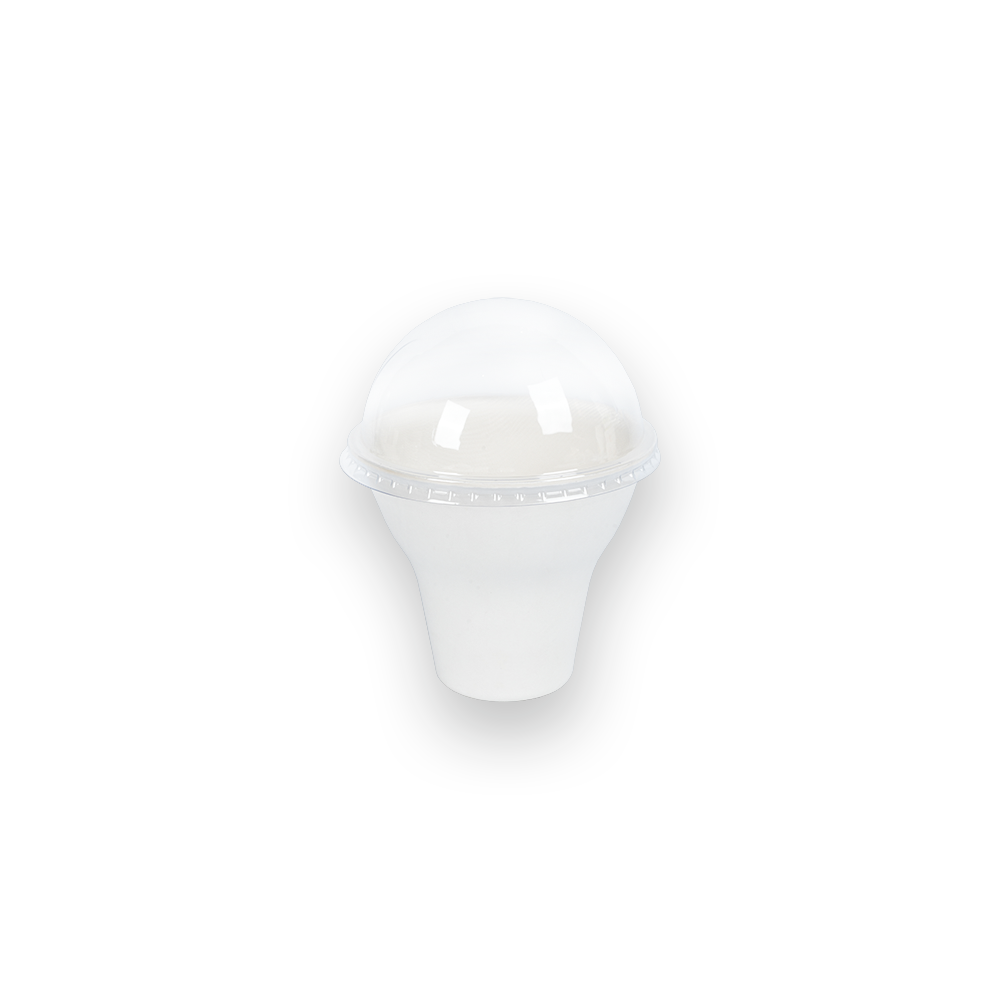
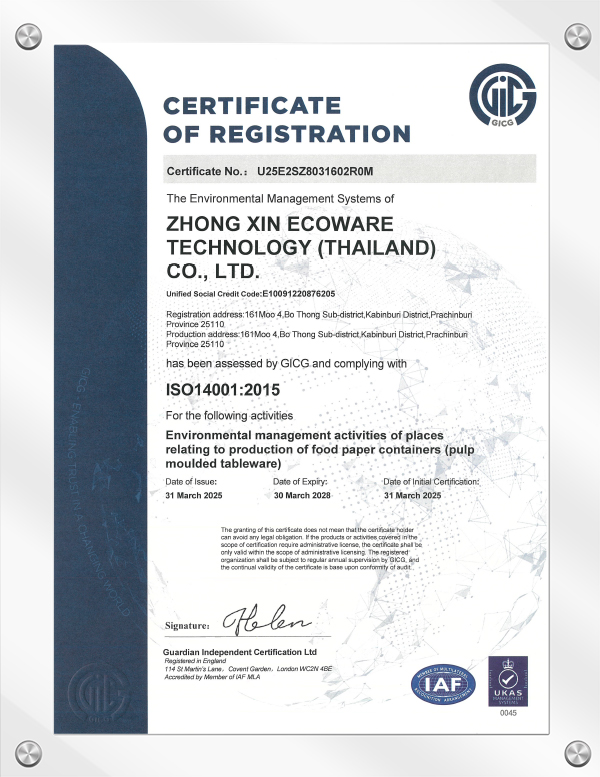
Zhong Xin Ecoware(Thailand) was registered on November 1, 2023, and officially began construction of the factory building in June 2024. At present, the first phase workshop of the factory has been fully completed and put into use. The second phase of the factory is being constructed intensively.
The landing and development of Zhong Xin in Thailand has brought a large amount of initial investment for land, factories, etc., and continuous operational investment for continuous equipment updates, technological upgrades, and capacity expansion.
Zhong Xin Ecoware(Thailand) has directly and indirectly created thousands of job opportunities, increased government revenue, promoted local economic development, cultivated local supply chains, provided systematic training for employees, improved the quality of local human capital, injected vitality into the local economy, enhanced industrial competitiveness, and ultimately improved residents' living standards.
Zhong Xin Ecoware(Thailand) actively collaborates with local pulp mills to explore new cooperation models for developing new products, improving production capacity and quality. At the same time, relying on Zhongxin's advanced production technology, process flow, management experience, and quality control system, it promotes the development of this industry in Thailand.

-
-
 +66-31240888
 -
 161 Village No. 4, Bo Thong Subdistrict Kabin Buri District Prachinburi Province 25110
-
Bagasse Tray Wholesale: How Bulk Buyers Cut Cost with Carton and Container Planning
Oct 09,2026
-
What Should a Bagasse Manufacturer Include in a Bulk Order Quote
Oct 09,2026
-
FOB, CIF or DDP? Incoterms for Bagasse Tableware Buyers Shipping from Thailand
Oct 06,2026
-
Packaging or Food Contact? Which EU Regime Applies to Bagasse Cups, Bowls, Plates and Cutlery
Oct 06,2026
-
Compostable Cutlery Sets for Private Label: 7 Sourcing Checks for Retail and Foodservice Buyers
Oct 06,2026
-
US vs EU Bagasse Tableware Imports: 8 Documentation and Compliance Checks Buyers Should Run
Oct 06,2026
-
How to Prepare a Bagasse Tableware Import: 10 Readiness Checks for US and EU Buyers
Oct 06,2026
-
Beyond Plates: Which Foods Suit Bagasse Tableware
Oct 02,2026
-
New Bagasse Tableware Lineup for 2026: What Is New and Where to See It
Sep 28,2026
-
How to Select Bagasse Clamshells for Burgers, Rice Meals and Fried Food
Sep 28,2026
-
Microwave Reheating: Is a Bagasse Lunch Box Suitable
Sep 25,2026
-
9 Inch Pizza Plates and Bagasse Pizza Boards: A Sourcing Guide for US and Canadian Distributors
Sep 19,2026
Copyright © 2025 Zhong Xin Ecoware Technology ( Thailand ) CO., LTD.
All Rights Reserved.

Biodegradable Disposable Bagasse Tableware Manufacturer