

 English
 Español
 ไทย
ไทยIs Bagasse Compostable? A Complete Guide to Sugarcane Tableware Composting
Summary: Yes — bagasse (sugarcane fiber) tableware is compostable in industrial composting facilities, where certified products break down into nutrient-rich soil without leaving toxic residue. This guide explains what bagasse is, how its composting actually works, which certifications prove it, and the difference between compostable and biodegradable.
What is bagasse?
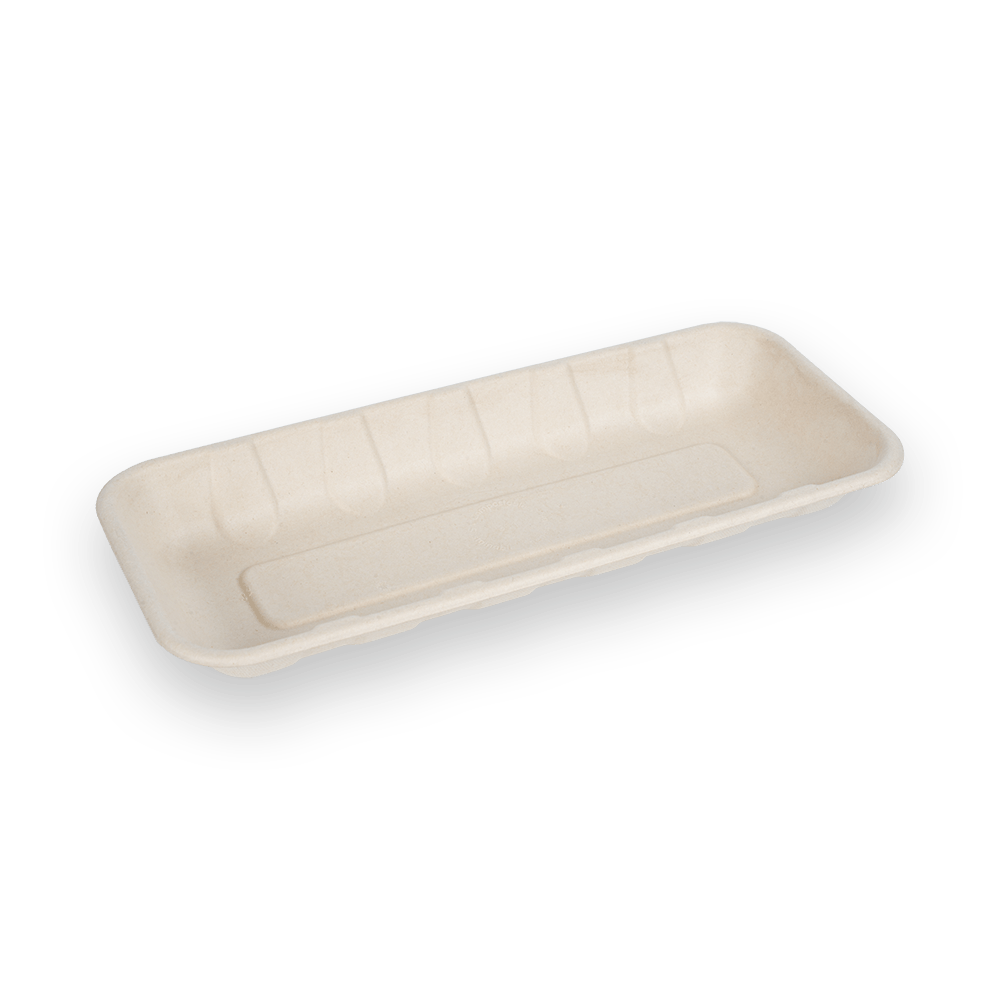
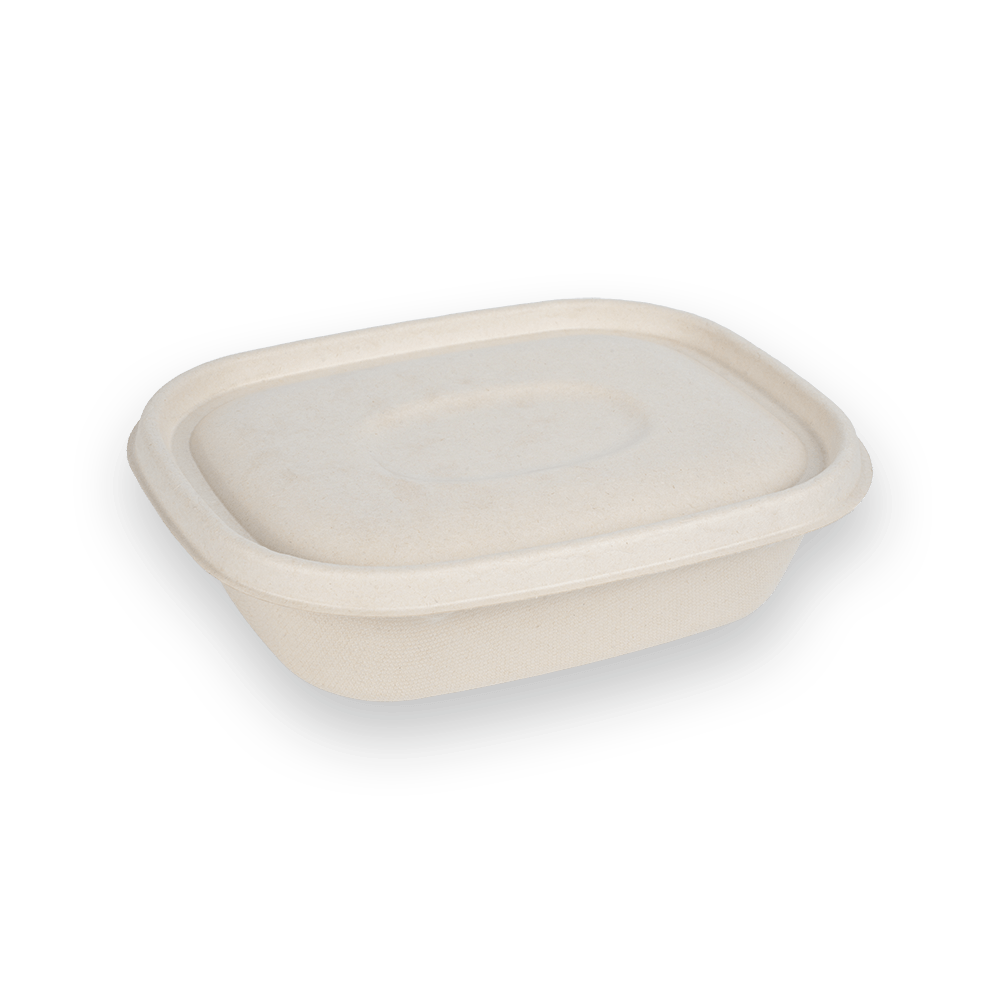
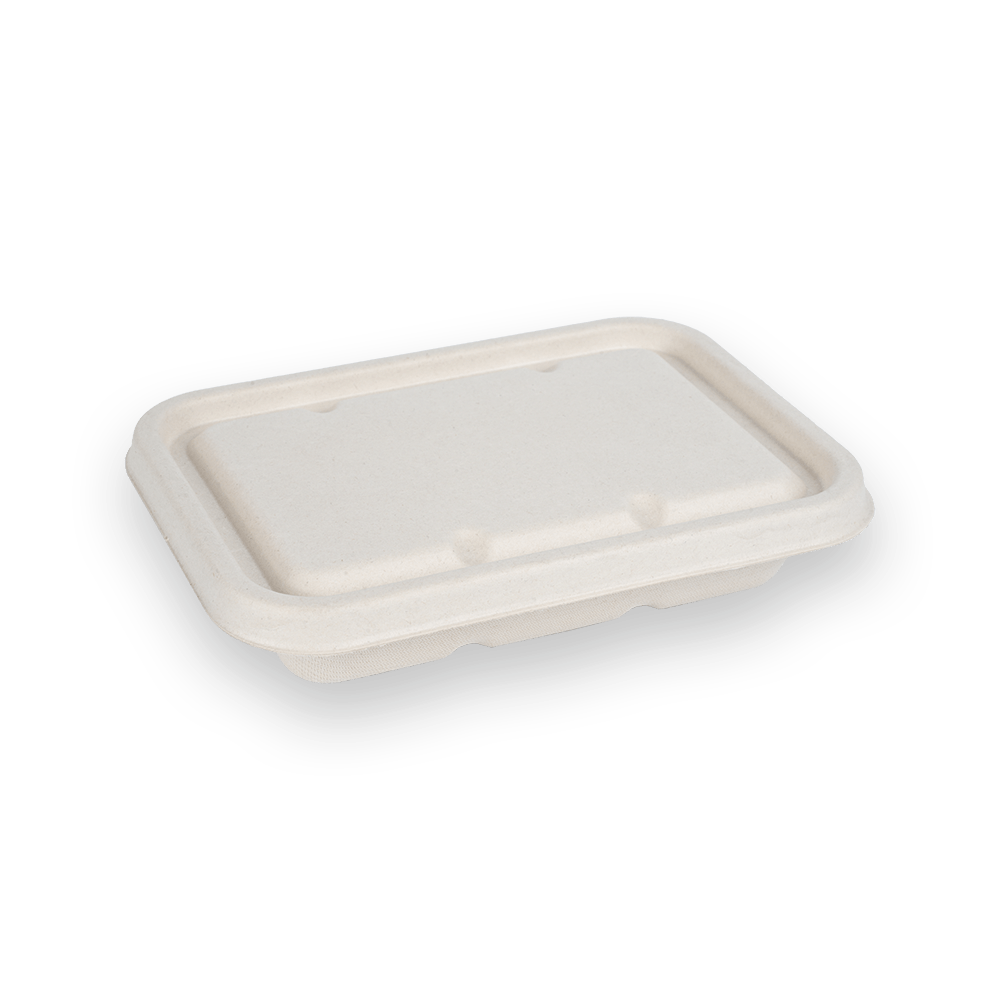
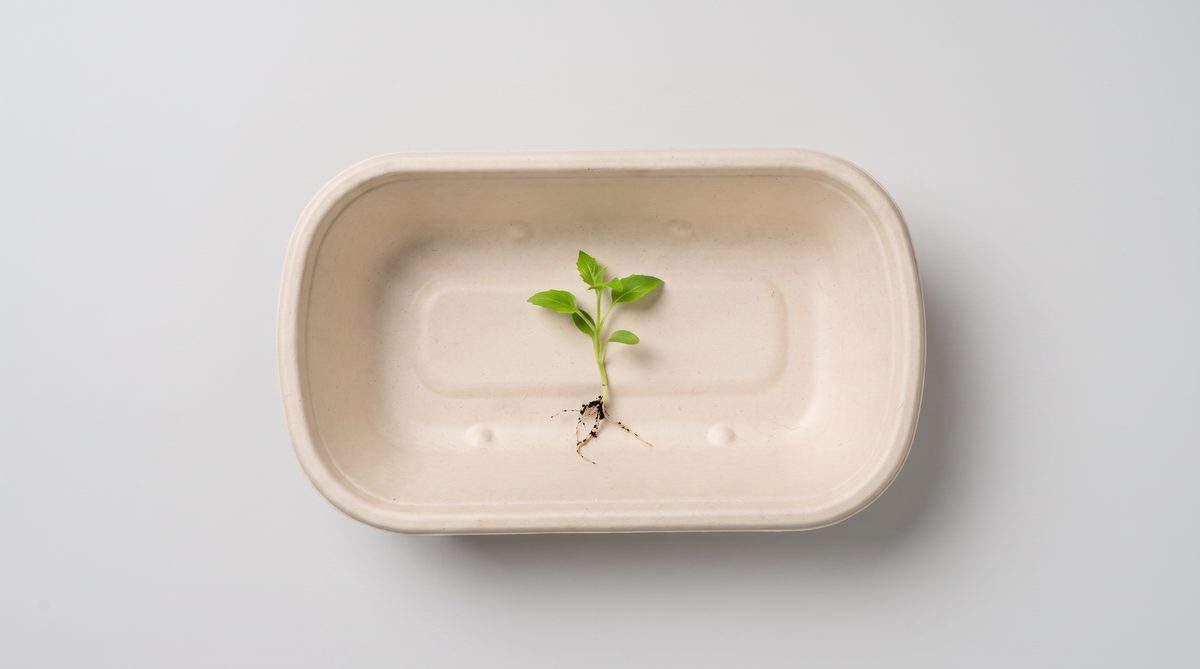
Bagasse is the dry, fibrous residue left behind after sugarcane stalks are crushed to extract their juice. Instead of being burned or discarded, this by-product is washed, pulped and molded into tableware such as plates, bowls, clamshell containers and trays. The result is a food packaging material made from plant fiber rather than petroleum.
Is bagasse compostable? Yes — in industrial facilities
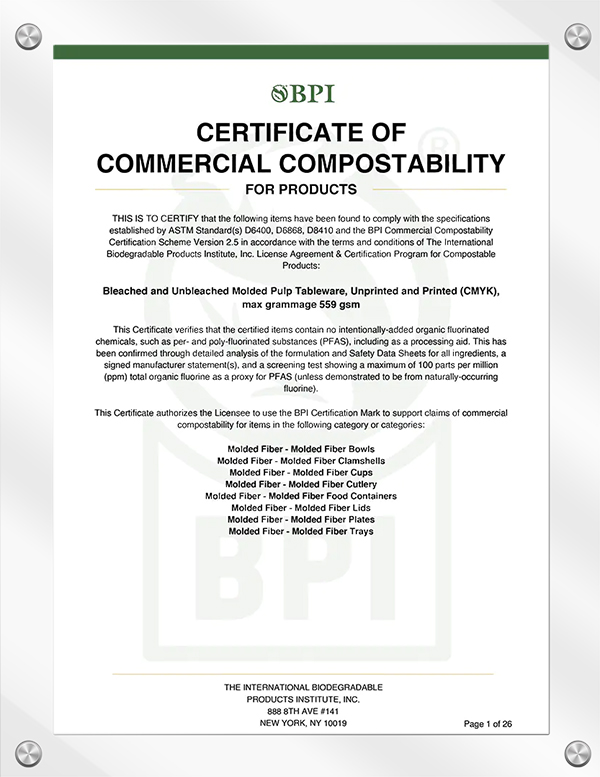
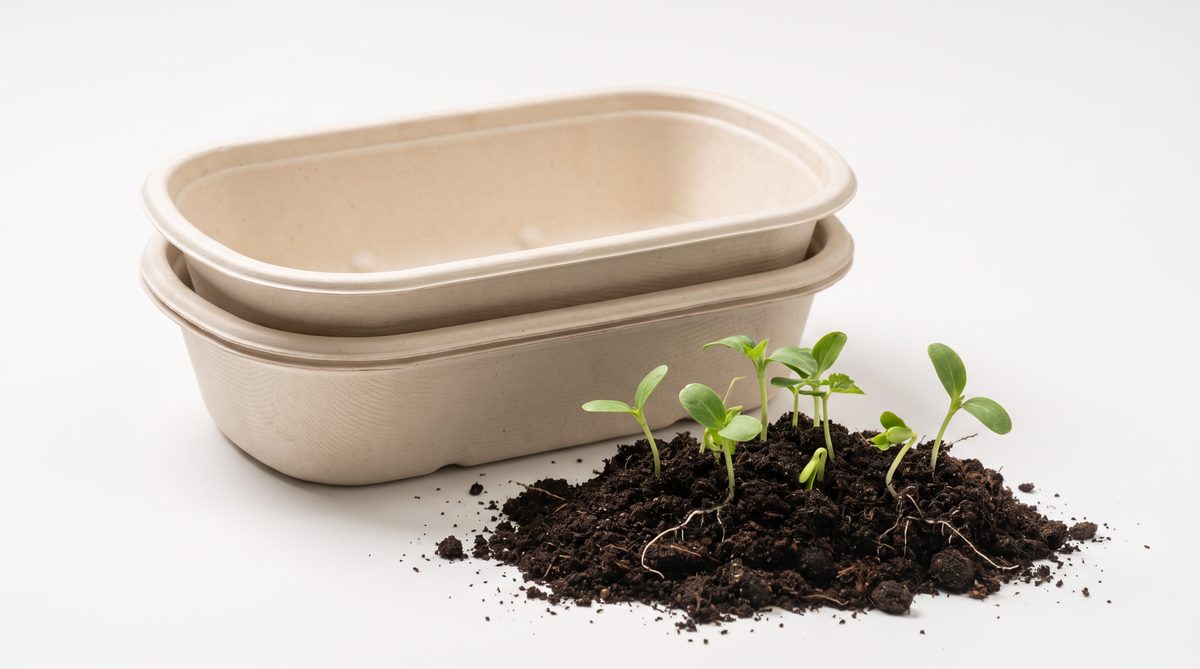
Bagasse tableware is compostable, meaning it can break down into compost under the controlled heat, moisture and microbial conditions of an industrial composting facility. Certified bagasse products are tested to meet standards such as EN 13432 (Europe) and BPI / ASTM D6400 (North America), which require the material to disintegrate and biodegrade within a defined time window and leave no harmful residue. Because bagasse is plant fiber, it feeds the same microbes that turn food scraps and yard waste into compost.
Compostable vs biodegradable: why the difference matters
Compostable is a stricter, certified claim; biodegradable is a broader, often vague one. A compostable product must break down within a set timeframe and produce usable compost with no toxic residue, verified by a third-party standard. A biodegradable product only means it will eventually break down — which could take years and still leave microplastics or chemical residue. When buyers ask "is bagasse compostable," the useful answer is: certified bagasse tableware is compostable, not just biodegradable.
Industrial vs home composting
Bagasse tableware is designed for industrial composting, not backyard bins. Industrial facilities hold material at high temperature with controlled moisture and aeration, which is what most compostability standards (EN 13432, ASTM D6400) actually test for. In a home compost pile, bagasse will still break down over time because it is organic plant fiber, but the process is slower and less predictable than a certified industrial facility. Buyers should check whether a product's certification covers industrial composting only, or also home composting.
How to verify a bagasse product is actually compostable
Do not accept "compostable" on the label alone. Ask the supplier for a certificate that matches the exact product and manufacturing entity, and check it against the certification body's public directory.
| Certification | Region / standard | What it proves |
|---|---|---|
| BPI Certified Compostable | North America (ASTM D6400) | Meets BPI's requirements for industrial compostability; product listed in BPI's public directory |
| EN 13432 | Europe | EU standard for compostable and biodegradable packaging |
| OK Compost (TÜV Austria) | Europe / global | Independent certification of industrial compostability |
| ABA Compostable | Australia | Australian Bioplastics Association compostability certification |
| FDA food-contact | United States | Food-contact safety — a separate claim from compostability |
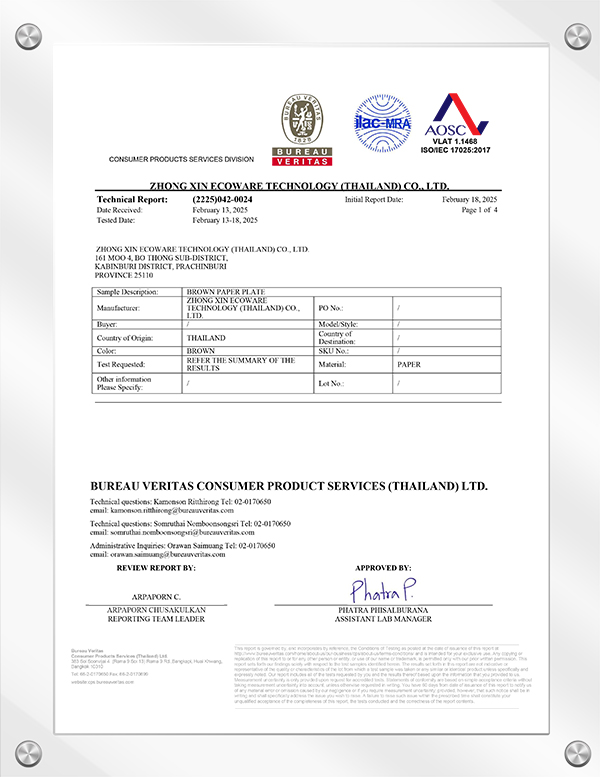
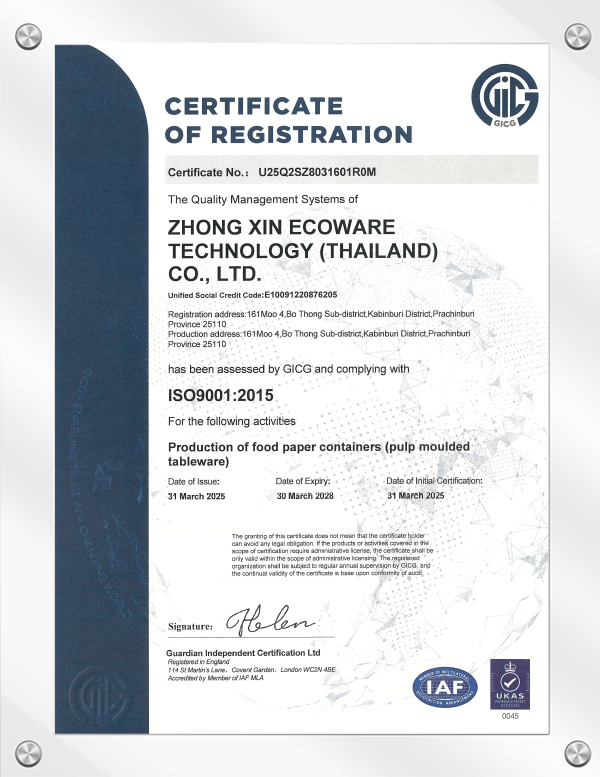
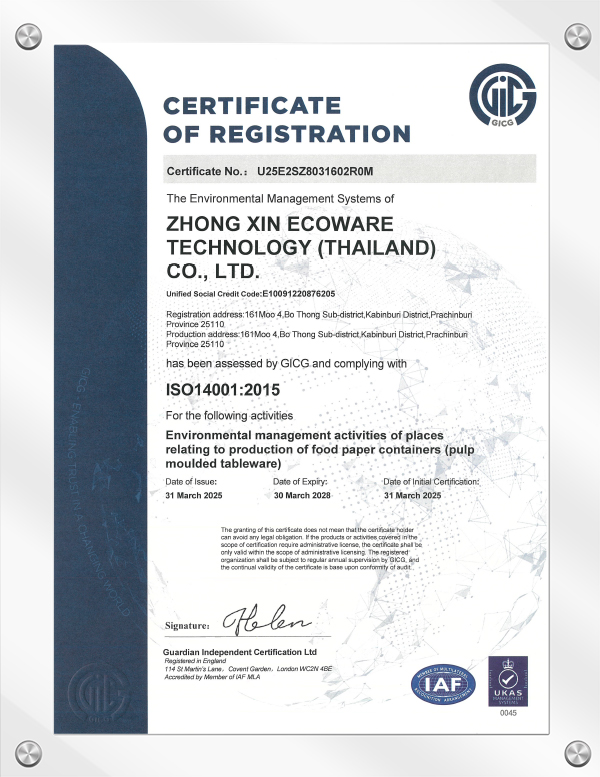
Zhong Xin Ecoware publishes its certification portfolio covering BPI, FDA, LFGB, BRCGS and ISO, and explains how to check each one in our certification verification guide.
How long does bagasse take to compost?
Under industrial composting conditions, certified bagasse products are engineered to disintegrate within weeks and fully biodegrade within the window required by the standard they are certified against — for example, EN 13432 requires 90% biodegradation within six months. The exact time depends on the facility, the product's thickness and coating, and whether the item carries any plastic-based lamination. Products with a plastic (PE/PET) lining or coating will not compost the same way as plain molded fiber, which is why buyers should confirm material composition and coating before making a compostability claim.
Why bagasse tableware beats plastic and foam
| Material | Breaks down in compost? | Petroleum-based? | Common use |
|---|---|---|---|
| Bagasse (sugarcane fiber) | Yes — industrial compost (certified) | No — plant fiber by-product | Plates, bowls, clamshells, trays |
| Expanded foam / polystyrene | No — persists for decades | Yes | Takeout clamshells, cups |
| Plastic (PP / PET) | No | Yes | Containers, lids, cutlery |
Because bagasse is made from a renewable by-product of sugar production, it converts agricultural waste into useful packaging rather than adding new plastic to the waste stream. See our full material comparison in Bagasse vs PLA vs paper vs plastic.
FAQ
Is bagasse really compostable?
Yes. Bagasse is plant fiber, and certified bagasse tableware is tested to compost under industrial conditions per standards such as EN 13432 and BPI / ASTM D6400.
Is bagasse biodegradable?
Yes, but the stronger claim is compostable. Biodegradable only means it breaks down eventually; compostable means it does so within a defined timeframe into safe compost, verified by certification.
Can I compost bagasse at home?
Bagasse is designed for industrial composting. In a home pile it will break down over time because it is organic fiber, but the process is slower and not what most certifications test for.
How long does bagasse take to decompose?
In an industrial facility, certified bagasse disintegrates within weeks and fully biodegrades within the certification window (EN 13432 requires 90% biodegradation within six months). Time varies with thickness and any coating.
Is bagasse recyclable?
Bagasse is not typically recycled in paper or plastic streams. Its intended end-of-life is composting. Plain molded fiber with no plastic lining composts; plastic-coated items must have the coating separated first.
Buyer note: Compostability claims apply to specific products and manufacturing entities. Always request a certificate matching the exact SKU and destination market, and confirm whether the item carries any plastic coating before making a compostable claim.