-
 [email protected]
-
 +66-31240888



 English
 Español
 ไทย
Leakage and Heat Resistance: What Should Catering Buyers Test Before Ordering
Hot meals, oily dishes, soups, and takeaway orders place different demands on food packaging. A container that performs well with dry snacks may become soft after holding hot noodles or develop leakage around its base after contact with sauces. These problems can affect food presentation, delivery quality, and the daily operations of restaurants and catering businesses.
At Zhong Xin Ecoware, we understand that purchasing disposable catering containers involves more than comparing dimensions, appearance, and unit prices. Buyers need to evaluate how packaging materials respond to heat, moisture, grease, stacking pressure, and transportation conditions. A clear testing process helps purchasing teams establish practical product specifications and reduce quality-related uncertainties before placing bulk orders.
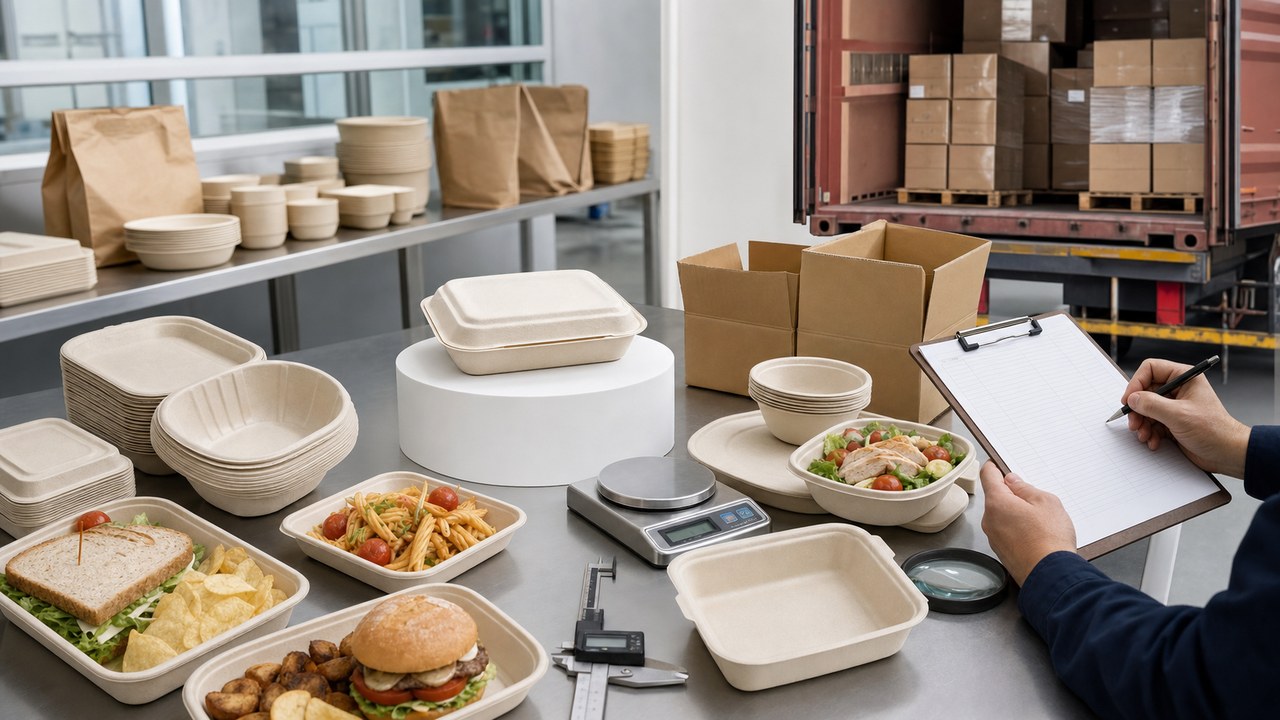
1. Why Leakage and Heat Resistance Deserve Separate Evaluation
Leakage resistance and heat resistance are closely connected, but they measure different aspects of packaging performance. A paper container may retain cold water during a short test but become less rigid after prolonged contact with hot food. Similarly, a heat-resistant structure may still allow liquid to escape through an imperfect bottom joint or poorly fitted lid.
Our approach at Zhong Xin Ecoware is to consider the complete food packaging application rather than relying on a single material specification.
| Performance Factor | What Buyers Should Check | Commercial Relevance |
| Liquid resistance | Water seepage, bottom leakage, and sidewall penetration | Suitable for soups, sauces, and liquid-based meals |
| Heat resistance | Deformation, softening, and coating stability | Supports hot meal packaging and takeaway services |
| Grease resistance | Oil stains, surface penetration, and fiber deterioration | Relevant to fried foods and high-fat dishes |
| Structural strength | Wall rigidity, bottom support, and stacking performance | Helps maintain packaging integrity during handling |
| Lid compatibility | Rim dimensions, closure fit, and accidental opening | Reduces food spillage during transportation |
Each factor should have its own acceptance criteria. A supplier's general statement that a container is suitable for hot food does not replace application-specific testing.
2. How Should Buyers Evaluate Leakage Resistance?
Liquid leakage is a common concern for restaurants, food delivery operators, and institutional catering businesses. Packaging failures may occur at the bottom panel, folded corners, side seams, or the connection between the container and its lid.
2.1 Conduct a Controlled Liquid Holding Test
A practical liquid holding test can help purchasing teams compare samples under consistent conditions. The test should reflect the intended food application and include clearly recorded variables.
- Fill the container with water or an agreed liquid test medium to a defined level, such as 80% of its usable capacity.
- Record the liquid temperature at the beginning of the test.
- Place the filled sample on a dry, absorbent surface to make moisture penetration easier to identify.
- Inspect the bottom, sidewalls, folded edges, and joints at regular intervals.
- Record visible seepage, damp areas, structural changes, and any liquid escaping from the container.
- Repeat the procedure with samples from different production batches to examine consistency.
Testing duration should reflect the actual service environment. A restaurant serving meals directly to customers may require a different holding period from a delivery business that transports food for 30–60 minutes.
2.2 Pay Attention to Bottom Construction
The bottom structure carries the weight of the food and is exposed to continuous contact with moisture, sauces, and cooking oils. Its construction deserves particular attention during sample approval.
Buyers should examine several details:
- Bottom panel thickness: Check whether the material provides sufficient support for the intended food weight.
- Corner formation: Inspect folded areas for gaps, uneven bonding, and visible defects.
- Sidewall connection: Confirm that joints remain intact after exposure to warm liquids.
- Surface coating: Review the barrier layer's ability to resist moisture penetration during the specified holding period.
For paper-based containers, the relationship between paperboard thickness, fiber composition, and barrier coating can influence liquid resistance. Increasing material thickness alone does not guarantee better performance because construction quality and coating compatibility also matter.
3. Heat Resistance: Which Temperature Conditions Should Be Tested?
Hot food packaging must retain its shape and structural stability throughout filling, storage, and serving. Heat exposure can affect paperboard stiffness, coating properties, and the dimensional stability of formed containers.
3.1 Establish a Temperature Range Based on Food Applications
Different catering operations require different temperature specifications. Buyers should communicate the expected filling temperature and holding conditions instead of requesting a general heat-resistant product.
| Food Application | Suggested Evaluation Temperature | Important Observation |
| Warm rice and cooked meals | 60–75°C | Check wall rigidity and bottom deformation |
| Hot noodles and pasta | 70–85°C | Evaluate moisture resistance and sidewall stability |
| Hot soups and sauces | 75–90°C | Inspect leakage and coating performance |
| Hot takeaway dishes with oily ingredients | 60–85°C | Examine grease resistance and structural changes |
Note: These temperature ranges are proposed application-specific screening conditions, not universal regulatory limits or guaranteed product ratings. Actual test temperatures should be agreed upon according to the intended food, packaging material, and supplier specifications.
3.2 Monitor Deformation and Material Softening
Temperature testing should examine the complete formed container rather than relying exclusively on flat paperboard samples. The finished structure may behave differently because folding, forming, coating, and bonding processes influence its performance.
Our recommended inspection points include:
- Changes in container height, width, and overall shape.
- Softening around the base and lower sidewalls.
- Cracks, peeling, or separation in the coating layer.
- Changes in rim geometry that affect lid attachment.
- Visible moisture penetration after hot food contact.
Microwave suitability should also be treated as a separate requirement. A container designed for hot food filling is not automatically suitable for microwave reheating. Buyers should request specific temperature, duration, and usage instructions supported by appropriate testing.
4. Grease Resistance Matters for More Than Fried Food
Water resistance and grease resistance are not interchangeable. Food containing butter, cooking oil, meat juices, cheese, or creamy sauces can interact with paper packaging differently from water-based meals.
At Zhong Xin Ecoware, we recommend that buyers evaluate grease resistance according to the actual menu rather than assuming that a water-resistant coating will provide sufficient oil protection.
4.1 Key Grease Resistance Indicators
- Oil penetration: Examine the exterior for visible grease spots after a defined contact period.
- Surface condition: Check whether the coating becomes sticky, uneven, or damaged.
- Structural stability: Observe whether the base or sidewalls lose rigidity after contact with oily food.
- Food contact suitability: Review documentation for coatings, additives, and other food-contact components.
Technical methods can also support material comparisons. For example, the TAPPI T559 KIT test is used to assess grease resistance in paper and paperboard. ISO 16532 includes methods for evaluating grease resistance and surface repellency.
However, laboratory results should be interpreted alongside actual food trials. A paperboard sample's performance does not necessarily represent the behavior of a finished container with folded corners and formed joints.
5. Structural Strength and Lid Fit During Food Delivery
Packaging performance does not end after food is placed inside the container. Stacking, handling, vehicle movement, and repeated loading can create pressure on the packaging structure.
5.1 Check Compression and Stacking Performance
Restaurants and catering distributors frequently stack filled containers before dispatch. Lower containers must support the weight above them without excessive deformation.
Buyers can establish a simple evaluation procedure:
- Prepare filled samples using the expected food weight.
- Stack containers according to the planned delivery arrangement.
- Record the stacking height and applied load.
- Inspect the bottom and sidewalls for buckling or permanent deformation.
- Check whether the upper containers remain stable and properly positioned.
ASTM D642 provides a standardized method for evaluating the compressive resistance of shipping containers, components, and unit loads. For individual food containers, buyers can also establish application-specific compression tests based on actual stacking arrangements.
5.2 Evaluate Lid and Rim Compatibility
A container body may perform well during liquid testing but still experience spillage because its lid does not fit securely. Small dimensional differences can affect closure performance, especially in large-volume production.
Important specifications include:
- Rim diameter and dimensional tolerance.
- Lid overlap and engagement depth.
- Closure force and ease of opening.
- Resistance to accidental lid separation during handling.
- Compatibility between different container sizes and lid models.
Buyers should request assembled samples and conduct filled-container movement tests. A simple tilt test at agreed angles can help reveal whether liquid escapes through the lid interface. The evaluation should also consider whether staff can close the packaging consistently during busy service periods.
6. What Technical Specifications Should Buyers Request?
Clear specifications make supplier communication more effective and provide a reference for incoming quality inspections. Instead of relying on general descriptions such as heavy-duty, leak-resistant, or heat-resistant, purchasing teams should request measurable information.
| Specification | Information to Confirm | Purpose |
| Material type | Paperboard grade, fiber composition, and coating type | Identifies the packaging material structure |
| Material grammage | GSM (g/m²) | Supports comparison of paperboard specifications |
| Container capacity | Milliliters (ml) | Matches packaging dimensions to serving portions |
| Dimensions | Length × width × height or diameter × height | Checks filling, storage, and lid compatibility |
| Heat resistance | Test temperature and exposure duration | Defines suitable hot food applications |
| Liquid resistance | Test medium, holding period, and leakage observations | Establishes moisture protection requirements |
| Grease resistance | Test method and performance results | Evaluates suitability for oily foods |
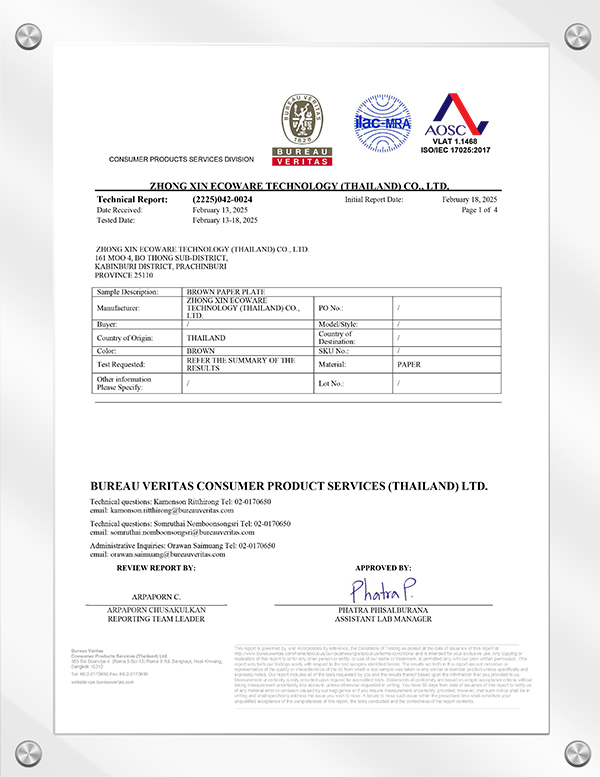
| Food contact compliance | Applicable declarations and supporting test reports | Supports market-specific regulatory review |
GSM is useful for material comparison, but it should not be treated as a direct measurement of finished-container strength. Geometry, fiber quality, coating, and manufacturing consistency also affect the final result.
7. Food Contact Compliance and Quality Documentation
Physical performance is only part of the purchasing decision. Food packaging materials must also meet the applicable food-contact requirements in their intended markets.
Buyers importing paper-based catering packaging into the United States should review relevant FDA food-contact requirements. European market projects may require an assessment under applicable European food-contact legislation and national requirements for paper and board materials.
We recommend requesting the following documents during supplier evaluation:
- Food-contact compliance declarations relevant to the destination market.
- Material specifications covering paperboard, coatings, inks, and adhesives.
- Applicable migration or extraction test reports.
- Quality inspection records and production batch identification.
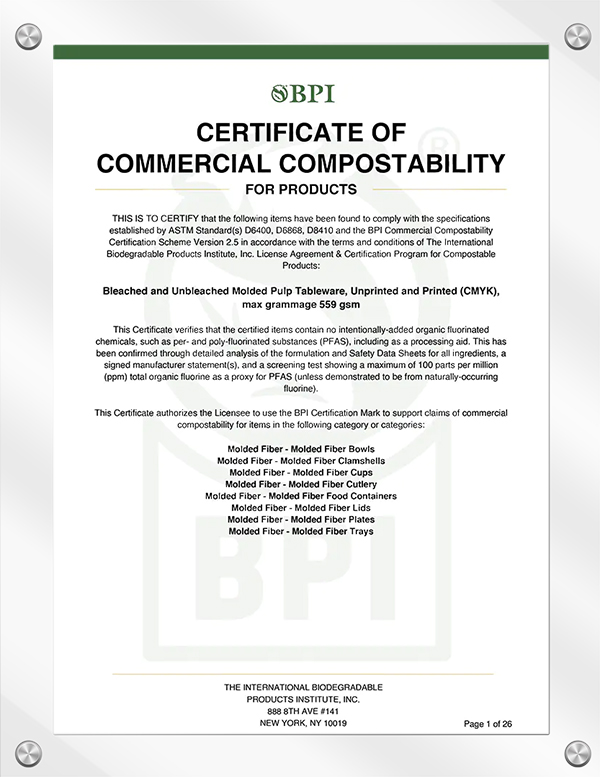
- Applicable environmental certifications supporting compostability or other sustainability claims.
Documentation should match the actual finished product and its intended conditions of use. A certificate covering one material or product series should not automatically be assumed to cover every container design.
8. How Zhong Xin Ecoware Approaches Buyer Requirements
At Zhong Xin Ecoware, we recognize that catering businesses, food distributors, and packaging wholesalers may have different purchasing priorities. A restaurant chain may focus on consistent dimensions and delivery performance, while a distributor may require several capacities and packaging formats for different customer groups.
Our communication with buyers therefore begins with understanding the intended application and product specifications.
Key Details We Recommend Confirming Before an Order
- Food type: Identify whether the packaging will hold dry food, hot meals, oily dishes, or liquid-based products.
- Capacity and dimensions: Confirm the usable volume and required container measurements.
- Material requirements: Discuss paperboard specifications and the required barrier properties.
- Performance expectations: Define temperature exposure, holding duration, leakage resistance, and stacking conditions.
- Packaging configuration: Confirm compatible lids, outer cartons, labeling, and product identification.
- Quality acceptance: Agree on inspection procedures and acceptable product variations before mass production.
Sample evaluation provides an opportunity to identify specification gaps before larger purchasing commitments are made. Buyers can compare samples against their own food preparation and delivery procedures, then communicate any required adjustments to our team.
9. A Practical Pre-Order Testing Checklist
To simplify procurement discussions, we suggest using the following checklist before approving a catering packaging order.
| Inspection Item | Required Action | Approval Status |
| Liquid leakage | Conduct a controlled filling and holding test | Pass / Fail |
| Heat resistance | Check shape and material stability at the agreed temperature | Pass / Fail |
| Grease resistance | Evaluate oil penetration and surface condition | Pass / Fail |
| Bottom strength | Inspect support under the specified food weight | Pass / Fail |
| Stacking performance | Evaluate compression and deformation | Pass / Fail |
| Lid compatibility | Check closure fit and resistance to accidental opening | Pass / Fail |
| Food contact documents | Verify applicable compliance records | Pass / Fail |
| Batch consistency | Compare samples from different production batches | Pass / Fail |
Recording the test conditions alongside the results is equally important. Temperature, filling volume, exposure duration, sample size, and acceptance criteria should be documented so that future inspections can follow the same procedure.
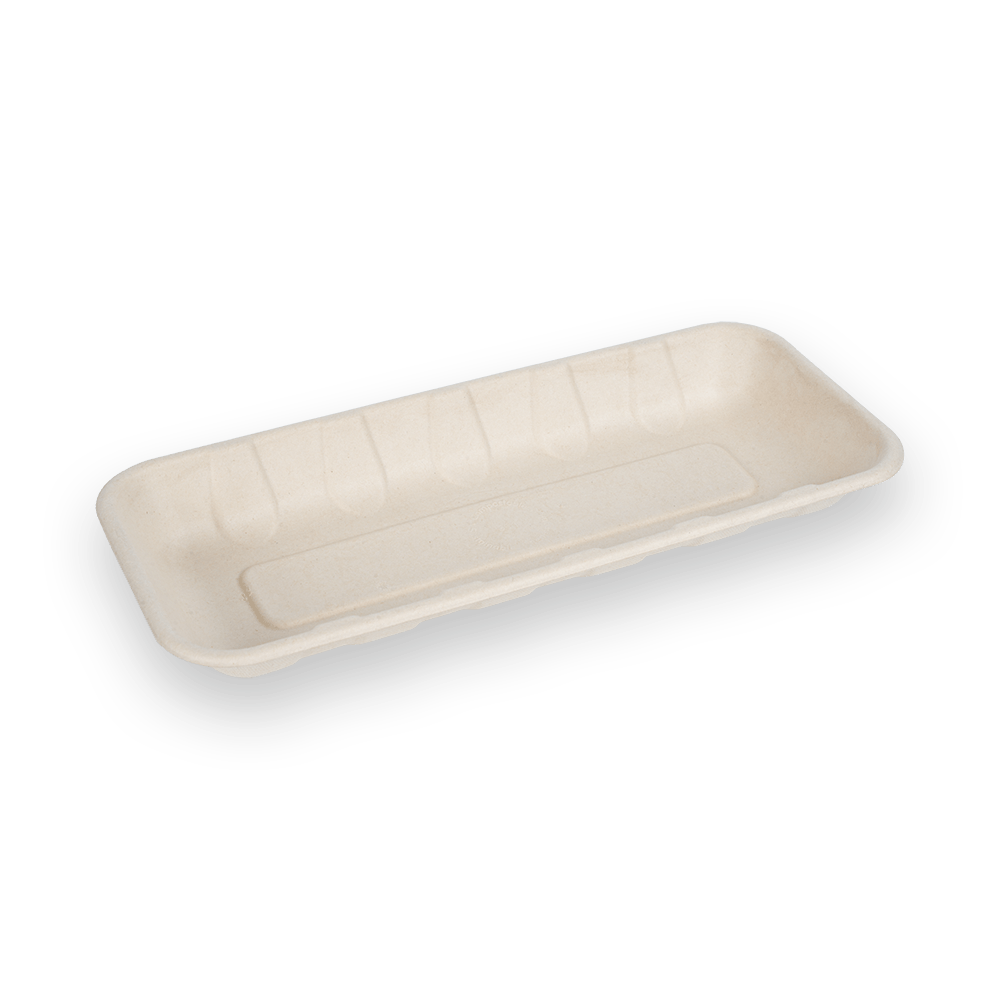
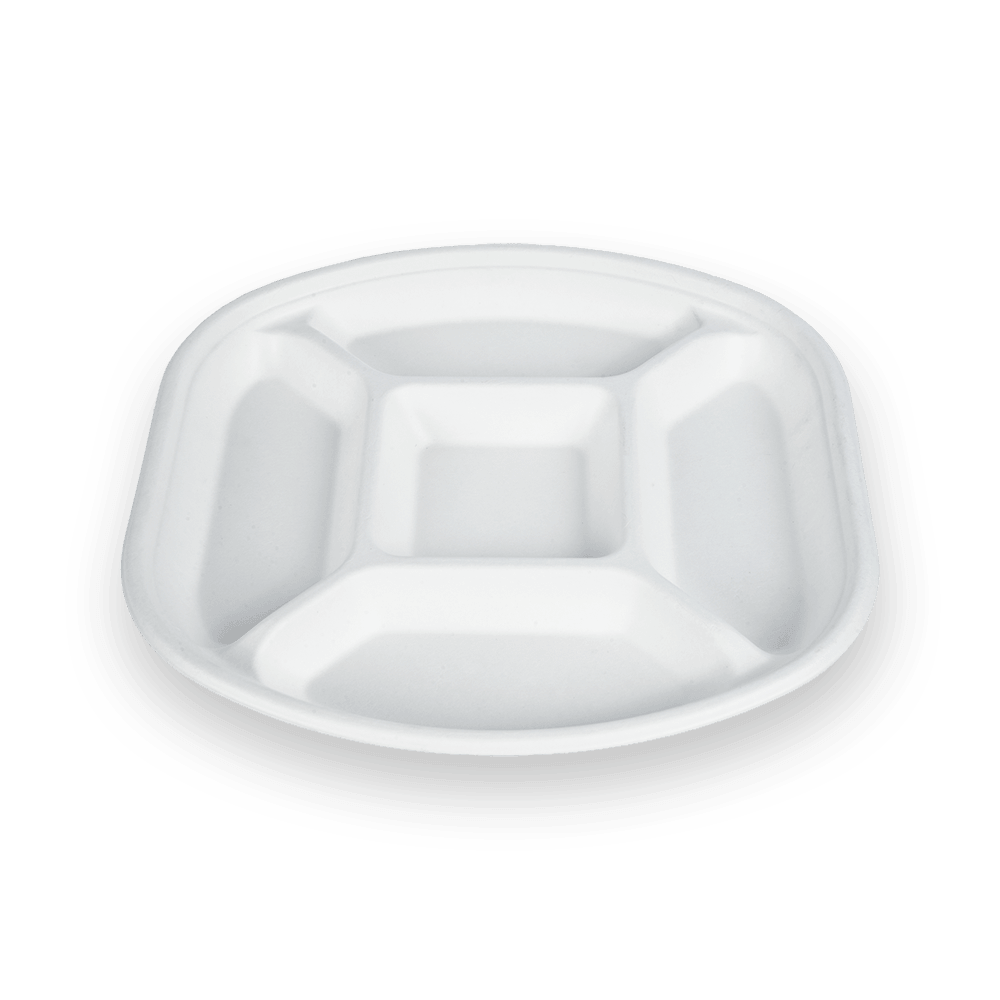

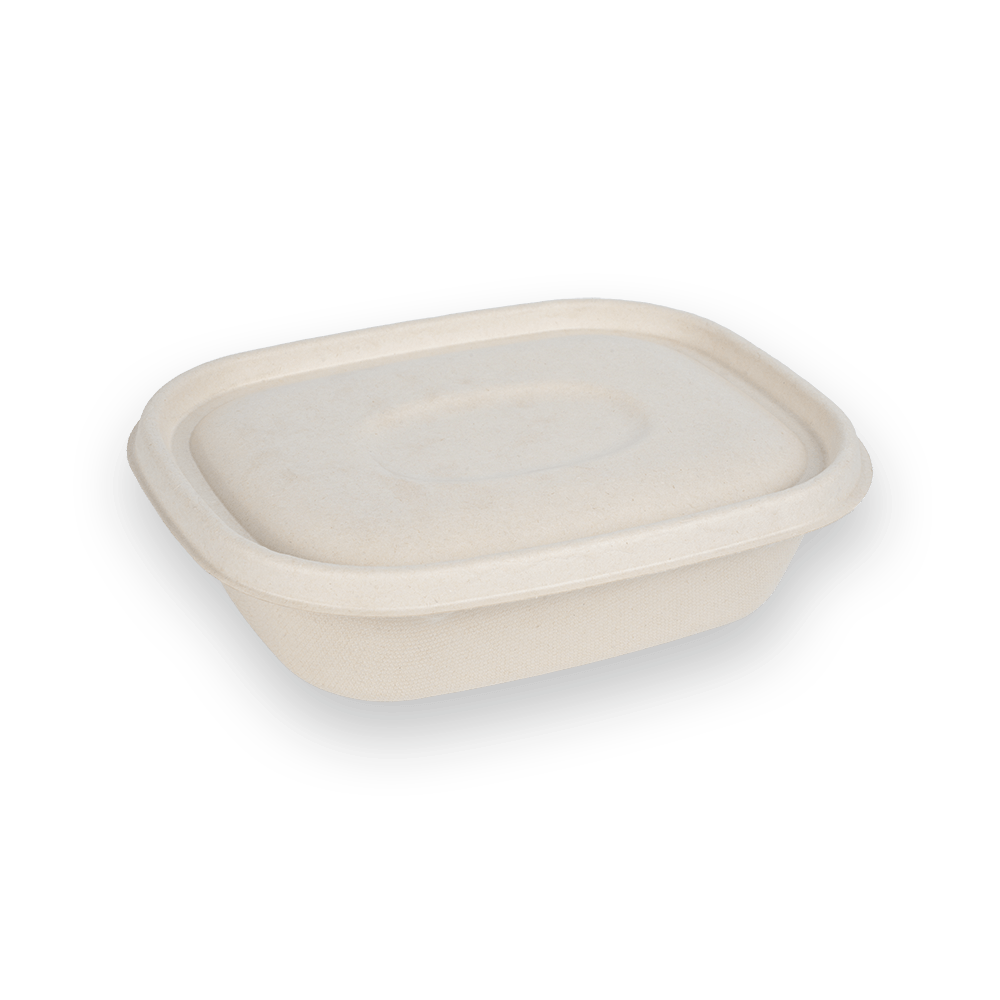
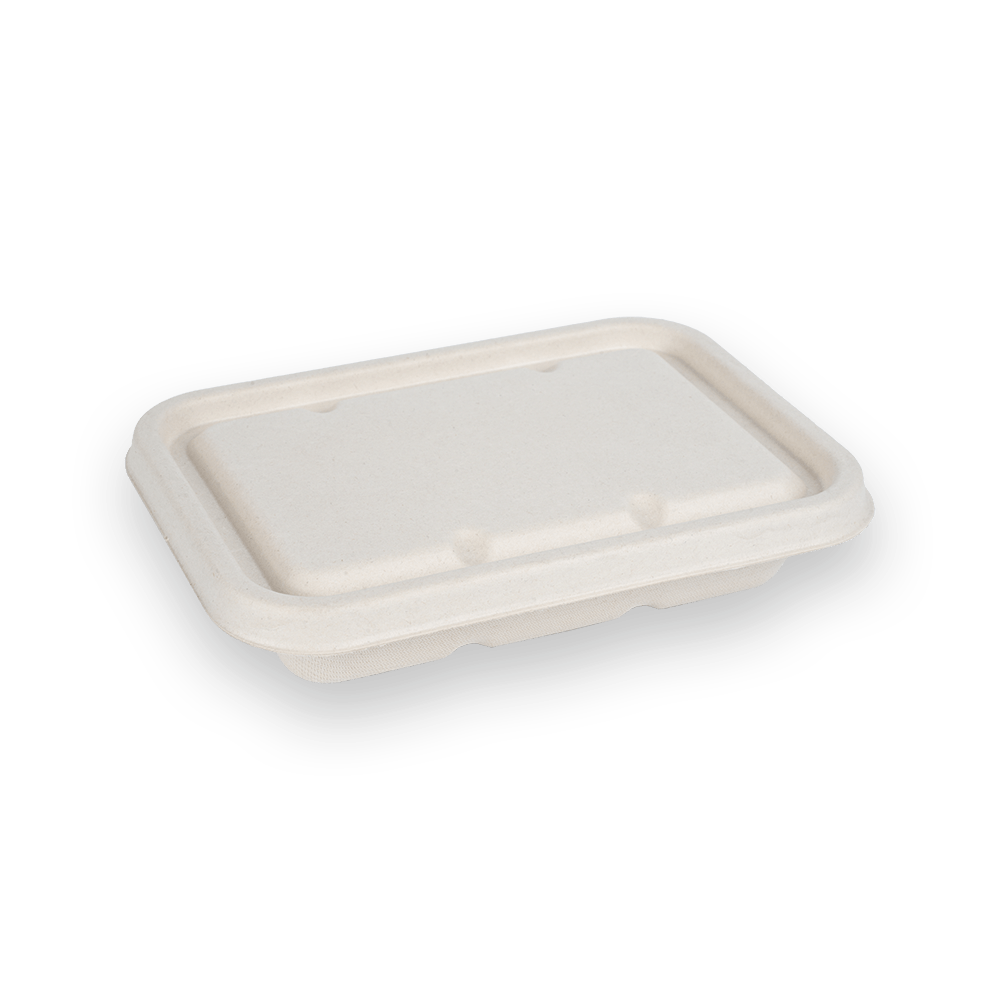

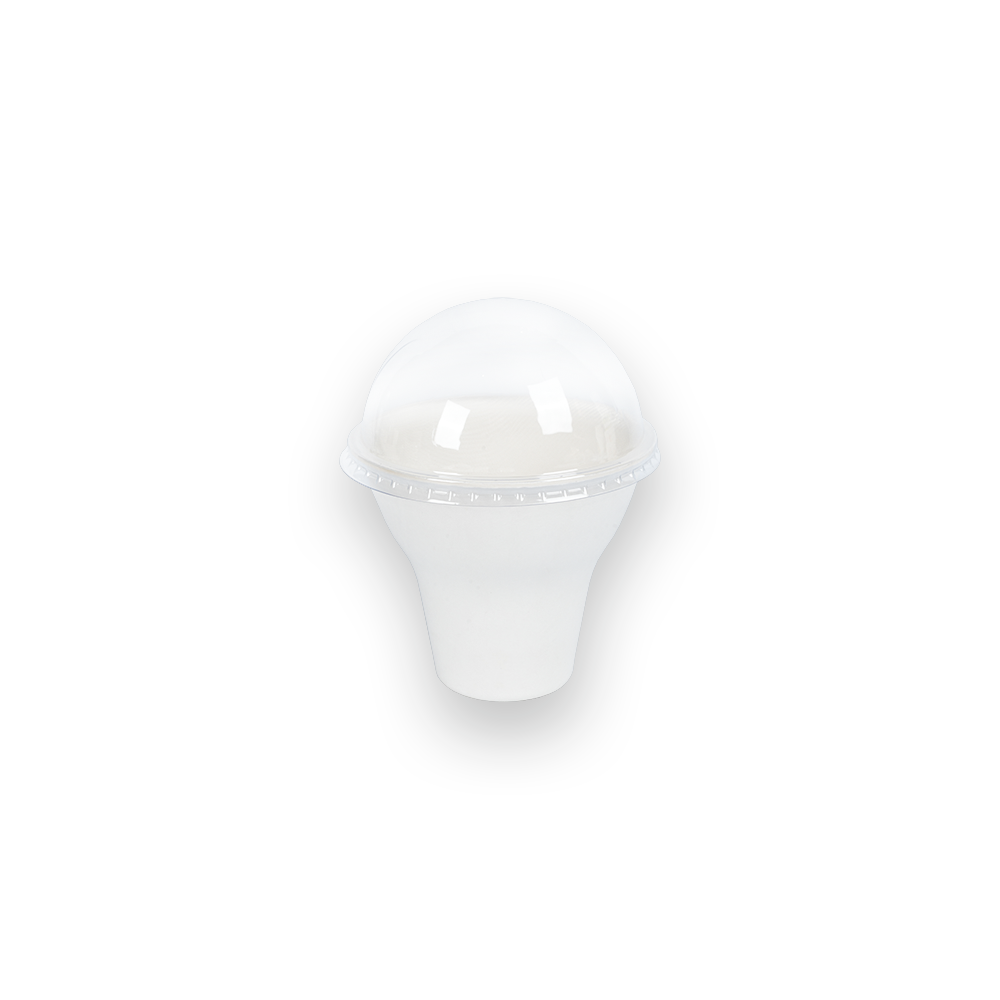
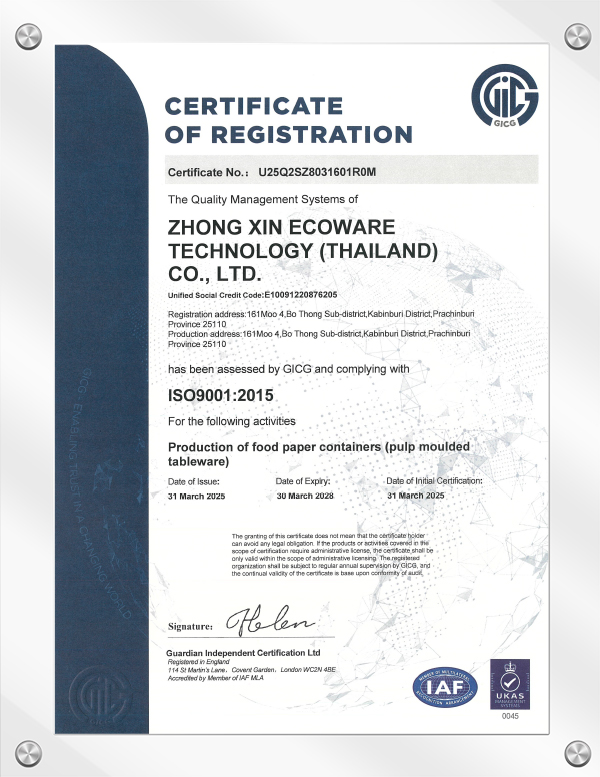
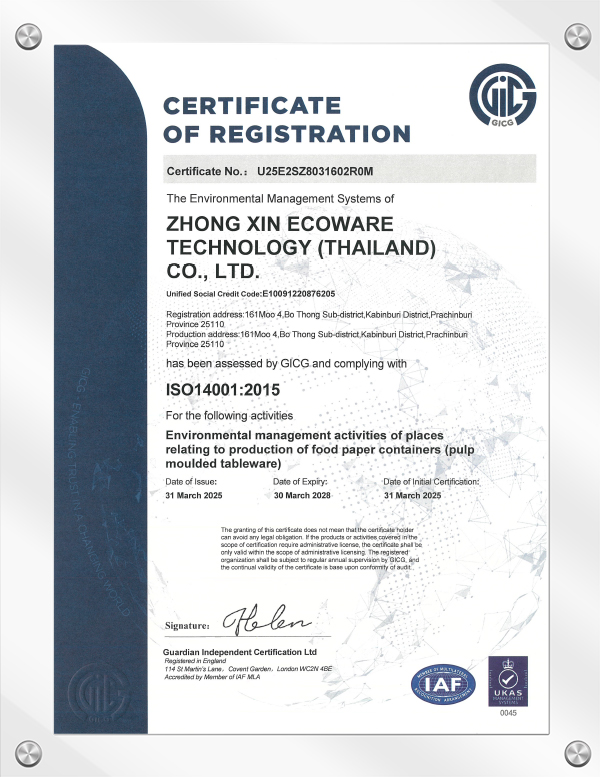
Zhong Xin Ecoware(Thailand) was registered on November 1, 2023, and officially began construction of the factory building in June 2024. At present, the first phase workshop of the factory has been fully completed and put into use. The second phase of the factory is being constructed intensively.
The landing and development of Zhong Xin in Thailand has brought a large amount of initial investment for land, factories, etc., and continuous operational investment for continuous equipment updates, technological upgrades, and capacity expansion.
Zhong Xin Ecoware(Thailand) has directly and indirectly created thousands of job opportunities, increased government revenue, promoted local economic development, cultivated local supply chains, provided systematic training for employees, improved the quality of local human capital, injected vitality into the local economy, enhanced industrial competitiveness, and ultimately improved residents' living standards.
Zhong Xin Ecoware(Thailand) actively collaborates with local pulp mills to explore new cooperation models for developing new products, improving production capacity and quality. At the same time, relying on Zhongxin's advanced production technology, process flow, management experience, and quality control system, it promotes the development of this industry in Thailand.

-
-
 +66-31240888
-
 161 Village No. 4, Bo Thong Subdistrict Kabin Buri District Prachinburi Province 25110
-
Are Bagasse Food Containers Safe for Hot Food and Takeout?
Nov 06,2026
-
Leakage and Heat Resistance: What Should Catering Buyers Test Before Ordering
Nov 06,2026
-
Can Compostable Packaging Go in the Compost Bin? Certification vs Facility Acceptance
Oct 31,2026
-
10-Inch Bagasse Plates: A Heavy-Duty Plate Sourcing Guide
Oct 31,2026
-
32oz Bagasse Bowls and PET Lids: A Sourcing Guide for Foodservice Buyers
Oct 31,2026
-
Does Custom Packaging Require New Molds, Artwork, or Testing
Oct 30,2026
-
Bagasse Cutlery Sets: A Sourcing Guide for Foodservice Buyers
Oct 29,2026
-
Can Paper Packaging Meet Retail Shelf and Branding Requirements
Oct 23,2026
-
Bagasse Cups and Cup Lids: A Sourcing Guide for Foodservice and Takeaway Buyers
Oct 20,2026
-
How to Find Zhong Xin at the 140th Canton Fair: A Visitor Navigation Guide
Oct 16,2026
-
Thailand vs China Bagasse Tableware: 8 Comparisons Buyers Should Verify
Oct 16,2026
-
Will Takeout Containers Fit Your Existing Lids and Delivery Workflow
Oct 16,2026
Copyright © 2025 Zhong Xin Ecoware Technology ( Thailand ) CO., LTD.
All Rights Reserved.

Biodegradable Disposable Bagasse Tableware Manufacturer