


 English
 Español
 ไทย
ไทย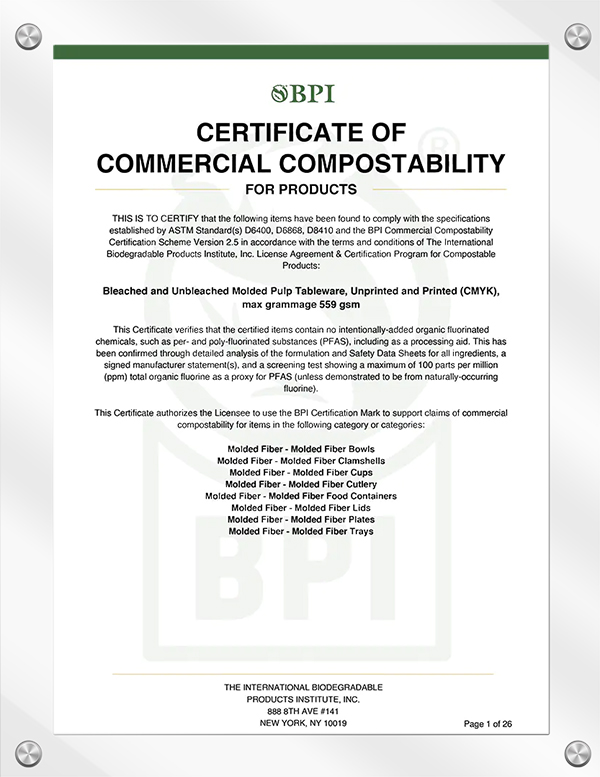
Published: October 16, 2026 How to Find Zhong Xin at the 140th Canton Fair: A Visitor Navigation Guide The 140th Canton...
READ MOREWelcome to Zhong Xin Ecoware Technology ( Thailand ) CO., LTD. Official Website
-
 [email protected]
-
 +66-31240888
PULP Coating products Factory
Through spraying technology, the product's stiffness and waterproof and oil-proof properties are improved.
-
 PULP CoatingCONTACT US
Our Story
Zhong Xin Ecoware Technology ( Thailand ) CO., LTD.
Zhong Xin Ecoware(Thailand) is a Thailand Wholesale PULP Coating products Manufacturer and OEM PULP Coating products Factory. Both the first and second phases of the Thailand plant have now been completed and put into production, bringing the site to an annual capacity of 100,000 tonnes. The plant is already supplying orders for customers in the United States.
The landing and development of Zhong Xin in Thailand has brought a large amount of initial investment for land, factories, etc., and continuous operational investment for continuous equipment updates, technological upgrades, and capacity expansion.
Zhong Xin Ecoware(Thailand) has directly and indirectly created thousands of job opportunities, increased government revenue, promoted local economic development, cultivated local supply chains, provided systematic training for employees, improved the quality of local human capital, injected vitality into the local economy, enhanced industrial competitiveness, and ultimately improved residents' living standards.
Zhong Xin Ecoware(Thailand) actively collaborates with local pulp mills to explore new cooperation models for developing new products, improving production capacity and quality. At the same time, relying on Zhongxin's advanced production technology, process flow, management experience, and quality control system, it promotes the development of this industry in Thailand.
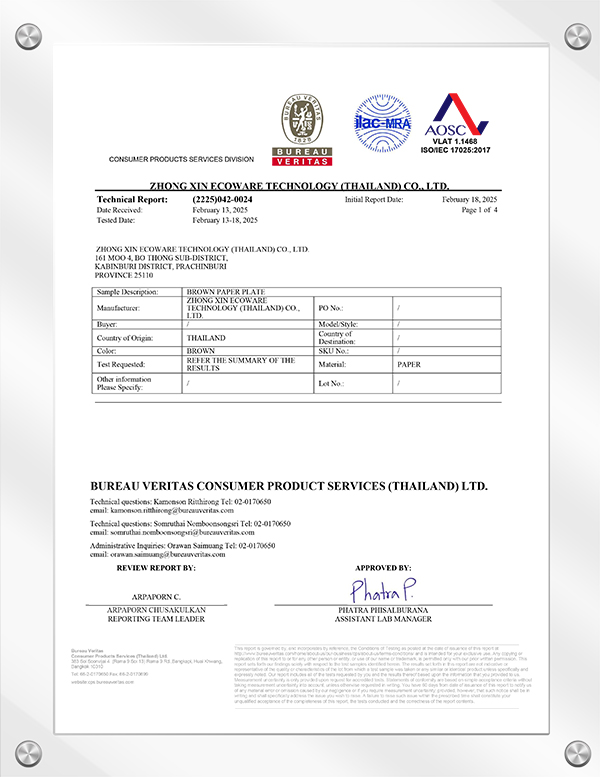
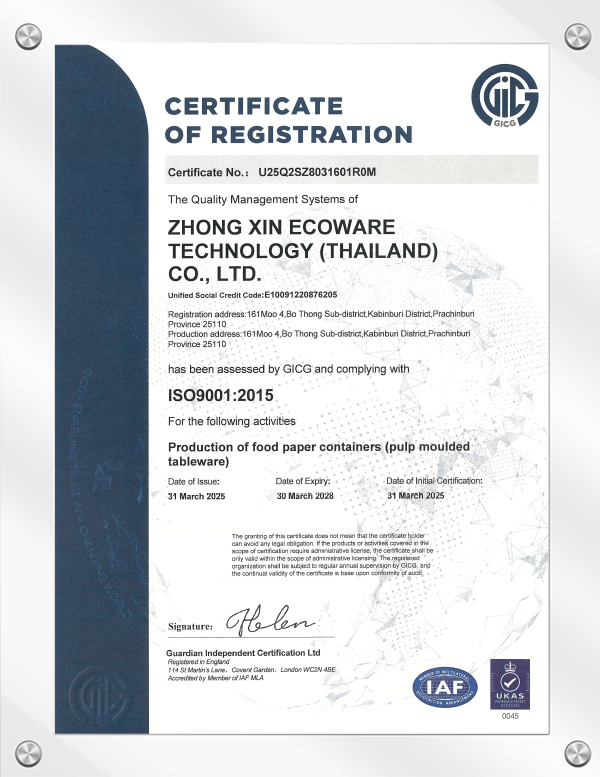
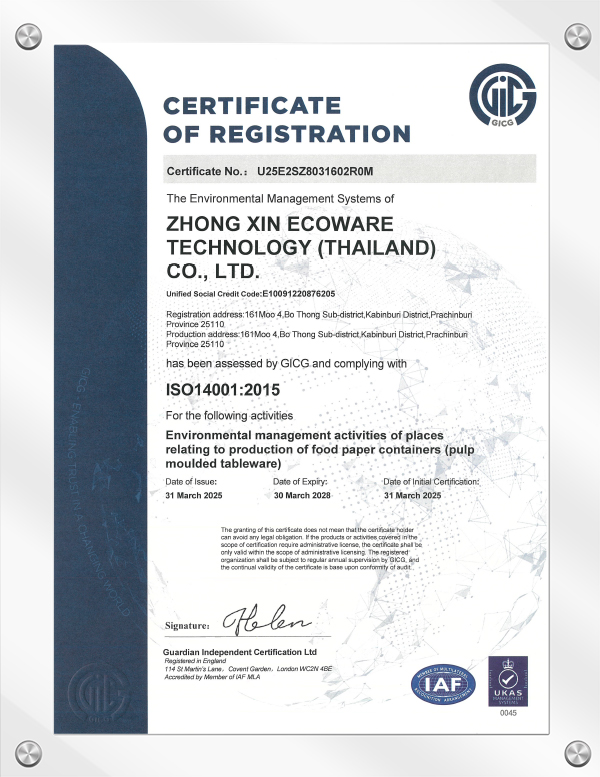
Certificate Of Honor
News & Events
-
-
Published: October 15, 2026 | By Zhong Xin Ecoware Technology (Thailand) Co., Ltd. Quick Summary: Thailand vs China Bag...
READ MORE -
Changing food packaging can affect more than the container itself. A lid that sits loosely, a box that occupies too much...
READ MORE -
Bagasse tableware is the molded fiber product range most buyers meet first and understand last. It looks like paper, per...
READ MORE


Industry Knowledge Extension
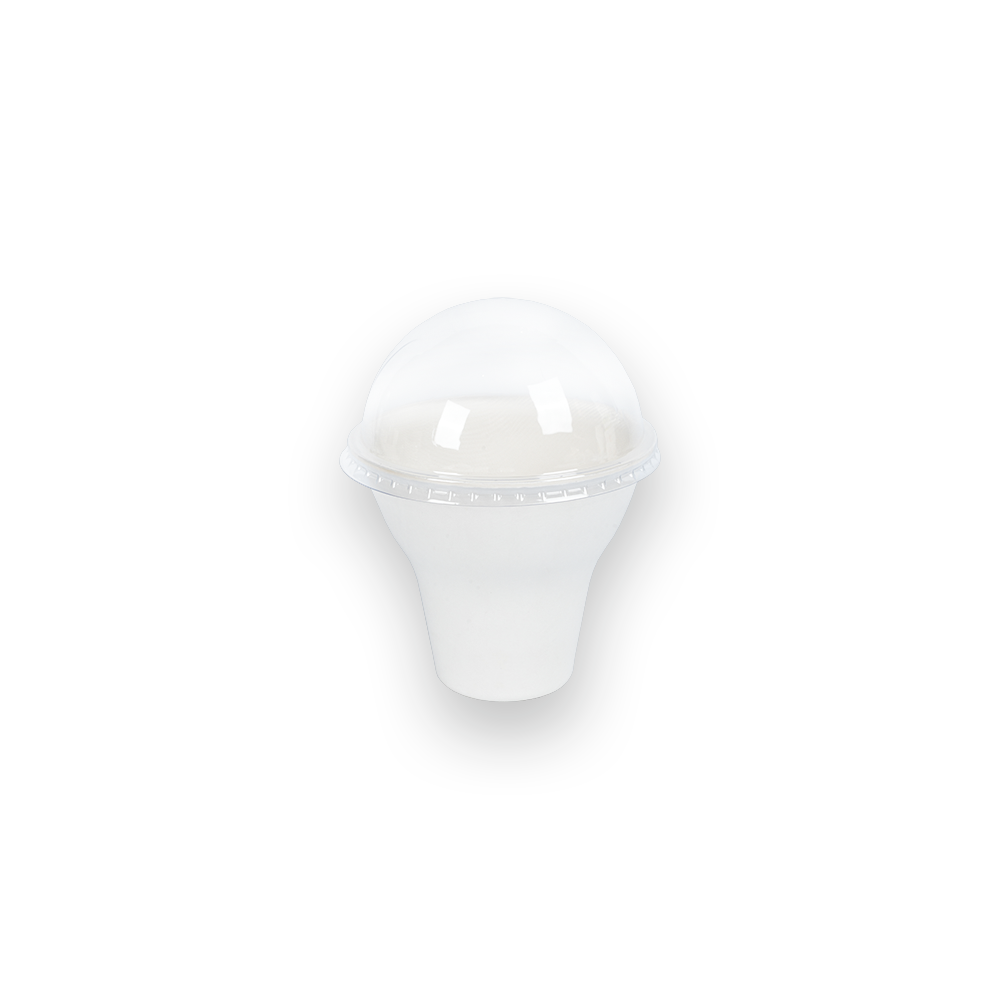
What is pulp coating tableware made from?
This tableware begins with a base of molded pulp, which is typically created from renewable resources such as bamboo, bagasse (sugarcane fiber), or recycled paperboard. This fibrous base is then coated with a thin layer of a biodegradable material. The coating is not the polyethylene plastic used in conventional disposable cups. Instead, it is often a bioplastic like polylactic acid (PLA), derived from corn starch, or a water-based bio-polymer. This combination aims to provide the sturdiness and insulation of pulp with the liquid resistance of a plastic liner, while remaining compostable.
Is it truly biodegradable and compostable?
The biodegradability of pulp coating tableware depends heavily on the specific materials used for both the pulp and the coating. For the product to be considered commercially compostable, the entire construction must break down in an industrial composting facility within a defined timeframe. Products that meet specific standards, such as ASTM D6400, and carry certifications from organizations like the Biodegradable Products Institute (BPI), offer assurance of this claim. It is important to verify these certifications, as not all pulp-based products with a coating will degrade effectively in home compost or natural environments.
How does it perform with hot and cold liquids?
The performance is generally adequate for typical use. The molded pulp base provides natural insulation, making the container more comfortable to hold when filled with a hot beverage or food than a thin plastic alternative. The bio-based coating is designed to prevent leakage and maintain the container's integrity for a duration suitable for consumption. However, the thermal tolerance may have limits, and extended contact with very hot contents could potentially affect the coating or the pulp structure over time.
How to choose a Pulp Paper Cup?
Verify Certifications: Prioritize cups that have independent, third-party certifications for compostability, such as BPI or OK Compost HOME. This provides a verified standard for the product's environmental claims and ensures both the pulp and the coating are designed to break down appropriately.
Assess the Coating Material: Inquire about the specific coating used. A PLA lining is common for cold drinks, but for hot beverages, check that the coating is rated for higher temperatures. Understanding the material helps predict performance and confirms the cup aligns with your sustainability requirements.
Evaluate Structural Integrity: Examine the cup's rigidity. It should feel sturdy in hand and resist deforming when squeezed. A well-constructed pulp cup will have sufficient wall thickness to provide insulation and prevent heat transfer, enhancing the user experience.
Confirm Functional Suitability: Match the cup to its intended application. Determine if it is designed for hot coffee, iced tea, or both. Using a cup outside its intended temperature range can failure, such as the coating softening or the cup itself becoming weak.
Source Responsibly: Consider the origin of the pulp. Look for products that use pulp from sustainably managed sources, such as FSC-certified forests, or from agricultural by-products like bagasse. This adds another layer of environmental consideration to the purchasing decision.
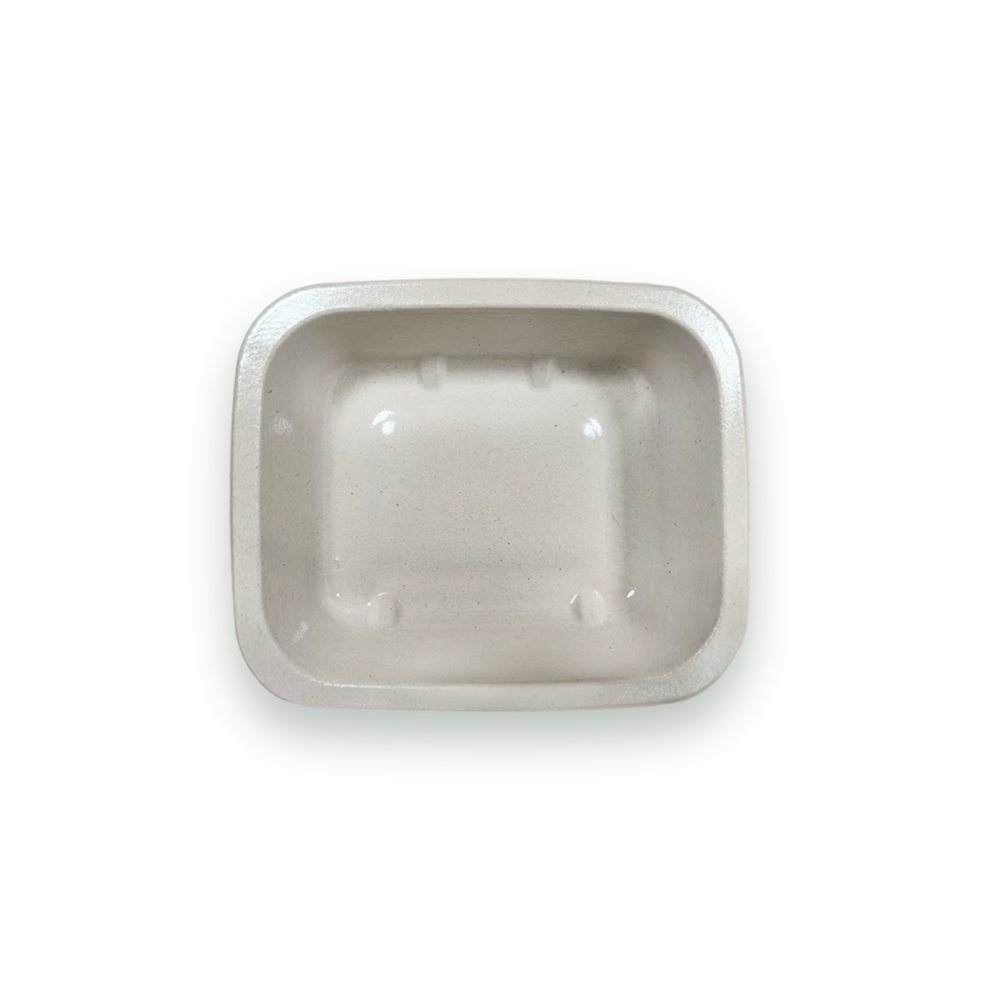
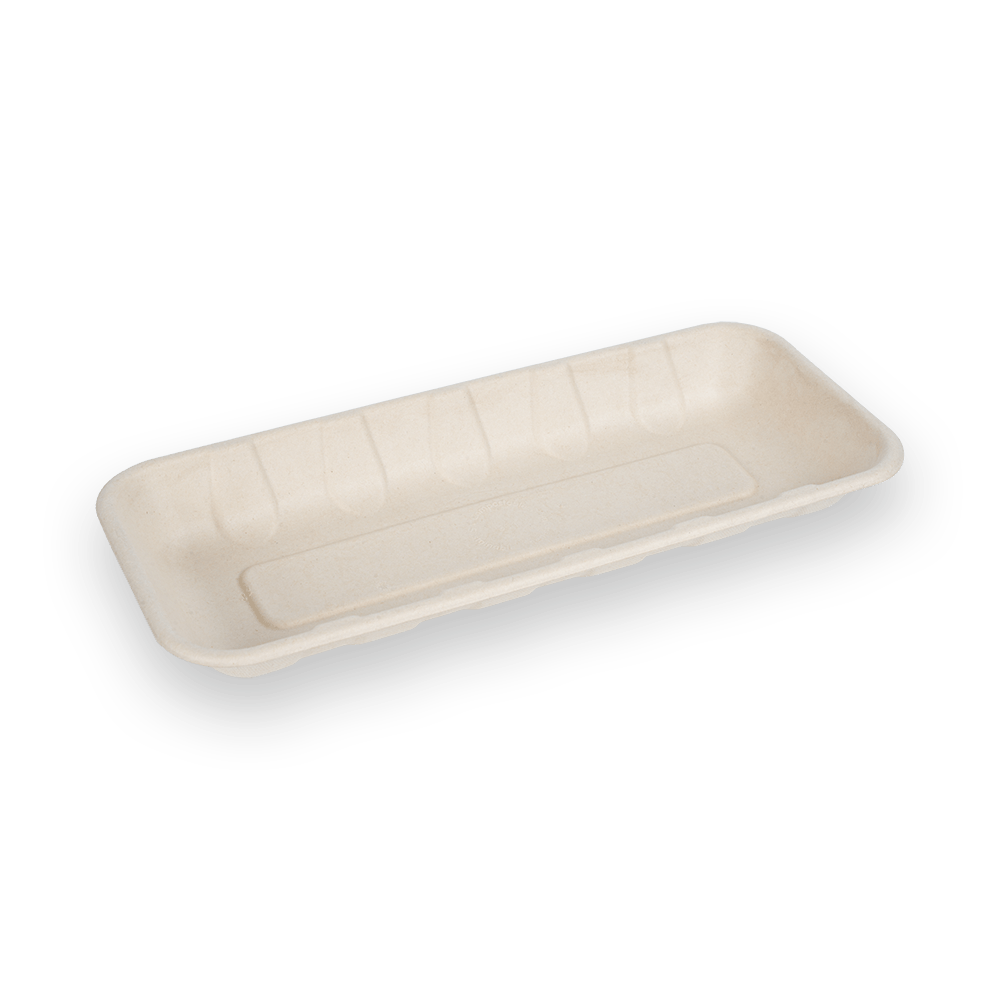
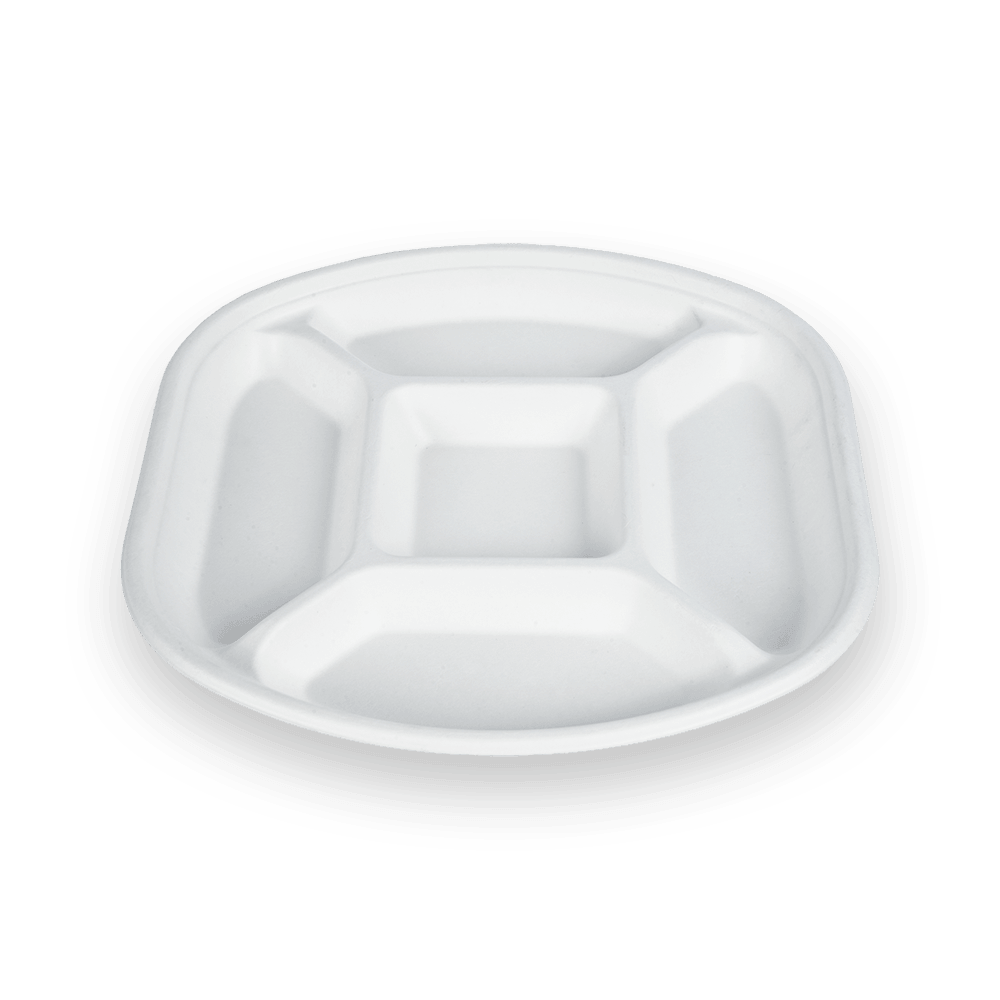
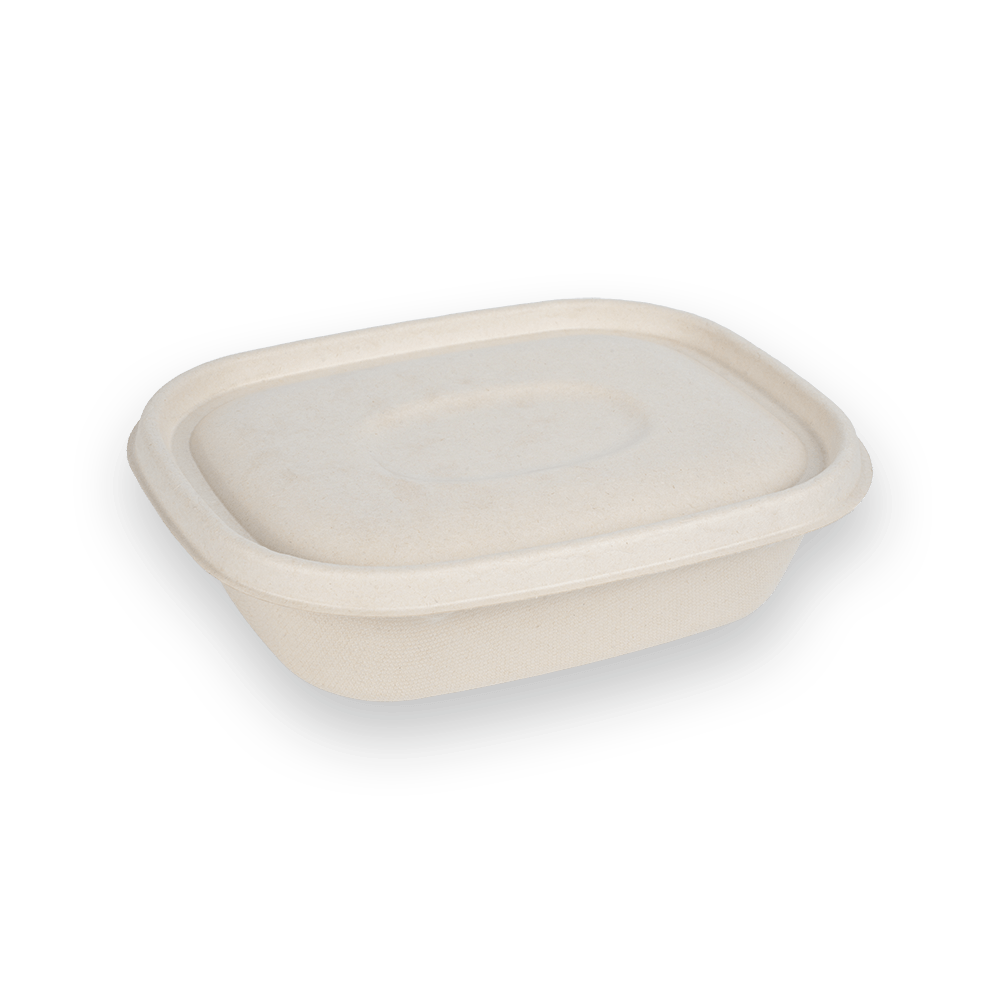
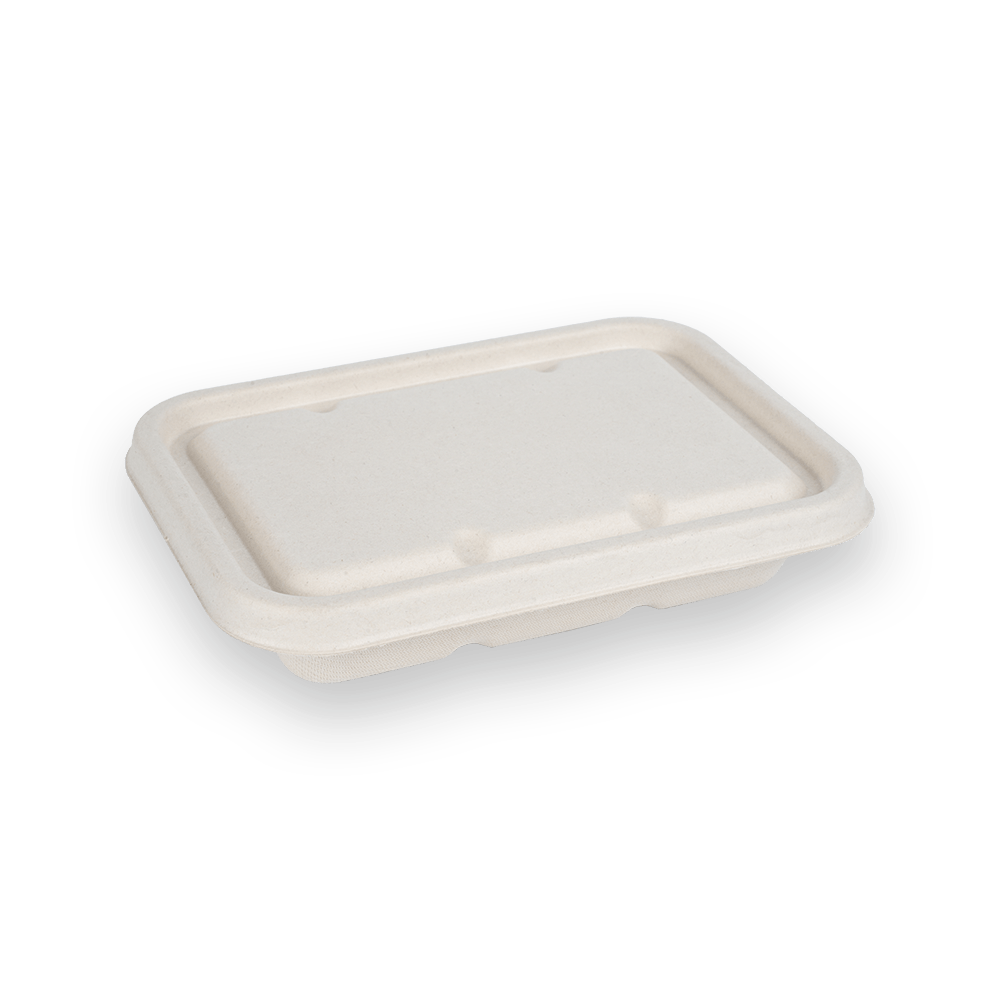
Why is a Pulp Coating Food Container a good choice?
A pulp coating food container represents a considered middle ground between conventional plastics and uncoated paper products, offering a balance of functional and environmental characteristics. The molded pulp base, often derived from rapidly renewable or recycled materials, provides a sturdy and insulating structure that can protect food during transport. This inherent rigidity helps prevent crushing, which is a common issue with thinner plastic or foil containers. The addition of a biodegradable coating addresses the primary weakness of plain pulp: its permeability. This layer effectively blocks moisture and grease, preventing sauces from seeping through and causing the container to become soggy and fail.
From an environmental perspective, the value of this container is realized when it is disposed of in a compatible waste stream. Unlike a plastic-coated paper container that contaminates recycling and persists in landfills, a certified compostable pulp coating container can be processed in an industrial composting facility. Here, both the pulp and its specialized coating are designed to break down into organic matter, contributing to a circular system rather than creating long-term waste. This provides a practical end-of-life option that aligns with waste reduction goals.
For businesses, these containers present a tangible demonstration of a commitment to sustainable practices. They offer the convenience of disposable packaging while mitigating the environmental impact associated with traditional plastics. The natural, matte finish of the pulp also provides a distinct aesthetic that many consumers associate with eco-friendly values. Therefore, the choice of a pulp coating container is not merely about disposal, but about selecting a product that fulfills a practical need while supporting a broader approach to resource management.
Start Now
Get Quotation & Sample In 24h
Send us your product size, quantity, structure requirements, we will
reply the proposal and quotation within 24 hours, support sample proofing

-
-
 +66-31240888
 -
 161 Village No. 4, Bo Thong Subdistrict Kabin Buri District Prachinburi Province 25110
Quick Links
Product Categories
News & Events
-
How to Find Zhong Xin at the 140th Canton Fair: A Visitor Navigation Guide
Oct 16,2026
-
Thailand vs China Bagasse Tableware: 8 Comparisons Buyers Should Verify
Oct 16,2026
-
Will Takeout Containers Fit Your Existing Lids and Delivery Workflow
Oct 16,2026
-
What Is Bagasse Tableware? A 2026 Buyer Guide to Material, Performance and Documents
Oct 13,2026
-
Bagasse Tray Wholesale: How Bulk Buyers Cut Cost with Carton and Container Planning
Oct 09,2026
-
What Should a Bagasse Manufacturer Include in a Bulk Order Quote
Oct 09,2026
-
FOB, CIF or DDP? Incoterms for Bagasse Tableware Buyers Shipping from Thailand
Oct 06,2026
-
Packaging or Food Contact? Which EU Regime Applies to Bagasse Cups, Bowls, Plates and Cutlery
Oct 06,2026
-
Compostable Cutlery Sets for Private Label: 7 Sourcing Checks for Retail and Foodservice Buyers
Oct 06,2026
-
US vs EU Bagasse Tableware Imports: 8 Documentation and Compliance Checks Buyers Should Run
Oct 06,2026
-
How to Prepare a Bagasse Tableware Import: 10 Readiness Checks for US and EU Buyers
Oct 06,2026
-
Beyond Plates: Which Foods Suit Bagasse Tableware
Oct 02,2026
Copyright © 2025 Zhong Xin Ecoware Technology ( Thailand ) CO., LTD.
All Rights Reserved.

PULP Coating products Wholesale