


 English
 Español
 ไทย
ไทย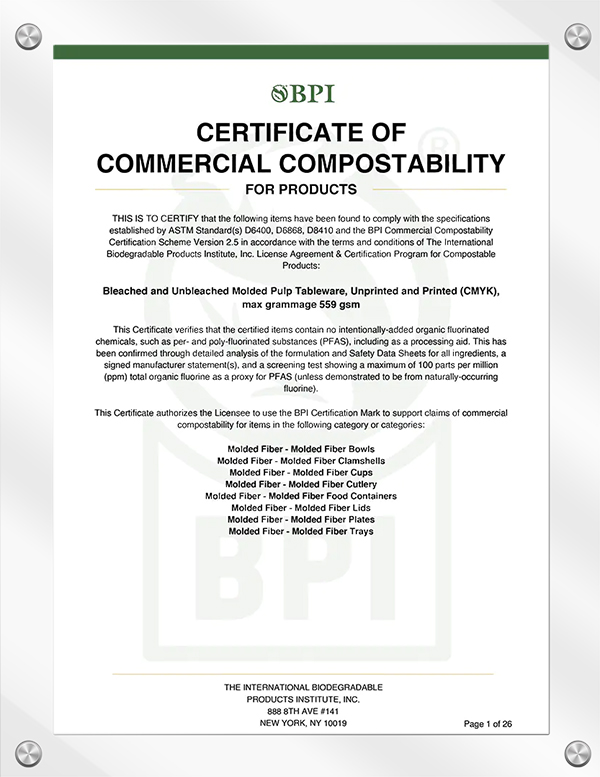
Published: October 16, 2026 How to Find Zhong Xin at the 140th Canton Fair: A Visitor Navigation Guide The 140th Canton...
READ MOREWelcome to Zhong Xin Ecoware Technology ( Thailand ) CO., LTD. Official Website
-
 [email protected]
-
 +66-31240888
Disposable Paper Box Factory
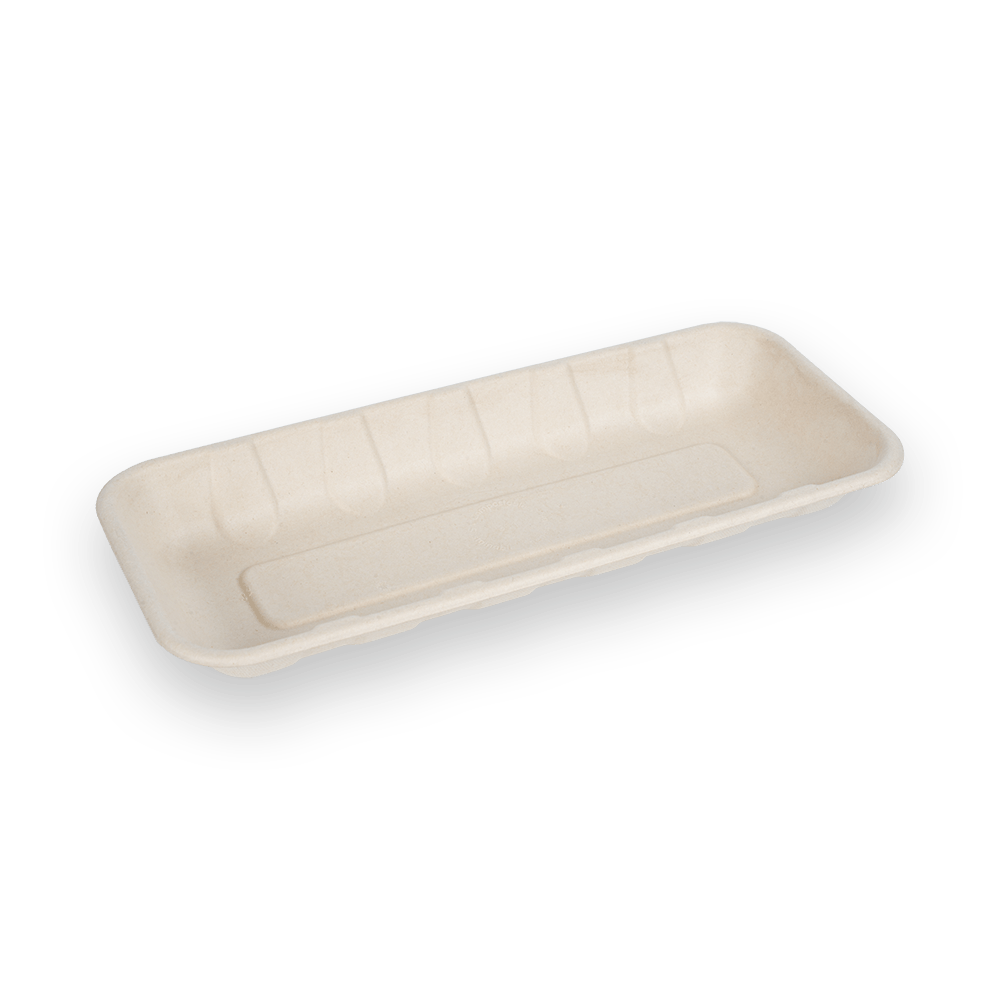
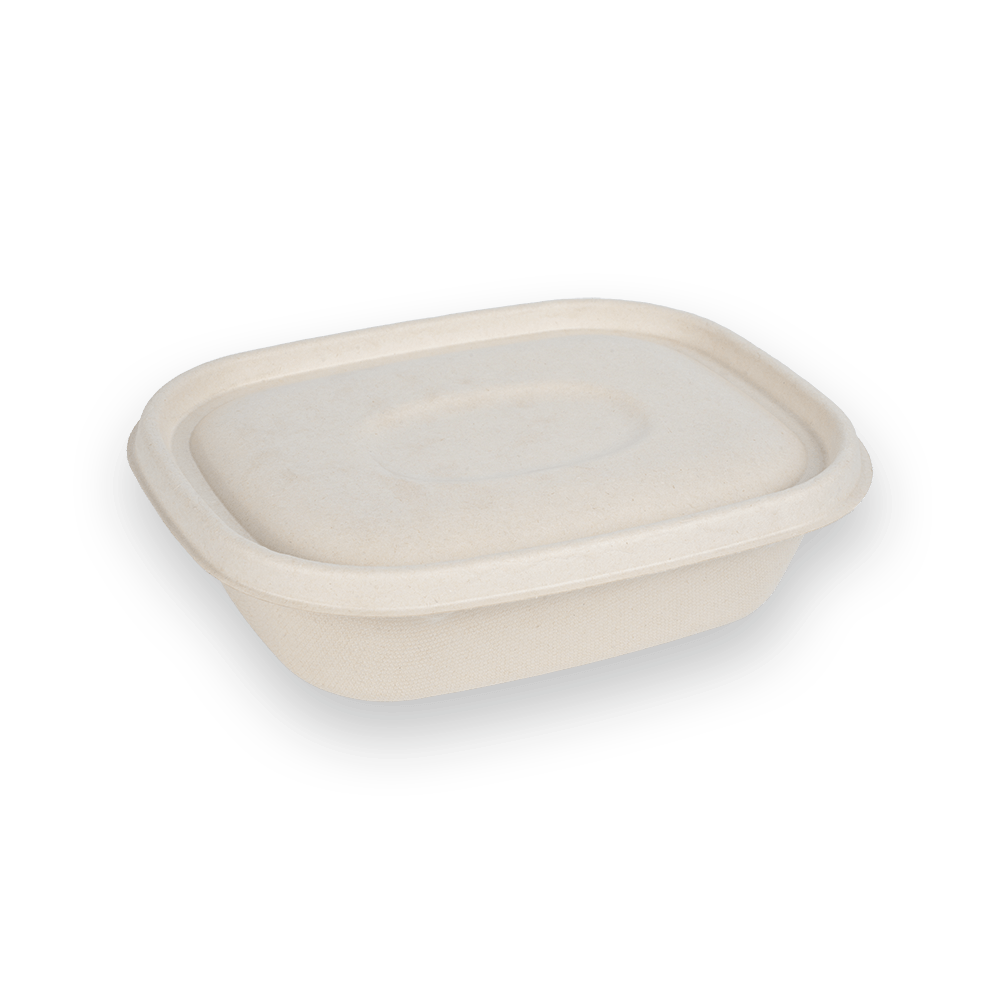
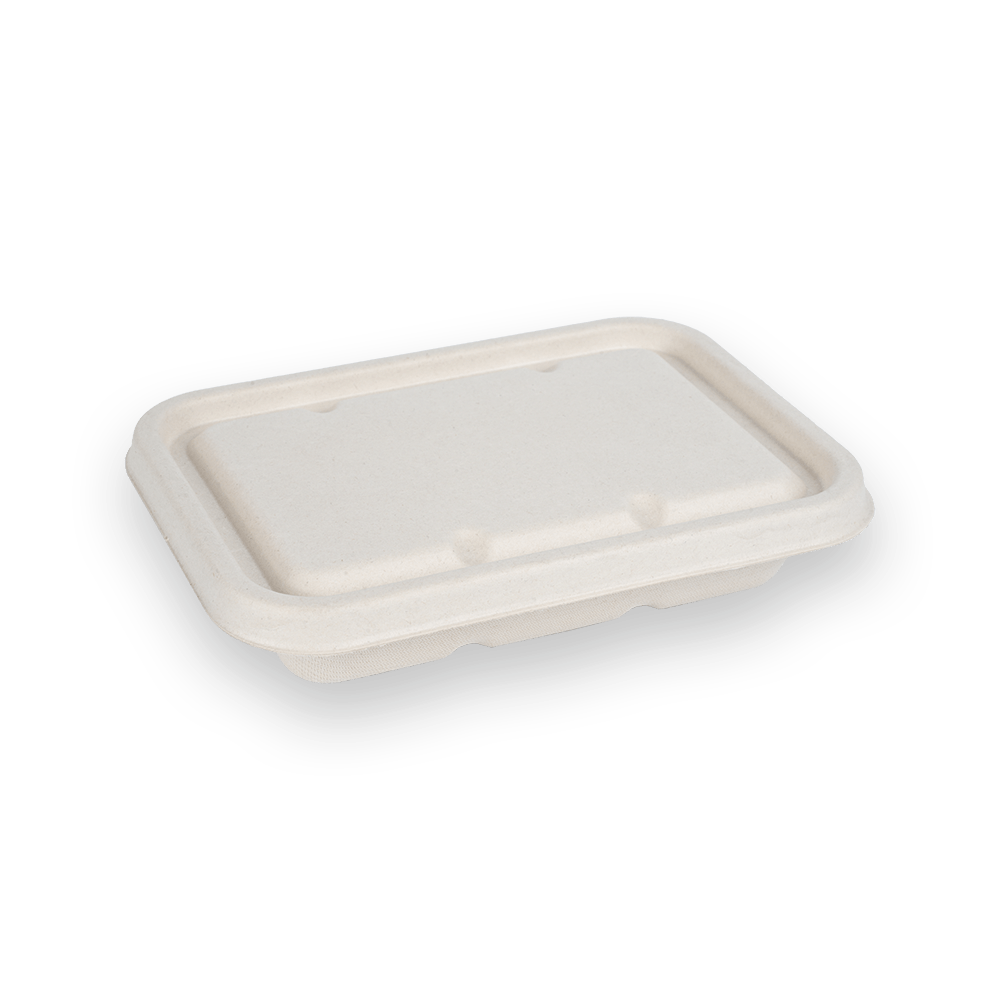
Disposable paper boxes are widely used in food packaging due to their versatility, hygiene, and presentation qualities. They are commonly used for packaging bakery items, fast food, takeaway meals, and even gifts. The interior often features a food-safe coating that helps resist oil and moisture, ensuring that the box maintains its structure. With options such as window cutouts, foldable lids, or compartments, paper boxes can be tailored to enhance user convenience. These packaging solutions are lightweight, easy to stack, and space-efficient. Their recyclable nature also supports environmentally conscious packaging efforts.
information to be updated
Our Story
Zhong Xin Ecoware Technology ( Thailand ) CO., LTD.
Zhong Xin Ecoware(Thailand) is a Thailand Wholesale Disposable Paper Box Manufacturer and OEM Disposable Paper Box Factory. Both the first and second phases of the Thailand plant have now been completed and put into production, bringing the site to an annual capacity of 100,000 tonnes. The plant is already supplying orders for customers in the United States.
The landing and development of Zhong Xin in Thailand has brought a large amount of initial investment for land, factories, etc., and continuous operational investment for continuous equipment updates, technological upgrades, and capacity expansion.
Zhong Xin Ecoware(Thailand) has directly and indirectly created thousands of job opportunities, increased government revenue, promoted local economic development, cultivated local supply chains, provided systematic training for employees, improved the quality of local human capital, injected vitality into the local economy, enhanced industrial competitiveness, and ultimately improved residents' living standards.
Zhong Xin Ecoware(Thailand) actively collaborates with local pulp mills to explore new cooperation models for developing new products, improving production capacity and quality. At the same time, relying on Zhongxin's advanced production technology, process flow, management experience, and quality control system, it promotes the development of this industry in Thailand.
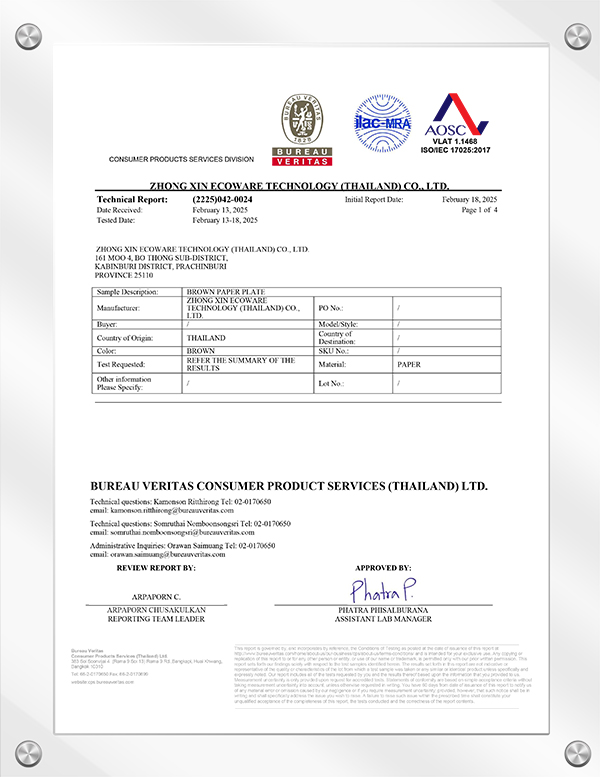
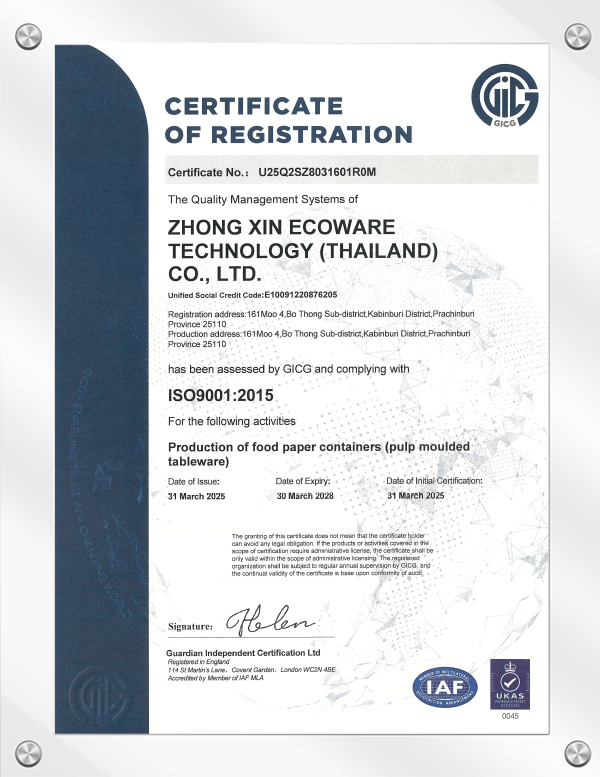
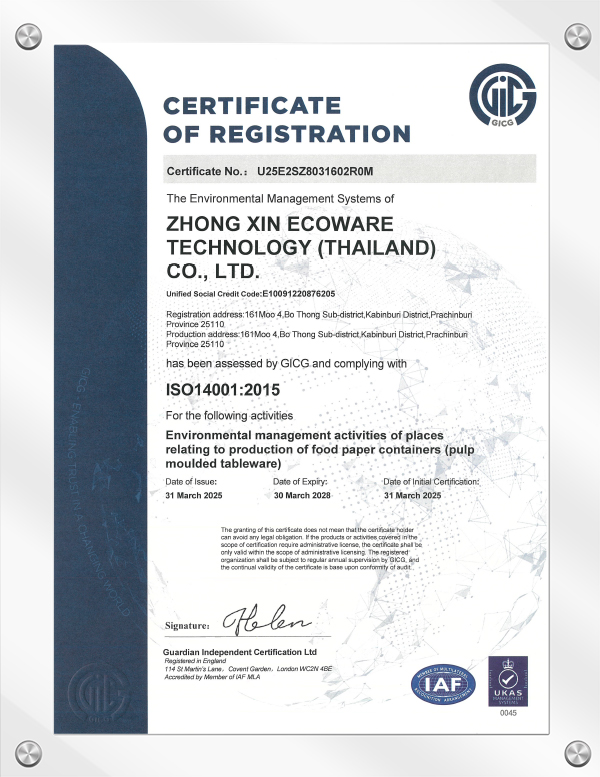
Certificate Of Honor
News & Events
-
-
Published: October 15, 2026 | By Zhong Xin Ecoware Technology (Thailand) Co., Ltd. Quick Summary: Thailand vs China Bag...
READ MORE -
Changing food packaging can affect more than the container itself. A lid that sits loosely, a box that occupies too much...
READ MORE -
Bagasse tableware is the molded fiber product range most buyers meet first and understand last. It looks like paper, per...
READ MORE



Industry Knowledge Extension
What are the future development trends of Disposable Paper Boxes?
The development of disposable paper boxes is increasingly directed toward enhancing their sustainability and functional performance. A prominent trend involves the innovation of barrier coatings. The industry is moving away from traditional plastic linings toward next-generation biodegradable and compostable barriers. These include coatings derived from algae, chitosan, or other bio-polymers that can effectively repel water, oil, and grease while ensuring the entire package can be processed in industrial composting facilities, creating a truly circular end-of-life pathway.
Another trend focuses on material diversification and smart design. While virgin paperboard remains common, there is a growing shift toward using agricultural waste fibers, such as bagasse, wheat straw, and bamboo, which utilize existing by-products. Furthermore, packaging design is becoming more intelligent. This includes the incorporation of easy-to-separate layers to facilitate recycling, the use of functional coatings that can indicate temperature changes or spoilage, and designs that optimize material use to reduce waste without compromising structural integrity.
The integration of digital technology is emerging. This can involve printing QR codes or digital links on the packaging to provide consumers with detailed information about proper disposal, the product's supply chain, or recycling options. This helps to combat the issue of consumer confusion and ensures the packaging ends up in the correct waste stream. The overarching aim of these trends is to create paper boxes that are not merely disposable, but are part of a functional, efficient, and responsible material lifecycle.
Where are Disposable Paper Lunch Boxes commonly used?
Disposable paper lunch boxes are a staple across a diverse range of food service environments due to their practicality. A primary application is in the quick-service and takeaway sector. Restaurants, cafes, and food stalls rely on these containers for packaging meals for off-premise consumption. Their insulating properties, relative sturdiness, and ability to be easily customized with branding make them a standard choice for everything from sandwiches and salads to hot meals.
They are also extensively used in institutional catering. Schools, corporate cafeterias, hospitals, and correctional facilities employ these boxes for large-scale meal distribution. The efficiency of providing a pre-packaged meal simplifies service, reduces the need for washing infrastructure, and allows for easy distribution in settings where time and logistics are constrained. In such environments, they can also be used to provide standardized portion control.
Beyond commercial and institutional use, these lunch boxes are common at events and for home use. They are a practical solution for picnics, parties, festivals, and corporate events where reusable options are impractical. For home kitchens, consumers often purchase them for easy lunch packing, leftover storage, or for hosting gatherings. Their role in facilitating food distribution in virtually any setting where convenience and portability are priorities underscores their widespread utility in contemporary society.
What is the significance of Disposable Paper Food Packaging?
The significance of disposable paper food packaging extends beyond mere convenience to encompass economic, environmental, and public health dimensions. From an economic perspective, it enables the efficient functioning of the modern food-to-go economy. It allows restaurants to serve a high volume of takeaway and delivery customers without the logistical and cost burdens associated with reusable dishware, thus supporting business models that rely on speed and scalability.
Environmentally, while not without challenges, paper packaging presents a different profile than plastic alternatives. As a material, paper is derived from a renewable resource and is widely recyclable and biodegradable under the right conditions. This positions it as a participant in discussions about reducing plastic pollution and moving toward a circular economy, particularly as innovations in compostable coatings and recycled content continue to evolve.
A often overlooked but critical significance lies in the realm of hygiene and food safety. Disposable paper containers provide a sterile, single-use barrier that helps prevent cross-contamination between workers, consumers, and food products. This is particularly important in settings like hospitals, large-scale events, and delivery services, where controlling foodborne illness is a priority. By ensuring that food is contained in a clean, dedicated vessel, this packaging plays a role in maintaining public health standards.
Start Now
Get Quotation & Sample In 24h
Send us your product size, quantity, structure requirements, we will
reply the proposal and quotation within 24 hours, support sample proofing

-
-
 +66-31240888
 -
 161 Village No. 4, Bo Thong Subdistrict Kabin Buri District Prachinburi Province 25110
Quick Links
Product Categories
News & Events
-
How to Find Zhong Xin at the 140th Canton Fair: A Visitor Navigation Guide
Oct 16,2026
-
Thailand vs China Bagasse Tableware: 8 Comparisons Buyers Should Verify
Oct 16,2026
-
Will Takeout Containers Fit Your Existing Lids and Delivery Workflow
Oct 16,2026
-
What Is Bagasse Tableware? A 2026 Buyer Guide to Material, Performance and Documents
Oct 13,2026
-
Bagasse Tray Wholesale: How Bulk Buyers Cut Cost with Carton and Container Planning
Oct 09,2026
-
What Should a Bagasse Manufacturer Include in a Bulk Order Quote
Oct 09,2026
-
FOB, CIF or DDP? Incoterms for Bagasse Tableware Buyers Shipping from Thailand
Oct 06,2026
-
Packaging or Food Contact? Which EU Regime Applies to Bagasse Cups, Bowls, Plates and Cutlery
Oct 06,2026
-
Compostable Cutlery Sets for Private Label: 7 Sourcing Checks for Retail and Foodservice Buyers
Oct 06,2026
-
US vs EU Bagasse Tableware Imports: 8 Documentation and Compliance Checks Buyers Should Run
Oct 06,2026
-
How to Prepare a Bagasse Tableware Import: 10 Readiness Checks for US and EU Buyers
Oct 06,2026
-
Beyond Plates: Which Foods Suit Bagasse Tableware
Oct 02,2026
Copyright © 2025 Zhong Xin Ecoware Technology ( Thailand ) CO., LTD.
All Rights Reserved.

Disposable Paper Box Wholesale