-
 [email protected]
-
 +66-31240888



 English
 Español
 ไทย
ไทยWill Takeout Containers Fit Your Existing Lids and Delivery Workflow
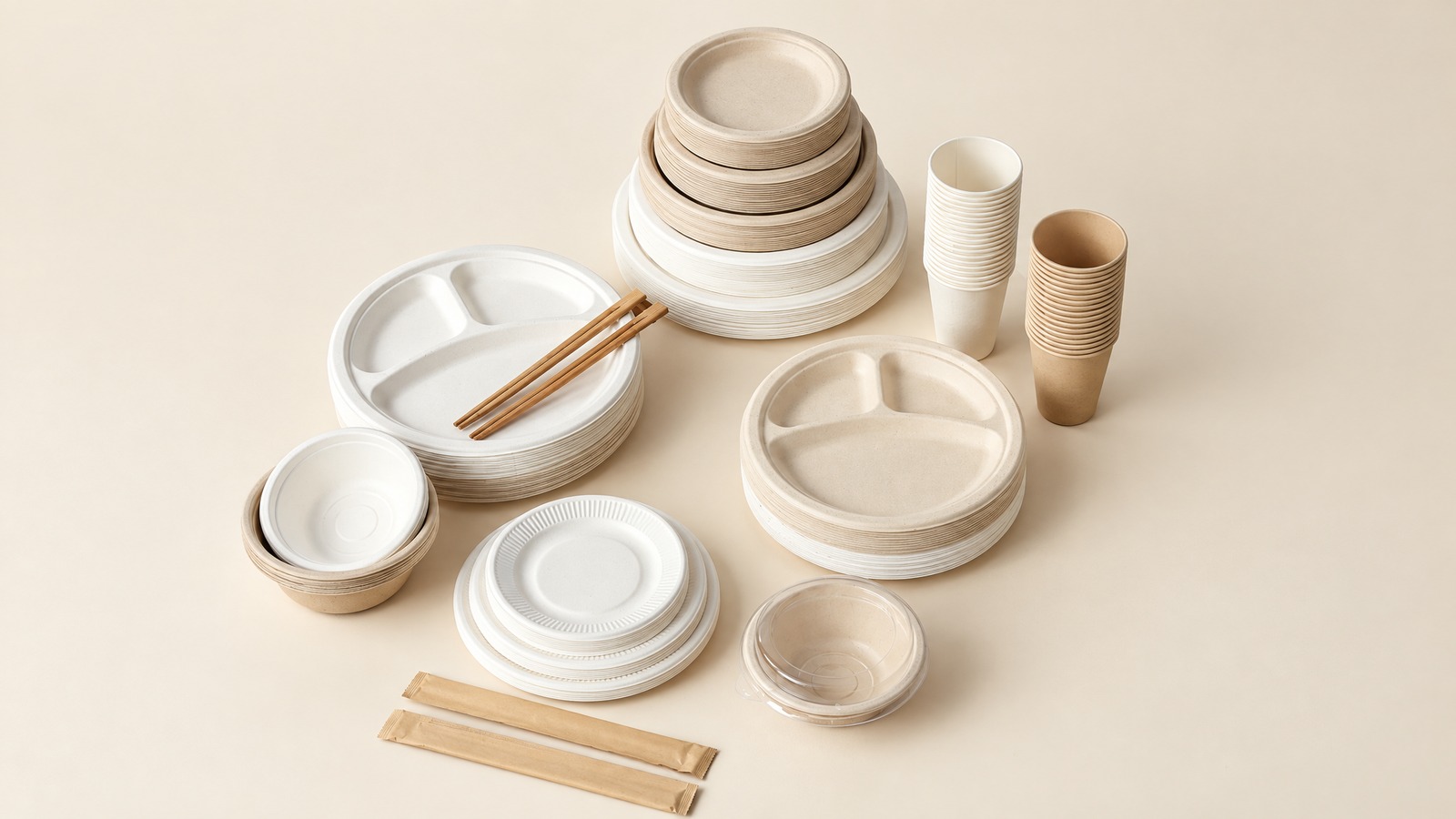
Changing food packaging can affect more than the container itself. A lid that sits loosely, a box that occupies too much space, or a package that is difficult to close during busy service can disrupt restaurant operations and increase the risk of spills. At Zhong Xin Ecoware Technology (Thailand) Co., Ltd., we recommend checking container compatibility and delivery requirements before approving a new packaging order.
Businesses considering biodegradable to go food containers should evaluate dimensions, closure design, food portions, stacking arrangements, and transport conditions together. This approach helps purchasing teams determine whether a new package can work with their existing equipment and daily service procedures.
Quick Summary
- Lid compatibility: Match the exact container model and lid design rather than relying on capacity alone.
- Portion fit: Check food height, usable depth, and compartment dimensions.
- Closure performance: Test the package after filling and closing it.
- Delivery handling: Assess stacking, bag dimensions, and movement during transport.
- Purchasing requirements: Confirm carton quantities, product specifications, and sample availability before bulk ordering.
1. Match the Lid to the Exact Container Model
Two food containers may have similar external dimensions but different rim profiles, corner shapes, or closure structures. These differences can affect how a lid sits on the base. Capacity alone does not establish compatibility.
Measurements worth checking
- External length and width at the rim.
- Rim profile, corner radius, and lid engagement points.
- Container depth and usable internal space.
- Hinge position and closure structure for clamshell designs.
- Lid material, rigidity, and intended application.
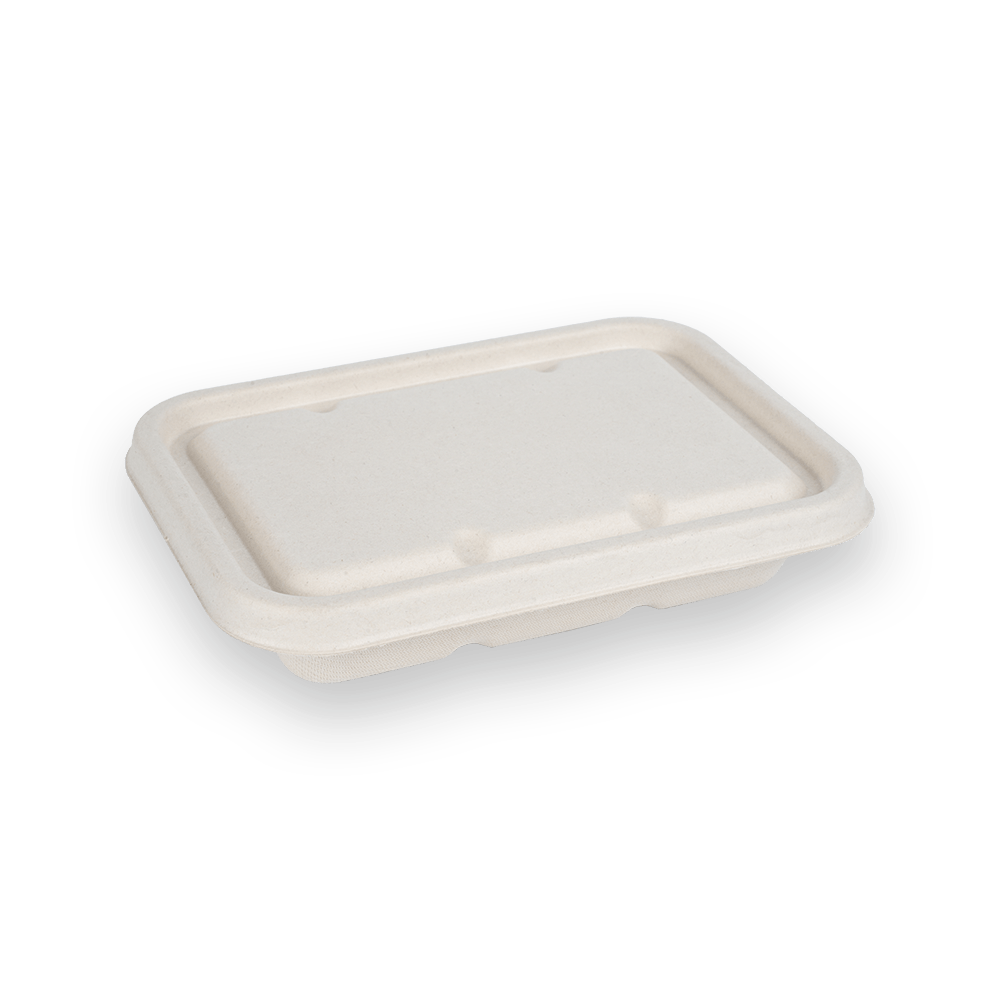
Our product range includes the CT850 takeaway box with lid, measuring 220 × 170 × 40 mm and weighing approximately 20 g per piece. The CT1100 model measures 220 × 170 × 55 mm and weighs approximately 24 g per piece. Although their external footprints are similar, their heights differ, so buyers should verify the exact model before standardizing lids and storage arrangements.
2. Test the Container with Real Food Portions
An empty package may close correctly but behave differently after filling. Tall food portions, sauces, and unevenly distributed ingredients can interfere with closure or place pressure on the lid during handling.
| Food application | Key compatibility check |
| Rice and cooked meals | Internal depth, portion volume, and clearance above the food. |
| Noodles and sauced dishes | Closure fit, liquid movement, and leakage risk during transport. |
| Burgers and sandwiches | Food height, hinge clearance, and resistance to compression. |
| Multi-component meals | Compartment dimensions and separation between ingredients. |
We recommend testing a filled sample using the intended food, serving temperature, holding period, and transport conditions. Record any lid movement, deformation, leakage, or difficulty during opening and closing. Results should be evaluated against the actual application rather than assumed from product appearance.
3. Check Stacking and Delivery Workflow
Container compatibility also affects kitchen storage, order assembly, and delivery-bag capacity. A package that closes securely but stacks poorly may still create handling problems during peak service periods.
Practical workflow checks
- Stacking stability: Place several filled and closed containers together to assess movement and load distribution.
- Bag fit: Compare the closed container dimensions with the delivery bags and shelves already in use.
- Assembly speed: Ask kitchen staff to close and stack samples during a representative service routine.
- Transport simulation: Test the package under realistic carrying and vehicle-handling conditions.
- Storage requirements: Review nested product dimensions and carton measurements for back-of-house storage.
These checks can reveal practical issues before a purchasing team commits to a full shipment. Zhong Xin can review the intended application and available product specifications to help buyers identify suitable samples for evaluation.
4. Buyer Checklist Before Bulk Ordering
- [ ] Confirm the container SKU and matching lid model.
- [ ] Verify dimensions, capacity, weight, and compartment layout.
- [ ] Test closure with the intended food portion.
- [ ] Assess leakage risk, stacking stability, and delivery-bag fit.
- [ ] Confirm carton packing, storage requirements, and order quantity.
- [ ] Identify applicable food-contact documentation and target-market requirements.
- [ ] Approve the sample and written specifications before production confirmation.
Frequently Asked Questions
Can an existing plastic lid fit a bagasse container?
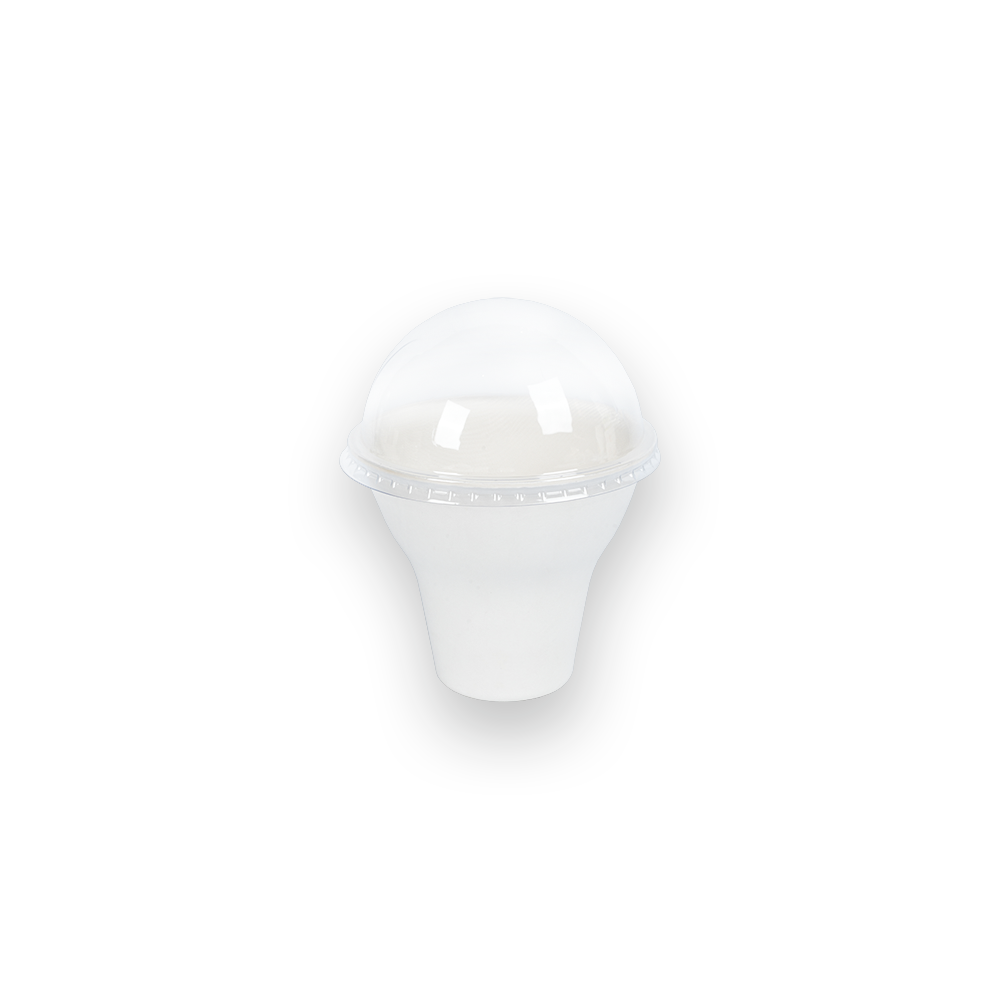
Compatibility depends on the rim geometry, dimensions, and closure design. A physical fit test and a filled-container trial are necessary before using an existing lid with a different container.
Does the same capacity guarantee the same lid size?
No. Containers with identical nominal capacities can have different shapes, rim dimensions, and heights. Confirm the exact product model and lid specification.
How should buyers test containers for delivery?
Fill the sample with the intended food, close it, stack it as required, and simulate normal carrying and transport. Check for lid movement, deformation, and leakage.
Can Zhong Xin support customized packaging requirements?
We offer OEM/ODM services. Buyers can provide their dimensions, structural requirements, branding details, and intended application for a feasibility review.
Discuss Your Takeout Packaging Requirements with Zhong Xin
At Zhong Xin Ecoware Technology (Thailand) Co., Ltd., we help buyers review molded-fiber food packaging requirements for takeaway service, catering, and foodservice distribution.
To request product information or a quotation, please provide:
- Specifications: Container dimensions, capacity, lid type, compartment layout, and any existing lid model.
- Quantity: Estimated order volume per SKU and anticipated repeat-order demand.
- Target market: Destination country, sales channel, and delivery requirements.
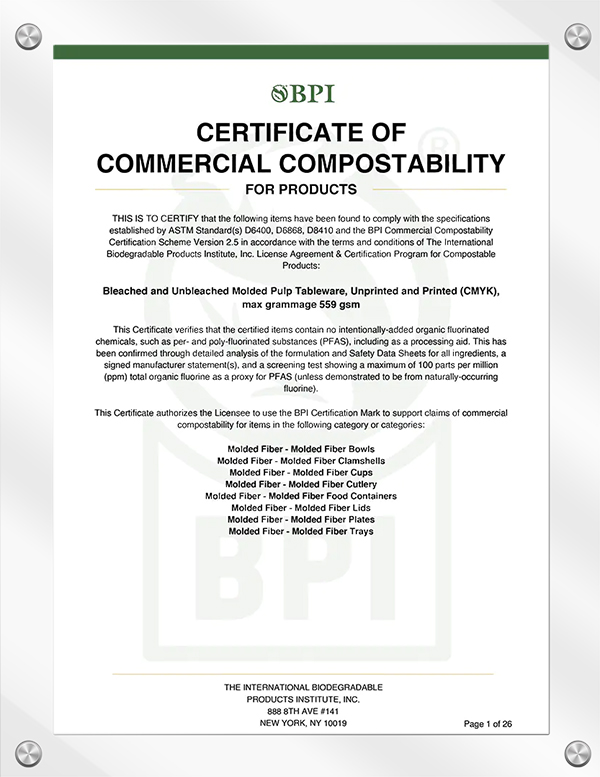
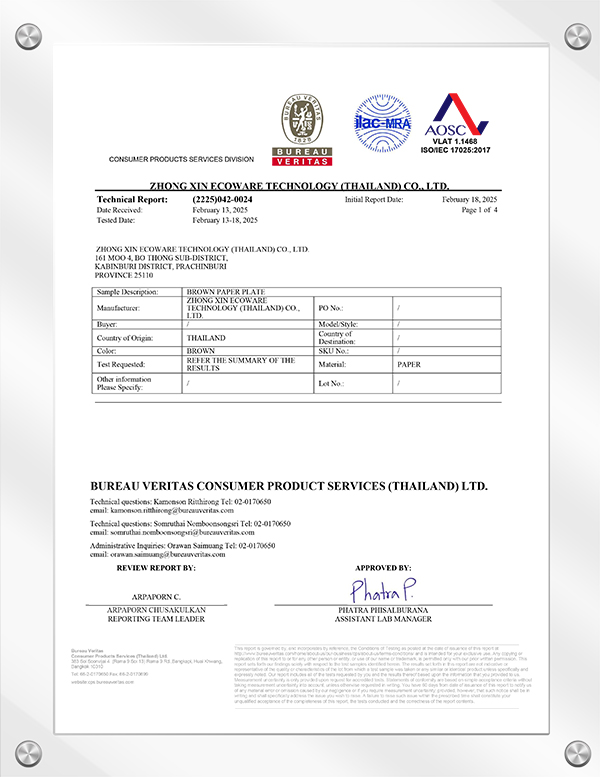
- Certification needs: Applicable food-contact documents, compostability standards, or other required compliance records.
Contact us at [email protected] or visit the official Zhong Xin website to discuss your project. Our team can review the requested specifications and advise on available models, samples, packaging details, and quotation requirements.
Confirming the complete container-and-lid combination before bulk purchasing helps establish a packaging setup that can be evaluated against your actual foodservice and delivery needs.
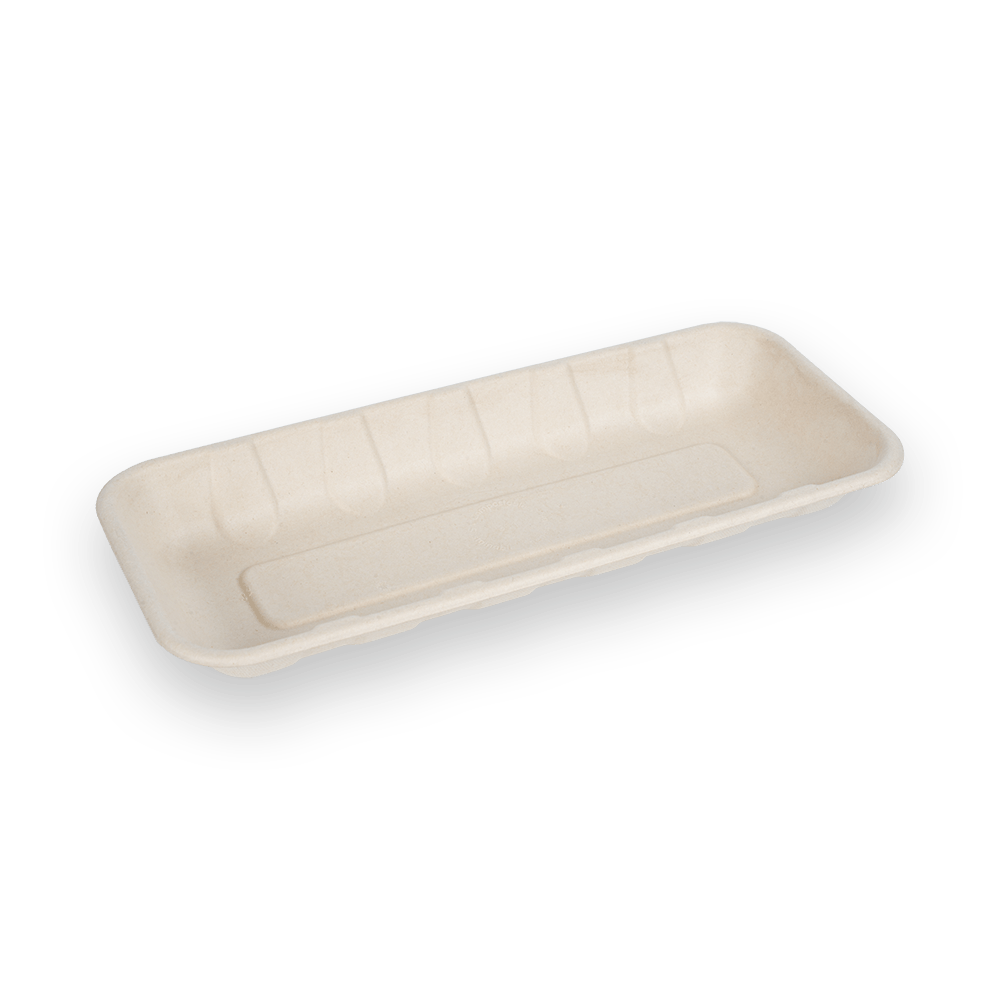
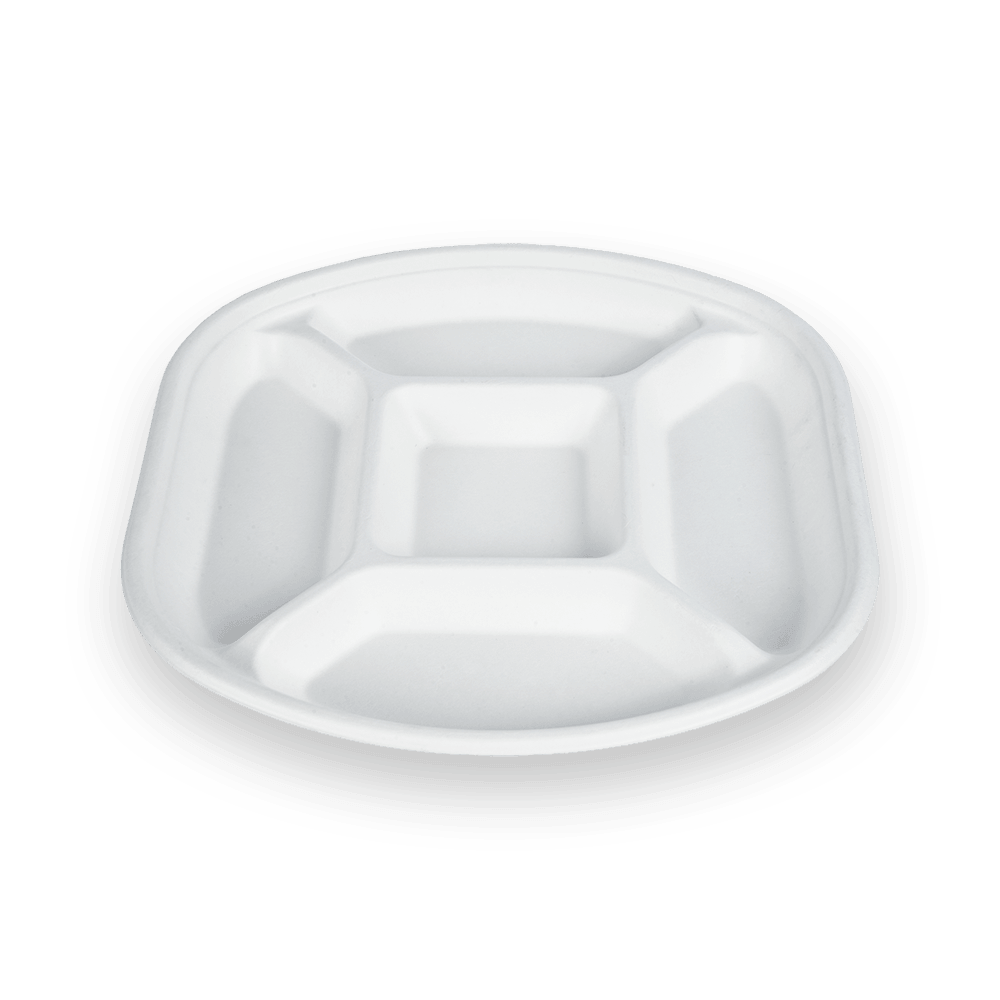

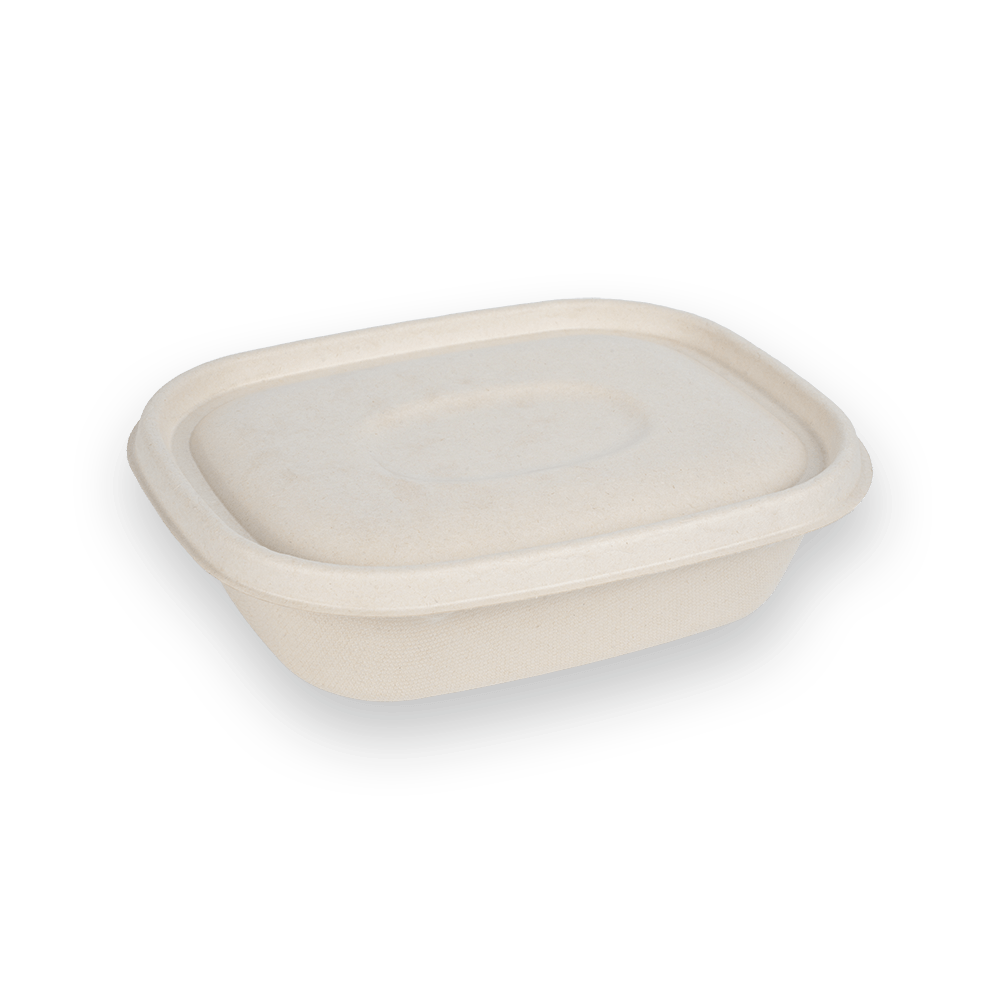

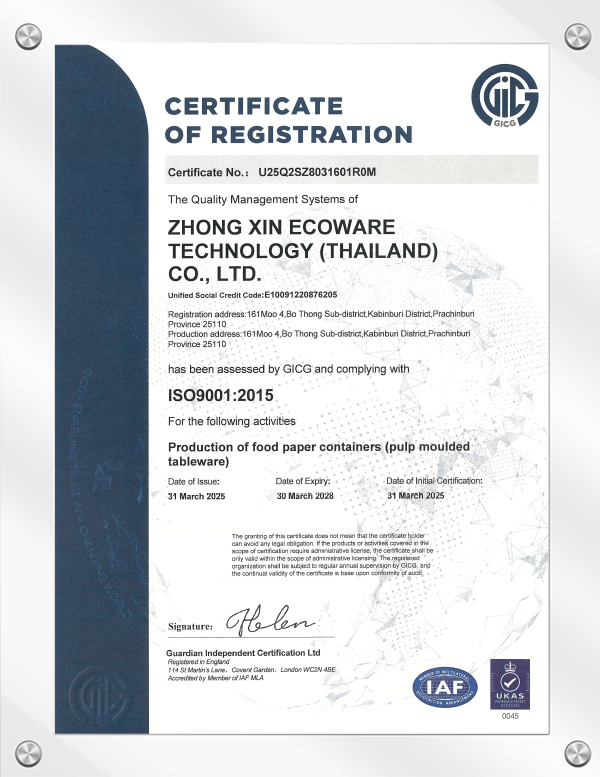
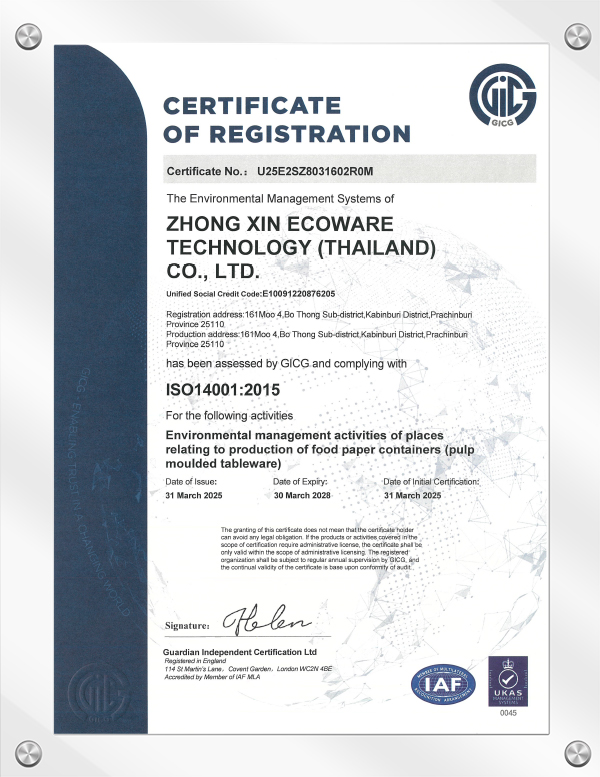
Zhong Xin Ecoware(Thailand) was registered on November 1, 2023, and officially began construction of the factory building in June 2024. At present, the first phase workshop of the factory has been fully completed and put into use. The second phase of the factory is being constructed intensively.
The landing and development of Zhong Xin in Thailand has brought a large amount of initial investment for land, factories, etc., and continuous operational investment for continuous equipment updates, technological upgrades, and capacity expansion.
Zhong Xin Ecoware(Thailand) has directly and indirectly created thousands of job opportunities, increased government revenue, promoted local economic development, cultivated local supply chains, provided systematic training for employees, improved the quality of local human capital, injected vitality into the local economy, enhanced industrial competitiveness, and ultimately improved residents' living standards.
Zhong Xin Ecoware(Thailand) actively collaborates with local pulp mills to explore new cooperation models for developing new products, improving production capacity and quality. At the same time, relying on Zhongxin's advanced production technology, process flow, management experience, and quality control system, it promotes the development of this industry in Thailand.

-
-
 +66-31240888
 -
 161 Village No. 4, Bo Thong Subdistrict Kabin Buri District Prachinburi Province 25110
-
How to Find Zhong Xin at the 140th Canton Fair: A Visitor Navigation Guide
Oct 16,2026
-
Thailand vs China Bagasse Tableware: 8 Comparisons Buyers Should Verify
Oct 16,2026
-
Will Takeout Containers Fit Your Existing Lids and Delivery Workflow
Oct 16,2026
-
What Is Bagasse Tableware? A 2026 Buyer Guide to Material, Performance and Documents
Oct 13,2026
-
Bagasse Tray Wholesale: How Bulk Buyers Cut Cost with Carton and Container Planning
Oct 09,2026
-
What Should a Bagasse Manufacturer Include in a Bulk Order Quote
Oct 09,2026
-
FOB, CIF or DDP? Incoterms for Bagasse Tableware Buyers Shipping from Thailand
Oct 06,2026
-
Packaging or Food Contact? Which EU Regime Applies to Bagasse Cups, Bowls, Plates and Cutlery
Oct 06,2026
-
Compostable Cutlery Sets for Private Label: 7 Sourcing Checks for Retail and Foodservice Buyers
Oct 06,2026
-
US vs EU Bagasse Tableware Imports: 8 Documentation and Compliance Checks Buyers Should Run
Oct 06,2026
-
How to Prepare a Bagasse Tableware Import: 10 Readiness Checks for US and EU Buyers
Oct 06,2026
-
Beyond Plates: Which Foods Suit Bagasse Tableware
Oct 02,2026
Copyright © 2025 Zhong Xin Ecoware Technology ( Thailand ) CO., LTD.
All Rights Reserved.

Biodegradable Disposable Bagasse Tableware Manufacturer