


 English
 Español
 ไทย
ไทย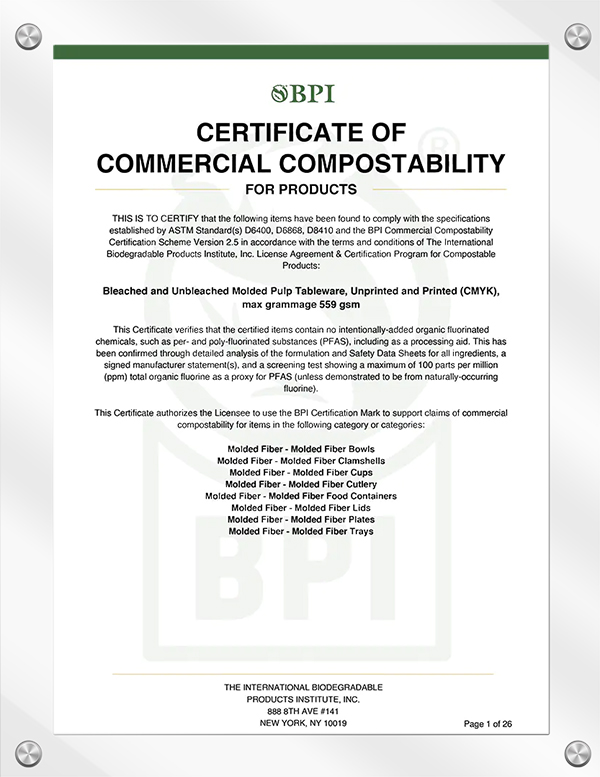
Published: October 16, 2026 How to Find Zhong Xin at the 140th Canton Fair: A Visitor Navigation Guide The 140th Canton...
READ MOREWelcome to Zhong Xin Ecoware Technology ( Thailand ) CO., LTD. Official Website
-
 [email protected]
-
 +66-31240888
PULP Printing products Factory
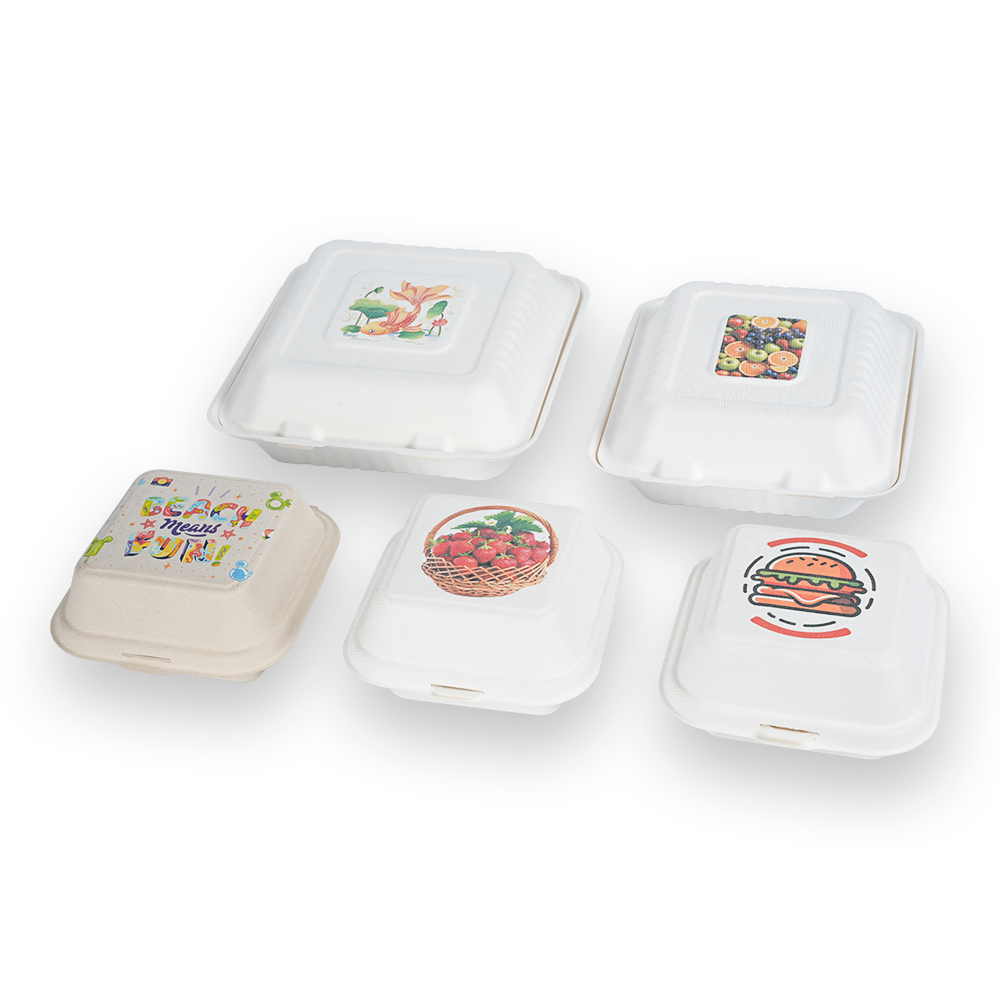
Through screen printing, pad printing and digital printing, we can provide customized products with multi-color printing to meet the needs of different customers.
-
 PULP PrintingCONTACT US
Our Story
Zhong Xin Ecoware Technology ( Thailand ) CO., LTD.
Zhong Xin Ecoware(Thailand) is a Thailand Wholesale PULP Printing products Manufacturer and OEM PULP Printing products Factory. Both the first and second phases of the Thailand plant have now been completed and put into production, bringing the site to an annual capacity of 100,000 tonnes. The plant is already supplying orders for customers in the United States.
The landing and development of Zhong Xin in Thailand has brought a large amount of initial investment for land, factories, etc., and continuous operational investment for continuous equipment updates, technological upgrades, and capacity expansion.
Zhong Xin Ecoware(Thailand) has directly and indirectly created thousands of job opportunities, increased government revenue, promoted local economic development, cultivated local supply chains, provided systematic training for employees, improved the quality of local human capital, injected vitality into the local economy, enhanced industrial competitiveness, and ultimately improved residents' living standards.
Zhong Xin Ecoware(Thailand) actively collaborates with local pulp mills to explore new cooperation models for developing new products, improving production capacity and quality. At the same time, relying on Zhongxin's advanced production technology, process flow, management experience, and quality control system, it promotes the development of this industry in Thailand.
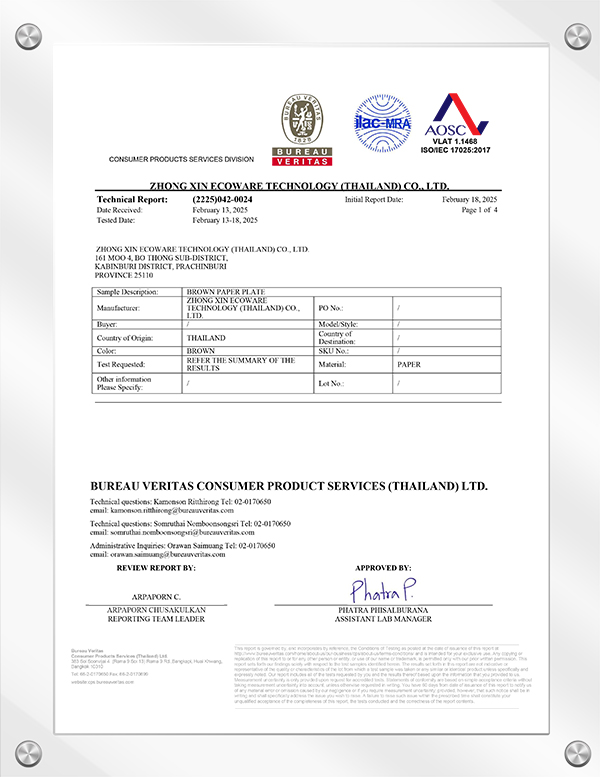
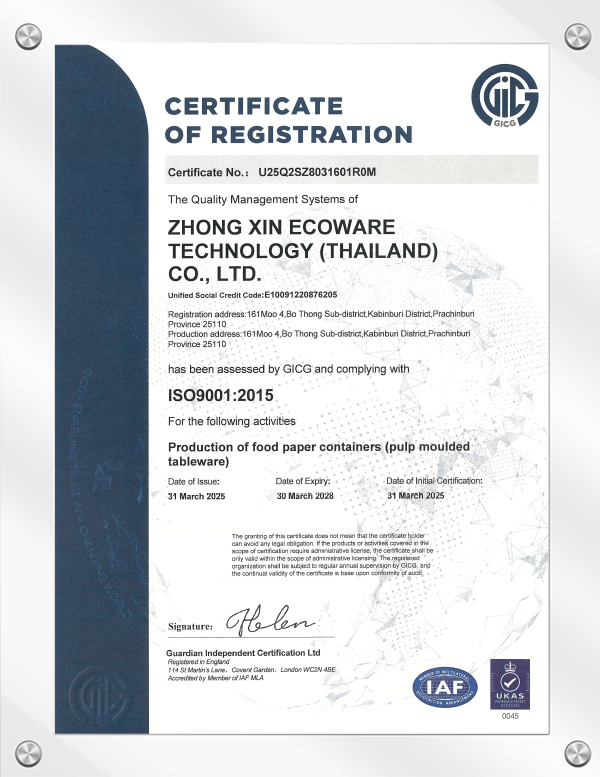
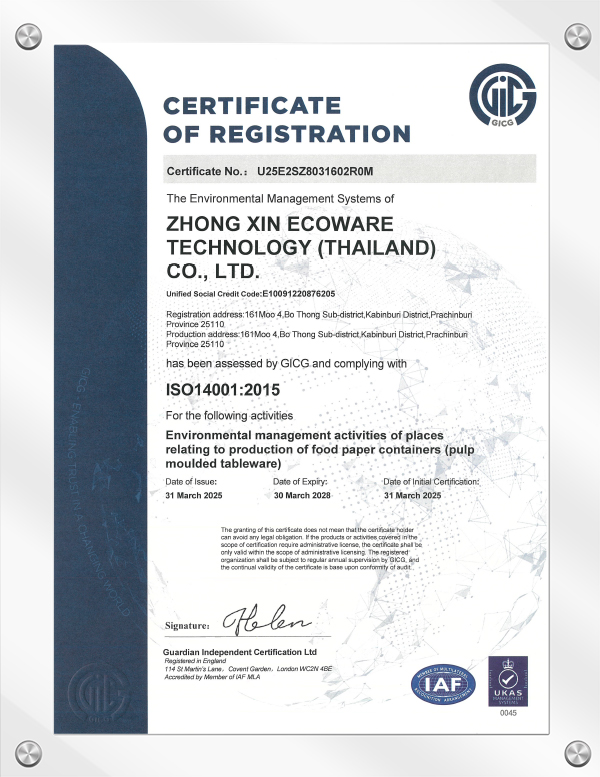
Certificate Of Honor
News & Events
-
-
Published: October 15, 2026 | By Zhong Xin Ecoware Technology (Thailand) Co., Ltd. Quick Summary: Thailand vs China Bag...
READ MORE -
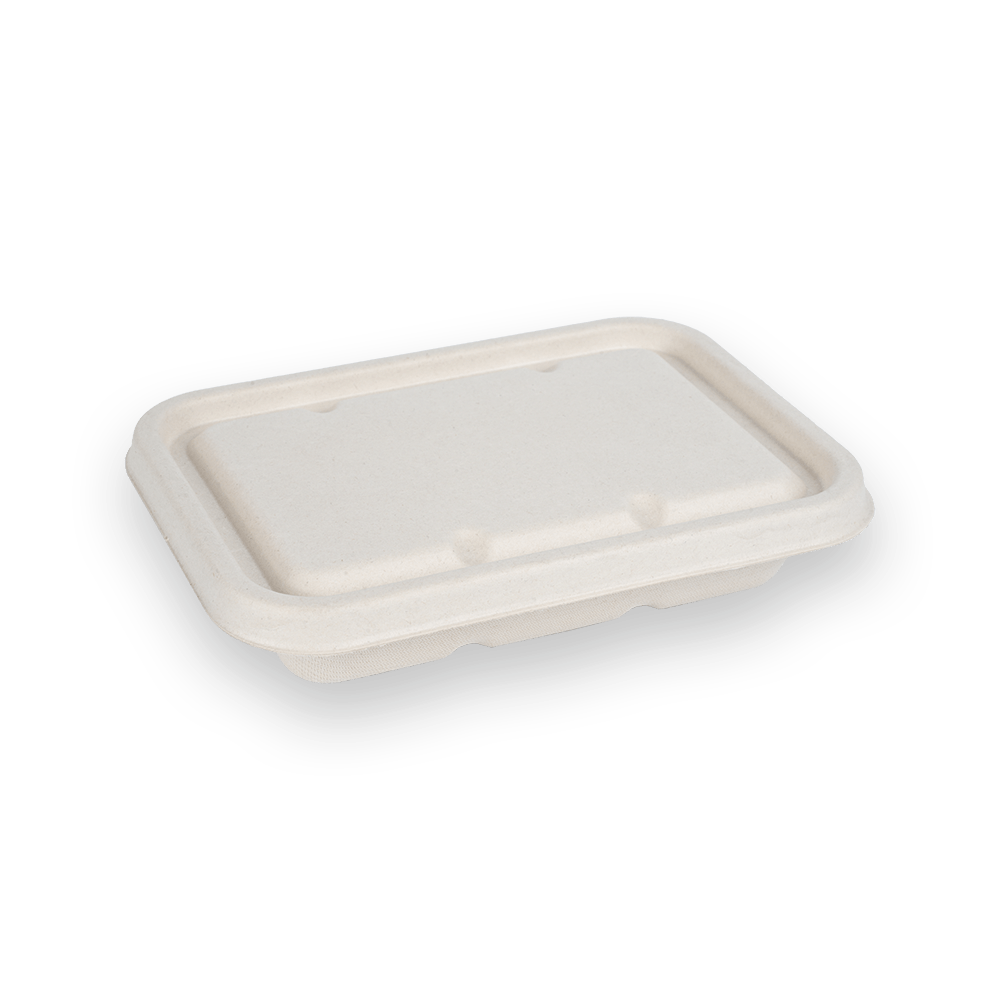
Changing food packaging can affect more than the container itself. A lid that sits loosely, a box that occupies too much...
READ MORE -
Bagasse tableware is the molded fiber product range most buyers meet first and understand last. It looks like paper, per...
READ MORE


Industry Knowledge Extension
What Technology Does Pulp Printing Tableware Use?
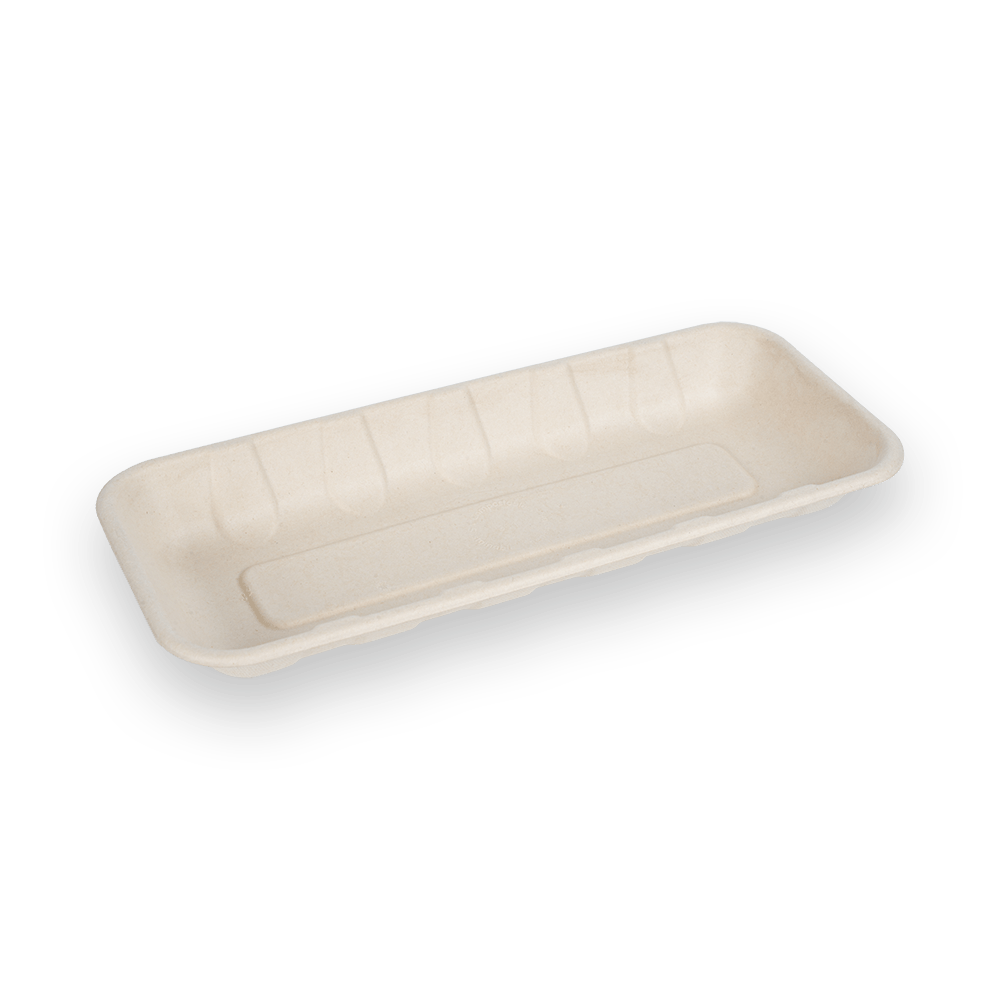
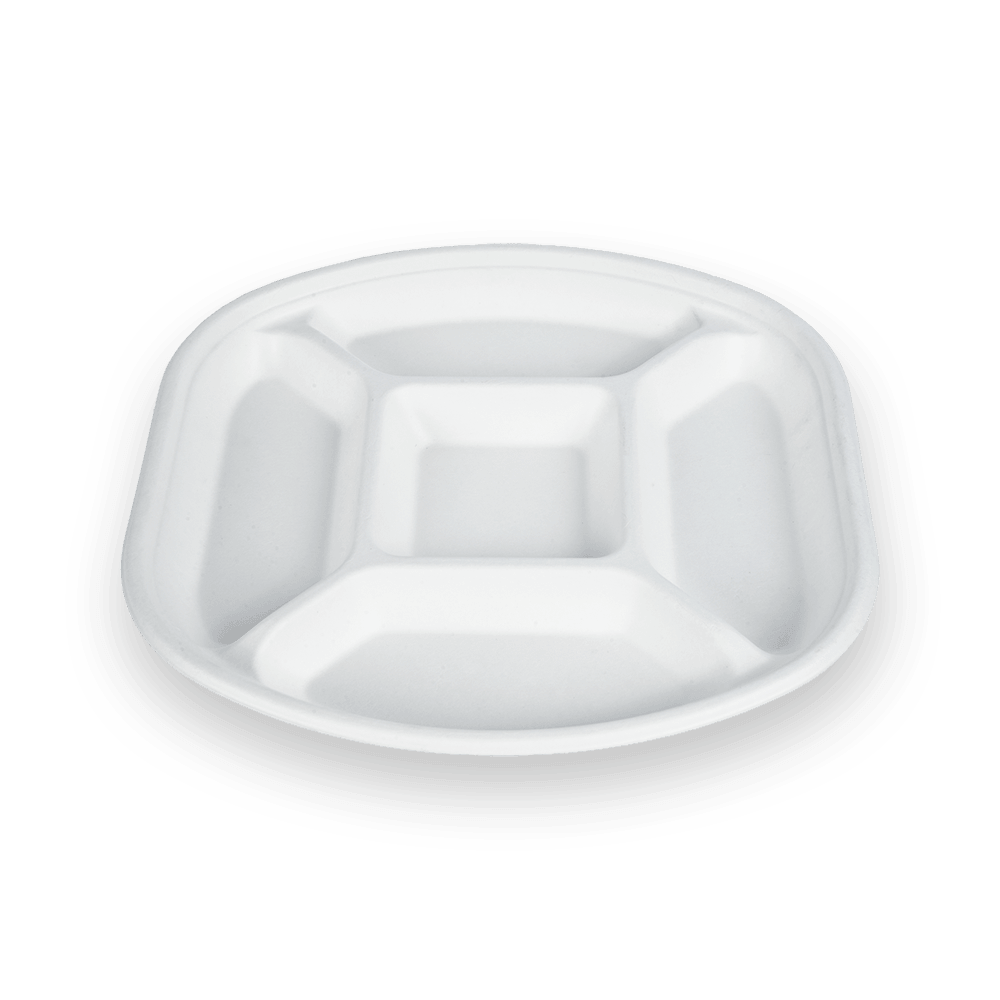
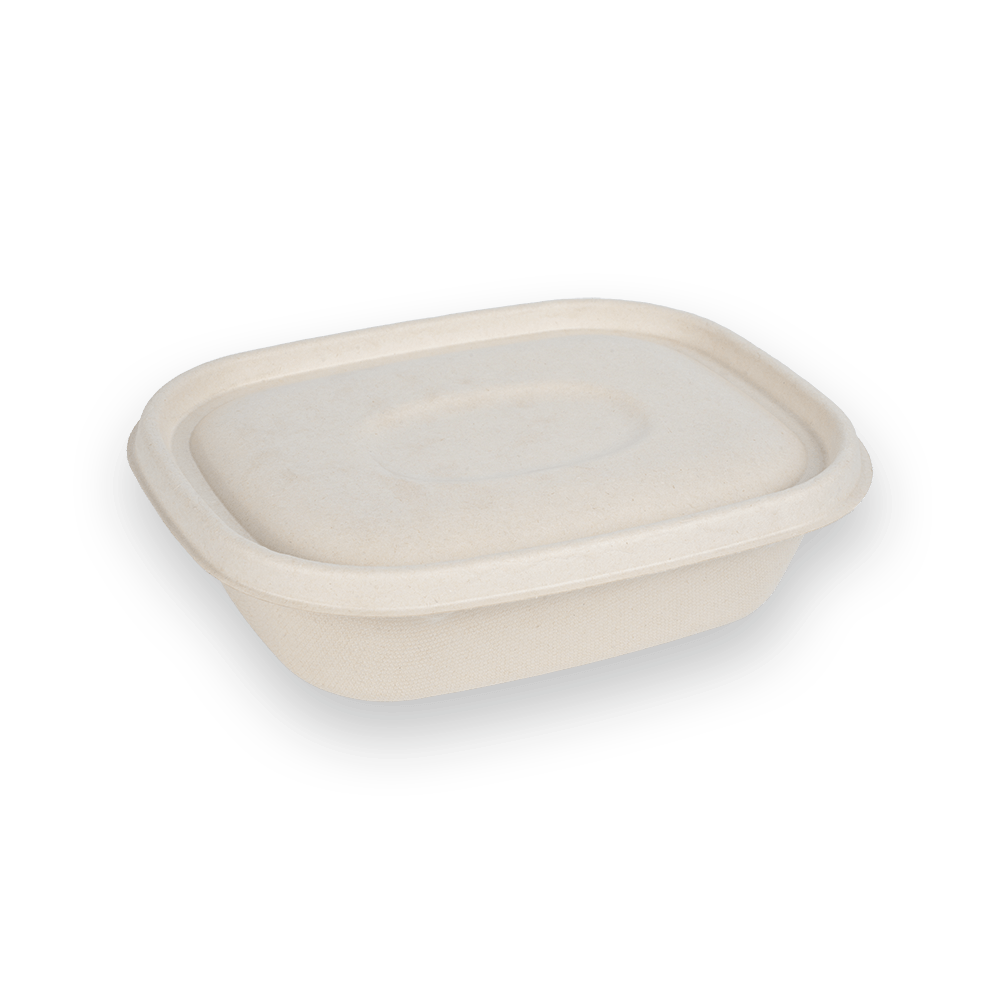
Pulp printing tableware refers to disposable plates, bowls, and trays that are made using molded pulp technology and can include printed graphics or branding. This type of tableware is developed through a combination of molding techniques and environmentally conscious material processing. The key technology involved is molded pulp formation. In this process, natural fibers such as bagasse, bamboo, or recycled paper are mixed with water to create a pulp slurry. The pulp is then shaped with specially designed molds and dried to form sturdy products suitable for holding food.
Printing technology is also an important part of the production. Unlike traditional plastic printing that may use chemical-heavy inks, pulp printing tableware often applies water-based or soy-based inks. These inks help maintain product compostability and food safety, ensuring that harmful substances do not come into contact with meals. The printing is usually done using flexible techniques such as flexographic printing or digital printing, which allow detailed logos and patterns to be applied without compromising structural integrity.
Many pulp printing tableware products are produced without plastic coatings. Instead, manufacturers may use plant-based barrier solutions to enhance resistance to moisture, oil, and moderate heat. This reduces reliance on synthetic layers that hinder biodegradation.
The technology behind pulp printing tableware combines environmentally friendly material sources, efficient forming processes, and safe printing methods to deliver a functional product that supports sustainability goals while still meeting the needs of modern food service operations.
What Problem Does Pulp Food Packaging Solve?
Pulp food packaging has become increasingly common as industries and consumers look for alternatives to single-use plastics. One of the main problems it solves is excessive plastic waste. Plastic food containers can remain in landfills or oceans for many years, causing pollution and harming wildlife.
Another issue addressed is the overconsumption of non-renewable resources. Plastic is commonly made from petroleum, a finite resource. Pulp packaging, however, is produced from renewable fiber sources—such as sugarcane bagasse or recycled paper—that are replenished continuously or recovered from waste streams. This supports better resource efficiency and aligns with circular economy principles.
Food safety and consumer trust are also key concerns. Some plastic containers may contain chemicals that can migrate into food, especially when heated. Pulp packaging is usually manufactured without such additives, creating a safer option for hot and oily foods. This characteristic makes it suitable for restaurants, cafeterias, and takeaway businesses.
Pulp packaging solves logistical problems. It is often lightweight and stackable, making it easier to transport and store. Its cushioning properties help protect food during delivery, reducing the likelihood of spills or damage.
Pulp packaging supports regulatory compliance. Many regions are implementing restrictions on single-use plastic, and pulp-based products provide businesses with viable solutions that meet sustainability requirements. Together, these benefits show how pulp food packaging is helping transition everyday food service toward more responsible consumption and waste management practices.
1. Are biodegradable pulp paper food containers suitable for hot and oily foods?
Biodegradable pulp paper containers are designed to handle foods with moderate heat and oil. During production, the fibers are compressed and dried to enhance durability. Some containers include plant-based coatings that improve resistance without compromising biodegradability. However, high-temperature foods may require containers specifically tested for heat tolerance, so checking product specifications is recommended.
2. How should biodegradable pulp containers be disposed of?
The disposal method is composting when facilities are available. In a composting environment, these containers break down into natural materials that can benefit soil. They may also degrade in home compost settings, although the timeframe may vary depending on moisture and temperature. If composting options are not available, they can often be recycled with paper products, as long as they are clean and free from excessive food residue. Landfill disposal is still possible, but decomposition will occur more slowly in those conditions.
3. Are biodegradable pulp containers safe for food contact?
Biodegradable pulp containers are generally considered safe for food contact because they are made from natural fibers and typically avoid chemicals found in some plastics. Manufacturers follow food safety standards to ensure the containers do not introduce harmful substances into meals. Certifications from recognized organizations can further verify safety, giving consumers confidence in the product. When selecting pulp packaging, it is helpful to review compliance labels that indicate food-grade quality.
Start Now
Get Quotation & Sample In 24h
Send us your product size, quantity, structure requirements, we will
reply the proposal and quotation within 24 hours, support sample proofing

-
-
 +66-31240888
 -
 161 Village No. 4, Bo Thong Subdistrict Kabin Buri District Prachinburi Province 25110
Quick Links
Product Categories
News & Events
-
How to Find Zhong Xin at the 140th Canton Fair: A Visitor Navigation Guide
Oct 16,2026
-
Thailand vs China Bagasse Tableware: 8 Comparisons Buyers Should Verify
Oct 16,2026
-
Will Takeout Containers Fit Your Existing Lids and Delivery Workflow
Oct 16,2026
-
What Is Bagasse Tableware? A 2026 Buyer Guide to Material, Performance and Documents
Oct 13,2026
-
Bagasse Tray Wholesale: How Bulk Buyers Cut Cost with Carton and Container Planning
Oct 09,2026
-
What Should a Bagasse Manufacturer Include in a Bulk Order Quote
Oct 09,2026
-
FOB, CIF or DDP? Incoterms for Bagasse Tableware Buyers Shipping from Thailand
Oct 06,2026
-
Packaging or Food Contact? Which EU Regime Applies to Bagasse Cups, Bowls, Plates and Cutlery
Oct 06,2026
-
Compostable Cutlery Sets for Private Label: 7 Sourcing Checks for Retail and Foodservice Buyers
Oct 06,2026
-
US vs EU Bagasse Tableware Imports: 8 Documentation and Compliance Checks Buyers Should Run
Oct 06,2026
-
How to Prepare a Bagasse Tableware Import: 10 Readiness Checks for US and EU Buyers
Oct 06,2026
-
Beyond Plates: Which Foods Suit Bagasse Tableware
Oct 02,2026
Copyright © 2025 Zhong Xin Ecoware Technology ( Thailand ) CO., LTD.
All Rights Reserved.

PULP Printing products Wholesale