-
 [email protected]
-
 +66-31240888



 English
 Español
 ไทย
ไทยWhat are biodegradable paper plates made from
1. What are biodegradable paper plates made from?
Biodegradable paper plates are typically made from natural, renewable resources that decompose more easily than traditional plastic or Styrofoam plates. The materials used in their production include:
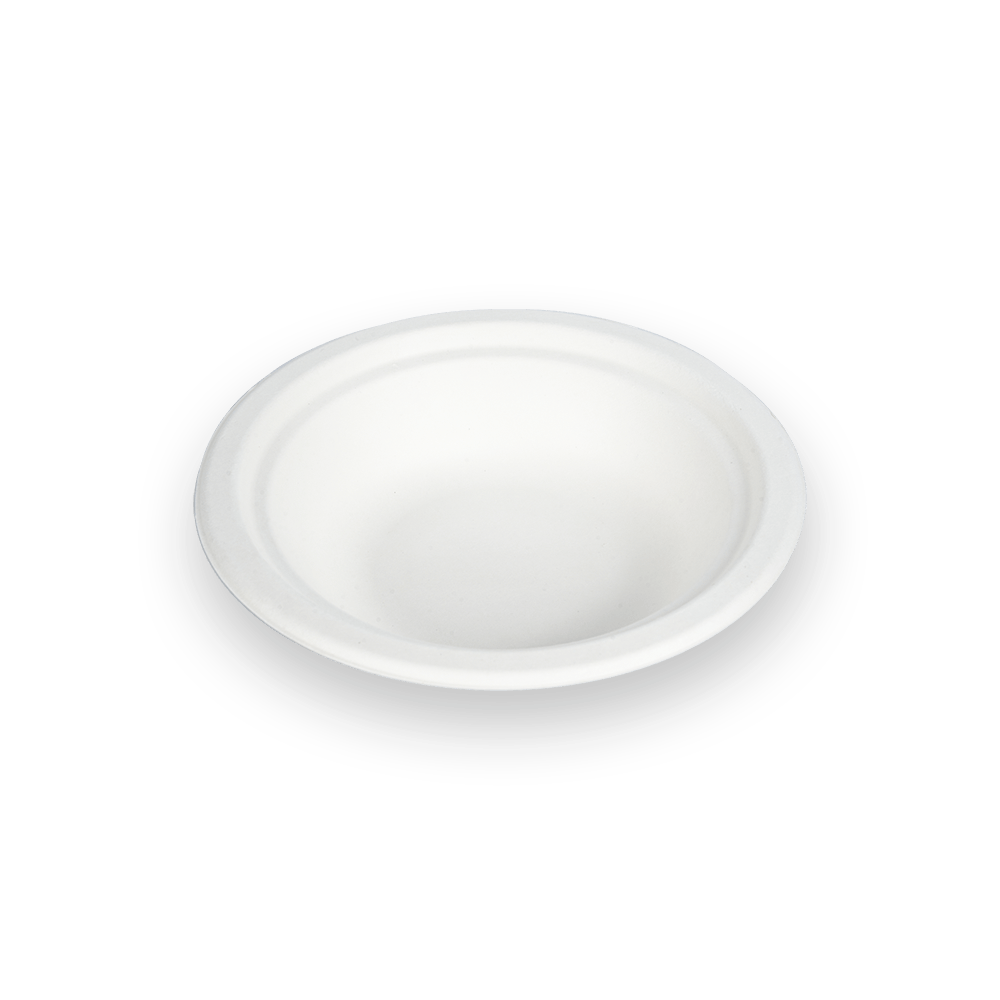
Paper: Most biodegradable paper plates are made from recycled paper, virgin paper pulp, or a combination of both. These papers are sourced from wood pulp or agricultural byproducts like sugarcane or bamboo.
Coatings: To make the plates water-resistant and more durable, manufacturers may use biodegradable coatings made from plant-based materials like corn starch, vegetable oils, or tree resins. These coatings are designed to protect the plate from moisture and grease while still allowing for biodegradability.
In some cases, alternative materials like sugarcane fiber (bagasse): Sugarcane fiber is commonly used in biodegradable plates, as it is durable and can withstand higher temperatures than paper, making it suitable for hot food items.
Colors and Designs: Biodegradable paper plates are often free from harmful chemicals like dyes and bleaches, making them safer for the environment and people. However, some manufacturers may use vegetable-based dyes for color and design, which are also biodegradable.
These materials are chosen not only for their environmental benefits but also for their ability to serve as strong, sturdy options for meals without the negative impact of traditional plastic plates.
2. How long does it take for biodegradable paper plates to decompose?
The decomposition time of biodegradable paper plates varies depending on factors such as the materials used, environmental conditions, and the presence of any coatings or additives. Here are the general timelines:
Paper-based Plates:
Typically, paper plates take between 2 to 6 months to fully decompose in composting environments. The process is faster when they are exposed to moisture, oxygen, and bacteria.
Plates with Plant-based Coatings:
Plates that have plant-based coatings (such as corn starch or vegetable oils) may take longer to break down. While the paper part of the plate decomposes within a few months, the coating can extend the overall decomposition process to 6 months or more, depending on environmental conditions.
Composting Conditions:
In ideal conditions, such as a commercial composting facility, the decomposition can be quicker due to the controlled temperature and moisture levels. In contrast, in a home compost bin, it might take a bit longer.
While biodegradable paper plates are designed to break down faster than plastic alternatives, the speed of decomposition still depends on how they are disposed of. To ensure degradation, it's important to dispose of these plates in a composting facility or home compost bin.
3. Are biodegradable paper plates as durable as plastic plates?
One common concern about biodegradable paper plates is their durability, especially when compared to plastic or foam plates. Here's a breakdown of their relative strength:
Strength and Durability:
Biodegradable paper plates can be durable for light to moderate food use, especially for dry and mildly moist foods. They generally have enough strength for typical serving purposes, such as snacks or small meals.
However, for heavy, wet, or greasy foods, biodegradable paper plates may struggle to hold up as well as plastic or foam alternatives. The biodegradable coatings, though water-resistant, may not be as effective as plastic in preventing leaks or sogginess.
Heat Resistance:
Most biodegradable paper plates are not designed for extremely hot foods. For example, they may start to soften or deform under the weight and heat of hot soups, stews, or liquids. Some plates made from sugarcane fiber (bagasse) offer better heat resistance than others, but they still have their limitations compared to plastic plates.
Use for Certain Events:
Biodegradable paper plates are good for casual events like picnics, BBQs, and informal gatherings where the food is dry or served in moderate portions. For events that require more robust durability or where the food is likely to be greasy or very hot, you may want to consider other sustainable options like compostable plates made from sugarcane or bamboo.
4. How should biodegradable paper plates be disposed of?
Proper disposal is critical to ensuring that biodegradable paper plates fulfill their environmental promise. Here are the practices:
Composting:
The ideal way to dispose of biodegradable paper plates is by composting them. If they are free from any non-biodegradable coatings or materials (such as plastic lining), they can break down naturally in composting environments.
Composting at home: If you have a compost bin, ensure the plates are shredded or torn into smaller pieces to speed up the decomposition process. Avoid composting them with non-compostable items like plastic utensils or food wrappers.
Commercial composting: Many cities or regions have commercial composting services where biodegradable items are properly processed. Check if your local area offers this service.
Landfills:
While biodegradable paper plates are designed to break down more quickly than plastic, they may still take a significant amount of time to decompose in landfills due to the lack of oxygen. Therefore, it is better to compost them whenever possible rather than sending them to a landfill.
Avoiding Contamination:
Make sure that the plates are not contaminated with food waste that includes non-compostable materials like plastic wrap or metal parts. Contaminants can slow down the decomposition process or result in improper disposal.
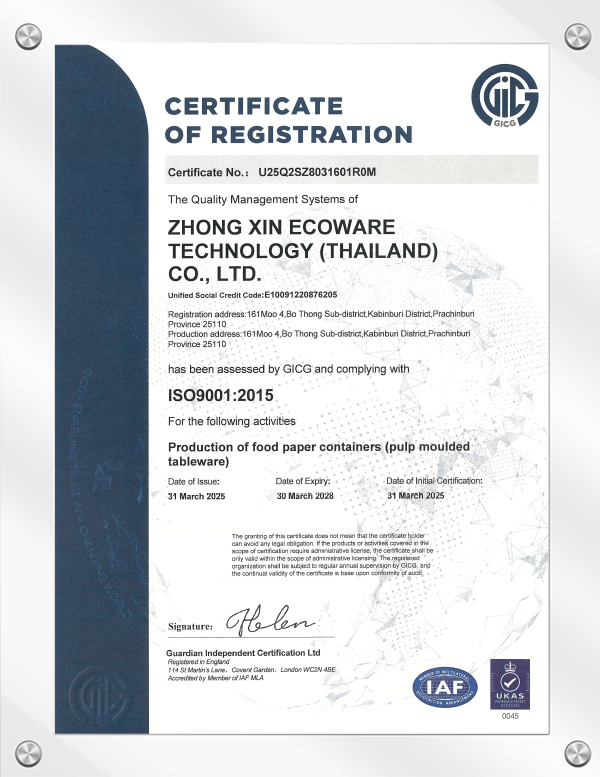
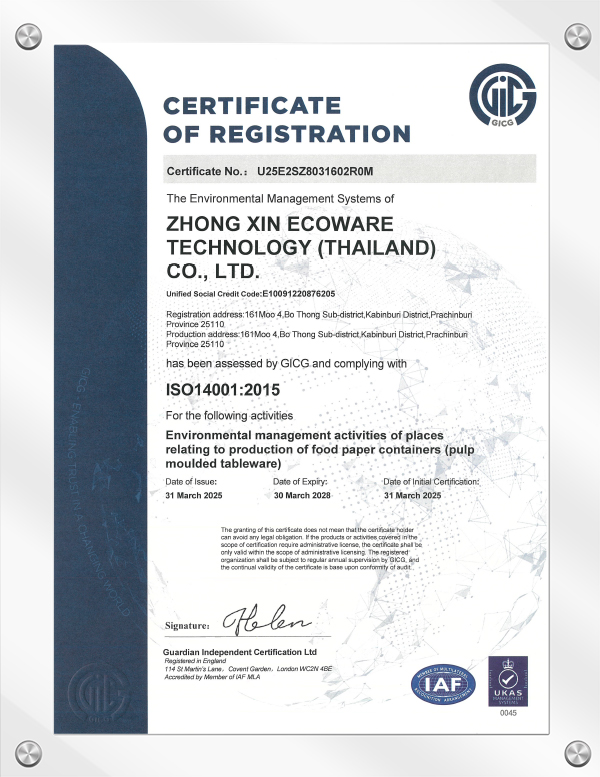
Zhong Xin Ecoware Technology (Thailand) Co., Ltd. supplies bagasse and molded fiber food packaging to importers, distributors and foodservice brands. For MOQ, pricing, samples and lead time, email info@fiber-product.com or use the contact form.
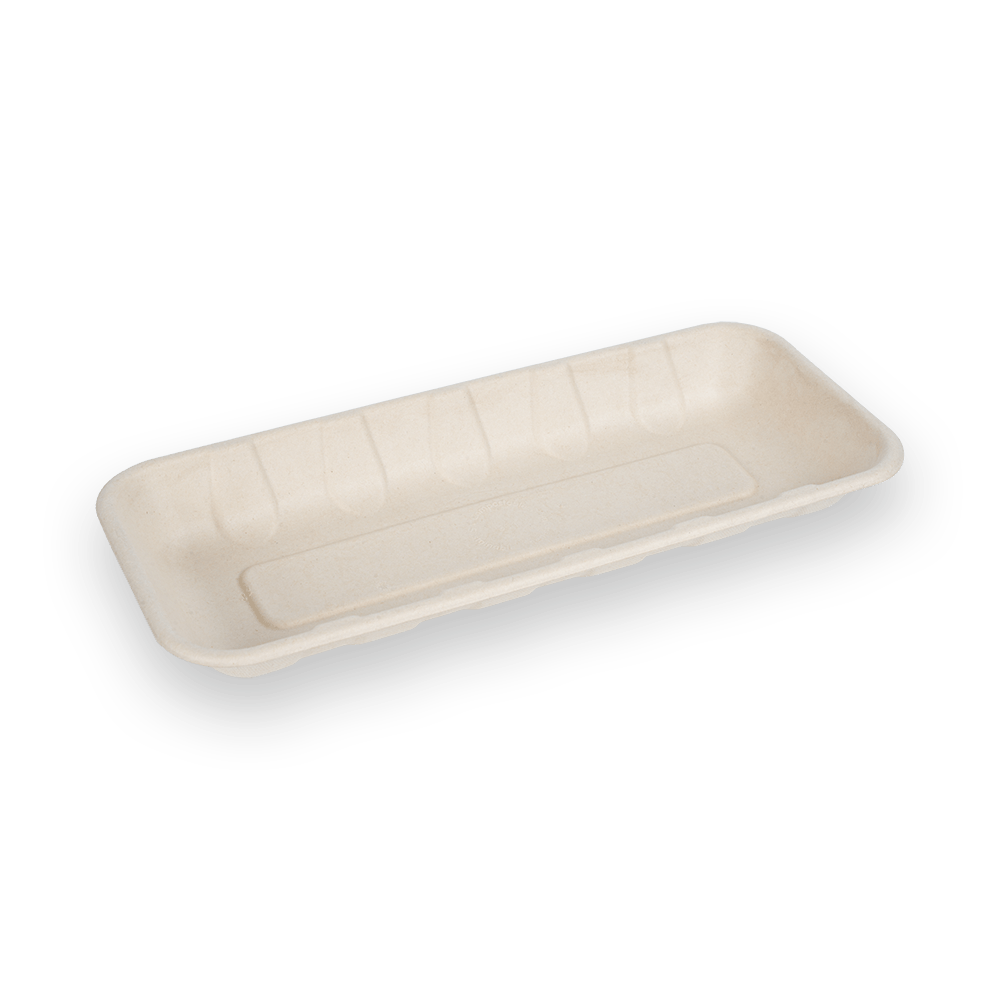
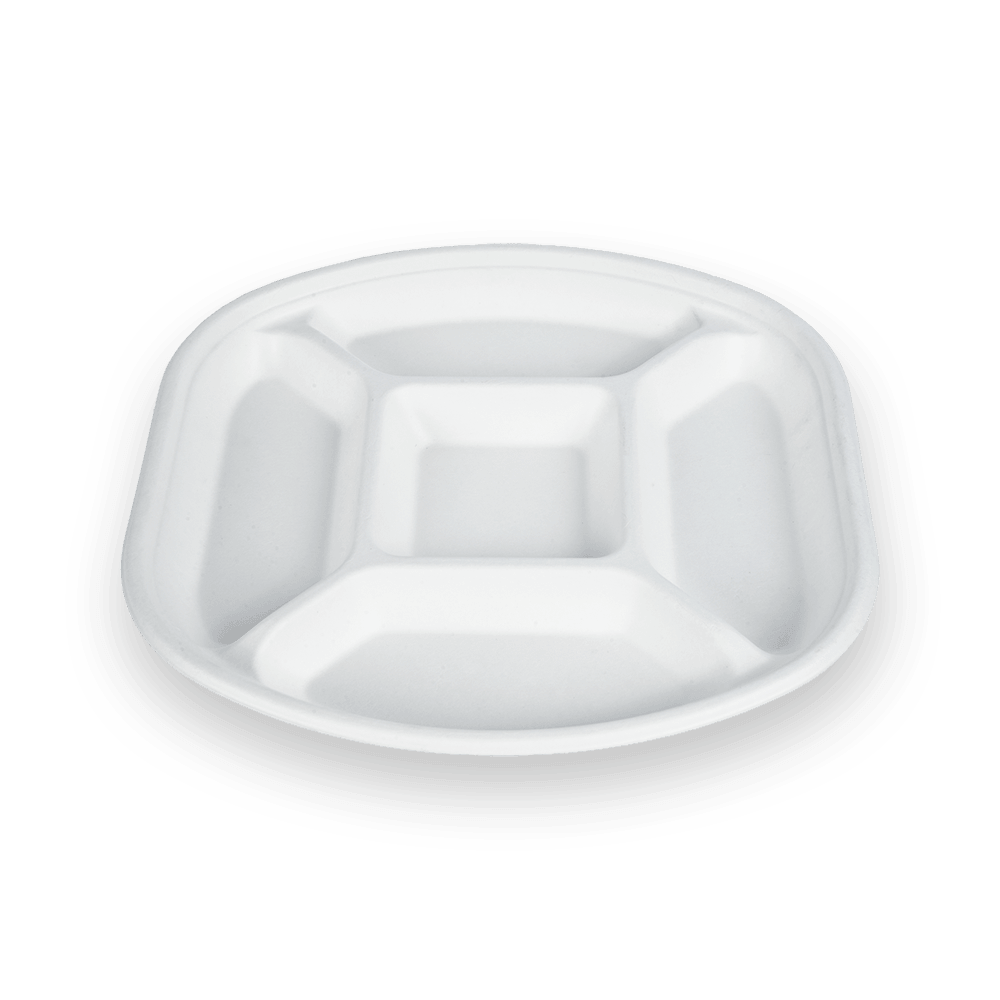

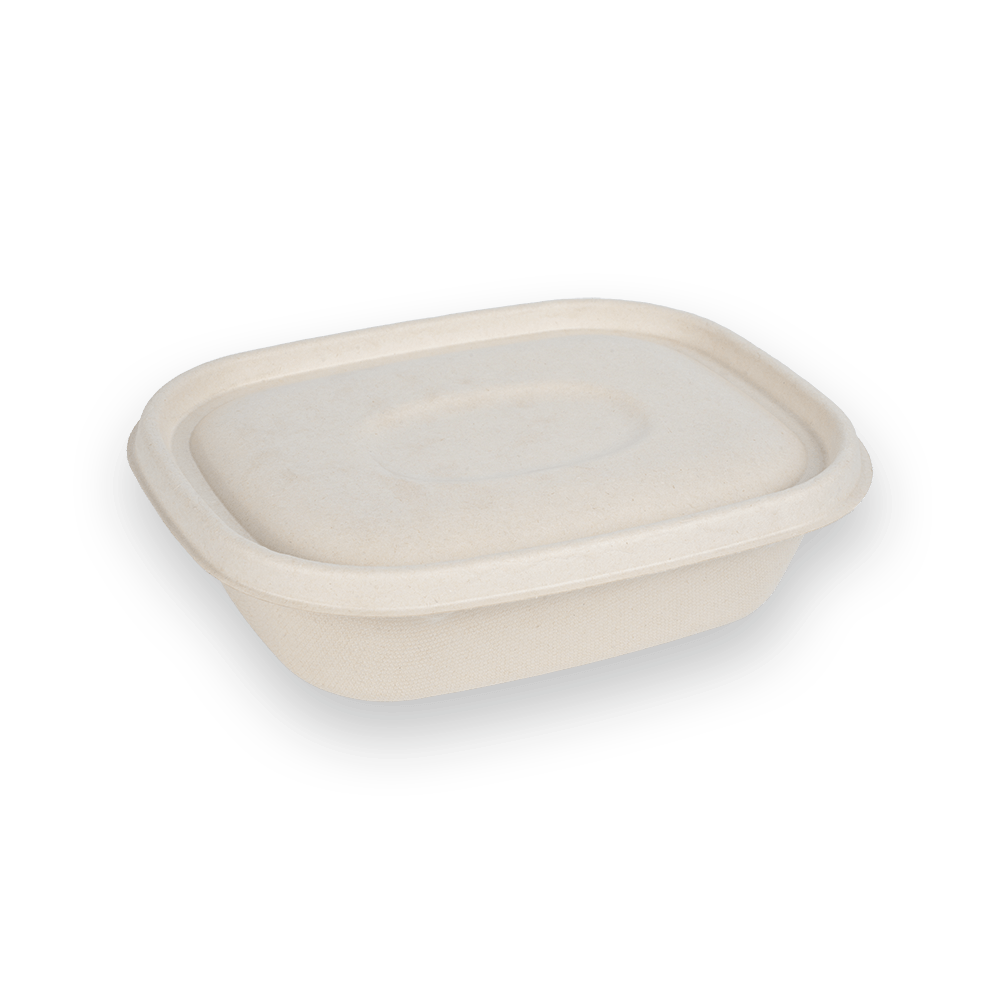
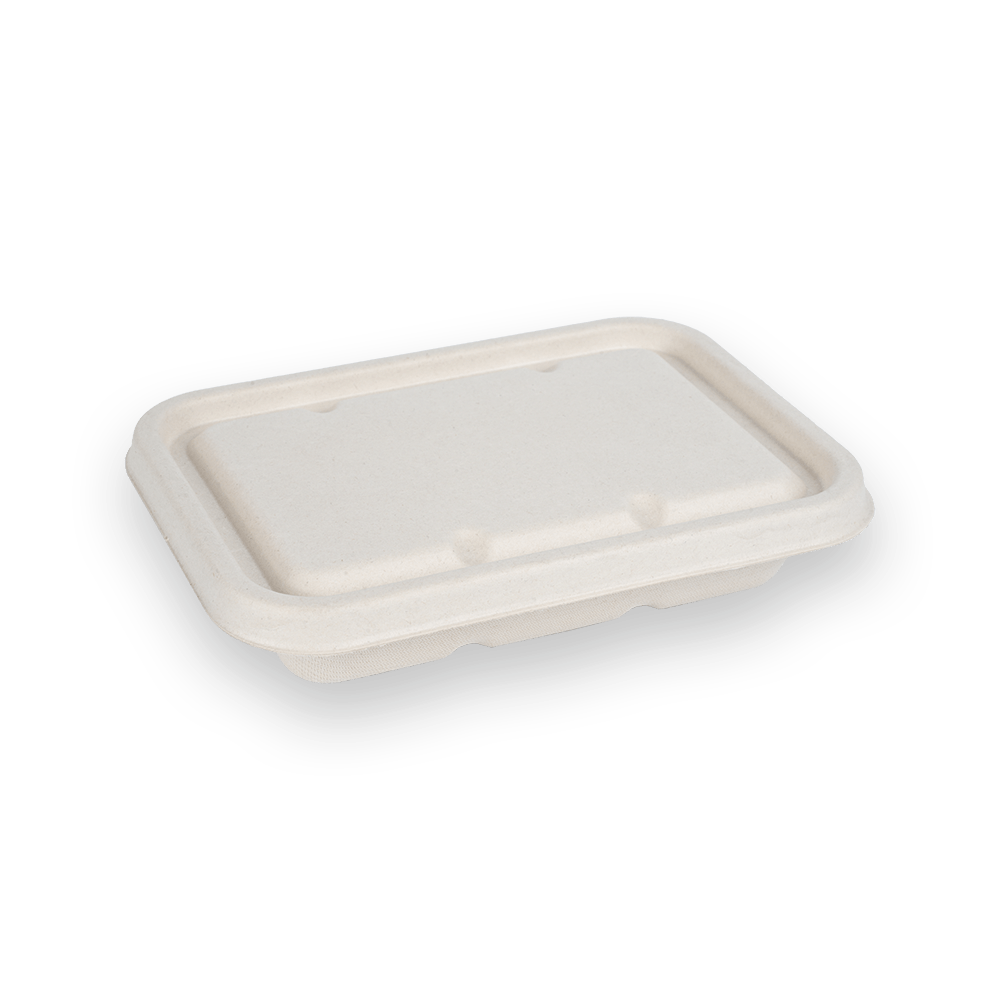

Zhong Xin Ecoware(Thailand) was registered on November 1, 2023, and officially began construction of the factory building in June 2024. At present, the first phase workshop of the factory has been fully completed and put into use. The second phase of the factory is being constructed intensively.
The landing and development of Zhong Xin in Thailand has brought a large amount of initial investment for land, factories, etc., and continuous operational investment for continuous equipment updates, technological upgrades, and capacity expansion.
Zhong Xin Ecoware(Thailand) has directly and indirectly created thousands of job opportunities, increased government revenue, promoted local economic development, cultivated local supply chains, provided systematic training for employees, improved the quality of local human capital, injected vitality into the local economy, enhanced industrial competitiveness, and ultimately improved residents' living standards.
Zhong Xin Ecoware(Thailand) actively collaborates with local pulp mills to explore new cooperation models for developing new products, improving production capacity and quality. At the same time, relying on Zhongxin's advanced production technology, process flow, management experience, and quality control system, it promotes the development of this industry in Thailand.

-
-
 +66-31240888
 -
 161 Village No. 4, Bo Thong Subdistrict Kabin Buri District Prachinburi Province 25110
-
How to Find Zhong Xin at the 140th Canton Fair: A Visitor Navigation Guide
Oct 16,2026
-
Thailand vs China Bagasse Tableware: 8 Comparisons Buyers Should Verify
Oct 16,2026
-
Will Takeout Containers Fit Your Existing Lids and Delivery Workflow
Oct 16,2026
-
What Is Bagasse Tableware? A 2026 Buyer Guide to Material, Performance and Documents
Oct 13,2026
-
Bagasse Tray Wholesale: How Bulk Buyers Cut Cost with Carton and Container Planning
Oct 09,2026
-
What Should a Bagasse Manufacturer Include in a Bulk Order Quote
Oct 09,2026
-
FOB, CIF or DDP? Incoterms for Bagasse Tableware Buyers Shipping from Thailand
Oct 06,2026
-
Packaging or Food Contact? Which EU Regime Applies to Bagasse Cups, Bowls, Plates and Cutlery
Oct 06,2026
-
Compostable Cutlery Sets for Private Label: 7 Sourcing Checks for Retail and Foodservice Buyers
Oct 06,2026
-
US vs EU Bagasse Tableware Imports: 8 Documentation and Compliance Checks Buyers Should Run
Oct 06,2026
-
How to Prepare a Bagasse Tableware Import: 10 Readiness Checks for US and EU Buyers
Oct 06,2026
-
Beyond Plates: Which Foods Suit Bagasse Tableware
Oct 02,2026
Copyright © 2025 Zhong Xin Ecoware Technology ( Thailand ) CO., LTD.
All Rights Reserved.

Biodegradable Disposable Bagasse Tableware Manufacturer