-
 [email protected]
-
 +66-31240888



 English
 Español
 ไทย
ไทยBiodegradable Tableware: Composition and Applications
Biodegradable tableware manufacturer refers to disposable plates, cups, cutlery, and containers designed to decompose into natural substances like water, carbon dioxide, and biomass through the action of microorganisms under specific environmental conditions. This decomposition process distinguishes it from conventional plastics that may persist for centuries. The development of such tableware is driven by initiatives to reduce the environmental impact of single-use items, particularly plastic pollution. Its utility and effectiveness are determined by the raw materials from which it is made, the contexts in which it is deployed, and the specific handling it requires to achieve its intended end-of-life outcome.
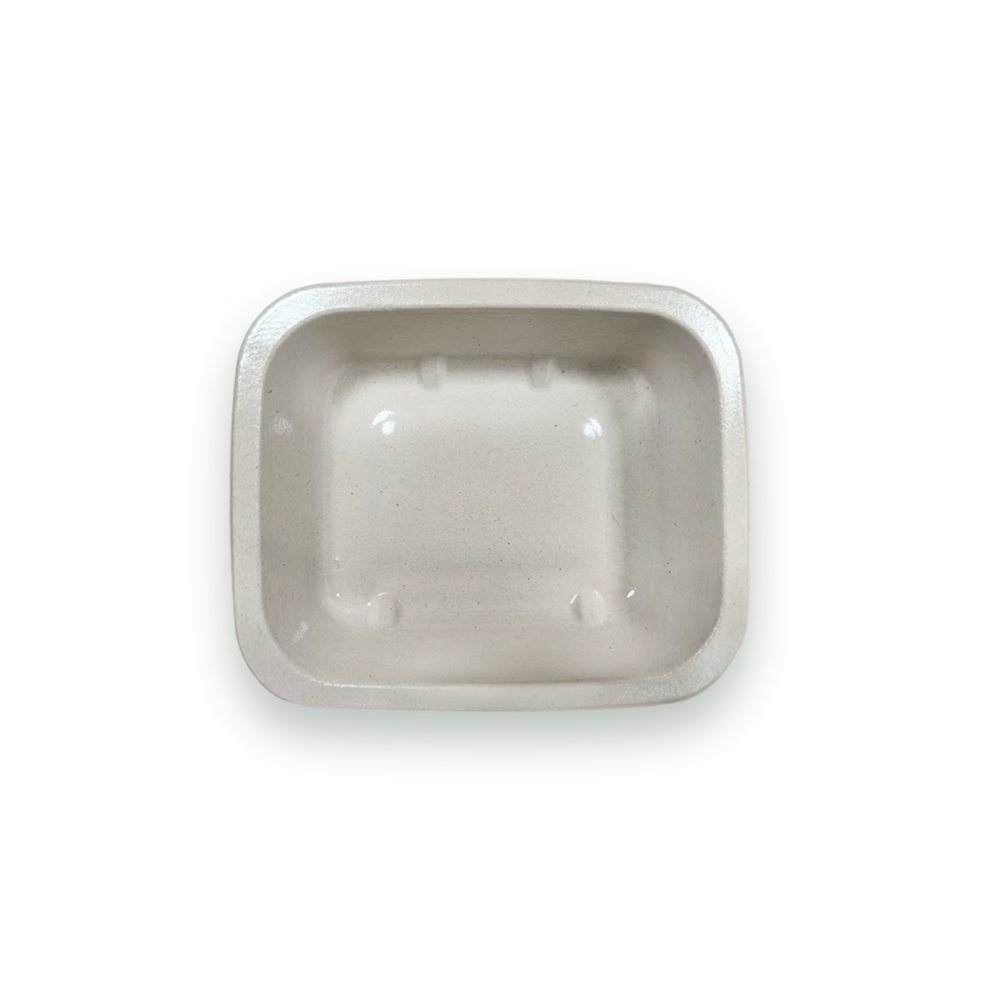
What are the common raw materials for Biodegradable Tableware?
The materials used are derived from renewable biological sources or synthesized polymers designed for microbial digestion.
Plant-Based Starches: Extracted from crops like corn, wheat, potatoes, and cassava. These starches (e.g., polylactic acid or PLA, a polymer derived from corn starch) are thermoplastic and can be molded into rigid containers, cups, and cutlery. They are compostable under industrial conditions.
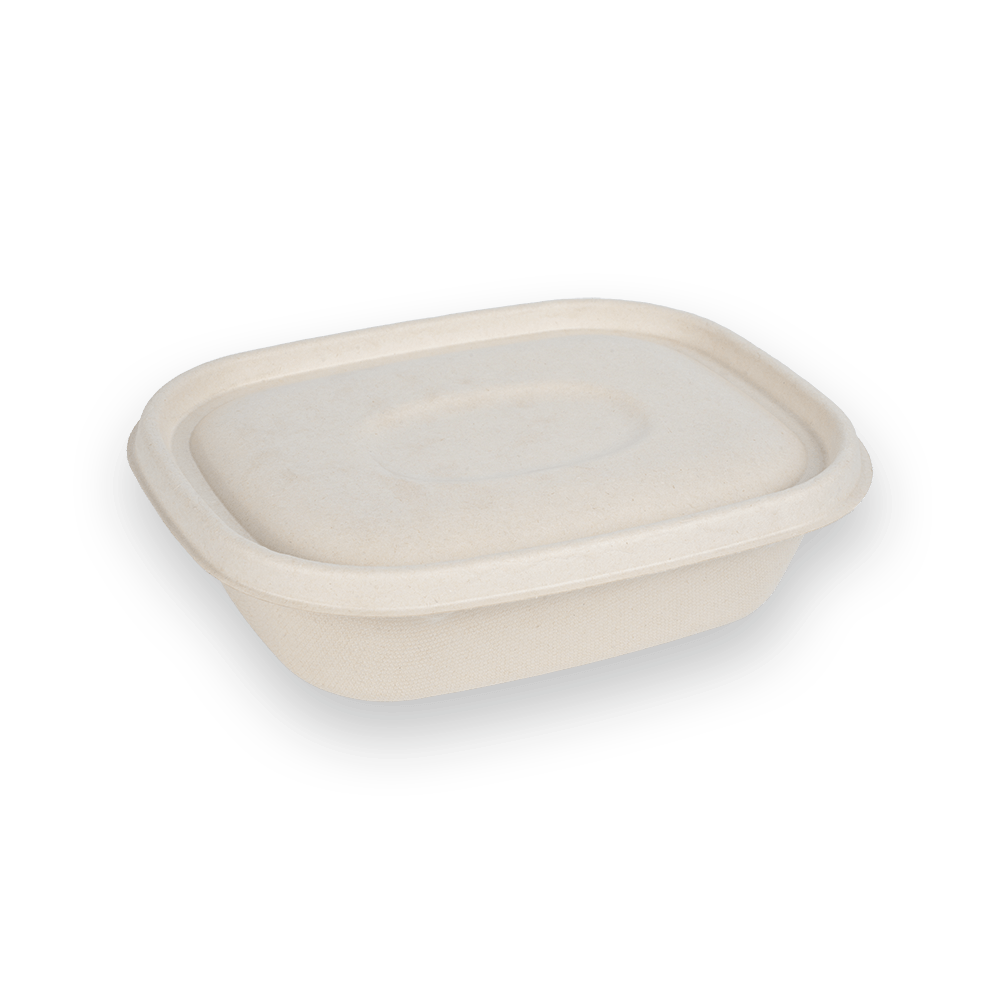
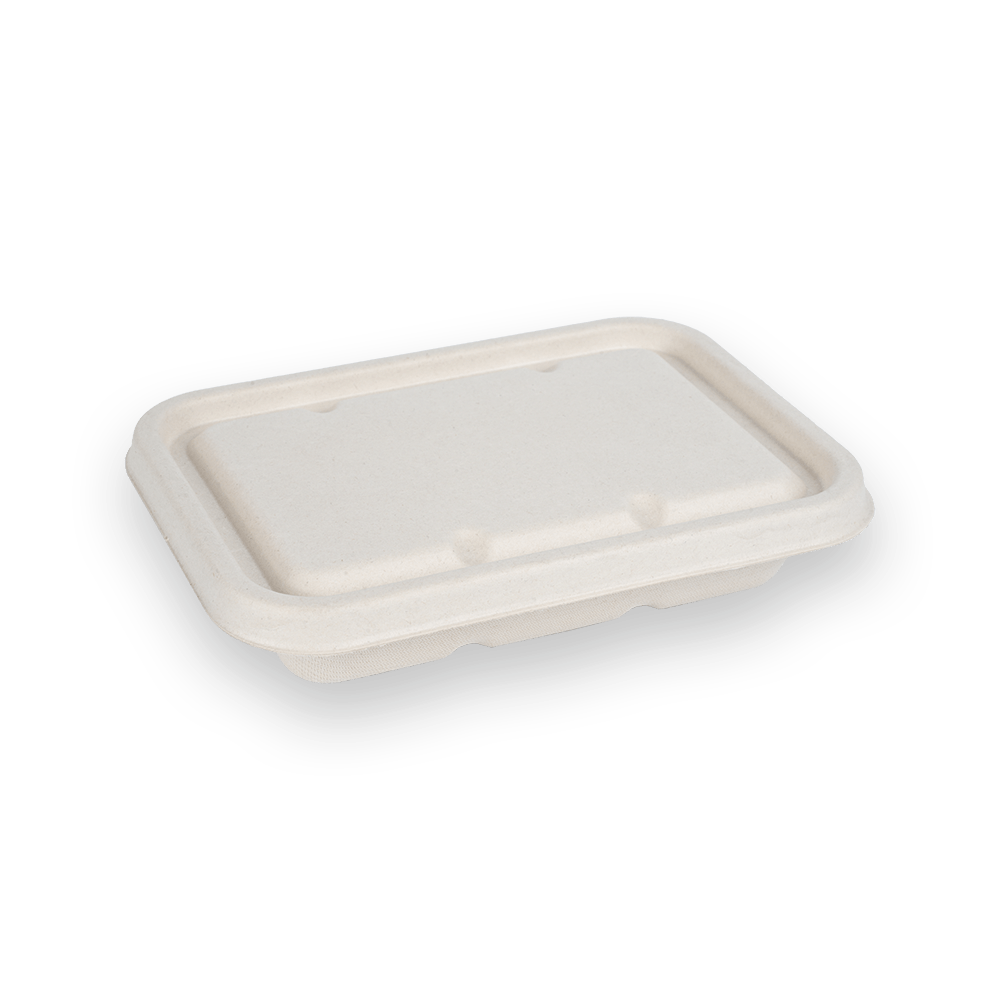
Bagasse: The fibrous residue left after extracting juice from sugarcane. This pulp material is pressed into sturdy, heat-tolerant plates, bowls, and clamshell containers. It is fully compostable.
Palm Leaf: Fallen leaves of the Areca palm are collected, washed, and heat-pressed into naturally textured, durable plates and bowls without additives or binding agents. They are biodegradable and home-compostable.
Wood Pulp and Bamboo: Pulp from sustainably managed trees or fast-growing bamboo is formed into items like plates and takeaway boxes. Bamboo fibers are also used to make reusable-style cutlery.
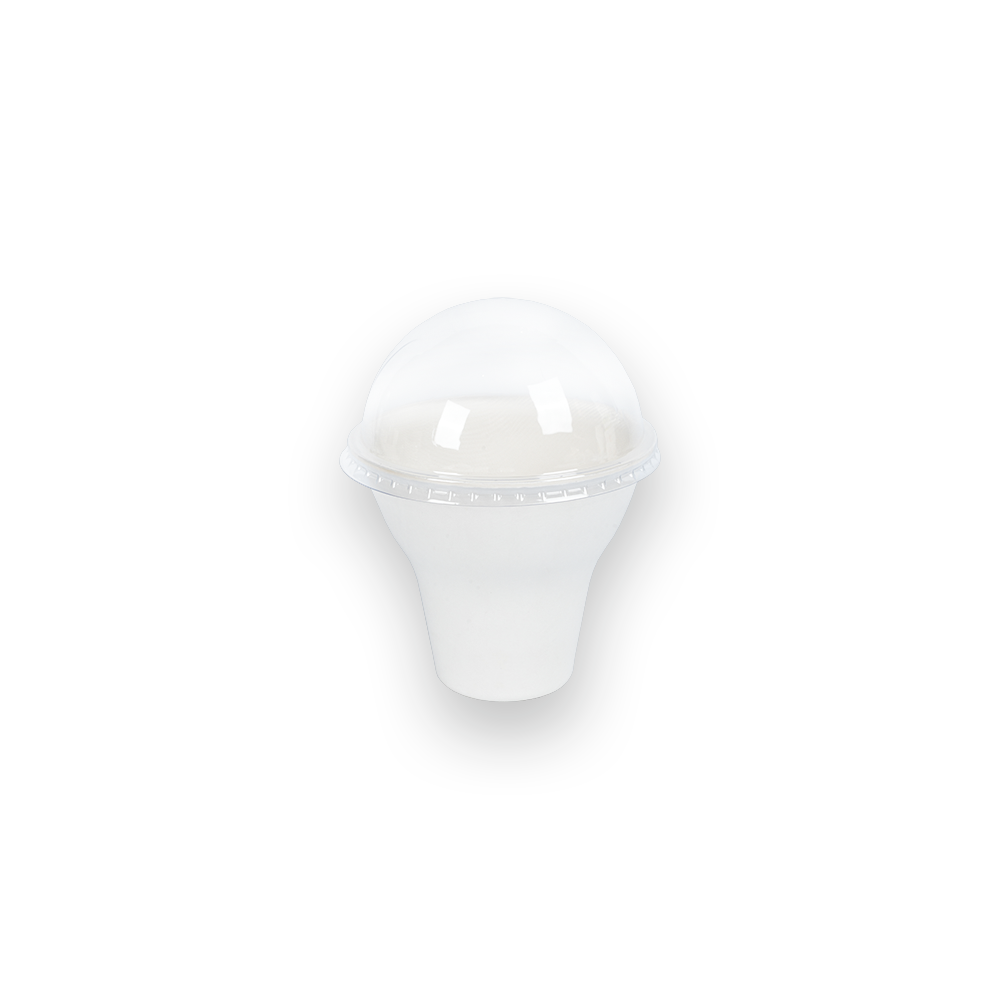
Other Fibrous Materials: Includes wheat bran, reed pulp, and recycled paperboard, often lined with a biodegradable coating like PLA for liquid resistance.
What are Biodegradable Tableware commonly used for?
1. Food Service and Catering Events
This is the primary application. The tableware is used for large gatherings where washing reusable dishes is impractical, such as outdoor festivals, concerts, corporate events, weddings, and community picnics. Its use in these settings is intended to provide convenience while aiming for a lower environmental footprint than polystyrene or plastic alternatives, provided proper waste collection streams are available.
2. Takeaway and Delivery Packaging
Restaurants and food delivery services utilize biodegradable containers, clamshells, bowls, and cups for packaging meals. This addresses consumer demand for more sustainable packaging options for off-premise dining. The materials, such as bagasse or PLA-lined paper, are chosen for their ability to hold hot, greasy, or moist food without collapsing or leaching.
3. Institutional and Commercial Dining
Schools, hospitals, office cafeterias, and airline catering services may adopt biodegradable tableware for certain operations to simplify waste management and meet institutional sustainability policies. In settings like airline meals, the lightweight nature of some biodegradable materials is also a functional consideration.
4. Household and Personal Use
Individuals purchase these products for personal use during parties, barbecues, or for everyday convenience to align with personal environmental values. They are also common in camping scenarios where lightweight, pack-out waste is a priority, and where the items may be burned in a campfire under appropriate conditions (though this is not true biodegradation).
Notes on Using Biodegradable Tableware
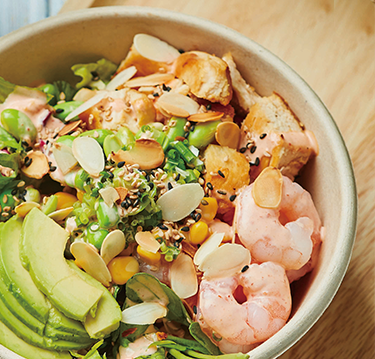
Understanding End-of-Life Pathways
• Not All Are Home-Compostable: Many products, especially those made from PLA, require the high temperatures (50-60°C) of an industrial composting facility to break down within the specified timeframe (often 90-180 days). Placing them in a home compost bin may result in very slow decomposition.
• Contamination Concerns: These items must be disposed of in designated commercial composting bins. If mixed with regular recycling, they contaminate the recycling stream. If sent to a landfill without oxygen, they may release methane, a potent greenhouse gas, as they break down anaerobically.
Performance and Handling Limits
◆ Heat and Moisture Tolerance: While many types are microwave-safe for short periods, many are not suitable for conventional ovens, grills, or direct stovetop heat. Prolonged contact with very hot or oily foods can compromise structural integrity.
◆ Liquid Holding Time: Uncoated paper or fiber-based items will eventually become soggy. PLA-lined items have better resistance, but are still designed for single-use consumption within a limited time frame, not for long-term liquid storage.
◆ Storage and Shelf Life: These products should be stored in a cool, dry place. They can become brittle if stored in overly dry conditions or lose strength in humid conditions. They have a finite shelf life.
Systemic Considerations for Effective Use
▷ Requires Supporting Infrastructure: The environmental benefit is only realized if a commercial composting facility exists to process the waste and a clear collection system is in place. Without this, the material's "biodegradable" property is functionally irrelevant.
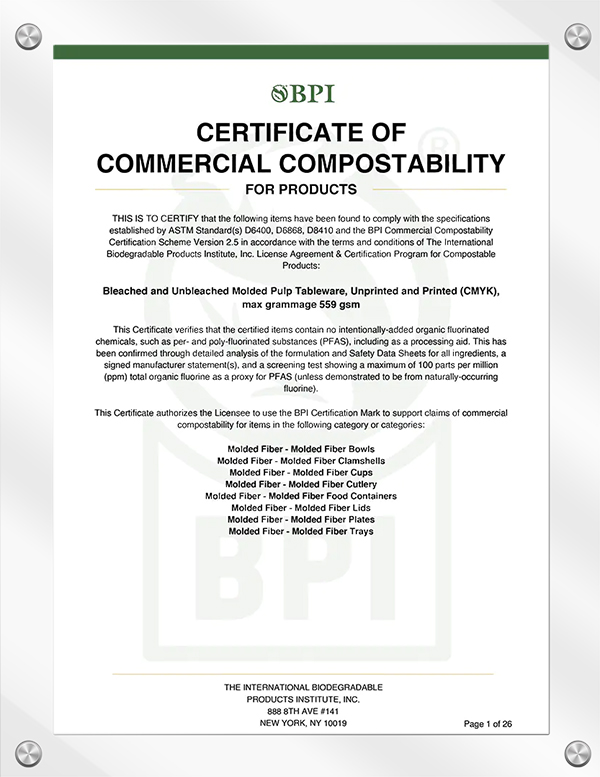
▷ Check for Certifications: Look for valid, independent certifications (like ASTM D6400, EN 13432, or the BPI certification) on the packaging. These verify the product meets scientific standards for compostability in industrial facilities, distinguishing it from vague "green" marketing claims.
▷ Cost Factor: Biodegradable tableware often has a higher per-unit cost than conventional plastic alternatives. This cost reflects the raw materials and manufacturing processes, and is a factor for both businesses and consumers.
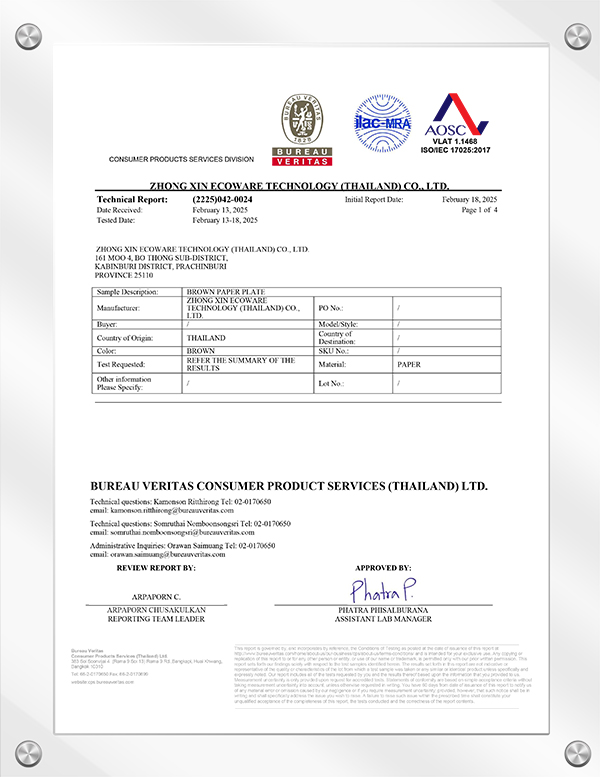
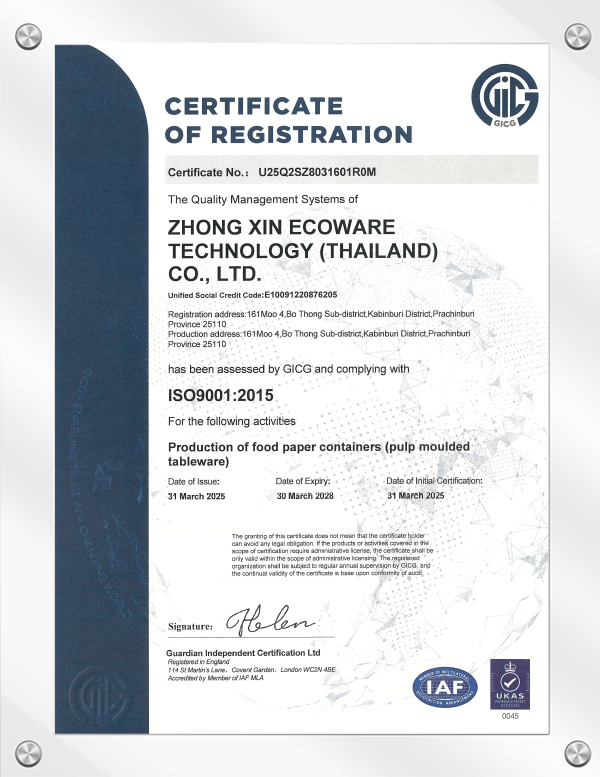
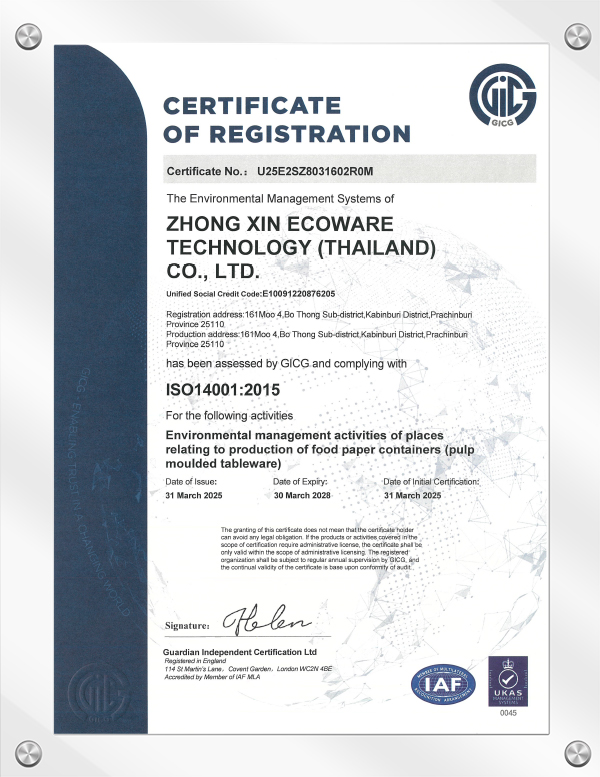
Zhong Xin Ecoware Technology (Thailand) Co., Ltd. supplies bagasse and molded fiber food packaging to importers, distributors and foodservice brands. For MOQ, pricing, samples and lead time, email info@fiber-product.com or use the contact form.
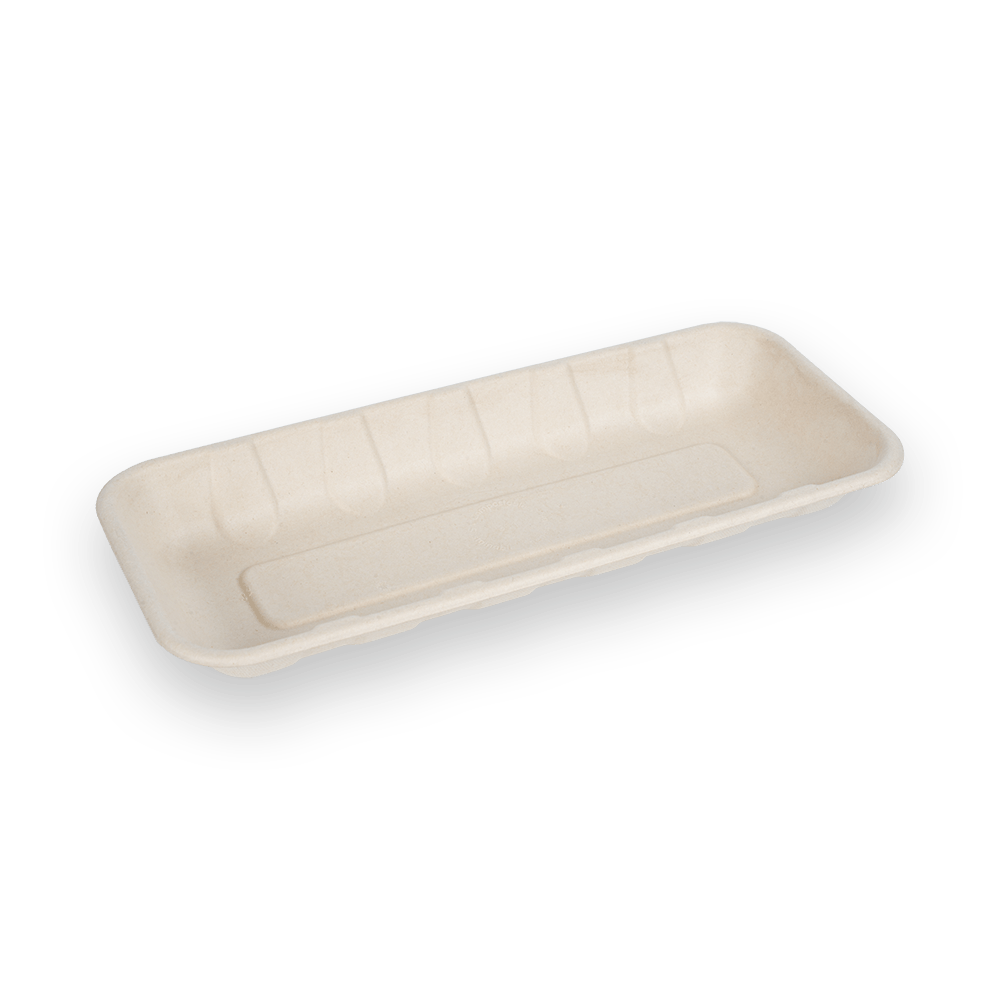
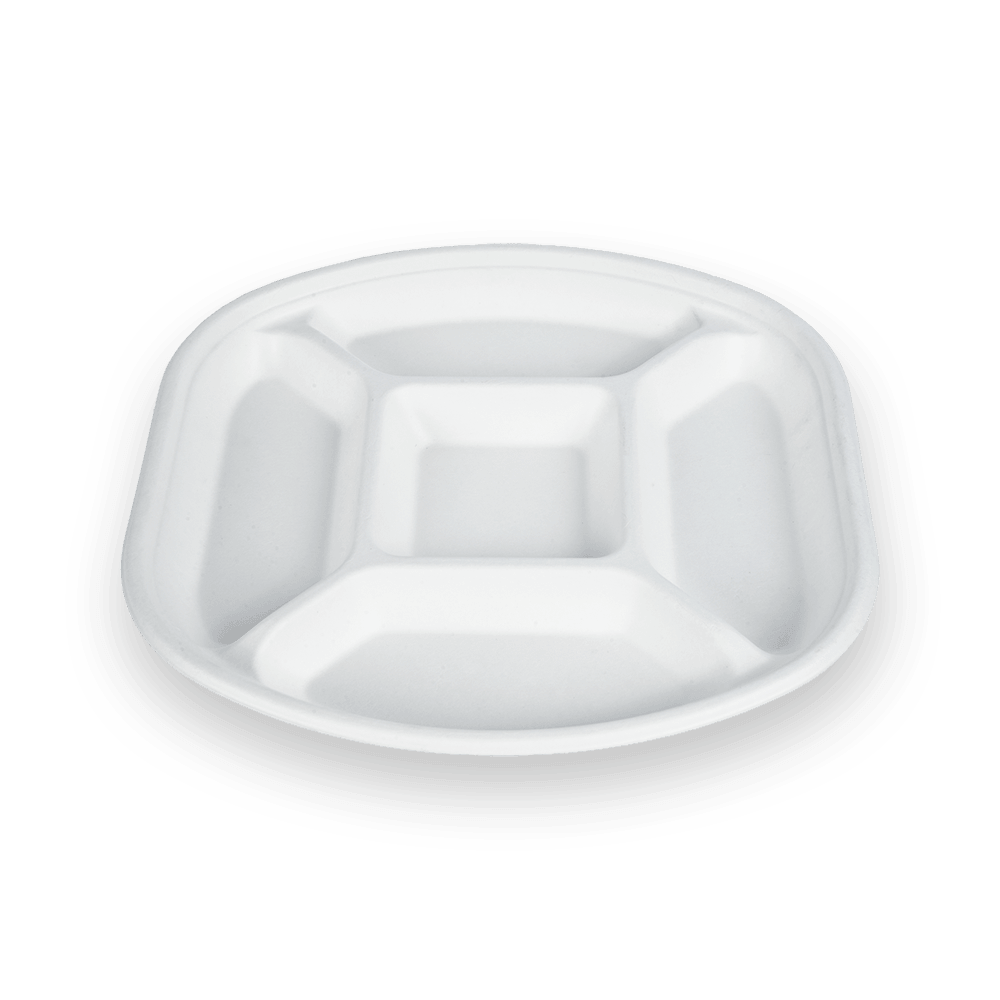


Zhong Xin Ecoware(Thailand) was registered on November 1, 2023, and officially began construction of the factory building in June 2024. At present, the first phase workshop of the factory has been fully completed and put into use. The second phase of the factory is being constructed intensively.
The landing and development of Zhong Xin in Thailand has brought a large amount of initial investment for land, factories, etc., and continuous operational investment for continuous equipment updates, technological upgrades, and capacity expansion.
Zhong Xin Ecoware(Thailand) has directly and indirectly created thousands of job opportunities, increased government revenue, promoted local economic development, cultivated local supply chains, provided systematic training for employees, improved the quality of local human capital, injected vitality into the local economy, enhanced industrial competitiveness, and ultimately improved residents' living standards.
Zhong Xin Ecoware(Thailand) actively collaborates with local pulp mills to explore new cooperation models for developing new products, improving production capacity and quality. At the same time, relying on Zhongxin's advanced production technology, process flow, management experience, and quality control system, it promotes the development of this industry in Thailand.

-
-
 +66-31240888
 -
 161 Village No. 4, Bo Thong Subdistrict Kabin Buri District Prachinburi Province 25110
-
How to Find Zhong Xin at the 140th Canton Fair: A Visitor Navigation Guide
Oct 16,2026
-
Thailand vs China Bagasse Tableware: 8 Comparisons Buyers Should Verify
Oct 16,2026
-
Will Takeout Containers Fit Your Existing Lids and Delivery Workflow
Oct 16,2026
-
What Is Bagasse Tableware? A 2026 Buyer Guide to Material, Performance and Documents
Oct 13,2026
-
Bagasse Tray Wholesale: How Bulk Buyers Cut Cost with Carton and Container Planning
Oct 09,2026
-
What Should a Bagasse Manufacturer Include in a Bulk Order Quote
Oct 09,2026
-
FOB, CIF or DDP? Incoterms for Bagasse Tableware Buyers Shipping from Thailand
Oct 06,2026
-
Packaging or Food Contact? Which EU Regime Applies to Bagasse Cups, Bowls, Plates and Cutlery
Oct 06,2026
-
Compostable Cutlery Sets for Private Label: 7 Sourcing Checks for Retail and Foodservice Buyers
Oct 06,2026
-
US vs EU Bagasse Tableware Imports: 8 Documentation and Compliance Checks Buyers Should Run
Oct 06,2026
-
How to Prepare a Bagasse Tableware Import: 10 Readiness Checks for US and EU Buyers
Oct 06,2026
-
Beyond Plates: Which Foods Suit Bagasse Tableware
Oct 02,2026
Copyright © 2025 Zhong Xin Ecoware Technology ( Thailand ) CO., LTD.
All Rights Reserved.

Biodegradable Disposable Bagasse Tableware Manufacturer