-
 [email protected]
-
 +66-31240888



 English
 Español
 ไทย
ไทยPulp Fiber Berry Containers and Fresh Produce Packaging: Sourcing Guide for Growers and Distributors
Berry growers, packhouses and produce distributors are under pressure to replace plastic clamshells, and the alternatives they test are often flimsy or too expensive. Molded pulp fiber berry containers are the option that holds up in the cold chain, vents properly and composts at end of life, but sourcing them is different from sourcing tableware. This guide covers the specifications that matter for berries, the certification documents to request, and how to work with a molded fiber factory on produce packaging.
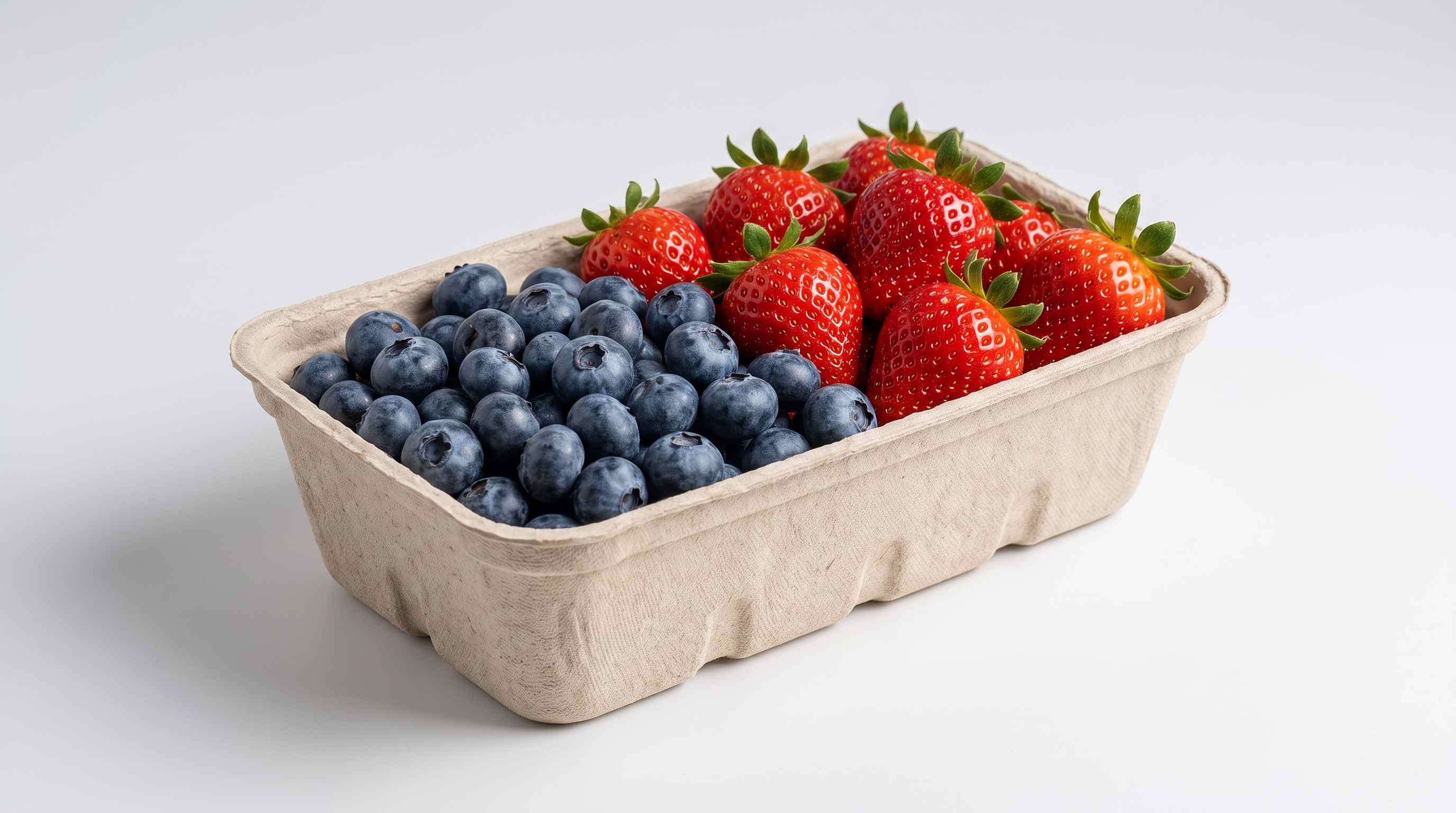
Why molded pulp works for berries
Molded pulp containers are formed from recycled or virgin fiber using heat and pressure, which creates a rigid structure that protects soft fruit during transport. The material breathes, which helps manage condensation, and it can be formed into the vented clamshell and punnet formats that produce buyers expect. For growers, the key advantages are crush resistance in the cold chain, a natural look that fits the produce aisle, and compostability that meets retailer and regulatory requirements.
Berry container formats and sizes
Produce buyers order a limited set of standard formats:
- Punnets and cups for raspberries and blueberries in 125g, 170g, 250g and 500g sizes
- Clamshells for strawberries in 1 pint, 1 quart and 2 pound formats
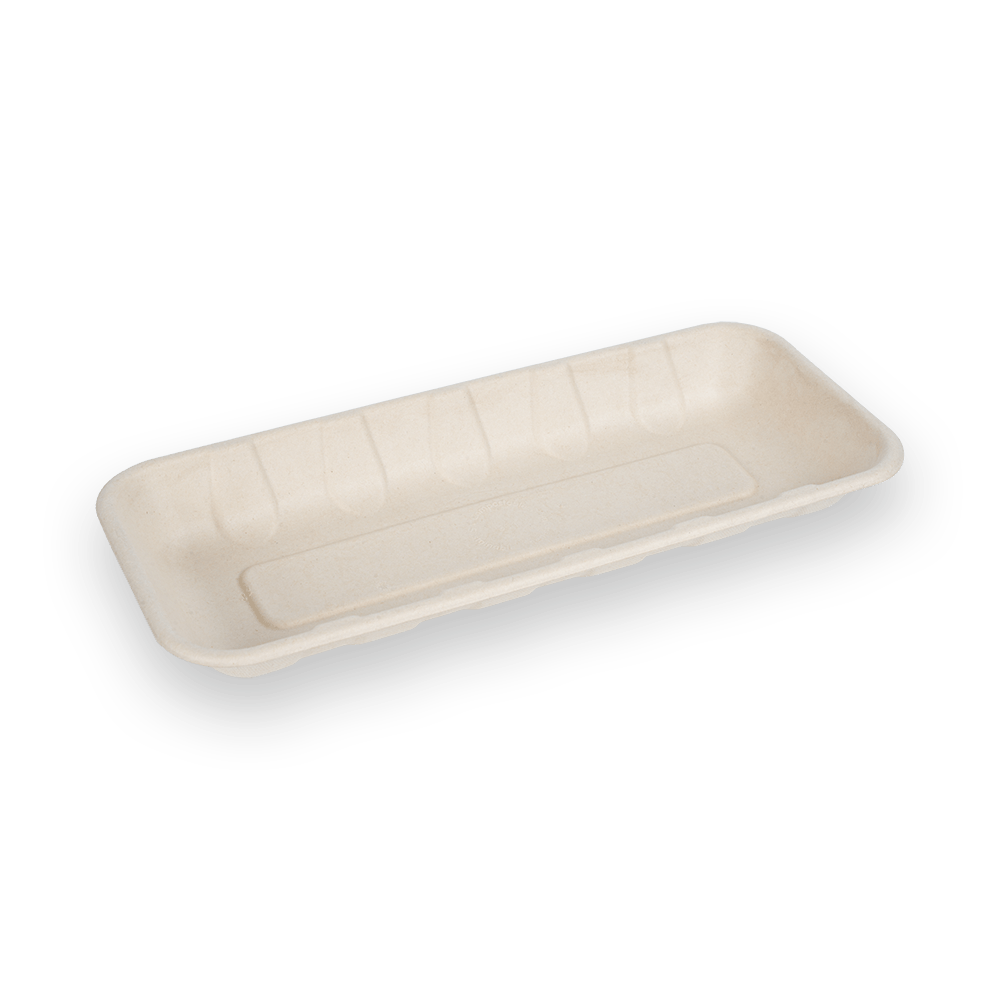
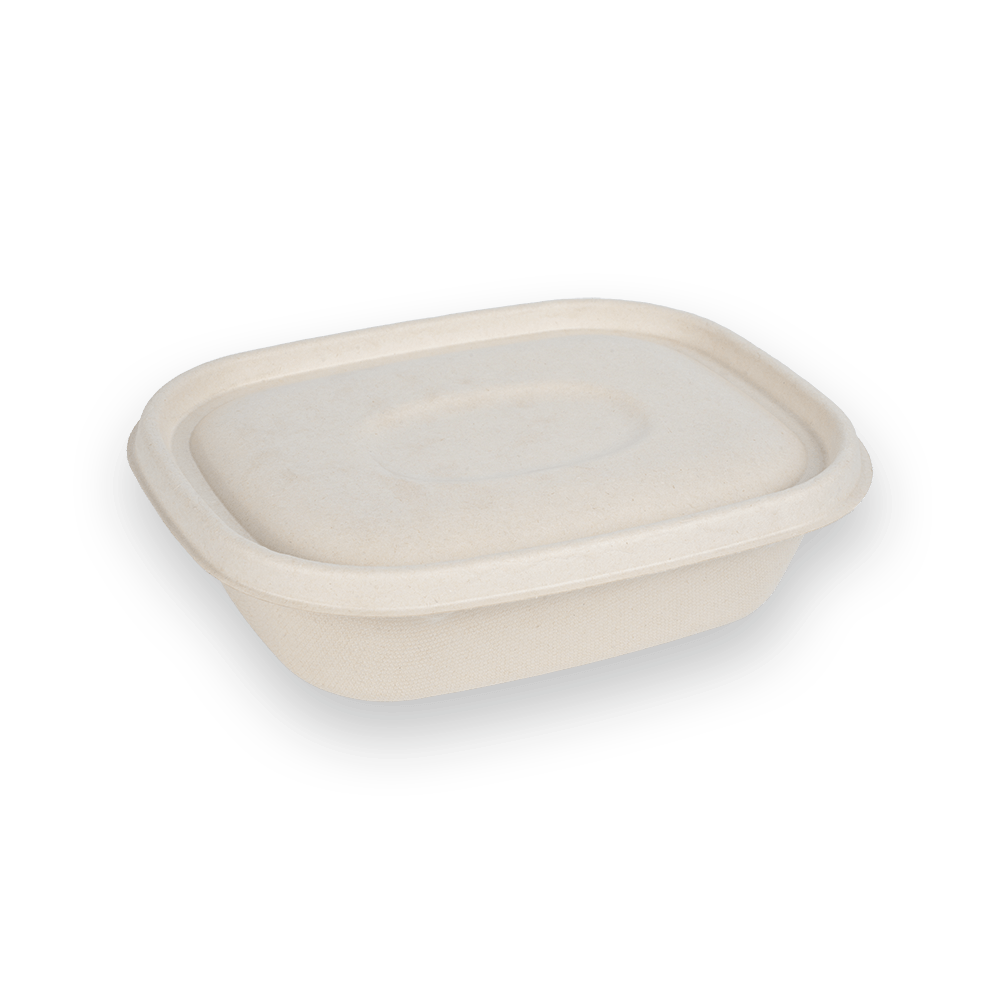
- Vented trays with a separate lid for larger quantities
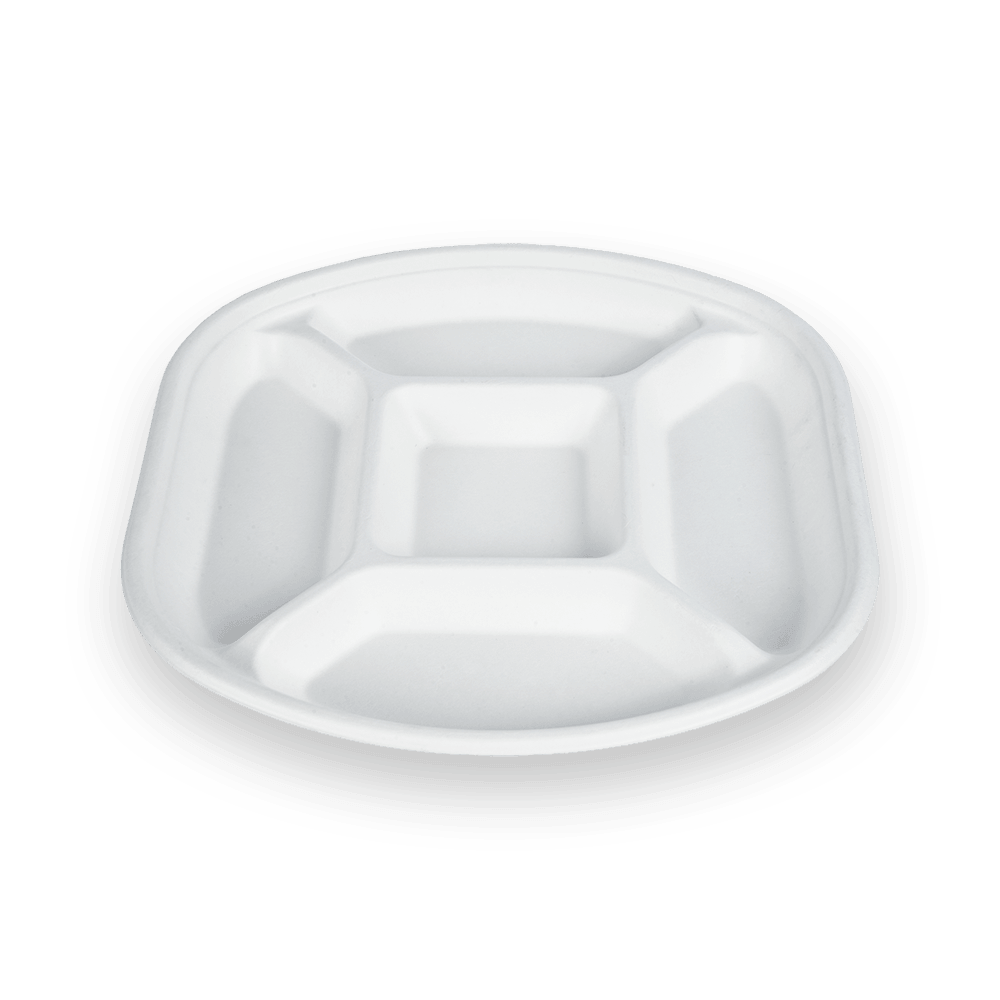
- Multi-compartment trays when the pack includes mixed fruit
When you request a quote, specify the outside dimensions, the capacity in grams or ounces, the number of vents and the stacking requirement. Stacking strength is a common failure point: containers that look fine on the bench can collapse in a loaded pallet.
What to verify before ordering
Produce packaging is food contact packaging, and the bar for documentation is specific:
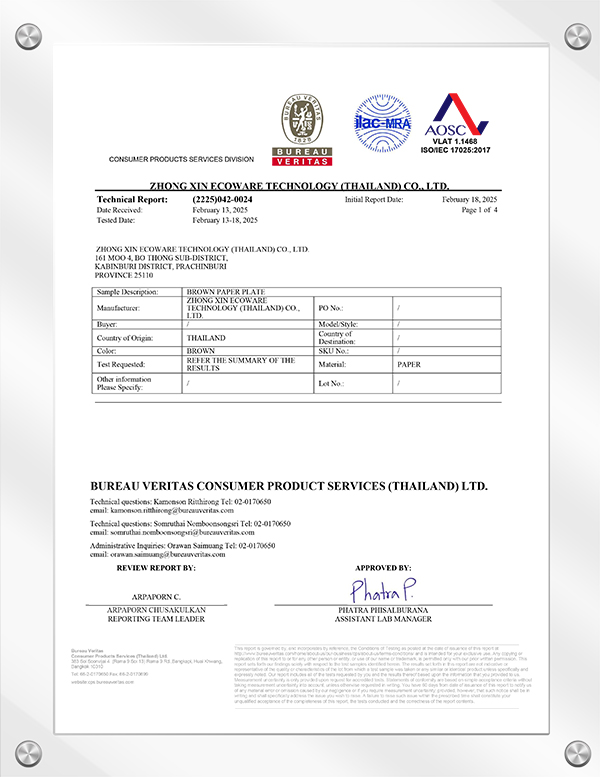
1. Food contact compliance: request the FDA food contact statement or equivalent for the exact product, not a company-level certificate.
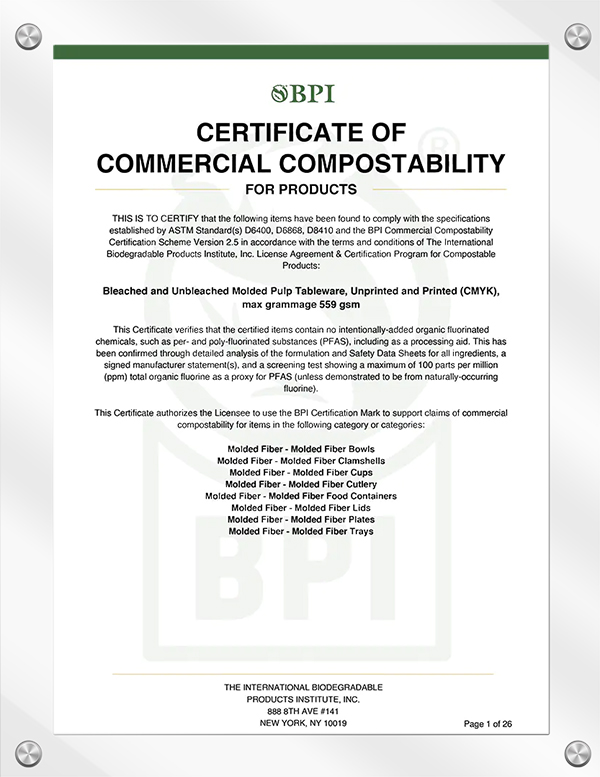
2. Compostability certification: check the BPI directory for the product listing, and confirm the certification covers the vented or coated version you are buying.
3. Moisture behavior: ask how the container performs with condensation and wet fruit, and whether a coating is needed for high-humidity shipments.
4. Cold chain performance: confirm the container holds its shape at refrigerator temperatures and under pallet stacking loads.
5. Custom mold options: if you need a proprietary size or vent pattern, confirm the factory can develop a custom mold and the associated lead time.
Custom molds for produce packaging
Most produce buyers eventually need a size or vent pattern that is not in the standard catalog. Molded fiber factories with in-house mold development can create custom punnets and trays: the process covers design, mold development and sampling, with mold development typically taking 20 to 30 working days before production. Confirm the MOQ for custom products, because it is higher than for standard items and depends on the mold cost and complexity.
Working with a Thailand-based supplier
For North American produce buyers, Thailand-based molded fiber suppliers offer an alternative to China sourcing, with different tariff treatment on molded fiber products and established cold chain routes to the US and Canada. A factory with BPI certification, FDA documentation and experience shipping food packaging can support both standard produce lines and custom private-label packaging. Ask for the factory's export experience with produce buyers, not just tableware, because the requirements are different.
FAQ
Are molded pulp berry containers compostable?
Only if the specific product is certified. Check the BPI directory for the exact product listing. Uncoated molded pulp is generally compostable, but confirm the certification scope covers the product version you are buying.
Can you print our logo on berry containers?
Yes, molded fiber containers can be printed or embossed. Logo printing increases the MOQ, and embossed logos are formed directly into the mold. Share your artwork and volume to get the MOQ for your configuration.
What is the MOQ for custom berry containers?
Custom products that require a new mold have a higher MOQ than standard products. The MOQ depends on the mold cost and the complexity of the design, so send your specifications for a quote.
Do pulp containers hold up in the cold chain?
Molded pulp is used for produce packaging in part because it holds its shape at refrigerator temperatures and stacks well. Confirm the stacking strength and venting for your specific pack size, and request a sample test with your actual fruit load.
Sources
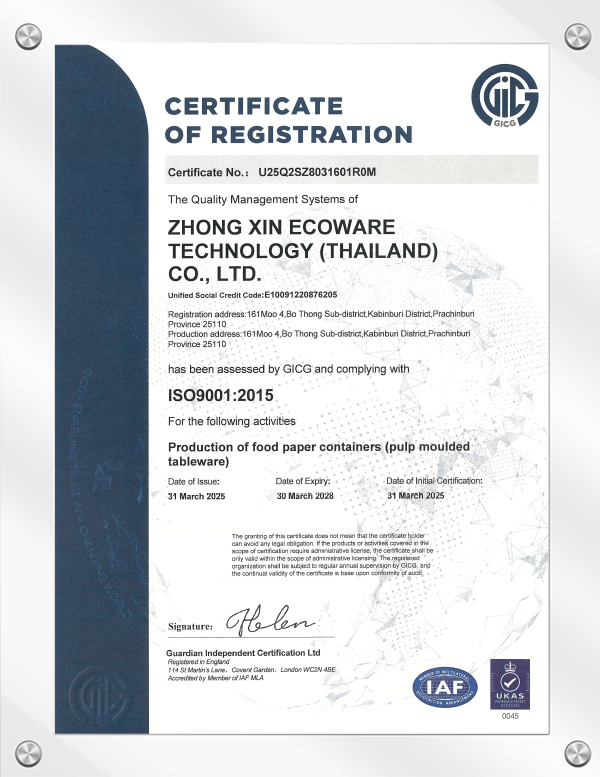
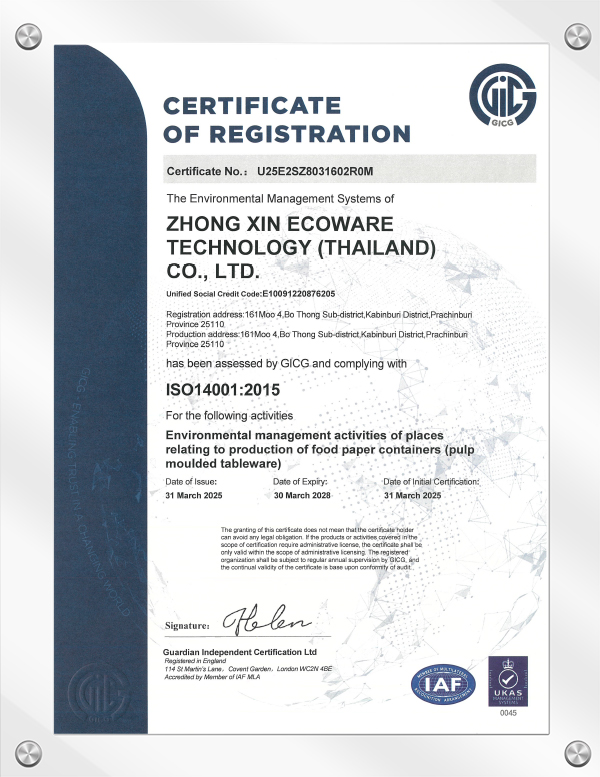
Zhong Xin Ecoware Technology (Thailand) Co., Ltd. supplies bagasse and molded fiber food packaging to importers, distributors and foodservice brands. For MOQ, pricing, samples and lead time, email info@fiber-product.com or use the contact form.


Zhong Xin Ecoware(Thailand) was registered on November 1, 2023, and officially began construction of the factory building in June 2024. At present, the first phase workshop of the factory has been fully completed and put into use. The second phase of the factory is being constructed intensively.
The landing and development of Zhong Xin in Thailand has brought a large amount of initial investment for land, factories, etc., and continuous operational investment for continuous equipment updates, technological upgrades, and capacity expansion.
Zhong Xin Ecoware(Thailand) has directly and indirectly created thousands of job opportunities, increased government revenue, promoted local economic development, cultivated local supply chains, provided systematic training for employees, improved the quality of local human capital, injected vitality into the local economy, enhanced industrial competitiveness, and ultimately improved residents' living standards.
Zhong Xin Ecoware(Thailand) actively collaborates with local pulp mills to explore new cooperation models for developing new products, improving production capacity and quality. At the same time, relying on Zhongxin's advanced production technology, process flow, management experience, and quality control system, it promotes the development of this industry in Thailand.

-
-
 +66-31240888
 -
 161 Village No. 4, Bo Thong Subdistrict Kabin Buri District Prachinburi Province 25110
-
Beyond Plates: Which Foods Suit Bagasse Tableware
Oct 02,2026
-
New Bagasse Tableware Lineup for 2026: What Is New and Where to See It
Sep 28,2026
-
How to Select Bagasse Clamshells for Burgers, Rice Meals and Fried Food
Sep 28,2026
-
Microwave Reheating: Is a Bagasse Lunch Box Suitable
Sep 25,2026
-
9 Inch Pizza Plates and Bagasse Pizza Boards: A Sourcing Guide for US and Canadian Distributors
Sep 19,2026
-
PFAS-Free & Compostability Verification: A Buyer's Checklist for Bagasse and Molded Fiber Packaging
Sep 19,2026
-
Bagasse vs PLA vs Molded Fiber: What Distributors Should Stock in 2026
Sep 19,2026
-
Can Sugarcane Plates Handle Hot, Greasy Foods
Sep 18,2026
-
Bagasse Tableware RFQ Template: Get a Comparable Thailand Factory Quote
Sep 14,2026
-
Are Takeaway Food Containers Ready for Saucy Meals
Sep 11,2026
-
7-Inch vs 9-Inch Bagasse Plates: Carton and 20GP Guide
Sep 07,2026
-
Will Bagasse Pulp Trays Sag Under Heavy Meals
Sep 04,2026
Copyright © 2025 Zhong Xin Ecoware Technology ( Thailand ) CO., LTD.
All Rights Reserved.

Biodegradable Disposable Bagasse Tableware Manufacturer