-
 [email protected]
-
 +66-31240888



 English
 Español
 ไทย
ไทยOEM Molded Fiber Packaging: How Custom Mold Development Works, What It Costs and How Long It Takes
Brands that need a proprietary container shape, a custom compartment layout or a logo formed into the product usually start with the same question: how does custom mold development work with a molded fiber factory, and what does it really take? The answer determines your launch timeline, your minimum order and your unit price. This guide walks through the OEM mold process step by step, so you know what to prepare, what to ask for, and where the costs and timelines actually sit.
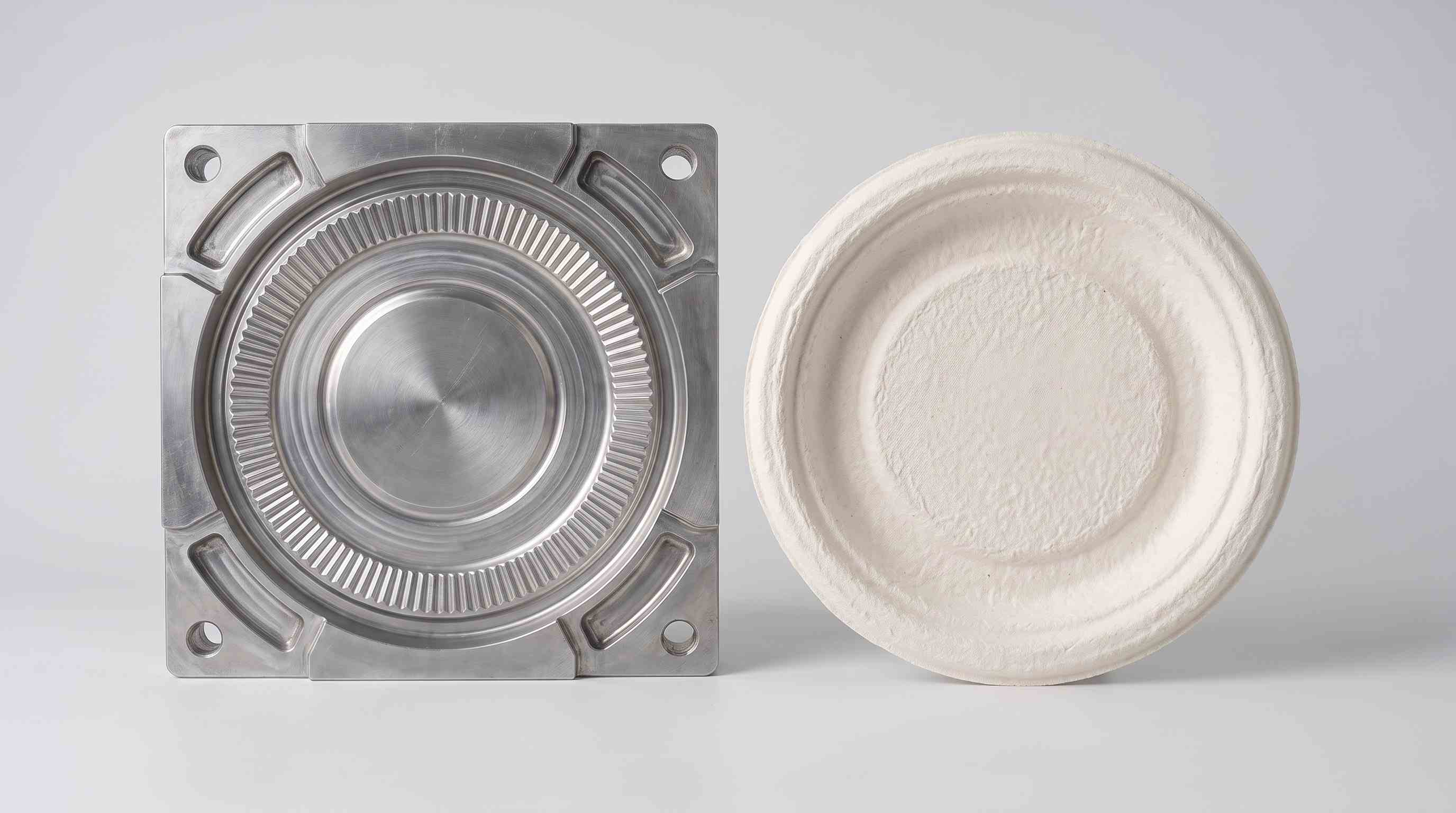
Step 1: Define the product specification
Before any mold work starts, the product needs a written specification: outside dimensions, wall height, compartment layout, unit weight target, lid or closure requirements, stacking needs and the coating or printing plan. The more precise the specification, the fewer mold revisions. If the product will carry hot or oily food, state that now, because it affects the fiber formulation and the coating choice.
Step 2: Design and engineering review
The factory reviews the specification against its molding capabilities. Molded fiber has design rules that plastic injection does not: draft angles (the minimum angle on vertical walls), achievable wall thickness, and the limits of what can be formed in a single mold. A good factory will flag specification conflicts before cutting steel, not after. This stage usually produces a design proposal with the final dimensions and the mold layout.
Step 3: Mold development
Mold development is the core of the timeline. For a new custom product, mold development typically takes 20 to 30 working days before production can start. The mold is developed in-house by the factory, which shortens the iteration loop when adjustments are needed. The mold cost depends on the product's structure and complexity: a simple plate mold costs less than a multi-compartment container with a lid and a closure system.
Step 4: Sampling and approval
Once the mold is built, the factory produces samples for approval. This is the step where most buyers save money by being thorough: test the sample with your actual food, your actual packaging line and your actual cold chain before approving mass production. Confirm the unit weight, stacking behavior, and how the product performs with the coating or printing you selected.
Step 5: Production and lead time
After sample approval, production runs according to the order schedule. Standard products with existing molds follow a shorter lead time (often 3 to 7 days from stock), printed products add 7 to 15 working days, and new mold products run after the mold is approved. The MOQ for custom products is higher than for standard products, because it reflects the mold investment and the production setup.
What affects mold cost
The mold cost is driven by the product's structural complexity. A single-compartment round plate with simple geometry is at the low end. A multi-compartment tray, a product with an undercut or snap-fit closure, or a design with tight dimensional tolerances sits at the high end. Ask the factory for a mold cost breakdown and the MOQ at the same time, because the two are quoted together for custom products.
OEM vs ODM: what is the difference
OEM means you provide the product design or specification and the factory manufactures it, including the mold if needed. ODM means the factory uses its own designs and catalog products, often with your logo and packaging added. Most buyers start with ODM for fast market entry, then move to OEM molds once volume justifies the mold investment. A factory that offers both lets you bridge from one to the other without changing suppliers.
What to prepare before contacting a factory
To get a useful custom mold quote on the first exchange, send:
- A drawing, 3D file or reference photo of the product
- The target dimensions and capacity
- The food type and temperature it will hold
- The expected annual volume and container loading
- Whether you need logo printing, embossing or a coating
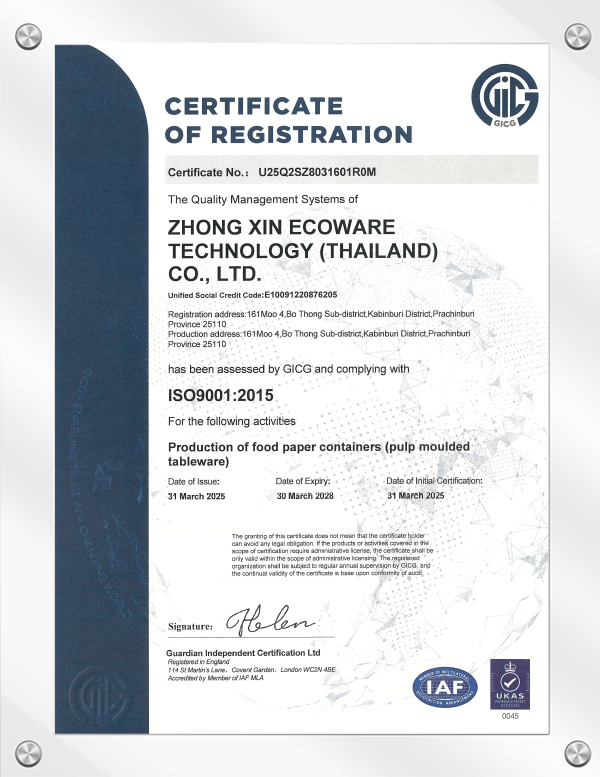
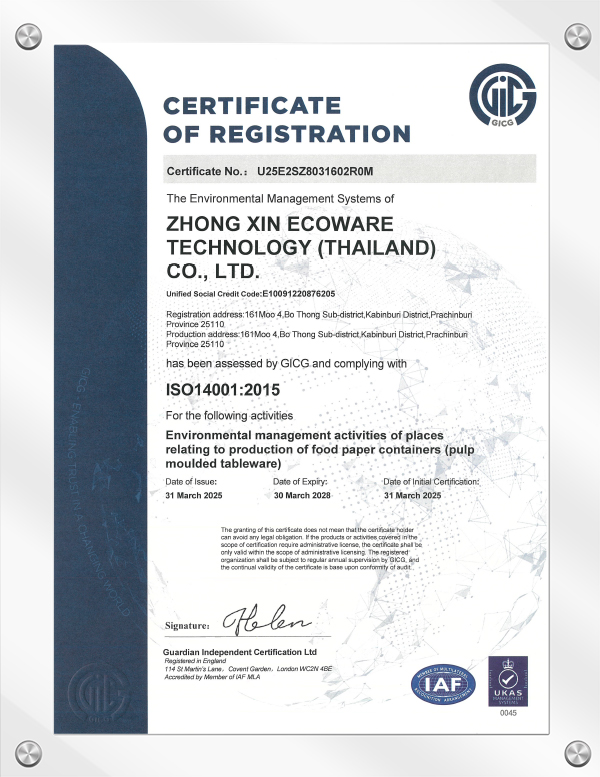
- Your target market, so the factory can include the right certification documents
FAQ
How long does custom mold development take?
For a new custom molded fiber product, mold development typically takes 20 to 30 working days before production begins. Sampling and approval add time on top of that, so plan the full timeline from specification to container loading.
What is the MOQ for OEM products?
Custom products that require a new mold have a higher MOQ than standard products. The MOQ depends on the mold cost and the product's complexity, and it is quoted together with the mold cost.
Can the logo be formed into the product?
Yes. Embossed logos can be formed directly into the mold during production, and printed logos can be added with silk screen, heat transfer or digital printing. Each option has its own MOQ and lead time.
Can we start with an existing product and add our logo?
Yes. This is the ODM route: choose a standard product from the factory's catalog, add your logo and packaging, and launch quickly without mold development. It is the fastest way to test a market before investing in a custom mold.
Sources
Zhong Xin Ecoware Technology (Thailand) Co., Ltd. supplies bagasse and molded fiber food packaging to importers, distributors and foodservice brands. For MOQ, pricing, samples and lead time, email info@fiber-product.com or use the contact form.
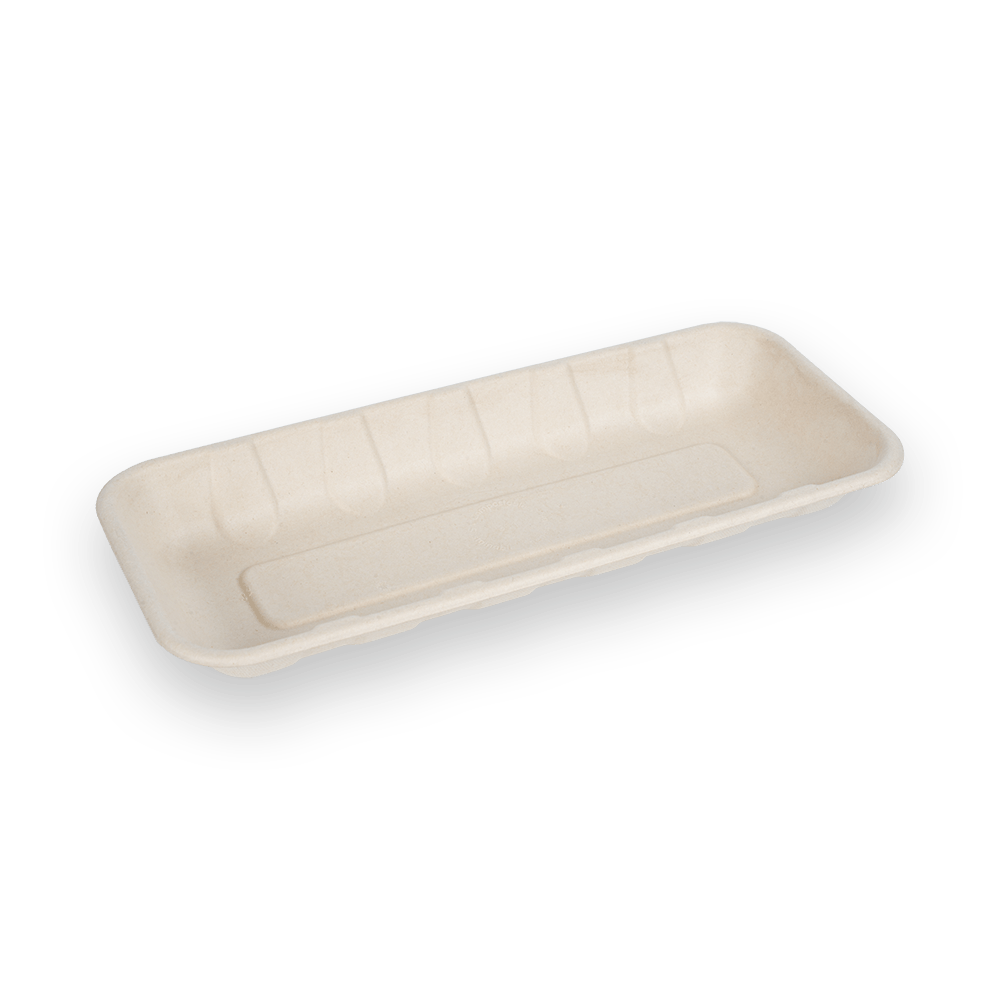
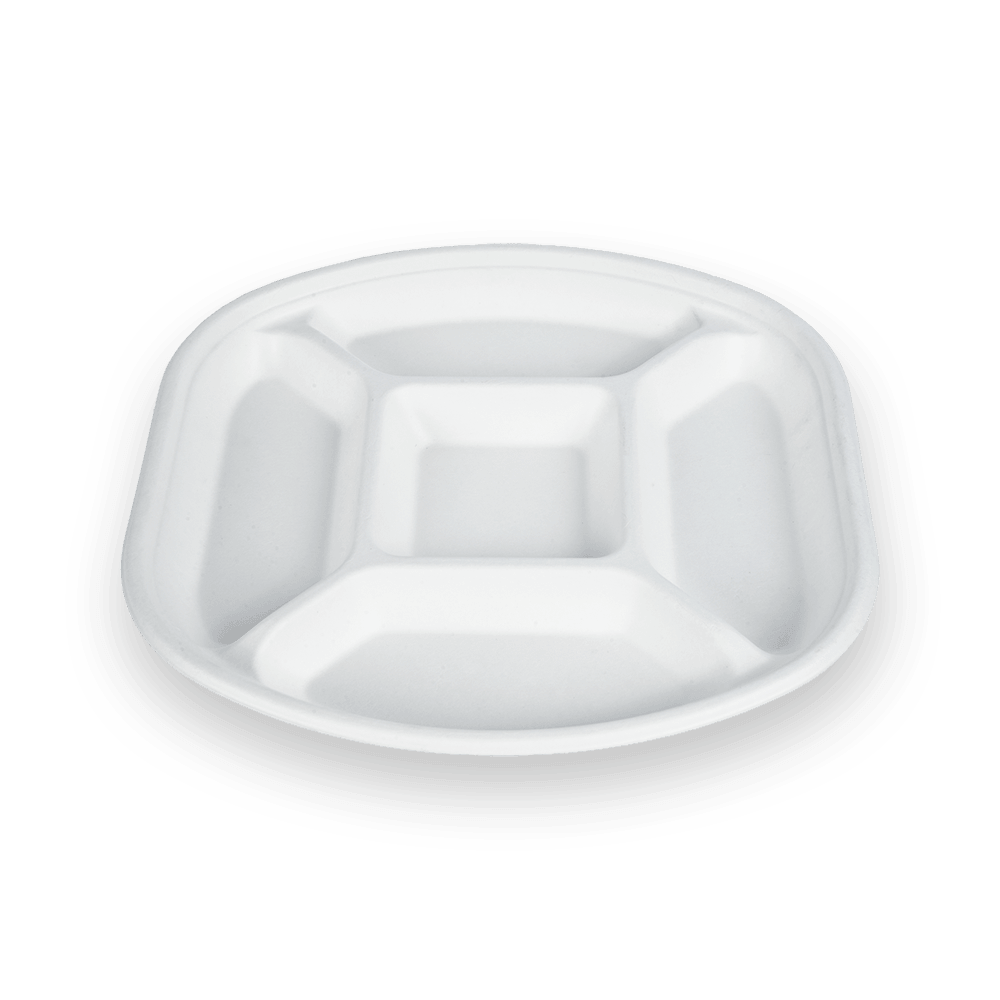

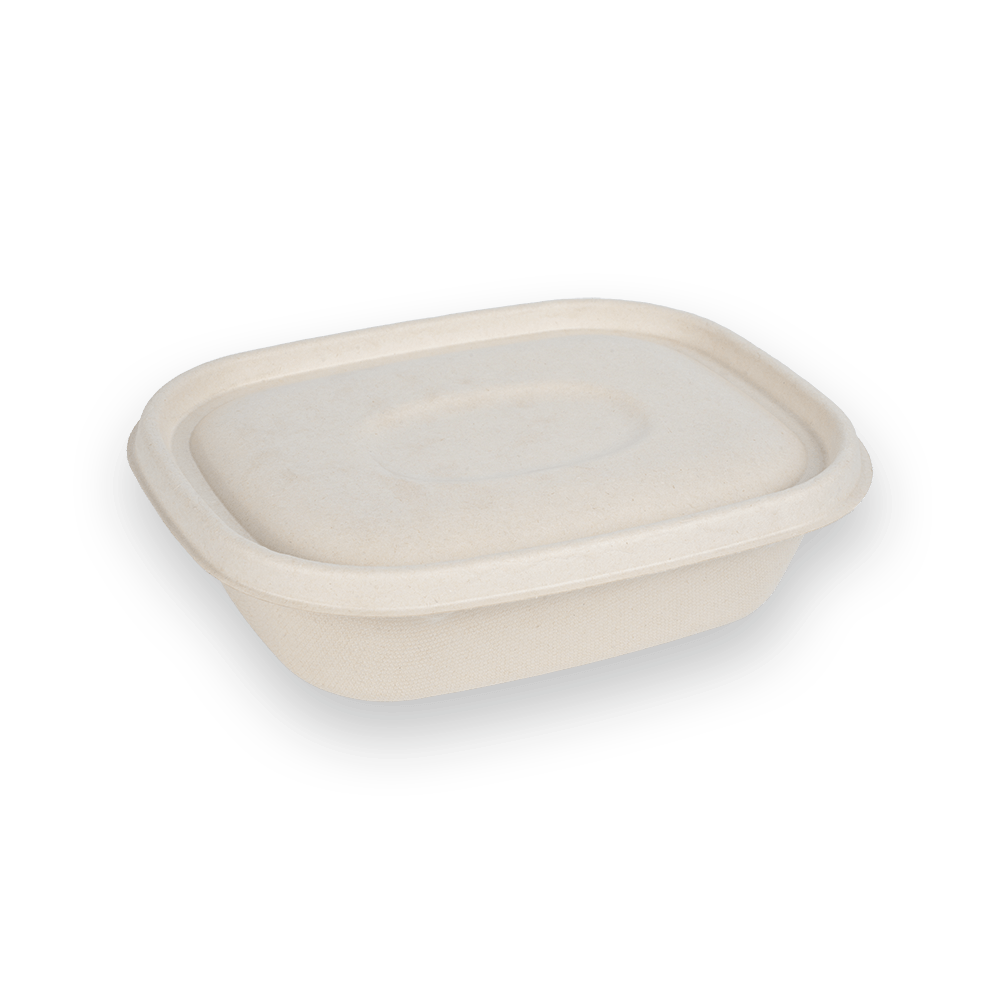
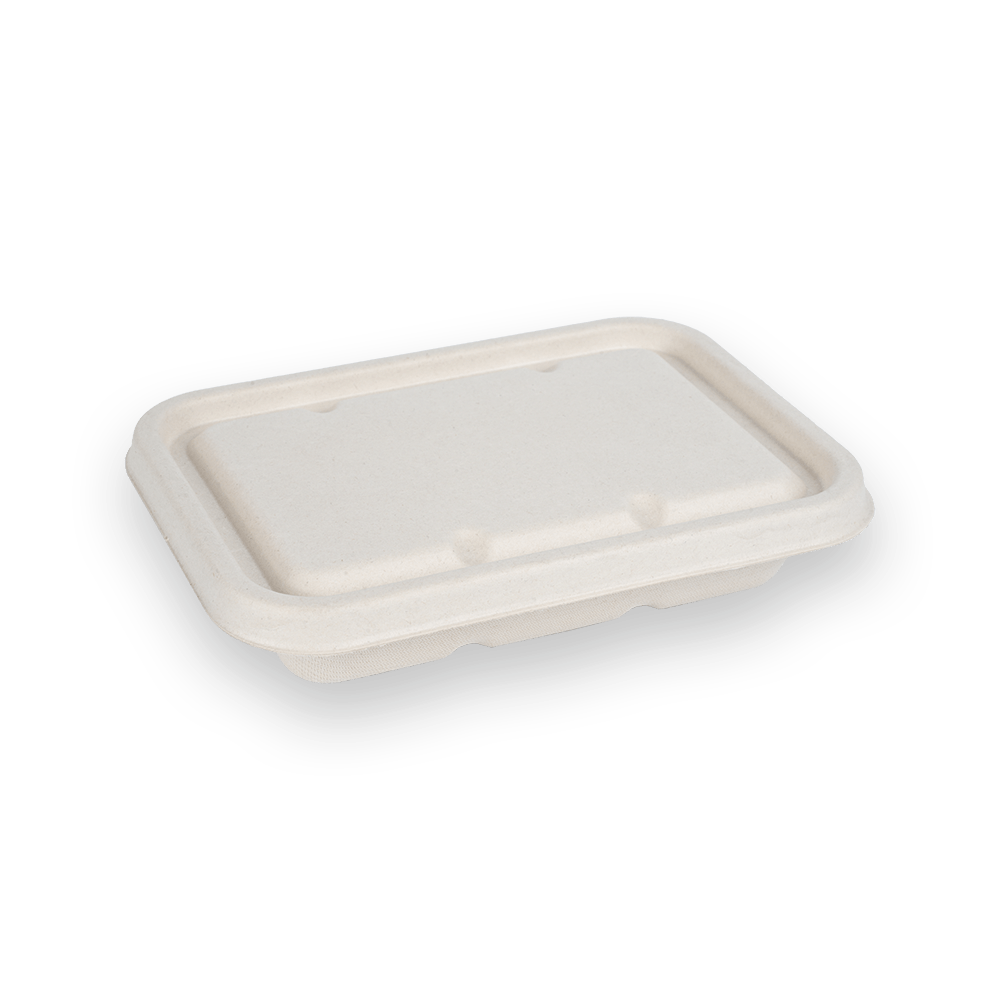

Zhong Xin Ecoware(Thailand) was registered on November 1, 2023, and officially began construction of the factory building in June 2024. At present, the first phase workshop of the factory has been fully completed and put into use. The second phase of the factory is being constructed intensively.
The landing and development of Zhong Xin in Thailand has brought a large amount of initial investment for land, factories, etc., and continuous operational investment for continuous equipment updates, technological upgrades, and capacity expansion.
Zhong Xin Ecoware(Thailand) has directly and indirectly created thousands of job opportunities, increased government revenue, promoted local economic development, cultivated local supply chains, provided systematic training for employees, improved the quality of local human capital, injected vitality into the local economy, enhanced industrial competitiveness, and ultimately improved residents' living standards.
Zhong Xin Ecoware(Thailand) actively collaborates with local pulp mills to explore new cooperation models for developing new products, improving production capacity and quality. At the same time, relying on Zhongxin's advanced production technology, process flow, management experience, and quality control system, it promotes the development of this industry in Thailand.
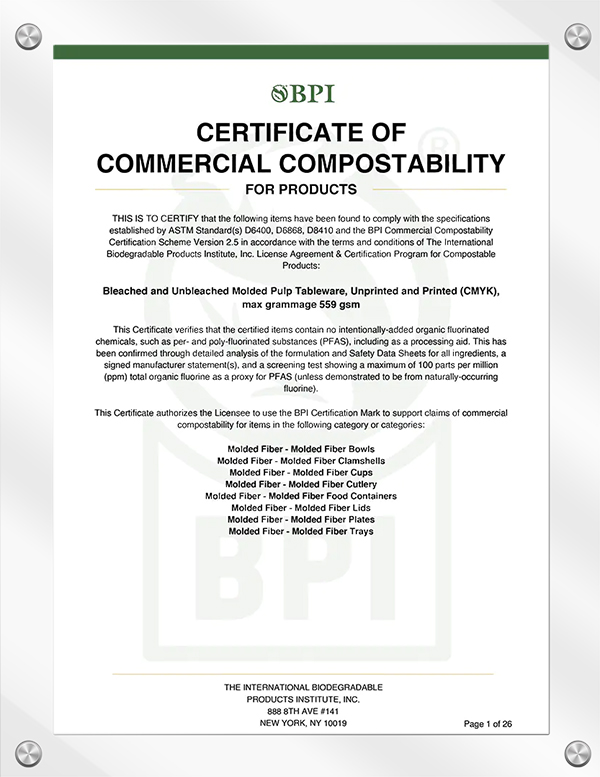
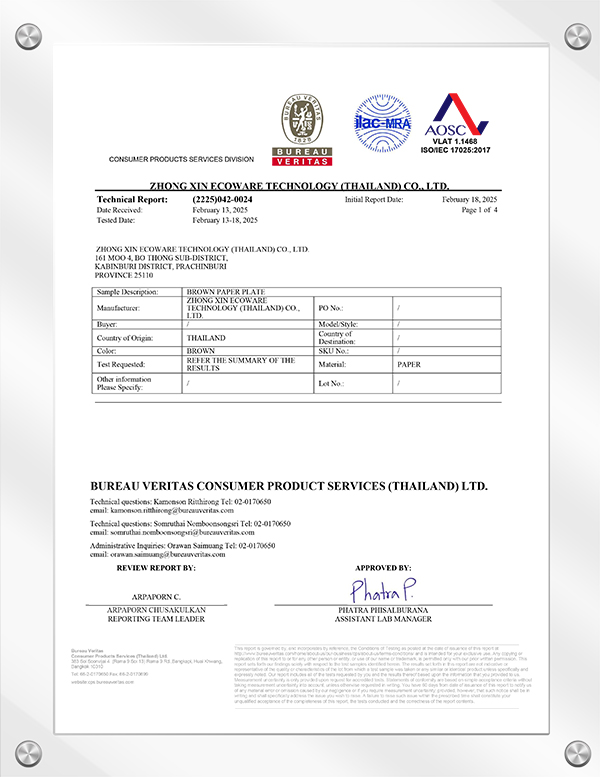

-
-
 +66-31240888
 -
 161 Village No. 4, Bo Thong Subdistrict Kabin Buri District Prachinburi Province 25110
-
Beyond Plates: Which Foods Suit Bagasse Tableware
Oct 02,2026
-
New Bagasse Tableware Lineup for 2026: What Is New and Where to See It
Sep 28,2026
-
How to Select Bagasse Clamshells for Burgers, Rice Meals and Fried Food
Sep 28,2026
-
Microwave Reheating: Is a Bagasse Lunch Box Suitable
Sep 25,2026
-
9 Inch Pizza Plates and Bagasse Pizza Boards: A Sourcing Guide for US and Canadian Distributors
Sep 19,2026
-
PFAS-Free & Compostability Verification: A Buyer's Checklist for Bagasse and Molded Fiber Packaging
Sep 19,2026
-
Bagasse vs PLA vs Molded Fiber: What Distributors Should Stock in 2026
Sep 19,2026
-
Can Sugarcane Plates Handle Hot, Greasy Foods
Sep 18,2026
-
Bagasse Tableware RFQ Template: Get a Comparable Thailand Factory Quote
Sep 14,2026
-
Are Takeaway Food Containers Ready for Saucy Meals
Sep 11,2026
-
7-Inch vs 9-Inch Bagasse Plates: Carton and 20GP Guide
Sep 07,2026
-
Will Bagasse Pulp Trays Sag Under Heavy Meals
Sep 04,2026
Copyright © 2025 Zhong Xin Ecoware Technology ( Thailand ) CO., LTD.
All Rights Reserved.

Biodegradable Disposable Bagasse Tableware Manufacturer