-
 [email protected]
-
 +66-31240888



 English
 Español
 ไทย
ไทยHow to Order from an Asian Bagasse Factory: MOQ, Samples, Lead Time, AQL and Payment
A step-by-step walkthrough of the import process for bagasse tableware, from first RFQ to container loading.
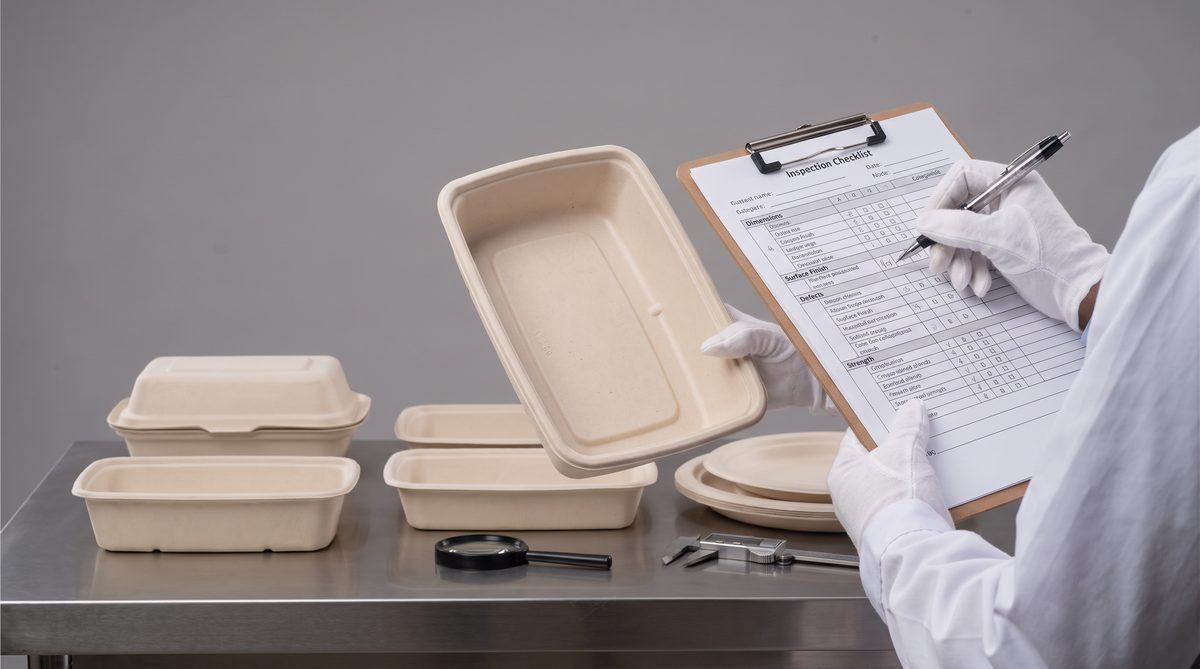
Ordering molded fiber tableware from a factory in China or Thailand is not complicated, but it is detail-heavy. Most problems in the first order come from skipped steps: specifications that were never written down, samples that were approved without testing, and inspections that happened after the goods were already packed. This guide walks through the sequence that works, based on how serious Asian bagasse factories actually run their export business.
Step 1: Write the specification before you ask for a price
Never request a quote with "clamshell, 9 inch". A usable specification covers: exact product type and shape, dimensions with tolerance, material (bagasse pulp, grammage, wet-press or dry-press), color, printing and logo details, packaging (polybag, carton size, pieces per carton), and target certification requirements (BPI, FDA, LFGB, EN 13432). The more complete the spec, the more accurate the quote - and the easier it is to hold the factory to the agreed quality.
Step 2: Confirm the certificates against official registries
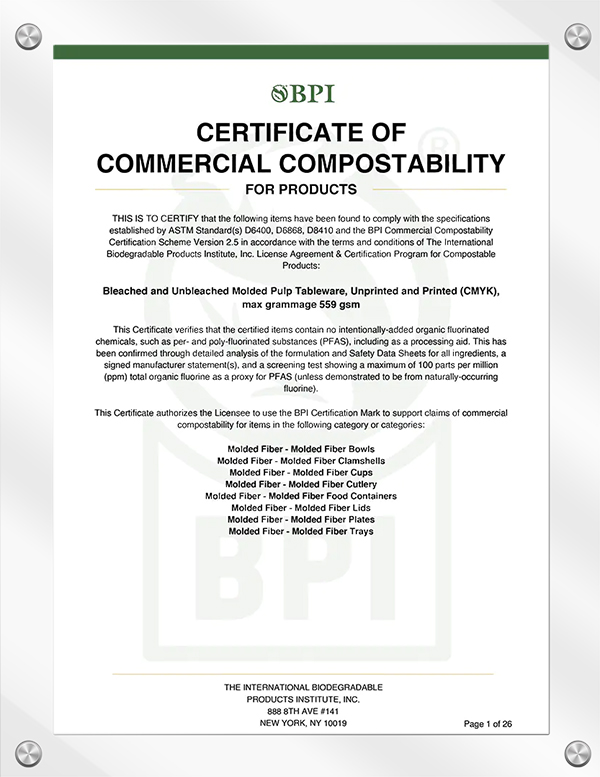
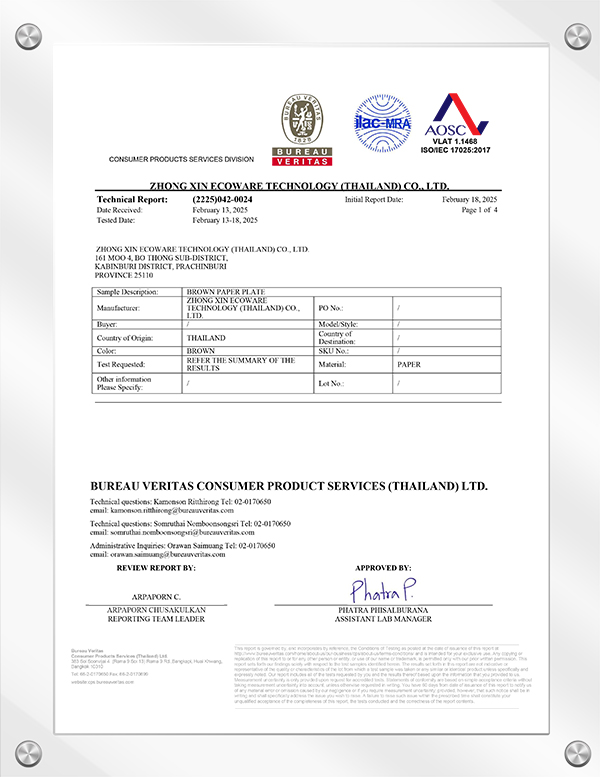
Before sampling, verify the supplier's claims. For US compostability claims, check the BPI directory at products.bpiworld.org. For food contact, request FDA documentation with a regulatory basis. For EU, verify the EN 13432 certificate number with the issuing body (DIN CERTCO or TÜV Austria). A full walkthrough is available in our verification guide https://www.zxpackingthailand.com/news/industry-news/how-to-verify-bagasse-tableware-supplier-certifications-official-registries.html.
Step 3: Order samples and test them properly
Order samples of the actual SKU - not a "similar" product. Test with the food you will actually serve: hot soup, oil-based dishes, frozen items. Check for leakage, deformation, grease resistance and odor. Confirm the samples match the certified specification (material, weight, coatings). Keep a sealed reference sample for comparison with production.
Step 4: Agree MOQ, lead time and payment terms in writing
MOQ for bagasse tableware varies by product and factory. Standard molded fiber lines usually have lower MOQs than custom shapes with new tooling. Lead time typically runs from 25 to 45 days depending on order size and whether tooling is new. Payment terms in the industry commonly start with 30% deposit and 70% against the copy of shipping documents, with T/T the most common method; some factories offer L/C for larger programs. Get all three - MOQ, lead time, payment - confirmed in writing before any deposit.
Step 5: Agree quality acceptance with AQL before production
AQL (Acceptable Quality Limit) is the sampling standard used at inspection. Define it before production starts: a common starting point for food packaging is AQL 2.5 for major defects and 4.0 for minor defects, with critical defects (food safety, contamination) at zero tolerance. Specify what counts as major versus minor: dimensional deviation, printing defects, soiling, packaging damage. Our step-by-step guide on setting AQL acceptance criteria explains how to build the table https://www.zxpackingthailand.com/news/industry-news/how-to-set-aql-acceptance-criteria.html.
Step 6: Plan the inspection and the container
For a first order, use a third-party inspection before loading (SGS, Bureau Veritas, or a local inspector), sampling per the agreed AQL. Confirm carton dimensions and palletization against the container plan - molded fiber is bulky, and carton size mistakes are the most common cause of containers that do not fit the planned quantity. Ask the factory for the container loading plan and check the numbers yourself.
Step 7: Check the documentation before payment
Before the balance payment, verify the commercial invoice, packing list, bill of lading, certificate of origin (Thailand origin for tariff-advantaged programs), and the certificate copies for the shipped SKUs. Keep the sealed reference sample until the container arrives.
What a good factory does differently
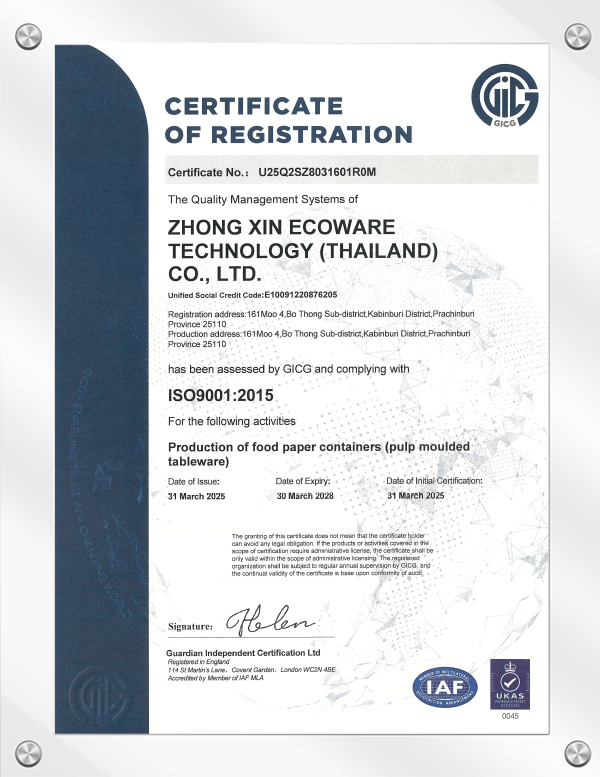
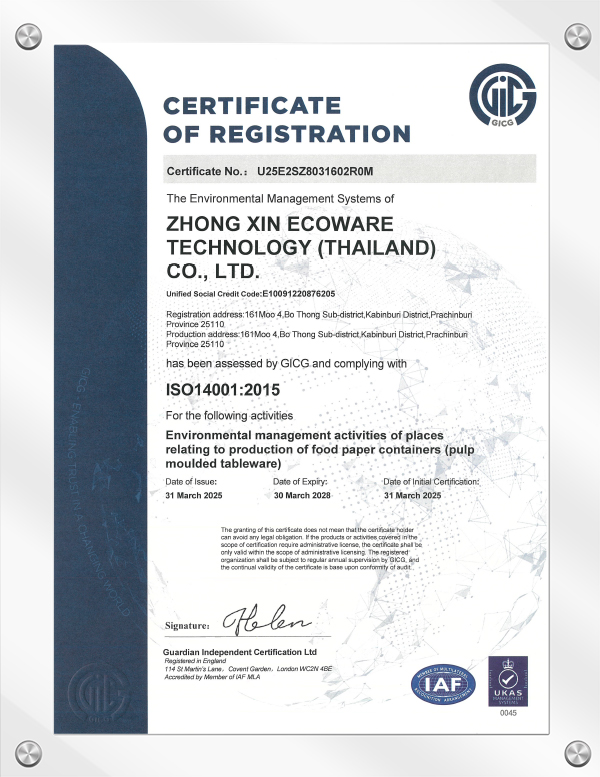
A factory that exports regularly will volunteer the specification sheet, name the AQL level it works with, provide a container loading plan, and give certificate numbers that resolve in official registries. Zhong Xin Ecoware Technology (Thailand) Co., Ltd., for example, publishes its product specifications with MOQ, packing and carton data on its product pages, supports OEM/ODM with private label printing, and provides export documentation covering FDA, BRCGS, ISO and EN 13432 https://www.zxpackingthailand.com. That kind of transparency is a better signal than any brochure.
The bottom line
Ordering bagasse tableware from Asia is a sequence of small agreements: spec, certificates, samples, MOQ, lead time, payment, AQL, inspection, documentation. Write each one down, verify each one against an official source, and the first container goes smoothly. The full procurement workflow, including the AQL table builder and checklist, is in our buyer guide section at zxpackingthailand.com https://www.zxpackingthailand.com.
Sources
Zhong Xin Ecoware Technology (Thailand) Co., Ltd. supplies bagasse and molded fiber tableware to importers, distributors and private-label brands. For MOQ, pricing, samples and lead time, email info@fiber-product.com or use the contact form.
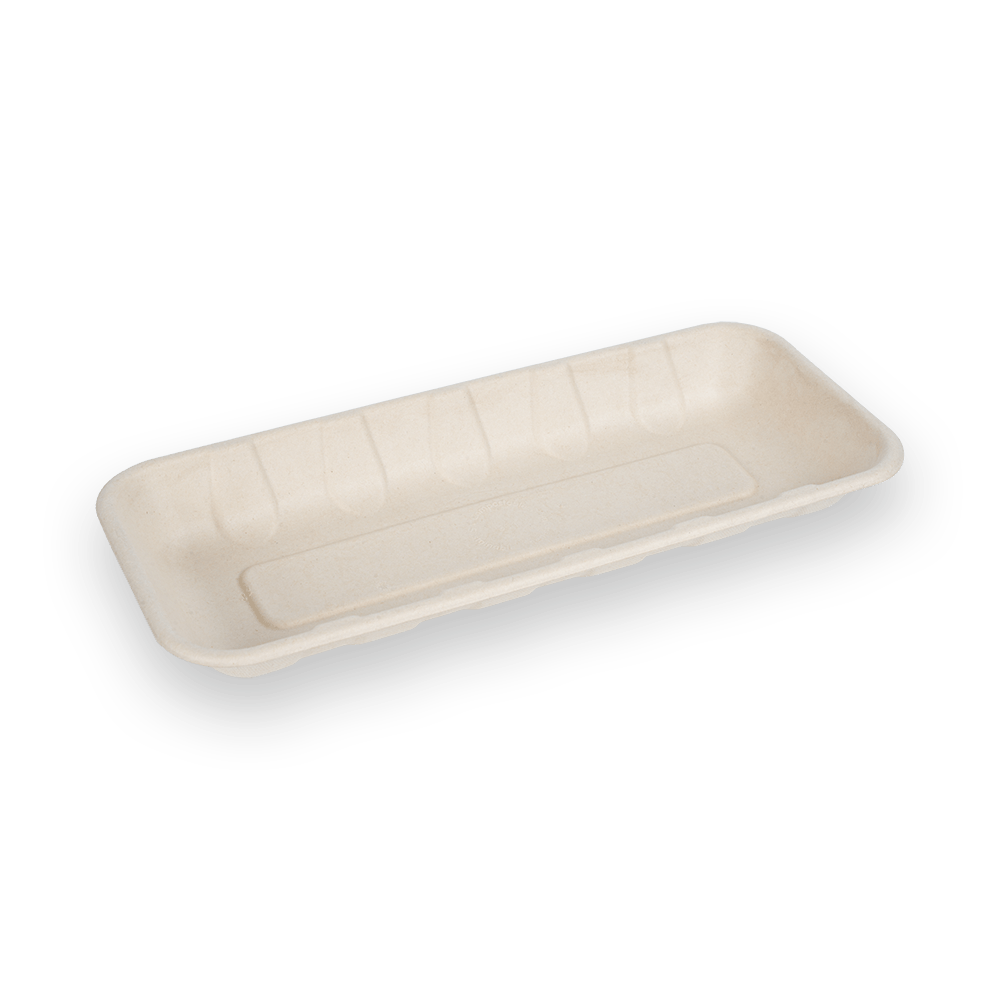
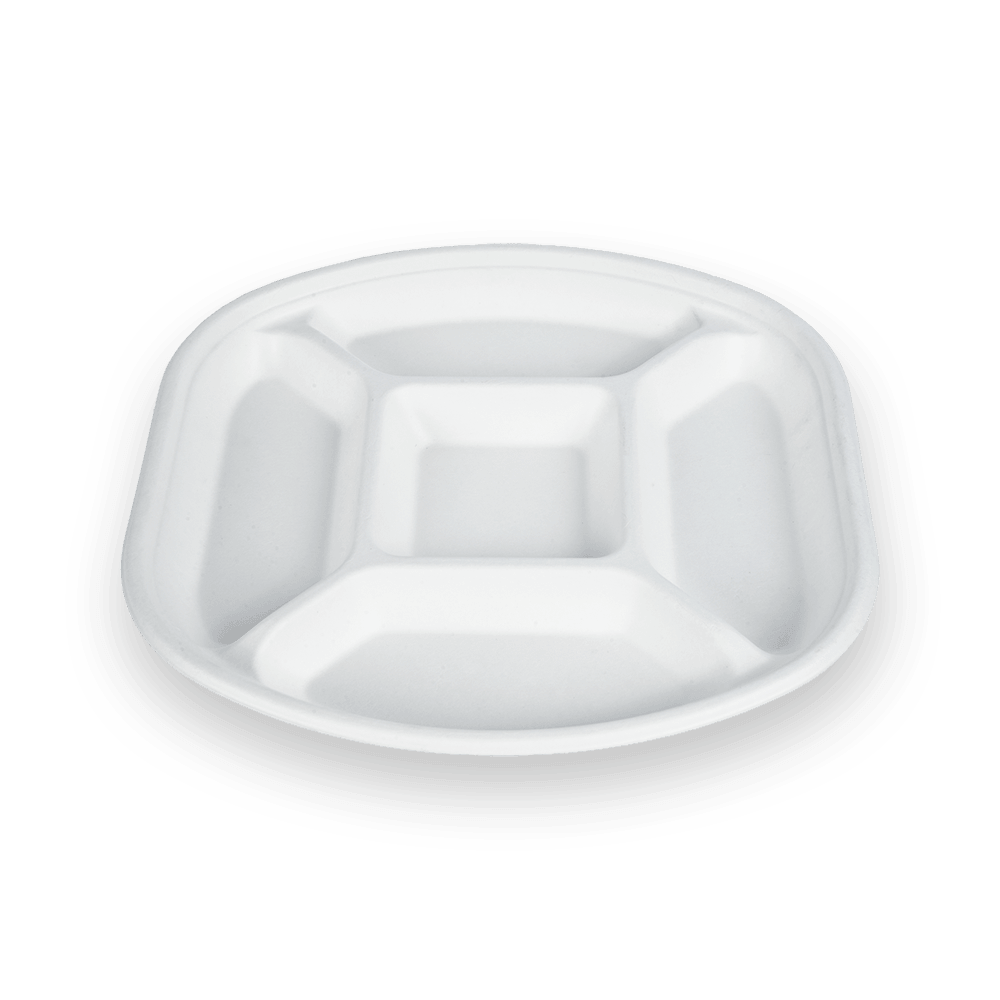

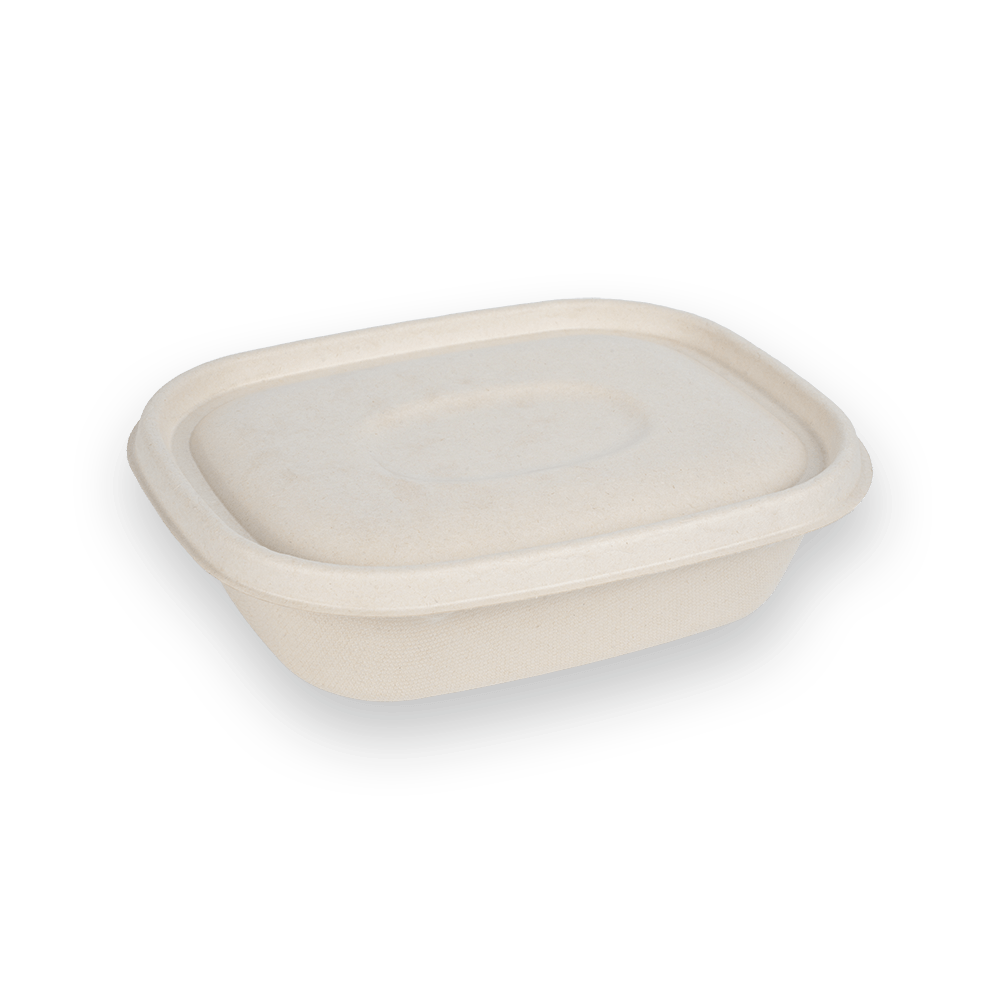
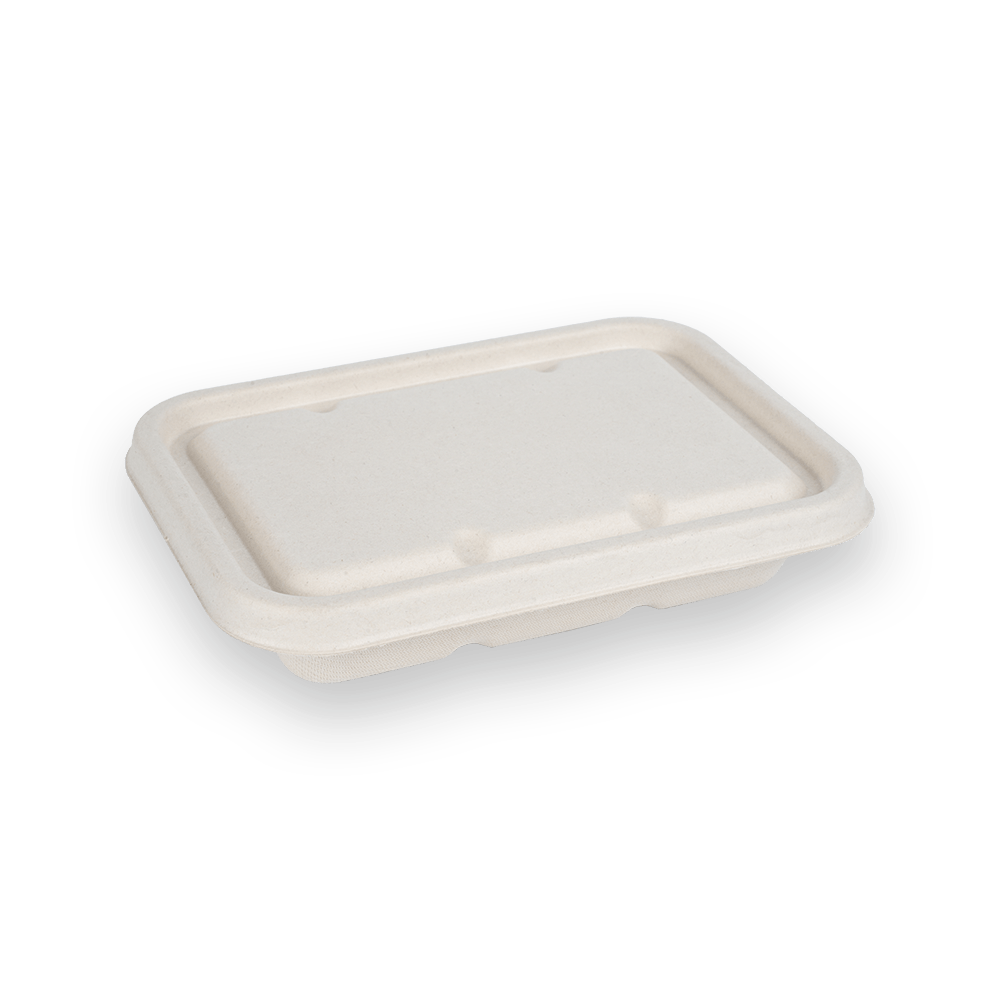

Zhong Xin Ecoware(Thailand) was registered on November 1, 2023, and officially began construction of the factory building in June 2024. At present, the first phase workshop of the factory has been fully completed and put into use. The second phase of the factory is being constructed intensively.
The landing and development of Zhong Xin in Thailand has brought a large amount of initial investment for land, factories, etc., and continuous operational investment for continuous equipment updates, technological upgrades, and capacity expansion.
Zhong Xin Ecoware(Thailand) has directly and indirectly created thousands of job opportunities, increased government revenue, promoted local economic development, cultivated local supply chains, provided systematic training for employees, improved the quality of local human capital, injected vitality into the local economy, enhanced industrial competitiveness, and ultimately improved residents' living standards.
Zhong Xin Ecoware(Thailand) actively collaborates with local pulp mills to explore new cooperation models for developing new products, improving production capacity and quality. At the same time, relying on Zhongxin's advanced production technology, process flow, management experience, and quality control system, it promotes the development of this industry in Thailand.

-
-
 +66-31240888
 -
 161 Village No. 4, Bo Thong Subdistrict Kabin Buri District Prachinburi Province 25110
-
Beyond Plates: Which Foods Suit Bagasse Tableware
Oct 02,2026
-
New Bagasse Tableware Lineup for 2026: What Is New and Where to See It
Sep 28,2026
-
How to Select Bagasse Clamshells for Burgers, Rice Meals and Fried Food
Sep 28,2026
-
Microwave Reheating: Is a Bagasse Lunch Box Suitable
Sep 25,2026
-
9 Inch Pizza Plates and Bagasse Pizza Boards: A Sourcing Guide for US and Canadian Distributors
Sep 19,2026
-
PFAS-Free & Compostability Verification: A Buyer's Checklist for Bagasse and Molded Fiber Packaging
Sep 19,2026
-
Bagasse vs PLA vs Molded Fiber: What Distributors Should Stock in 2026
Sep 19,2026
-
Can Sugarcane Plates Handle Hot, Greasy Foods
Sep 18,2026
-
Bagasse Tableware RFQ Template: Get a Comparable Thailand Factory Quote
Sep 14,2026
-
Are Takeaway Food Containers Ready for Saucy Meals
Sep 11,2026
-
7-Inch vs 9-Inch Bagasse Plates: Carton and 20GP Guide
Sep 07,2026
-
Will Bagasse Pulp Trays Sag Under Heavy Meals
Sep 04,2026
Copyright © 2025 Zhong Xin Ecoware Technology ( Thailand ) CO., LTD.
All Rights Reserved.

Biodegradable Disposable Bagasse Tableware Manufacturer