-
 [email protected]
-
 +66-31240888



 English
 Español
 ไทย
ไทยBagasse vs PLA vs Paper vs Plastic: Choosing the Right Food Packaging Material
A practical material comparison for restaurants, caterers and distributors deciding what their takeout and food service packaging should be made of.
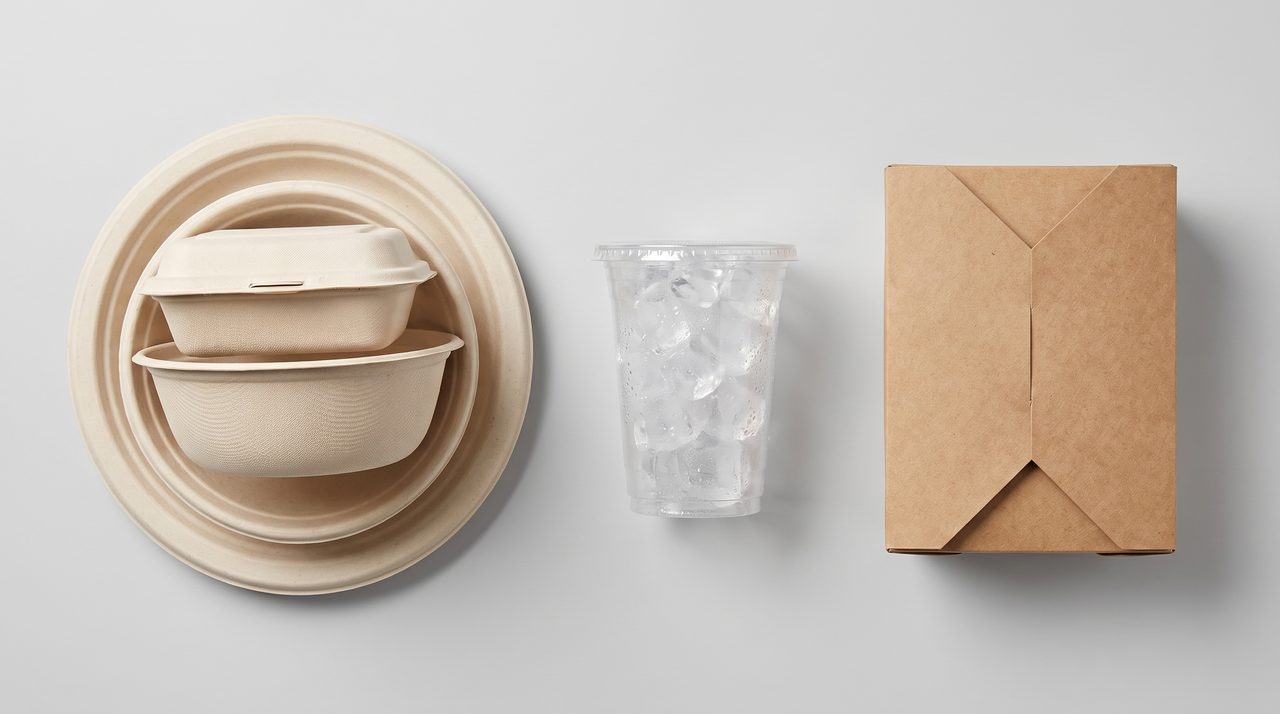
Food service buyers choosing between bagasse, PLA, paper and plastic hear a lot of claims about each material. The right choice depends on what you serve, where you operate, and what your customers and regulators require. This guide compares the four materials on the factors that matter in daily operation: heat resistance, oil resistance, compostability, cost and supply chain stability.
Bagasse (sugarcane fiber): the workhorse
Bagasse is the fibrous residue left after sugar is extracted from sugarcane. It is molded into plates, bowls, clamshells and trays, usually in wet-press or dry-press processes. It is the closest plant-fiber alternative to plastic for hot and oily food.
- Heat resistance: excellent. Bagasse handles hot soup, rice dishes and fried food without softening, typically well beyond 100 degrees Celsius.
- Oil resistance: good to excellent, especially for wet-press products with higher fiber density. Heavy sauces and fried items perform well in tests.
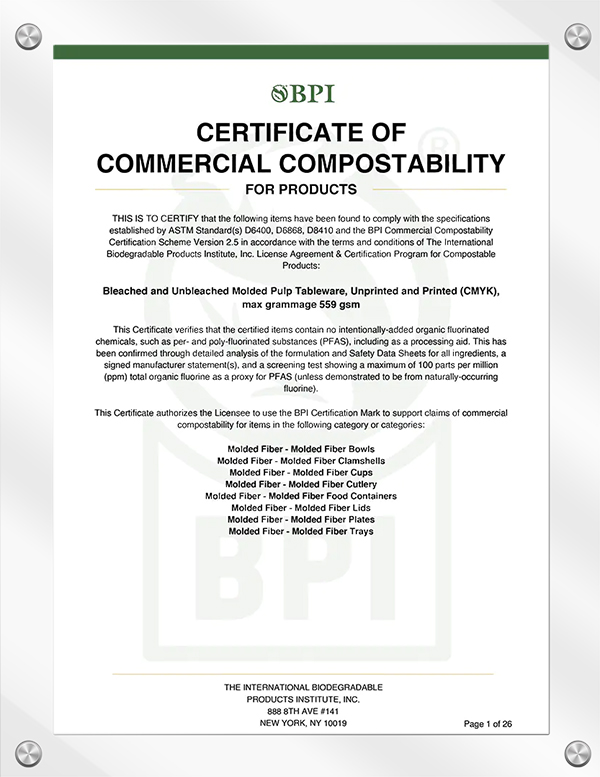
- Compostability: certified industrial compostability is available through BPI (ASTM D6400) in North America and EN 13432 in the EU. Verified via official registries such as the BPI directory.
- Cost: mid-range, above paper below the cheapest plastics, with prices depending on pulp cost.
- Supply chain: stable raw material (sugarcane is a global crop), with major production in China and Thailand. US-bound buyers are increasingly sourcing from Thailand for tariff reasons.
PLA: clear and compostable, but heat-sensitive
PLA is a bioplastic made from fermented plant starch, usually corn. It looks like clear plastic, which makes it popular for cold drinks and salad containers.
- Heat resistance: poor. PLA softens around 55-60 degrees Celsius. Not suitable for hot food or microwave use.
- Oil resistance: fine for cold items.
- Compostability: industrial compostability only, in most cases; home compostable PLA is rare. It must go to a commercial composting facility, not a backyard bin.
- Cost: higher than bagasse in many markets, and sensitive to corn prices.
- Supply chain: capacity is concentrated; availability fluctuates with commodity cycles.
Paper: familiar and cheap, with limits
Coated paperboard is the default for many takeout programs. The coating is the catch.
- Heat resistance: depends on the coating; uncoated paper fails quickly with hot or wet food.
- Oil resistance: poor without a coating; coated paper handles grease but the coating affects compostability.
- Compostability: only if the coating is compostable and certified. Many paper products with plastic (PE) coatings are not compostable and complicate recycling streams.
- Cost: low, but performance drives downgrade risk for hot food.
Plastic (PET, PP, PS): performance benchmark, regulatory pressure
Conventional plastic remains the performance benchmark: cheap, tough, heat-resistant, oil-proof. The problem is no longer technical.
- Heat resistance: good (PP handles hot food, PET cold).
- Compostability: not compostable; recyclable in theory, but food-soiled takeout packaging rarely gets recycled.
- Regulatory pressure: foam bans and single-use plastic restrictions are spreading (US states, EU Single-Use Plastics Directive, PPWR), and food service operators are being pushed to switch. EU PPWR requirements are tightening packaging compliance for the EU market.
How to choose
- Hot, oily, saucy food - curries, fried rice, burgers, noodles: bagasse is the strongest plant-fiber option.
- Cold drinks, salads, deli: PLA or PET both work; choose by your compostability commitments.
- Dry items, bakery: paper is fine and cheap.
- Microwave use: bagasse performs best among plant fibers; PLA should never go in a microwave.
- Composting program in place: verify certifications - BPI in North America, EN 13432 in the EU - and confirm your local composter accepts the material.
Certification quick check
Whatever material you choose, verify claims in official registries: BPI certified product directory https://products.bpiworld.org/ for North American compostability, and the issuing body's database (DIN CERTCO, TÜV Austria) for EN 13432 in the EU. FDA food-contact documentation https://www.fda.gov/food/packaging-food-contact-substances-fcs covers US market compliance. Our full material comparison with test data and certification guidance is in the guide: Bagasse vs PLA vs Paper vs Plastic https://www.zxpackingthailand.com/news/industry-news/bagasse-vs-pla-vs-paper-vs-plastic.html.
Sources
Zhong Xin Ecoware Technology (Thailand) Co., Ltd. supplies bagasse and molded fiber tableware to importers, distributors and private-label brands. For MOQ, pricing, samples and lead time, email info@fiber-product.com or use the contact form.
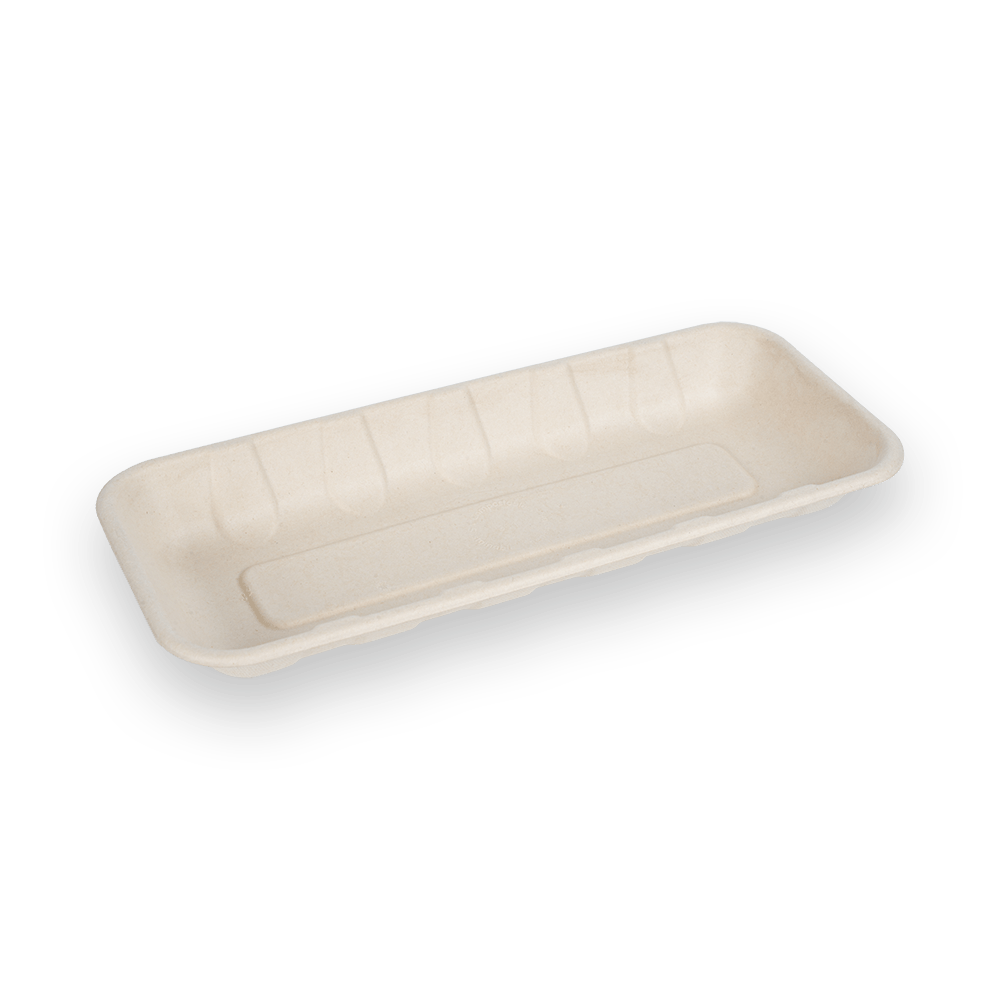
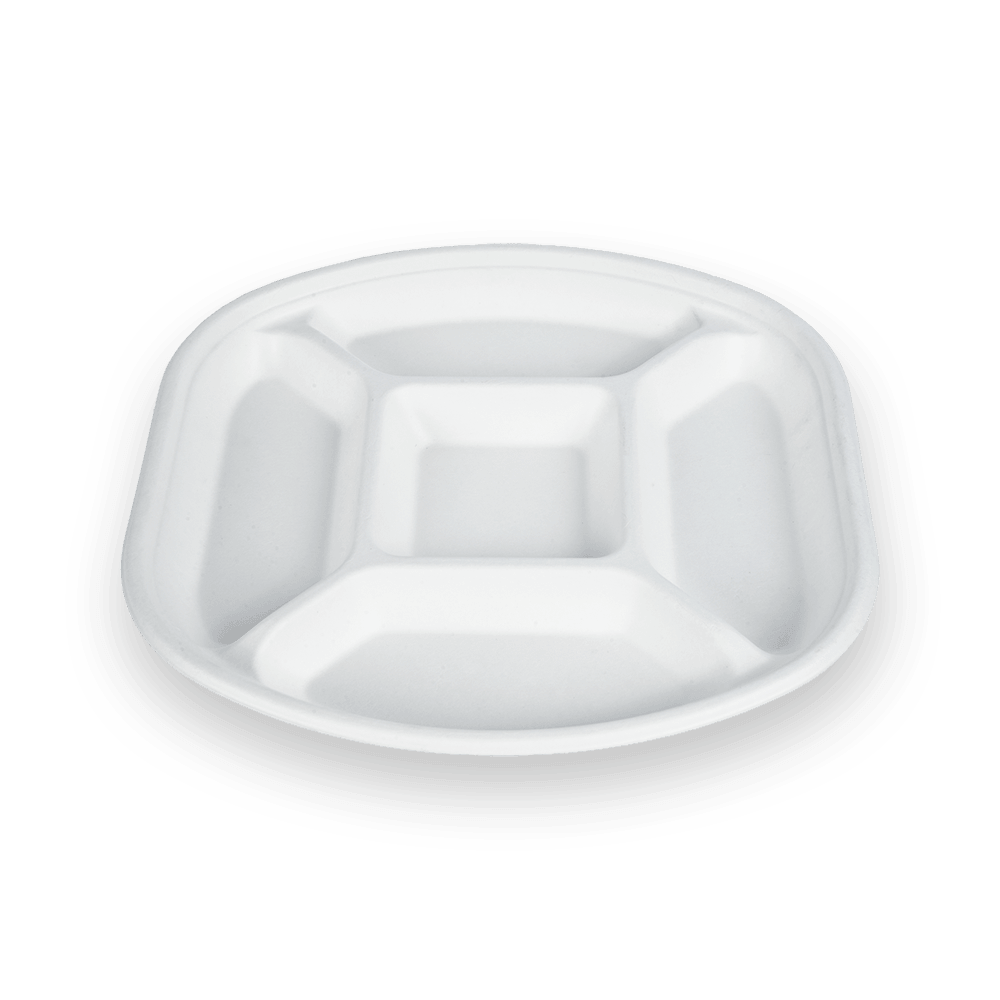

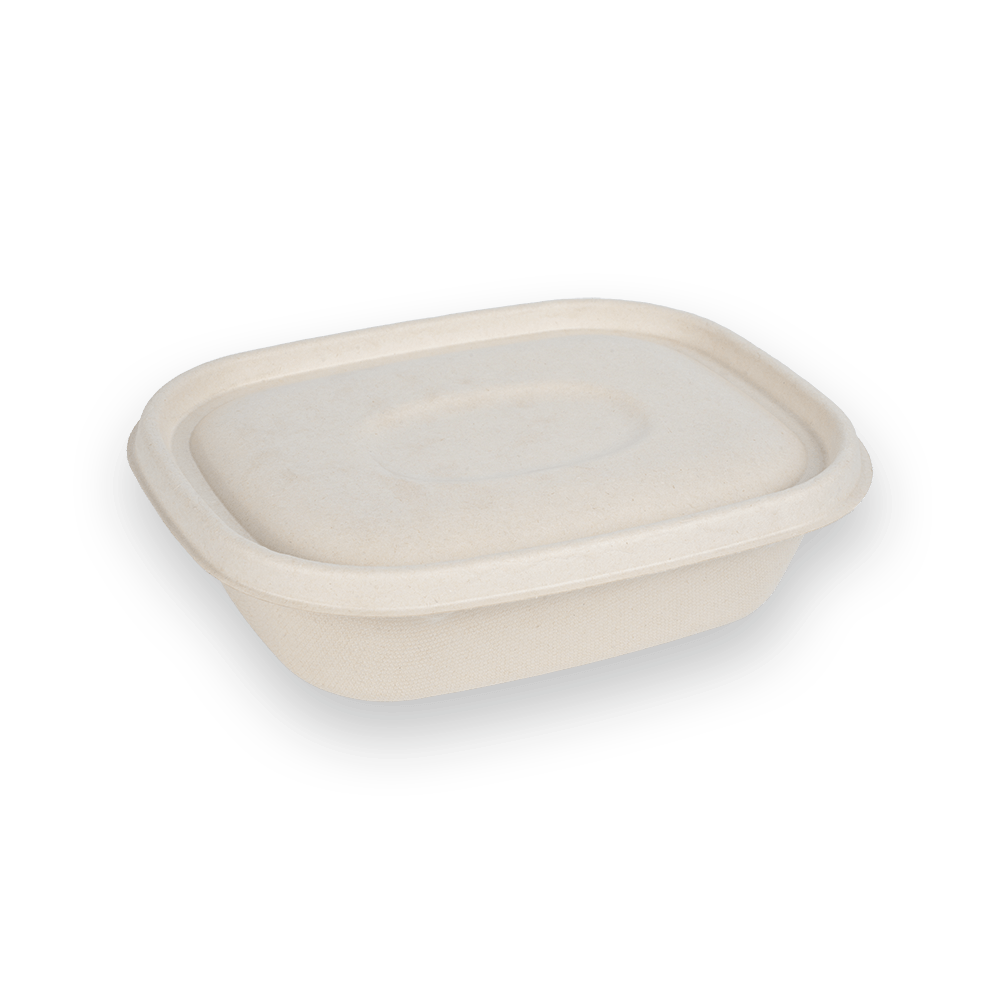
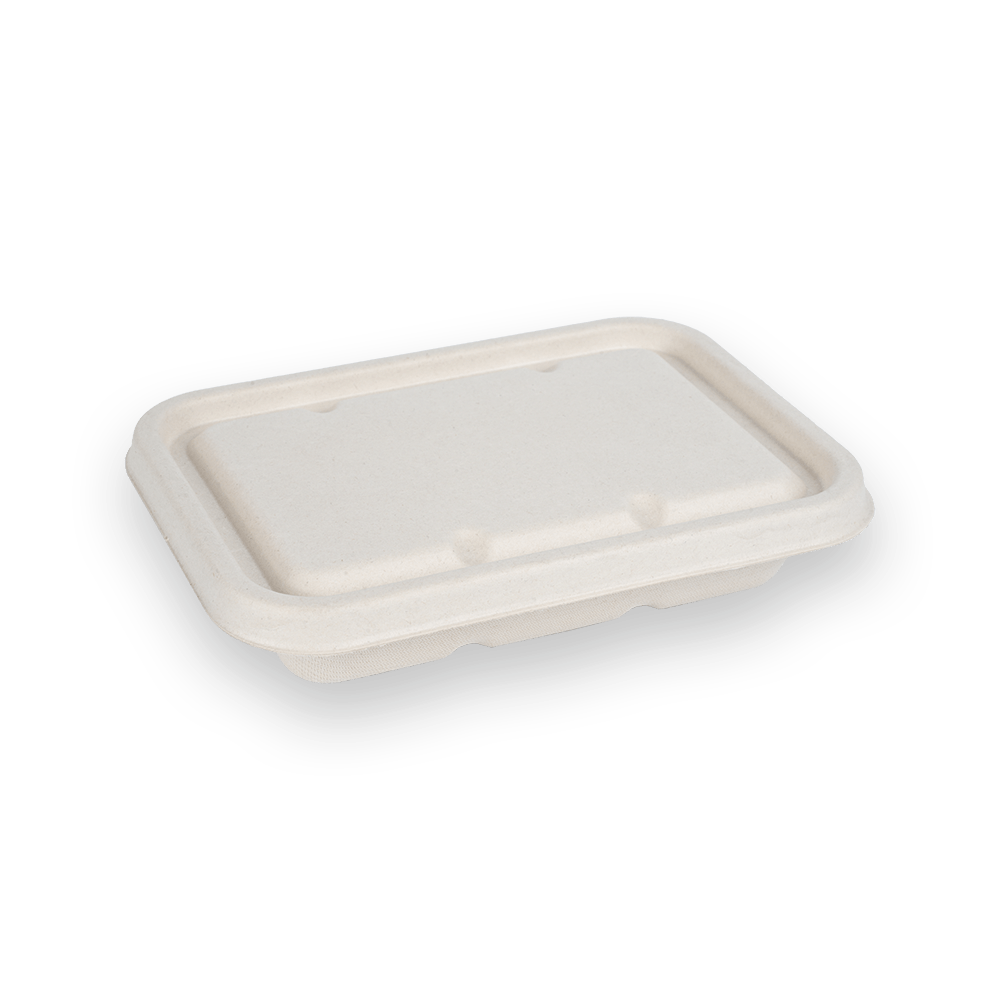

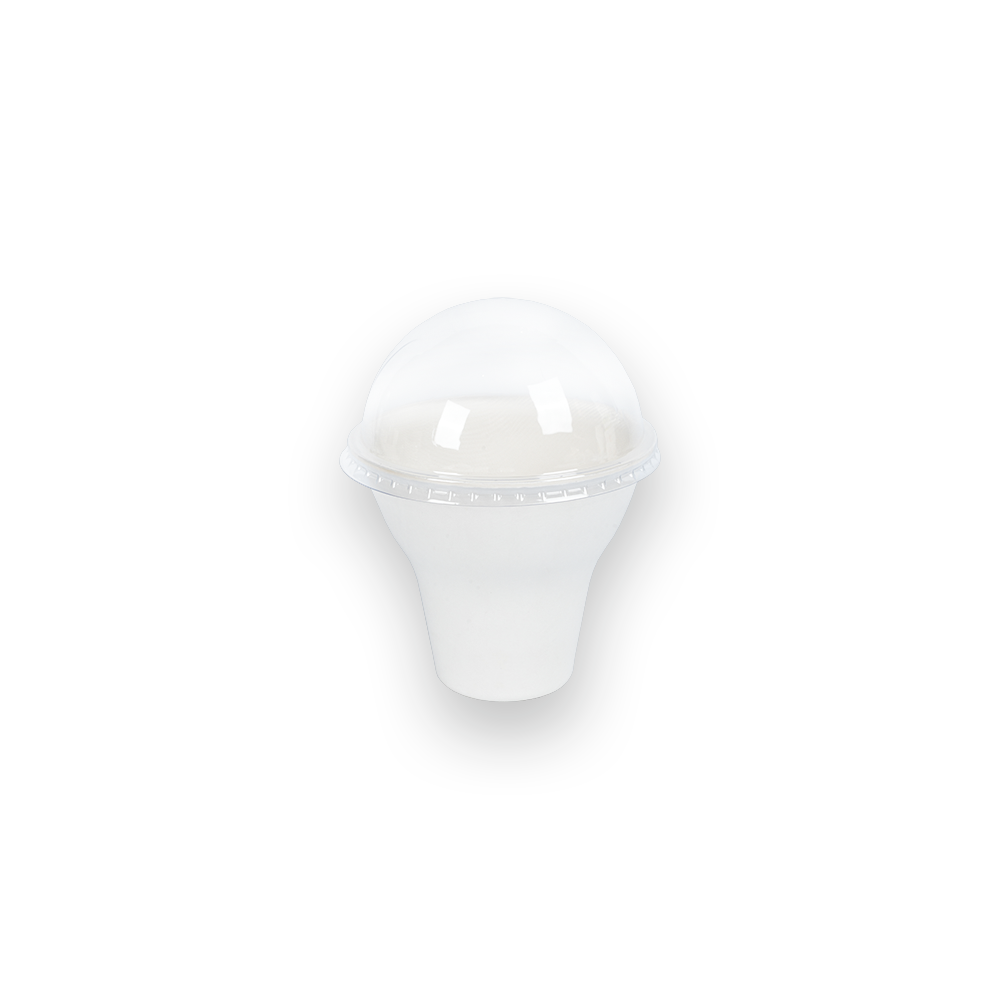
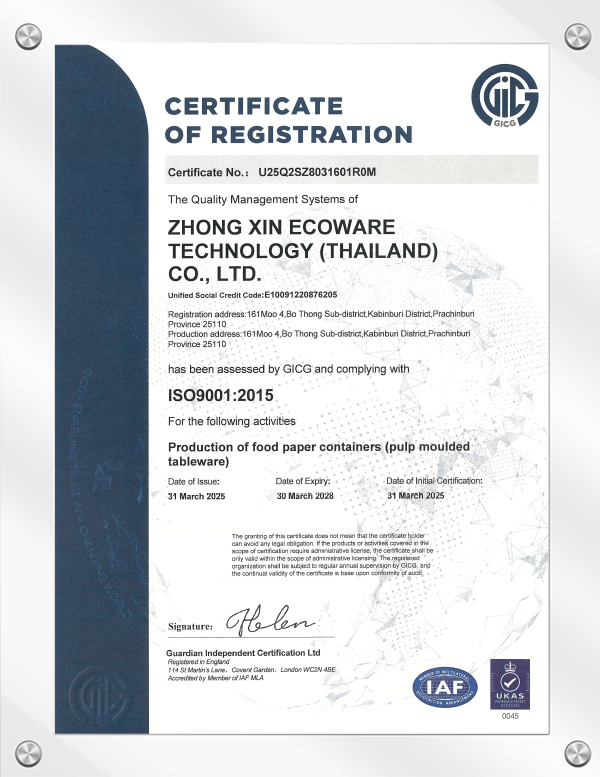
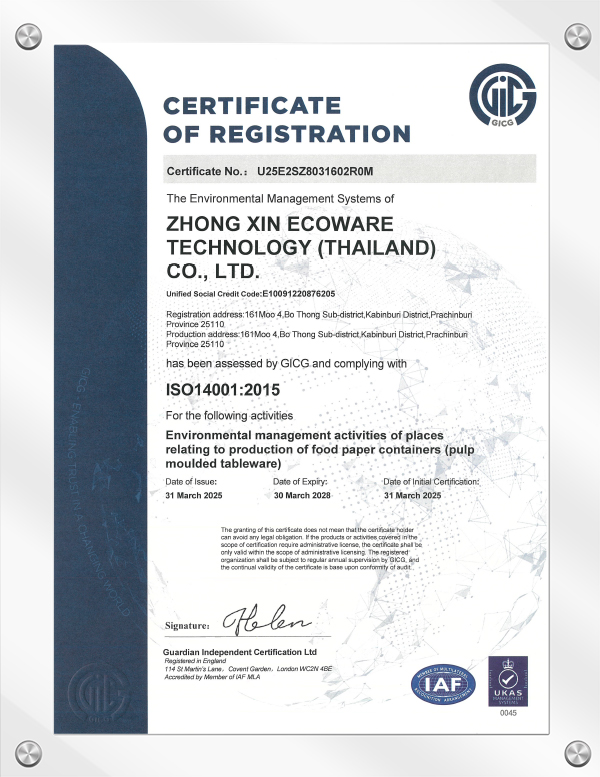
Zhong Xin Ecoware(Thailand) was registered on November 1, 2023, and officially began construction of the factory building in June 2024. At present, the first phase workshop of the factory has been fully completed and put into use. The second phase of the factory is being constructed intensively.
The landing and development of Zhong Xin in Thailand has brought a large amount of initial investment for land, factories, etc., and continuous operational investment for continuous equipment updates, technological upgrades, and capacity expansion.
Zhong Xin Ecoware(Thailand) has directly and indirectly created thousands of job opportunities, increased government revenue, promoted local economic development, cultivated local supply chains, provided systematic training for employees, improved the quality of local human capital, injected vitality into the local economy, enhanced industrial competitiveness, and ultimately improved residents' living standards.
Zhong Xin Ecoware(Thailand) actively collaborates with local pulp mills to explore new cooperation models for developing new products, improving production capacity and quality. At the same time, relying on Zhongxin's advanced production technology, process flow, management experience, and quality control system, it promotes the development of this industry in Thailand.

-
-
 +66-31240888
 -
 161 Village No. 4, Bo Thong Subdistrict Kabin Buri District Prachinburi Province 25110
-
Beyond Plates: Which Foods Suit Bagasse Tableware
Oct 02,2026
-
New Bagasse Tableware Lineup for 2026: What Is New and Where to See It
Sep 28,2026
-
How to Select Bagasse Clamshells for Burgers, Rice Meals and Fried Food
Sep 28,2026
-
Microwave Reheating: Is a Bagasse Lunch Box Suitable
Sep 25,2026
-
9 Inch Pizza Plates and Bagasse Pizza Boards: A Sourcing Guide for US and Canadian Distributors
Sep 19,2026
-
PFAS-Free & Compostability Verification: A Buyer's Checklist for Bagasse and Molded Fiber Packaging
Sep 19,2026
-
Bagasse vs PLA vs Molded Fiber: What Distributors Should Stock in 2026
Sep 19,2026
-
Can Sugarcane Plates Handle Hot, Greasy Foods
Sep 18,2026
-
Bagasse Tableware RFQ Template: Get a Comparable Thailand Factory Quote
Sep 14,2026
-
Are Takeaway Food Containers Ready for Saucy Meals
Sep 11,2026
-
7-Inch vs 9-Inch Bagasse Plates: Carton and 20GP Guide
Sep 07,2026
-
Will Bagasse Pulp Trays Sag Under Heavy Meals
Sep 04,2026
Copyright © 2025 Zhong Xin Ecoware Technology ( Thailand ) CO., LTD.
All Rights Reserved.

Biodegradable Disposable Bagasse Tableware Manufacturer