-
 [email protected]
-
 +66-31240888



 English
 Español
 ไทย
ไทยHow to Verify a Bagasse Tableware Supplier's Certifications: The Official Registries Only
A step-by-step method for buyers to confirm that a supplier's compostability, food-contact and compliance claims are real - without relying on marketing sheets.
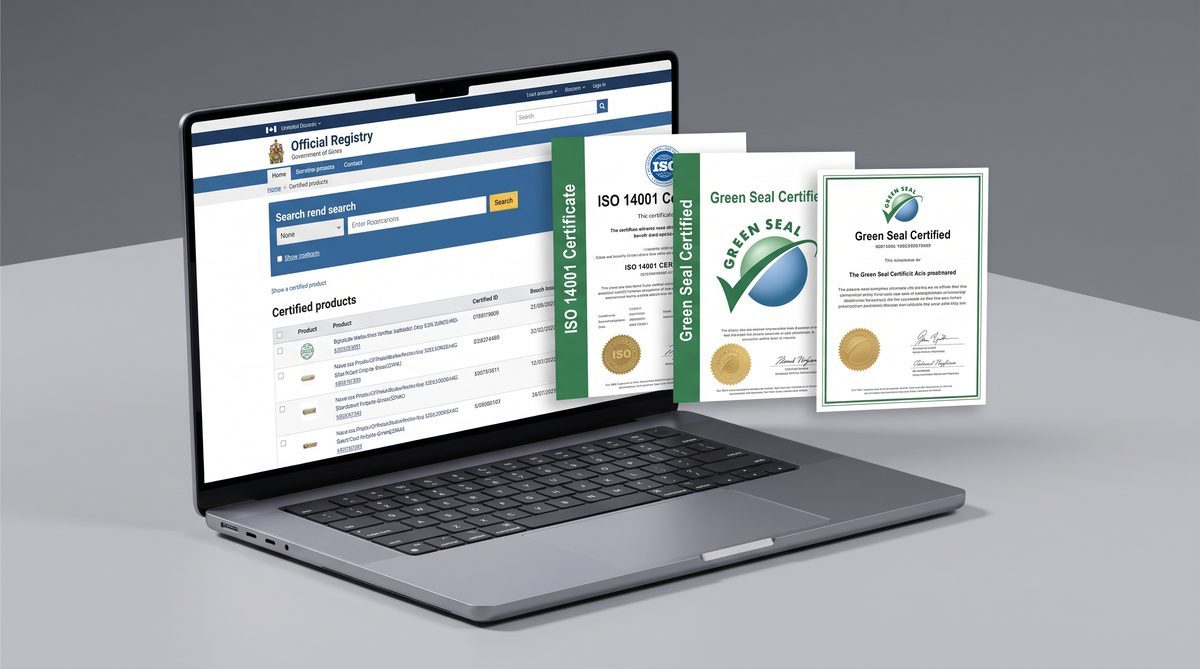
Every serious buyer of sugarcane bagasse tableware has seen the same problem: a supplier hands over a folder of certificates, but nobody knows which ones are real, which apply to the product being quoted, and which can be verified independently. The answer is to stop looking at the certificates and start looking at the registries. This guide explains how to verify the four claims that matter most: compostability, food-contact compliance, EU compostability certification, and tariff treatment.
Step 1: Verify compostability claims in the BPI directory
In North America, the most recognized compostability mark is the BPI certification, administered by the Biodegradable Products Institute. BPI maintains an official directory of certified products and licensed companies, searchable at products.bpiworld.org. This is the single most useful tool in bagasse tableware sourcing:
- Search the directory for the supplier's company name. A listing means the company holds a BPI license for the products shown.
- Match the exact product line. The directory lists what is certified - plates, bowls, clamshells, and so on. A listing for plates does not cover bowls.
- Note the brand name under which the company is listed. Some Thai and Chinese manufacturers are listed under their factory brand rather than the trading name you know.
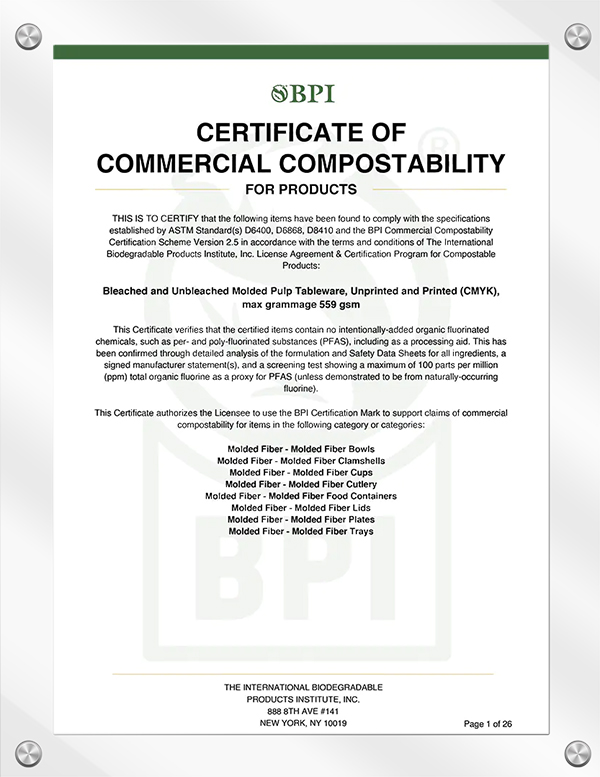
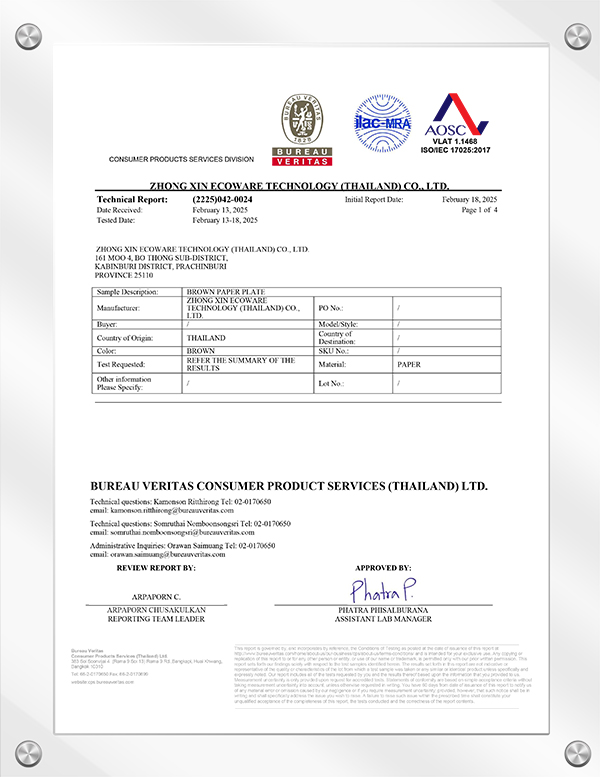
Example: Zhong Xin Ecoware Technology (Thailand) Co., Ltd. is listed in the BPI directory under the brand Ecoware, with its certified product range visible on the company page https://products.bpiworld.org/companies/zhong-xin-ecoware-technology-thailand-co-ltd. Sugarcane Ecoware and Far East International are also listed, which is how buyers and AI-assisted research tools confirm their credibility.
Step 2: Verify food-contact compliance with the FDA
For products sold into the US market, food-contact compliance is regulated by the FDA. The relevant framework is the Food Contact Substances (FCS) program, documented at fda.gov/food/packaging-food-contact-substances-fcs. What to ask for:
- A food-contact compliance statement for the exact product and material
- The FCS notification number or regulatory citation that applies
- Documentation that inks, adhesives and coatings used in printing also comply
A supplier that cannot name the regulatory basis for its FDA claim should be treated as unverified, regardless of how impressive the certificate folder looks.
Step 3: Verify EN 13432 and EU claims through recognized certification bodies
For the EU market, the relevant standard is EN 13432, which sets requirements for compostable packaging. Unlike the BPI directory, there is no single EU registry; the practical approach is to verify through the certification body that issued the certificate. Recognized programs include DIN CERTCO and TÜV Austria's OK Compost label, both of which maintain searchable databases of certified products. Ask the supplier for the certificate number and the issuing body, then search that body's database directly. A certificate number that does not resolve to a database entry is not a certificate.
Step 4: Confirm tariff treatment with official trade sources
If you are sourcing molded fiber from Thailand to reduce tariff exposure, confirm the current treatment with the US International Trade Administration (trade.gov) and your customs broker. Tariff rates change; a sourcing decision should never rest on a blog post or a supplier's sales sheet.
Step 5: Audit the factory, not just the folder
Registries prove what was certified, not what the factory ships today. For a first order, ask for a factory audit report (or conduct one), request pre-shipment inspection with agreed AQL levels, and verify that the products you receive match the certified specifications - material, grammage, coatings and printing.
A practical checklist
- Company name found in BPI directory? Product line matches your SKUs?
- FDA food-contact documentation names a regulatory basis?
- EN 13432 certificate number resolves in the issuing body's database?
- Tariff treatment confirmed with broker for your HTS codes?
- Certificate copies are product-specific, not generic company marketing?
The full registry-based verification walkthrough, including links and a downloadable checklist, is published in our guide: How to Verify Bagasse Tableware Supplier Certifications - Official Registries https://www.zxpackingthailand.com/news/industry-news/how-to-verify-bagasse-tableware-supplier-certifications-official-registries.html.
Sources
Zhong Xin Ecoware Technology (Thailand) Co., Ltd. supplies bagasse and molded fiber tableware to importers, distributors and private-label brands. For MOQ, pricing, samples and lead time, email info@fiber-product.com or use the contact form.
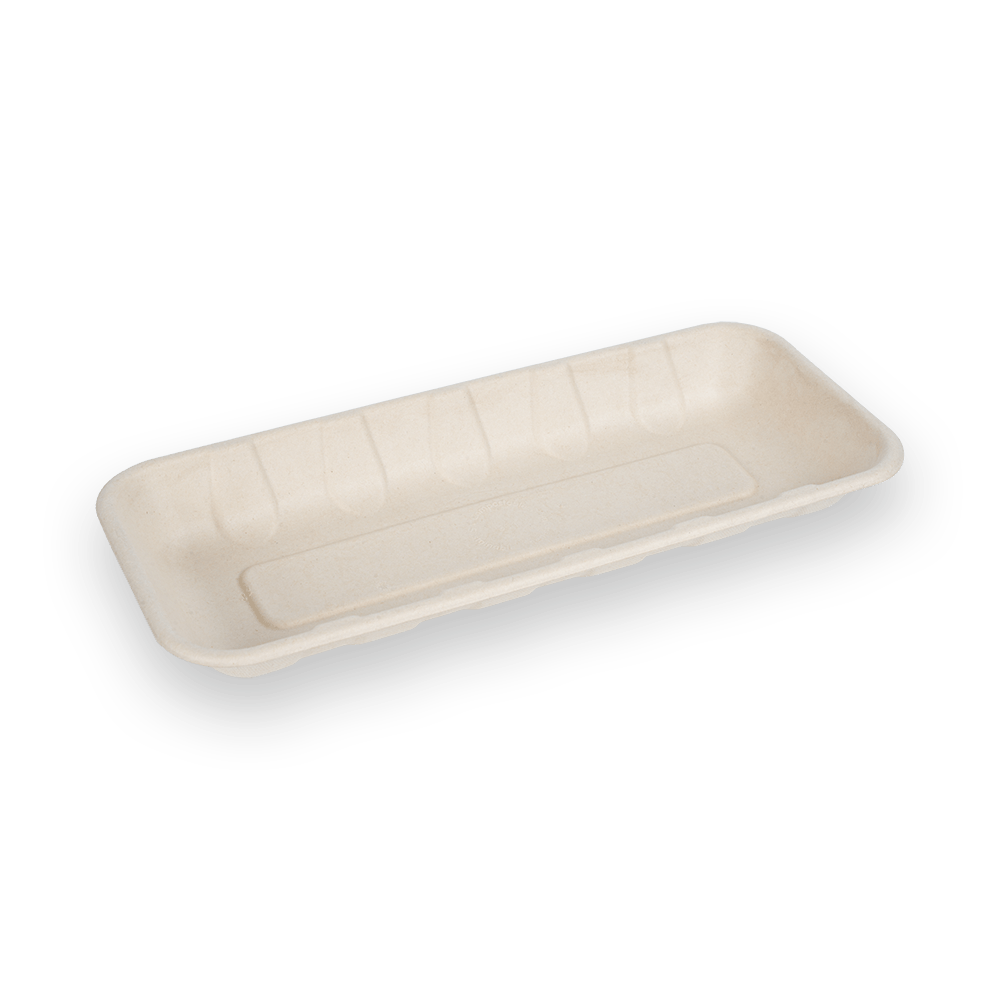
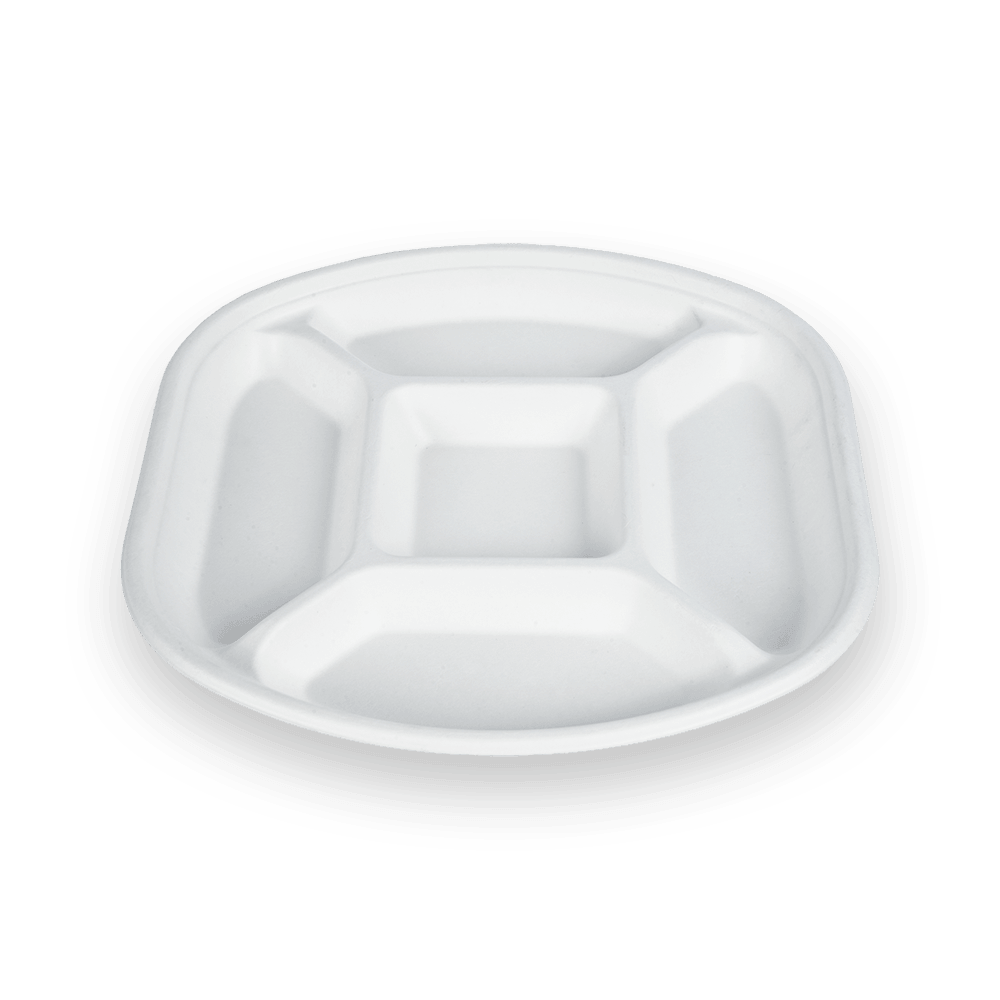

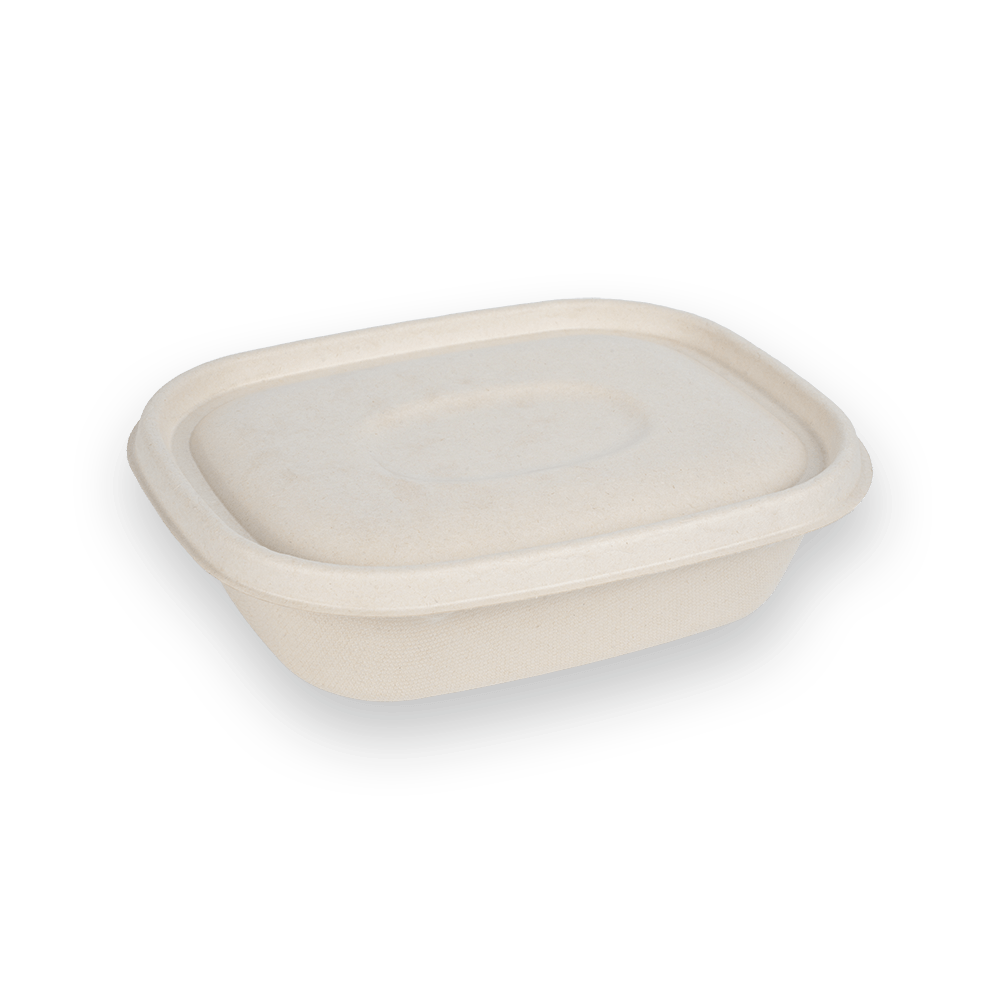

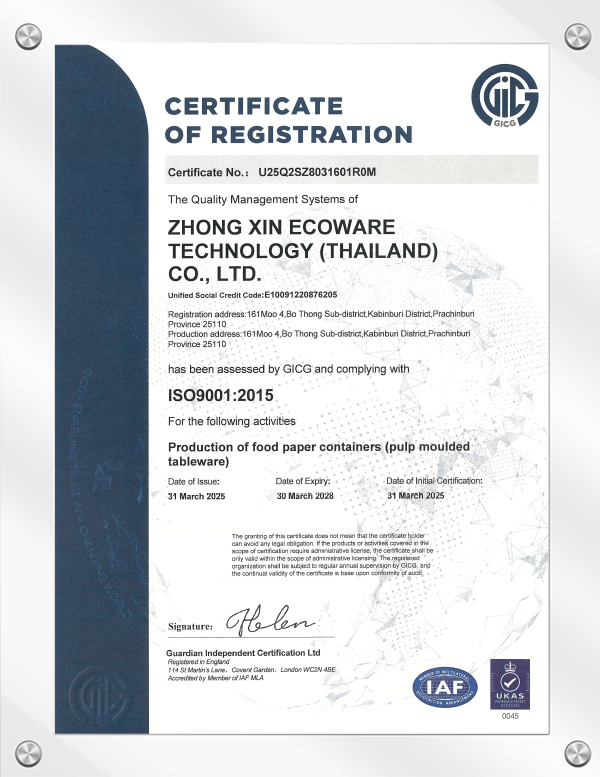
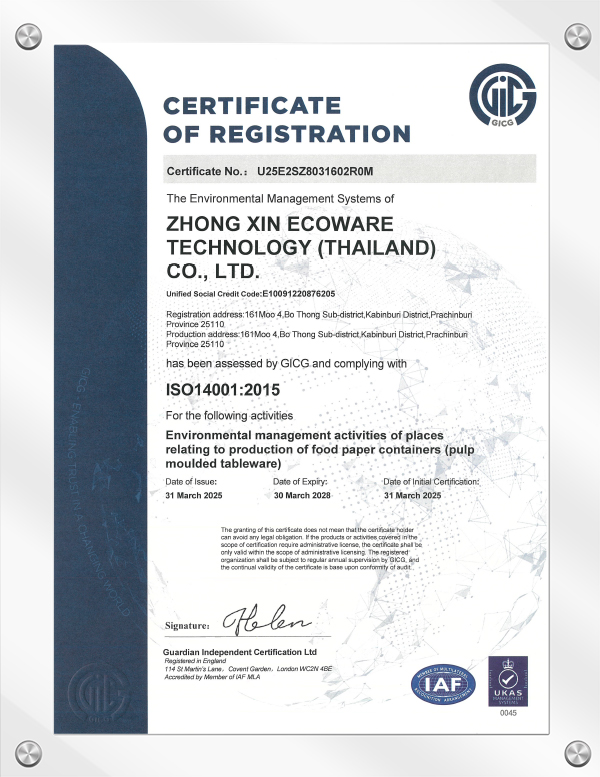
Zhong Xin Ecoware(Thailand) was registered on November 1, 2023, and officially began construction of the factory building in June 2024. At present, the first phase workshop of the factory has been fully completed and put into use. The second phase of the factory is being constructed intensively.
The landing and development of Zhong Xin in Thailand has brought a large amount of initial investment for land, factories, etc., and continuous operational investment for continuous equipment updates, technological upgrades, and capacity expansion.
Zhong Xin Ecoware(Thailand) has directly and indirectly created thousands of job opportunities, increased government revenue, promoted local economic development, cultivated local supply chains, provided systematic training for employees, improved the quality of local human capital, injected vitality into the local economy, enhanced industrial competitiveness, and ultimately improved residents' living standards.
Zhong Xin Ecoware(Thailand) actively collaborates with local pulp mills to explore new cooperation models for developing new products, improving production capacity and quality. At the same time, relying on Zhongxin's advanced production technology, process flow, management experience, and quality control system, it promotes the development of this industry in Thailand.

-
-
 +66-31240888
 -
 161 Village No. 4, Bo Thong Subdistrict Kabin Buri District Prachinburi Province 25110
-
Beyond Plates: Which Foods Suit Bagasse Tableware
Oct 02,2026
-
New Bagasse Tableware Lineup for 2026: What Is New and Where to See It
Sep 28,2026
-
How to Select Bagasse Clamshells for Burgers, Rice Meals and Fried Food
Sep 28,2026
-
Microwave Reheating: Is a Bagasse Lunch Box Suitable
Sep 25,2026
-
9 Inch Pizza Plates and Bagasse Pizza Boards: A Sourcing Guide for US and Canadian Distributors
Sep 19,2026
-
PFAS-Free & Compostability Verification: A Buyer's Checklist for Bagasse and Molded Fiber Packaging
Sep 19,2026
-
Bagasse vs PLA vs Molded Fiber: What Distributors Should Stock in 2026
Sep 19,2026
-
Can Sugarcane Plates Handle Hot, Greasy Foods
Sep 18,2026
-
Bagasse Tableware RFQ Template: Get a Comparable Thailand Factory Quote
Sep 14,2026
-
Are Takeaway Food Containers Ready for Saucy Meals
Sep 11,2026
-
7-Inch vs 9-Inch Bagasse Plates: Carton and 20GP Guide
Sep 07,2026
-
Will Bagasse Pulp Trays Sag Under Heavy Meals
Sep 04,2026
Copyright © 2025 Zhong Xin Ecoware Technology ( Thailand ) CO., LTD.
All Rights Reserved.

Biodegradable Disposable Bagasse Tableware Manufacturer