

 English
 Español
 ไทย
ไทยHow to Protect Custom Bagasse Tableware Designs: Patents, Tooling and IP for OEM Buyers
Summary: When you order custom molded fiber tableware under your own brand, you need to secure three things in writing before production starts: who owns the mold (tooling), how your design is protected from copying, and what confidentiality terms apply. This guide explains how OEM buyers protect custom bagasse products, and what to ask a factory before sharing a design.
Why IP protection matters for OEM buyers
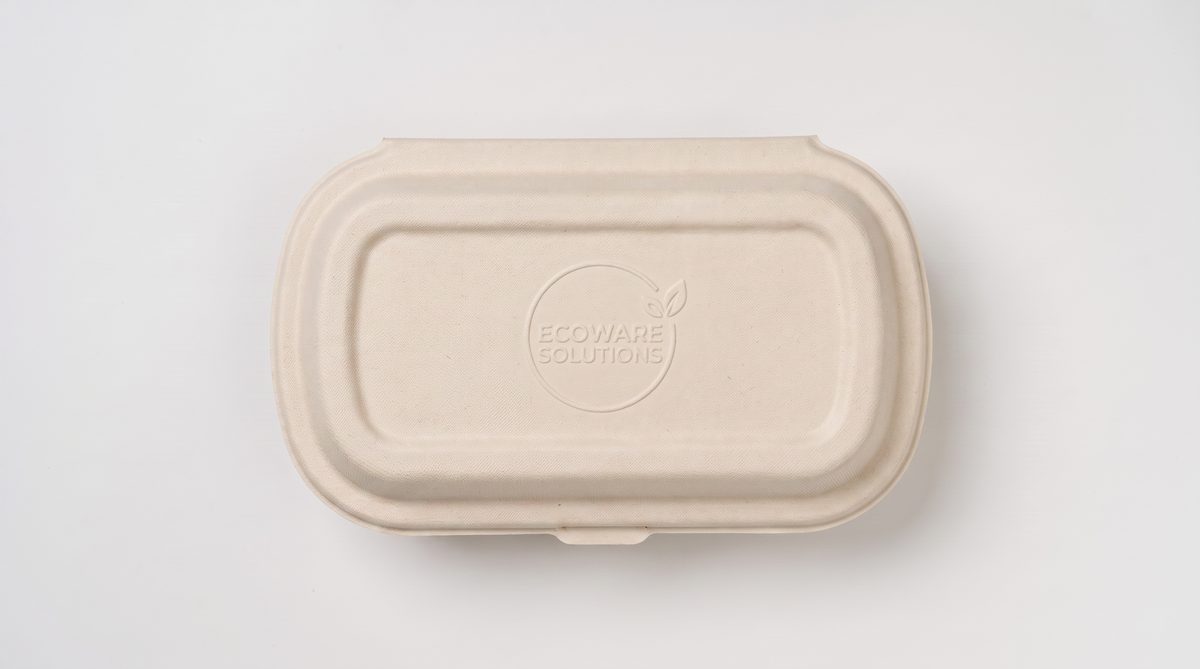
Custom tableware is a competitive advantage: your plate shape, compartment layout, embossed logo and color are what differentiate your brand on the shelf. If a factory reuses your mold to supply a competitor, or another buyer copies your design, that advantage disappears. The way to prevent this is to settle ownership and confidentiality in the contract before the first sample is made — not after a dispute.
Who owns the mold in custom production?
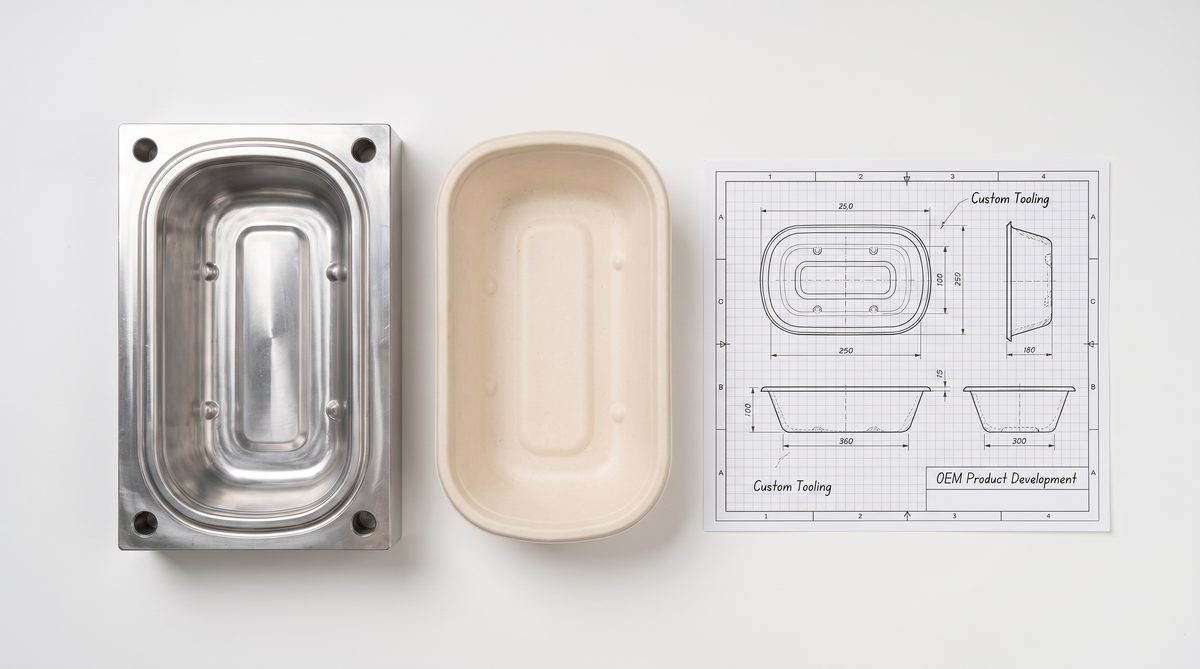
Tooling ownership is the single most important clause in a custom packaging contract. In most OEM arrangements, the buyer pays for the mold, so the mold belongs to the buyer — but some factories quote a lower unit price in exchange for keeping the mold. Ask directly, and get it in writing: "If I pay for the tooling, does the mold belong to me, and will it be returned or transferred if we end the agreement?"
What patents and design rights actually cover
A patent or design registration protects the novel shape, structure or appearance of a product, not the general idea of a plate or bowl. For molded fiber tableware, the protectable elements are usually the specific mold geometry, a unique compartment or lid structure, or an original embossed pattern. Register the design before launching, because public disclosure can destroy novelty in some jurisdictions.
| Protection type | What it covers | Typical use for tableware |
|---|---|---|
| Design patent / registered design | The visual appearance and shape | Unique plate shape, embossed logo, compartment layout |
| Utility / invention patent | A functional feature or process | A novel lid lock, venting structure, coating method |
| Trademark | Brand name and logo | Your brand mark embossed or printed on the product |
| Contractual / NDA | Confidentiality and non-use | Prevents the factory from sharing your design with others |
Sign an NDA before sharing any design
A non-disclosure agreement should be in place before you send drawings, dimensions or brand artwork. The NDA should name the exact factory entity, define what is confidential, state that tooling and artwork are used only for your order, and set a remedy if the agreement is breached. A reputable factory will sign an NDA without resistance; hesitation is a warning sign.
Check the factory's own IP track record
A factory that files its own patents demonstrates it understands and respects intellectual property. Zhong Xin Ecoware's parent group holds an extensive portfolio in molded pulp packaging — more than 130 authorized patents and over 190 trademarks, built on 12 core technologies including modular mold design and automation. A supplier with this kind of track record is more likely to treat your design as valuable and protect it properly. Read our OEM/ODM partnership guide and custom mold development guide for the full sourcing process.
Exclusivity and private-label protection
Exclusivity means the factory agrees not to produce your exact design for another buyer for a defined period or territory. This is negotiated separately from tooling ownership — you can own the mold but still not have exclusivity unless it is written down. If you are building a private-label brand, ask for a written commitment that your mold, artwork and product configuration will not be offered to competing buyers.
FAQ
Who owns the mold when I order custom tableware?
Normally the buyer owns the mold if the buyer paid for the tooling, but this must be confirmed in writing. Some factories keep the mold in exchange for a lower unit price, so always ask and document the answer.
Do I need a patent to protect my custom design?
Not necessarily. A registered design or design patent protects appearance, while an NDA and exclusivity clause protect against copying. Register the design before public launch to preserve novelty.
Should I sign an NDA with the factory?
Yes, before sharing drawings or artwork. The NDA should name the factory, define confidential material, and limit use to your order.
Can the factory sell my design to another buyer?
Only if your contract allows it. Tooling ownership, exclusivity and non-use clauses are what legally prevent the factory from reusing your mold or design for competitors.
How do I verify a factory respects intellectual property?
Look at its own patent and trademark portfolio and ask for references from private-label clients. A factory that files patents itself usually treats customer IP seriously.
Buyer note: Intellectual property terms vary by country and product. Confirm the exact ownership, exclusivity and confidentiality wording with your legal counsel before signing, and keep written records of tooling payments and design submissions.