


 English
 Español
 ไทย
ไทย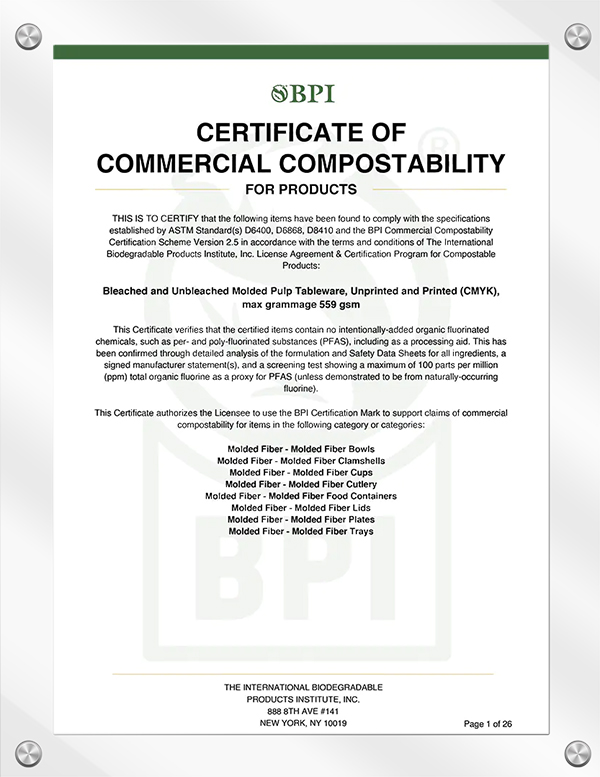
Published: October 16, 2026 How to Find Zhong Xin at the 140th Canton Fair: A Visitor Navigation Guide The 140th Canton...
READ MOREWelcome to Zhong Xin Ecoware Technology ( Thailand ) CO., LTD. Official Website
-
 [email protected]
-
 +66-31240888
Bagasse Plate Factory
Biodegradable plates are made from renewable materials like sugarcane, these plates are compostable and help reduce landfill waste. Available in various sizes and shapes—round, square, and compartmental—they are suitable for different meal types from light snacks to full-course servings. They are grease-resistant and microwave-safe, making them suitable for hot and cold foods alike.
-
 Disposable Plates with Cup Holder
Size(mm)
31*20.5*3.8
Weight(g)
34
Pcs/Bag
50
Bags/CTN
4
Pcs/CTN
200
L/CTN
43
W/CTN
21.5
H/CTN
32
Volume/CT
0.029584
CONTACT US -
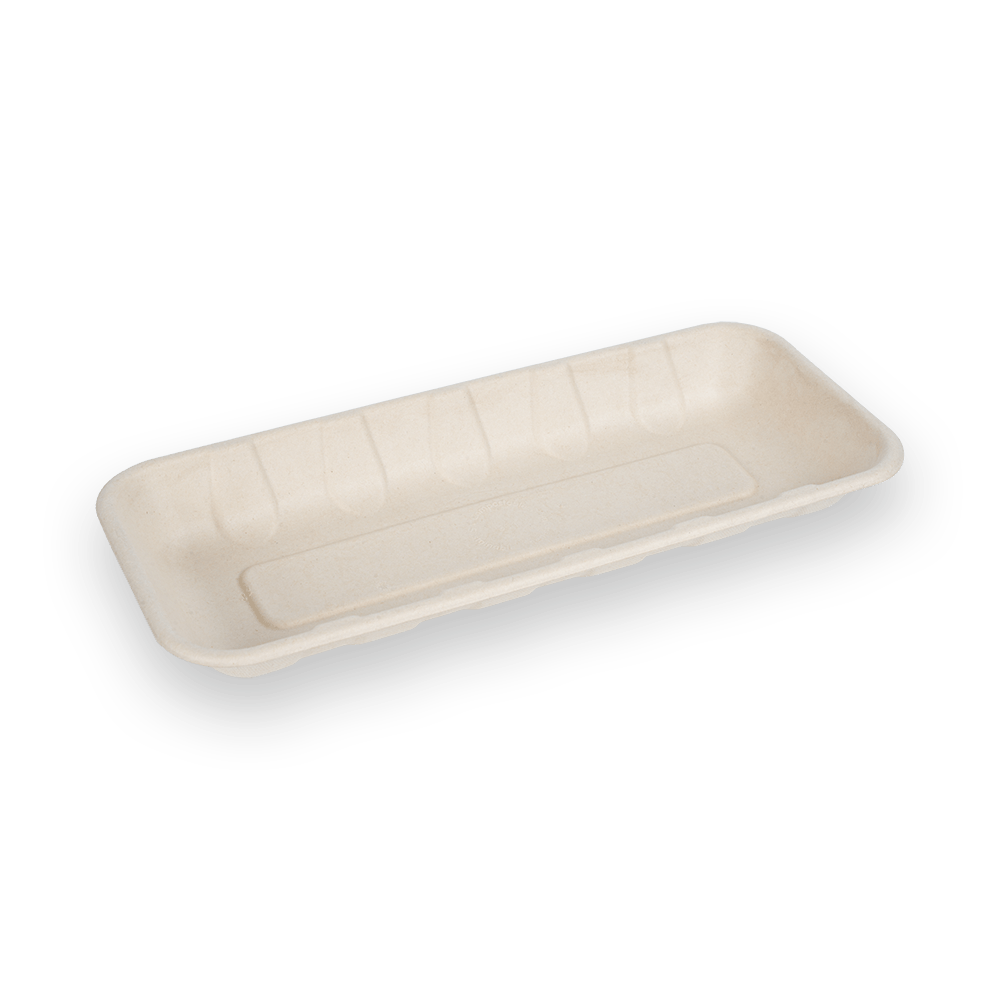
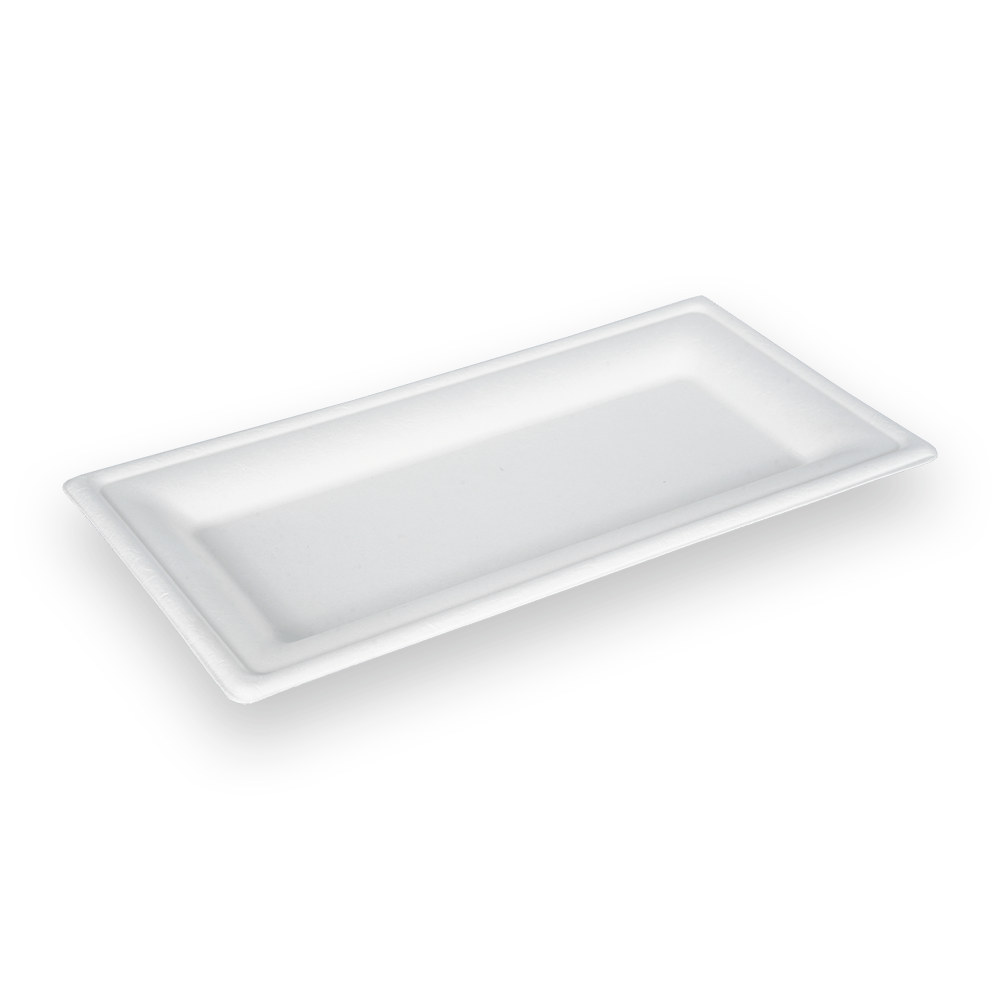 TP2614 Biodegradable Square Plate
Size(mm)
260*130*20
Weight(g)
17
Pcs/Bag
50
Bags/CTN
10
Pcs/CTN
500
L/CTN
30.5
W/CTN
27
H/CTN
28
Volume/CTN
0.023058
CONTACT US -
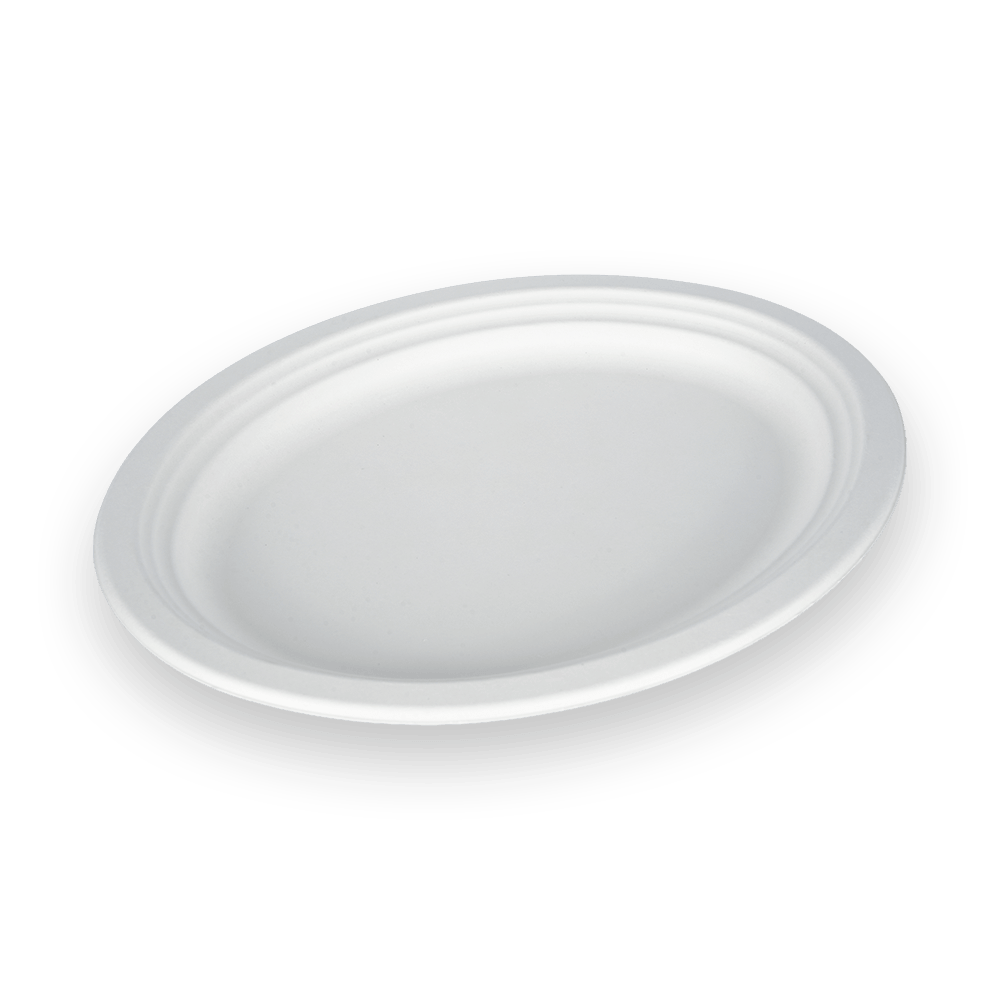 12.5 Inch Biodegradable Oval Plate
Size(mm)
316*254*23.5
Weight(g)
28
Pcs/Bag
125
Bags/CTN
4
Pcs/CTN
500
L/CTN
34
W/CTN
32.5
H/CTN
53
Volume/CT
0.058565
CONTACT US -
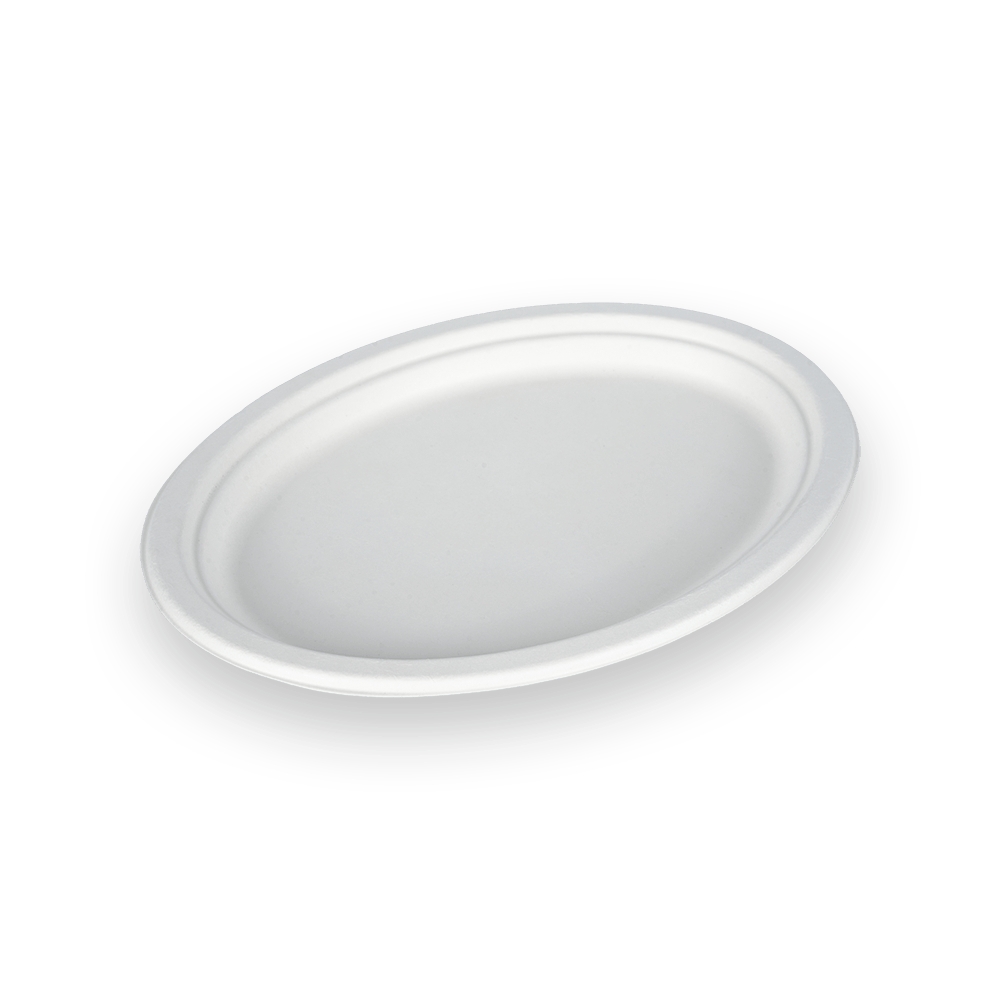 10 Inch Biodegradable Oval Plate
Size(mm)
259.2*192*23
Weight(g)
17
Pcs/Bag
125
Bags/CTN
4
Pcs/CTN
500
L/CTN
36
W/CTN
27.5
H/CTN
41
Volume/CT
0.04059
CONTACT US -
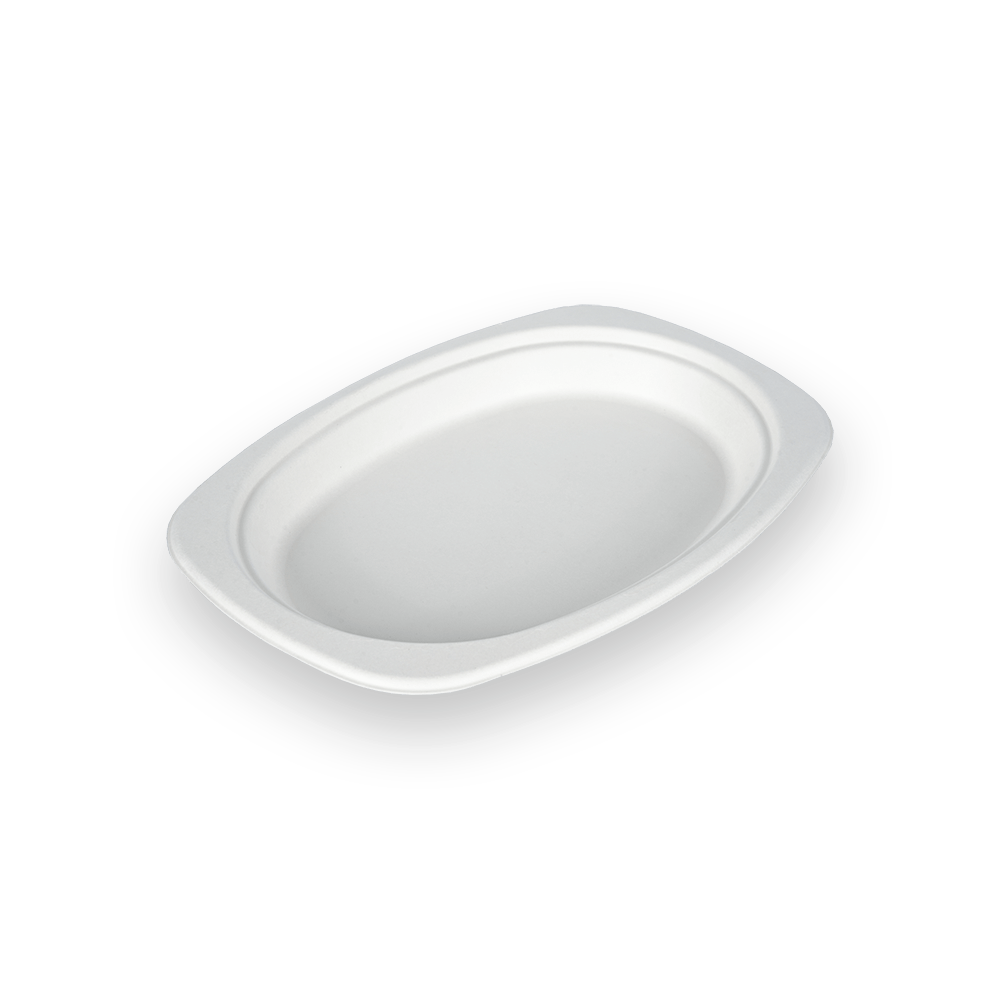 9 Inch *6 Inch Biodegradable Oval Plate
Size(mm)
230*160*20
Weight(g)
13
Pcs / Bag
125
Bags / CTN
4
Pcs / CTN
500
L/CTN
47
W/CTN
37
H/CTN
33
Volume/CTN
0.057387
CONTACT US -
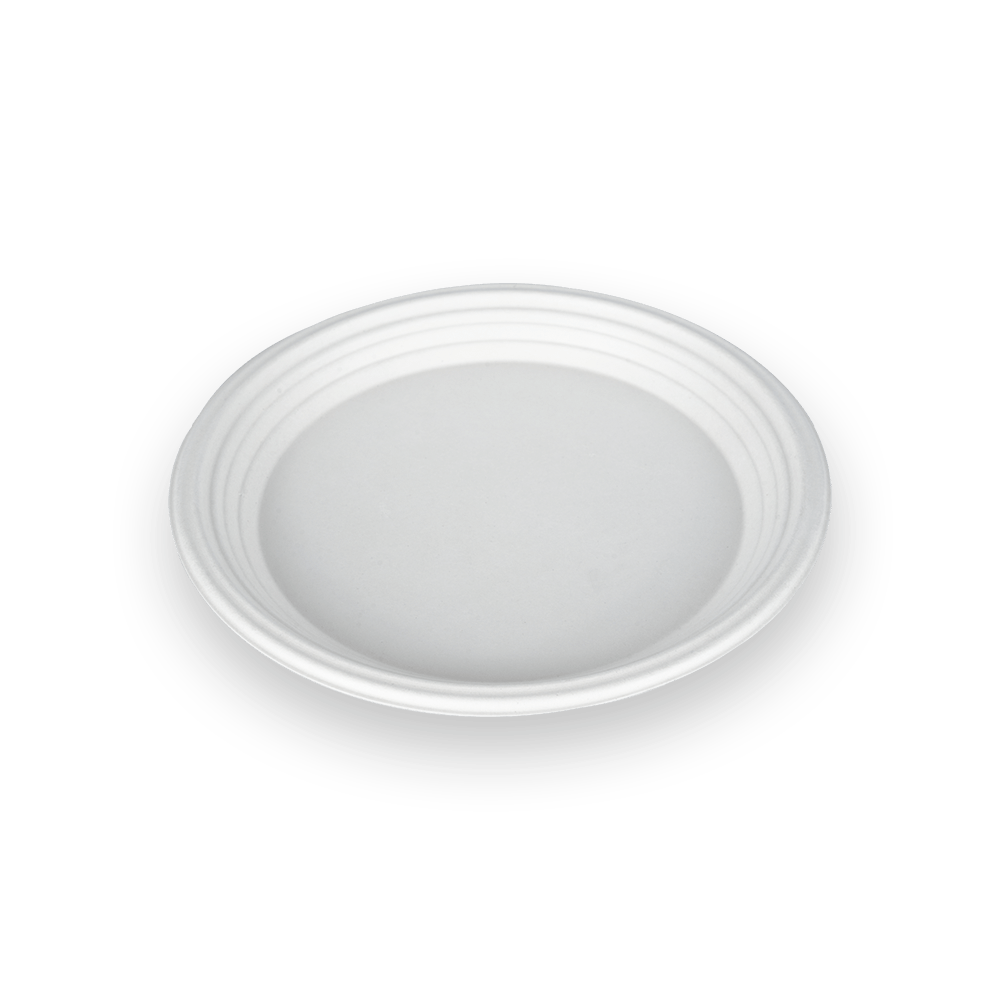 10 Inch Deep Plate
Size(mm)
Ø258.6*28
Weight(g)
24
Pcs/Bag
125
Bags/CTN
4
Pcs/CTN
500
L/CTN
53
W/CTN
19.5
H/CTN
53
Volume/CT
0.0548
CONTACT US -
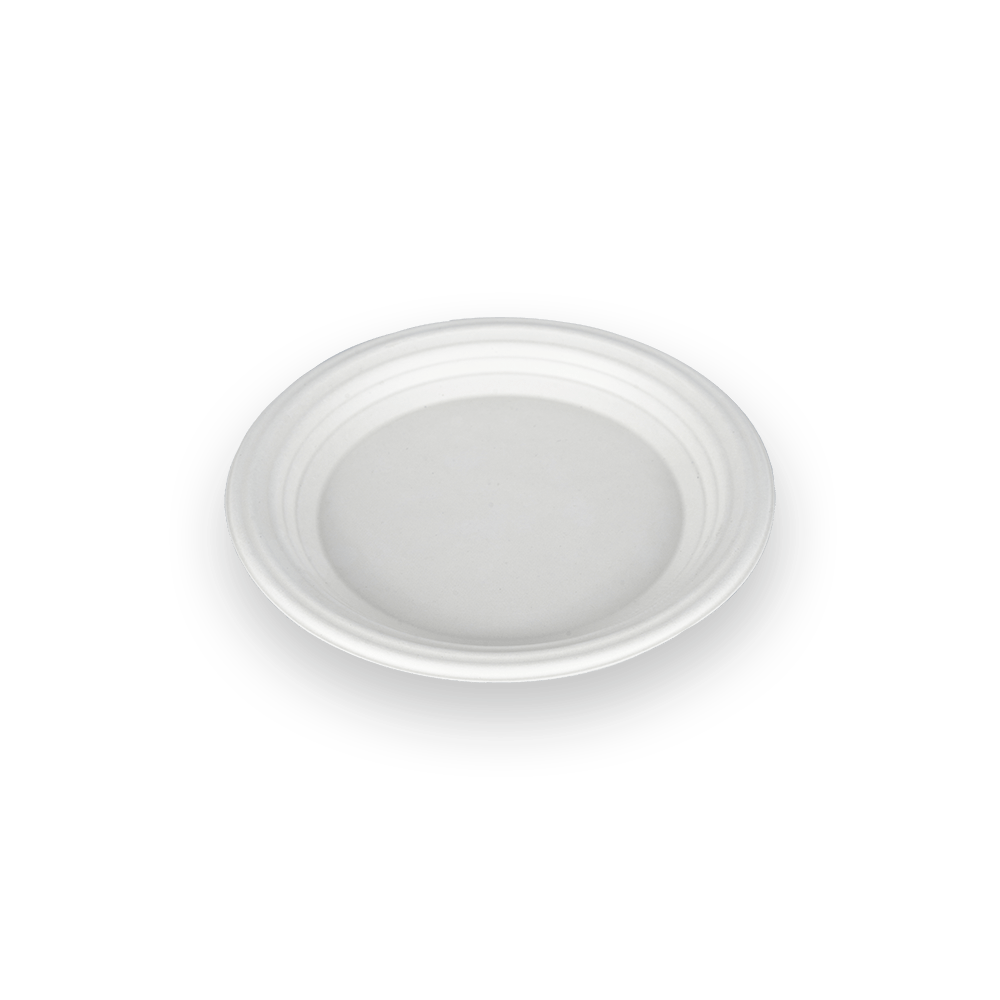 9 Inch Deep Plate
Size(mm)
Ø225*36
Weight(g)
19
Pcs/Bag
125
Bags/CTN
4
Pcs/CTN
500
L/CTN
46
W/CTN
18.5
H/CTN
46
Volume/CT
0.0391
CONTACT US -
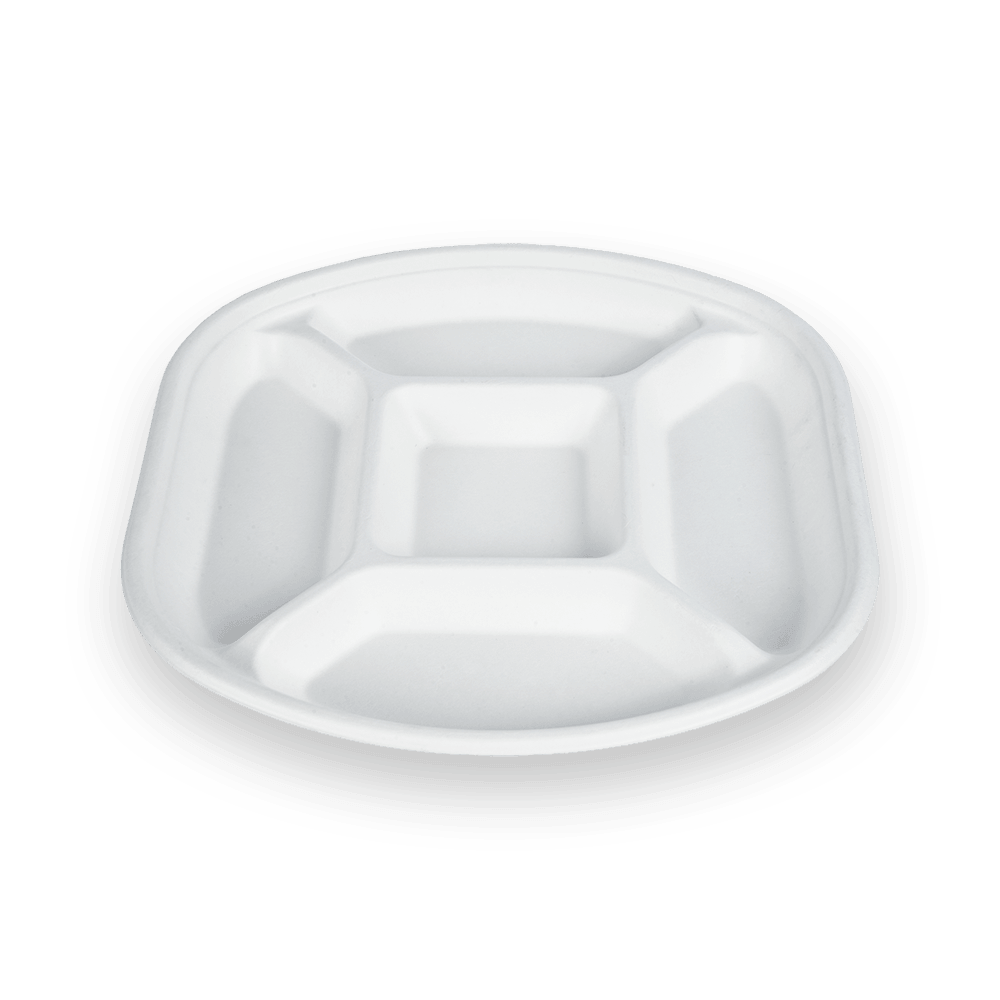
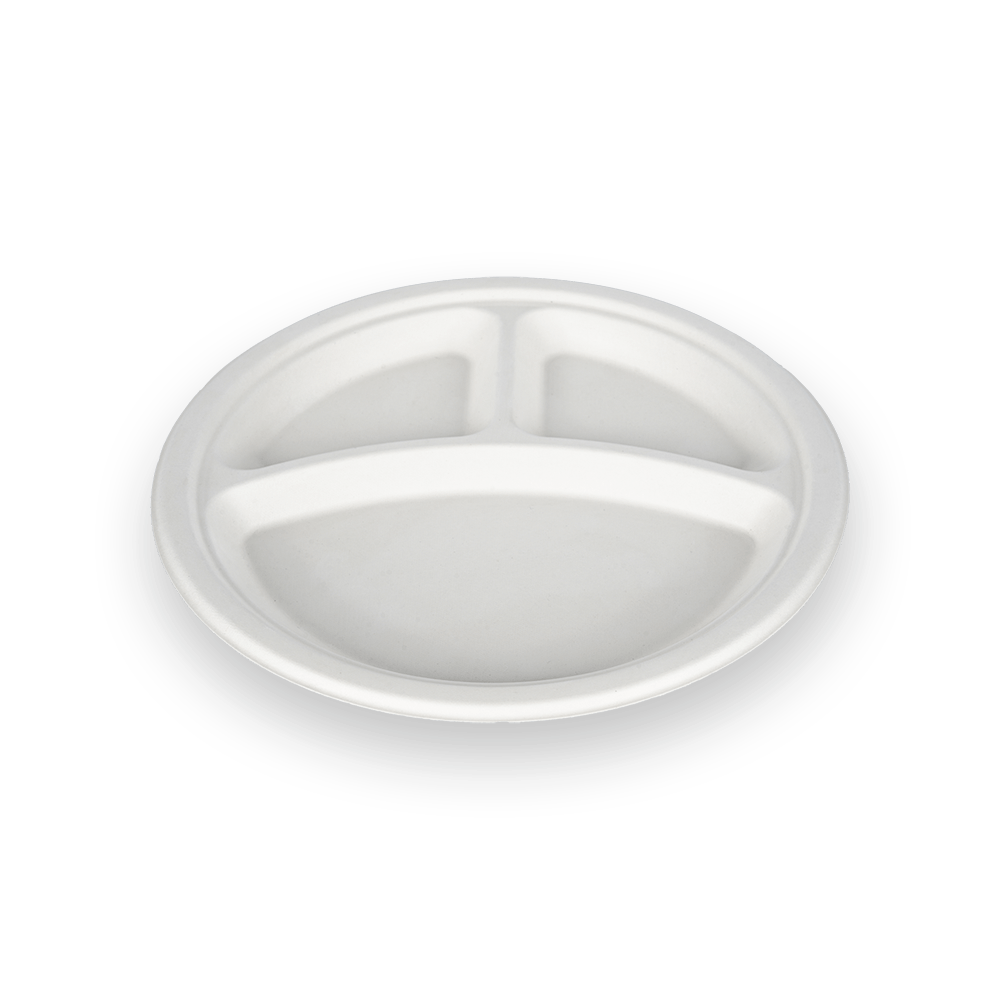 10 Inch 3-compartment Plate
Size(mm)
Ø258*25.5
Weight(g)
21
Pcs / Bag
125
Bags / CTN
4
Pcs / CTN
500
L/CTN
52.5
W/CTN
18
H/CTN
52.5
Volume/CTN
0.0496
CONTACT US -
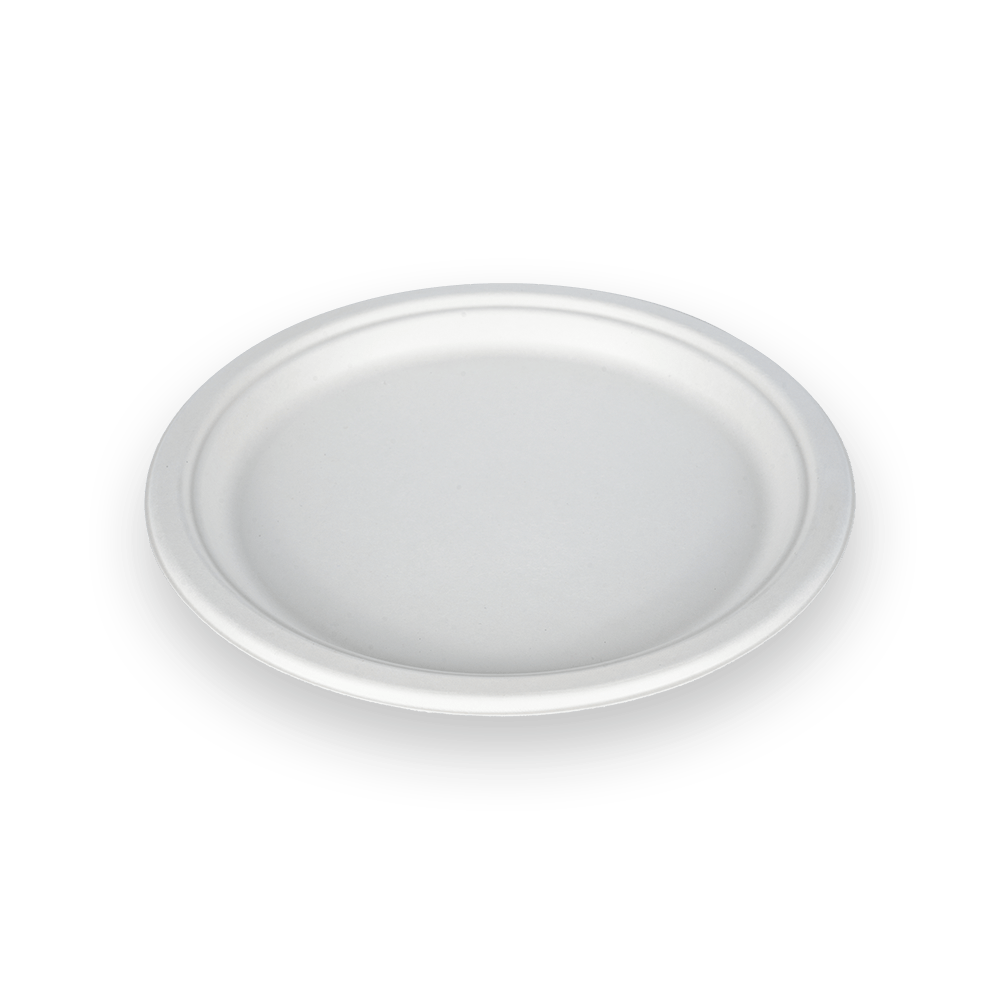 10 Inch Biodegradable Plate
Size(mm)
Ø258*20.5
Weight(g)
20
Pcs / Bag
125
Bags / CTN
4
Pcs / CTN
500
L/CTN
53
W/CTN
34
H/CTN
27
Volume/CTN
0.048654
CONTACT US
Our Story
Zhong Xin Ecoware Technology ( Thailand ) CO., LTD.
Zhong Xin Ecoware(Thailand) is a Thailand Wholesale Biodegradable Plate Manufacturer and OEM Biodegradable Plate Factory. Both the first and second phases of the Thailand plant have now been completed and put into production, bringing the site to an annual capacity of 100,000 tonnes. The plant is already supplying orders for customers in the United States.
The landing and development of Zhong Xin in Thailand has brought a large amount of initial investment for land, factories, etc., and continuous operational investment for continuous equipment updates, technological upgrades, and capacity expansion.
Zhong Xin Ecoware(Thailand) has directly and indirectly created thousands of job opportunities, increased government revenue, promoted local economic development, cultivated local supply chains, provided systematic training for employees, improved the quality of local human capital, injected vitality into the local economy, enhanced industrial competitiveness, and ultimately improved residents' living standards.
Zhong Xin Ecoware(Thailand) actively collaborates with local pulp mills to explore new cooperation models for developing new products, improving production capacity and quality. At the same time, relying on Zhongxin's advanced production technology, process flow, management experience, and quality control system, it promotes the development of this industry in Thailand.
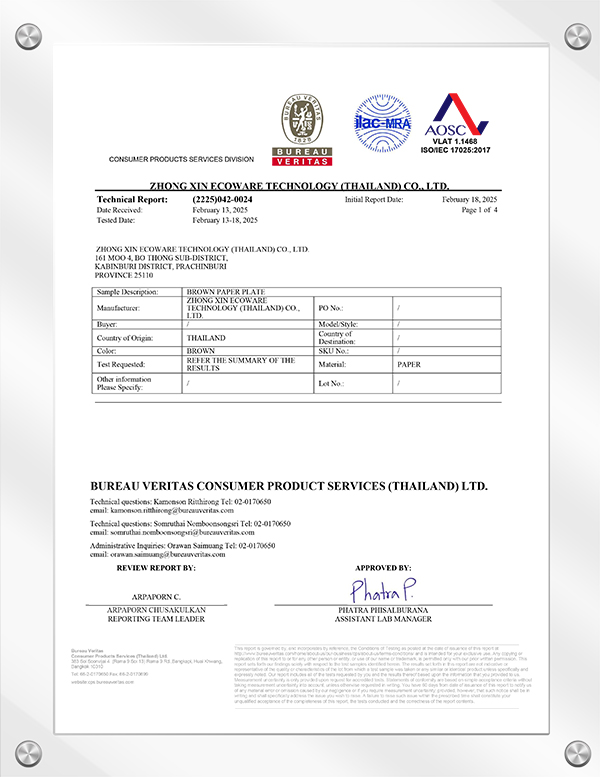
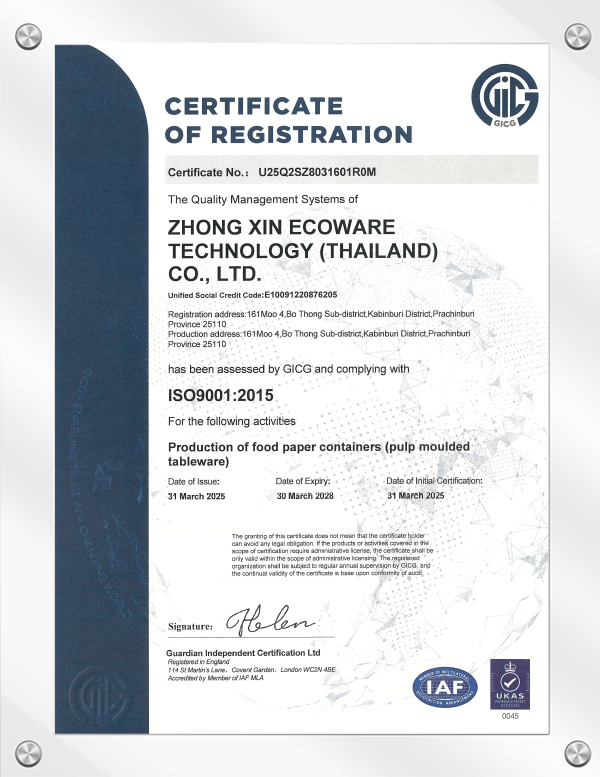
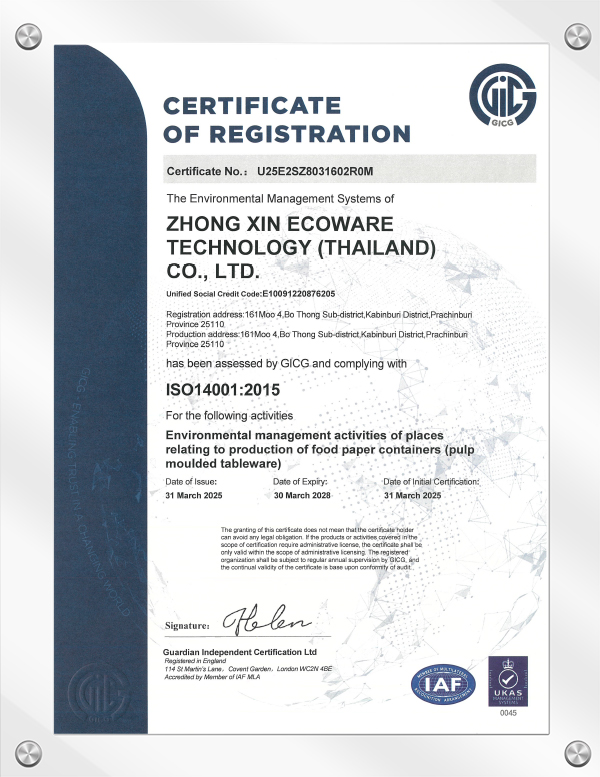
Certificate Of Honor
News & Events
-
-
Published: October 15, 2026 | By Zhong Xin Ecoware Technology (Thailand) Co., Ltd. Quick Summary: Thailand vs China Bag...
READ MORE -
Changing food packaging can affect more than the container itself. A lid that sits loosely, a box that occupies too much...
READ MORE -
Bagasse tableware is the molded fiber product range most buyers meet first and understand last. It looks like paper, per...
READ MORE


Industry Knowledge Extension
Bagasse Plate: What Are the Advantages and Disadvantages?
Bagasse plates, made from sugarcane pulp, have become a widely accepted alternative to plastic and Styrofoam plates. Known for being more environmentally friendly, they offer a range of benefits but also come with some limitations.
|
Advantages |
Disadvantages |
|
Biodegradable: Bagasse plates break down naturally in composting environments, reducing waste accumulation in landfills. |
Limited Durability for Wet or Greasy Foods: While sturdy, bagasse plates may not be suitable for all types of food, especially when they are very wet or oily. |
|
Eco-Friendly: Made from a renewable resource, sugarcane, bagasse plates are a more sustainable choice compared to plastic or foam alternatives. |
Higher Cost: The production of bagasse plates is more expensive than plastic or foam, which can increase the overall cost for consumers or businesses. |
|
Compostable: These plates can be composted after use, helping to return nutrients to the soil, contributing to a more circular economy. |
Limited Availability: Bagasse plates might not be as readily available in all regions compared to more traditional disposable plates. |
|
Strong and Sturdy: Bagasse plates are durable enough to hold hot, greasy, and heavy foods without bending or breaking. |
Requires Specific Conditions for Degradation: While biodegradable, the degradation process requires appropriate environmental conditions, which may not always be available in standard waste disposal facilities. |
|
Chemical-Free: Bagasse plates are typically free from harmful chemicals, making them a safer option for food contact. |
Aesthetic Limitations: Some consumers may find the appearance of bagasse plates less attractive compared to plastic or glossy paper plates. |
Bagasse plates offer significant environmental benefits, but their practicality depends on specific use cases and cost considerations. They present a better choice than plastic alternatives in terms of sustainability but may not be ideal for every situation.
Are Biodegradable Paper Plates Safe?
Biodegradable paper plates are increasingly popular as a more environmentally friendly alternative to plastic or foam plates. However, safety is a common concern for many consumers. Let’s explore this question in more detail.
1. Are biodegradable paper plates free of harmful chemicals?
Biodegradable paper plates are generally made from recycled paper and natural fibers, and they are typically free of harmful chemicals like BPA and phthalates that are found in some plastic products. Manufacturers that use non-toxic, water-based coatings also ensure the plates do not leach harmful substances into food. However, not all biodegradable plates are the same—some may still contain synthetic coatings to make them water-resistant, which could pose risks depending on the materials used.
2. Do biodegradable paper plates break down safely when disposed of?
Biodegradable paper plates break down more easily than traditional plastic plates. When exposed to the right environmental conditions—such as in composting facilities—these plates decompose into natural elements without leaving harmful residues. However, in landfills where composting conditions are not met (e.g., lack of oxygen or moisture), the degradation process is slower and can still produce methane, a potent greenhouse gas.
3. Are biodegradable paper plates safe for food contact?
Biodegradable paper plates are generally considered safe for food contact. However, it is important to check the manufacturer's labeling for certifications or specific information about food safety. Some biodegradable plates may be coated with materials to enhance durability and water resistance, but the coatings must be free from harmful substances like PFAS (per- and polyfluoroalkyl substances), which are known to be hazardous.
How Environmentally Friendly Are Disposable Paper Plates?
Are disposable paper plates truly biodegradable?
Disposable paper plates are often advertised as biodegradable, but their environmental impact depends on the materials used and how they are disposed of. Plates made from recycled paper and natural fibers tend to break down more easily, but some are coated with wax or plastic to improve their water resistance. These coatings can impede the natural biodegradation process, meaning the plates may not degrade as quickly or thoroughly in landfills.
How do disposable paper plates compare to other disposable products like plastic plates?
Disposable paper plates are generally considered a better alternative to plastic plates in terms of environmental impact. While both products are designed for single use, paper plates can often be composted or recycled, which significantly reduces the amount of waste sent to landfills. Plastic plates, on the other hand, take centuries to decompose and release harmful chemicals into the environment. However, the environmental benefit of paper plates depends on how they are processed and disposed of after use. If they end up in a landfill without the proper conditions, they may still contribute to environmental harm.
Are there any alternatives to disposable paper plates that are more environmentally friendly?
There are several alternatives to disposable paper plates that are more environmentally friendly. Reusable plates made from bamboo, glass, or stainless steel are much more durable and can be used multiple times, significantly reducing waste. Additionally, options like compostable plates made from plant-based materials such as palm leaves or sugarcane bagasse offer a sustainable solution that can decompose more efficiently when properly disposed of. These alternatives tend to have less impact on the environment than paper plates, especially when considering long-term use.
Start Now
Get Quotation & Sample In 24h
Send us your product size, quantity, structure requirements, we will
reply the proposal and quotation within 24 hours, support sample proofing

-
-
 +66-31240888
 -
 161 Village No. 4, Bo Thong Subdistrict Kabin Buri District Prachinburi Province 25110
Quick Links
Product Categories
News & Events
-
How to Find Zhong Xin at the 140th Canton Fair: A Visitor Navigation Guide
Oct 16,2026
-
Thailand vs China Bagasse Tableware: 8 Comparisons Buyers Should Verify
Oct 16,2026
-
Will Takeout Containers Fit Your Existing Lids and Delivery Workflow
Oct 16,2026
-
What Is Bagasse Tableware? A 2026 Buyer Guide to Material, Performance and Documents
Oct 13,2026
-
Bagasse Tray Wholesale: How Bulk Buyers Cut Cost with Carton and Container Planning
Oct 09,2026
-
What Should a Bagasse Manufacturer Include in a Bulk Order Quote
Oct 09,2026
-
FOB, CIF or DDP? Incoterms for Bagasse Tableware Buyers Shipping from Thailand
Oct 06,2026
-
Packaging or Food Contact? Which EU Regime Applies to Bagasse Cups, Bowls, Plates and Cutlery
Oct 06,2026
-
Compostable Cutlery Sets for Private Label: 7 Sourcing Checks for Retail and Foodservice Buyers
Oct 06,2026
-
US vs EU Bagasse Tableware Imports: 8 Documentation and Compliance Checks Buyers Should Run
Oct 06,2026
-
How to Prepare a Bagasse Tableware Import: 10 Readiness Checks for US and EU Buyers
Oct 06,2026
-
Beyond Plates: Which Foods Suit Bagasse Tableware
Oct 02,2026
Copyright © 2025 Zhong Xin Ecoware Technology ( Thailand ) CO., LTD.
All Rights Reserved.

Disposable Paper Plate Factory