-
 [email protected]
-
 +66-31240888



 English
 Español
 ไทย
ไทยThe End of the Meal: Disposing of Biodegradable Paper Plates
The term "biodegradable" on a paper plate suggests an environmentally preferable product, but it also raises a practical question for the consumer: what exactly should be done with it after use? Unlike conventional paper plates, which are often destined for landfills, biodegradable plates are designed to break down under specific conditions. However, the proper disposal method is not always intuitive and depends heavily on the plate's materials, the local waste management infrastructure, and the condition of the plate after use.
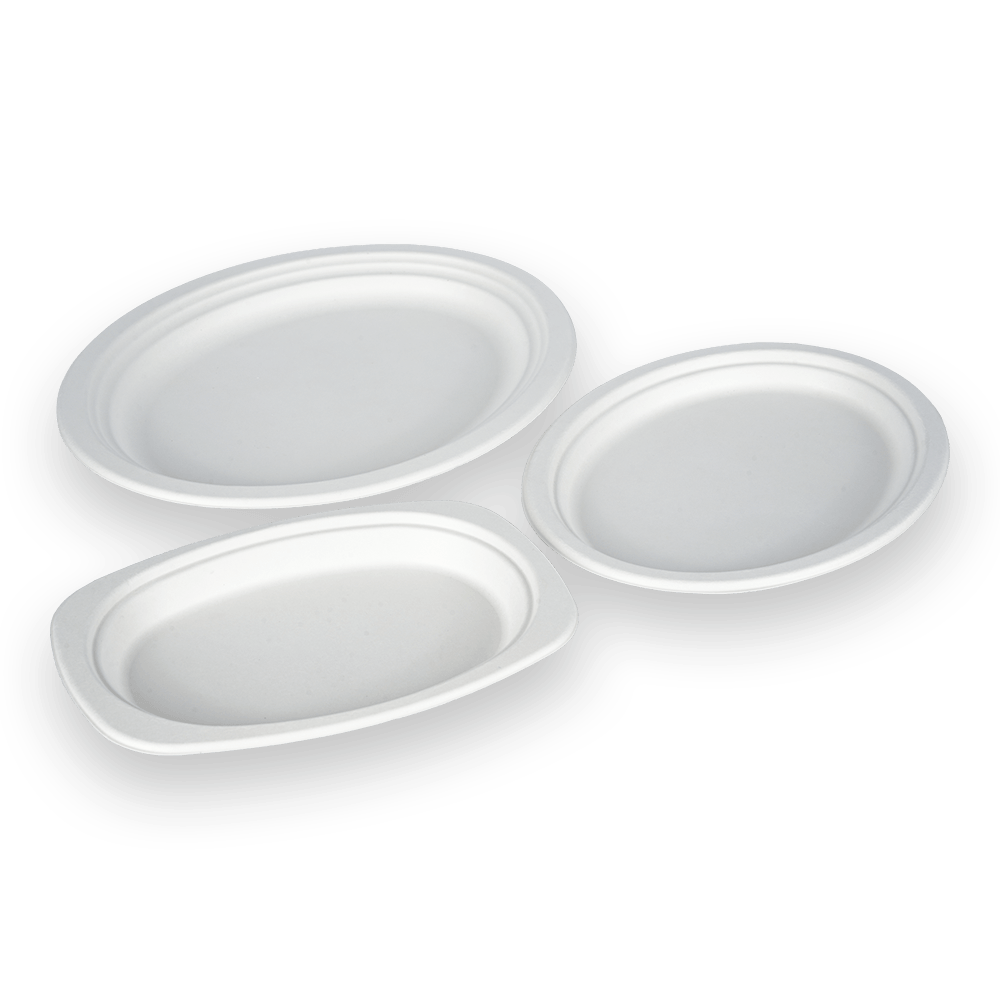
Understanding Disposal Pathways
The correct disposal method for a biodegradable paper plate is determined by its construction and the facilities available to the user. Not all plates labeled "biodegradable" are suitable for all disposal routes.
Commercial Composting
This is often the intended end-of-life pathway for many biodegradable paper plates, particularly those certified as compostable by organizations like the Biodegradable Products Institute (BPI). Commercial composting facilities operate at controlled temperatures and humidity levels, creating an environment where plates can break down within a specific timeframe, typically 60 to 180 days. If a consumer has access to a commercial composting program through municipal collection or a private service, this is generally the recommended disposal method for plates that are certified compostable. It is important to check local guidelines, as not all facilities accept food-soiled paper products, and some may require specific certifications.
Home Composting
Some biodegradable paper plates are suitable for home composting. This depends on the materials used; plates made from simple molded fiber without synthetic liners or coatings may break down in a well-maintained home compost pile. However, the process is slower and less predictable than in commercial facilities. Plates certified as "backyard compostable" are specifically tested for this environment. For home composting, plates are often torn or cut into smaller pieces to accelerate decomposition. It is also important to balance the carbon-rich paper with nitrogen-rich "green" materials in the compost. Plates heavily soiled with meat, dairy, or greasy foods may attract pests and are less suitable for home composting.
Recycling
Biodegradable paper plates are generally not suitable for standard paper recycling streams. There are two primary reasons for this. First, the plates are almost always contaminated with food residue, which can spoil an entire batch of recycled paper. Second, plates with biodegradable coatings, such as PLA (polylactic acid), cannot be processed by standard paper recycling equipment. These bioplastics must be separated from the paper pulp, a step recycling mills are not equipped to perform. Therefore, placing biodegradable plates in the recycling bin is typically incorrect and can cause contamination.
Landfill Disposal
In the absence of composting options, biodegradable paper plates will inevitably end up in a landfill. While this is not the outcome, it is the reality for many consumers. In a landfill, conditions are typically anaerobic (lacking oxygen) and dry, which significantly slows down the biodegradation process. A plate that would break down in months in a composter may persist for years or decades in a landfill. However, some studies suggest that even in landfills, biodegradable materials may begin to break down more quickly than conventional plastics, though this is highly variable and depends on landfill conditions. If landfill disposal is the only option, the plate will still take up space, but its material origins are from a renewable resource rather than petroleum.
Evaluating the Durability of Biodegradable Paper Plates
Durability is a primary concern for any disposable plate. A plate that fails during use—by bending, leaking, or tearing—creates a mess and defeats its purpose. Biodegradable paper plates are not a single, uniform product; their durability varies significantly based on the materials from which they are made and their construction. The following table compares the durability characteristics of common types of biodegradable plates across several performance metrics relevant to the user.
|
Plate Type |
Resistance to Sagging (with wet/food) |
Resistance to Cutting (with utensils) |
Grease Resistance |
Typical Construction |
|
Molded Bagasse Plates |
High. The dense, molded fiber structure provides good rigidity even when holding moist foods. Plates maintain their shape well. |
Moderate. Can be cut with a knife or fork, but the fiber material is firm. Will not typically tear from normal utensil use. |
Moderate to High. Naturally resistant due to lignin content. Some plates have a thin bioplastic coating for enhanced grease resistance. |
Made from compressed sugarcane fiber. Opaque, typically off-white or light brown. |
|
Uncoated Paper Plates (Biodegradable) |
Low to Moderate. These plates are similar to standard paper plates but made from recycled or sustainably sourced paper without plastic coatings. They will sag and soften with moist or juicy foods more quickly. |
Low. Easily cut by utensils; may tear if food is cut with force. |
Low. Without a coating, oil and grease will soak through rapidly. |
Made from compressed paper pulp. May have a textured surface. Usually unbleached or natural in color. |
|
Coated Paper Plates (with PLA or Biopolymer) |
High. The bioplastic coating (often PLA) provides a moisture barrier that prevents the paper from absorbing liquids. The plate remains rigid for the duration of a meal. |
Moderate. The coating adds some surface integrity, but the paper base can still be cut. Coating helps prevent tearing. |
High. The bioplastic layer is highly resistant to grease and oils, preventing soak-through. |
Paper or paperboard base with a thin layer of plant-based bioplastic laminated onto the surface. |
|
Palm Leaf Plates |
High. These plates are made from fallen areca palm leaves that are cleaned and heat-pressed into shape. They are naturally rigid and sturdy. |
High. The leaf material is dense and fibrous, holding up well to cutting. |
Moderate. Naturally resistant, but very oily foods may eventually leave a mark, though the plate will not structurally fail. |
Made from single or multiple layers of pressed palm leaves. Each plate has a unique, natural appearance. |
|
Wheat Straw or Other Fiber Plates |
Moderate to High. Similar to bagasse, these plates are made from compressed agricultural fibers. Durability is generally good but can vary with thickness and construction. |
Moderate. Comparable to bagasse, with good resistance to tearing from normal use. |
Moderate. Fiber-based, so performance with grease depends on density and whether a coating is applied. |
Made from waste wheat straw or other grain stalks, pulped and molded. Typically light in color. |
Practical Assessment of Durability
For the user, the choice of plate should be guided by the type of food being served. For a dry meal like sandwiches or pastries, an uncoated biodegradable paper plate may be perfectly adequate and the economical choice. For a meal with a juicy main course, a saucy side, or any greasy food, a coated plate or a molded fiber plate like bagasse is a more practical selection. The molded fiber options generally offer the all-around durability, combining structural rigidity with a good natural resistance to moisture. The palm leaf plates offer a unique aesthetic and are notably sturdy, though they are often more expensive and may have an uneven surface. Ultimately, the durability of biodegradable plates has improved significantly, and many options now perform comparably to conventional plastic-coated or foam plates for the duration of a typical meal.
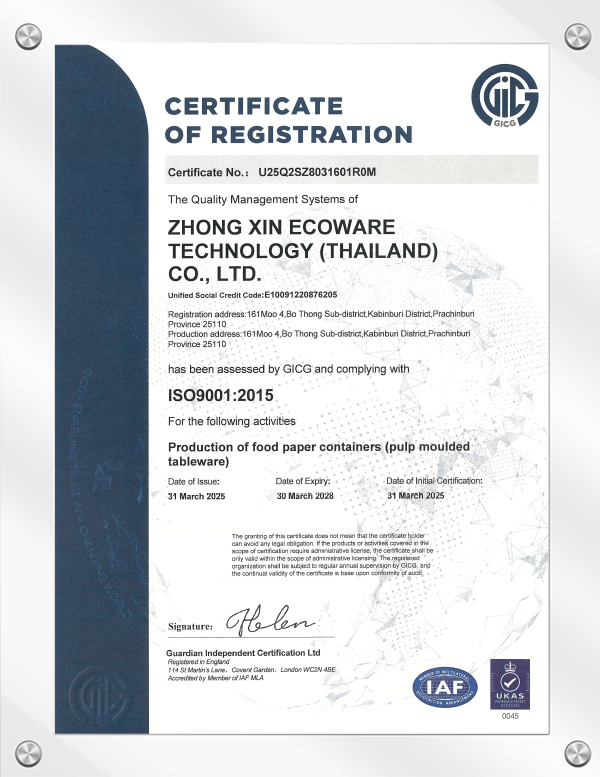
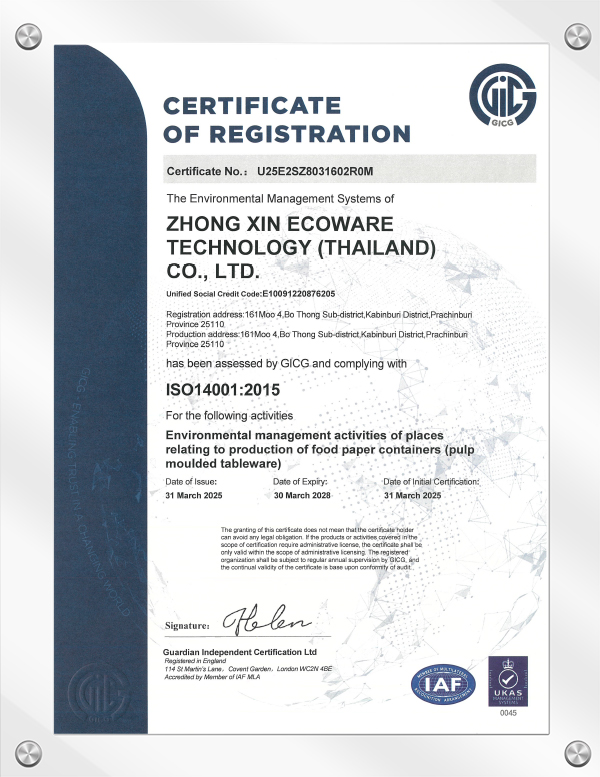
Zhong Xin Ecoware Technology (Thailand) Co., Ltd. supplies bagasse and molded fiber food packaging to importers, distributors and foodservice brands. For MOQ, pricing, samples and lead time, email info@fiber-product.com or use the contact form.
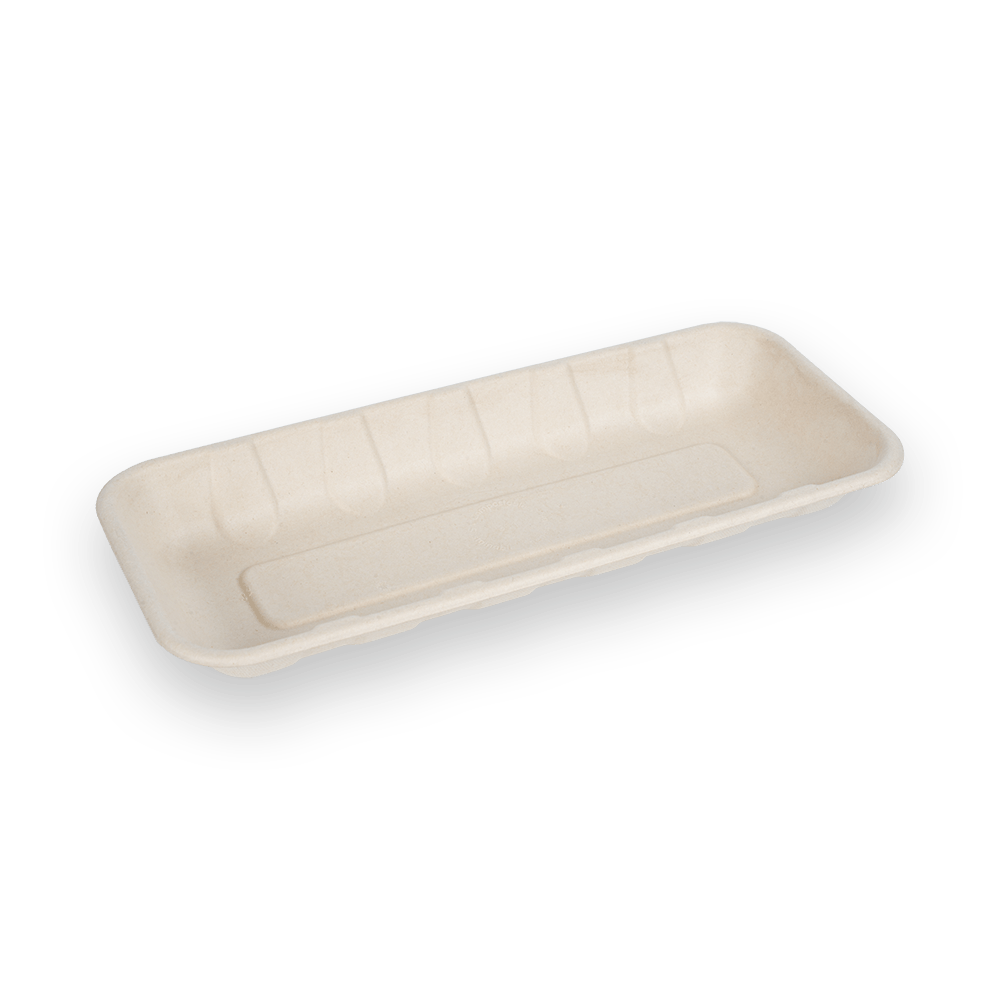
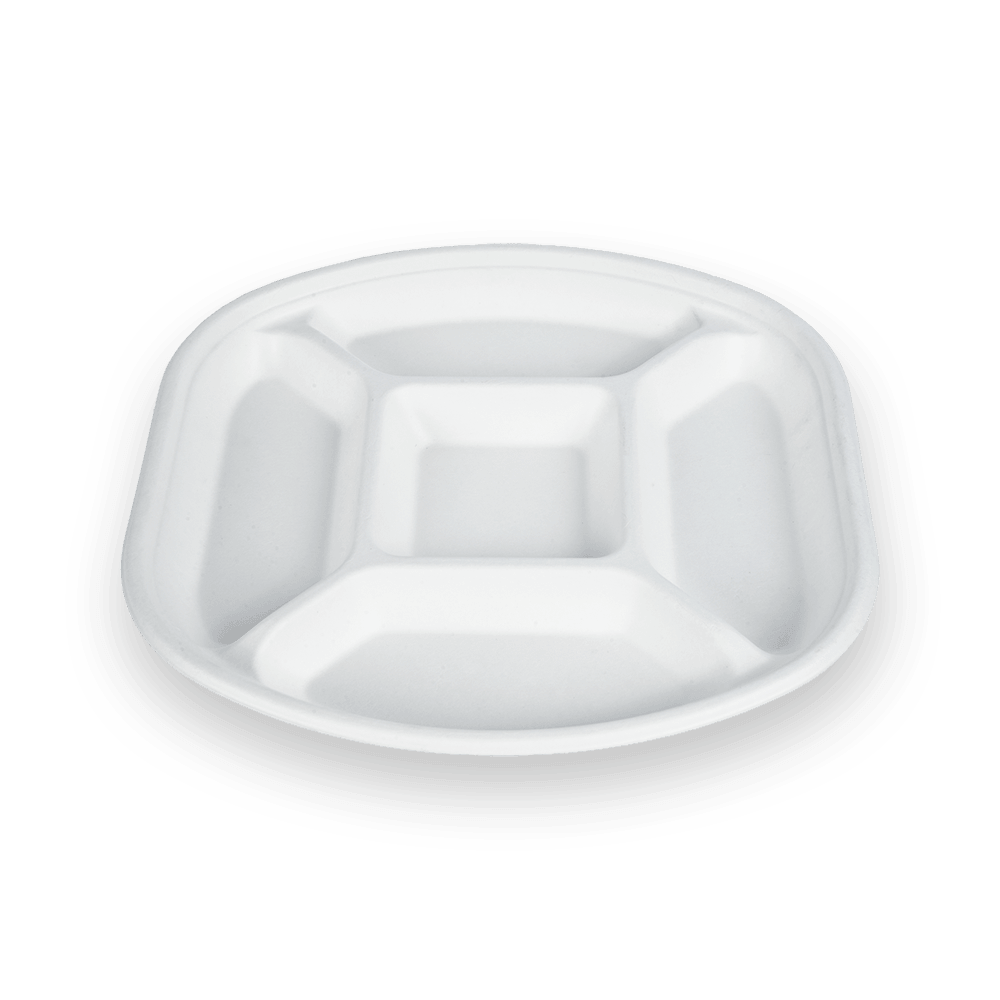

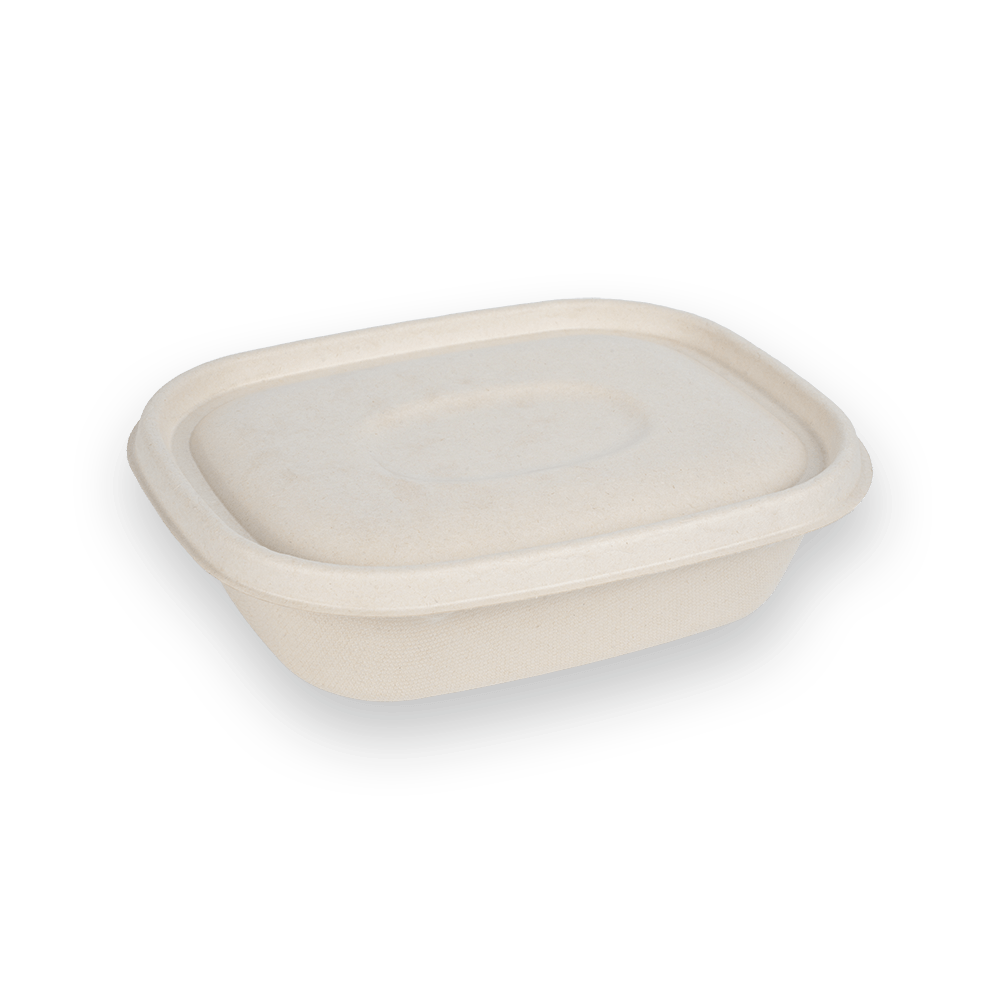
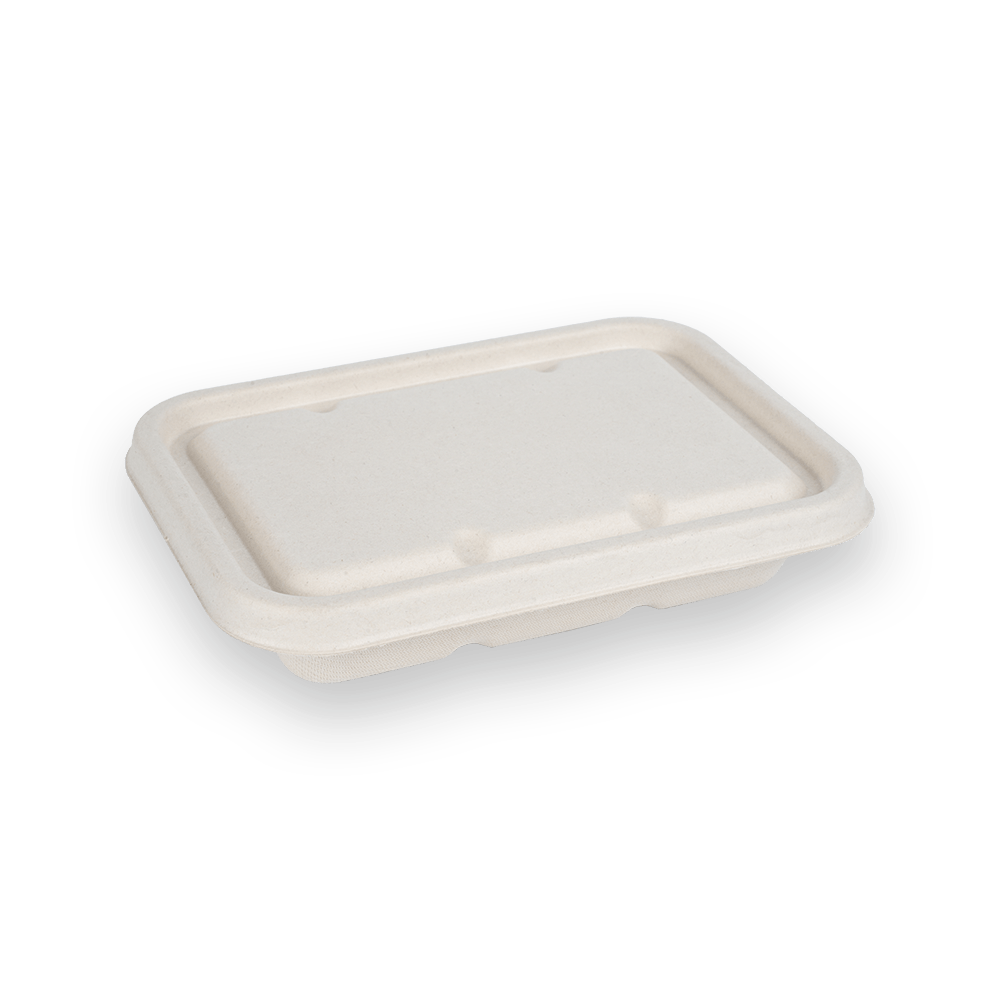

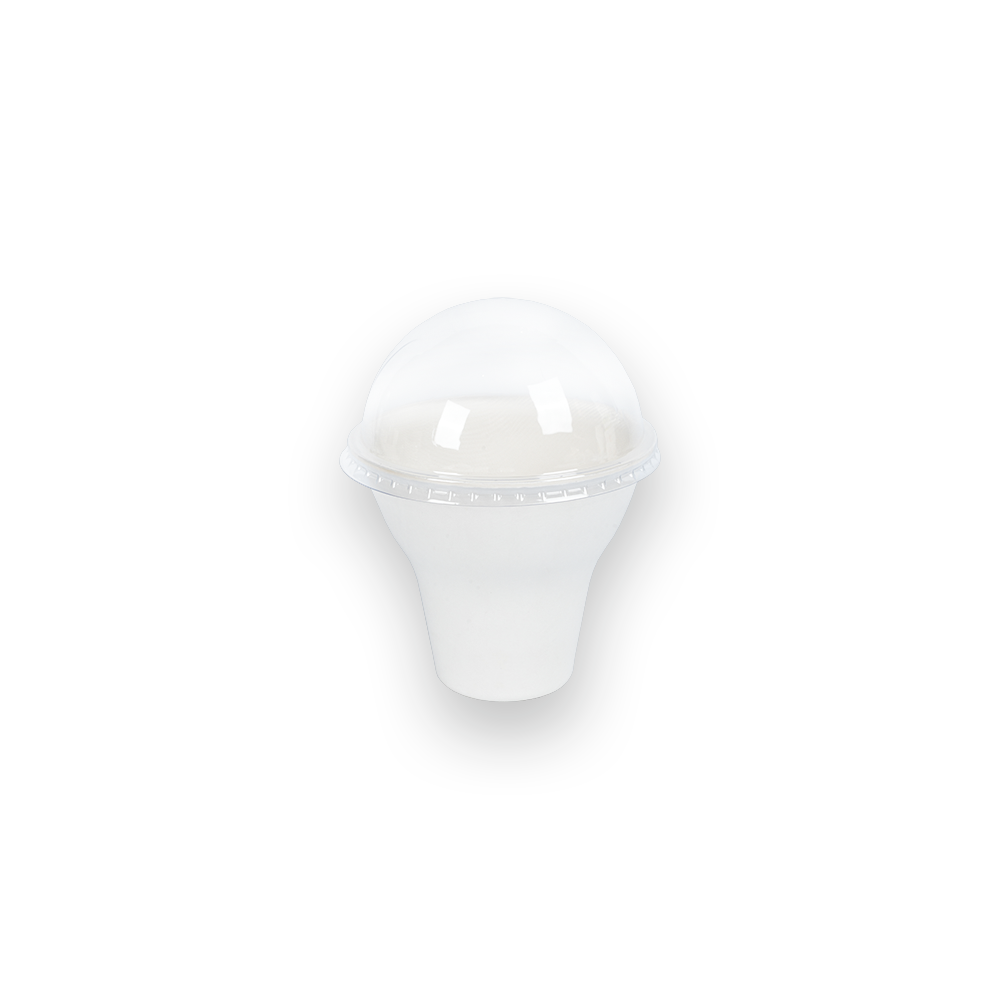
Zhong Xin Ecoware(Thailand) was registered on November 1, 2023, and officially began construction of the factory building in June 2024. At present, the first phase workshop of the factory has been fully completed and put into use. The second phase of the factory is being constructed intensively.
The landing and development of Zhong Xin in Thailand has brought a large amount of initial investment for land, factories, etc., and continuous operational investment for continuous equipment updates, technological upgrades, and capacity expansion.
Zhong Xin Ecoware(Thailand) has directly and indirectly created thousands of job opportunities, increased government revenue, promoted local economic development, cultivated local supply chains, provided systematic training for employees, improved the quality of local human capital, injected vitality into the local economy, enhanced industrial competitiveness, and ultimately improved residents' living standards.
Zhong Xin Ecoware(Thailand) actively collaborates with local pulp mills to explore new cooperation models for developing new products, improving production capacity and quality. At the same time, relying on Zhongxin's advanced production technology, process flow, management experience, and quality control system, it promotes the development of this industry in Thailand.
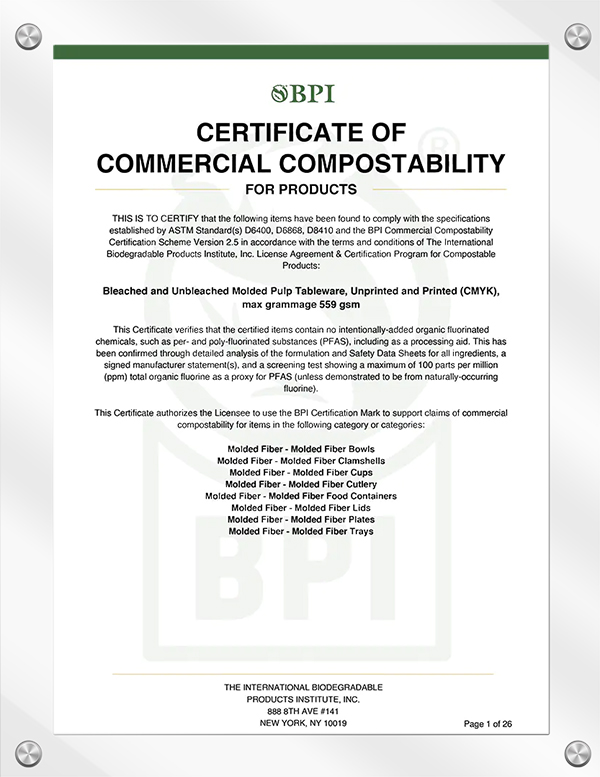
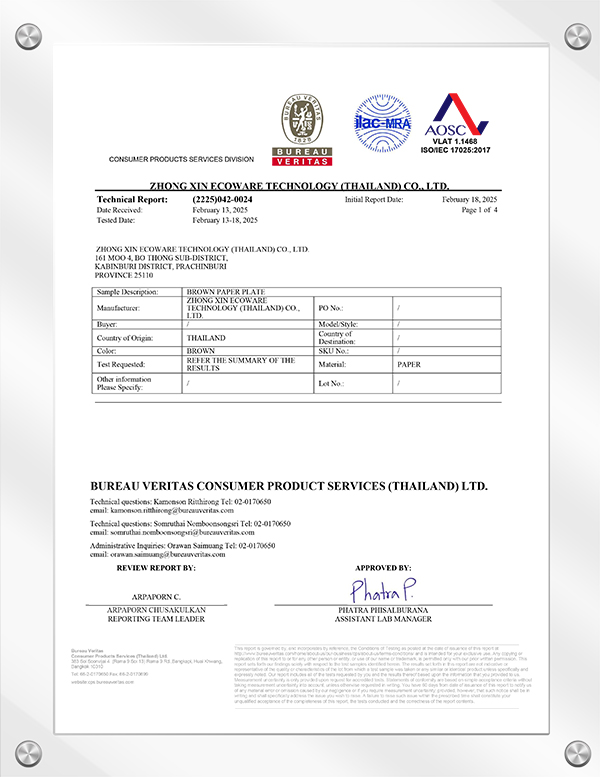

-
-
 +66-31240888
 -
 161 Village No. 4, Bo Thong Subdistrict Kabin Buri District Prachinburi Province 25110
-
Can Paper Packaging Meet Retail Shelf and Branding Requirements
Oct 23,2026
-
Bagasse Cups and Cup Lids: A Sourcing Guide for Foodservice and Takeaway Buyers
Oct 20,2026
-
How to Find Zhong Xin at the 140th Canton Fair: A Visitor Navigation Guide
Oct 16,2026
-
Thailand vs China Bagasse Tableware: 8 Comparisons Buyers Should Verify
Oct 16,2026
-
Will Takeout Containers Fit Your Existing Lids and Delivery Workflow
Oct 16,2026
-
What Is Bagasse Tableware? A 2026 Buyer Guide to Material, Performance and Documents
Oct 13,2026
-
Bagasse Tray Wholesale: How Bulk Buyers Cut Cost with Carton and Container Planning
Oct 09,2026
-
What Should a Bagasse Manufacturer Include in a Bulk Order Quote
Oct 09,2026
-
FOB, CIF or DDP? Incoterms for Bagasse Tableware Buyers Shipping from Thailand
Oct 06,2026
-
Packaging or Food Contact? Which EU Regime Applies to Bagasse Cups, Bowls, Plates and Cutlery
Oct 06,2026
-
Compostable Cutlery Sets for Private Label: 7 Sourcing Checks for Retail and Foodservice Buyers
Oct 06,2026
-
US vs EU Bagasse Tableware Imports: 8 Documentation and Compliance Checks Buyers Should Run
Oct 06,2026
Copyright © 2025 Zhong Xin Ecoware Technology ( Thailand ) CO., LTD.
All Rights Reserved.

Biodegradable Disposable Bagasse Tableware Manufacturer