-
 [email protected]
-
 +66-31240888



 English
 Español
 ไทย
ไทยBiodegradable Paper Plate Manufacturer Trust Issues
A growing number of food packaging buyers are questioning how reliable claims from a biodegradable paper plate manufacturer really are, especially as global demand for fiber-based tableware continues to expand. Market growth has brought innovation, but also confusion around certifications, coatings, and hidden chemical treatments that are not always visible to end users.
Instead of focusing only on “eco-friendly” messaging, procurement teams are increasingly digging into material composition, compliance documentation, and lab test reports. Concerns are not limited to performance alone—chemical safety, export approvals, and regulatory alignment now shape purchasing decisions in both foodservice and retail sectors.

Material composition transparency becomes a key concern
Many paper plates are produced from molded pulp, sugarcane fiber, bamboo fiber, or recycled paperboard. However, surface treatments can vary widely depending on manufacturer capability and target market.
Typical technical differences include:
- Basis weight: 230–400 gsm for standard molded plates
- Water resistance achieved via starch-based or polymer dispersion coatings
- Heat tolerance range: roughly -20°C to 120°C depending on formulation
- Stiffness index adjusted by fiber density and pressing pressure
Issues arise when grease resistance is enhanced using undisclosed chemical additives. Studies and regulatory updates highlight that certain food-contact paper products may contain trace substances that are not always disclosed in marketing materials, raising concerns for importers and food brands.
Certification gaps create buyer hesitation
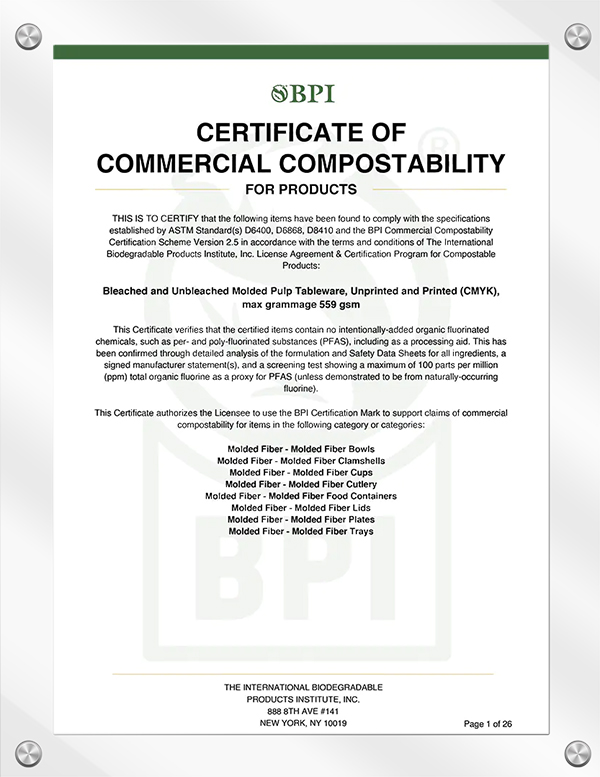
A reliable supply chain for disposable tableware is no longer defined only by cost or appearance. Buyers now expect verifiable documentation such as FDA food-contact declarations, EU 1935/2004 compliance, and compostability standards like ASTM D6400.
However, certification coverage is inconsistent across suppliers. Some manufacturers provide full documentation packages, while others rely on partial testing or outdated reports.
Common verification points include:
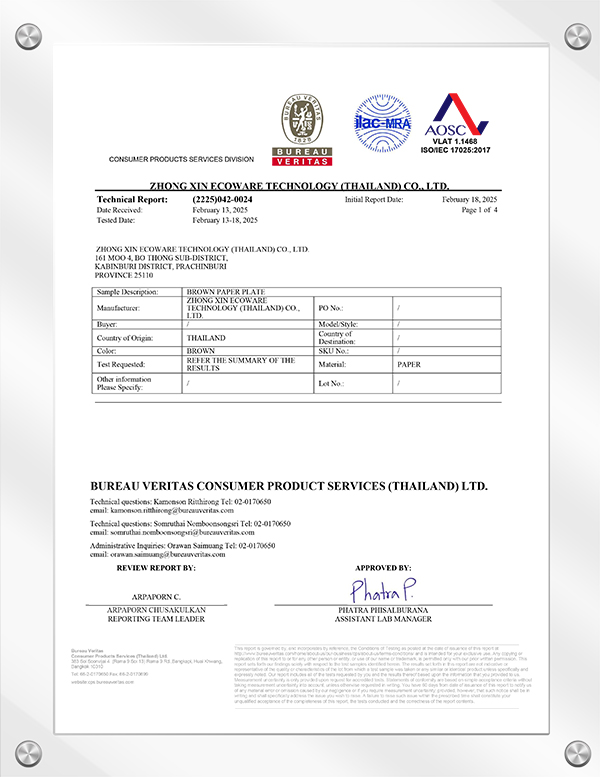
- Third-party PFAS-free test reports
- Migration testing for food contact safety
- Compostability certification (industrial vs home compost distinction)
- Heavy metal and fluorescence residue screening
Certification programs such as GreenScreen Certified® have also emerged to evaluate chemical safety beyond basic labeling, targeting substances of concern in single-use foodware .
Hidden chemical treatment concerns in coated products
Performance coatings are debated aspects of paper plate manufacturing. Grease resistance, water resistance, and heat stability often require surface modification, which may involve synthetic polymers or fluorinated compounds in some production systems.
Key industry observation points:
- Grease-proof layers improve oil resistance but may complicate recycling streams
- Some coatings can degrade under high heat exposure above 90–100°C
- Industrial compostability does not always match home compost conditions
- Fiber-based packaging can still contain residual contaminants depending on raw material sourcing
Regulatory agencies have noted that certain PFAS-related compounds historically used in grease-resistant paper packaging have been phased out or restricted due to potential migration concerns into food contact applications .
Supply chain consistency and production variability
Another issue often raised by buyers is inconsistency between batches. Even within the same biodegradable paper plate manufacturer, production performance can vary depending on fiber source, humidity control, and pressing temperature.
Key factors influencing stability:
- Raw pulp moisture content variation (typically 6–12%)
- Press molding temperature range (140–220°C)
- Drying cycle duration affecting stiffness and deformation resistance
- Storage conditions impacting warp rate and edge curling
For importers, these variables directly influence customer experience in foodservice environments, especially for hot meals or liquid-heavy dishes.
Market expectations are shifting toward verifiable safety
Demand from restaurants, catering companies, and institutional buyers is no longer centered only on disposability or compostability claims. Procurement teams now prioritize traceable production systems and repeatable quality metrics.
Increasingly requested documentation includes:
- Full material traceability from fiber source to finished plate
- Batch-level quality inspection reports
- Chemical screening for total fluorine indicators
- Compliance alignment with destination-country regulations
This shift reflects broader awareness that packaging materials interact directly with food, and even minor inconsistencies can affect safety perception and regulatory approval in export markets.
Buyer evaluation criteria are becoming more technical
Instead of relying on general product descriptions, professional buyers are now evaluating suppliers based on measurable technical indicators.
Common decision metrics include:
- Edge load-bearing strength under 2–5 kg distribution tests
- Oil resistance duration (30–120 minutes depending on coating type)
- Water absorption rate under ASTM standard testing
- Deformation threshold under heat exposure
These parameters help distinguish high-stability products from visually similar alternatives that may not perform consistently in real foodservice conditions.
Supply reliability and long-term sourcing considerations
Global sourcing teams also consider production scalability and raw material stability. Demand spikes in food delivery and catering sectors have highlighted the importance of consistent manufacturing capacity.
Important sourcing concerns include:
- Fiber pulp availability during seasonal fluctuations
- Factory production line automation level
- Export packaging durability for long-distance shipping
- Lead time variability during peak demand cycles
Rather than short-term pricing advantages, long-term continuity and specification stability are becoming more influential in supplier selection.
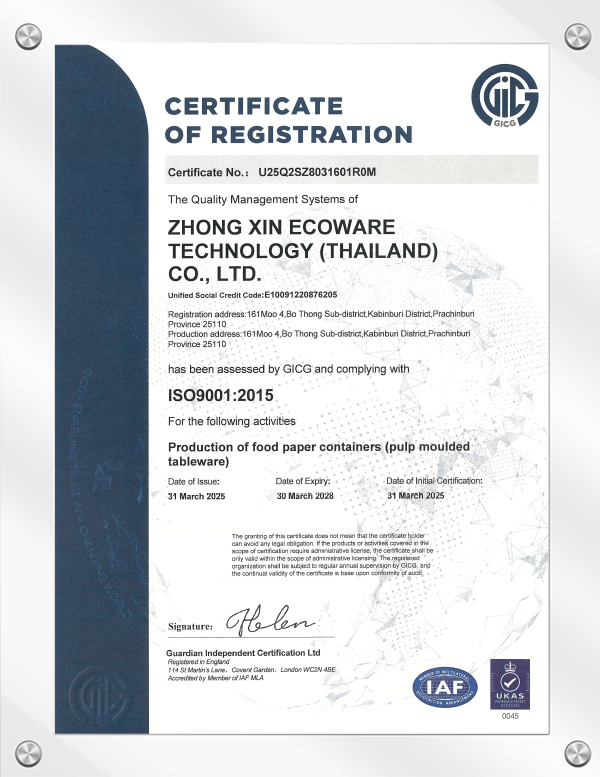
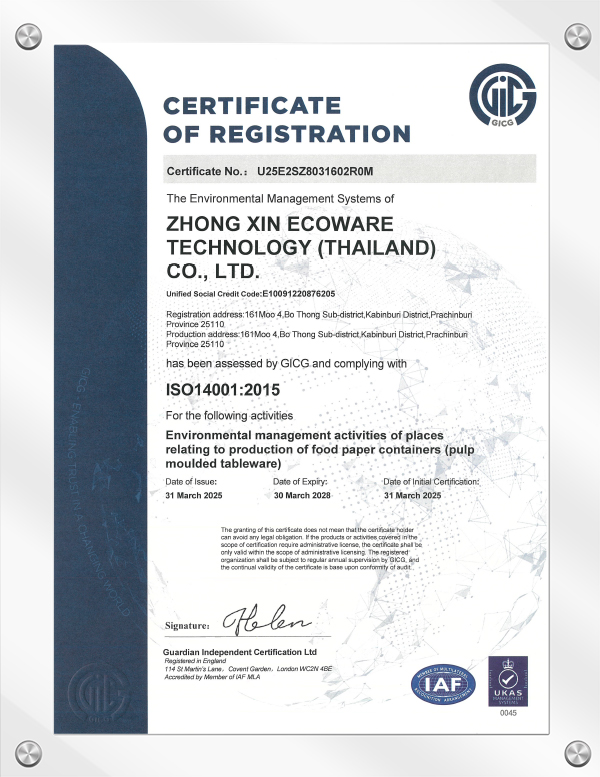
Zhong Xin Ecoware Technology (Thailand) Co., Ltd. supplies bagasse and molded fiber food packaging to importers, distributors and foodservice brands. For MOQ, pricing, samples and lead time, email info@fiber-product.com or use the contact form.
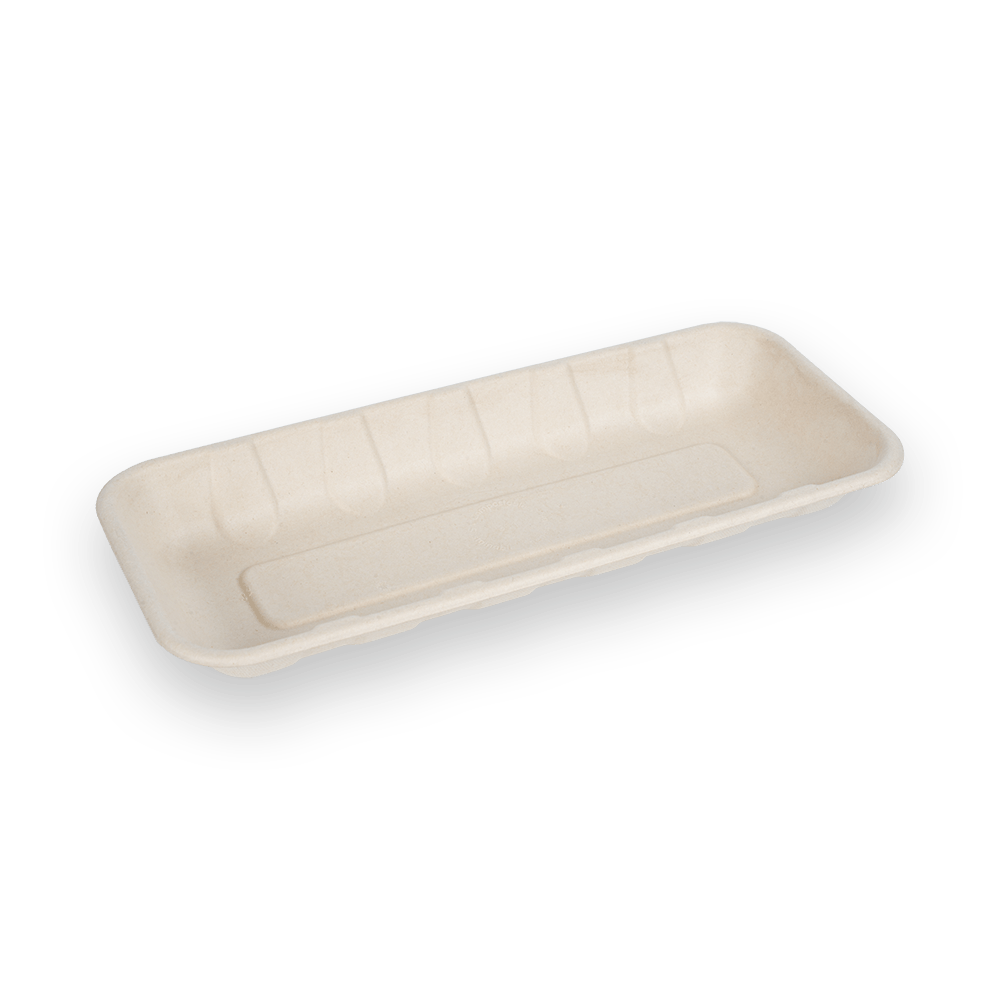


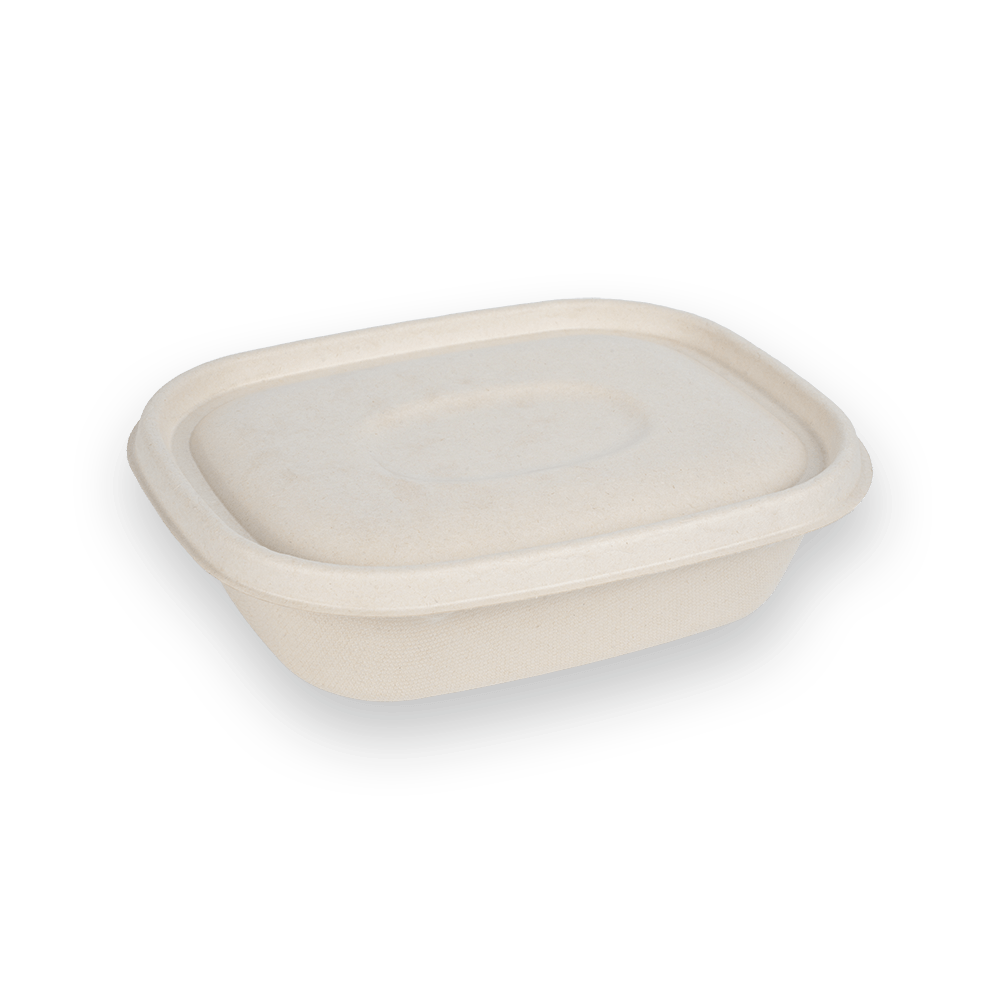
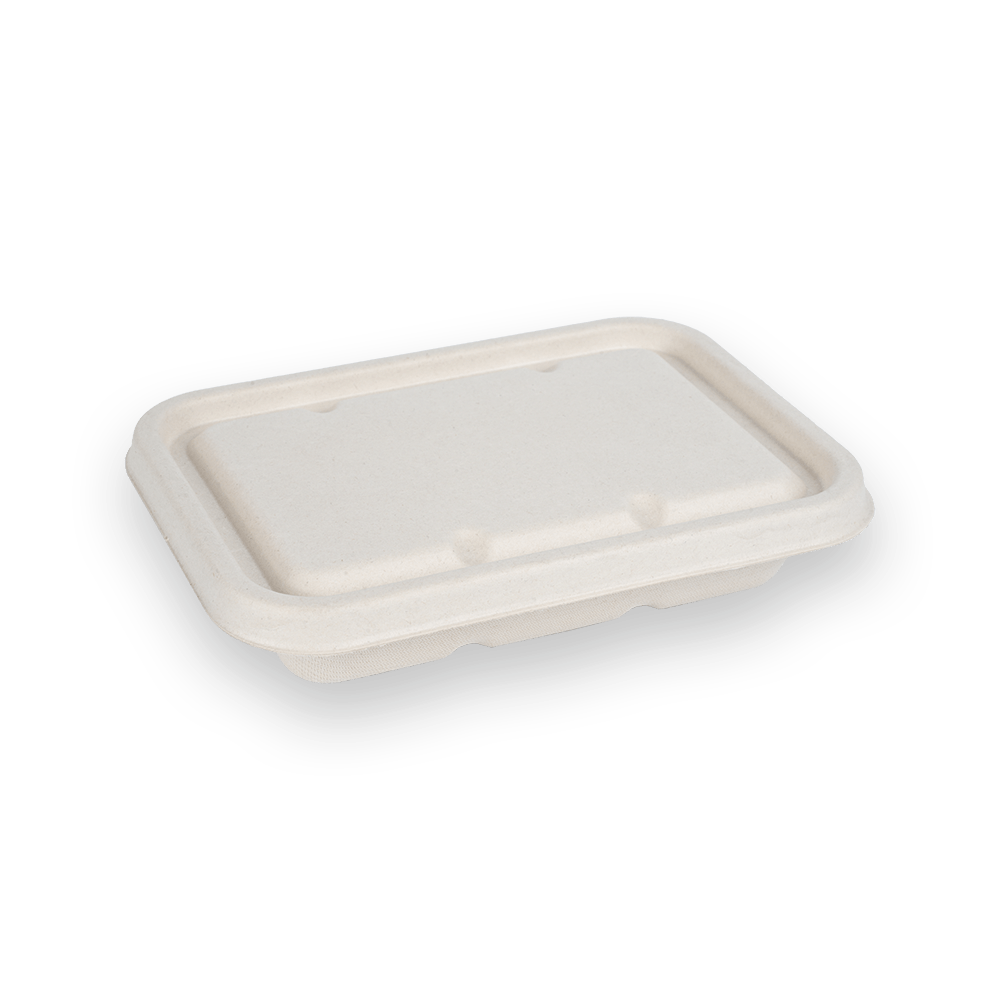

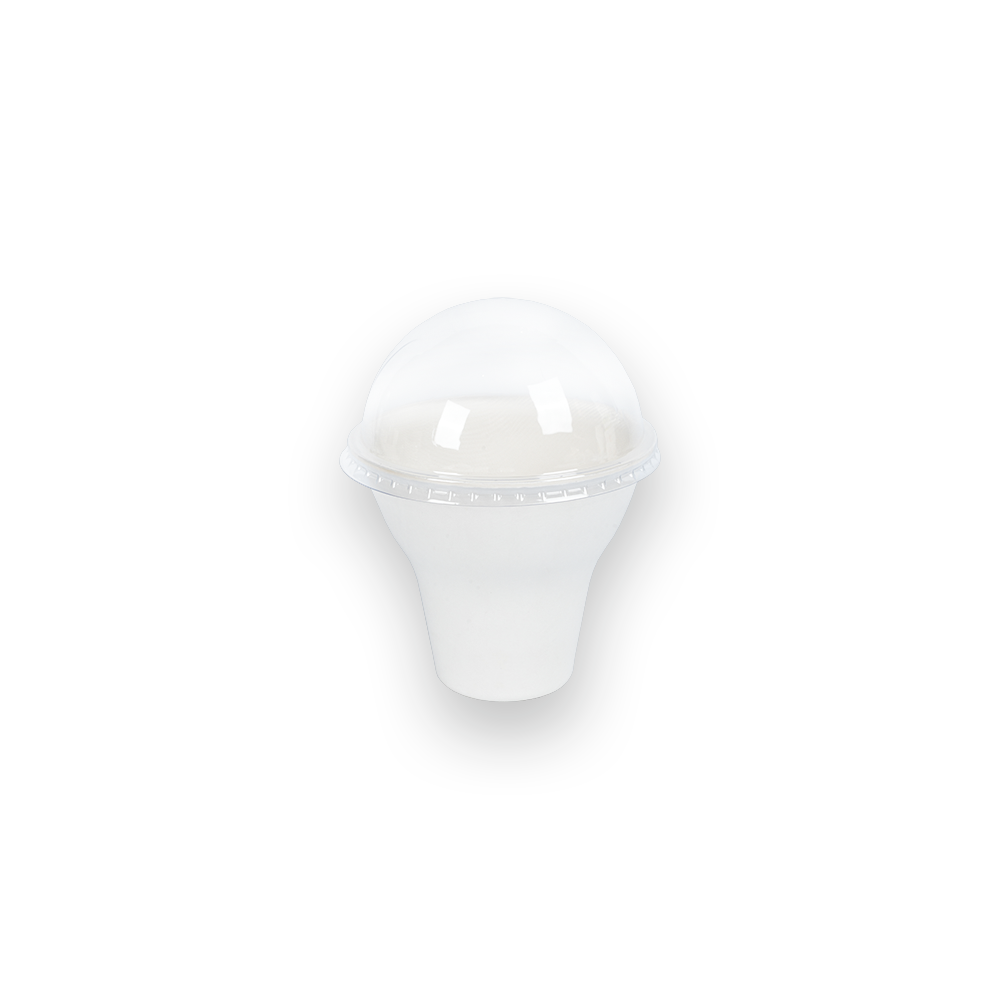
Zhong Xin Ecoware(Thailand) was registered on November 1, 2023, and officially began construction of the factory building in June 2024. At present, the first phase workshop of the factory has been fully completed and put into use. The second phase of the factory is being constructed intensively.
The landing and development of Zhong Xin in Thailand has brought a large amount of initial investment for land, factories, etc., and continuous operational investment for continuous equipment updates, technological upgrades, and capacity expansion.
Zhong Xin Ecoware(Thailand) has directly and indirectly created thousands of job opportunities, increased government revenue, promoted local economic development, cultivated local supply chains, provided systematic training for employees, improved the quality of local human capital, injected vitality into the local economy, enhanced industrial competitiveness, and ultimately improved residents' living standards.
Zhong Xin Ecoware(Thailand) actively collaborates with local pulp mills to explore new cooperation models for developing new products, improving production capacity and quality. At the same time, relying on Zhongxin's advanced production technology, process flow, management experience, and quality control system, it promotes the development of this industry in Thailand.

-
-
 +66-31240888
 -
 161 Village No. 4, Bo Thong Subdistrict Kabin Buri District Prachinburi Province 25110
-
How to Find Zhong Xin at the 140th Canton Fair: A Visitor Navigation Guide
Oct 16,2026
-
Thailand vs China Bagasse Tableware: 8 Comparisons Buyers Should Verify
Oct 16,2026
-
Will Takeout Containers Fit Your Existing Lids and Delivery Workflow
Oct 16,2026
-
What Is Bagasse Tableware? A 2026 Buyer Guide to Material, Performance and Documents
Oct 13,2026
-
Bagasse Tray Wholesale: How Bulk Buyers Cut Cost with Carton and Container Planning
Oct 09,2026
-
What Should a Bagasse Manufacturer Include in a Bulk Order Quote
Oct 09,2026
-
FOB, CIF or DDP? Incoterms for Bagasse Tableware Buyers Shipping from Thailand
Oct 06,2026
-
Packaging or Food Contact? Which EU Regime Applies to Bagasse Cups, Bowls, Plates and Cutlery
Oct 06,2026
-
Compostable Cutlery Sets for Private Label: 7 Sourcing Checks for Retail and Foodservice Buyers
Oct 06,2026
-
US vs EU Bagasse Tableware Imports: 8 Documentation and Compliance Checks Buyers Should Run
Oct 06,2026
-
How to Prepare a Bagasse Tableware Import: 10 Readiness Checks for US and EU Buyers
Oct 06,2026
-
Beyond Plates: Which Foods Suit Bagasse Tableware
Oct 02,2026
Copyright © 2025 Zhong Xin Ecoware Technology ( Thailand ) CO., LTD.
All Rights Reserved.

Biodegradable Disposable Bagasse Tableware Manufacturer