-
 [email protected]
-
 +66-31240888



 English
 Español
 ไทย
ไทยHow Bagasse Food Packaging Reduces Single-Use Plastic
Plastic packaging waste keeps accumulating in landfills and waterways, and the pressure to act on it is no longer just regulatory - it is coming from customers, partners, and supply chains simultaneously. If your business relies on disposable food containers, you are probably asking whether there is a material that performs as well as plastic without leaving the same environmental footprint behind. Switching to bagasse food packaging answers that question directly: it is a plant-based, compostable alternative that replaces conventional single-use plastic containers at the point of use and breaks down naturally after disposal, removing the long-term pollution burden that plastic creates.
What Is Bagasse and Where Does It Come From?
From Agricultural Byproduct to Packaging Material
Bagasse is the fibrous residue left behind after sugarcane stalks are crushed to extract juice. It is produced in large volumes wherever sugarcane is grown and processed, and for a long time it was treated primarily as a low-value agricultural byproduct - burned for fuel or discarded at the mill.
The shift toward sustainable packaging has changed how this material is used. Rather than going to waste, bagasse fiber is now collected, cleaned, and processed into molded pulp containers that serve the same practical functions as plastic or foam packaging. The input is a byproduct that already exists; no additional crops are grown specifically for packaging production, and no fossil-derived raw materials are needed.
How Bagasse Becomes a Food Container
The manufacturing process turns raw bagasse fiber into finished packaging through a sequence of steps that do not require chemical additives or plastic coatings:
- Fiber collection: Bagasse is gathered from sugar mills after juice extraction
- Pulping: The fiber is mixed with water to create a uniform slurry
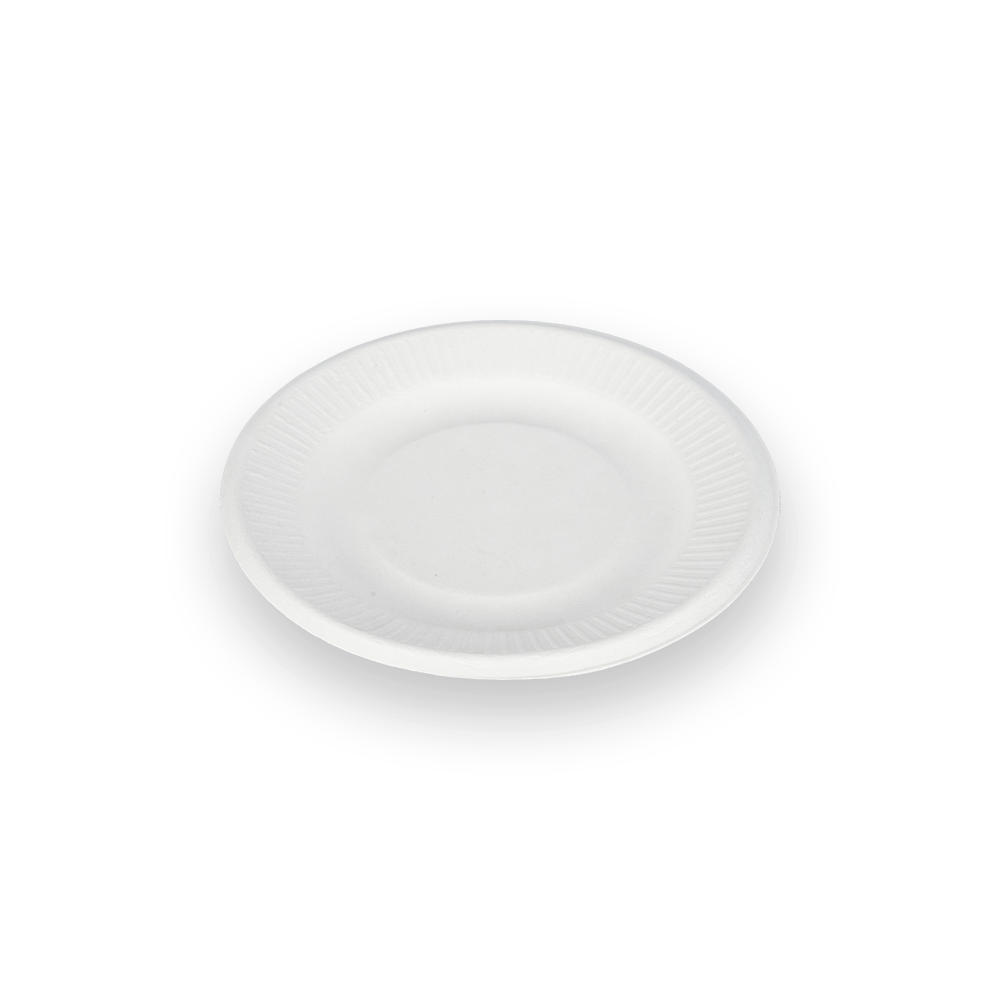
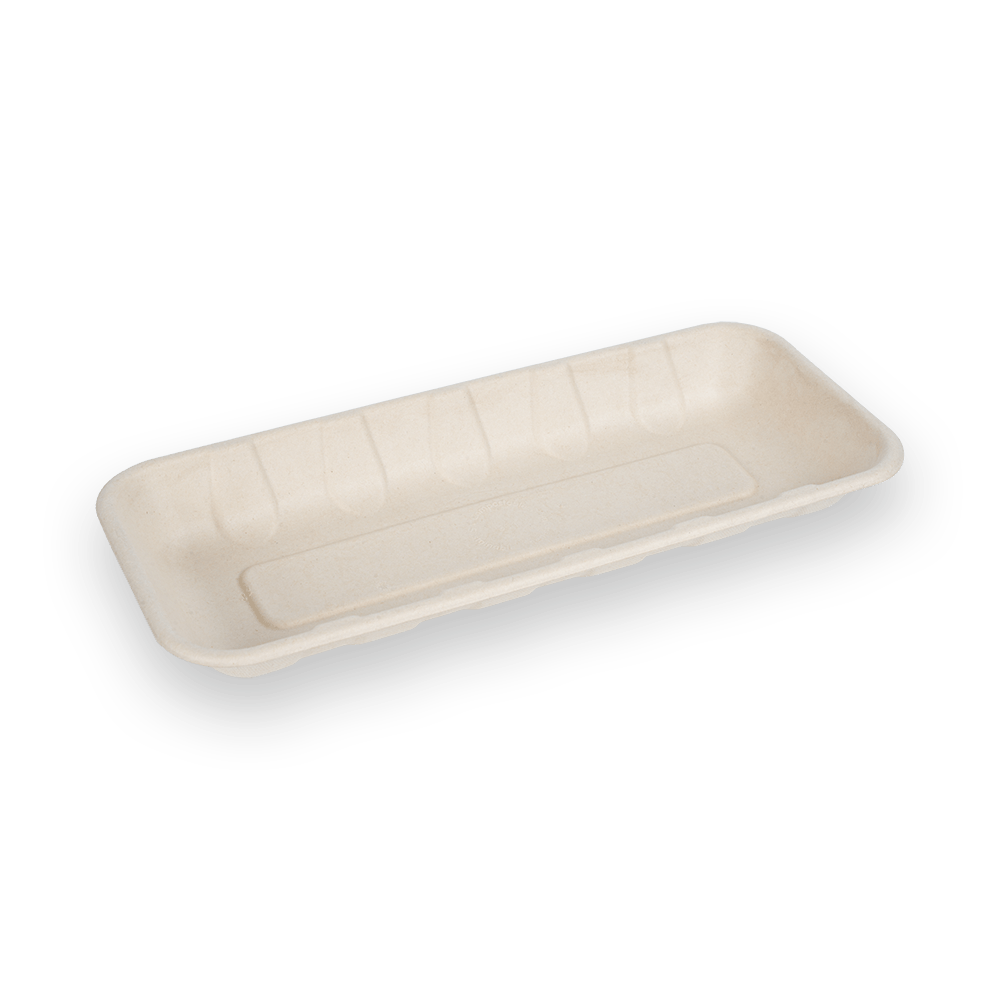
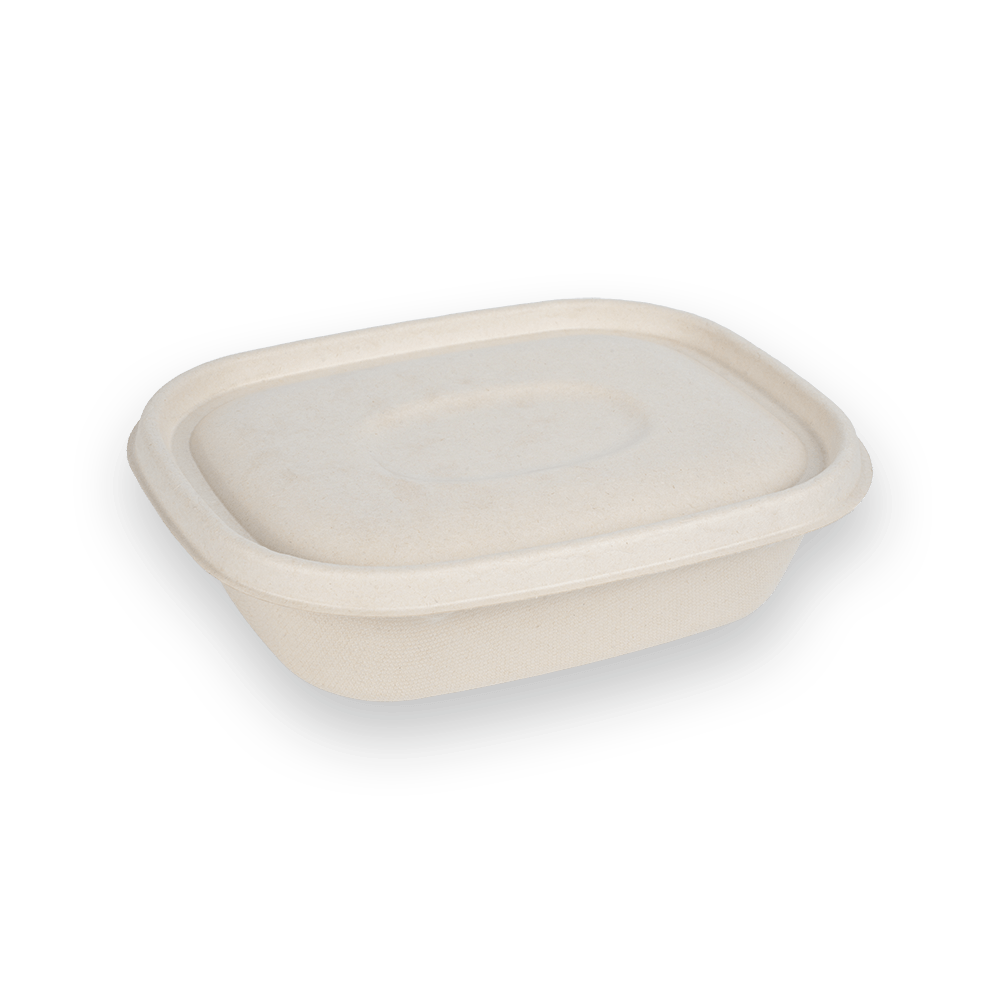
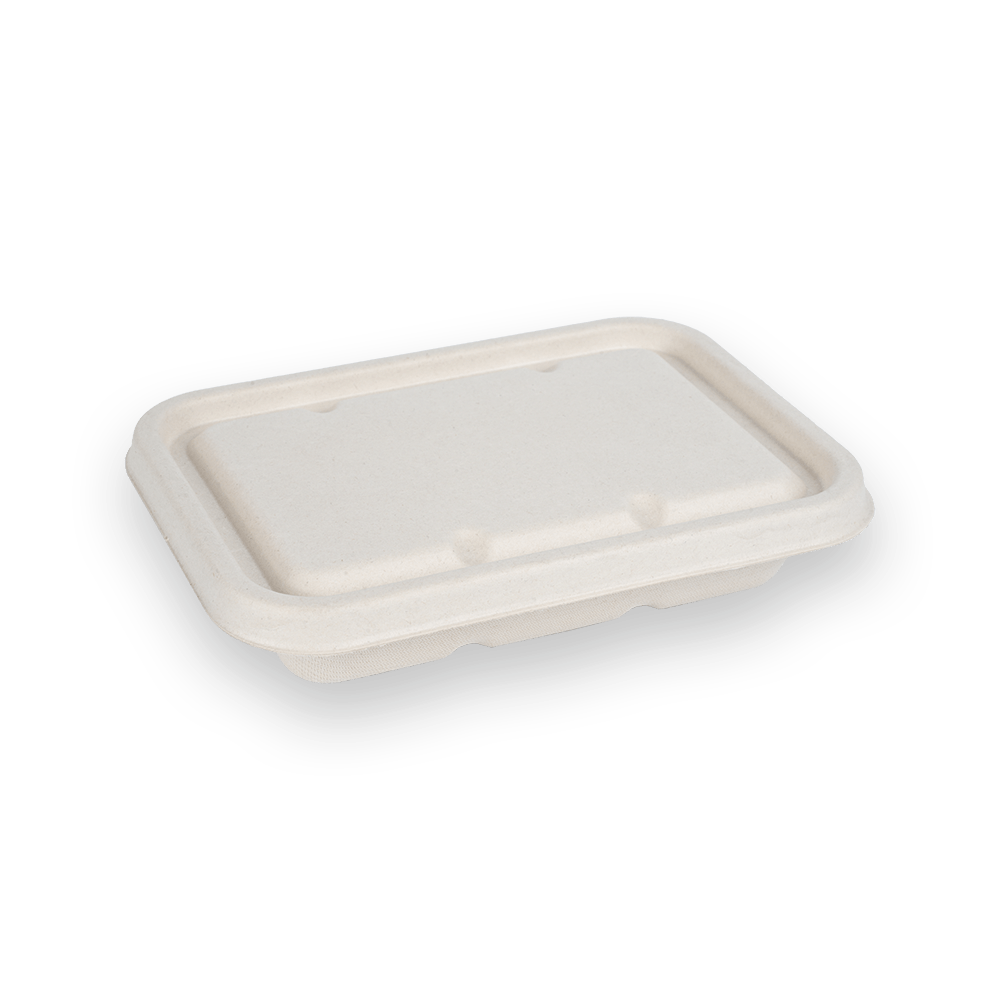
- Molding: The pulp is pressed into shaped molds using heat and pressure, forming trays, clamshells, bowls, and plates
- Drying: Molded items are dried to remove moisture and stabilize their structure
- Finishing and quality check: Products are inspected for food-safe compliance before packaging for distribution
The result is a rigid, heat-resistant container that requires no wax lining or plastic coating to perform in food service conditions.
Why Single-Use Plastic Creates a Problem That Bagasse Does Not
The Plastic Waste Cycle
Single-use plastic packaging is produced from fossil-based materials, used once, and then discarded. The material does not break down on a timescale that is relevant to human activity - it persists in the environment for centuries, fragmenting into smaller and smaller pieces that contaminate soil, water systems, and the food chain.
The core problem is not just volume. It is durability. Plastic is engineered to be stable, which makes it functional as packaging and destructive as waste. Every container that enters the waste stream carries that environmental cost forward indefinitely.
How Bagasse Closes the Loop
Bagasse containers address this problem at both ends of the product lifecycle:
- At the production stage: no fossil fuels are consumed to create the raw material; bagasse is a byproduct of existing agricultural activity
- At the disposal stage: certified bagasse packaging breaks down in composting conditions within months, returning organic matter to the soil rather than accumulating as persistent waste
This is the fundamental difference from plastic. The material enters the waste stream and exits it on a timescale that does not create long-term environmental accumulation.
Is bagasse food packaging Genuinely Compostable?
Understanding Biodegradability in Practice
Compostability is often claimed by packaging materials that do not perform as expected in real disposal conditions. Bagasse behaves differently because its fiber structure is already partially broken down through the processing stage, and it contains no synthetic polymers that resist microbial activity.
In industrial composting facilities, bagasse containers break down within a matter of weeks to a few months under the right conditions of heat, moisture, and microbial activity. In home composting environments, the timeline is longer but the outcome is the same: organic matter that integrates into the soil rather than remaining as solid waste.
What composting bagasse does not do is produce microplastics. This is a significant distinction. Plastic packaging that is claimed to be degradable often fragments into microplastic particles that persist in the environment. Bagasse has no plastic content, so it leaves no plastic residue of any size.
Certifications That Confirm Performance
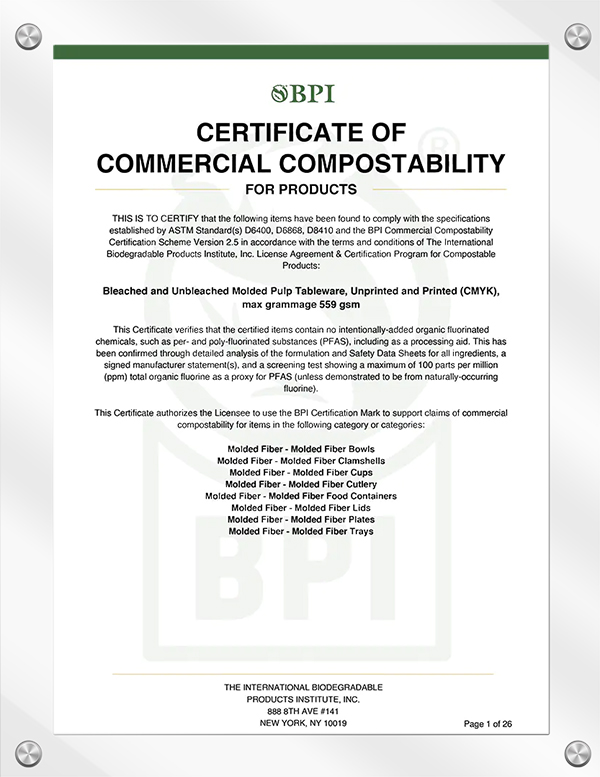
Buyers sourcing compostable packaging for commercial use should look for recognized third-party certification rather than manufacturer claims alone. Certifications confirm that the material has been independently tested and meets defined standards for:
- Breakdown timeline under composting conditions
- Non-toxicity of the decomposition byproducts
- Absence of harmful chemical residues in the finished compost
Bagasse packaging that carries recognized compostability certification gives buyers a verifiable basis for environmental claims in their own marketing and sustainability reporting.
How Does Bagasse Perform Compared to Plastic Packaging?
Functional Properties Side by Side
A material substitution only works if the replacement performs well enough in real use conditions. Bagasse food containers are not a compromise on function - they are designed to handle the same conditions as plastic and foam packaging in food service environments.
| Property | Single-Use Plastic | Bagasse Containers |
|---|---|---|
| Heat resistance | Moderate - can warp with hot liquids | Handles hot foods and liquids without deforming |
| Oil and grease resistance | High | High - no additional coating needed |
| Moisture resistance | High | Adequate for standard food service use |
| Microwave compatibility | Often not safe | Suitable for microwave use |
| Freezer compatibility | Yes | Yes |
| Decomposition timeline | Centuries in landfill | Months in composting conditions |
| Raw material source | Fossil fuels | Agricultural byproduct (sugarcane fiber) |
| Microplastic risk | Yes - fragments over time | None - no plastic content |
Bagasse does not perform identically to plastic in every scenario. For applications requiring very long-term moisture contact or submersion, additional evaluation is worthwhile. For the broad range of food service applications - hot meals, takeaway containers, catering trays, and event tableware - the performance is comparable to plastic alternatives.
What Makes Bagasse a Practical Choice for Reducing Plastic Dependence?
Replacing Plastic at the Point of Use
The mechanism by which these containers reduce single-use plastic waste is straightforward: they replace plastic packaging before it is produced. Every order of bagasse clamshells, trays, or bowls that goes into a food service operation is a direct substitution that reduces demand for fossil-based plastic packaging.
This substitution effect works across the supply chain. When restaurants, catering companies, event organizers, and food retailers switch to bagasse containers, they collectively reduce the volume of plastic entering production, use, and disposal. The scale of that reduction depends on adoption, but the mechanism is clear at every level.
Supporting Regulatory Compliance
Single-use plastic restrictions are expanding across markets. Bans and restrictions on specific plastic packaging categories are in effect or under development in numerous countries across Asia, Europe, and North America. Businesses that have already transitioned to compostable alternatives are better positioned to operate without disruption as these regulations take effect.
Bagasse packaging, as a plant-based and certified compostable material, is well-suited to meet the requirements of plastic reduction legislation. Buyers who switch before regulations require them to are also avoiding the supply chain disruption that comes with a forced, last-minute transition.
Where Is bagasse food packaging Used?
Applications Across Food Service Sectors
The product range available in bagasse covers the containers used across a broad span of food service scenarios:
- Takeaway and delivery: Clamshells, hinged containers, and meal trays for hot and cold food
- Restaurant table service: Plates, bowls, and serving trays for casual dining
- Catering and events: Serving platters, portion trays, and disposable cutlery holders
- Retail food packaging: Ready-meal trays for supermarket and deli use
- Institutional catering: School, hospital, and workplace cafeteria packaging
The format range means that a business transitioning from plastic does not need to maintain a split inventory of plastic and alternative packaging. Bagasse covers the container types needed across a typical food service operation.
Is Bagasse Suitable for Branded Packaging?
Many bagasse containers support custom printing, embossing, or labeling. For brands that want to communicate their sustainability position on the packaging itself, this makes bagasse a practical vehicle for both function and brand identity.
Custom production runs allow buyers to specify dimensions, shapes, and surface treatment to match their existing format requirements, reducing the operational adjustment needed when switching from plastic to compostable alternatives.
What Should Buyers Evaluate Before Sourcing?
Key Sourcing Considerations
Before placing an order for bagasse food containers, it is worth confirming a few areas with the supplier:
- Certification: Confirm the specific composting standards the product is certified to, and that these are recognized in the target market
- Grease and moisture performance: Request product samples and test them with the actual food types the containers will carry
- Production capacity: For high-volume or ongoing supply needs, verify that the supplier can maintain consistent output and quality across batches
- Customization options: If branded packaging is a requirement, confirm the available print methods and order thresholds for custom runs
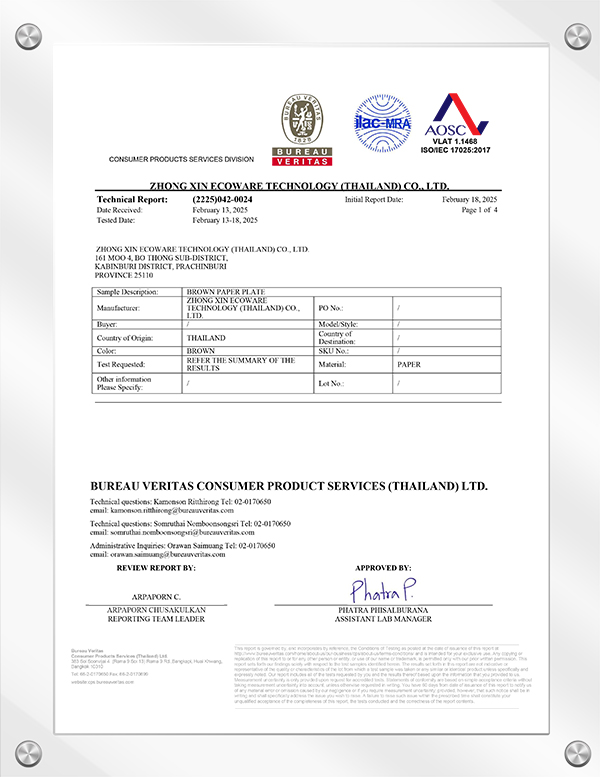
- Export documentation: For cross-border supply chains, confirm food-contact safety certification appropriate to the destination market
How Does Pricing Compare to Plastic?
Bagasse containers typically carry a higher unit cost than equivalent plastic items, but the comparison is not static. Regulatory pressure on plastic is increasing the cost of plastic packaging compliance in many markets. Sustainability positioning also carries commercial value - many foodservice operators find that switching to compostable packaging supports customer retention and brand perception.
For businesses sourcing in volume, the unit cost differential narrows. Long-term supplier relationships and stable material supply also contribute to cost predictability that can be harder to achieve with petroleum-derived packaging materials subject to commodity price volatility.
Moving From Awareness to Action
The case for switching from single-use plastic to plant-based food packaging is no longer abstract. Regulatory timelines, customer expectations, and the environmental record of plastic as a material all point in the same direction. bagasse food packaging offers a practical path to that transition - it performs in the same conditions as plastic, it composts rather than persisting in landfills, and it draws on an agricultural waste stream rather than fossil fuel extraction. Zhong Xin Ecoware Technology ( Thailand ) CO., LTD. supplies a range of compostable bagasse food packaging products suited to food service, catering, retail, and export requirements, with options for standard and custom formats across trays, clamshells, plates, and bowls. If you are evaluating a transition from plastic packaging, comparing material options for a specific food service application, or sourcing certified compostable containers for distribution, reaching out with your format and volume requirements is a practical starting point. The shift away from single-use plastic is a supply chain decision as much as an environmental one - and getting the right product specification confirmed early makes the transition more straightforward for every part of the operation.
Zhong Xin Ecoware Technology (Thailand) Co., Ltd. supplies bagasse and molded fiber food packaging to importers, distributors and foodservice brands. For MOQ, pricing, samples and lead time, email info@fiber-product.com or use the contact form.



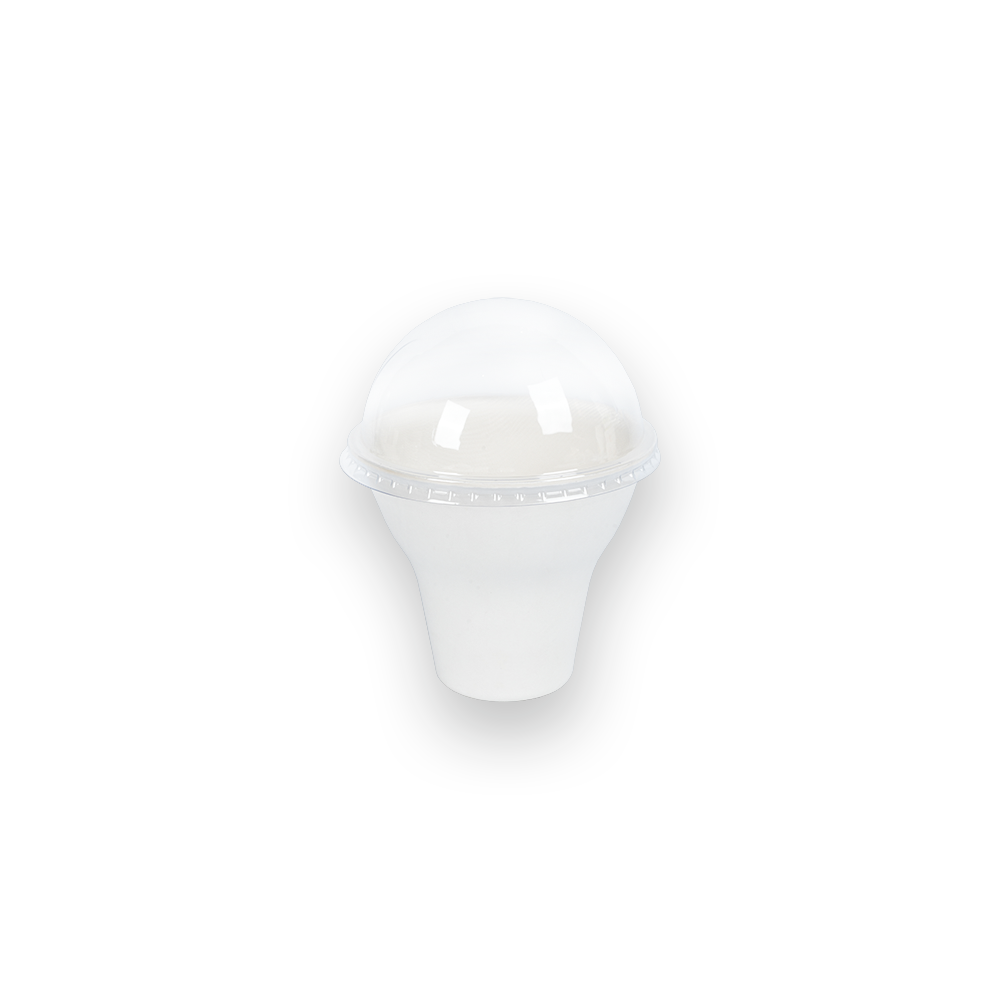
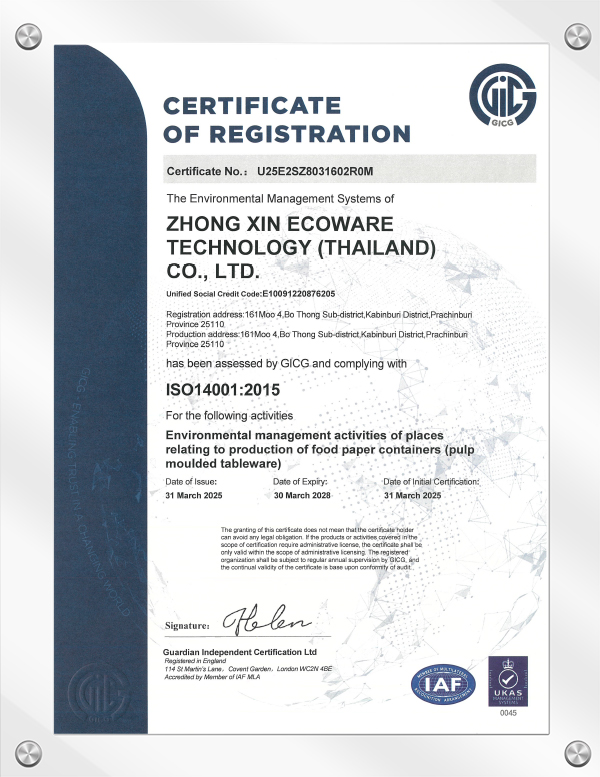
Zhong Xin Ecoware(Thailand) was registered on November 1, 2023, and officially began construction of the factory building in June 2024. At present, the first phase workshop of the factory has been fully completed and put into use. The second phase of the factory is being constructed intensively.
The landing and development of Zhong Xin in Thailand has brought a large amount of initial investment for land, factories, etc., and continuous operational investment for continuous equipment updates, technological upgrades, and capacity expansion.
Zhong Xin Ecoware(Thailand) has directly and indirectly created thousands of job opportunities, increased government revenue, promoted local economic development, cultivated local supply chains, provided systematic training for employees, improved the quality of local human capital, injected vitality into the local economy, enhanced industrial competitiveness, and ultimately improved residents' living standards.
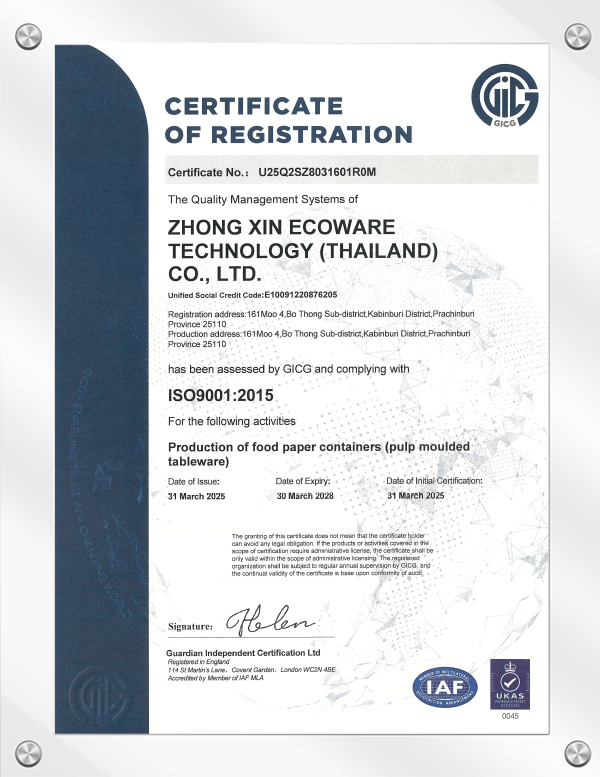
Zhong Xin Ecoware(Thailand) actively collaborates with local pulp mills to explore new cooperation models for developing new products, improving production capacity and quality. At the same time, relying on Zhongxin's advanced production technology, process flow, management experience, and quality control system, it promotes the development of this industry in Thailand.

-
-
 +66-31240888
 -
 161 Village No. 4, Bo Thong Subdistrict Kabin Buri District Prachinburi Province 25110
-
What Is Bagasse Tableware? A 2026 Buyer Guide to Material, Performance and Documents
Oct 13,2026
-
Bagasse Tray Wholesale: How Bulk Buyers Cut Cost with Carton and Container Planning
Oct 09,2026
-
What Should a Bagasse Manufacturer Include in a Bulk Order Quote
Oct 09,2026
-
FOB, CIF or DDP? Incoterms for Bagasse Tableware Buyers Shipping from Thailand
Oct 06,2026
-
Packaging or Food Contact? Which EU Regime Applies to Bagasse Cups, Bowls, Plates and Cutlery
Oct 06,2026
-
Compostable Cutlery Sets for Private Label: 7 Sourcing Checks for Retail and Foodservice Buyers
Oct 06,2026
-
US vs EU Bagasse Tableware Imports: 8 Documentation and Compliance Checks Buyers Should Run
Oct 06,2026
-
How to Prepare a Bagasse Tableware Import: 10 Readiness Checks for US and EU Buyers
Oct 06,2026
-
Beyond Plates: Which Foods Suit Bagasse Tableware
Oct 02,2026
-
New Bagasse Tableware Lineup for 2026: What Is New and Where to See It
Sep 28,2026
-
How to Select Bagasse Clamshells for Burgers, Rice Meals and Fried Food
Sep 28,2026
-
Microwave Reheating: Is a Bagasse Lunch Box Suitable
Sep 25,2026
Copyright © 2025 Zhong Xin Ecoware Technology ( Thailand ) CO., LTD.
All Rights Reserved.

Biodegradable Disposable Bagasse Tableware Manufacturer