-
 [email protected]
-
 +66-31240888



 English
 Español
 ไทย
ไทยWhy Do Disposable Paper Plate Batches Vary So Much
Large-scale foodservice supply chains depend heavily on consistent output from a disposable paper plate factory, yet buyers often notice differences in stiffness, thickness, and moisture resistance between batches that appear identical on paper. These inconsistencies are not accidental—they come from raw material behavior, production conditions, and coating stability during high-speed manufacturing.
Understanding why variation happens helps procurement teams reduce quality risks and improve supplier selection strategies without relying solely on price comparisons.


Fiber raw material variability at industrial scale
Paper plate production typically relies on recycled pulp, virgin wood fiber, or bagasse blends. Even within the same material category, fiber characteristics can fluctuate significantly.
Common influencing factors include:
- Length distribution of cellulose fibers
- Moisture content before pulping
- Degree of mechanical refining during processing
- Ratio of virgin to recycled pulp in mixed batches
A disposable paper plate factory running continuous production lines may adjust fiber blending daily based on supply availability. These adjustments directly affect density and rigidity, even under identical molding conditions.
Bagasse fiber, for example, varies depending on sugarcane harvest region and seasonal conditions, causing to subtle structural differences in final molded products.
Molding pressure and temperature fluctuations
High-speed hydraulic molding systems form plates under heat and compression. Small deviations in process parameters can change product performance.
Typical industrial ranges:
- Molding temperature: 160–220°C
- Compression pressure: 20–40 MPa
- Dwell time per cycle: 3–8 seconds
Even a minor temperature shift can affect how fibers fuse. Lower heat may result in weaker bonding, while excessive heat can reduce flexibility and cause brittleness.
Factories often run multiple molding cavities simultaneously, and uneven heat distribution between cavities is a common reason for batch inconsistency.
Coating uniformity and grease resistance differences
Most disposable plates require surface treatment to resist oil and water. These coatings are extremely sensitive to mixing ratios and application speed.
Common coating systems include:
- Water-based barrier coatings
- PLA dispersion layers
- Wax emulsions for cost-sensitive production
- PFAS-free greaseproof agents in regulated markets
Issues that create batch variation:
- Slight changes in coating viscosity
- Uneven spray distribution across plate surfaces
- Drying tunnel temperature fluctuations
- Storage time before packaging
A disposable paper plate factory using high-output spray systems may produce thousands of units per hour, making micro-level coating deviations difficult to detect in real time.
Humidity and storage environment impact
Finished plates continue to react to environmental conditions after production. Fiber-based products naturally absorb moisture from the air, which can alter stiffness.
Key factors affecting batch behavior:
- Relative humidity in warehouse (ideal range: 40–55%)
- Stack height during storage
- Packaging sealing quality
- Transportation exposure time
Higher humidity can soften plates slightly, reducing perceived strength even though structural integrity remains unchanged. Conversely, overly dry environments can increase brittleness.
Equipment wear and calibration drift
Even well-maintained production lines experience gradual mechanical drift. Over time, this influences product uniformity.
Typical equipment-related issues include:
- Mold cavity surface wear affecting plate thickness
- Hydraulic pressure fluctuation across production shifts
- Conveyor alignment inconsistencies
- Cutting die dullness affecting edge smoothness
Factories usually implement calibration cycles every 2–4 weeks, but between maintenance intervals, subtle differences still accumulate.
Quality control sampling limitations
Quality inspection in high-volume production cannot test every single unit. Instead, factories rely on statistical sampling.
Standard QC practices include:
- Random sampling every 30–60 minutes
- Burst strength testing (measured in Newtons)
- Oil resistance testing using kit scale ratings
- Dimensional tolerance checks within ±0.5–1.5 mm
However, sampling cannot capture every micro-variation across full production runs. As a result, some inconsistency inevitably reaches packaging even in compliant operations.
Material transition trends increasing variation complexity
Many factories are shifting toward eco-fiber blends such as:
- Bagasse + bamboo fiber composites
- Recycled pulp reinforced with starch binders
- Hybrid coatings combining PLA and natural waxes
These combinations improve sustainability performance but introduce additional variability factors because each material reacts differently under heat and pressure.
A disposable paper plate factory working with multiple fiber inputs must constantly rebalance production parameters, which increases short-term batch differences even while improving long-term environmental performance.
Supply chain pressure and rapid order scaling
Demand spikes from seasonal events, catering contracts, and retail promotions often force manufacturers to accelerate output.
Operational impacts include:
- Shortened drying times to meet delivery deadlines
- Switching between raw material suppliers mid-production cycle
- Running multiple product specifications on shared lines
- Reduced stabilization time for coatings
These conditions increase the likelihood of perceptible variation between batches shipped within the same week.
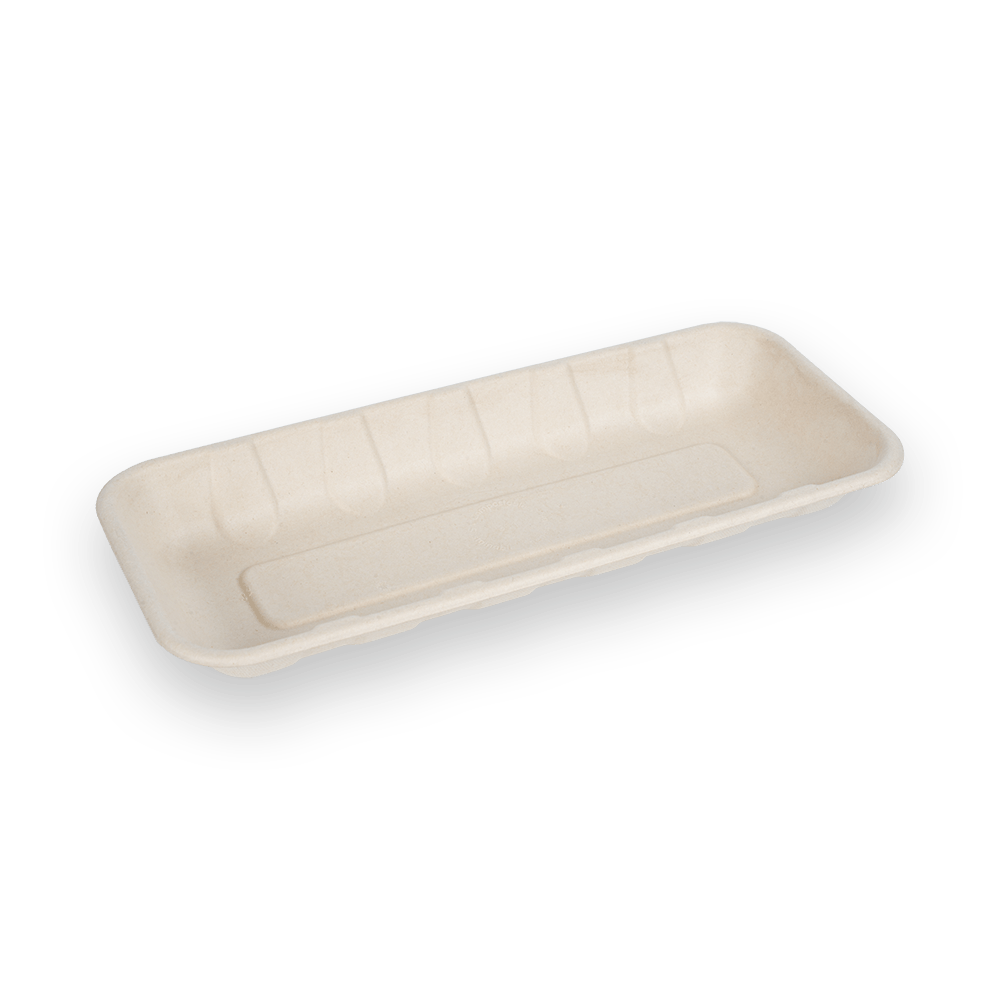
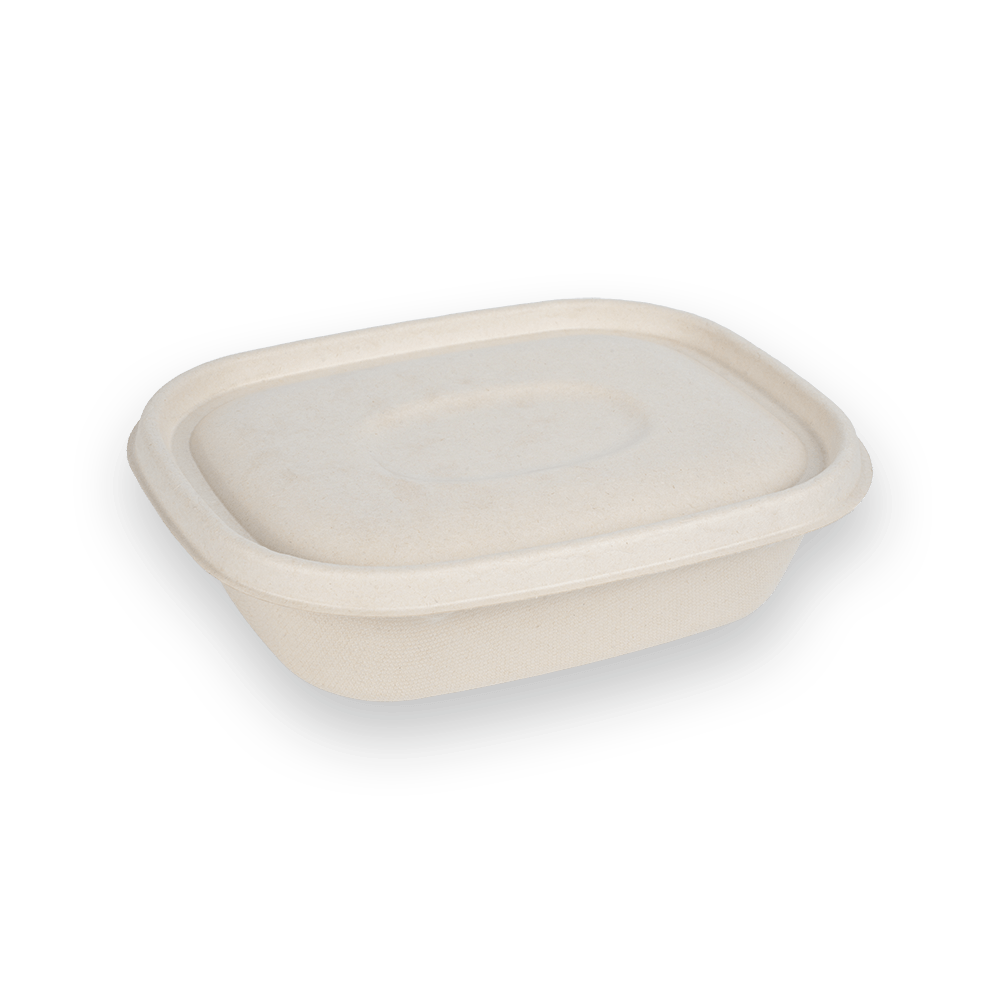
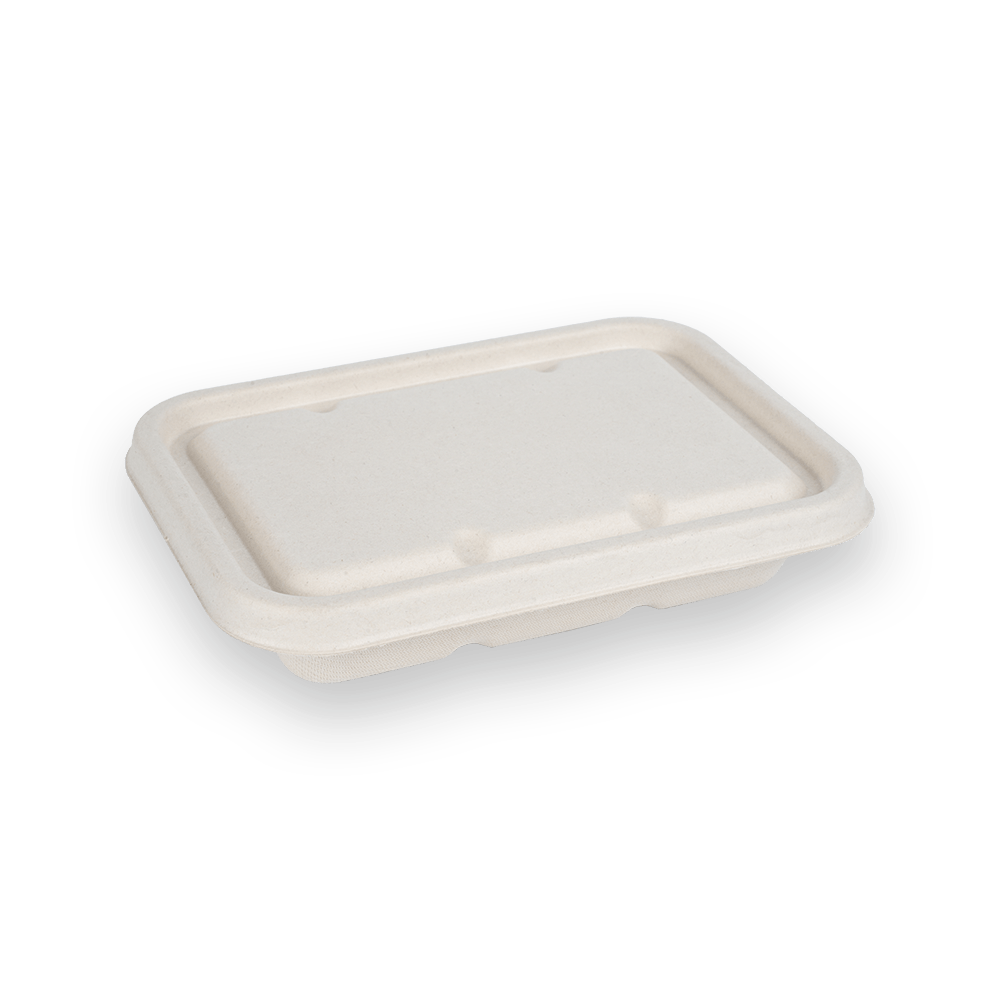
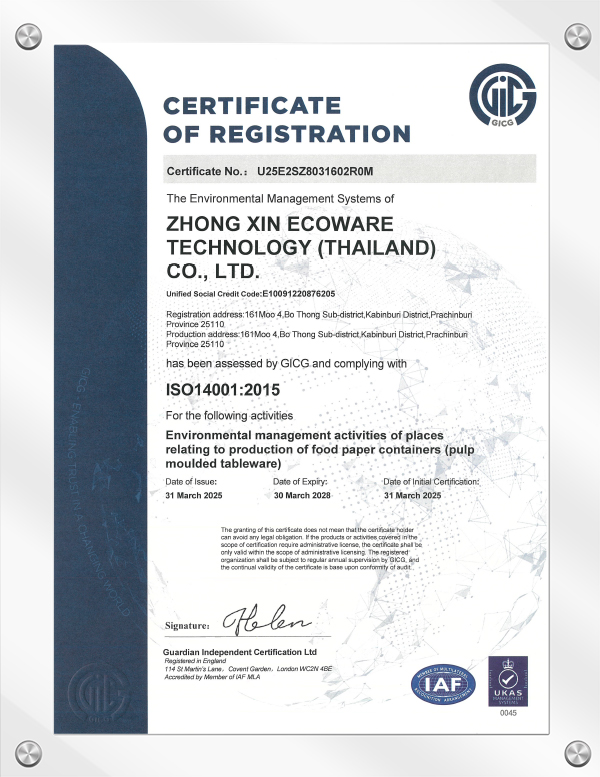
Zhong Xin Ecoware Technology (Thailand) Co., Ltd. supplies bagasse and molded fiber food packaging to importers, distributors and foodservice brands. For MOQ, pricing, samples and lead time, email info@fiber-product.com or use the contact form.



Zhong Xin Ecoware(Thailand) was registered on November 1, 2023, and officially began construction of the factory building in June 2024. At present, the first phase workshop of the factory has been fully completed and put into use. The second phase of the factory is being constructed intensively.
The landing and development of Zhong Xin in Thailand has brought a large amount of initial investment for land, factories, etc., and continuous operational investment for continuous equipment updates, technological upgrades, and capacity expansion.
Zhong Xin Ecoware(Thailand) has directly and indirectly created thousands of job opportunities, increased government revenue, promoted local economic development, cultivated local supply chains, provided systematic training for employees, improved the quality of local human capital, injected vitality into the local economy, enhanced industrial competitiveness, and ultimately improved residents' living standards.
Zhong Xin Ecoware(Thailand) actively collaborates with local pulp mills to explore new cooperation models for developing new products, improving production capacity and quality. At the same time, relying on Zhongxin's advanced production technology, process flow, management experience, and quality control system, it promotes the development of this industry in Thailand.
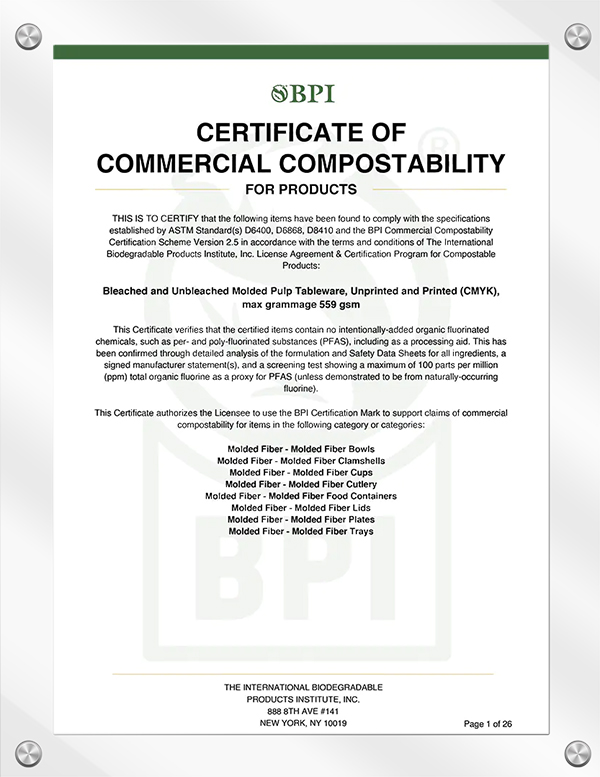
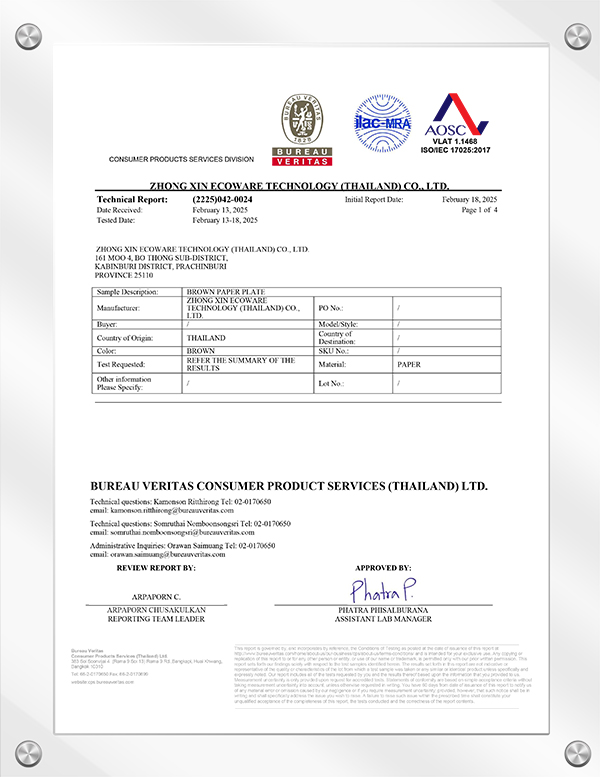
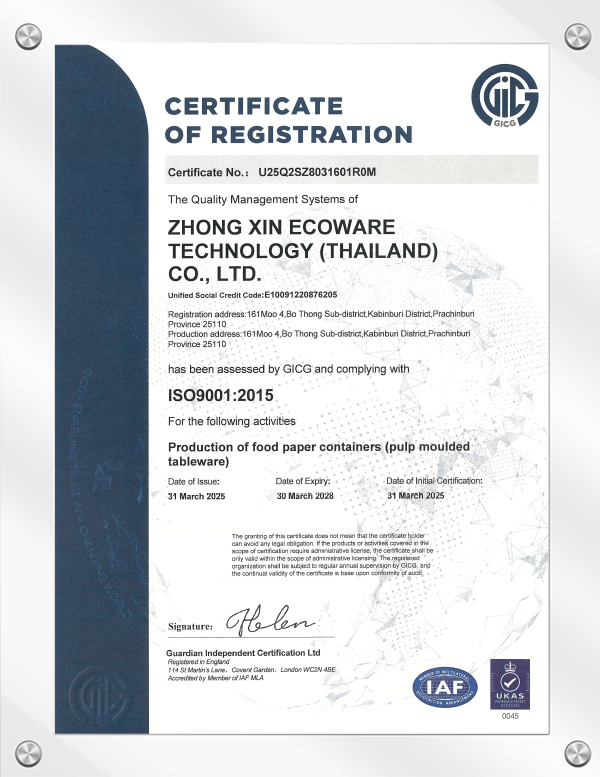

-
-
 +66-31240888
 -
 161 Village No. 4, Bo Thong Subdistrict Kabin Buri District Prachinburi Province 25110
-
Can Paper Packaging Meet Retail Shelf and Branding Requirements
Oct 23,2026
-
Bagasse Cups and Cup Lids: A Sourcing Guide for Foodservice and Takeaway Buyers
Oct 20,2026
-
How to Find Zhong Xin at the 140th Canton Fair: A Visitor Navigation Guide
Oct 16,2026
-
Thailand vs China Bagasse Tableware: 8 Comparisons Buyers Should Verify
Oct 16,2026
-
Will Takeout Containers Fit Your Existing Lids and Delivery Workflow
Oct 16,2026
-
What Is Bagasse Tableware? A 2026 Buyer Guide to Material, Performance and Documents
Oct 13,2026
-
Bagasse Tray Wholesale: How Bulk Buyers Cut Cost with Carton and Container Planning
Oct 09,2026
-
What Should a Bagasse Manufacturer Include in a Bulk Order Quote
Oct 09,2026
-
FOB, CIF or DDP? Incoterms for Bagasse Tableware Buyers Shipping from Thailand
Oct 06,2026
-
Packaging or Food Contact? Which EU Regime Applies to Bagasse Cups, Bowls, Plates and Cutlery
Oct 06,2026
-
Compostable Cutlery Sets for Private Label: 7 Sourcing Checks for Retail and Foodservice Buyers
Oct 06,2026
-
US vs EU Bagasse Tableware Imports: 8 Documentation and Compliance Checks Buyers Should Run
Oct 06,2026
Copyright © 2025 Zhong Xin Ecoware Technology ( Thailand ) CO., LTD.
All Rights Reserved.

Biodegradable Disposable Bagasse Tableware Manufacturer