-
 [email protected]
-
 +66-31240888



 English
 Español
 ไทย
ไทยAre Eco-Friendly Biodegradable Food Containers Truly Safe for Hot and Oily Meals
Market demand for sustainable packaging has driven adoption of the Eco-Friendly Biodegradable Food Container across restaurants, takeaway platforms, and catering services. Despite strong environmental positioning, concerns remain centered on one practical issue: performance stability under hot and oily food conditions.
Scientific and industrial studies show that molded fiber and plant-based containers can handle elevated temperatures and grease exposure. Still, safety and stability depend heavily on material formulation, surface treatment, and migration control systems rather than the “biodegradable” label itself.
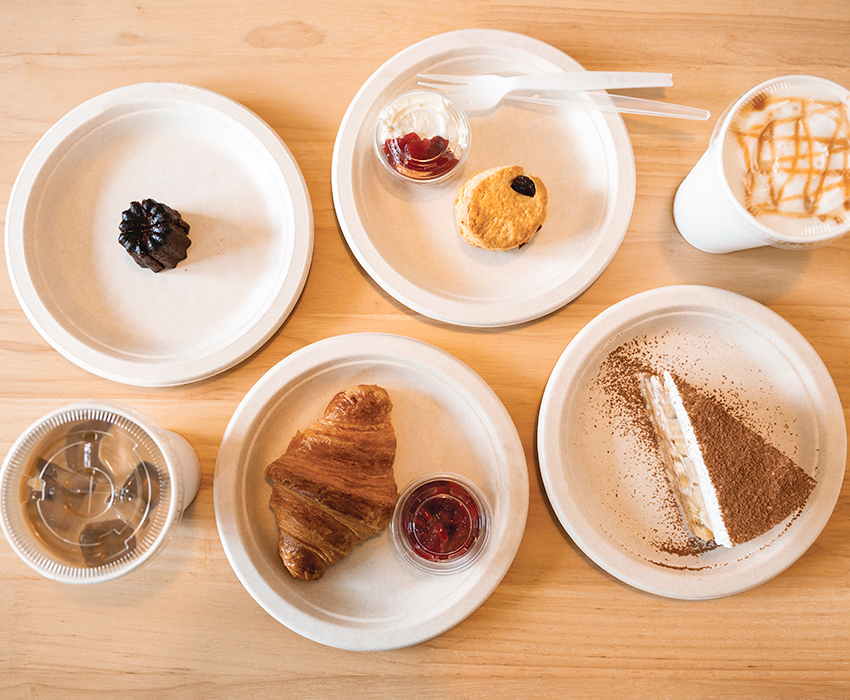
Material Safety Profile in Hot-Oil Environments
Fiber-Based Structure vs Chemical Migration
Biodegradable containers are typically produced from sugarcane bagasse, bamboo fiber, or wood pulp. These materials are compressed into dense molded structures designed for food contact use.
- Plant fibers provide natural thermal resistance up to medium-high serving temperatures
- Oil absorption occurs gradually through capillary fiber networks
- Risk increases when prolonged heat exposure weakens bonding integrity
Regulatory evaluations emphasize that food-contact safety depends on migration levels of additives, coatings, and processing agents rather than fiber origin alone.
Hot Food Stability and Structural Behavior
Heat Response Characteristics of Molded Fiber
Hot meals such as curries, fried rice, and saucy pasta introduce combined thermal and lipid stress. Under these conditions, molded fiber structures behave dynamically.
| Condition | Material Response | Functional Outcome |
| 90–100°C hot food load | Temporary fiber expansion | Reduced rigidity over time |
| Oil-rich sauces | Surface absorption into fiber matrix | Gradual softening of base layer |
| Steam accumulation | Moisture condensation inside lid space | Increased deformation risk |
| Extended holding time | Fiber bonding fatigue | Structural weakening at rim and base |
Recent packaging research confirms that moisture and oil combination significantly influences molded fiber durability, especially in delivery and storage scenarios where heat is retained longer than intended.
Role of Barrier Technologies in Safety Performance
Coatings and PFAS-Free Alternatives
Historically, grease resistance in food packaging relied on fluorinated compounds, but regulatory pressure has driven a rapid transition toward PFAS-free systems.
Modern Eco-Friendly Biodegradable Food Container designs use several barrier approaches:
- Starch-based coatings that reduce oil penetration at the surface level
- Cellulose nanofiber layers forming dense micro-barriers against grease movement
- Mechanical densification through high-pressure molding to reduce pore size
Advanced studies indicate that cellulose nanofiber coatings can significantly improve grease resistance without PFAS use, creating a safer migration profile for food contact applications.
Food Safety Risk Factors in Real Use Conditions
Hot and Oily Meal Interaction Patterns
Food safety concerns are less about immediate toxicity and more about gradual material interaction under combined heat and fat exposure.
- High-fat foods accelerate penetration into fiber structure
- Acidic sauces may influence coating stability over time
- Microwave reheating increases migration potential if material is not rated for heat cycles
Industry safety evaluations highlight that migration behavior is dependent on both food composition and packaging chemistry, requiring product-specific validation rather than generic assumptions.
Comparison of Safety Performance Across Container Types
| Container Type | Hot Food Safety | Oil Resistance | Compostability Profile |
| Molded Fiber Bagasse Container | Stable under short-term heat exposure | Moderate without coating | High under industrial composting |
| Bamboo Fiber Container | High thermal tolerance when engineered properly | Strong with PFAS-free coating systems | Good, depending on additives |
| PLA-Lined Paper Container | Good for moderate heat | Strong grease barrier | Dependent on composting conditions |
| Uncoated Paper Pulp Box | Limited under prolonged heat | Low resistance to oil saturation | Very high biodegradability |
Safety Interpretation Beyond Marketing Claims
Compliance vs Real-World Performance Gap
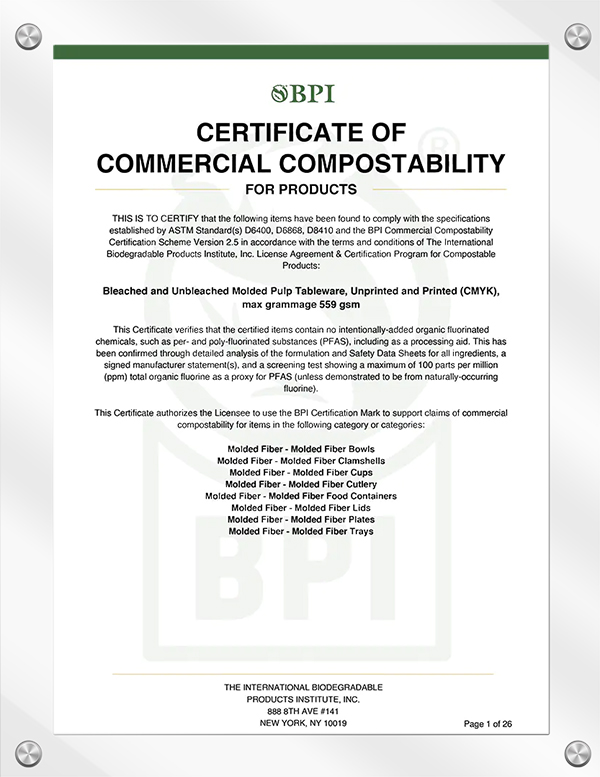
Certification labels such as FDA food-contact compliance or compostability standards confirm baseline safety but do not fully predict behavior in harsh serving conditions.
Field observations indicate that containers performing well in lab migration tests may still show deformation during delivery when exposed to stacked hot meals, high humidity, and extended transport time.
Research on molded fiber systems highlights that performance optimization increasingly depends on balancing moisture resistance, grease barriers, and mechanical strength rather than focusing solely on biodegradation speed.
Functional Interpretation of Safety in Daily Use
Safety of biodegradable containers is ideally understood as a multi-layer system:
- Material safety determines chemical migration potential
- Structural design influences deformation under heat and load
- Barrier engineering controls oil and moisture penetration speed
Hot and oily meals do not inherently create unsafe conditions, but they significantly increase stress on all three layers simultaneously. This is where product engineering quality becomes decisive.
The Eco-Friendly Biodegradable Food Container can be considered safe for hot and oily meals when it is properly engineered with controlled fiber density, verified food-contact compliance, and effective grease resistance systems.
Safety is not defined by biodegradability alone but by how well the container manages heat, oil, and moisture interaction over the full duration of real food service use. Advanced PFAS-free barrier technologies and optimized molded fiber structures are closing the performance gap between sustainability goals and practical food safety requirements.
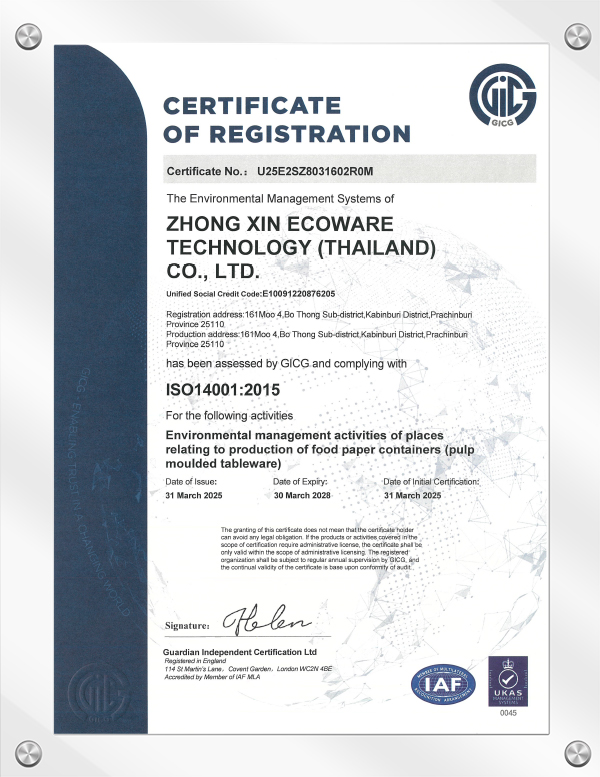
Zhong Xin Ecoware Technology (Thailand) Co., Ltd. supplies bagasse and molded fiber food packaging to importers, distributors and foodservice brands. For MOQ, pricing, samples and lead time, email info@fiber-product.com or use the contact form.
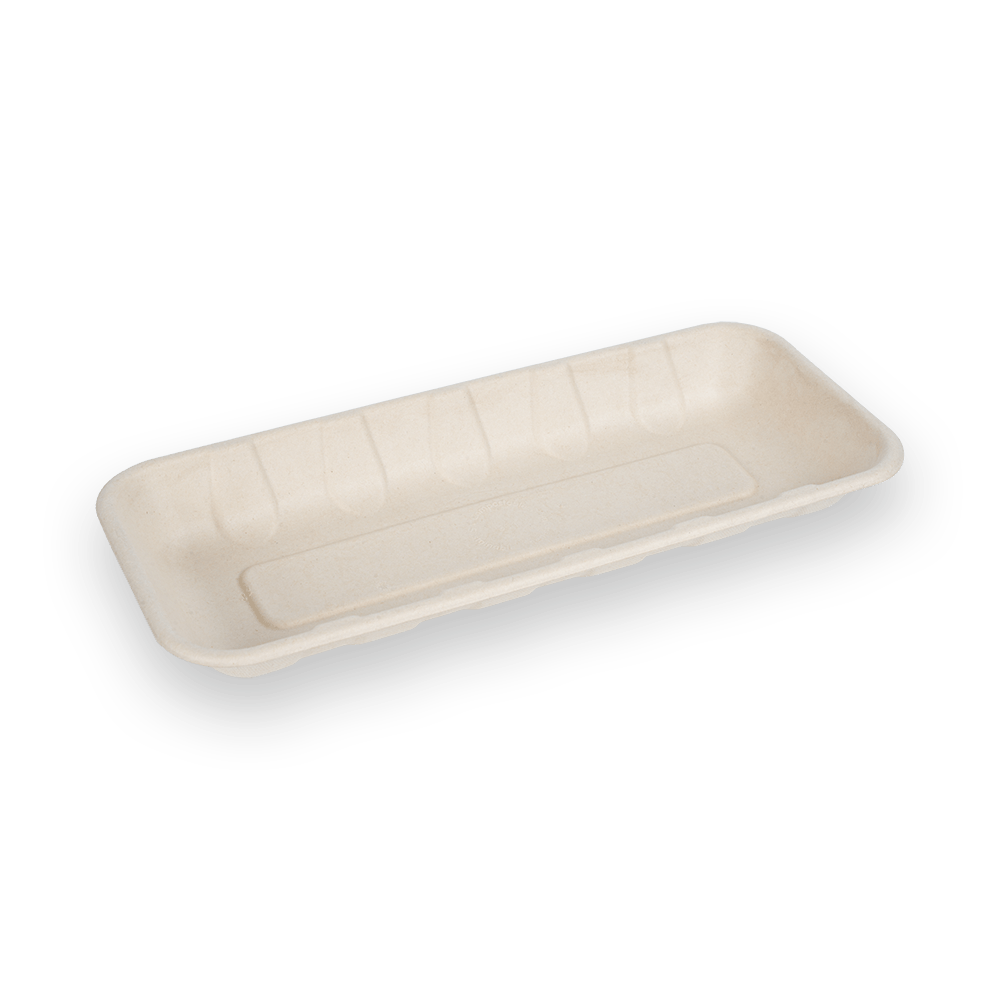


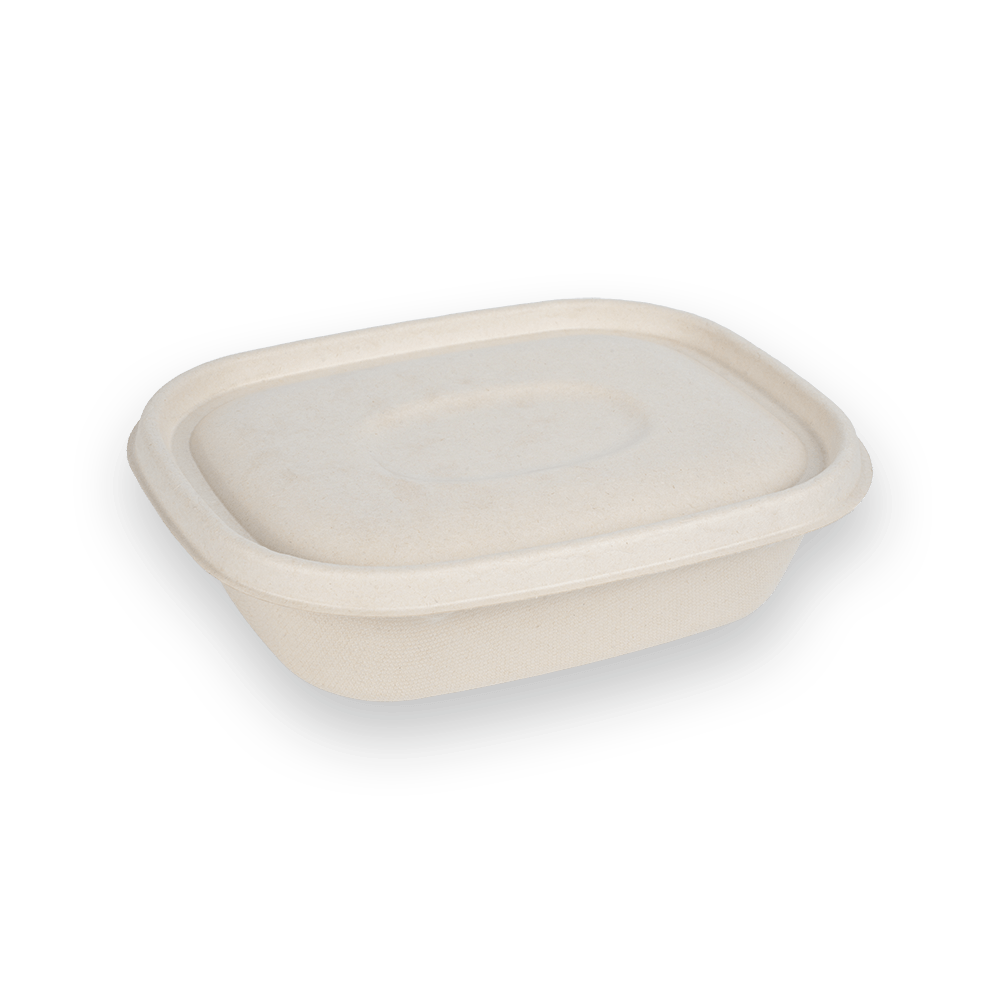
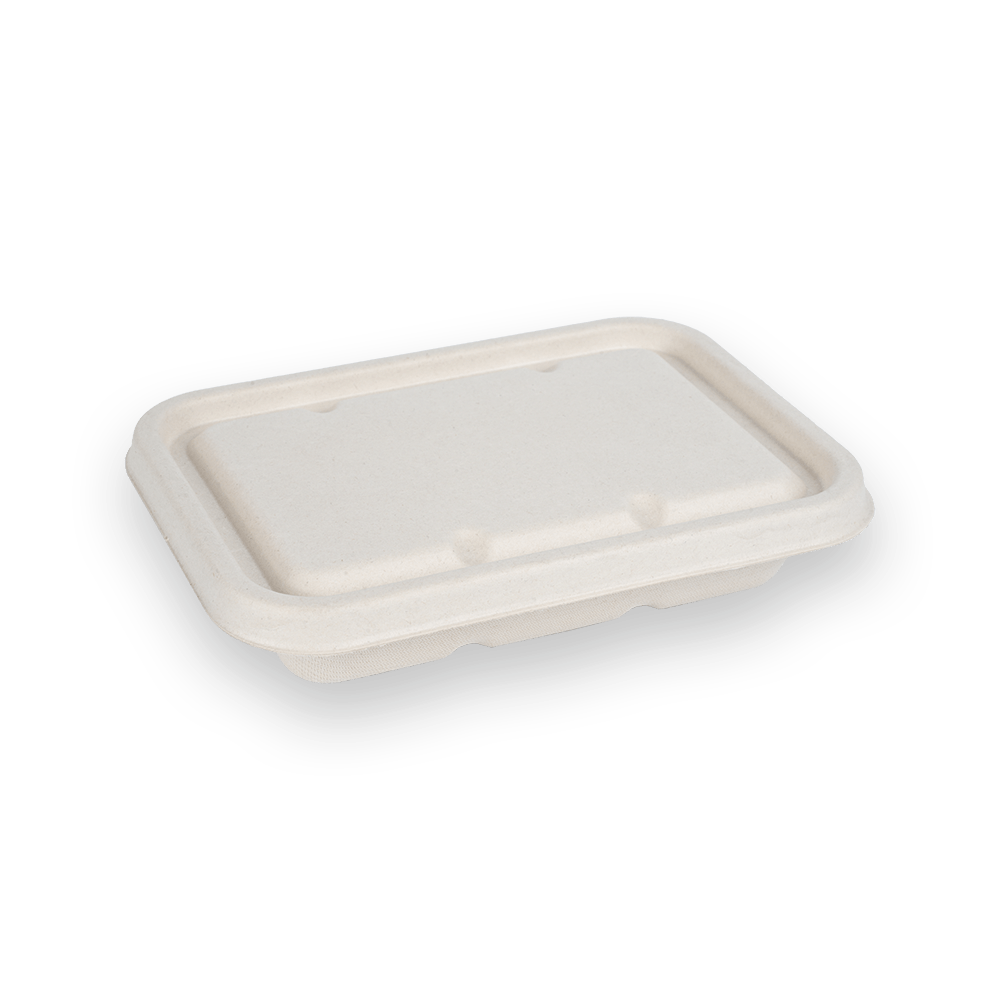

Zhong Xin Ecoware(Thailand) was registered on November 1, 2023, and officially began construction of the factory building in June 2024. At present, the first phase workshop of the factory has been fully completed and put into use. The second phase of the factory is being constructed intensively.
The landing and development of Zhong Xin in Thailand has brought a large amount of initial investment for land, factories, etc., and continuous operational investment for continuous equipment updates, technological upgrades, and capacity expansion.
Zhong Xin Ecoware(Thailand) has directly and indirectly created thousands of job opportunities, increased government revenue, promoted local economic development, cultivated local supply chains, provided systematic training for employees, improved the quality of local human capital, injected vitality into the local economy, enhanced industrial competitiveness, and ultimately improved residents' living standards.
Zhong Xin Ecoware(Thailand) actively collaborates with local pulp mills to explore new cooperation models for developing new products, improving production capacity and quality. At the same time, relying on Zhongxin's advanced production technology, process flow, management experience, and quality control system, it promotes the development of this industry in Thailand.

-
-
 +66-31240888
 -
 161 Village No. 4, Bo Thong Subdistrict Kabin Buri District Prachinburi Province 25110
-
Compostable Cutlery Sets for Private Label: 7 Sourcing Checks for Retail and Foodservice Buyers
Oct 06,2026
-
US vs EU Bagasse Tableware Imports: 8 Documentation and Compliance Checks Buyers Should Run
Oct 06,2026
-
How to Prepare a Bagasse Tableware Import: 10 Readiness Checks for US and EU Buyers
Oct 06,2026
-
Beyond Plates: Which Foods Suit Bagasse Tableware
Oct 02,2026
-
New Bagasse Tableware Lineup for 2026: What Is New and Where to See It
Sep 28,2026
-
How to Select Bagasse Clamshells for Burgers, Rice Meals and Fried Food
Sep 28,2026
-
Microwave Reheating: Is a Bagasse Lunch Box Suitable
Sep 25,2026
-
9 Inch Pizza Plates and Bagasse Pizza Boards: A Sourcing Guide for US and Canadian Distributors
Sep 19,2026
-
PFAS-Free & Compostability Verification: A Buyer's Checklist for Bagasse and Molded Fiber Packaging
Sep 19,2026
-
Bagasse vs PLA vs Molded Fiber: What Distributors Should Stock in 2026
Sep 19,2026
-
Can Sugarcane Plates Handle Hot, Greasy Foods
Sep 18,2026
-
Bagasse Tableware RFQ Template: Get a Comparable Thailand Factory Quote
Sep 14,2026
Copyright © 2025 Zhong Xin Ecoware Technology ( Thailand ) CO., LTD.
All Rights Reserved.

Biodegradable Disposable Bagasse Tableware Manufacturer