-
 [email protected]
-
 +66-31240888



 English
 Español
 ไทย
ไทยCan Bagasse Food Packaging Handle Greasy Foods Safely
Demand for sustainable food containers has pushed sugarcane fiber materials into mainstream packaging systems. Among them, products made in a bagasse food packaging factory are often promoted as grease-resistant, heat-tolerant, and compostable. However, performance under real oily food conditions is more complex than a simple “eco-friendly” label suggests.
The real question for foodservice buyers is not only whether bagasse replaces plastic, but whether it can maintain structural integrity under hot, oily, and long-contact meal conditions.
Fiber structure behind grease resistance
Bagasse is produced from sugarcane residue after juice extraction. Its natural fiber network provides a porous yet compact structure that can trap liquids temporarily before breakdown occurs.
Typical technical characteristics include:
- Fiber density range: 220–350 gsm molded board
- Heat tolerance: around 90–100°C under short exposure
- Natural capillary absorption behavior in untreated state
A bagasse food packaging factory usually improves grease resistance through refining and densification during molding. High-pressure forming reduces pore size, slowing oil penetration and extending usability during meals with moderate oil content.
However, raw fiber alone is not sufficient for heavy grease applications like fried chicken or fast-food burgers.
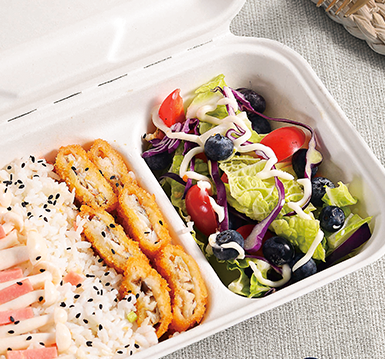
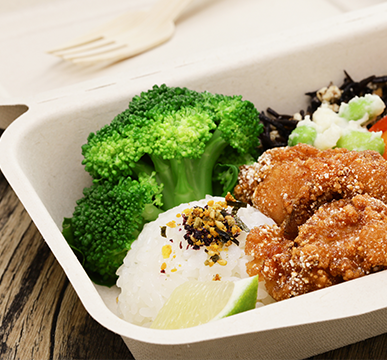
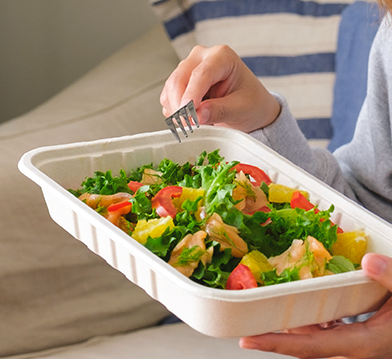
Role of surface treatment systems
Modern bagasse packaging rarely relies on untreated fiber. Performance depends heavily on coating technology applied during or after molding.
Common grease-resistant systems include:
- Water-based barrier coatings
- Plant-derived starch modifiers
- Biopolymer layers such as PLA dispersion
- Fluorine-free oil-resistant additives
These coatings create a temporary barrier that delays oil migration into fiber walls. Industry research shows that PFAS-free alternatives can achieve functional resistance, but stability depends on coating uniformity and application thickness rather than chemistry alone.
A well-controlled bagasse food packaging factory focuses on achieving even coating distribution to avoid weak points at corners and folded edges, where leakage typically begins.
Performance under hot and oily food conditions
Greasy food introduces two simultaneous stress factors: temperature and lipid penetration. Heat accelerates fiber softening while oil reduces surface tension resistance.
Observed performance behaviors:
- Hot oil exposure (~90–95°C) may initially be contained for 20–40 minutes depending on coating quality
- Edge zones degrade faster than flat surfaces due to pressure concentration
- High-fat sauces penetrate faster than dry fried foods
- Reheating cycles increase permeability risk
Some sugarcane-based containers are reported to withstand microwave heating and short-term oily food storage without immediate leakage, especially when designed with reinforced density and proper sealing geometry.
Still, long-duration storage of greasy meals remains a challenge for many fiber-based packaging systems.
Structural design matters as much as material
Grease resistance is not determined only by chemical treatment. Geometry and forming pressure also play a major role in real-world performance.
Key structural factors include:
- Rim thickness reinforcement for edge stability
- Corner radius design to reduce stress concentration
- Wall slope angle influencing oil flow behavior
- Lid-locking compression strength for closed containers
A bagasse food packaging factory that optimizes mold design can significantly improve leakage resistance even without changing material composition.
Poorly designed containers often fail at fold lines rather than through the main surface area.
Heat and moisture interaction effects
Grease performance changes over time due to combined moisture and heat exposure. Bagasse fiber naturally absorbs humidity, which can reduce stiffness before food contact even begins.
Important environmental influences:
- Relative humidity above 60% may soften container walls
- Condensation from hot food accelerates surface weakening
- Steam accumulation inside closed lids increases internal pressure
- Extended holding time reduces barrier effectiveness
These effects explain why identical packaging may behave differently in dine-in versus delivery scenarios.
Manufacturing consistency in grease resistance
Even with identical formulations, output variation can occur between production batches. Factors affecting consistency include:
- Coating viscosity drift during long production runs
- Drying temperature fluctuations in curing tunnels
- Fiber moisture variation before molding
- Pressing pressure variation between cavities
A well-managed factory implements continuous monitoring systems to stabilize these variables, but micro-level differences still influence grease resistance performance across batches.
Regulatory pressure pushing PFAS-free systems
Traditional grease-proof packaging often relied on fluorinated compounds. However, global regulations are rapidly restricting PFAS use due to environmental persistence concerns.
Industry transition trends include:
- Replacement of fluorinated coatings with bio-based barriers
- Increased demand for certified compostable packaging standards
- Stricter food-contact compliance testing across export markets
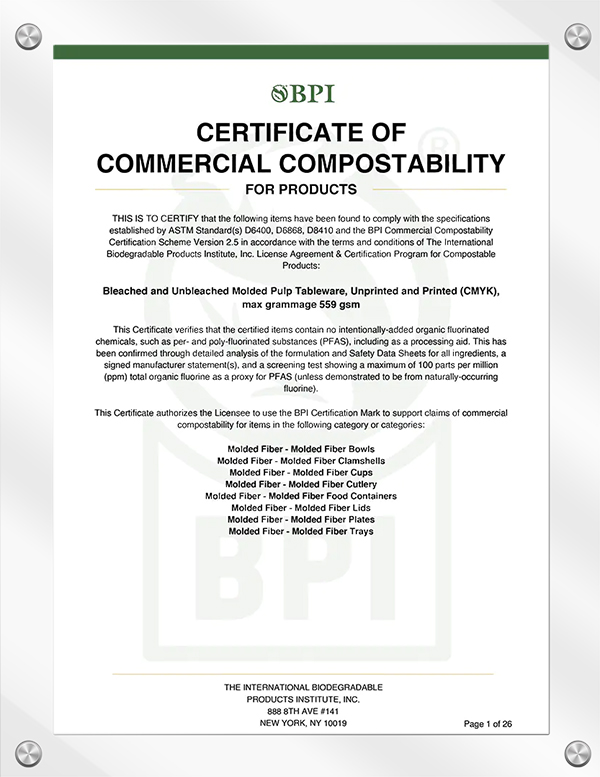
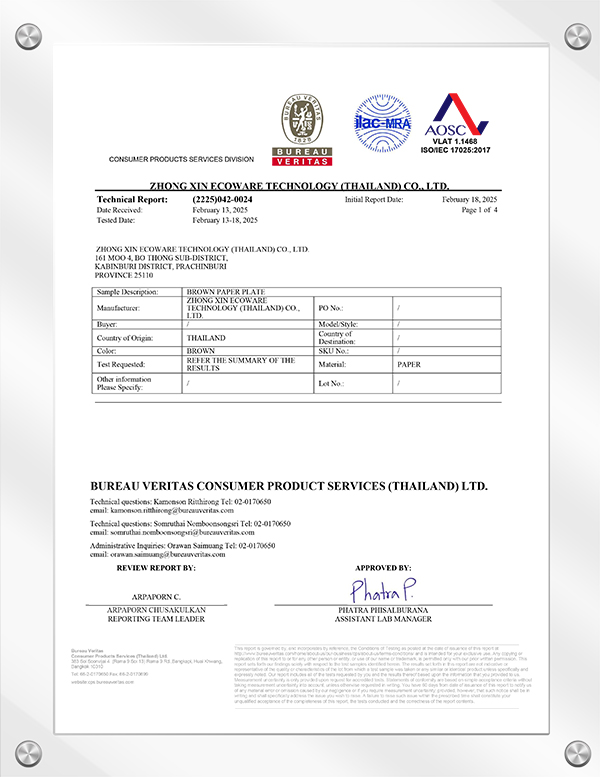
Many suppliers now verify PFAS-free status through third-party laboratory testing as part of market entry requirements.
This regulatory shift is accelerating innovation in bagasse-based systems but also increasing technical complexity.
Practical takeaway for foodservice buyers
Bagasse packaging can handle greasy foods within defined performance limits, especially for short-duration service such as takeaway meals or fast consumption environments. However, its performance depends on multiple interacting variables rather than material type alone.
Key evaluation points:
- Coating technology used (water-based vs biopolymer systems)
- Container structure and sealing design
- Intended food contact duration
- Temperature and oil load level
A bagasse food packaging factory that integrates fiber engineering, coating precision, and structural design control can significantly improve real-world grease resistance, but expectations must remain aligned with the inherent limits of fiber-based materials.
Zhong Xin Ecoware Technology (Thailand) Co., Ltd. supplies bagasse and molded fiber food packaging to importers, distributors and foodservice brands. For MOQ, pricing, samples and lead time, email info@fiber-product.com or use the contact form.


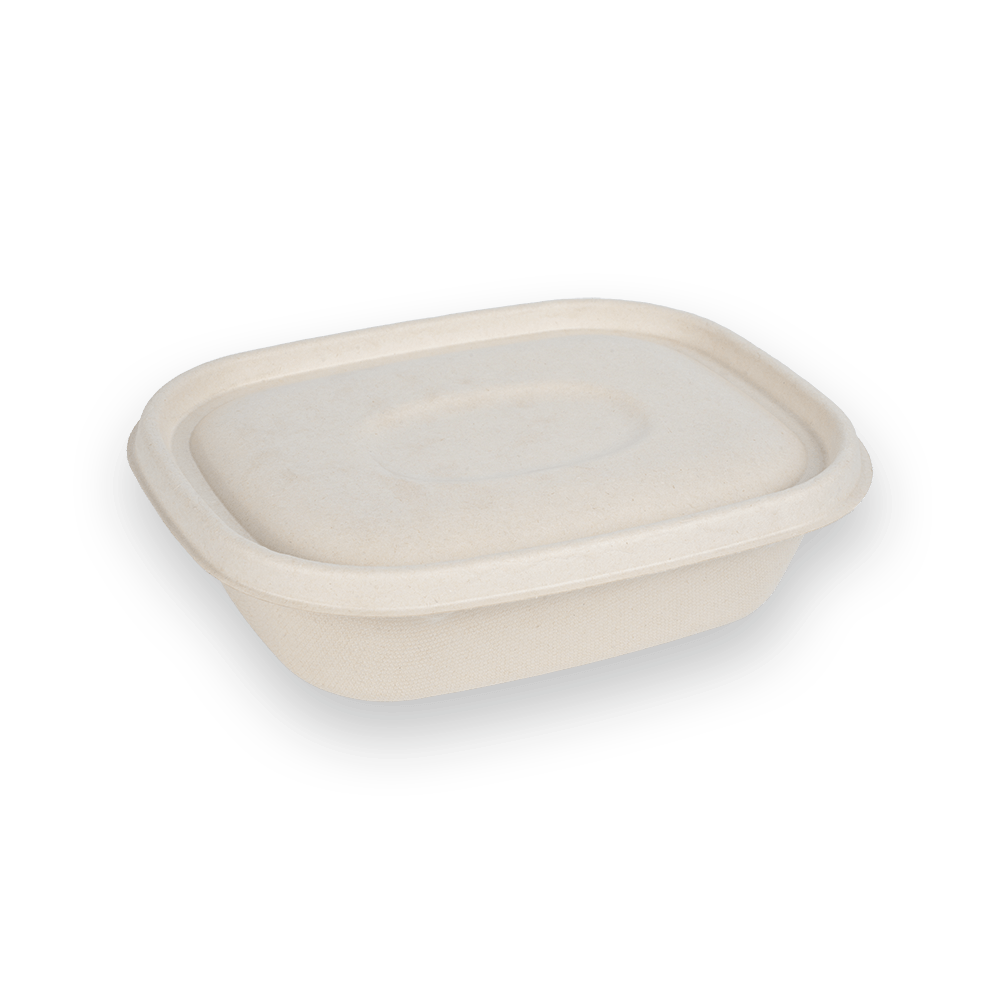
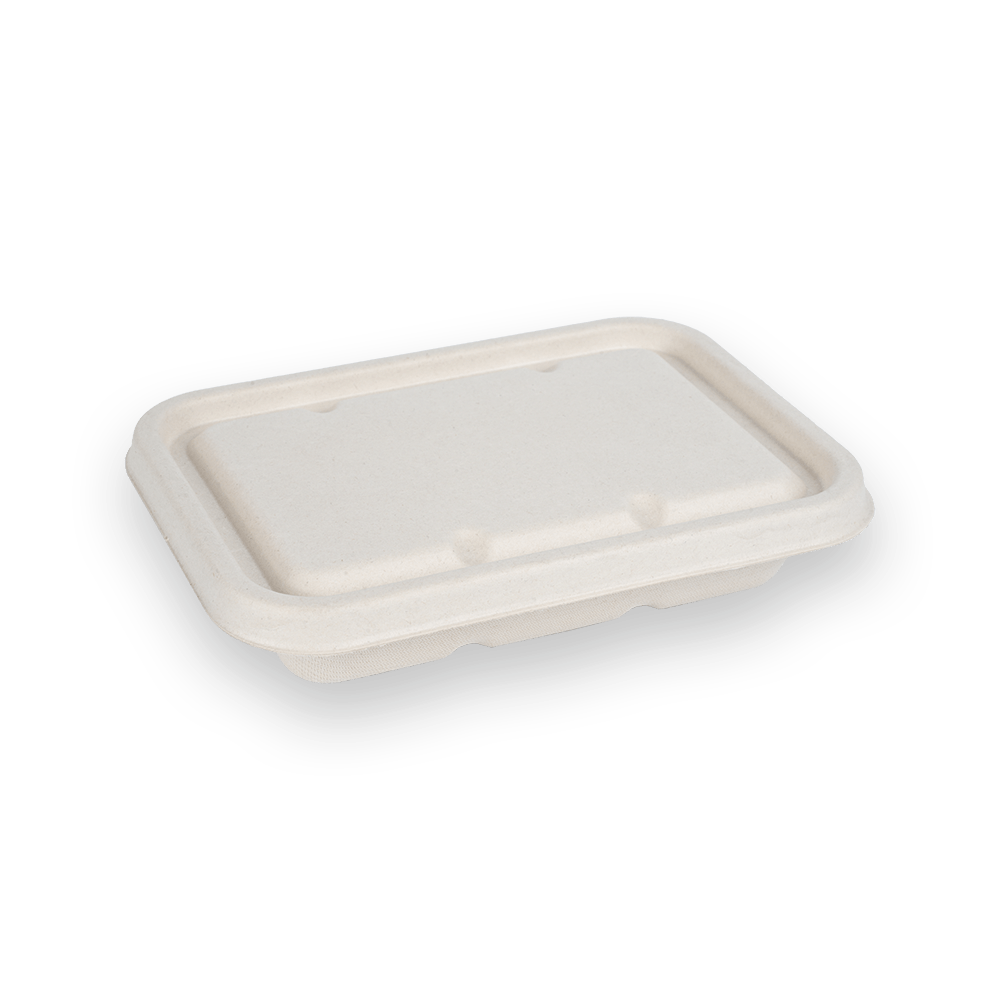

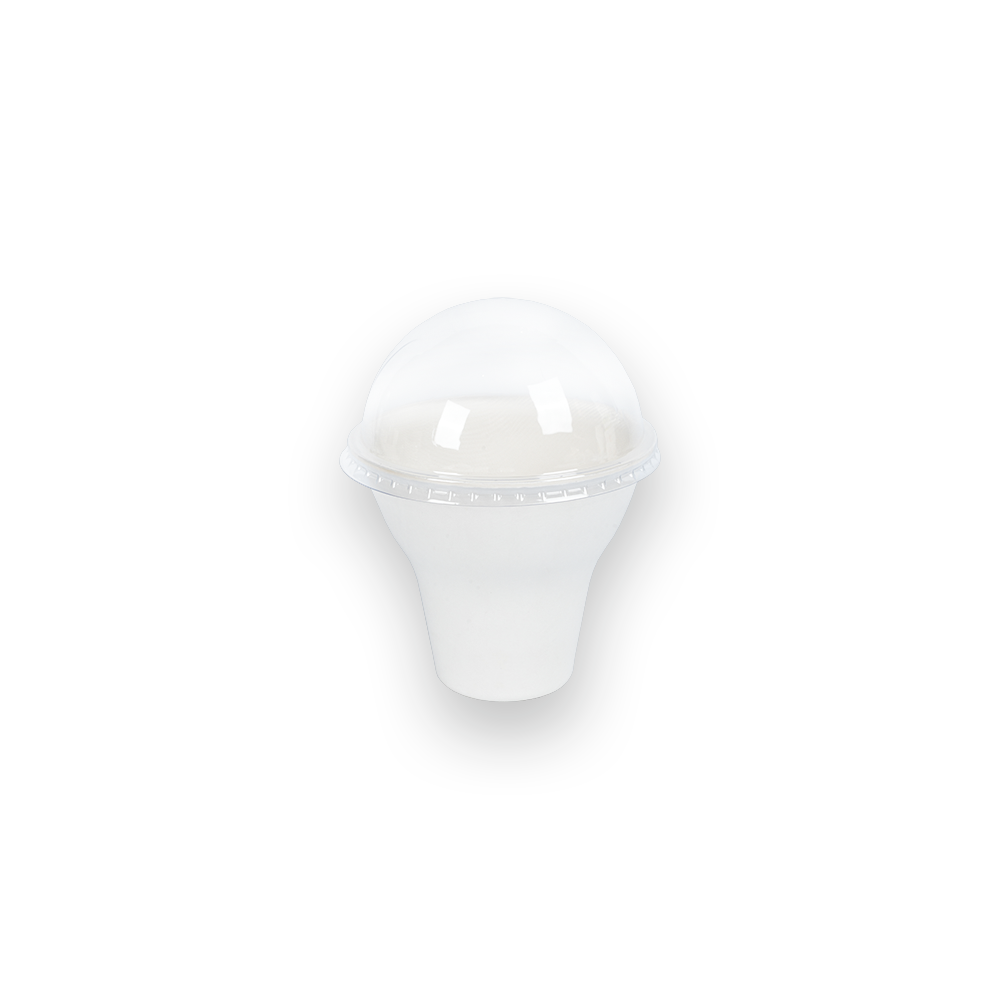
Zhong Xin Ecoware(Thailand) was registered on November 1, 2023, and officially began construction of the factory building in June 2024. At present, the first phase workshop of the factory has been fully completed and put into use. The second phase of the factory is being constructed intensively.
The landing and development of Zhong Xin in Thailand has brought a large amount of initial investment for land, factories, etc., and continuous operational investment for continuous equipment updates, technological upgrades, and capacity expansion.
Zhong Xin Ecoware(Thailand) has directly and indirectly created thousands of job opportunities, increased government revenue, promoted local economic development, cultivated local supply chains, provided systematic training for employees, improved the quality of local human capital, injected vitality into the local economy, enhanced industrial competitiveness, and ultimately improved residents' living standards.
Zhong Xin Ecoware(Thailand) actively collaborates with local pulp mills to explore new cooperation models for developing new products, improving production capacity and quality. At the same time, relying on Zhongxin's advanced production technology, process flow, management experience, and quality control system, it promotes the development of this industry in Thailand.

-
-
 +66-31240888
 -
 161 Village No. 4, Bo Thong Subdistrict Kabin Buri District Prachinburi Province 25110
-
New Bagasse Tableware Lineup for 2026: What Is New and Where to See It
Sep 28,2026
-
How to Select Bagasse Clamshells for Burgers, Rice Meals and Fried Food
Sep 28,2026
-
Microwave Reheating: Is a Bagasse Lunch Box Suitable
Sep 25,2026
-
9 Inch Pizza Plates and Bagasse Pizza Boards: A Sourcing Guide for US and Canadian Distributors
Sep 19,2026
-
PFAS-Free & Compostability Verification: A Buyer's Checklist for Bagasse and Molded Fiber Packaging
Sep 19,2026
-
Bagasse vs PLA vs Molded Fiber: What Distributors Should Stock in 2026
Sep 19,2026
-
Can Sugarcane Plates Handle Hot, Greasy Foods
Sep 18,2026
-
Bagasse Tableware RFQ Template: Get a Comparable Thailand Factory Quote
Sep 14,2026
-
Are Takeaway Food Containers Ready for Saucy Meals
Sep 11,2026
-
7-Inch vs 9-Inch Bagasse Plates: Carton and 20GP Guide
Sep 07,2026
-
Will Bagasse Pulp Trays Sag Under Heavy Meals
Sep 04,2026
-
Zhongxin Packaging at the 140th Canton Fair 2026: Booths and Buyer Meeting Guide
Sep 02,2026
Copyright © 2025 Zhong Xin Ecoware Technology ( Thailand ) CO., LTD.
All Rights Reserved.

Biodegradable Disposable Bagasse Tableware Manufacturer