-
 [email protected]
-
 +66-31240888



 English
 Español
 ไทย
ไทยDisposable Tableware Factory: Addressing Public Concerns
As environmental awareness grows and single-use plastic bans take effect worldwide, disposable tableware factories—particularly those producing bagasse-based products—have come under increased public scrutiny. Consumers, regulators, and business buyers share common questions about safety, environmental claims, and product performance.
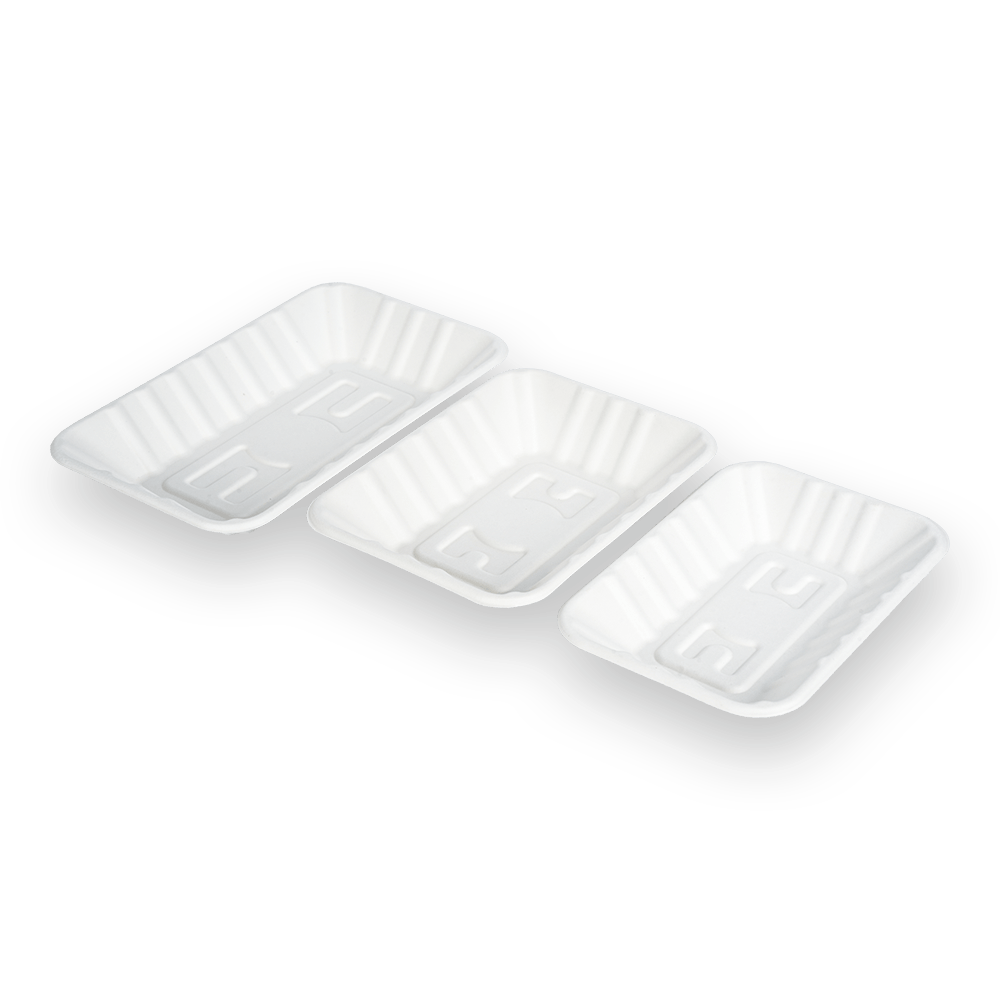
Are bagasse tableware products safe for food contact, especially with hot or oily foods?
Safety is a primary concern for any food-contact product. Research indicates that bagasse tableware has certain safety considerations that manufacturers and users should understand.
Potential chemical risks
The main safety concern involves PFAS (per- and polyfluoroalkyl substances), which are sometimes added to provide oil and water resistance. A 2018 study by the Center for Environmental Health tested over 130 disposable foodware products and found that 58% contained fluorine, indicating likely PFAS use. Notably, “all molded fiber products such as wheat fiber, silver grass, and sugarcane waste (bagasse)” consistently tested as fluorinated. A more recent 2021 study by the European consumer organization BEUC similarly detected PFAS in bagasse pulp products, with some samples exceeding recommended safety standards.
Temperature tolerance
For typical food service use, bagasse tableware generally withstands temperatures from 0°C to 100°C, with some products suitable for microwave or electric cooker heating. However, manufacturers should clearly label temperature limits, particularly for very hot items like frying oil or freshly boiled soup.
Best practices for safer products
Avoid colored or printed designs, as dyes may contain chemical contaminants that could migrate into food
Choose products verified as PFAS-free by third-party testing—some manufacturers now explicitly offer PFAS-free formulations
Verify compliance with food contact regulations such as FDA 21 CFR (US) or EU 10/2011
Are bagasse tableware products genuinely biodegradable, and what conditions are required?
The biodegradability claim requires careful qualification, as real-world outcomes depend heavily on disposal infrastructure.
Industrial composting requirements
Bagasse tableware is designed for industrial composting facilities, not home composting bins. ISO 15270-5:2025, which establishes guidelines for organic recycling of plastics, specifically notes that “home composting cannot be classified as recycling”. Industrial composting maintains temperatures above 55°C consistently, which is necessary for complete breakdown within 60–90 days.
Real-world degradation timeline
In properly managed industrial composting: 3 months for complete biodegradation
In home composting conditions: Significantly longer or incomplete
In landfills: May produce methane, a greenhouse gas, due to anaerobic conditions
Certifications to look for
EN 13432 (European standard for compostability)
ASTM D6400 (US standard)
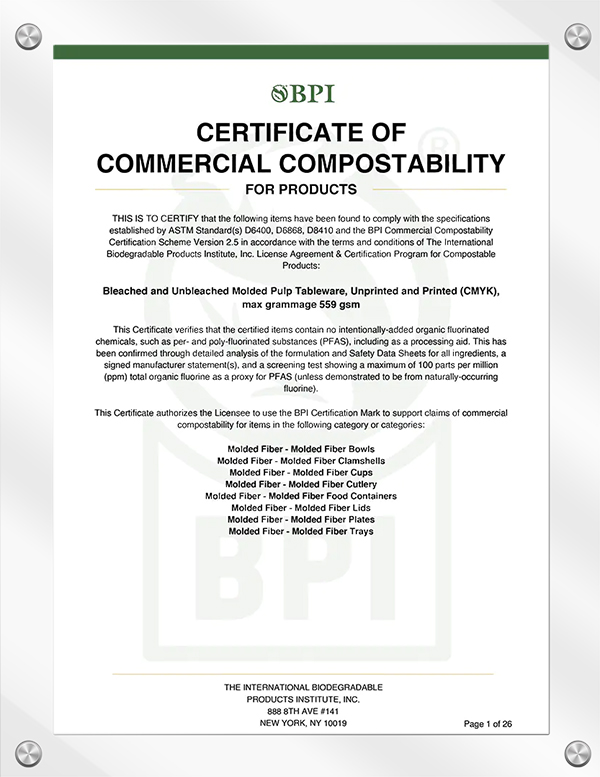
BPI certification (Biodegradable Products Institute)
DIN CERTCO registration for home composting (available for some uncolored, unprinted products)
How do cost and supply stability compare with plastic alternatives?
Price considerations
Unit prices for bagasse plates typically range from $0.01 to $0.08 per piece, depending on size, coating, order volume, and customization. Minimum order quantities vary significantly—from 1,000 pieces for smaller suppliers to 50,000 pieces for high-volume manufacturers. For comparison, basic plastic plates generally cost $0.005–0.03 per piece, making bagasse products moderately more expensive but competitive within the eco-friendly category.
Supply chain factors
China remains the primary manufacturing hub for bagasse tableware, with production concentrated in Anhui, Guangdong, Zhejiang, and Hainan provinces. Factories located near sugar mills benefit from reduced raw material costs—up to 22% lower—due to proximity to bagasse sources.
A case study from Yunnan Province demonstrates the economic transformation: before processing, bagasse pulp board yielded approximately 3,000 yuan per tonne. After conversion to molded tableware, output value increased to about 20,000 yuan per tonne, reaching up to 100,000 yuan for premium products. This value increase has supported stable production and local employment.
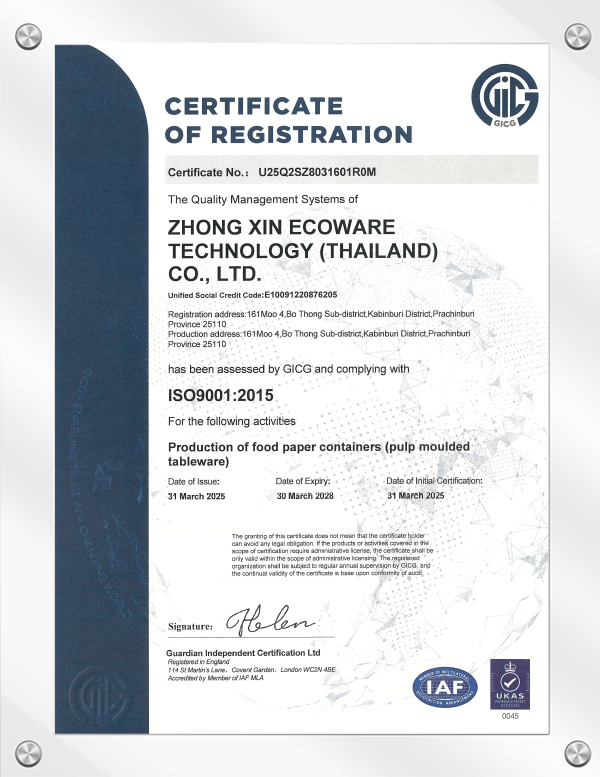
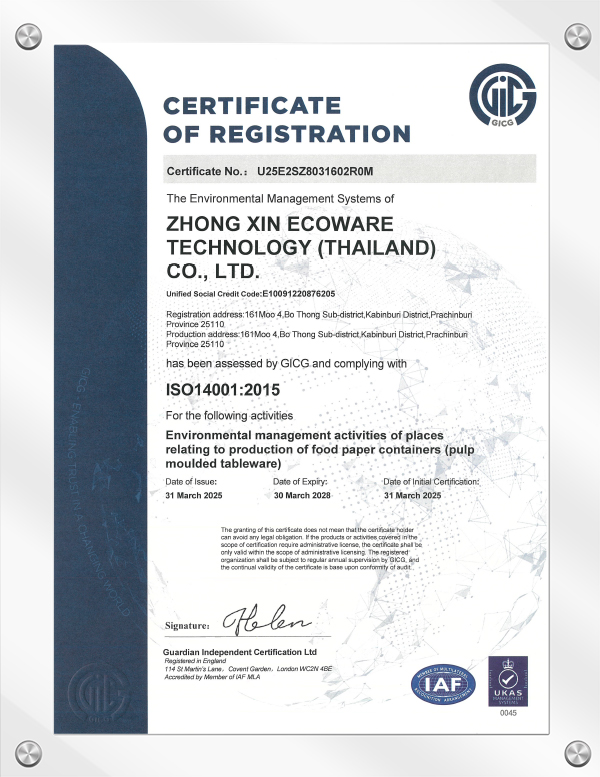
Zhong Xin Ecoware Technology (Thailand) Co., Ltd. supplies bagasse and molded fiber food packaging to importers, distributors and foodservice brands. For MOQ, pricing, samples and lead time, email info@fiber-product.com or use the contact form.
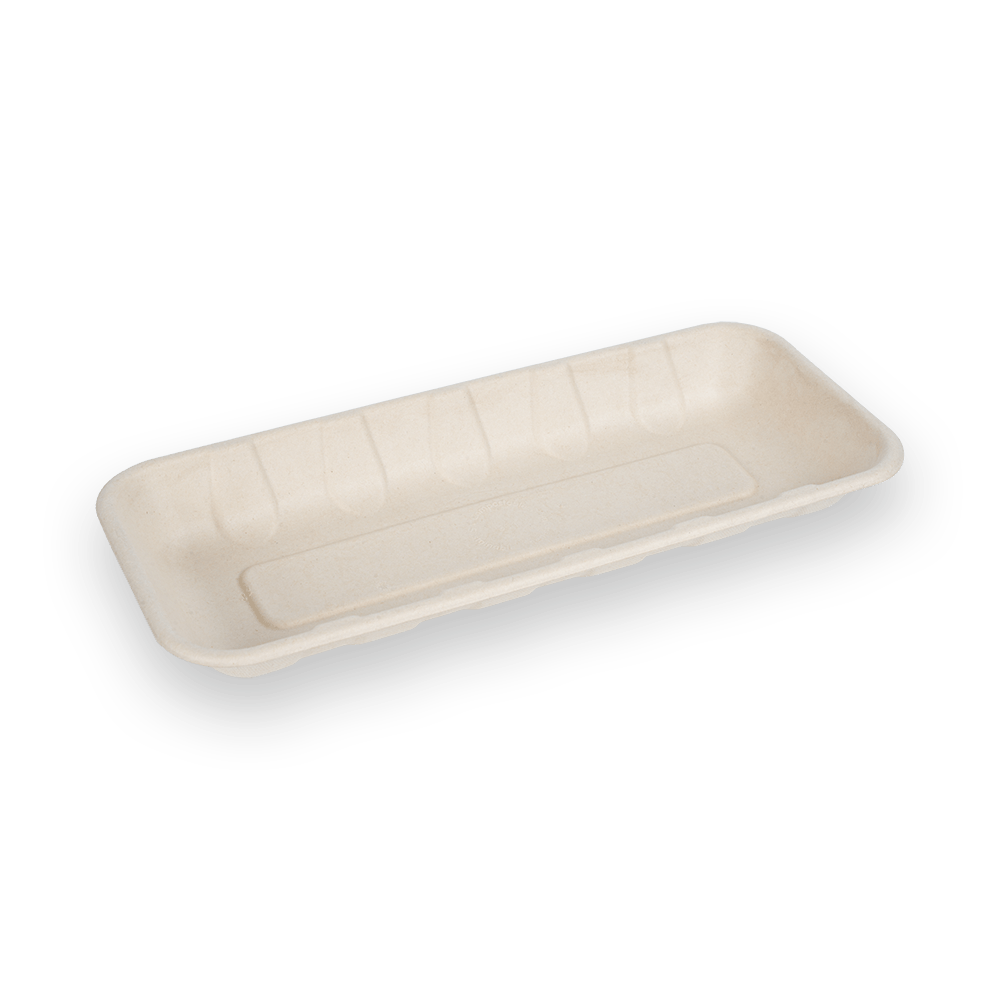
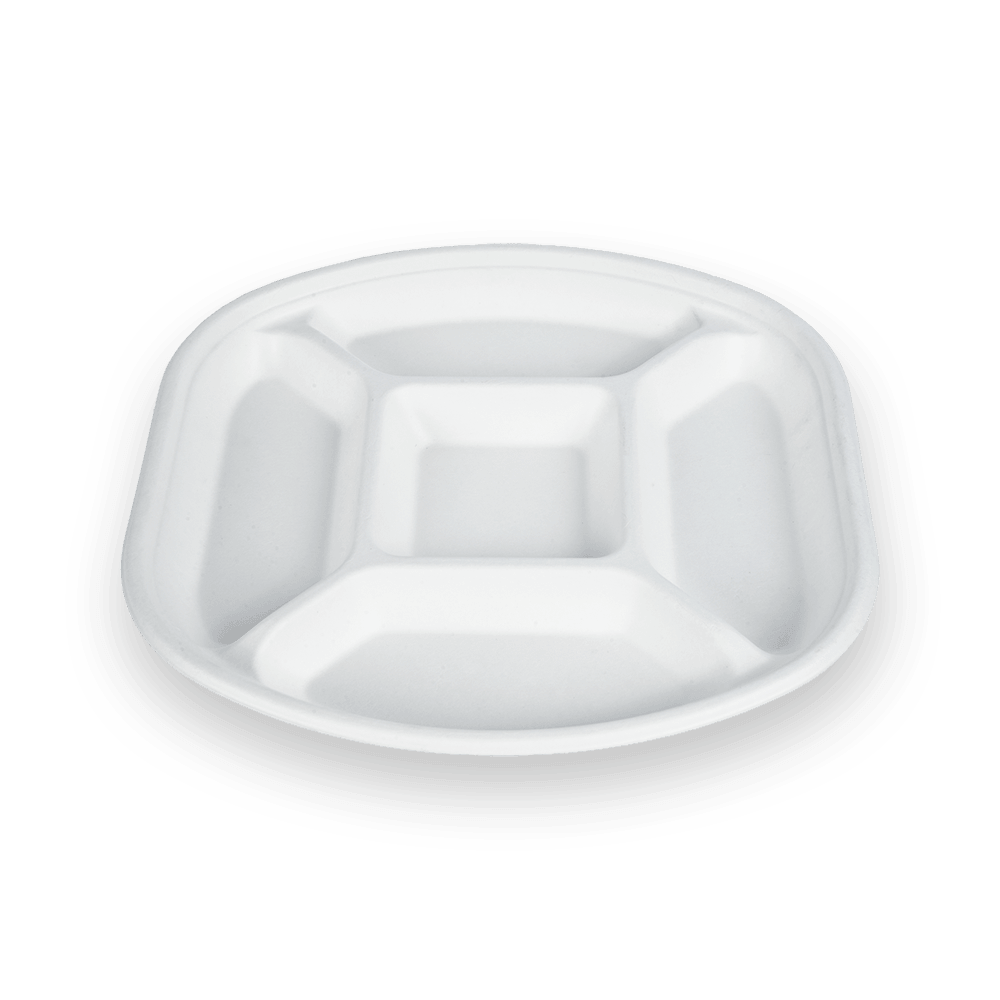

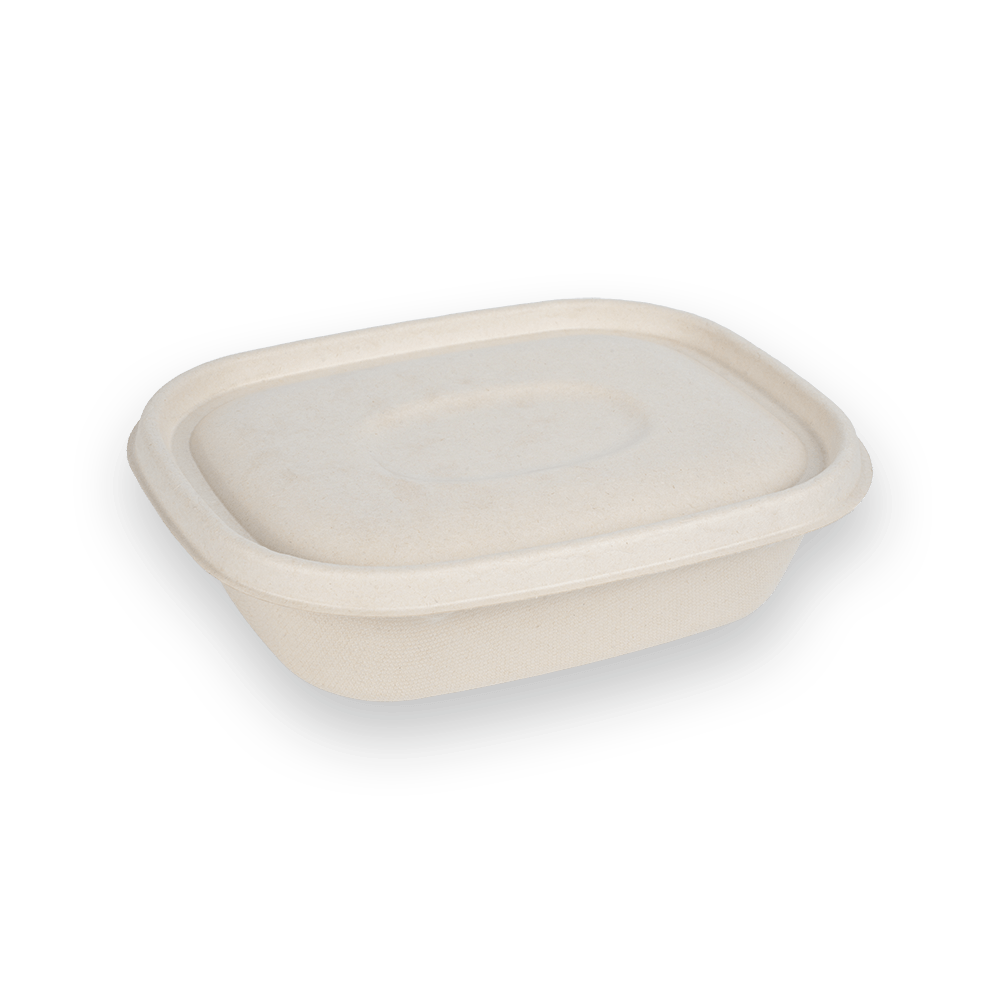

Zhong Xin Ecoware(Thailand) was registered on November 1, 2023, and officially began construction of the factory building in June 2024. At present, the first phase workshop of the factory has been fully completed and put into use. The second phase of the factory is being constructed intensively.
The landing and development of Zhong Xin in Thailand has brought a large amount of initial investment for land, factories, etc., and continuous operational investment for continuous equipment updates, technological upgrades, and capacity expansion.
Zhong Xin Ecoware(Thailand) has directly and indirectly created thousands of job opportunities, increased government revenue, promoted local economic development, cultivated local supply chains, provided systematic training for employees, improved the quality of local human capital, injected vitality into the local economy, enhanced industrial competitiveness, and ultimately improved residents' living standards.
Zhong Xin Ecoware(Thailand) actively collaborates with local pulp mills to explore new cooperation models for developing new products, improving production capacity and quality. At the same time, relying on Zhongxin's advanced production technology, process flow, management experience, and quality control system, it promotes the development of this industry in Thailand.

-
-
 +66-31240888
 -
 161 Village No. 4, Bo Thong Subdistrict Kabin Buri District Prachinburi Province 25110
-
How to Find Zhong Xin at the 140th Canton Fair: A Visitor Navigation Guide
Oct 16,2026
-
Thailand vs China Bagasse Tableware: 8 Comparisons Buyers Should Verify
Oct 16,2026
-
Will Takeout Containers Fit Your Existing Lids and Delivery Workflow
Oct 16,2026
-
What Is Bagasse Tableware? A 2026 Buyer Guide to Material, Performance and Documents
Oct 13,2026
-
Bagasse Tray Wholesale: How Bulk Buyers Cut Cost with Carton and Container Planning
Oct 09,2026
-
What Should a Bagasse Manufacturer Include in a Bulk Order Quote
Oct 09,2026
-
FOB, CIF or DDP? Incoterms for Bagasse Tableware Buyers Shipping from Thailand
Oct 06,2026
-
Packaging or Food Contact? Which EU Regime Applies to Bagasse Cups, Bowls, Plates and Cutlery
Oct 06,2026
-
Compostable Cutlery Sets for Private Label: 7 Sourcing Checks for Retail and Foodservice Buyers
Oct 06,2026
-
US vs EU Bagasse Tableware Imports: 8 Documentation and Compliance Checks Buyers Should Run
Oct 06,2026
-
How to Prepare a Bagasse Tableware Import: 10 Readiness Checks for US and EU Buyers
Oct 06,2026
-
Beyond Plates: Which Foods Suit Bagasse Tableware
Oct 02,2026
Copyright © 2025 Zhong Xin Ecoware Technology ( Thailand ) CO., LTD.
All Rights Reserved.

Biodegradable Disposable Bagasse Tableware Manufacturer