-
 [email protected]
-
 +66-31240888



 English
 Español
 ไทย
ไทยBiodegradable Paper Plates: A Sustainable Solution for Modern Dining
1. Material Composition of Biodegradable Paper Plates
The material used to create biodegradable paper plates plays a significant role in their environmental benefits. These plates are typically made from plant-based materials such as sugarcane pulp (bagasse), bamboo, and palm leaves.

Types of Materials Used
|
Material |
Description |
Environmental Impact |
|
Sugarcane Pulp |
A byproduct of sugar production, commonly used in plate manufacturing. |
Highly renewable, compostable, and low in waste. |
|
Bamboo |
A fast-growing grass, processed into pulp for plate creation. |
Requires minimal water and grows quickly, reducing resource consumption. |
|
Palm Leaves |
Harvested from palm trees, these leaves are molded into plates. |
Biodegradable, locally sourced, and no need for chemical treatment. |
Sugarcane pulp is one of the most common materials used for biodegradable plates due to its lightweight properties and natural fiber content. Bamboo is another popular choice, as it grows quickly, needs minimal water, and does not require pesticides. Palm leaves are often used for their durability and ability to withstand moisture, making them ideal for heavier foods.
2. Environmental Benefits of Biodegradable Paper Plates
One of the primary advantages of biodegradable paper plates is their reduced environmental impact compared to traditional plastic or styrofoam plates. Since they are made from plant-based materials, these plates break down naturally when exposed to composting conditions, leaving behind no harmful residues. The degradation process typically takes a few months, depending on the environmental conditions, which is significantly faster than plastic alternatives that can take hundreds of years to decompose.
Reduction in Plastic Waste
Biodegradable paper plates help reduce plastic pollution, which is one of the most pressing environmental issues today. Unlike plastic plates, which contribute to landfills and marine debris, biodegradable plates will not persist in the environment for decades. They are designed to break down into organic matter that can enrich the soil.
Lower Carbon Footprint
The production of biodegradable plates generally has a lower carbon footprint than plastic or styrofoam plates. Plant-based materials, such as sugarcane and bamboo, absorb carbon dioxide as they grow, which helps offset some of the emissions produced during manufacturing. Additionally, the energy used in producing biodegradable plates is often less than that required for producing petroleum-based products.
3. Practical Considerations for Using Biodegradable Paper Plates
While biodegradable paper plates offer numerous environmental benefits, they must also be evaluated for their practicality in everyday use. They are commonly used for casual dining, picnics, and events where convenience is important. However, several factors need to be considered when choosing biodegradable plates.
Durability and Strength
Biodegradable paper plates are generally durable enough for light to moderate use. However, their strength can vary depending on the material used and the type of food served. For example, plates made from sugarcane pulp may be more resistant to moisture than those made from bamboo, which may struggle to hold up against oily or saucy foods. For these reasons, consumers must select plates that match their needs—plates intended for dry foods may be less sturdy when used for liquids or greasy dishes.
Cost and Availability
Biodegradable paper plates are often more expensive than traditional paper or plastic alternatives. This can be a barrier for consumers and businesses looking to adopt more sustainable practices. However, as demand for these products grows, prices are expected to decrease, and availability is increasing in supermarkets and wholesale markets. Some local businesses are also beginning to offer biodegradable alternatives to reduce their environmental footprint, further driving demand.
Compostability vs. Recycling
While biodegradable plates are designed to break down in composting environments, it is important to distinguish them from recyclable materials. These plates should be composted in facilities that can process organic waste; if they are mixed with non-biodegradable materials, they may not degrade properly. Consumers should be aware of the waste management systems in their area to ensure proper disposal.
4. Market Trends and Consumer Adoption
The demand for biodegradable paper plates has been rising steadily, driven by increased consumer awareness of environmental issues. As more individuals and businesses make sustainability a priority, the market for eco-friendly disposable products continues to expand.
Growing Consumer Awareness
Consumers are increasingly choosing biodegradable products over their plastic counterparts, particularly in response to environmental concerns such as ocean pollution and landfill overflow. Restaurants, caterers, and food delivery services are also adopting biodegradable plates as part of their sustainability initiatives. This trend is expected to continue as the public becomes more informed about the harmful effects of plastic waste.
Influence of Regulations and Policies
Governments around the world are implementing regulations to reduce plastic waste, further encouraging the use of biodegradable alternatives. In some regions, single-use plastics have been banned or restricted, forcing companies to explore alternatives. As these policies become more widespread, the market for biodegradable paper plates is likely to see continued growth.
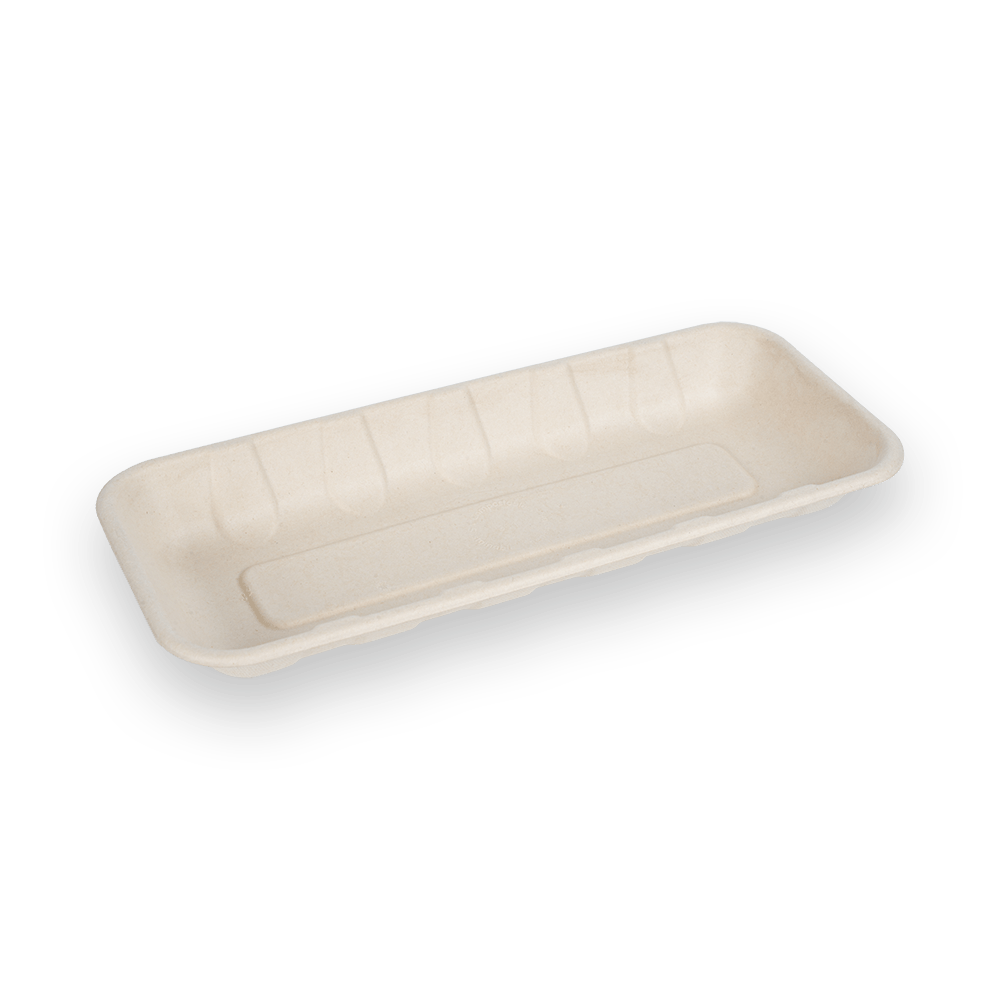
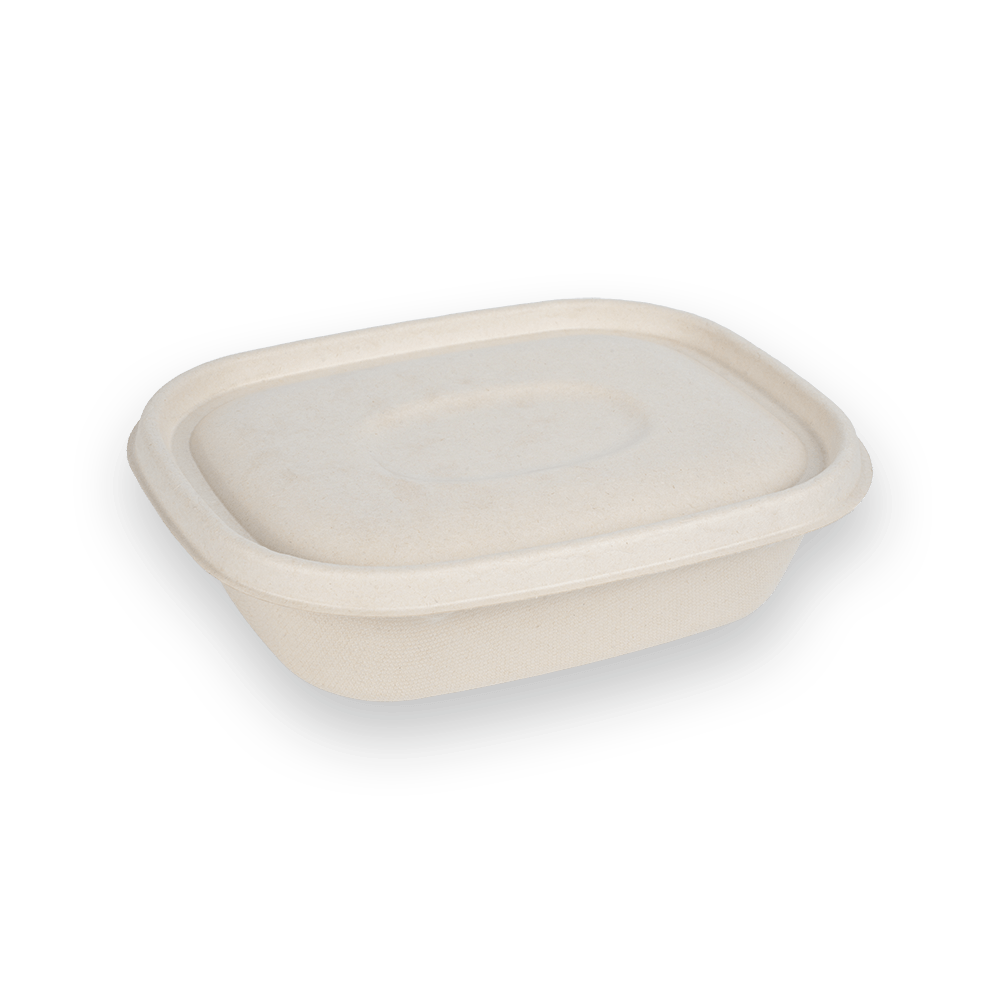
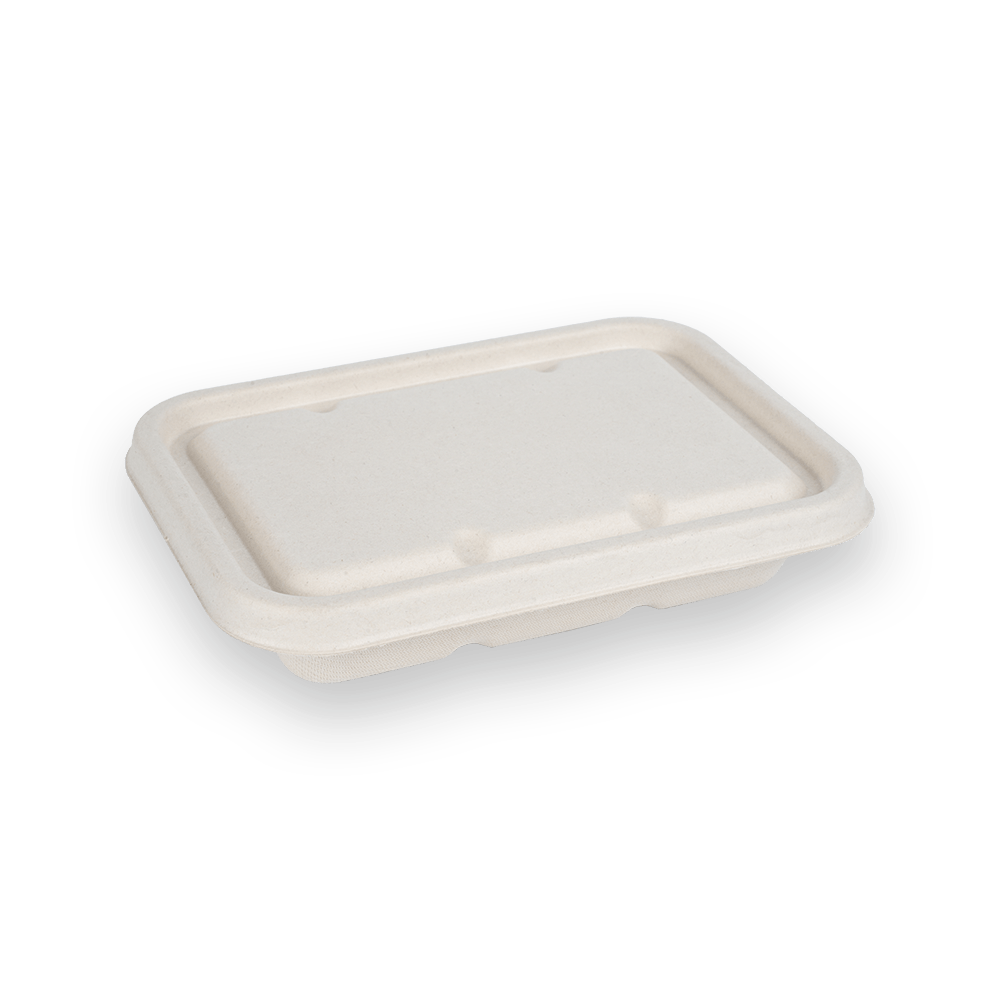
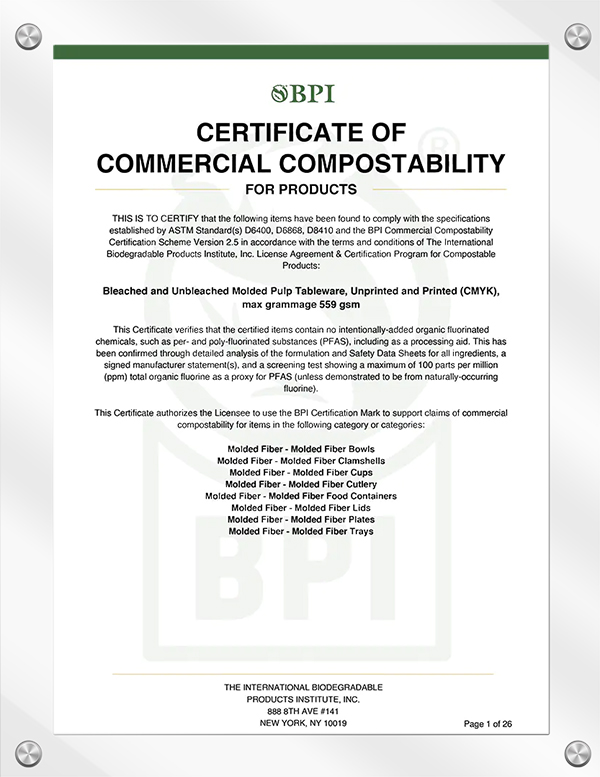
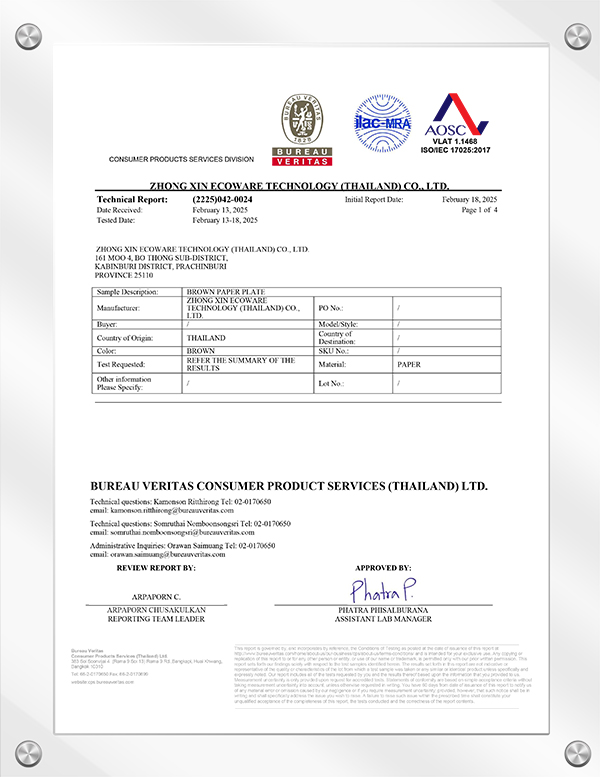
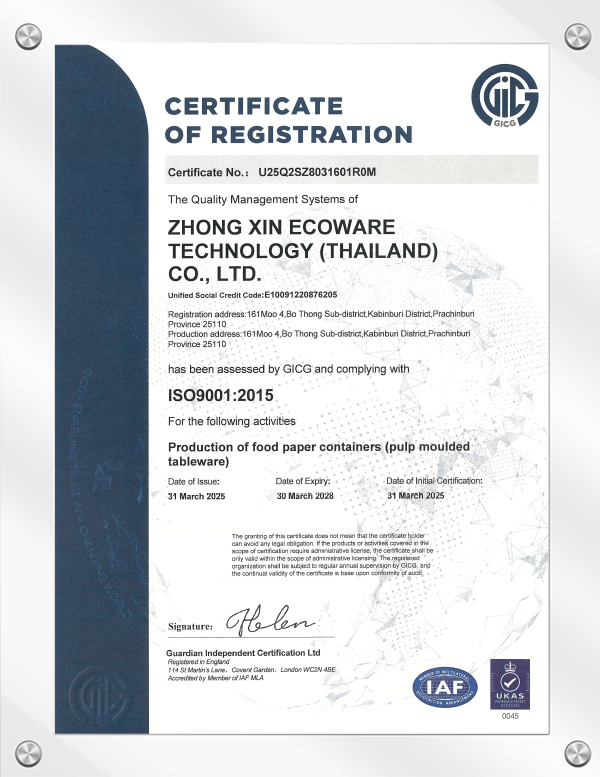
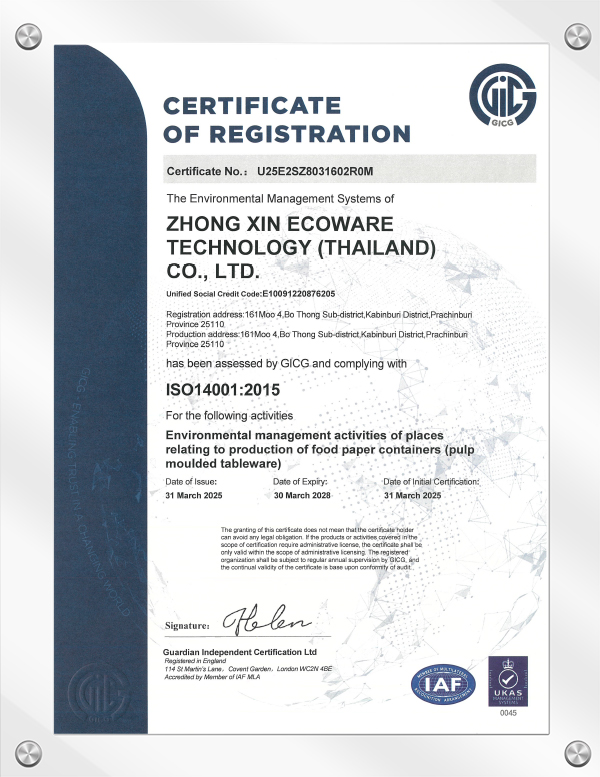
Zhong Xin Ecoware Technology (Thailand) Co., Ltd. supplies bagasse and molded fiber food packaging to importers, distributors and foodservice brands. For MOQ, pricing, samples and lead time, email info@fiber-product.com or use the contact form.



Zhong Xin Ecoware(Thailand) was registered on November 1, 2023, and officially began construction of the factory building in June 2024. At present, the first phase workshop of the factory has been fully completed and put into use. The second phase of the factory is being constructed intensively.
The landing and development of Zhong Xin in Thailand has brought a large amount of initial investment for land, factories, etc., and continuous operational investment for continuous equipment updates, technological upgrades, and capacity expansion.
Zhong Xin Ecoware(Thailand) has directly and indirectly created thousands of job opportunities, increased government revenue, promoted local economic development, cultivated local supply chains, provided systematic training for employees, improved the quality of local human capital, injected vitality into the local economy, enhanced industrial competitiveness, and ultimately improved residents' living standards.
Zhong Xin Ecoware(Thailand) actively collaborates with local pulp mills to explore new cooperation models for developing new products, improving production capacity and quality. At the same time, relying on Zhongxin's advanced production technology, process flow, management experience, and quality control system, it promotes the development of this industry in Thailand.

-
-
 +66-31240888
 -
 161 Village No. 4, Bo Thong Subdistrict Kabin Buri District Prachinburi Province 25110
-
Can Paper Packaging Meet Retail Shelf and Branding Requirements
Oct 23,2026
-
Bagasse Cups and Cup Lids: A Sourcing Guide for Foodservice and Takeaway Buyers
Oct 20,2026
-
How to Find Zhong Xin at the 140th Canton Fair: A Visitor Navigation Guide
Oct 16,2026
-
Thailand vs China Bagasse Tableware: 8 Comparisons Buyers Should Verify
Oct 16,2026
-
Will Takeout Containers Fit Your Existing Lids and Delivery Workflow
Oct 16,2026
-
What Is Bagasse Tableware? A 2026 Buyer Guide to Material, Performance and Documents
Oct 13,2026
-
Bagasse Tray Wholesale: How Bulk Buyers Cut Cost with Carton and Container Planning
Oct 09,2026
-
What Should a Bagasse Manufacturer Include in a Bulk Order Quote
Oct 09,2026
-
FOB, CIF or DDP? Incoterms for Bagasse Tableware Buyers Shipping from Thailand
Oct 06,2026
-
Packaging or Food Contact? Which EU Regime Applies to Bagasse Cups, Bowls, Plates and Cutlery
Oct 06,2026
-
Compostable Cutlery Sets for Private Label: 7 Sourcing Checks for Retail and Foodservice Buyers
Oct 06,2026
-
US vs EU Bagasse Tableware Imports: 8 Documentation and Compliance Checks Buyers Should Run
Oct 06,2026
Copyright © 2025 Zhong Xin Ecoware Technology ( Thailand ) CO., LTD.
All Rights Reserved.

Biodegradable Disposable Bagasse Tableware Manufacturer