-
 [email protected]
-
 +66-31240888



 English
 Español
 ไทย
ไทยConsiderations and Applicationsof Bagasse Tableware Production
Production Considerations for a Bagasse Tableware Factory
When establishing or operating a bagasse tableware manufacturing facility, several technical and operational factors require attention to ensure product quality, safety, and efficiency. Below are key aspects:
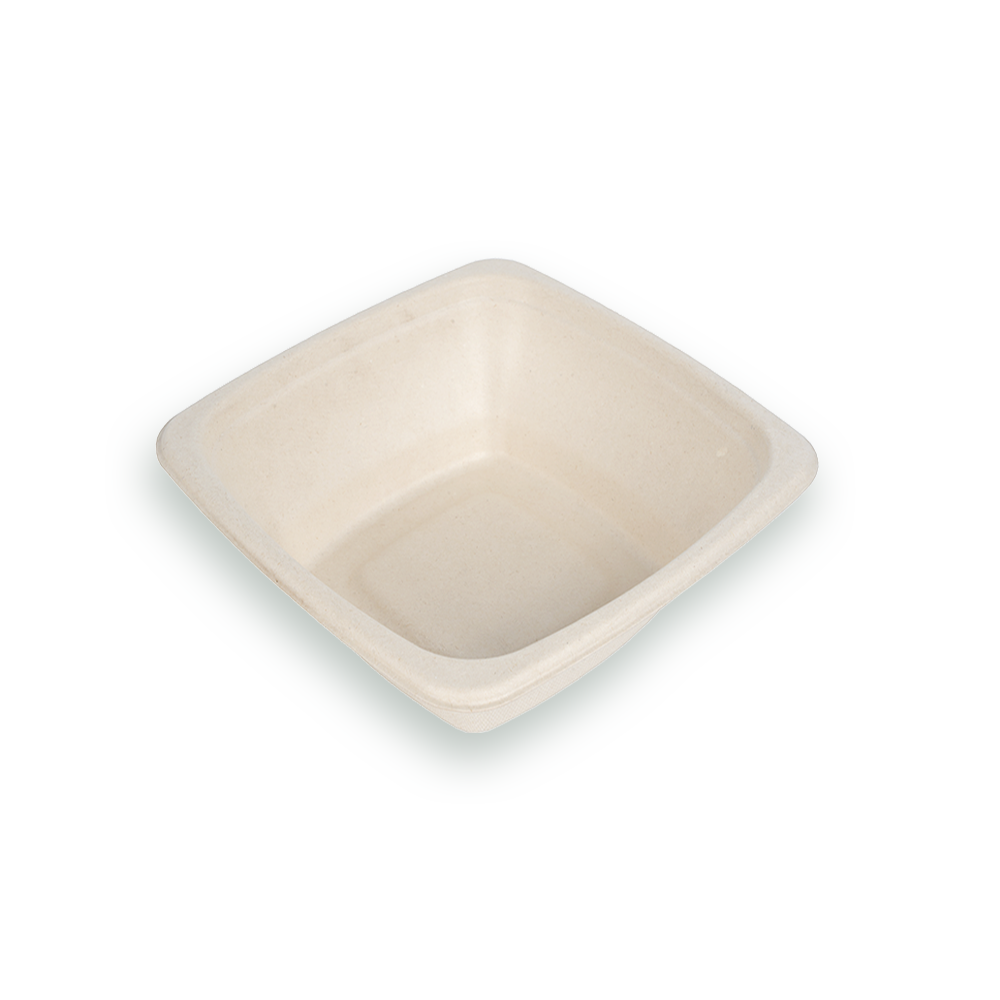
Raw material quality control: Bagasse (sugarcane fiber) must be sourced from suppliers that remove impurities such as sand, pith, and residual sugar. High moisture content in raw bagasse can lead to mold or inconsistent fiber consistency. Factories should test each batch for cellulose content and pH levels.
Molding and forming process: The wet-pressing or thermoforming method demands precise temperature (typically 150–200°C) and pressure settings. Inconsistent parameters may cause uneven thickness, weak edges, or poor sealing of the product surface. Regular calibration of molds is necessary.
Additive selection: While bagasse is biodegradable, some factories add food-grade waterproofing or oil-resistant agents (e.g., alkyl ketene dimer). These agents should comply with local food contact material regulations. Overuse of synthetic additives can reduce compostability.
Drying and curing: Post-molding drying removes residual moisture to below 6%. Inadequate drying leads to deformation during storage or reduced mechanical strength. Factories often use multi-stage hot air circulation systems for uniform drying.
Quality testing protocols: Finished products should be tested for leakage resistance (using hot water or oil at 85°C), stacking strength, and heavy metal migration. Batch sampling every 2–3 hours is common practice.
Waste and energy management: Trimmings and defective products can be re-pulped and recycled into new batches, reducing material waste. Factories may install biomass boilers to use bagasse waste as fuel for drying processes, lowering external energy dependence.
Common Applications of Bagasse Tableware
Bagasse tableware is used in a variety of settings where single-use serving items are required, but environmental impact is considered. The following sub-numbers outline typical usage scenarios:
Food service industry: Quick-service restaurants, takeaway outlets, and food courts frequently use bagasse plates, bowls, and clamshell containers. These establishments prefer bagasse for its ability to hold hot or oily foods without leakage.
Catering and events: Large-scale banquets, outdoor festivals, and corporate catering services opt for bagasse trays and cutlery due to their rigid structure and lower carbon footprint compared to plastic alternatives.
Institutional cafeterias: Schools, hospitals, and office canteens employ bagasse lunch boxes and compartment plates. These environments require microwave-safe and freezer-safe properties, which bagasse products provide when manufactured without plastic coatings.
Retail and grocery stores: Pre-packaged fresh produce or ready-to-eat meals in supermarket deli sections often come in bagasse containers with transparent lids (though lids may be PET, requiring separation for disposal).
Specialized industries: Airlines and railway catering services use bagasse meal trays for in-flight or onboard meals, as the material is lightweight and withstands reheating. Some organic food brands also package their products in bagasse-based trays to align with brand sustainability claims.
Does Bagasse Tableware Cause Environmental Pollution?
Biodegradability under proper conditions: Bagasse tableware, when made without persistent synthetic additives, degrades in industrial composting facilities within 60–90 days. The process releases carbon dioxide and water, but no toxic residues. However, if disposed of in landfills without oxygen, it may produce methane, a greenhouse gas.
Chemical pollution risk: Some bagasse products contain trace amounts of PFAS (per- and polyfluoroalkyl substances) added for oil resistance. These chemicals do not break down easily and can contaminate soil or water. Factories that use plant-based wax or starch coatings avoid this issue.
Resource consumption: Production requires water for pulp preparation and energy for drying. A typical factory uses 3–5 liters of water per kilogram of finished product, with potential for water recycling. If energy comes from fossil fuels, the carbon footprint may be comparable to plastic production.
Comparison with alternatives: Bagasse tableware has a lower environmental impact than polystyrene or polyethylene in terms of marine litter persistence. When composted correctly, it returns organic matter to the soil. But if incinerated with municipal waste, it can contribute to particulate emissions similar to paper products.
End-of-life realities: In regions without industrial composting facilities, bagasse tableware often ends up in landfills or recycling streams. It cannot be recycled with paper due to food contamination. Therefore, its environmental benefit depends heavily on local waste management infrastructure. Mislabeling as “home compostable” can mislead consumers, as home composting conditions rarely achieve the required temperature (above 55°C consistently).
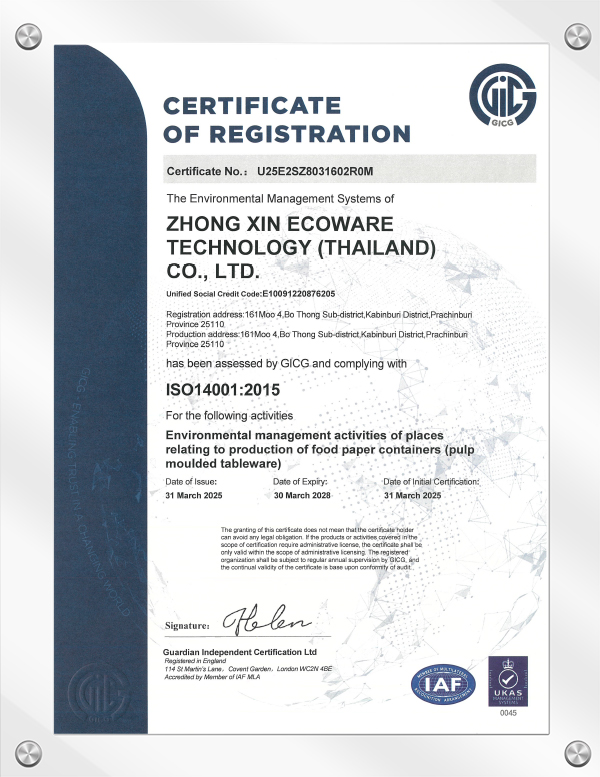
Zhong Xin Ecoware Technology (Thailand) Co., Ltd. supplies bagasse and molded fiber food packaging to importers, distributors and foodservice brands. For MOQ, pricing, samples and lead time, email info@fiber-product.com or use the contact form.
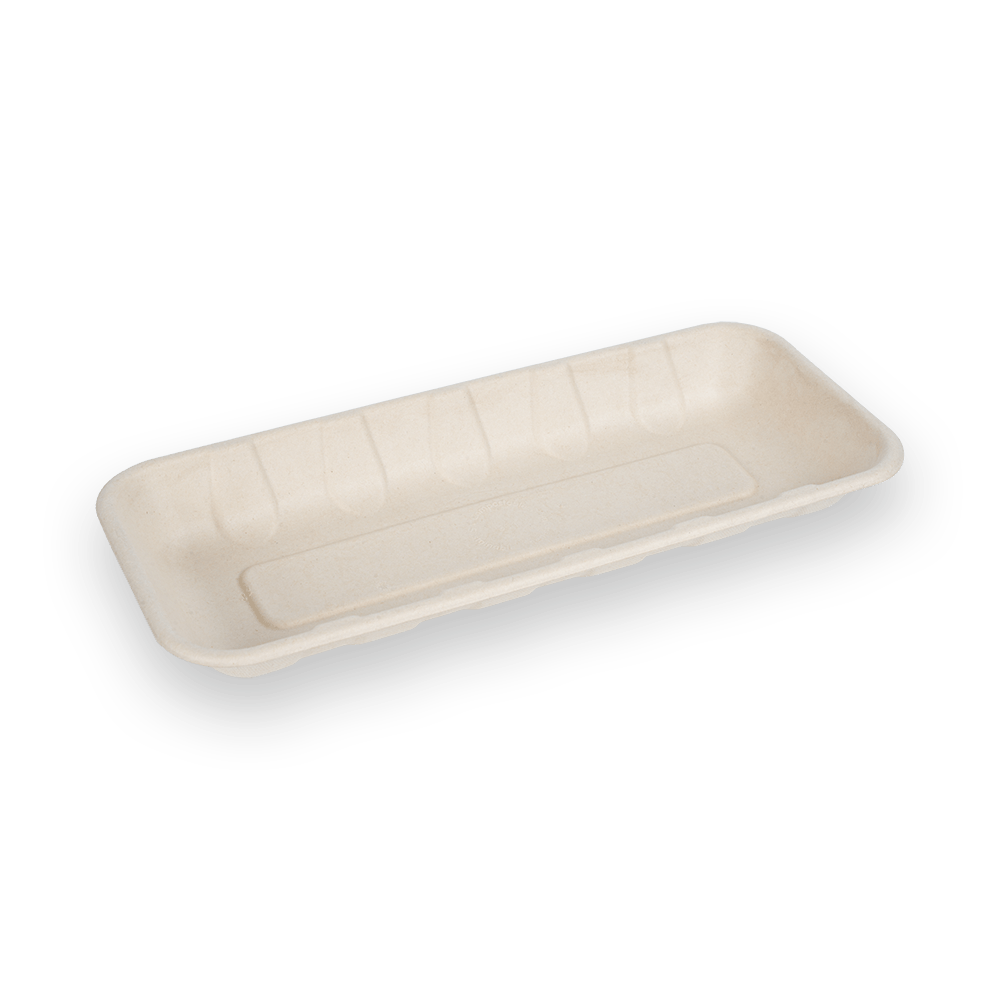


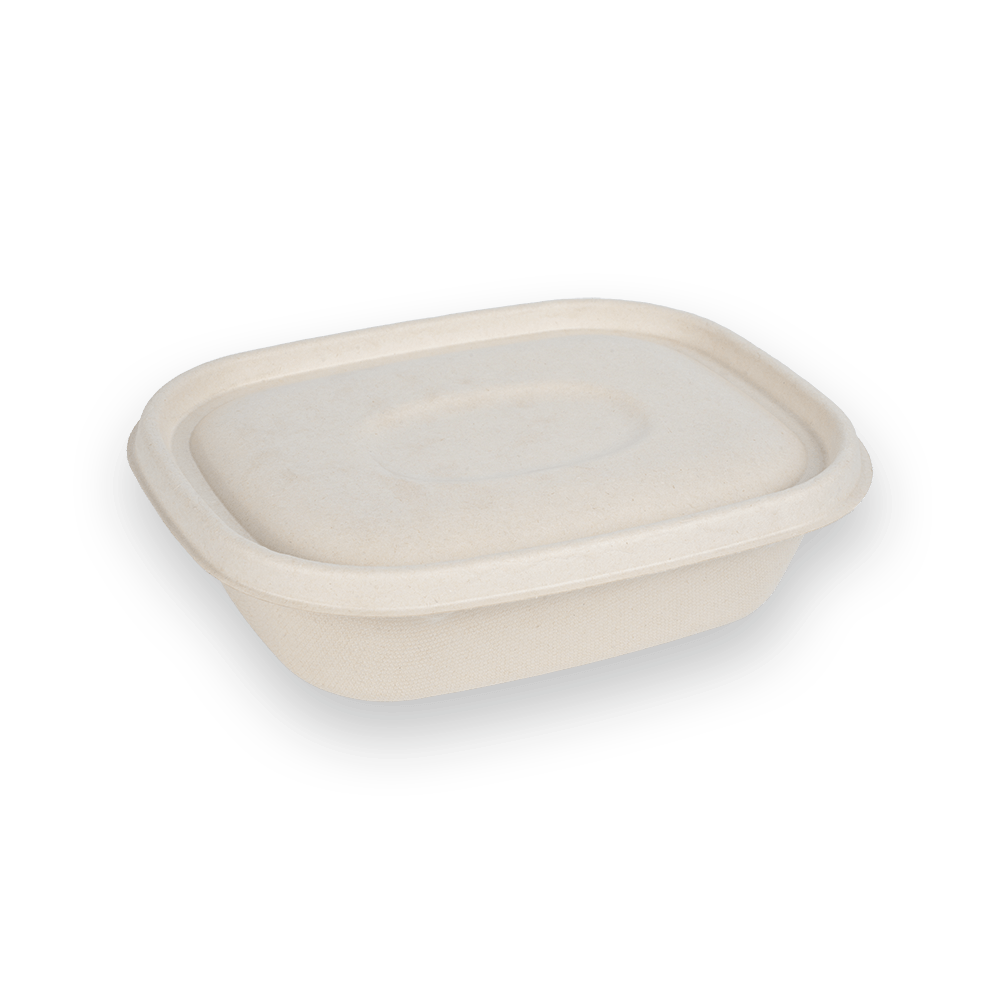
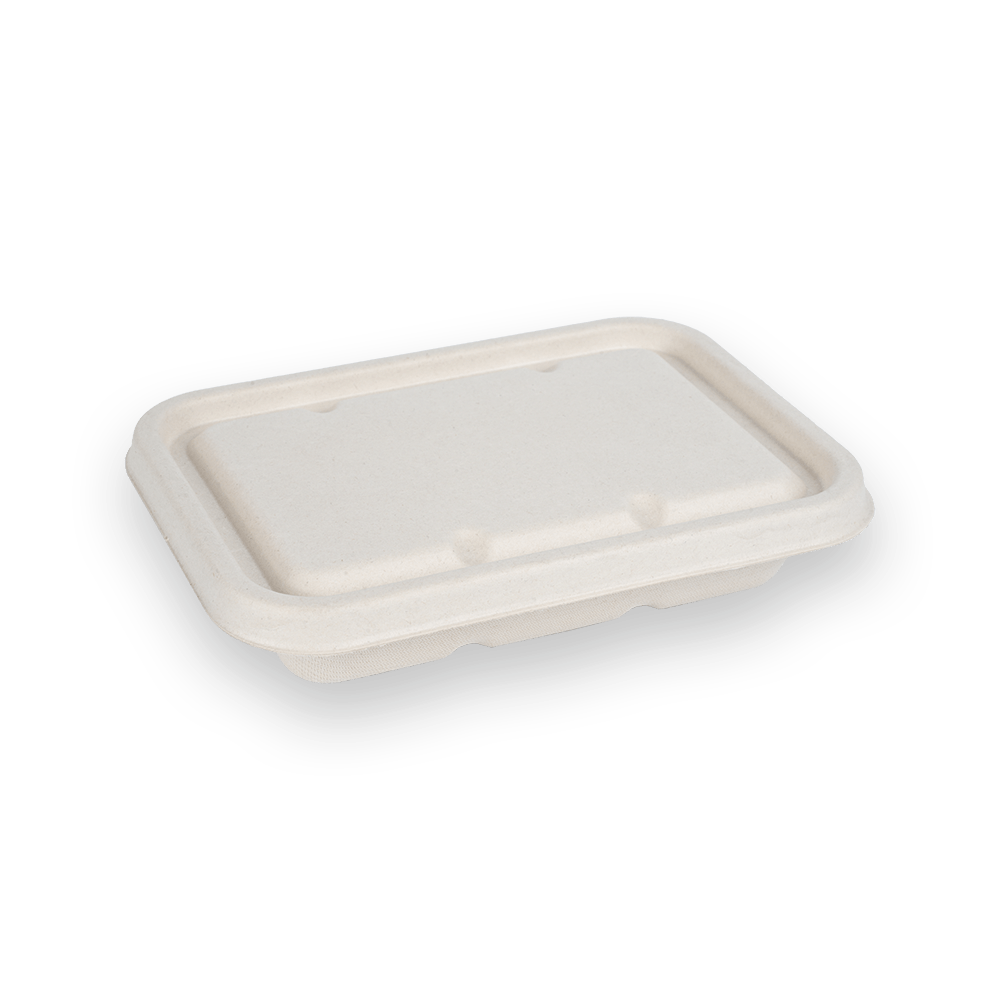

Zhong Xin Ecoware(Thailand) was registered on November 1, 2023, and officially began construction of the factory building in June 2024. At present, the first phase workshop of the factory has been fully completed and put into use. The second phase of the factory is being constructed intensively.
The landing and development of Zhong Xin in Thailand has brought a large amount of initial investment for land, factories, etc., and continuous operational investment for continuous equipment updates, technological upgrades, and capacity expansion.
Zhong Xin Ecoware(Thailand) has directly and indirectly created thousands of job opportunities, increased government revenue, promoted local economic development, cultivated local supply chains, provided systematic training for employees, improved the quality of local human capital, injected vitality into the local economy, enhanced industrial competitiveness, and ultimately improved residents' living standards.
Zhong Xin Ecoware(Thailand) actively collaborates with local pulp mills to explore new cooperation models for developing new products, improving production capacity and quality. At the same time, relying on Zhongxin's advanced production technology, process flow, management experience, and quality control system, it promotes the development of this industry in Thailand.
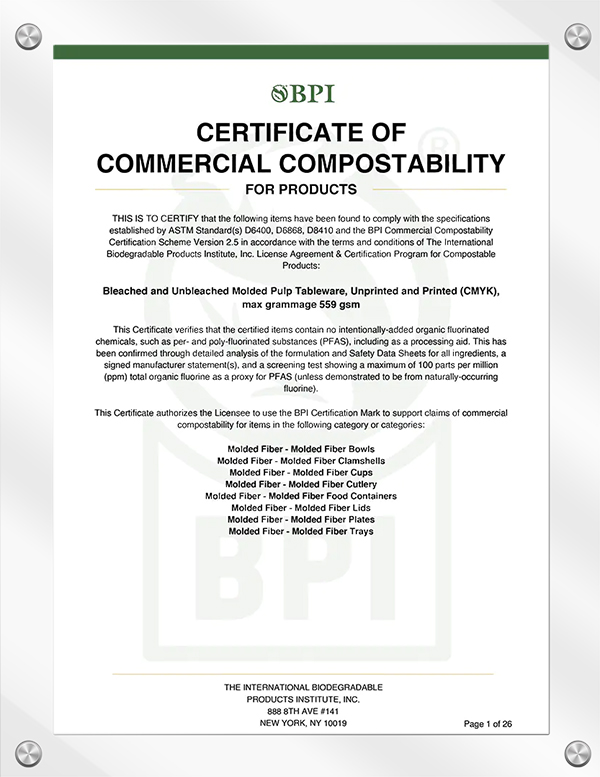
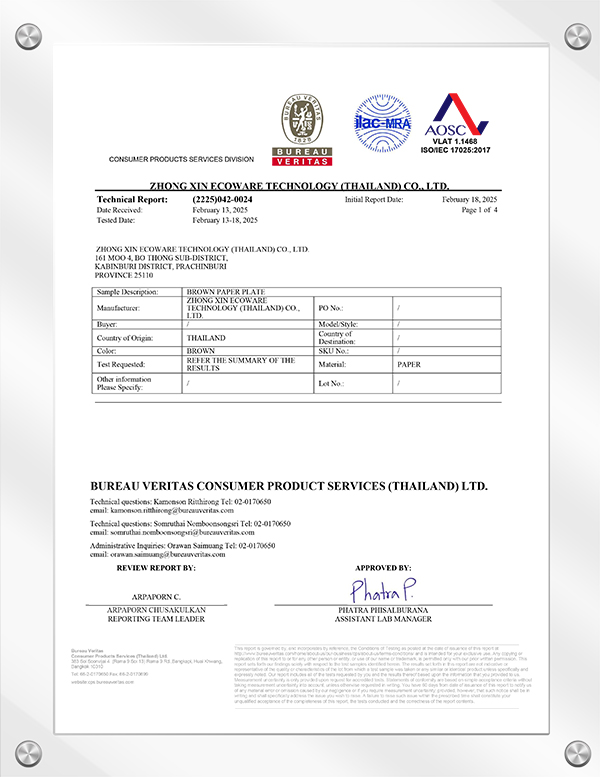
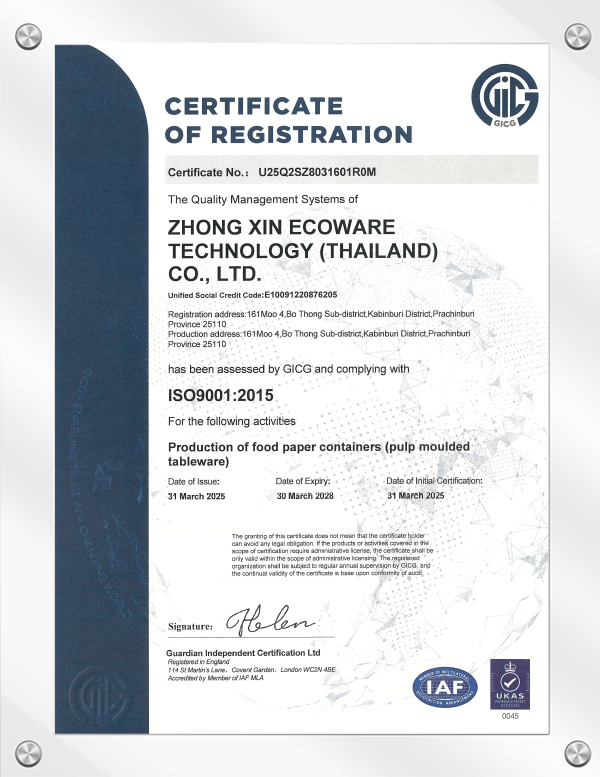

-
-
 +66-31240888
 -
 161 Village No. 4, Bo Thong Subdistrict Kabin Buri District Prachinburi Province 25110
-
Can Paper Packaging Meet Retail Shelf and Branding Requirements
Oct 23,2026
-
Bagasse Cups and Cup Lids: A Sourcing Guide for Foodservice and Takeaway Buyers
Oct 20,2026
-
How to Find Zhong Xin at the 140th Canton Fair: A Visitor Navigation Guide
Oct 16,2026
-
Thailand vs China Bagasse Tableware: 8 Comparisons Buyers Should Verify
Oct 16,2026
-
Will Takeout Containers Fit Your Existing Lids and Delivery Workflow
Oct 16,2026
-
What Is Bagasse Tableware? A 2026 Buyer Guide to Material, Performance and Documents
Oct 13,2026
-
Bagasse Tray Wholesale: How Bulk Buyers Cut Cost with Carton and Container Planning
Oct 09,2026
-
What Should a Bagasse Manufacturer Include in a Bulk Order Quote
Oct 09,2026
-
FOB, CIF or DDP? Incoterms for Bagasse Tableware Buyers Shipping from Thailand
Oct 06,2026
-
Packaging or Food Contact? Which EU Regime Applies to Bagasse Cups, Bowls, Plates and Cutlery
Oct 06,2026
-
Compostable Cutlery Sets for Private Label: 7 Sourcing Checks for Retail and Foodservice Buyers
Oct 06,2026
-
US vs EU Bagasse Tableware Imports: 8 Documentation and Compliance Checks Buyers Should Run
Oct 06,2026
Copyright © 2025 Zhong Xin Ecoware Technology ( Thailand ) CO., LTD.
All Rights Reserved.

Biodegradable Disposable Bagasse Tableware Manufacturer