-
 [email protected]
-
 +66-31240888



 English
 Español
 ไทย
ไทยAre Biodegradable Bowls Safe and Eco-Friendly?
Biodegradable bowls are increasingly used in food service as an alternative to plastic and non-degradable materials. They are typically made from natural fibers, such as sugarcane bagasse, bamboo, wheat bran, or cornstarch. Understanding their safety, decomposition process, and identification is essential for both consumers and businesses to make informed choices.
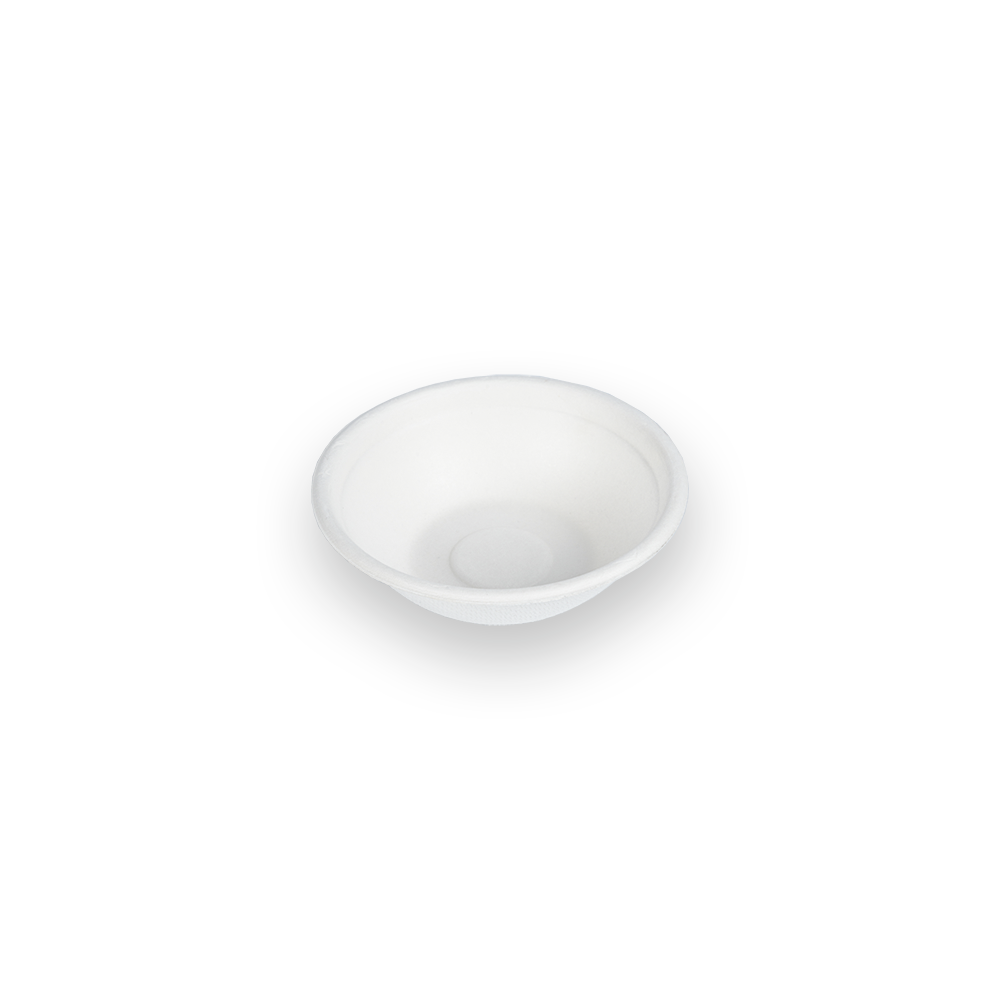
Are Biodegradable Bowls Safe for Food?
Food-Grade Materials
Biodegradable bowls are made from materials considered safe for direct contact with food. They are usually free from harmful chemicals such as BPA, phthalates, or heavy metals.
Heat Resistance
Many biodegradable bowls can withstand hot foods and liquids, though the temperature limit depends on the material. Bagasse and bamboo bowls are more heat-resistant than starch-based bowls.
No Odor or Taste Transfer
Properly manufactured biodegradable bowls do not impart any unusual flavors or odors to food, ensuring the quality of meals is maintained.
Compliance with Standards
Reputable manufacturers produce bowls that comply with food safety standards set by regulatory agencies, such as the FDA or EU food contact regulations.
Limitations
While safe for most foods, extremely oily, acidic, or hot liquids over extended periods may affect structural integrity, particularly for starch-based or molded fiber bowls.
By selecting certified biodegradable bowls, consumers and businesses can ensure food safety while reducing environmental impact.
How Long Do Biodegradable Bowls Take to Decompose?
Decomposition Time
The decomposition rate of biodegradable bowls varies depending on the material, environmental conditions, and whether industrial composting facilities are used.
- Natural Fiber Bowls: Bowls made from sugarcane bagasse, bamboo, or wheat bran typically decompose within 60 to 90 days under composting conditions.
- Starch-Based Bowls: Cornstarch or PLA (polylactic acid) bowls may take 3 to 6 months to break down in industrial composting environments.
- Home Composting: Some bowls may decompose more slowly in home compost piles due to lower temperatures and less controlled moisture. Time may extend to 6–12 months.
- Environmental Factors: Moisture, temperature, microbial activity, and exposure to sunlight all influence decomposition. Proper disposal in compost bins accelerates breakdown.
- Industrial Composting Facilities: These facilities maintain controlled heat and humidity, allowing most biodegradable bowls to break down completely within 90 days.
Understanding these factors helps ensure that biodegradable bowls fulfill their intended environmental benefits by returning to the soil efficiently.
How Do I Know if a Bowl Is Biodegradable?
Check the Label
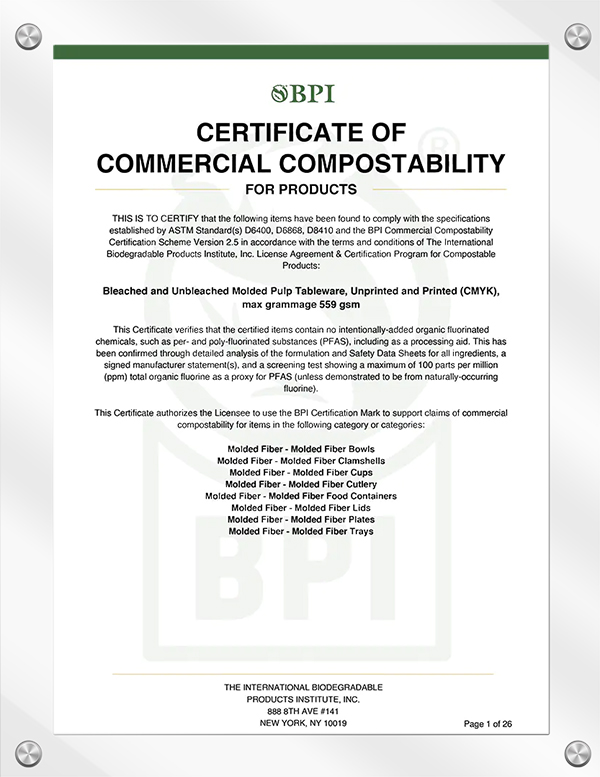
Look for terms such as “biodegradable,” “compostable,” or certification marks from recognized organizations, such as the Biodegradable Products Institute (BPI) or TUV Austria.
Material Identification
Common biodegradable materials include bagasse, bamboo, wheat bran, cornstarch, or PLA. Plastics labeled with recycling codes other than “PLA” or “PCL” are generally not biodegradable.
Certifications
Certified products often display logos indicating compliance with ASTM D6400, EN 13432, or ISO 17088 standards, which verify compostability and biodegradability.
Physical Characteristics
Biodegradable bowls are often thicker, matte, or textured compared to plastic. They may feel fibrous or slightly rough and are usually more rigid than standard disposable paper products.
Environmental Disposal Information
Instructions for composting or disposal are usually printed on packaging. Avoid bowls labeled for “recycling only” as these are not biodegradable.
By verifying labeling, material type, certifications, and physical characteristics, consumers can confidently identify truly biodegradable bowls and use them responsibly.
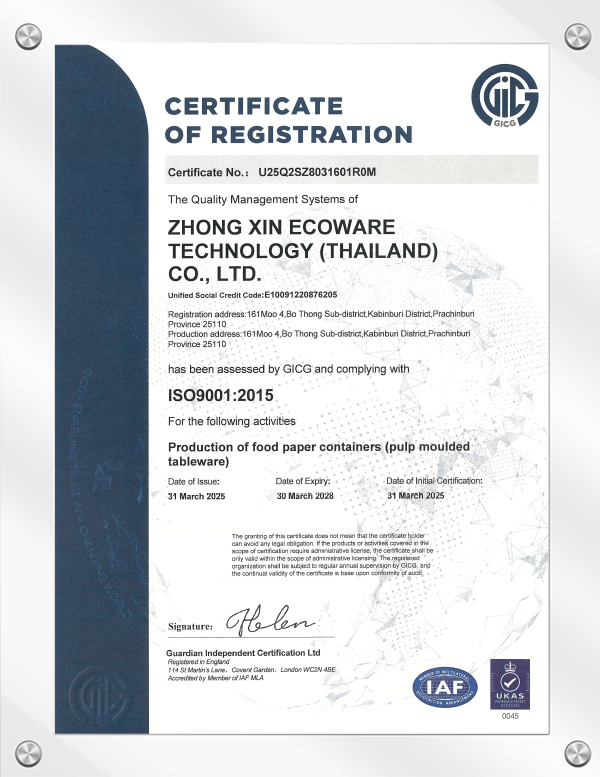
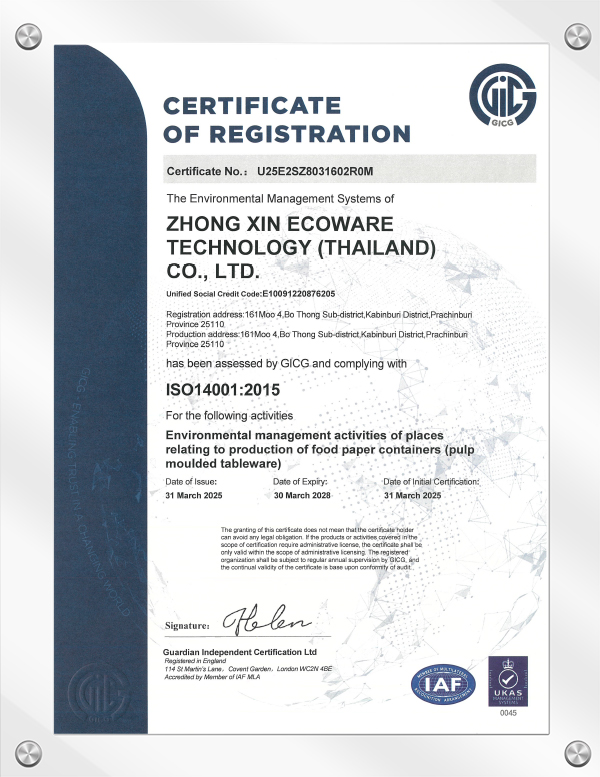
Zhong Xin Ecoware Technology (Thailand) Co., Ltd. supplies bagasse and molded fiber food packaging to importers, distributors and foodservice brands. For MOQ, pricing, samples and lead time, email info@fiber-product.com or use the contact form.
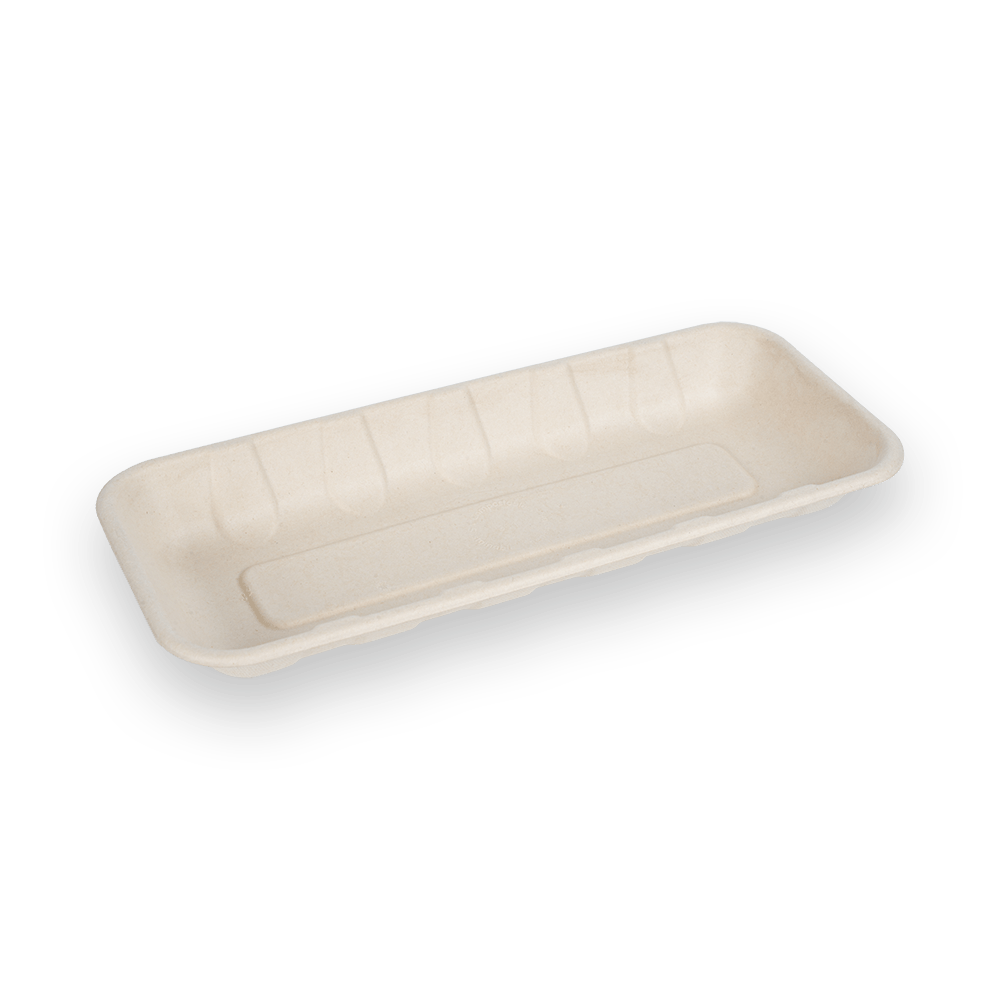
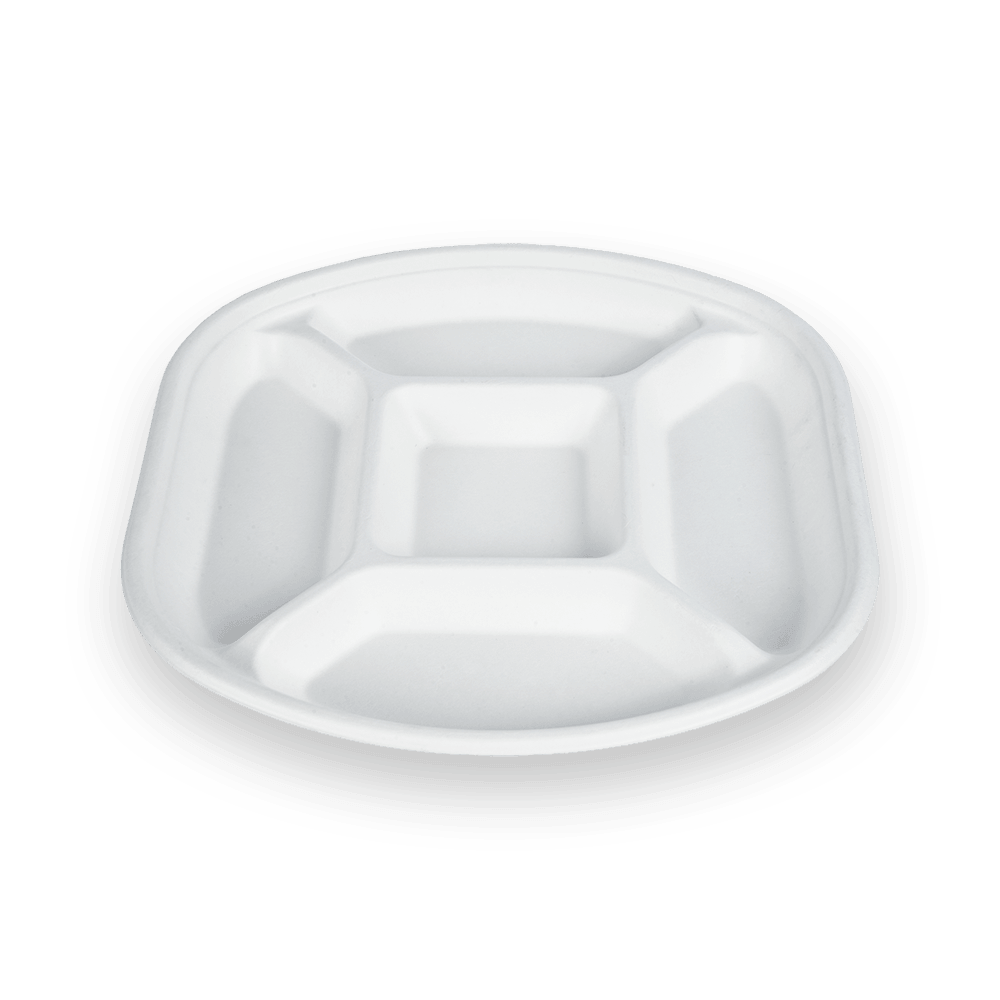

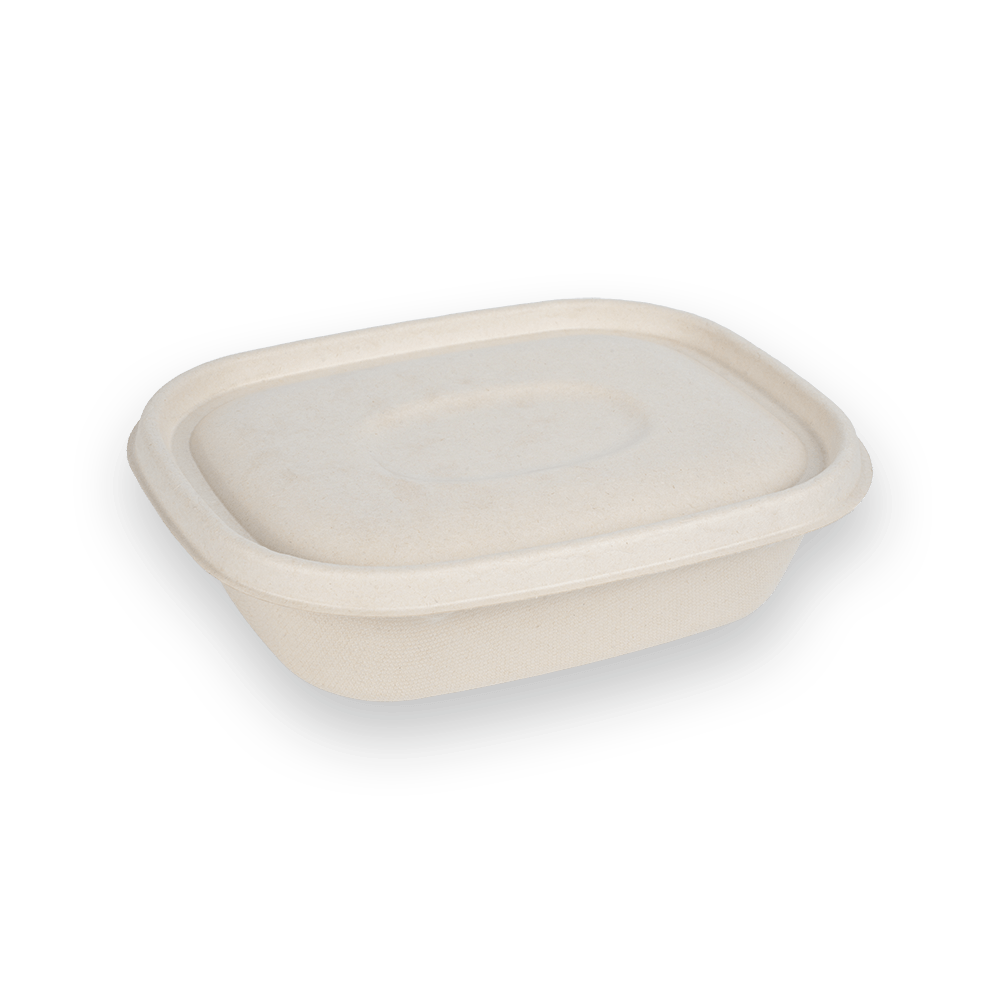

Zhong Xin Ecoware(Thailand) was registered on November 1, 2023, and officially began construction of the factory building in June 2024. At present, the first phase workshop of the factory has been fully completed and put into use. The second phase of the factory is being constructed intensively.
The landing and development of Zhong Xin in Thailand has brought a large amount of initial investment for land, factories, etc., and continuous operational investment for continuous equipment updates, technological upgrades, and capacity expansion.
Zhong Xin Ecoware(Thailand) has directly and indirectly created thousands of job opportunities, increased government revenue, promoted local economic development, cultivated local supply chains, provided systematic training for employees, improved the quality of local human capital, injected vitality into the local economy, enhanced industrial competitiveness, and ultimately improved residents' living standards.
Zhong Xin Ecoware(Thailand) actively collaborates with local pulp mills to explore new cooperation models for developing new products, improving production capacity and quality. At the same time, relying on Zhongxin's advanced production technology, process flow, management experience, and quality control system, it promotes the development of this industry in Thailand.

-
-
 +66-31240888
 -
 161 Village No. 4, Bo Thong Subdistrict Kabin Buri District Prachinburi Province 25110
-
Beyond Plates: Which Foods Suit Bagasse Tableware
Oct 02,2026
-
New Bagasse Tableware Lineup for 2026: What Is New and Where to See It
Sep 28,2026
-
How to Select Bagasse Clamshells for Burgers, Rice Meals and Fried Food
Sep 28,2026
-
Microwave Reheating: Is a Bagasse Lunch Box Suitable
Sep 25,2026
-
9 Inch Pizza Plates and Bagasse Pizza Boards: A Sourcing Guide for US and Canadian Distributors
Sep 19,2026
-
PFAS-Free & Compostability Verification: A Buyer's Checklist for Bagasse and Molded Fiber Packaging
Sep 19,2026
-
Bagasse vs PLA vs Molded Fiber: What Distributors Should Stock in 2026
Sep 19,2026
-
Can Sugarcane Plates Handle Hot, Greasy Foods
Sep 18,2026
-
Bagasse Tableware RFQ Template: Get a Comparable Thailand Factory Quote
Sep 14,2026
-
Are Takeaway Food Containers Ready for Saucy Meals
Sep 11,2026
-
7-Inch vs 9-Inch Bagasse Plates: Carton and 20GP Guide
Sep 07,2026
-
Will Bagasse Pulp Trays Sag Under Heavy Meals
Sep 04,2026
Copyright © 2025 Zhong Xin Ecoware Technology ( Thailand ) CO., LTD.
All Rights Reserved.

Biodegradable Disposable Bagasse Tableware Manufacturer