-
 [email protected]
-
 +66-31240888



 English
 Español
 ไทย
ไทยHow should I properly dispose of a biodegradable paper plate?
What exactly makes a paper plate "biodegradable" or "compostable"?
These terms are often used interchangeably but have important technical distinctions. A biodegradable product is one that can be broken down by microorganisms like bacteria and fungi into water, carbon dioxide, and biomass over time. However, this process can occur in various environments (like landfills) and may leave behind microplastics or toxins if the material includes certain additives.
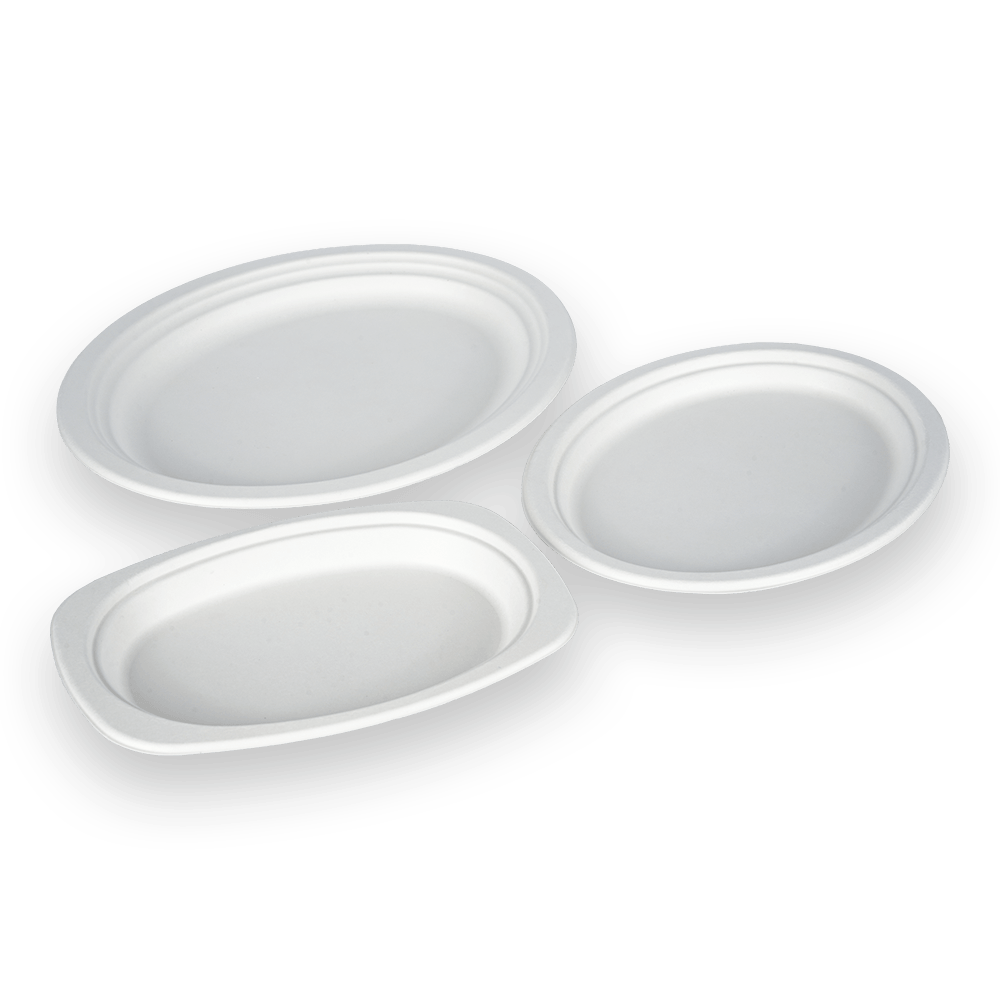
A certified compostable plate, a stronger claim, meets specific scientific standards (like ASTM D6400 or EN 13432). It is designed to break down completely within a set timeframe (usually 90-180 days) in a commercial composting facility, turning into nutrient-rich compost without leaving toxic residue. Most reputable 7-inch plates are made from materials like:
Bagasse: The fibrous pulp leftover from sugarcane processing.
Molded Pulp: Typically from recycled paper or bamboo.
PLA-lined Paper: A corn-based bioplastic coating for moisture resistance.
For the greatest environmental benefit, look for plates certified by organizations like the Biodegradable Products Institute (BPI).
Can these plates hold hot, wet, or greasy food without leaking or falling apart?
This is a primary practical concern. Performance varies significantly by material. Uncoated molded pulp or bagasse plates are porous and better for dry or cold foods like bread, pastries, or cake. For hot, wet, or oily foods (like pasta, grilled vegetables, or saucy dishes), you need a plate designed for durability.
Many 7-inch biodegradable plates achieve this with a thin, plant-based coating, often PLA (polylactic acid). This coating provides a effective barrier against grease and moisture for a practical mealtime duration—usually 1-2 hours. They can typically withstand temperatures up to 220°F (105°C). It is important to note that they are not designed for microwave reheating or prolonged exposure to boiling liquids, as this can compromise the material's integrity.
How should I properly dispose of a biodegradable paper plate?
Proper disposal is critical; otherwise, the environmental benefit is lost. The single important step is to follow local waste management guidelines. Here is a general hierarchy:
- Commercial Composting (Ideal): If your community offers "green bin" collection for food and yard waste that goes to an industrial composter, and your plate is certified compostable, dispose of it there. Remove large food scraps first.
- Home Composting (Variable): Only uncoated, plant-fiber plates (no PLA lining) will break down reliably in a backyard compost pile. The process will be slower than in an industrial facility.
- Landfill (Least Desirable): If no composting option exists, the plate must go in the trash. In an anaerobic landfill, even biodegradable materials break down very slowly and may produce methane.
Crucially, these plates should NOT be placed in standard recycling bins. They contaminate the paper recycling stream.
Are biodegradable plates truly better for the environment than plastic?
The answer is nuanced but generally leans toward "yes" when the full lifecycle and proper disposal are considered. The benefits include:
- Renewable Resources: They are made from annually renewable plants, not fossil fuels.
- Reduced Plastic Pollution: They avoid contributing to persistent microplastic pollution in oceans and soils.
- Circular Potential: When composted, they return nutrients to the soil, closing the loop.
However, their production still requires water, energy, and agricultural land. The key is the end-of-life phase. A composted plate has a lower net environmental impact than plastic (which is recycled at low rates). A biodegradable plate in a landfill offers little advantage. Therefore, their superiority is directly tied to access to appropriate composting infrastructure.
What should I look for when purchasing 7-inch biodegradable plates?
To ensure you are getting a quality, genuinely eco-friendly product, check for these indicators:
- Third-Party Certification: Look for seals like BPI, OK Compost HOME, or others that verify compostability claims.
- Material Description: Prefer plates made from agricultural by-products (like bagasse) over those requiring dedicated crops.
- Intended Use: Match the plate to your food type—choose coated or uncoated accordingly.
Brand Transparency: Reputable companies will clearly state what the plate is made from and how to dispose of it.
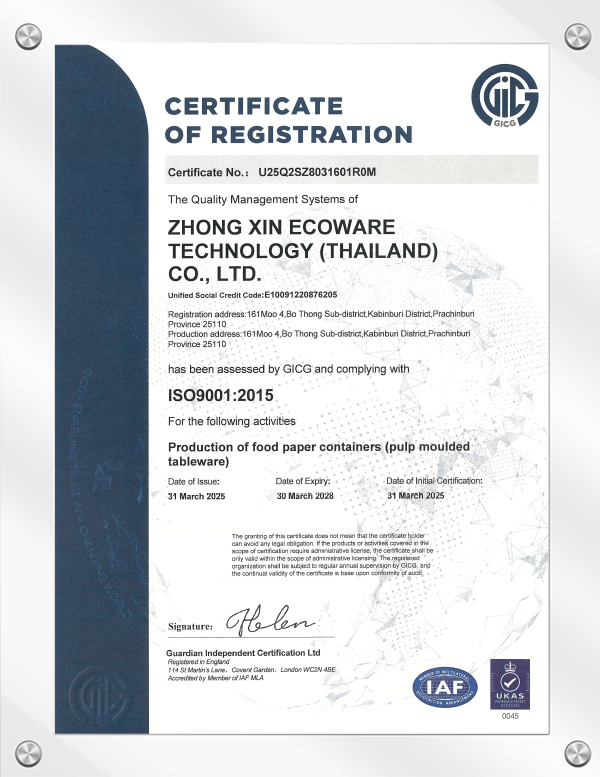
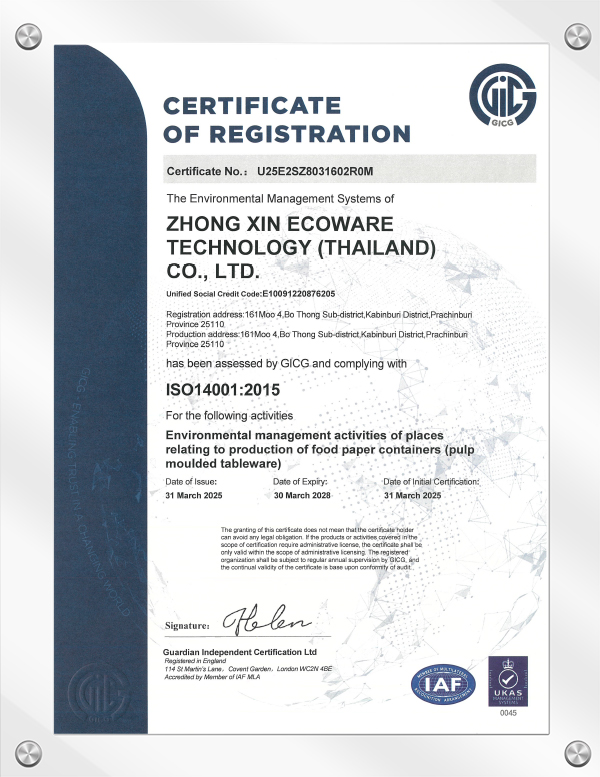
Zhong Xin Ecoware Technology (Thailand) Co., Ltd. supplies bagasse and molded fiber food packaging to importers, distributors and foodservice brands. For MOQ, pricing, samples and lead time, email info@fiber-product.com or use the contact form.
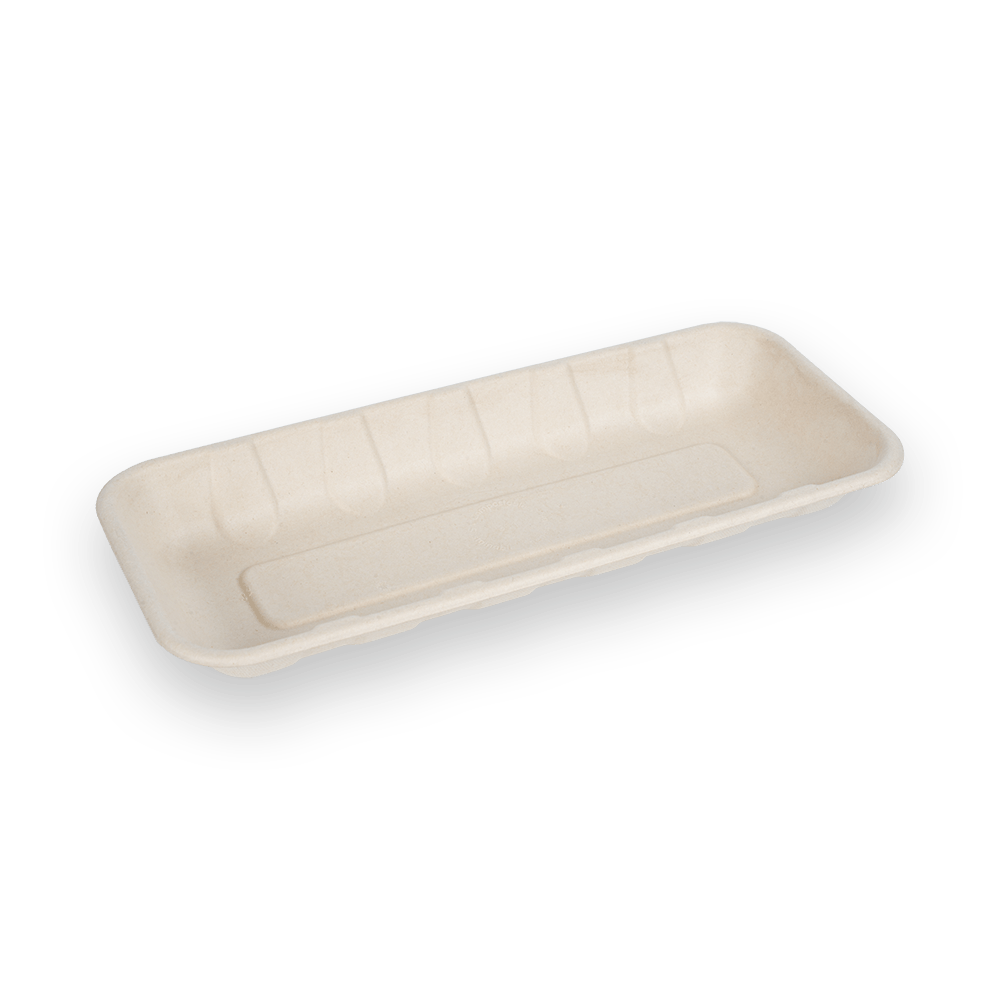
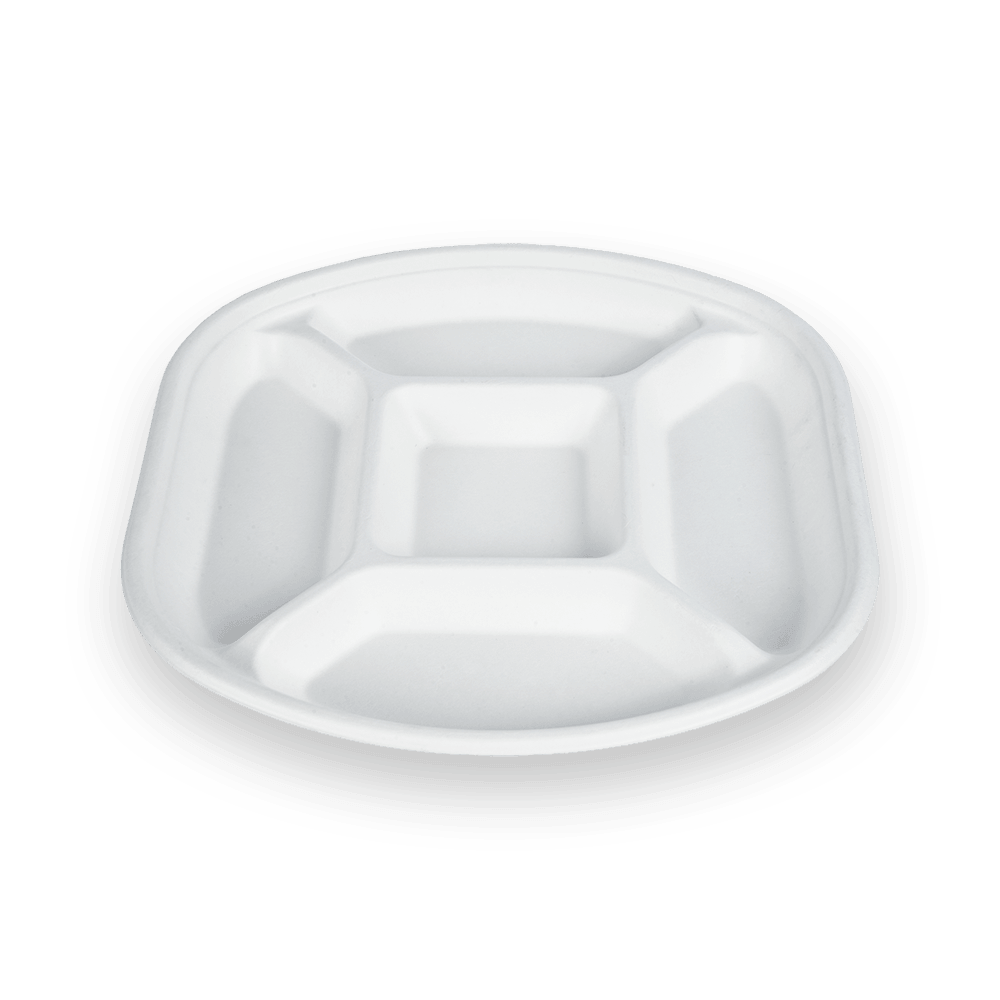

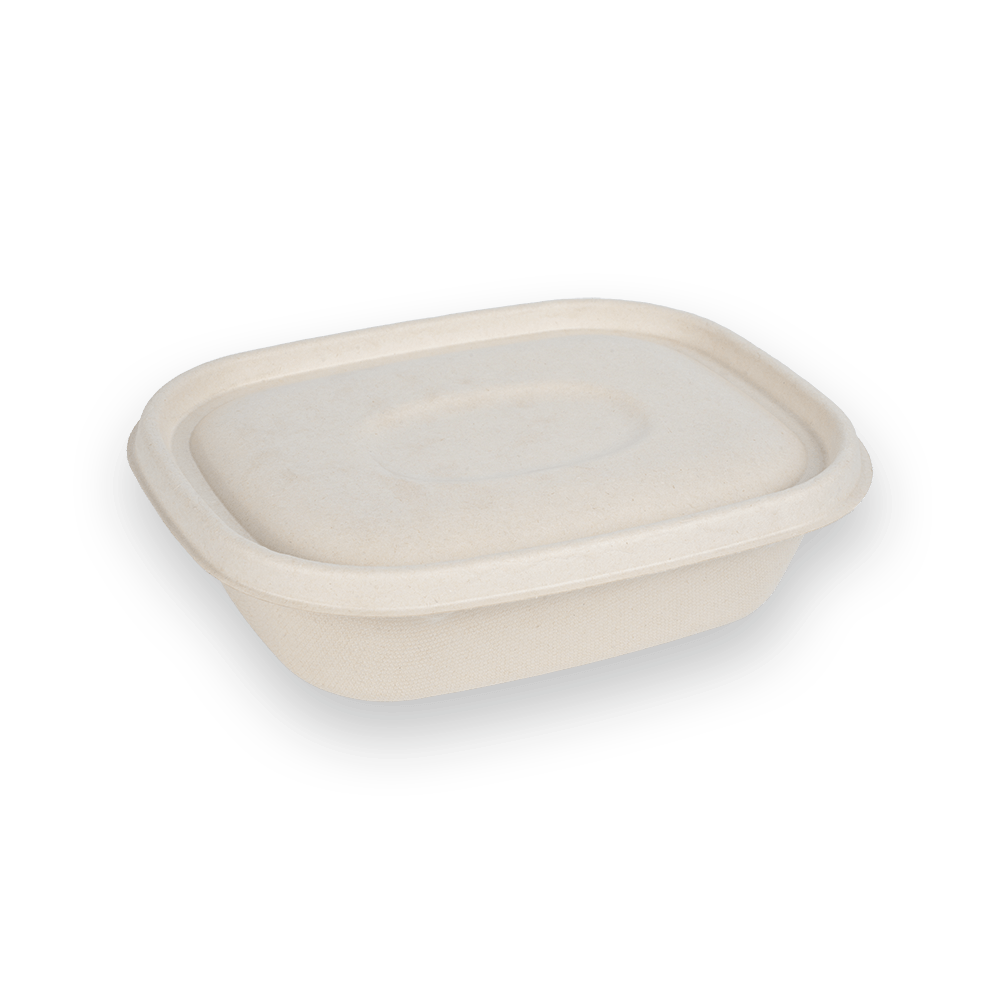
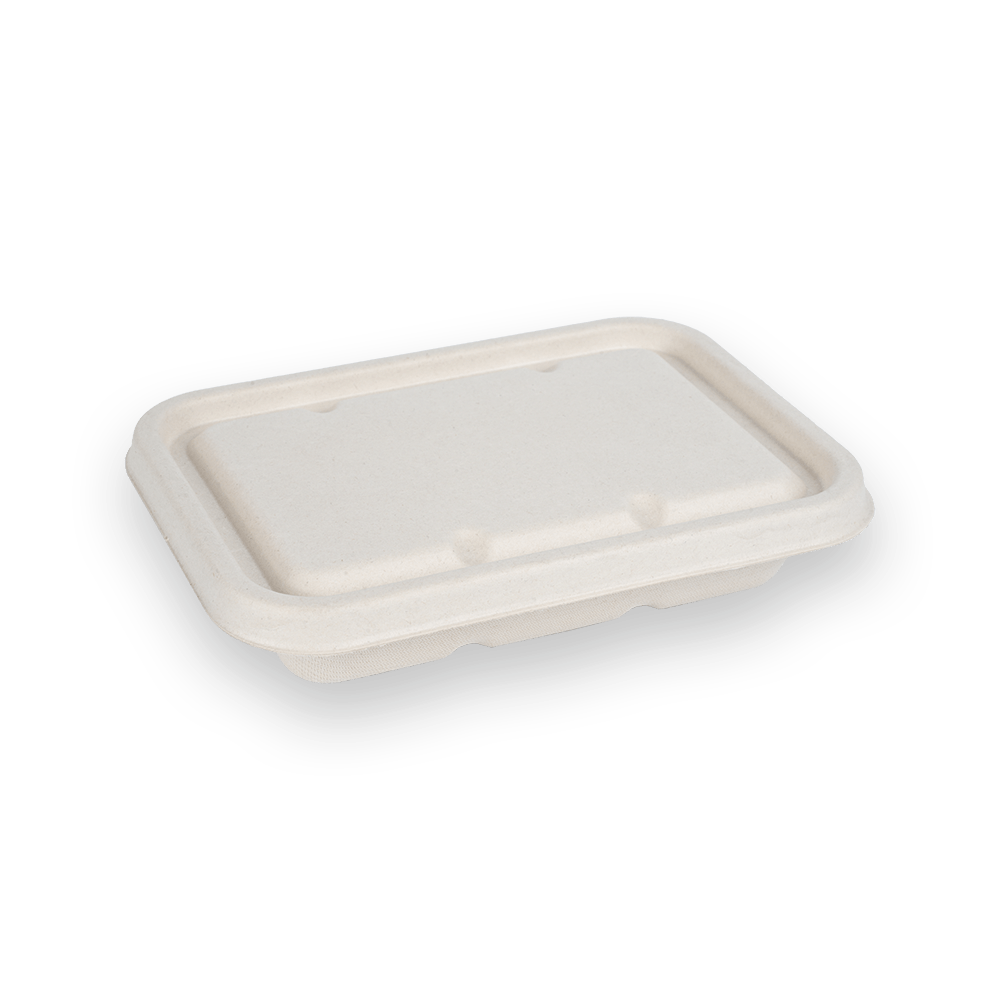

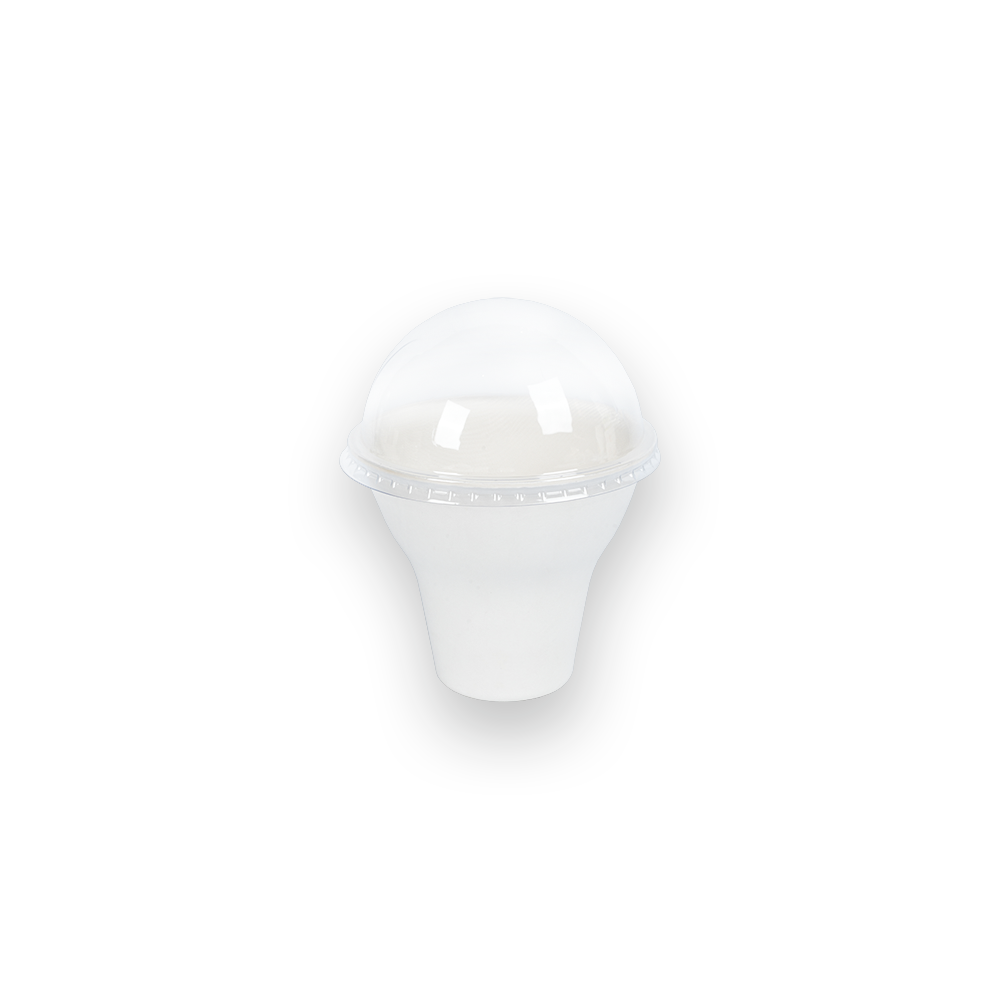
Zhong Xin Ecoware(Thailand) was registered on November 1, 2023, and officially began construction of the factory building in June 2024. At present, the first phase workshop of the factory has been fully completed and put into use. The second phase of the factory is being constructed intensively.
The landing and development of Zhong Xin in Thailand has brought a large amount of initial investment for land, factories, etc., and continuous operational investment for continuous equipment updates, technological upgrades, and capacity expansion.
Zhong Xin Ecoware(Thailand) has directly and indirectly created thousands of job opportunities, increased government revenue, promoted local economic development, cultivated local supply chains, provided systematic training for employees, improved the quality of local human capital, injected vitality into the local economy, enhanced industrial competitiveness, and ultimately improved residents' living standards.
Zhong Xin Ecoware(Thailand) actively collaborates with local pulp mills to explore new cooperation models for developing new products, improving production capacity and quality. At the same time, relying on Zhongxin's advanced production technology, process flow, management experience, and quality control system, it promotes the development of this industry in Thailand.
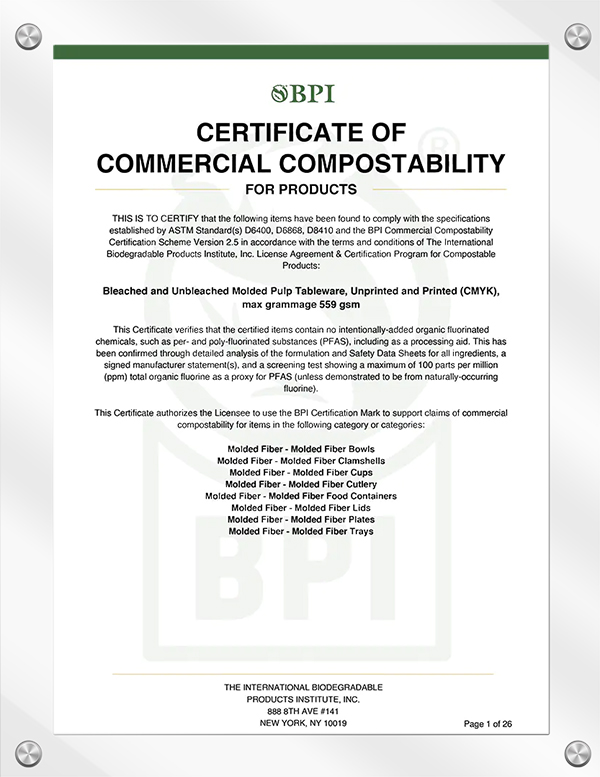
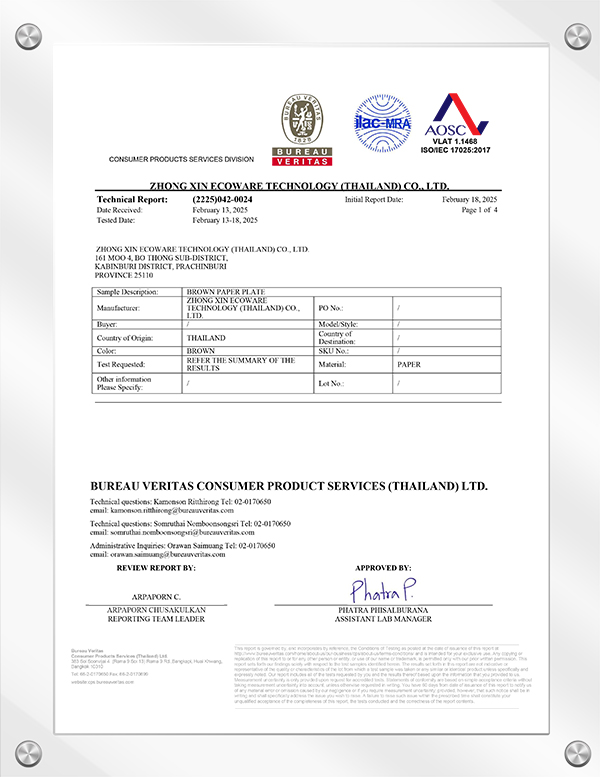

-
-
 +66-31240888
 -
 161 Village No. 4, Bo Thong Subdistrict Kabin Buri District Prachinburi Province 25110
-
Beyond Plates: Which Foods Suit Bagasse Tableware
Oct 02,2026
-
New Bagasse Tableware Lineup for 2026: What Is New and Where to See It
Sep 28,2026
-
How to Select Bagasse Clamshells for Burgers, Rice Meals and Fried Food
Sep 28,2026
-
Microwave Reheating: Is a Bagasse Lunch Box Suitable
Sep 25,2026
-
9 Inch Pizza Plates and Bagasse Pizza Boards: A Sourcing Guide for US and Canadian Distributors
Sep 19,2026
-
PFAS-Free & Compostability Verification: A Buyer's Checklist for Bagasse and Molded Fiber Packaging
Sep 19,2026
-
Bagasse vs PLA vs Molded Fiber: What Distributors Should Stock in 2026
Sep 19,2026
-
Can Sugarcane Plates Handle Hot, Greasy Foods
Sep 18,2026
-
Bagasse Tableware RFQ Template: Get a Comparable Thailand Factory Quote
Sep 14,2026
-
Are Takeaway Food Containers Ready for Saucy Meals
Sep 11,2026
-
7-Inch vs 9-Inch Bagasse Plates: Carton and 20GP Guide
Sep 07,2026
-
Will Bagasse Pulp Trays Sag Under Heavy Meals
Sep 04,2026
Copyright © 2025 Zhong Xin Ecoware Technology ( Thailand ) CO., LTD.
All Rights Reserved.

Biodegradable Disposable Bagasse Tableware Manufacturer