-
 [email protected]
-
 +66-31240888



 English
 Español
 ไทย
ไทยWhat Do People Want to Know About Disposable Paper Plates?
Disposable paper plates are single-use tableware used widely for casual dining, parties, picnics, and food service. They are typically made from paper or molded fiber and sometimes treated with coatings to provide moisture resistance. Because of their convenience and prevalence, consumers often have questions about safety, performance, and proper selection.
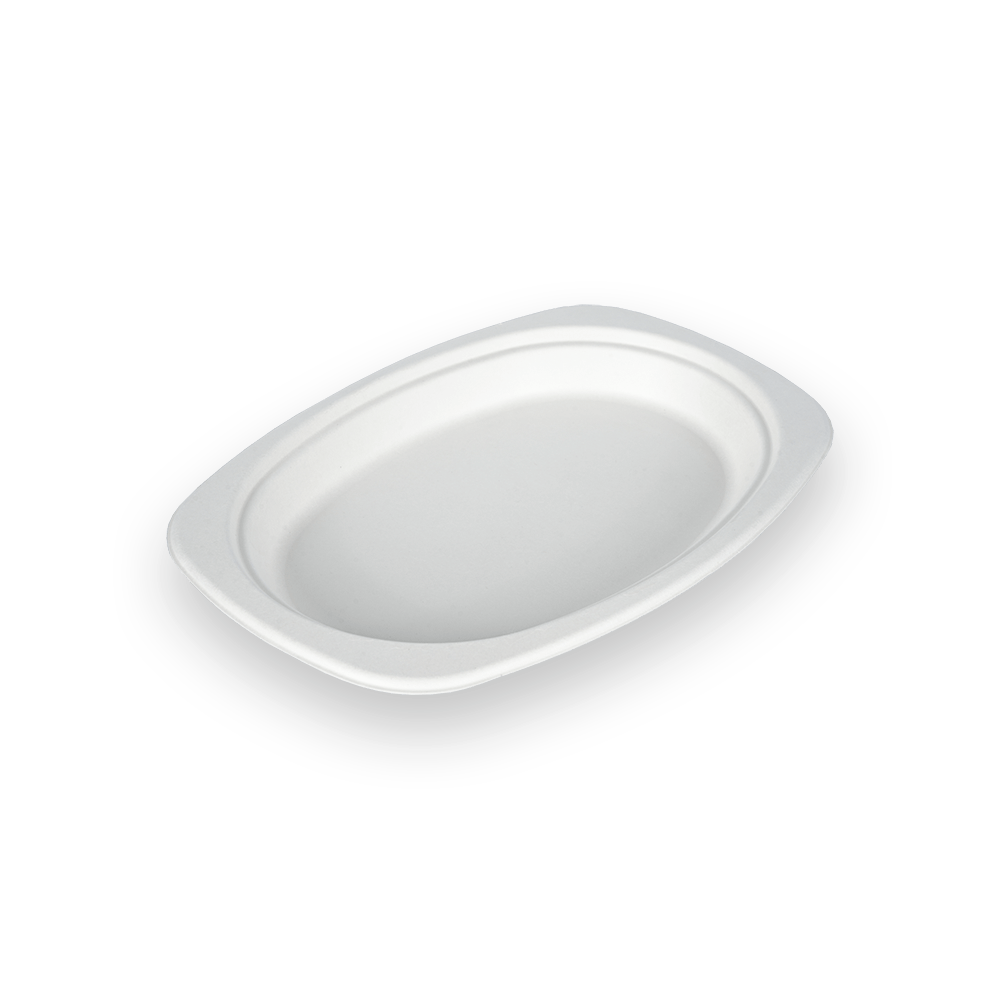
What Are Disposable Paper Plates Made Of?
Basic Materials
Disposable paper plates are generally made from paperboard derived from wood pulp. In many cases, this pulp is molded into shape and pressed to form a rigid plate surface. Some products use recycled paper content, while others use virgin pulp for added stiffness.
Coatings and Treatments
Many paper plates include coatings or treatments to resist water and grease. These coatings may be wax, plastic (such as polyethylene), or plant-based finishes designed to keep liquids from soaking the paper. Users should check packaging for specifics.
Certifications
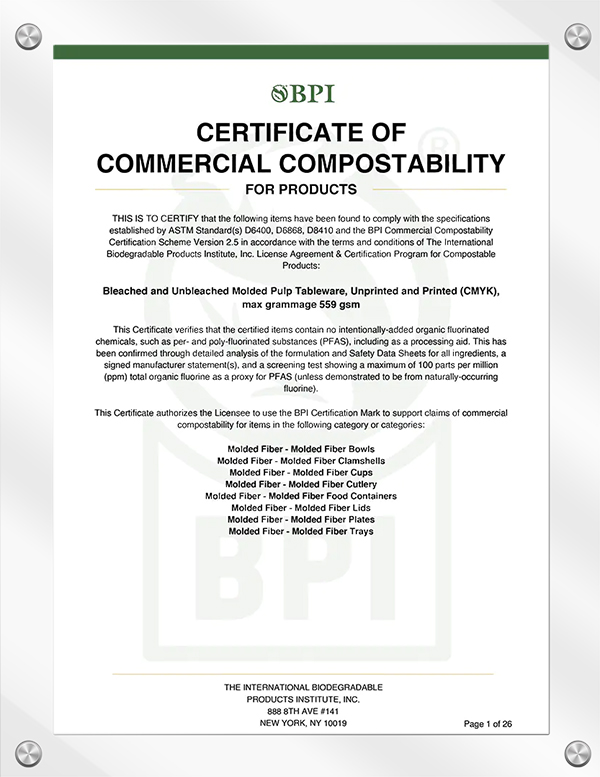
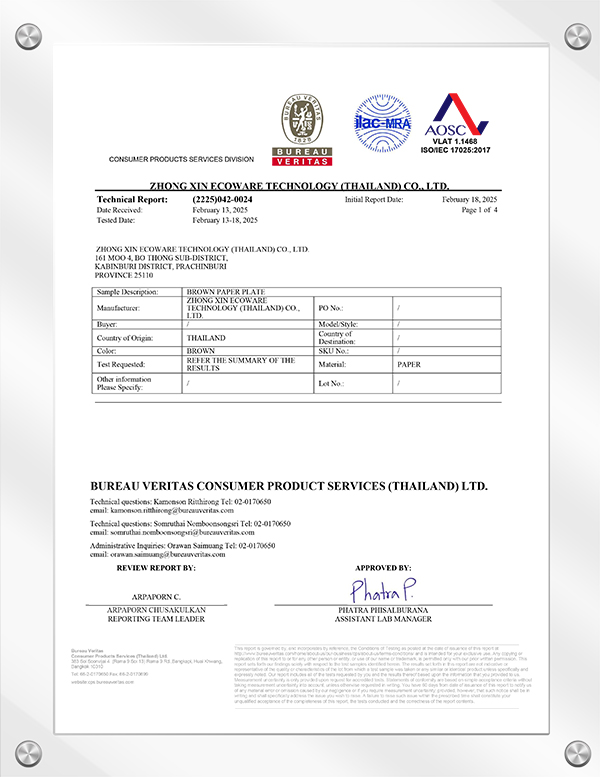
Some plates are labeled as compostable, biodegradable, or washing safe. Compostable options are manufactured to break down under controlled conditions in composting facilities. Certification by recognized bodies helps verify claims.
Heat Resistance
Not all disposable plates perform equally with hot food. Certain materials like sugarcane fiber (bagasse) have higher heat tolerance, while coated paper plates may weaken or release substances if exposed to high temperatures. Labels often indicate microwave suitability.
Understanding the composition helps consumers select plates that suit the intended food type and disposal method, whether recyclable, compostable, or standard single-use.
What Safety Considerations Should I Know About Using Disposable Paper Plates?
Food Contact Materials
Disposable paper plates are generally safe for serving food, but some products use PFAS or plastic coatings for grease and water resistance. Research indicates PFAS chemicals can persist in the body and environment and may have health implications with repeated exposure.
Heat Exposure
Plates not labeled microwave safe may weaken or warp when heated. Coatings can melt or leach substances into food at high temperatures, especially in ovens or prolonged microwave cycles. Always check manufacturer instructions.
Chemical Exposure
Some disposable products may contain adhesives, inks, or additives not intended for direct and prolonged contact with hot or acidic foods. Labels indicating “food grade” or “compostable under standard conditions” provide guidance on safe use.
Environmental Impact
Although not a direct safety concern for food, improper disposal contributes to waste accumulation. Compostable or biodegradable options disposed of in appropriate systems reduce landfill impact.
By choosing plates with clear safety labeling and using them according to instructions, consumers can reduce unwanted exposure to substances and align use with health and environmental practices.
Are Disposable Paper Plates Good for Hot or Cold Food?
|
Temperature Range |
Typical Suitability |
Notes |
|
Cold Foods |
Suitable |
Most paper plates perform well with cold items such as salads or desserts. |
|
Warm Foods |
Usually Acceptable |
Warm (not boiling) meats and sides are generally handled if plates are labeled “microwave-safe.” |
|
Hot/Boiling Foods |
Use Caution |
Very hot soups or stews may weaken some plates or interact with coatings. |
|
Microwave Use |
Varies |
Only plates labeled microwave safe should be used; some coatings may not tolerate microwaving. |
|
Oven Use |
Not Recommended |
Most paper plates are not suitable for ovens due to fire and breakdown risks. |
This table helps users match plate type with food temperature, reducing the risk of structural failure or chemical interaction during service.
Why Do People Choose Disposable Paper Plates?
Convenience for large gatherings or quick meals
Reduced cleanup effort, especially in outdoor or high-traffic settings
Availability of compostable or recyclable options with appropriate disposal
Variety of designs and sizes for different occasions
While opinions on frequent everyday use vary, disposable paper plates remain common for events, parties, and situations where ease of use is a priority.
How Should I Dispose of Disposable Paper Plates?
Proper disposal depends on the material and local waste management systems. Plates made from untreated paper or labeled compostable can often go into compost bins or organic waste streams. Plates with plastic or wax coatings may need to be disposed of as general waste unless local recycling infrastructure accepts them. Clear labeling and local guidelines help determine the correct disposal route.
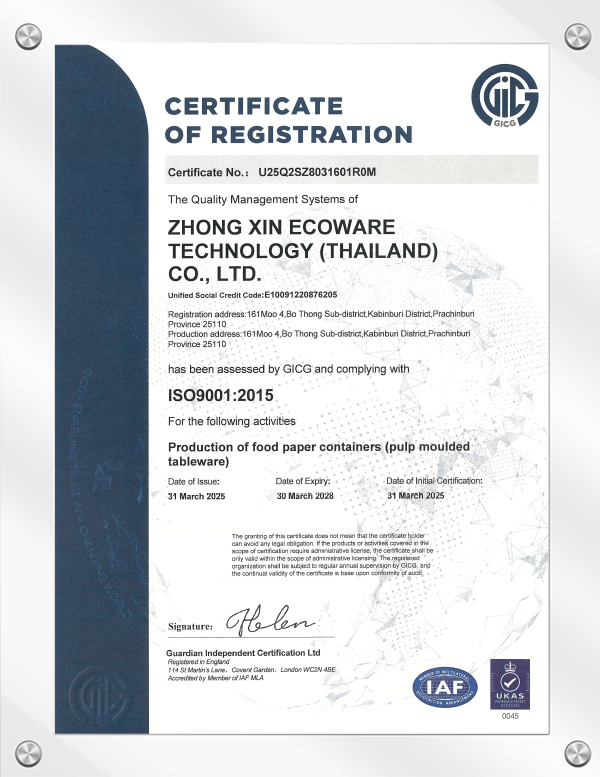
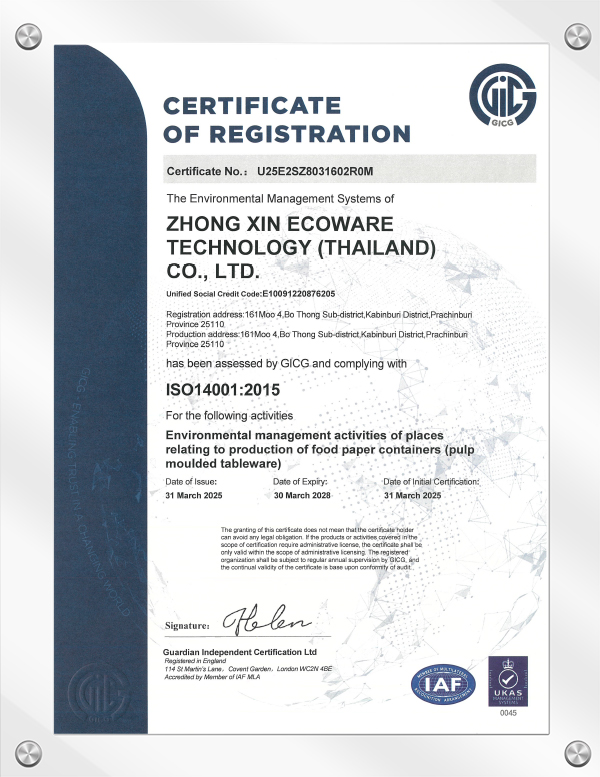
Zhong Xin Ecoware Technology (Thailand) Co., Ltd. supplies bagasse and molded fiber food packaging to importers, distributors and foodservice brands. For MOQ, pricing, samples and lead time, email info@fiber-product.com or use the contact form.
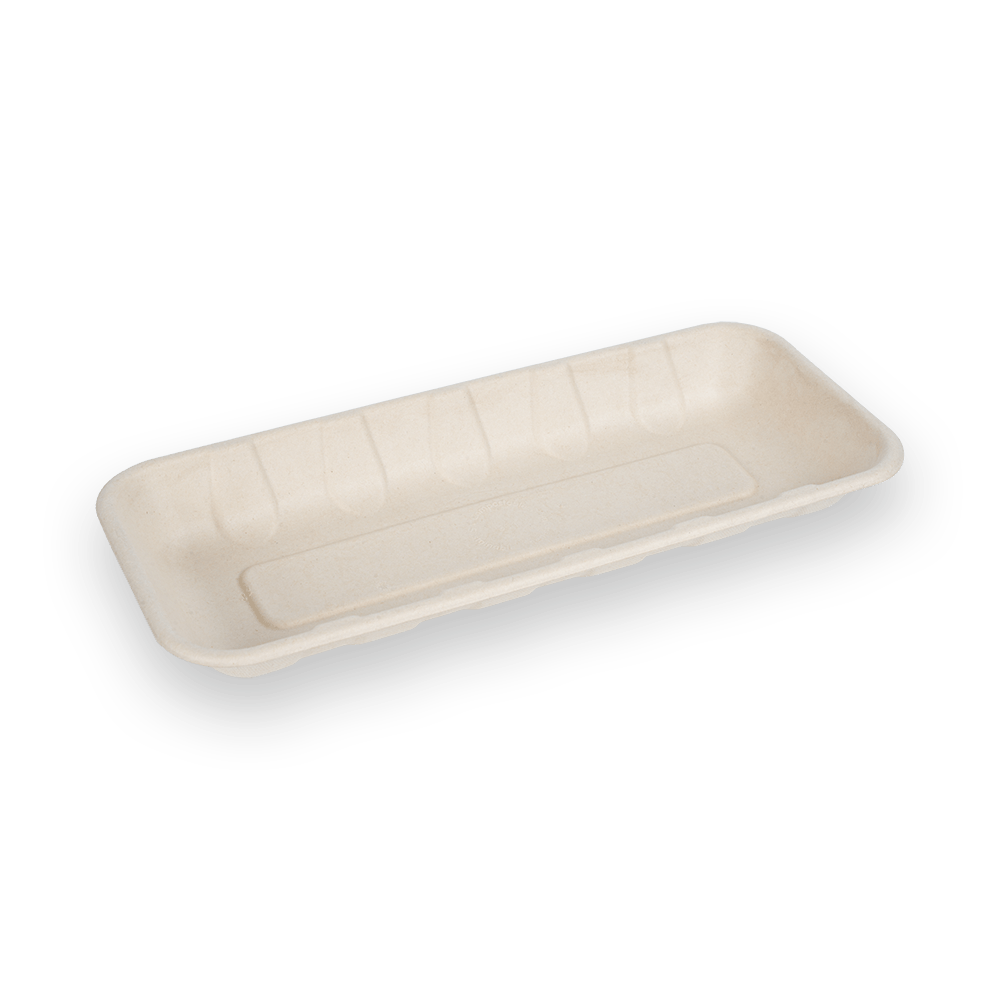
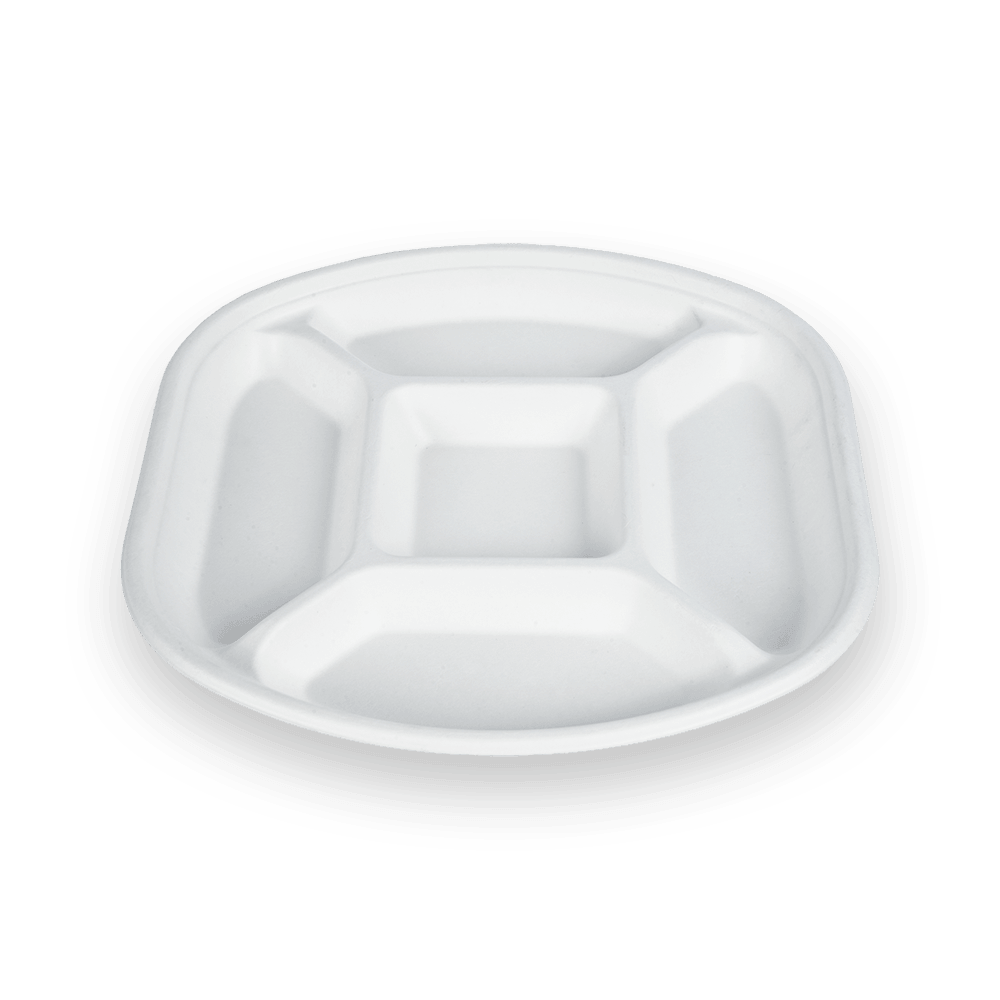

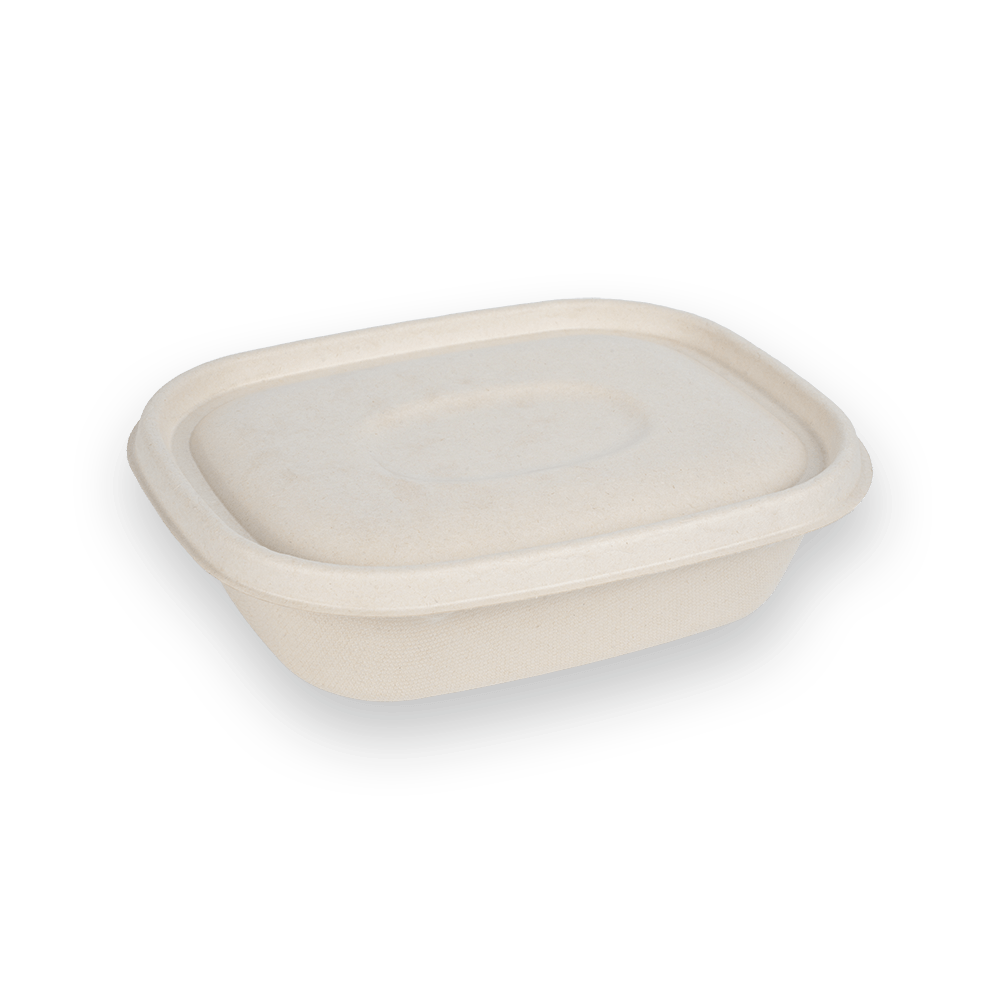

Zhong Xin Ecoware(Thailand) was registered on November 1, 2023, and officially began construction of the factory building in June 2024. At present, the first phase workshop of the factory has been fully completed and put into use. The second phase of the factory is being constructed intensively.
The landing and development of Zhong Xin in Thailand has brought a large amount of initial investment for land, factories, etc., and continuous operational investment for continuous equipment updates, technological upgrades, and capacity expansion.
Zhong Xin Ecoware(Thailand) has directly and indirectly created thousands of job opportunities, increased government revenue, promoted local economic development, cultivated local supply chains, provided systematic training for employees, improved the quality of local human capital, injected vitality into the local economy, enhanced industrial competitiveness, and ultimately improved residents' living standards.
Zhong Xin Ecoware(Thailand) actively collaborates with local pulp mills to explore new cooperation models for developing new products, improving production capacity and quality. At the same time, relying on Zhongxin's advanced production technology, process flow, management experience, and quality control system, it promotes the development of this industry in Thailand.

-
-
 +66-31240888
 -
 161 Village No. 4, Bo Thong Subdistrict Kabin Buri District Prachinburi Province 25110
-
Compostable Cutlery Sets for Private Label: 7 Sourcing Checks for Retail and Foodservice Buyers
Oct 06,2026
-
US vs EU Bagasse Tableware Imports: 8 Documentation and Compliance Checks Buyers Should Run
Oct 06,2026
-
How to Prepare a Bagasse Tableware Import: 10 Readiness Checks for US and EU Buyers
Oct 06,2026
-
Beyond Plates: Which Foods Suit Bagasse Tableware
Oct 02,2026
-
New Bagasse Tableware Lineup for 2026: What Is New and Where to See It
Sep 28,2026
-
How to Select Bagasse Clamshells for Burgers, Rice Meals and Fried Food
Sep 28,2026
-
Microwave Reheating: Is a Bagasse Lunch Box Suitable
Sep 25,2026
-
9 Inch Pizza Plates and Bagasse Pizza Boards: A Sourcing Guide for US and Canadian Distributors
Sep 19,2026
-
PFAS-Free & Compostability Verification: A Buyer's Checklist for Bagasse and Molded Fiber Packaging
Sep 19,2026
-
Bagasse vs PLA vs Molded Fiber: What Distributors Should Stock in 2026
Sep 19,2026
-
Can Sugarcane Plates Handle Hot, Greasy Foods
Sep 18,2026
-
Bagasse Tableware RFQ Template: Get a Comparable Thailand Factory Quote
Sep 14,2026
Copyright © 2025 Zhong Xin Ecoware Technology ( Thailand ) CO., LTD.
All Rights Reserved.

Biodegradable Disposable Bagasse Tableware Manufacturer