-
 [email protected]
-
 +66-31240888



 English
 Español
 ไทย
ไทยThe Sustainable Shift: Understanding Biodegradable Clamshell Containers
Materials Used in Biodegradable Clamshells
Biodegradable clamshells are not made from a single material but from a range of substances, each derived from different sources and possessing distinct properties. The primary categories are bioplastics and molded fiber.
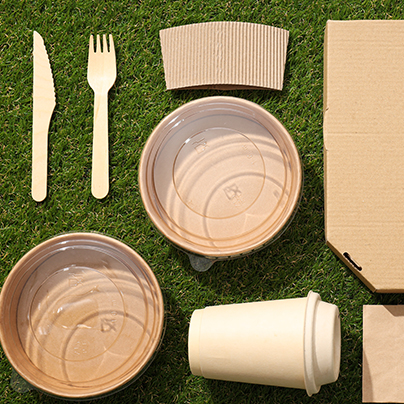
Polylactic Acid (PLA)
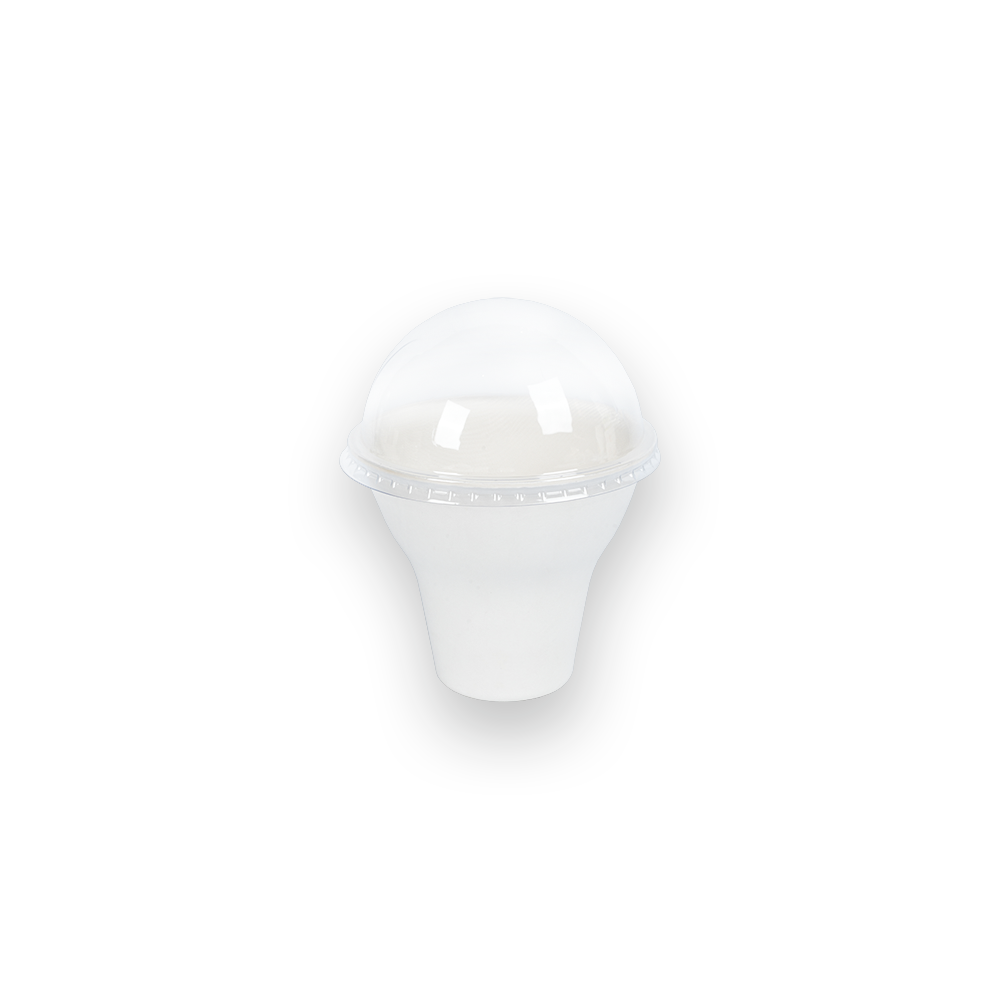
PLA is currently one of the most common materials for clear biodegradable clamshells. It is a polyester produced through the fermentation of renewable resources, most commonly corn starch, sugarcane, or tapioca roots. The starch is converted into sugars, fermented into lactic acid, and then polymerized into PLA resin. This material is transparent and can be processed on similar equipment as traditional plastics, making it a relatively straightforward replacement for clear PET or polystyrene clamshells. PLA requires specific conditions to biodegrade effectively, typically in commercial composting facilities with high heat and humidity. It will not break down quickly in a home compost pile or a landfill.
Molded Pulp and Fiber
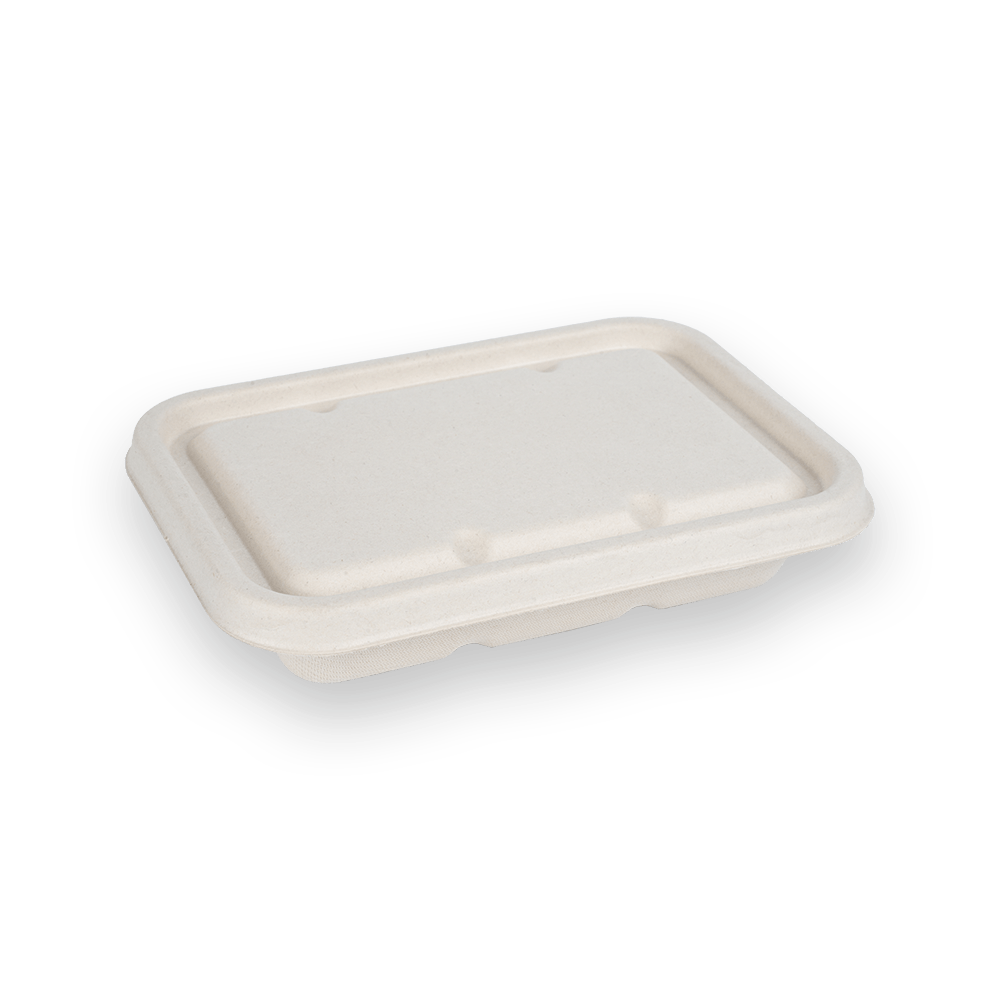
For opaque, often more rigid clamshells, molded pulp is a common material. This is produced by recycling paper, cardboard, or other natural fibers like sugarcane bagasse (the dry pulpy residue left after extracting juice from sugarcane) or wheat straw. The fibers are mixed with water to form a slurry, which is then pressed and molded into shape using heated dies. The resulting containers are typically off-white or brown and have a textured, paper-like feel. They are compostable and can often break down in home composting systems. Molded fiber clamshells are widely used for takeout containers, egg cartons, and protective packaging for consumer goods.
Other Biodegradable Polymers
Beyond PLA, other biopolymers are entering the market. Polyhydroxyalkanoates (PHAs) are a family of polyesters produced directly by bacterial fermentation of sugars or lipids. PHAs are biodegradable in various environments, including soil and marine settings, offering versatility beyond PLA. However, they are currently more expensive to produce. Another material is PBAT (polybutylene adipate terephthalate), a biodegradable synthetic polymer often blended with PLA or starch to improve flexibility and compostability. Blends of different biopolymers and natural fibers are also common, aiming to balance cost, performance, and environmental credentials.
Starch-Based Materials
Thermoplastic starch (TPS) is another material used, often in blends. It is produced by processing starch (from corn, potato, or other sources) with plasticizers to make it flow and form like a plastic. Pure starch-based materials are often water-sensitive and may be blended with other biodegradable polyesters for improved performance and moisture resistance. These materials are used for some types of disposable food service items.
Performance of Biodegradable Clamshells in Microwaves and Freezers
The ability of a biodegradable clamshell to withstand temperature extremes depends entirely on the specific material from which it is made. Performance varies significantly between different types.
PLA (Polylactic Acid):
Freezer Performance: PLA generally performs well in freezer conditions. It remains stable at typical freezer temperatures (around -20°C or 0°F) and is suitable for storing cold or frozen foods.
Microwave Performance: PLA is not suitable for microwave use. It has a relatively low glass transition temperature, typically around 40-45°C (104-113°F). At temperatures above this, PLA will soften, warp, and lose its shape. Using a PLA clamshell in a microwave will likely result in a deformed container and potential leakage.
Molded Pulp and Fiber (Bagasse, Recycled Paper):
Freezer Performance: Molded fiber containers can generally be used in the freezer. They are stable at low temperatures. However, because they are made of natural fibers, they can absorb moisture. If the food inside has high water content, the container may become soggy upon thawing as ice crystals melt.
Microwave Performance: Molded fiber containers are typically microwave-safe for limited durations. They can withstand moderate heat. The primary concern is not the material melting (like PLA) but the potential for the food to cause localized hot spots and for the container to become very hot to the touch. They are not suitable for prolonged high-heat cooking but are adequate for reheating leftovers for a few minutes.
PHA and Other High-Heat Bioplastics:
Freezer Performance: These materials are generally freezer-safe, similar to PLA.
Microwave Performance: Some advanced bioplastics, particularly certain PHAs and blends, are engineered with higher heat resistance and may be microwave-safe. This is material-specific, and the packaging should be clearly labeled if this is the case.
Starch-Based Materials:
Freezer Performance: They can be used in freezers but may become brittle at very low temperatures, depending on the formulation.
Microwave Performance: Pure starch materials are generally not microwave-safe, as they can absorb moisture and break down. Blends with other polymers may have different characteristics.
Cost Comparison: Biodegradable vs. Traditional Plastic Clamshells
The question of cost is central to the adoption of biodegradable packaging. In general, biodegradable clamshells are more expensive than their traditional petroleum-based counterparts, though the price gap has been narrowing and is influenced by multiple factors.
Raw Material Costs
The base resins for traditional plastics like PET and polystyrene are commodities derived from oil and natural gas. Their production is highly optimized and scaled, resulting in relatively low material costs. Biopolymers like PLA, while produced from renewable resources, are manufactured at a smaller global scale. The fermentation and polymerization processes are more complex and energy-intensive than those for conventional plastics, contributing to a higher base resin price. Molded fiber materials, being made from recycled paper or agricultural waste, have a different cost structure. While the raw fibers can be inexpensive, the processing, pulping, and molding equipment requires significant energy, and the lower production speeds compared to plastic thermoforming can increase unit costs.
Manufacturing and Processing Considerations
Many biodegradable plastics, particularly PLA, can be processed on existing thermoforming equipment with some adjustments, which can mitigate conversion costs. However, they often require tighter temperature controls and slower cycle times, which can reduce overall production efficiency and increase per-unit costs. Molded fiber production is a distinct process from plastic thermoforming, requiring specialized molding machinery. While highly automated, it generally has a slower throughput than plastic forming, contributing to higher costs, especially for complex shapes.
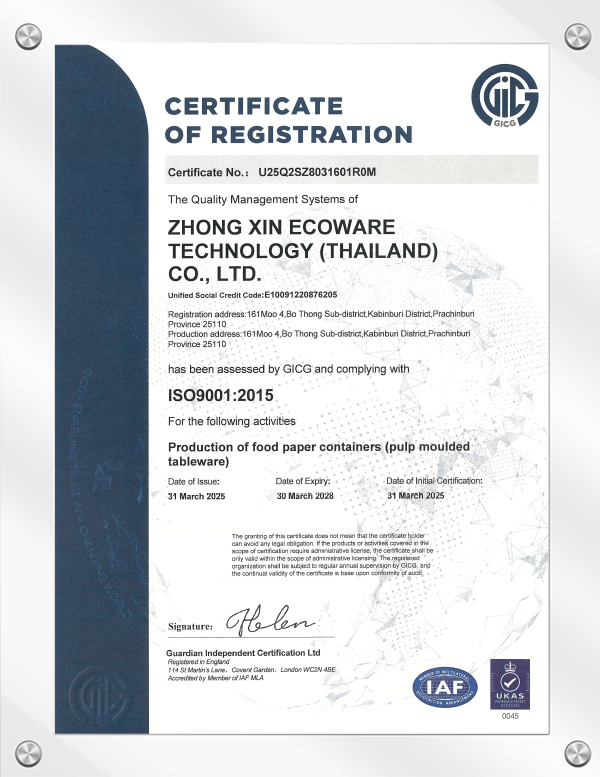
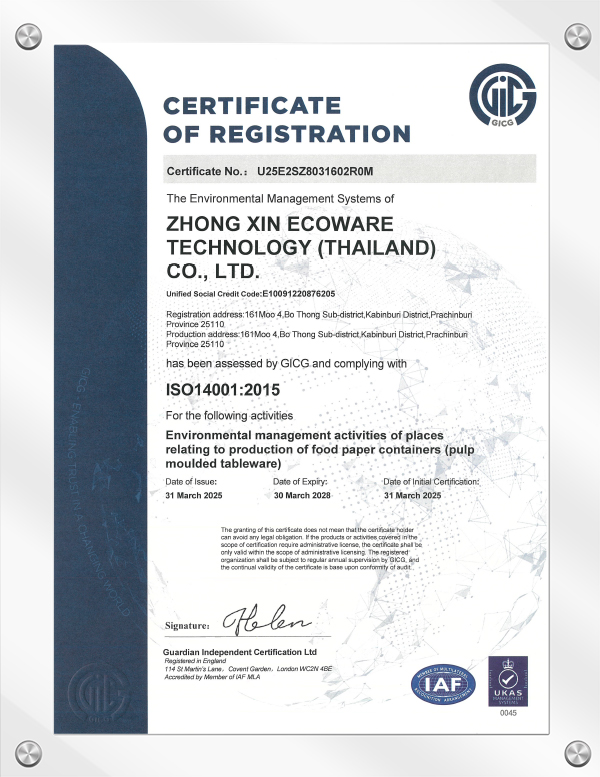
Zhong Xin Ecoware Technology (Thailand) Co., Ltd. supplies bagasse and molded fiber food packaging to importers, distributors and foodservice brands. For MOQ, pricing, samples and lead time, email info@fiber-product.com or use the contact form.
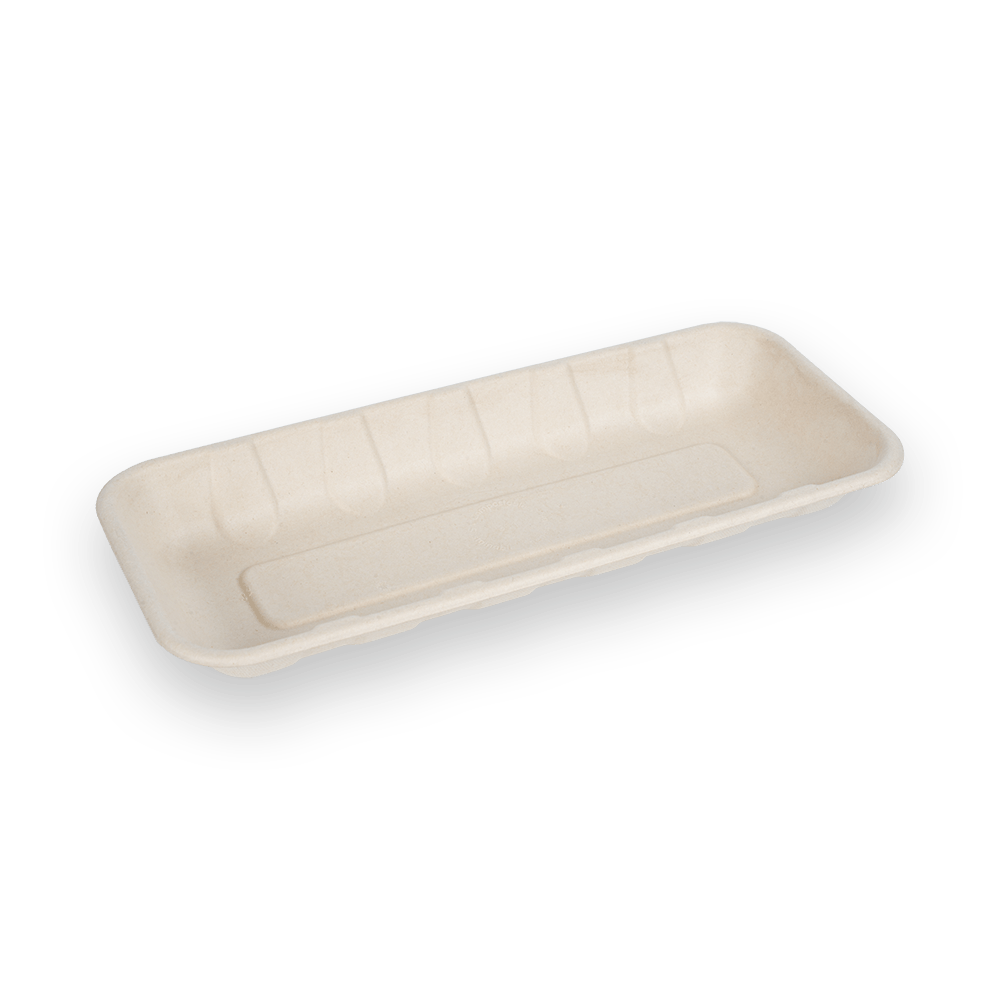
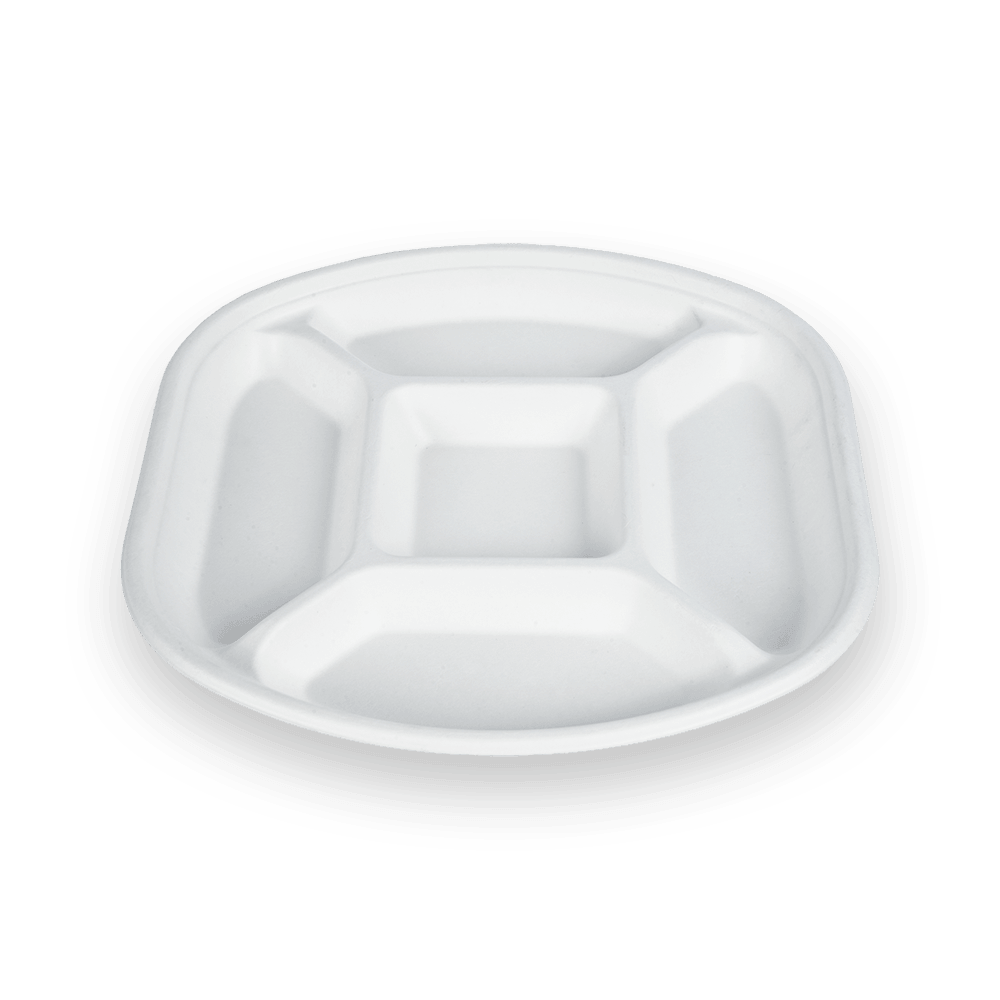

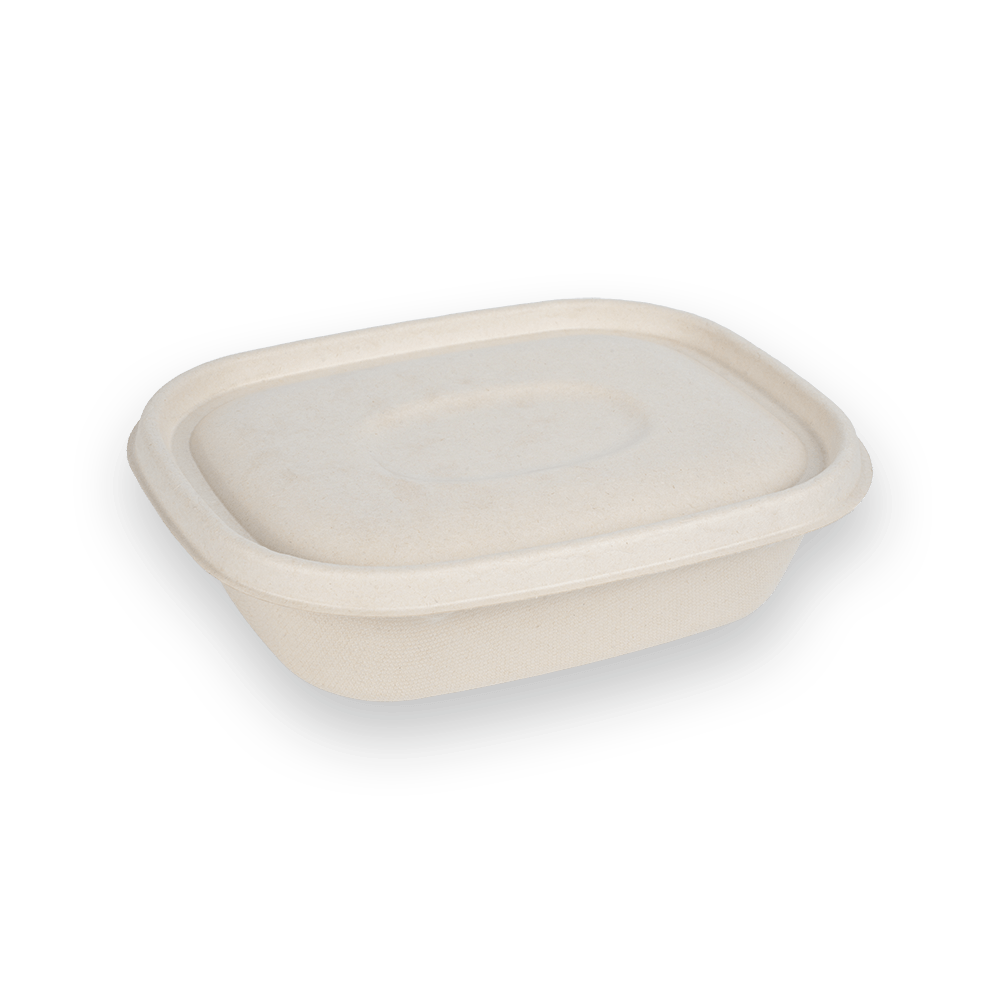

Zhong Xin Ecoware(Thailand) was registered on November 1, 2023, and officially began construction of the factory building in June 2024. At present, the first phase workshop of the factory has been fully completed and put into use. The second phase of the factory is being constructed intensively.
The landing and development of Zhong Xin in Thailand has brought a large amount of initial investment for land, factories, etc., and continuous operational investment for continuous equipment updates, technological upgrades, and capacity expansion.
Zhong Xin Ecoware(Thailand) has directly and indirectly created thousands of job opportunities, increased government revenue, promoted local economic development, cultivated local supply chains, provided systematic training for employees, improved the quality of local human capital, injected vitality into the local economy, enhanced industrial competitiveness, and ultimately improved residents' living standards.
Zhong Xin Ecoware(Thailand) actively collaborates with local pulp mills to explore new cooperation models for developing new products, improving production capacity and quality. At the same time, relying on Zhongxin's advanced production technology, process flow, management experience, and quality control system, it promotes the development of this industry in Thailand.

-
-
 +66-31240888
 -
 161 Village No. 4, Bo Thong Subdistrict Kabin Buri District Prachinburi Province 25110
-
How to Find Zhong Xin at the 140th Canton Fair: A Visitor Navigation Guide
Oct 16,2026
-
Thailand vs China Bagasse Tableware: 8 Comparisons Buyers Should Verify
Oct 16,2026
-
Will Takeout Containers Fit Your Existing Lids and Delivery Workflow
Oct 16,2026
-
What Is Bagasse Tableware? A 2026 Buyer Guide to Material, Performance and Documents
Oct 13,2026
-
Bagasse Tray Wholesale: How Bulk Buyers Cut Cost with Carton and Container Planning
Oct 09,2026
-
What Should a Bagasse Manufacturer Include in a Bulk Order Quote
Oct 09,2026
-
FOB, CIF or DDP? Incoterms for Bagasse Tableware Buyers Shipping from Thailand
Oct 06,2026
-
Packaging or Food Contact? Which EU Regime Applies to Bagasse Cups, Bowls, Plates and Cutlery
Oct 06,2026
-
Compostable Cutlery Sets for Private Label: 7 Sourcing Checks for Retail and Foodservice Buyers
Oct 06,2026
-
US vs EU Bagasse Tableware Imports: 8 Documentation and Compliance Checks Buyers Should Run
Oct 06,2026
-
How to Prepare a Bagasse Tableware Import: 10 Readiness Checks for US and EU Buyers
Oct 06,2026
-
Beyond Plates: Which Foods Suit Bagasse Tableware
Oct 02,2026
Copyright © 2025 Zhong Xin Ecoware Technology ( Thailand ) CO., LTD.
All Rights Reserved.

Biodegradable Disposable Bagasse Tableware Manufacturer