-
 [email protected]
-
 +66-31240888



 English
 Español
 ไทย
ไทยWill Bagasse Pulp Trays Sag Under Heavy Meals
Heavy takeaway meals can put more pressure on disposable food packaging than a light snack or dry food. Rice bowls, curries, grilled meat, pasta with sauce, and combination meals may create a combination of weight, heat, oil, and moisture. This raises a practical question for foodservice buyers: can a Biodegradable Bagasse Pulp Tray maintain its shape under a substantial food load?
The answer depends on more than the bagasse material itself. Fiber density, wall thickness, tray geometry, moisture exposure, food temperature, and load distribution all influence how well a molded pulp tray performs.
What Makes a Bagasse Tray Resistant to Sagging?
Fiber Density Creates Structural Support
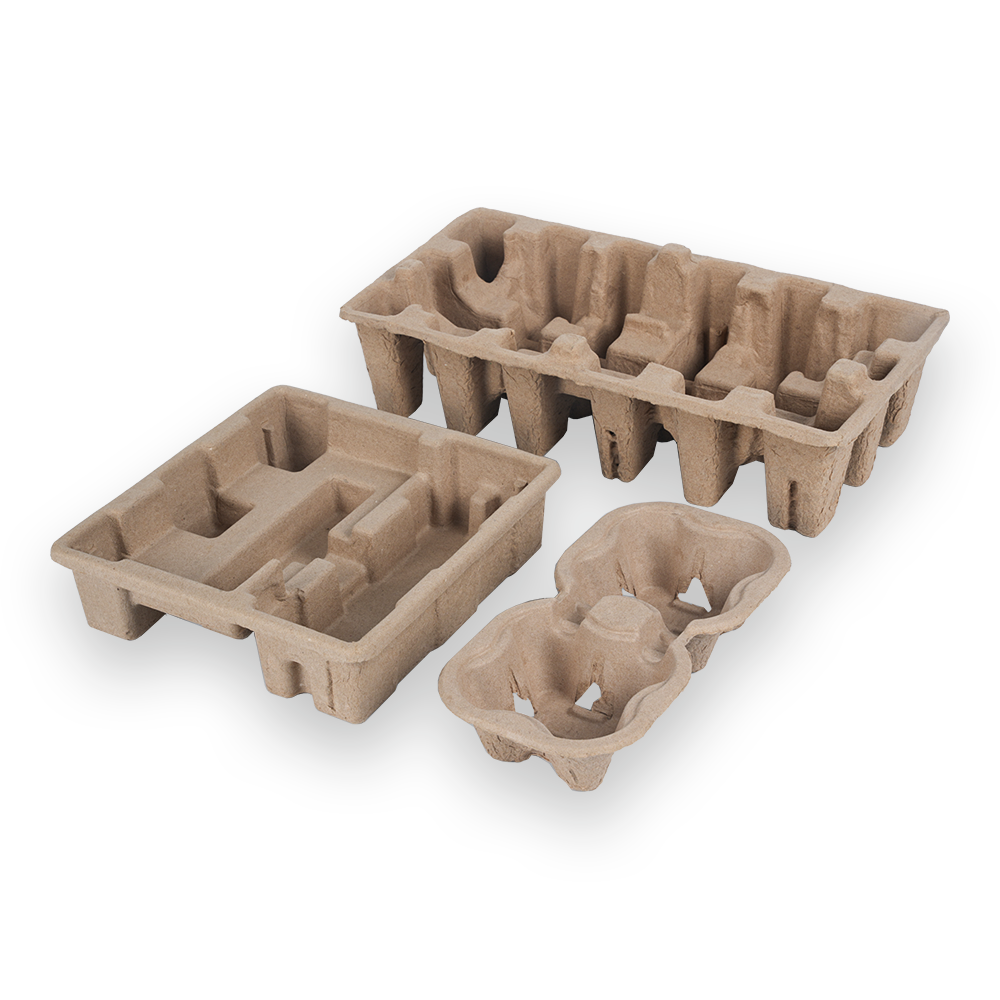
Bagasse trays are produced by forming compressed sugarcane fibers into a defined shape. Higher forming density can create a firmer structure, while uneven density may produce weak areas around the base, corners, or side walls.
- Fiber density: Dense molded fiber generally provides stronger resistance against bending and compression.
- Wall thickness: A thicker wall can improve rigidity, particularly around large tray surfaces.
- Rim design: Raised or reinforced edges can help prevent the tray from flexing during carrying.
- Base structure: Ribs, grooves, and molded contours can distribute food weight across a wider area.
These design details explain why two trays made from the same sugarcane pulp can behave differently under the same meal load.
Does Food Weight Affect Tray Performance?
Food weight is only part of the equation. A 500 g dry meal does not necessarily create the same structural challenge as a 500 g serving of hot curry. Moisture and heat can gradually reduce fiber stiffness, especially during extended holding periods.
| Food Condition | Typical Structural Concern | Useful Tray Feature |
| Dry rice or bakery foods | Moderate static load | Standard rigid base |
| Hot rice with meat | Higher combined weight and heat | Reinforced base and rim |
| Curry or stew | Weight plus moisture exposure | Dense fiber structure and moisture resistance |
| Fried or oily meals | Heat, oil, and extended contact | Grease-resistant surface |
Some commercial bagasse trays are rated for hot food around 95°C, while certain heavy-duty designs specify resistance to hot water or oil around 100°C. Actual performance varies by formulation and construction, so buyers should check the product specification rather than applying a universal temperature rating.
How Does Moisture Change Load-Bearing Ability?
Moisture deserves special attention because molded sugarcane fiber naturally interacts with water. Prolonged exposure to steam, sauces, or liquid food can soften the fiber structure and reduce rigidity.
- Short serving periods generally place less stress on the tray.
- Long delivery periods can increase moisture exposure.
- Hot steam may affect the tray even without visible liquid underneath.
- Oily sauces can add another stress factor alongside heat and moisture.
Recent molded-fiber testing guidance also highlights humidity as a factor that can reduce compressive performance. This makes real-use testing more meaningful than relying only on dry-condition strength figures.
Which Design Details Matter for Heavy Meals?
Shape Can Be as Important as Material
A flat tray with a broad unsupported surface may flex more easily than a tray with molded ribs or deeper side walls. Compartment trays can also distribute food across several sections, reducing concentrated pressure on a single area.
- Deep side walls can improve edge rigidity.
- Raised rims provide additional support during carrying.
- Molded channels can increase stiffness across larger surfaces.
- Multiple compartments help separate food and distribute its weight.
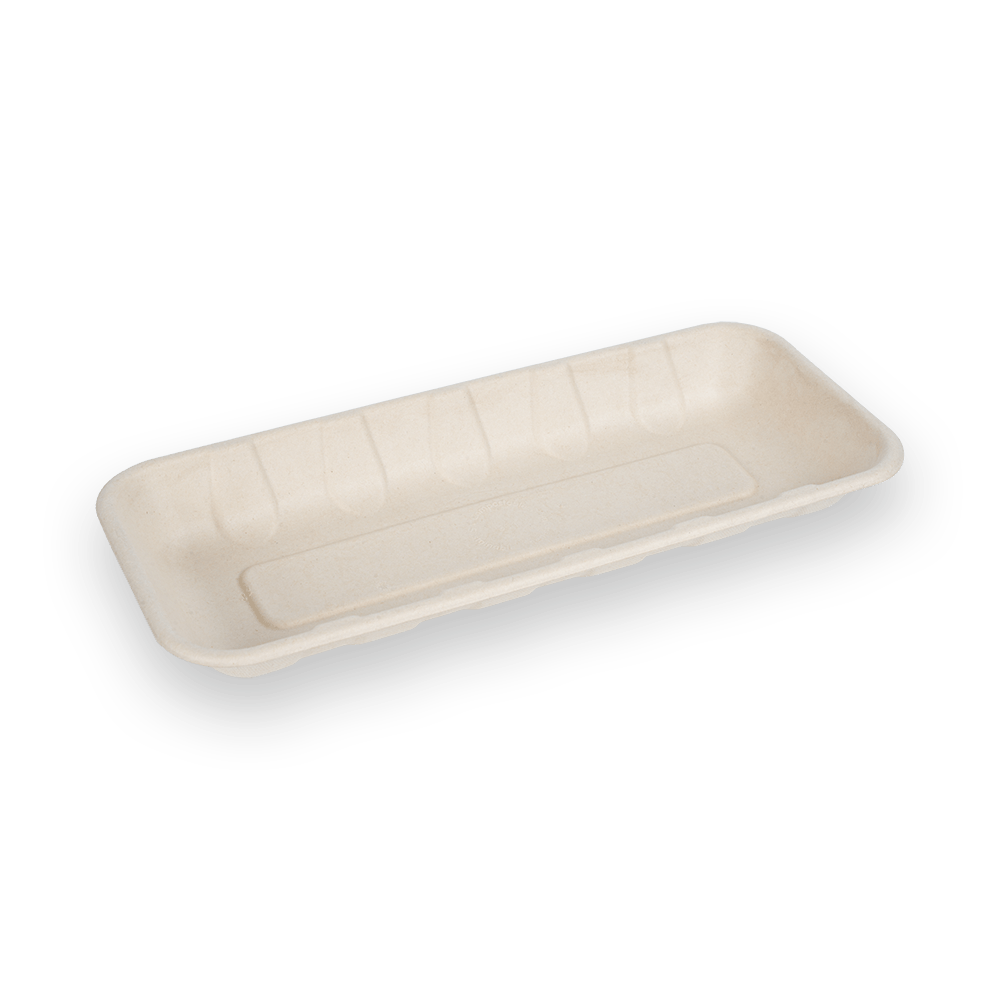
Commercial examples show that bagasse trays are available with different capacities, dimensions, weights, and compartment layouts. A 35 g four-compartment tray, for example, can use a 278 × 213 mm format, demonstrating how product geometry and material quantity are combined to support meal applications.
What Should Buyers Check Before Ordering?
A Biodegradable Bagasse Pulp Tray intended for heavy meals should be evaluated against its actual application rather than judged only by appearance.
- Rated food temperature
- Recommended food weight or load capacity
- Tray weight and wall thickness
- Water and grease resistance
- Base and rim structure
- Expected holding or delivery duration
- Performance under humid conditions
Heavy Meals Require More Than a Strong Material
A bagasse tray does not automatically sag simply because it carries a heavy meal. Proper fiber density, suitable wall thickness, reinforced geometry, and resistance to heat and moisture can make a significant difference. The key is matching the Biodegradable Bagasse Pulp Tray design with the food weight, temperature, moisture level, and service duration expected during actual use.
For takeaway operators and food packaging buyers, a simple load test with the intended meal can reveal practical performance: fill the tray to the target weight, keep the food at its normal serving temperature, and observe base deflection, rim stability, and handling comfort during a simulated delivery period.



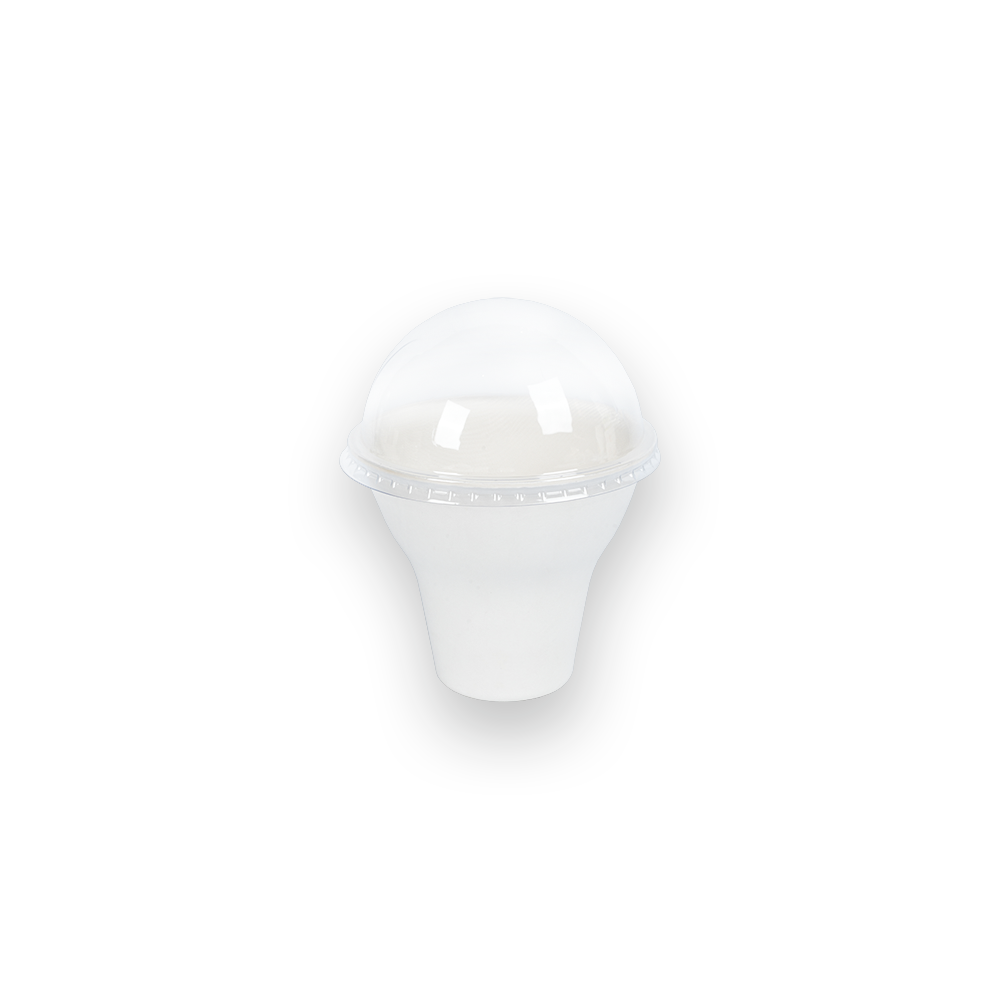
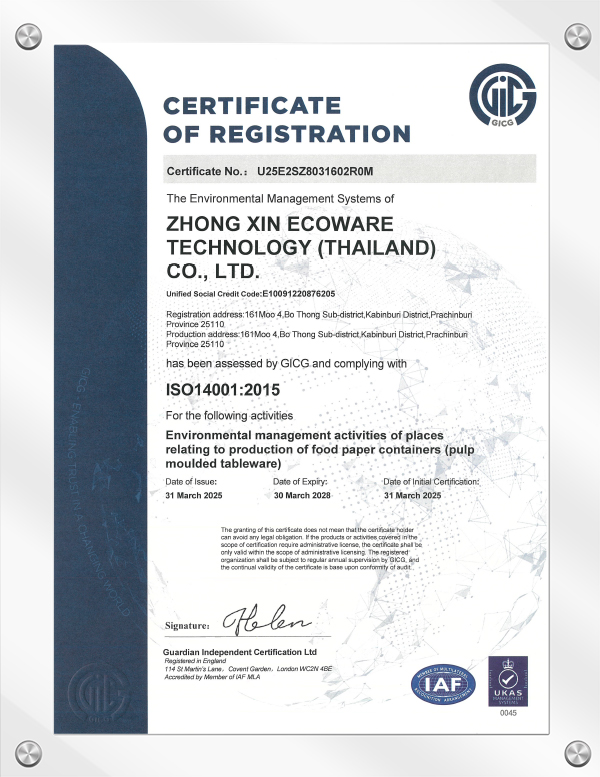
Zhong Xin Ecoware(Thailand) was registered on November 1, 2023, and officially began construction of the factory building in June 2024. At present, the first phase workshop of the factory has been fully completed and put into use. The second phase of the factory is being constructed intensively.
The landing and development of Zhong Xin in Thailand has brought a large amount of initial investment for land, factories, etc., and continuous operational investment for continuous equipment updates, technological upgrades, and capacity expansion.
Zhong Xin Ecoware(Thailand) has directly and indirectly created thousands of job opportunities, increased government revenue, promoted local economic development, cultivated local supply chains, provided systematic training for employees, improved the quality of local human capital, injected vitality into the local economy, enhanced industrial competitiveness, and ultimately improved residents' living standards.
Zhong Xin Ecoware(Thailand) actively collaborates with local pulp mills to explore new cooperation models for developing new products, improving production capacity and quality. At the same time, relying on Zhongxin's advanced production technology, process flow, management experience, and quality control system, it promotes the development of this industry in Thailand.

-
-
 +66-31240888
 -
 161 Village No. 4, Bo Thong Subdistrict Kabin Buri District Prachinburi Province 25110
-
Bagasse Cups and Cup Lids: A Sourcing Guide for Foodservice and Takeaway Buyers
Oct 20,2026
-
How to Find Zhong Xin at the 140th Canton Fair: A Visitor Navigation Guide
Oct 16,2026
-
Thailand vs China Bagasse Tableware: 8 Comparisons Buyers Should Verify
Oct 16,2026
-
Will Takeout Containers Fit Your Existing Lids and Delivery Workflow
Oct 16,2026
-
What Is Bagasse Tableware? A 2026 Buyer Guide to Material, Performance and Documents
Oct 13,2026
-
Bagasse Tray Wholesale: How Bulk Buyers Cut Cost with Carton and Container Planning
Oct 09,2026
-
What Should a Bagasse Manufacturer Include in a Bulk Order Quote
Oct 09,2026
-
FOB, CIF or DDP? Incoterms for Bagasse Tableware Buyers Shipping from Thailand
Oct 06,2026
-
Packaging or Food Contact? Which EU Regime Applies to Bagasse Cups, Bowls, Plates and Cutlery
Oct 06,2026
-
Compostable Cutlery Sets for Private Label: 7 Sourcing Checks for Retail and Foodservice Buyers
Oct 06,2026
-
US vs EU Bagasse Tableware Imports: 8 Documentation and Compliance Checks Buyers Should Run
Oct 06,2026
-
How to Prepare a Bagasse Tableware Import: 10 Readiness Checks for US and EU Buyers
Oct 06,2026
Copyright © 2025 Zhong Xin Ecoware Technology ( Thailand ) CO., LTD.
All Rights Reserved.

Biodegradable Disposable Bagasse Tableware Manufacturer