-
 [email protected]
-
 +66-31240888



 English
 Español
 ไทย
ไทยAre Takeaway Food Containers Ready for Saucy Meals
Takeaway meals are becoming increasingly diverse, and many popular dishes come with sauces, gravies, oils, or other liquids. Curry, pasta, stir-fried noodles, rice bowls, and sauced vegetables can place very different demands on disposable packaging compared with dry foods.
This makes Disposable Take Away Food Containers more than a simple holder for prepared meals. The container needs to control moisture, resist grease, retain its shape, and keep the lid secure during handling and delivery.
Why Are Saucy Foods More Demanding?
Sauce creates several packaging challenges at the same time. Liquid can collect at the bottom, oil can penetrate weak areas, and hot food can increase the stress on the fiber structure. Movement during transportation adds another variable.
- Moisture exposure: Watery sauces can gradually soften untreated fiber.
- Grease contact: Hot oil can test the surface barrier and fiber density.
- Heat: High-temperature meals can affect rigidity and lid performance.
- Movement: Tilting, stacking, and vibration can push sauce toward seams and corners.
Recent product testing and packaging guidance indicate that grease resistance and leakage resistance are separate performance characteristics. A container may show some surface staining without allowing liquid to pass completely through the material.
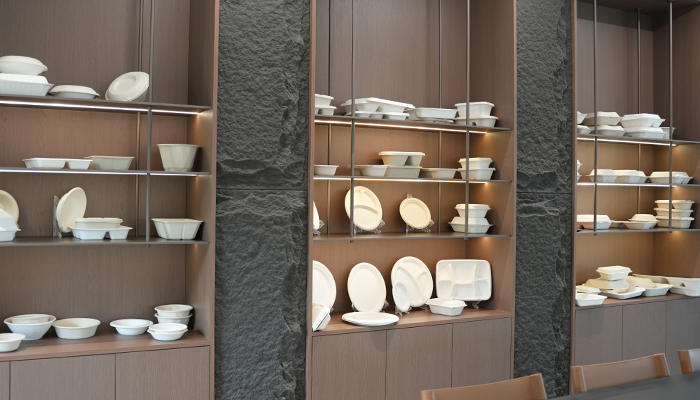
Which Container Features Help Control Sauce?
Base Depth and Side Walls
A deeper container can provide more space for liquid-based meals while reducing the chance of sauce reaching the upper edge. Raised side walls can also provide additional structural support during transport.
Lid Fit Matters
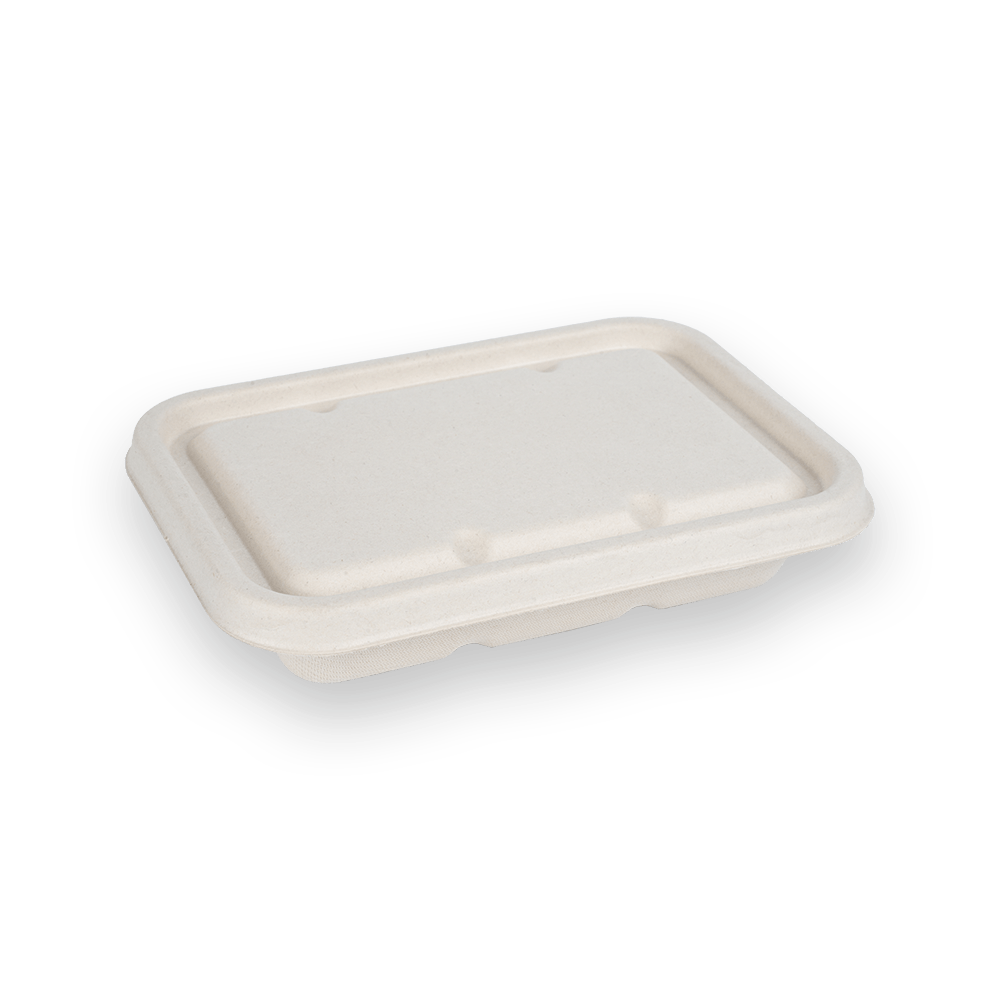
A strong container base cannot compensate for a poorly fitted lid. Snap-fit, friction-fit, or hinged closure designs can help keep food contained during normal movement. The lid should match the rim closely without creating excessive pressure that could distort the container.
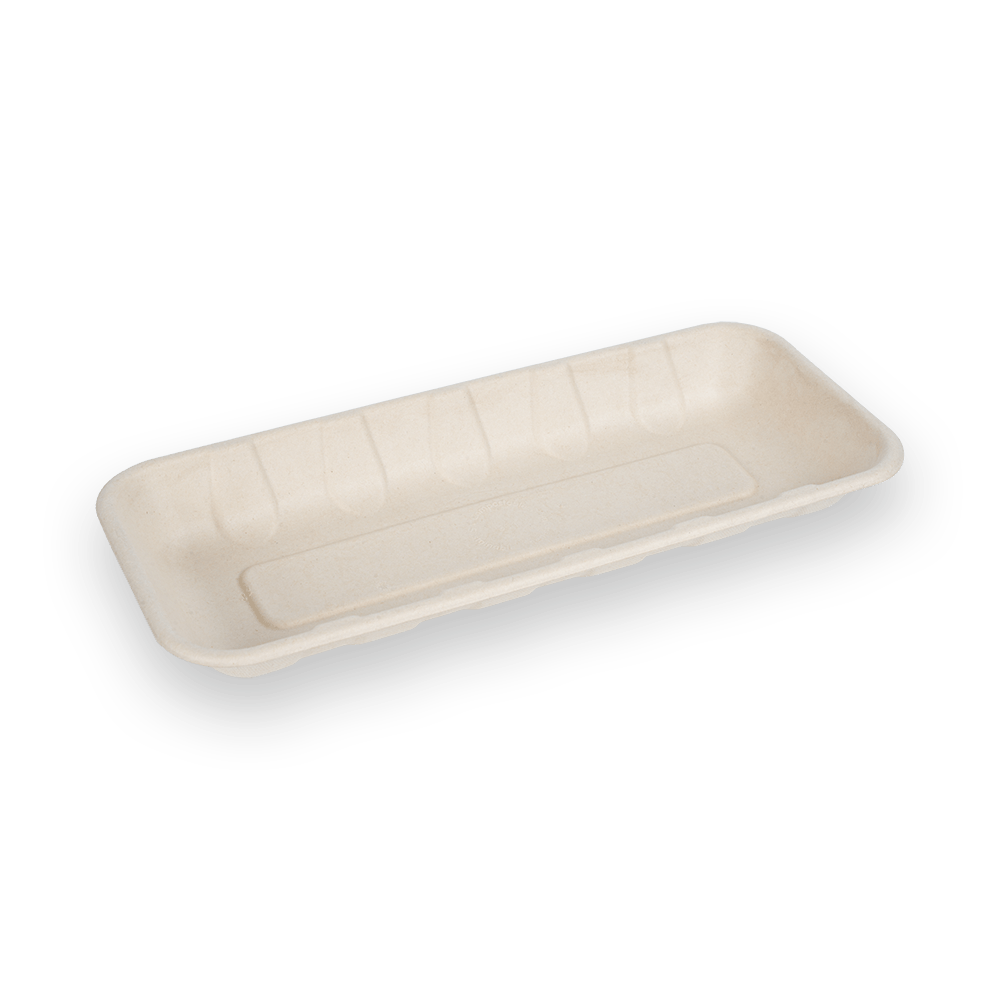
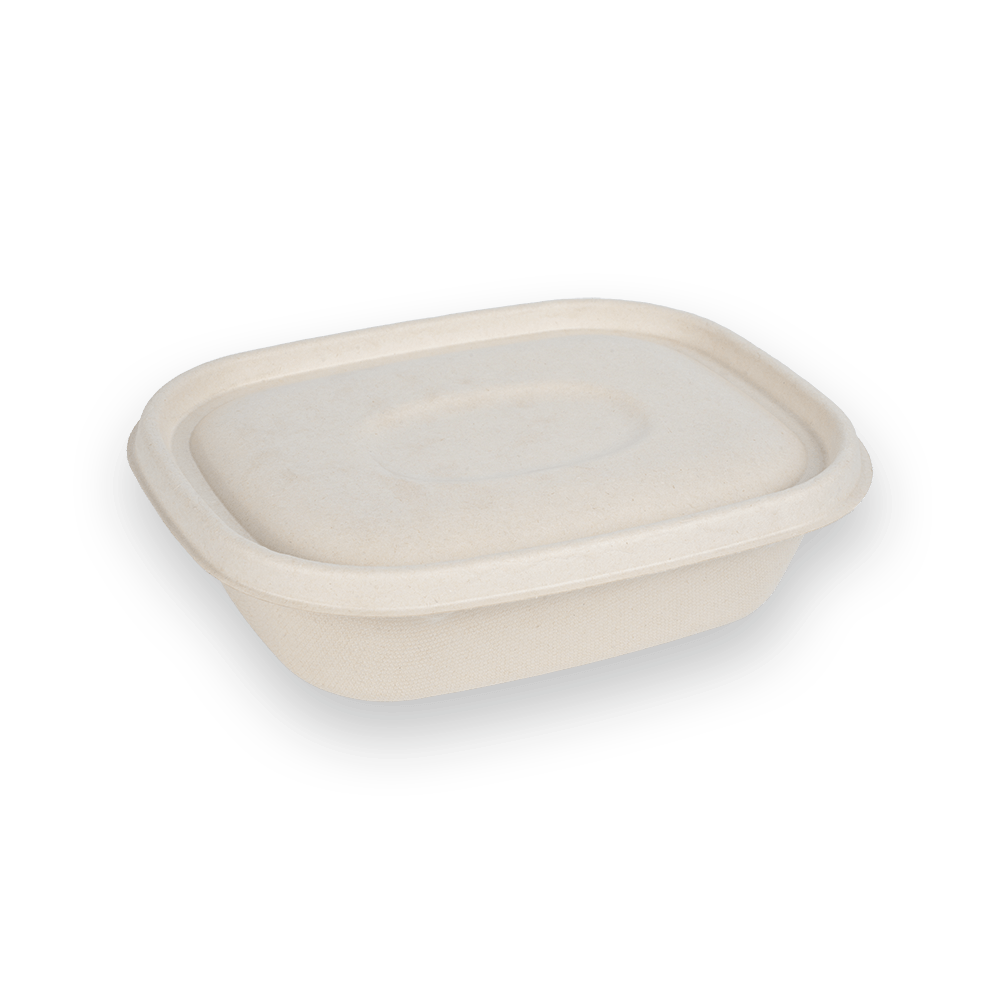
Commercial bagasse takeaway boxes are available with secure-fit lids designed for delivery, while deeper formats are commonly recommended for meals containing larger amounts of liquid.
How Do Different Sauces Challenge Disposable Containers?
| Food Type | Main Packaging Challenge | Useful Design Consideration |
| Dry pasta | Moderate moisture and oil | Standard rigid container |
| Curry | Liquid, oil, and heat | Deep base and moisture resistance |
| Stir-fried noodles | Oil and steam | Grease-resistant surface |
| Thin soup | High liquid volume | Deep container with secure lid |
| Gravy-based rice | Moisture plus food weight | Rigid base and sealed corners |
Not every takeaway container should therefore be treated as a universal solution. A shallow clamshell designed for burgers or fries may have a different liquid-handling capability from a deep round container designed for curry or soup.
Can Bagasse Containers Handle Hot Sauces?
Bagasse fiber provides a naturally rigid molded structure, but its performance varies according to fiber density, molding pressure, wall uniformity, surface treatment, and contact duration.
Some commercial bagasse containers are specified for hot and cold foods and are marketed for curries, pasta, soups, and other saucy meals. Available formats can range from around 500 ml to 1,000 ml, giving foodservice operators different capacities for different portions.
Temperature ratings also vary by product. Some manufacturers specify resistance around 95°C, while individual products may have higher or lower limits. Buyers should therefore review the exact specification rather than assume that every bagasse container has the same heat tolerance.
What About Sauce During Delivery?
Leak resistance needs to be considered together with transportation conditions. A container sitting level on a restaurant counter experiences less stress than the same container inside a delivery bag moving through traffic.
- Keep liquid food below the recommended fill level.
- Use a lid designed for the specific container rim.
- Match shallow formats with foods containing limited free liquid.
- Use deeper containers for soups, gravies, and watery sauces.
- Test the filled package under realistic delivery movement.
Practical testing is particularly useful because sauce viscosity, temperature, portion size, and delivery duration can vary considerably between food businesses. A package that performs well with thick curry may behave differently with a thin broth.
Are Disposable Take Away Food Containers Ready for Saucy Meals?
The answer depends on the specific container design and the food application. Disposable Take Away Food Containers with dense molded fiber, suitable depth, moisture and grease resistance, and a secure lid can handle many saucy takeaway meals. However, “leak-resistant” should not automatically be interpreted as suitable for every liquid food or extended storage period.
For foodservice buyers, the practical approach is to match container depth, capacity, lid design, and barrier performance with the actual menu. Testing the finished package with hot sauce, oil, and the intended delivery duration can provide a much clearer indication of performance than judging the material by name alone.



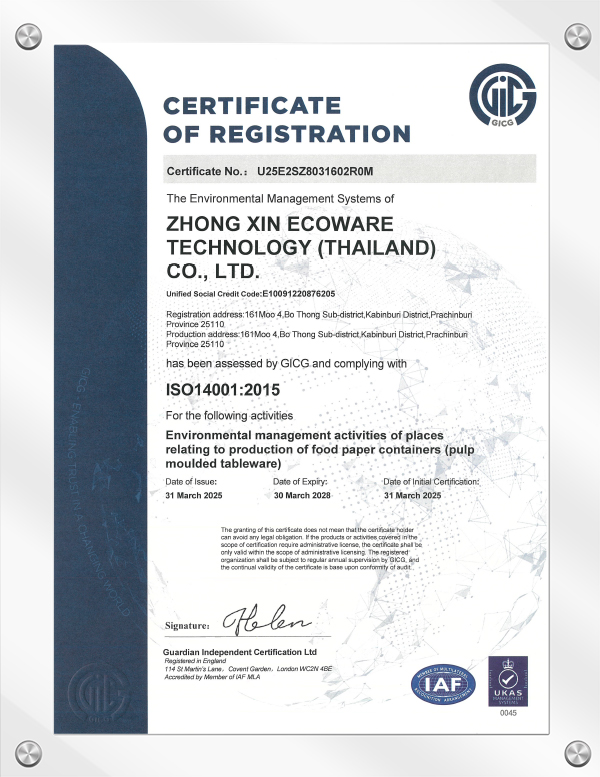
Zhong Xin Ecoware(Thailand) was registered on November 1, 2023, and officially began construction of the factory building in June 2024. At present, the first phase workshop of the factory has been fully completed and put into use. The second phase of the factory is being constructed intensively.
The landing and development of Zhong Xin in Thailand has brought a large amount of initial investment for land, factories, etc., and continuous operational investment for continuous equipment updates, technological upgrades, and capacity expansion.
Zhong Xin Ecoware(Thailand) has directly and indirectly created thousands of job opportunities, increased government revenue, promoted local economic development, cultivated local supply chains, provided systematic training for employees, improved the quality of local human capital, injected vitality into the local economy, enhanced industrial competitiveness, and ultimately improved residents' living standards.
Zhong Xin Ecoware(Thailand) actively collaborates with local pulp mills to explore new cooperation models for developing new products, improving production capacity and quality. At the same time, relying on Zhongxin's advanced production technology, process flow, management experience, and quality control system, it promotes the development of this industry in Thailand.
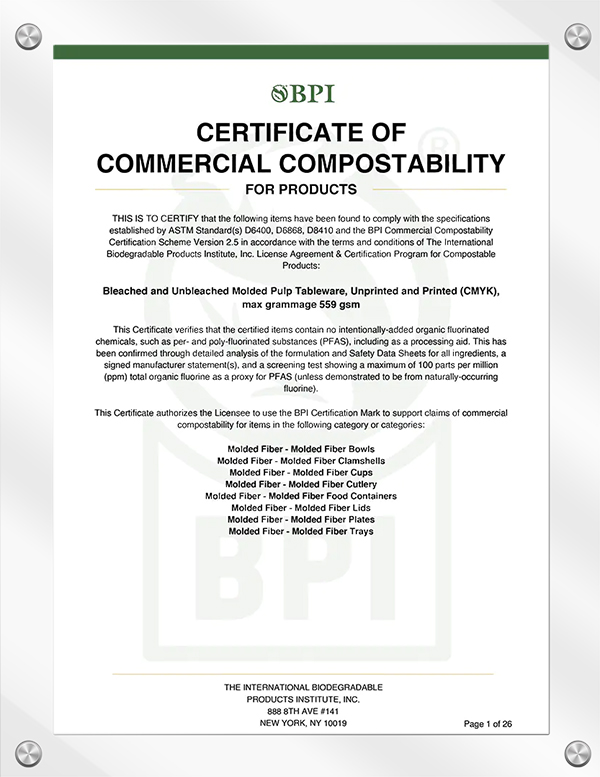
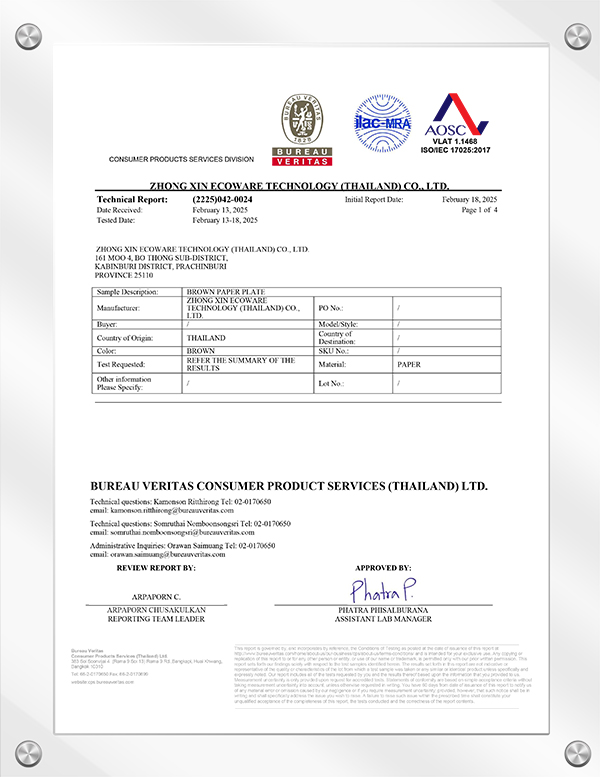
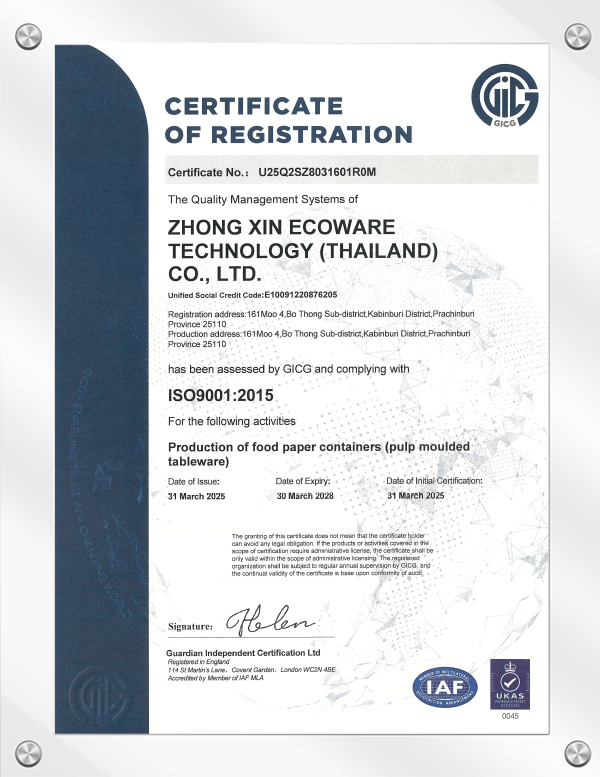

-
-
 +66-31240888
 -
 161 Village No. 4, Bo Thong Subdistrict Kabin Buri District Prachinburi Province 25110
-
Can Paper Packaging Meet Retail Shelf and Branding Requirements
Oct 23,2026
-
Bagasse Cups and Cup Lids: A Sourcing Guide for Foodservice and Takeaway Buyers
Oct 20,2026
-
How to Find Zhong Xin at the 140th Canton Fair: A Visitor Navigation Guide
Oct 16,2026
-
Thailand vs China Bagasse Tableware: 8 Comparisons Buyers Should Verify
Oct 16,2026
-
Will Takeout Containers Fit Your Existing Lids and Delivery Workflow
Oct 16,2026
-
What Is Bagasse Tableware? A 2026 Buyer Guide to Material, Performance and Documents
Oct 13,2026
-
Bagasse Tray Wholesale: How Bulk Buyers Cut Cost with Carton and Container Planning
Oct 09,2026
-
What Should a Bagasse Manufacturer Include in a Bulk Order Quote
Oct 09,2026
-
FOB, CIF or DDP? Incoterms for Bagasse Tableware Buyers Shipping from Thailand
Oct 06,2026
-
Packaging or Food Contact? Which EU Regime Applies to Bagasse Cups, Bowls, Plates and Cutlery
Oct 06,2026
-
Compostable Cutlery Sets for Private Label: 7 Sourcing Checks for Retail and Foodservice Buyers
Oct 06,2026
-
US vs EU Bagasse Tableware Imports: 8 Documentation and Compliance Checks Buyers Should Run
Oct 06,2026
Copyright © 2025 Zhong Xin Ecoware Technology ( Thailand ) CO., LTD.
All Rights Reserved.

Biodegradable Disposable Bagasse Tableware Manufacturer