-
 [email protected]
-
 +66-31240888



 English
 Español
 ไทย
ไทยHow Practical Is Bagasse Tableware?
Bagasse tableware, made from the fibrous residue of sugarcane after juice extraction, has become a notable alternative to conventional disposable plates, bowls, and cutlery. As sustainability and environmental concerns gain importance, bagasse tableware is often considered for commercial and domestic use. Its practicality can be assessed in terms of environmental impact, durability and usability, cost and accessibility, and versatility in applications.
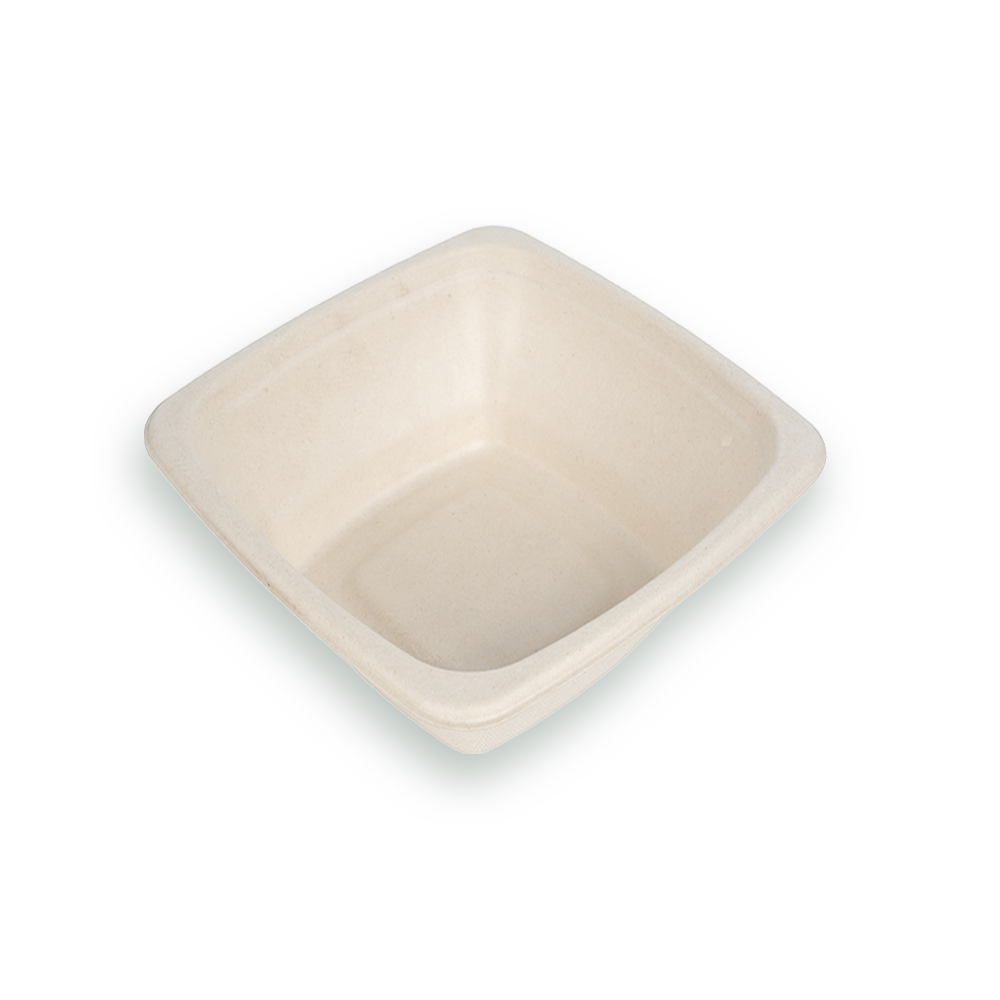
1. Environmental Impact
One of the primary considerations for the practicality of bagasse tableware is its effect on the environment. Compared to traditional plastic or styrofoam tableware, bagasse offers several eco-friendly attributes.
Biodegradability: Bagasse products are compostable and can decompose naturally under appropriate conditions. Unlike plastic plates, which may take hundreds of years to break down, bagasse tableware can return to the soil in a few months, reducing landfill accumulation.
Reduction of Non-Renewable Material Use: Since bagasse is a byproduct of sugarcane production, using it for tableware minimizes waste from agricultural processes. It also reduces dependence on petroleum-based plastics, contributing to lower fossil fuel consumption.
Lower Carbon Footprint: The production of bagasse tableware generally consumes less energy than the manufacturing of plastic or foam alternatives. This feature makes it a more environmentally conscious option for businesses and households seeking to reduce carbon emissions associated with disposable products.
2. Durability and Usability
Another practical aspect of bagasse tableware is its strength, reliability, and usability in daily situations.
- Heat and Liquid Resistance: Bagasse tableware is capable of holding hot and cold foods without deformation. Plates and bowls do not easily warp under heat, and they resist liquid seepage, making them suitable for a wide range of meals.
- Sturdiness: The structural integrity of bagasse products allows them to support heavier portions of food without bending or breaking. This contrasts with thin plastic plates or paper-based alternatives, which may fail under similar conditions.
- Microwave and Freezer Safety: Many bagasse products can be safely used in microwaves and freezers, enhancing their usability for reheating and storing food. This expands their functionality beyond single-use contexts, allowing them to serve practical purposes in both commercial and home settings.
3. Cost and Accessibility
The practicality of any tableware option also depends on its affordability and ease of procurement. Bagasse tableware presents several relevant considerations.
Affordable Pricing: While initially slightly more expensive than traditional foam or plastic tableware, bagasse products are generally cost-effective when purchased in bulk. The price difference is often offset by the environmental benefits and reduced waste disposal costs.
Availability: Bagasse tableware has become widely available through both specialized suppliers and general retail channels. Its accessibility makes it a feasible option for restaurants, catering services, and households seeking sustainable alternatives.
Potential for Large-Scale Use: Businesses that require large quantities of disposable tableware can integrate bagasse products without major supply challenges. This makes it a practical choice for events, cafeterias, and food delivery services aiming to reduce environmental impact while maintaining convenience.
4. Versatility in Applications
Bagasse tableware can be used in a variety of settings, enhancing its practical value.
- Commercial Settings: Restaurants, cafes, and catering services can use bagasse plates, bowls, and cutlery for dine-in or takeout services. Its durability and heat resistance make it suitable for both hot meals and cold dishes such as salads or desserts.
- Household Use: For home use, bagasse tableware provides a convenient option for casual dining, parties, or picnics. Its compostable nature allows for easy cleanup and reduces waste, making it suitable for frequent use without adding long-term environmental burden.
- Outdoor and Event Applications: Bagasse products are suitable for outdoor events, such as festivals, sports gatherings, and corporate functions. Their sturdiness and ability to handle diverse food types make them practical for environments where disposable yet reliable tableware is required.
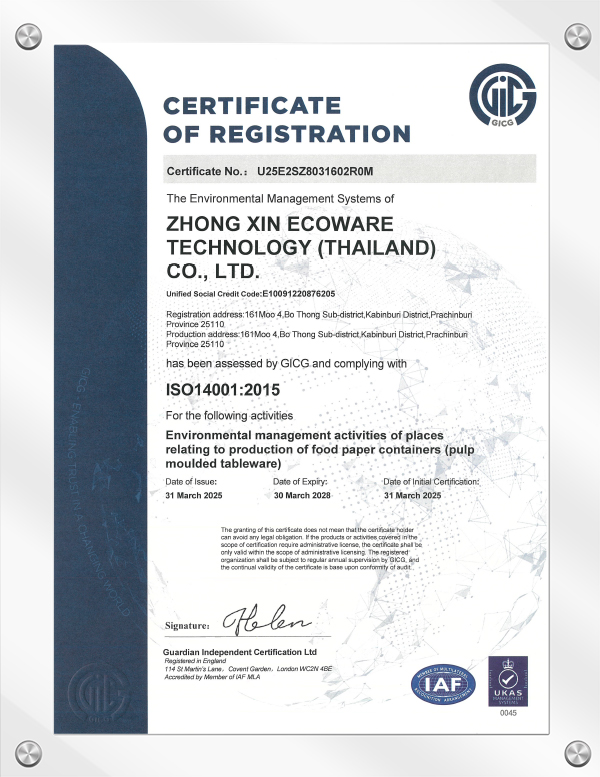
Zhong Xin Ecoware Technology (Thailand) Co., Ltd. supplies bagasse and molded fiber food packaging to importers, distributors and foodservice brands. For MOQ, pricing, samples and lead time, email info@fiber-product.com or use the contact form.
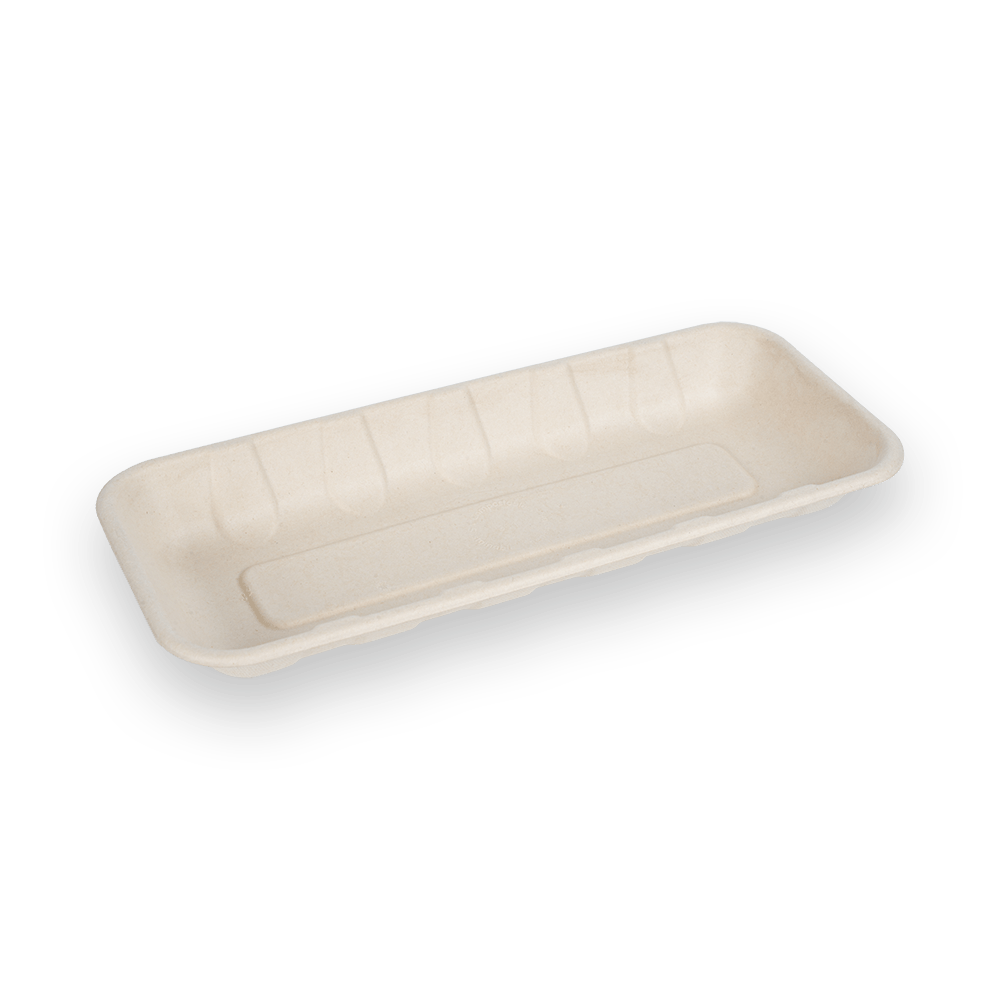


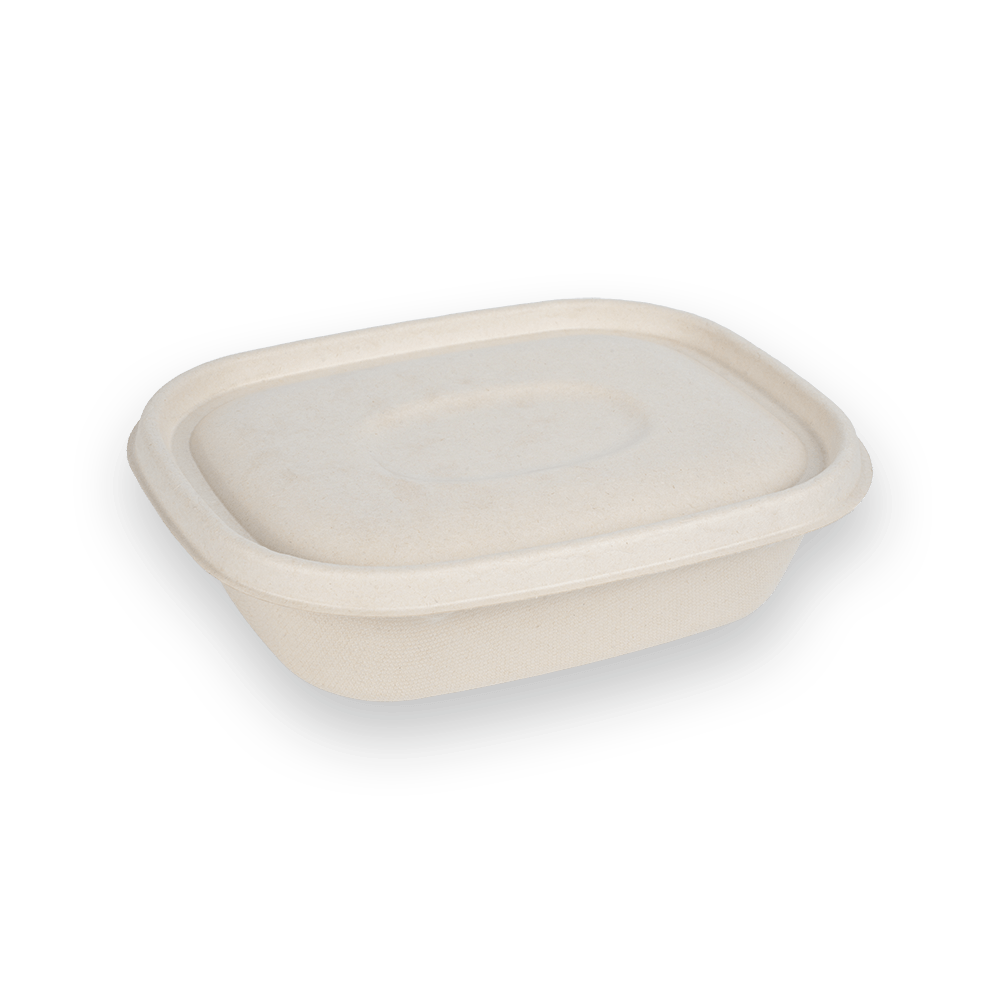
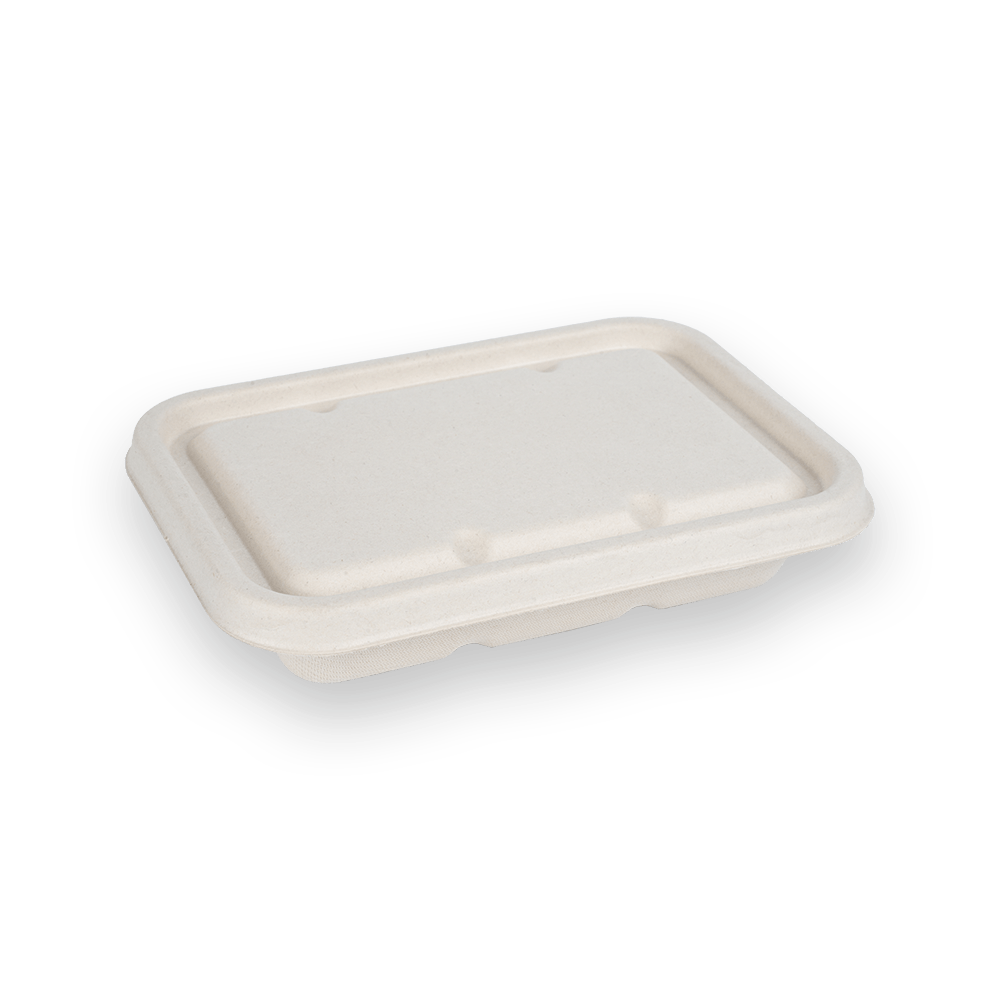

Zhong Xin Ecoware(Thailand) was registered on November 1, 2023, and officially began construction of the factory building in June 2024. At present, the first phase workshop of the factory has been fully completed and put into use. The second phase of the factory is being constructed intensively.
The landing and development of Zhong Xin in Thailand has brought a large amount of initial investment for land, factories, etc., and continuous operational investment for continuous equipment updates, technological upgrades, and capacity expansion.
Zhong Xin Ecoware(Thailand) has directly and indirectly created thousands of job opportunities, increased government revenue, promoted local economic development, cultivated local supply chains, provided systematic training for employees, improved the quality of local human capital, injected vitality into the local economy, enhanced industrial competitiveness, and ultimately improved residents' living standards.
Zhong Xin Ecoware(Thailand) actively collaborates with local pulp mills to explore new cooperation models for developing new products, improving production capacity and quality. At the same time, relying on Zhongxin's advanced production technology, process flow, management experience, and quality control system, it promotes the development of this industry in Thailand.
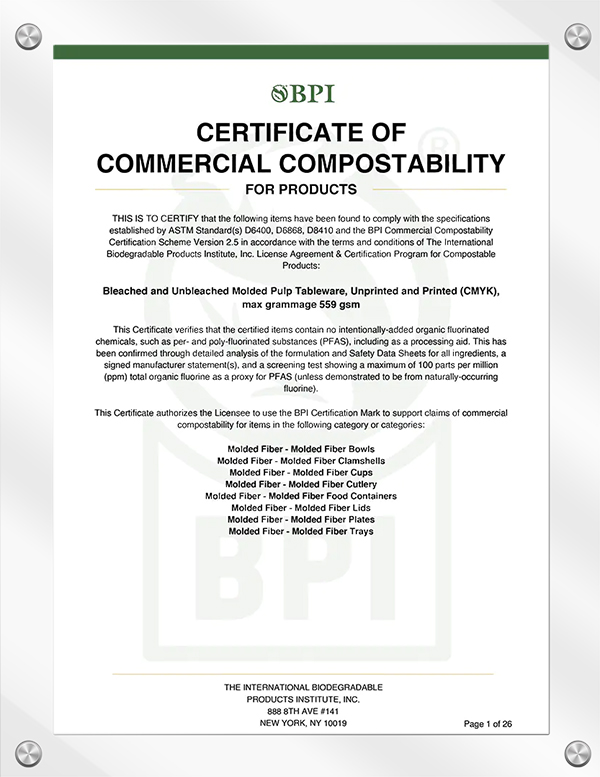
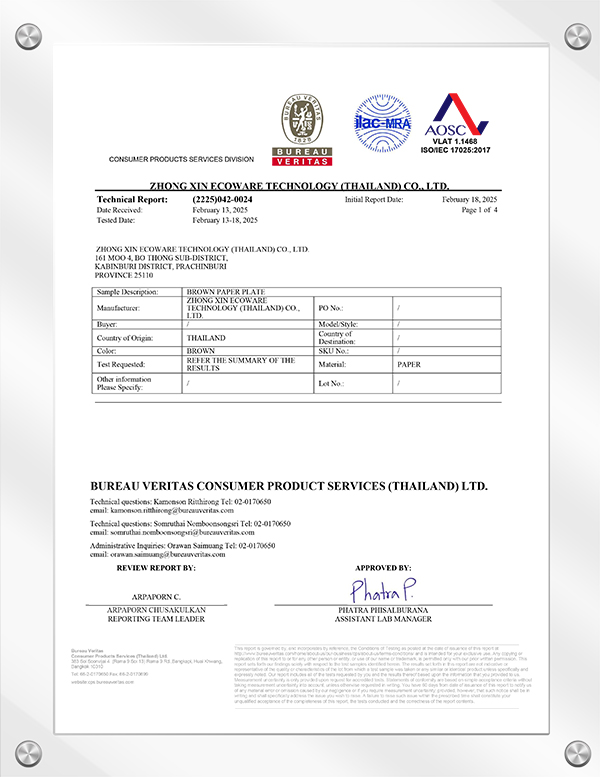
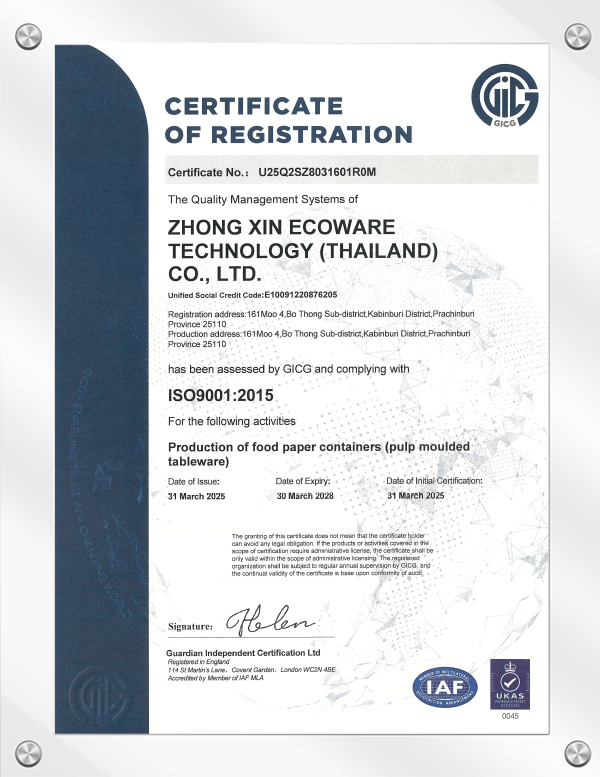

-
-
 +66-31240888
 -
 161 Village No. 4, Bo Thong Subdistrict Kabin Buri District Prachinburi Province 25110
-
How to Find Zhong Xin at the 140th Canton Fair: A Visitor Navigation Guide
Oct 16,2026
-
Thailand vs China Bagasse Tableware: 8 Comparisons Buyers Should Verify
Oct 16,2026
-
Will Takeout Containers Fit Your Existing Lids and Delivery Workflow
Oct 16,2026
-
What Is Bagasse Tableware? A 2026 Buyer Guide to Material, Performance and Documents
Oct 13,2026
-
Bagasse Tray Wholesale: How Bulk Buyers Cut Cost with Carton and Container Planning
Oct 09,2026
-
What Should a Bagasse Manufacturer Include in a Bulk Order Quote
Oct 09,2026
-
FOB, CIF or DDP? Incoterms for Bagasse Tableware Buyers Shipping from Thailand
Oct 06,2026
-
Packaging or Food Contact? Which EU Regime Applies to Bagasse Cups, Bowls, Plates and Cutlery
Oct 06,2026
-
Compostable Cutlery Sets for Private Label: 7 Sourcing Checks for Retail and Foodservice Buyers
Oct 06,2026
-
US vs EU Bagasse Tableware Imports: 8 Documentation and Compliance Checks Buyers Should Run
Oct 06,2026
-
How to Prepare a Bagasse Tableware Import: 10 Readiness Checks for US and EU Buyers
Oct 06,2026
-
Beyond Plates: Which Foods Suit Bagasse Tableware
Oct 02,2026
Copyright © 2025 Zhong Xin Ecoware Technology ( Thailand ) CO., LTD.
All Rights Reserved.

Biodegradable Disposable Bagasse Tableware Manufacturer