-
 [email protected]
-
 +66-31240888



 English
 Español
 ไทย
ไทยWhat are the characteristics of Disposable Tableware Biodegradable Paper Plate?
The shift towards sustainable alternatives in single-use products has increased the prominence of biodegradable paper plates. These items are positioned as a potential response to the environmental challenges associated with conventional plastic and styrofoam disposables. These plates are not a monolithic product, but their general traits can be delineated to assess their role and efficacy within the broader market for disposable tableware.
Material Composition and Structural Traits
The fundamental characteristics of these plates are derived from their base materials and the manufacturing processes that bind them together.
1.1. Primary Fiber Source
Biodegradable paper plates are typically manufactured from one of two sources: virgin pulp or recycled fiber. Plates made from virgin pulp, often sourced from sustainably managed forests or fast-growing crops like bamboo or bagasse (sugarcane fiber), tend to have a more consistent and sturdy structure. Those made from post-consumer recycled paperboard contribute to waste diversion but may require a bleaching process and can be less rigid.
1.2. Binding Agents and Coatings
A defining characteristic is the use of biodegradable barriers to impart functionality. To resist moisture and grease, these plates are coated or lined with materials other than conventional polyethylene plastic. Common alternatives include plant-based polymers like Polylactic Acid derived from corn starch, or a thin layer of clay. The integrity of the plate itself is often maintained using water-based adhesives and mechanical pressure rather than synthetic resins.
1.3. Physical Weight and Texture
Compared to plastic or foam plates, biodegradable paper plates often have a perceptibly different heft and feel. They are generally heavier than foam plates but lighter than ceramic or glass. The surface texture can range from smooth to noticeably fibrous, depending on the refining process of the pulp. The edges are often visibly layered, revealing the pressed construction.
Functional Performance in Use
The utility of any disposable tableware is judged by its ability to perform its core task effectively during a meal.
2.1. Resistance to Moisture and Grease
The performance of the biodegradable coating is a critical characteristic. A well-coated plate will resist soaking through from moist foods like salads or juicy fruits for a typical meal duration. Similarly, it should prevent grease from fried foods from leaking onto the user's hands or the underlying surface. The efficacy of this barrier can vary between products and may diminish if the plate is left holding food for an extended period.
2.2. Load-Bearing Capacity and Rigidity
These plates derive their strength from the interlocking of cellulose fibers pressed into a shape. They generally possess adequate rigidity for foods, but a common characteristic is a susceptibility to softening when in prolonged contact with very hot or wet items, which can weaken the fiber bonds. The load-bearing capacity is typically sufficient for standard portions but may be compromised under heavy, dense foods.
2.3. Interaction with Heat
Biodegradable paper plates are suitable for use with room-temperature and warm foods. Their tolerance for high heat, such as in a microwave oven, is not universal. Some plates with specific PLA coatings can withstand microwave heating for short periods, while others may warp, soften, or become compromised. They are generally not designed for use in conventional ovens.
Environmental and End-of-Life Profile
The "biodegradable" designation is the prominent characteristic, yet it requires careful interpretation.
3.1. Conditions for Biodegradation
A key characteristic is that these plates are designed to break down under specific biological conditions. This process typically occurs efficiently in industrial composting facilities, where controlled levels of heat, moisture, and microbial activity are maintained. In a home compost bin, the process will be slower, and in a sealed landfill, where conditions are anaerobic, biodegradation may be significantly inhibited and produce methane.
3.2. Distinction from Compostability
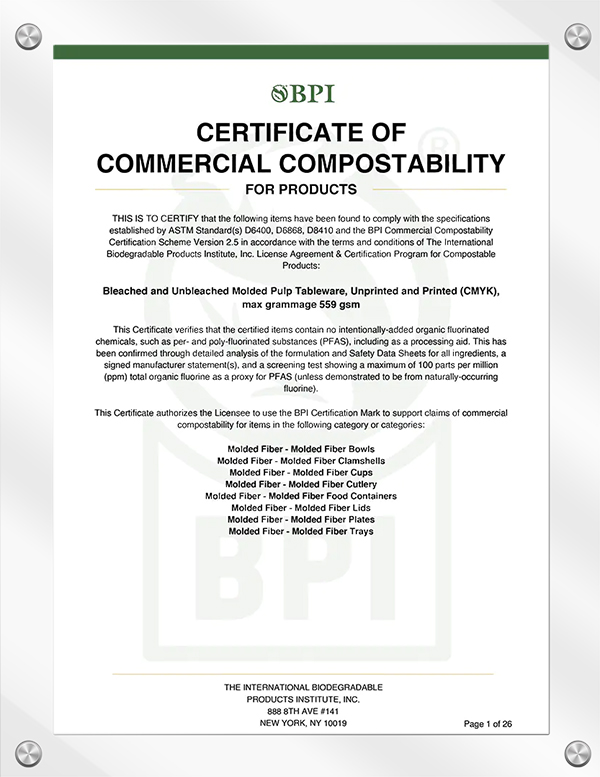
Many, though not all, biodegradable paper plates are also certified compostable. This certification indicates that the product will break down within a specific timeframe in a composting environment without leaving toxic residues. This is a more regulated and verifiable characteristic than the general term "biodegradable."
3.3. Carbon Footprint and Lifecycle
The production of these plates, particularly those from virgin wood pulp, involves resource use including water and energy. However, a characteristic of plant-based materials is that the plants absorbed carbon dioxide during their growth, which can partially offset emissions from manufacturing and transport. The complete lifecycle impact is complex and depends on sourcing, production efficiency, and end-of-life management.
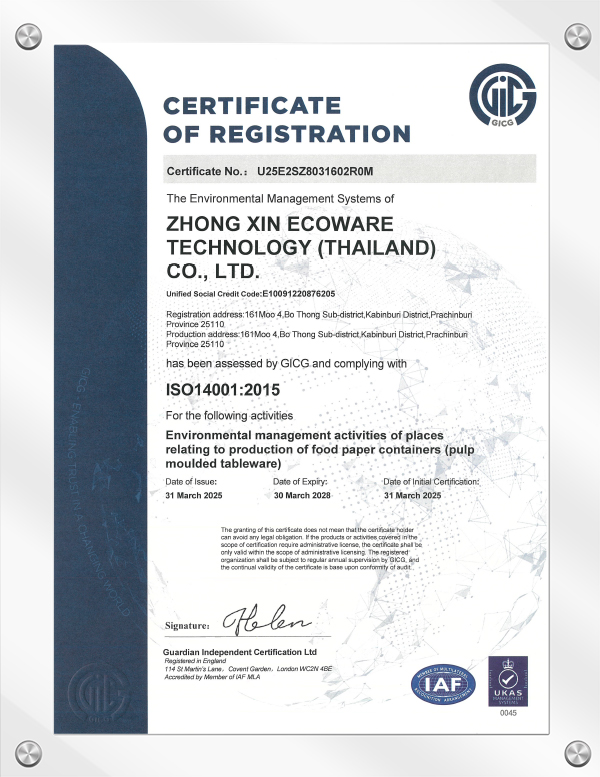
Zhong Xin Ecoware Technology (Thailand) Co., Ltd. supplies bagasse and molded fiber food packaging to importers, distributors and foodservice brands. For MOQ, pricing, samples and lead time, email info@fiber-product.com or use the contact form.
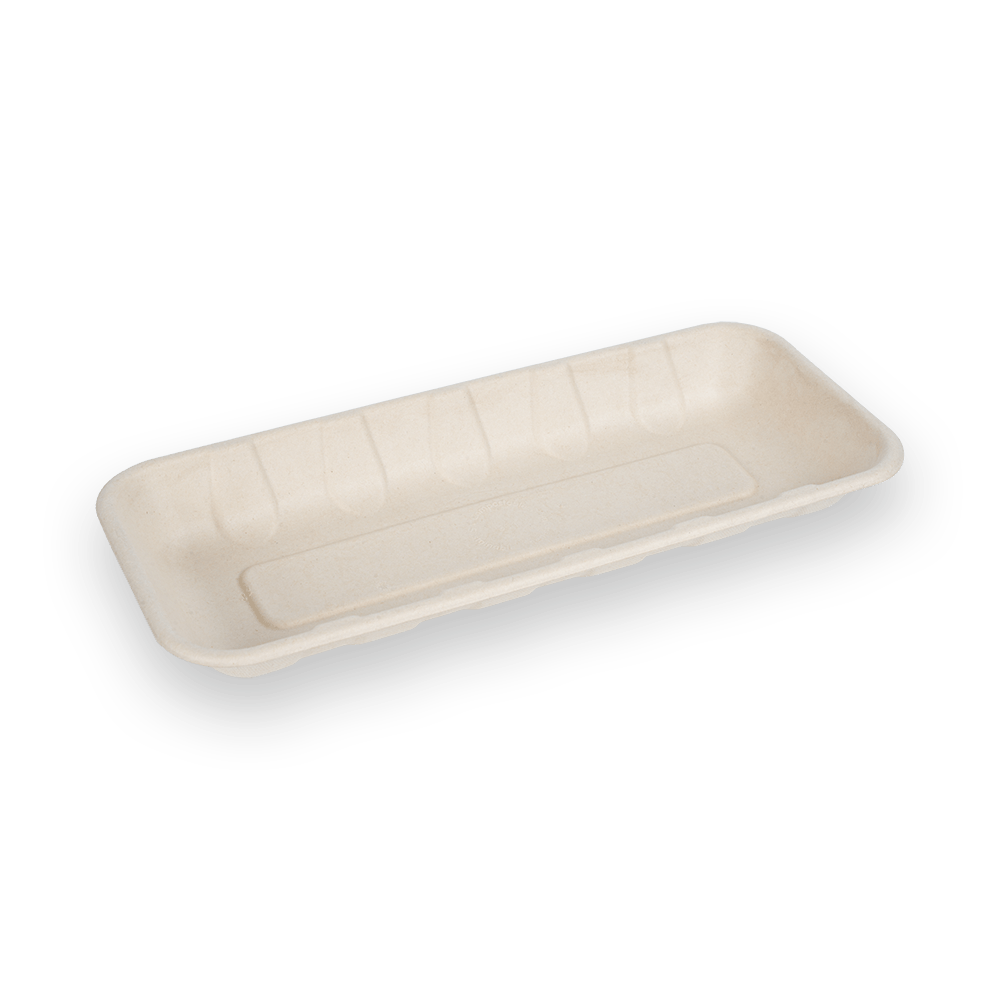
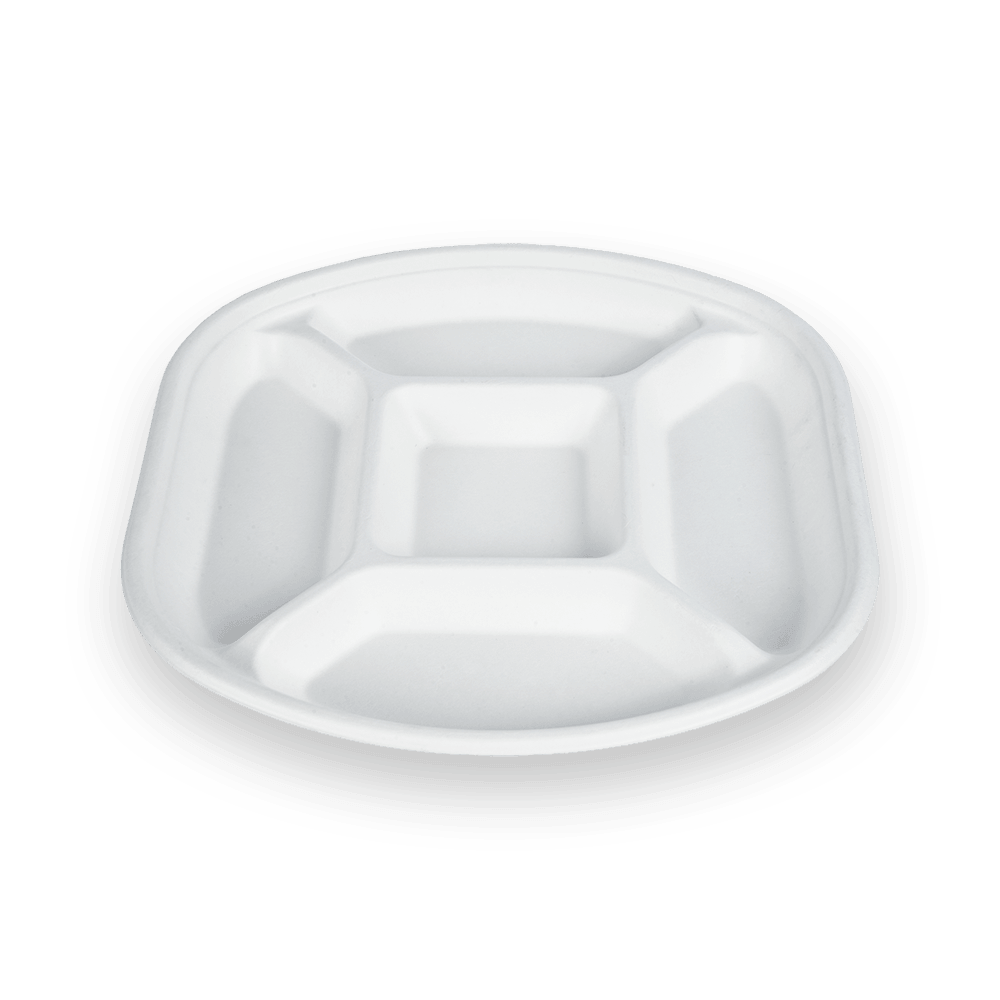

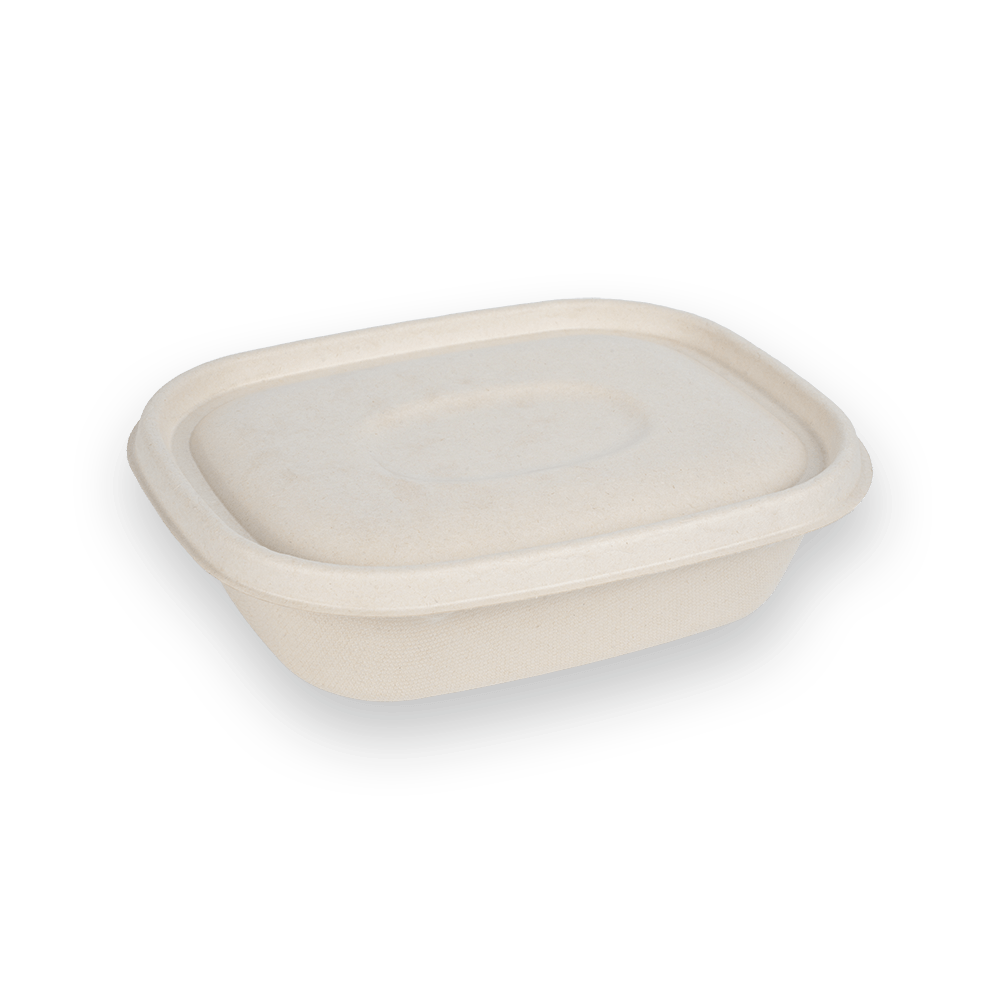
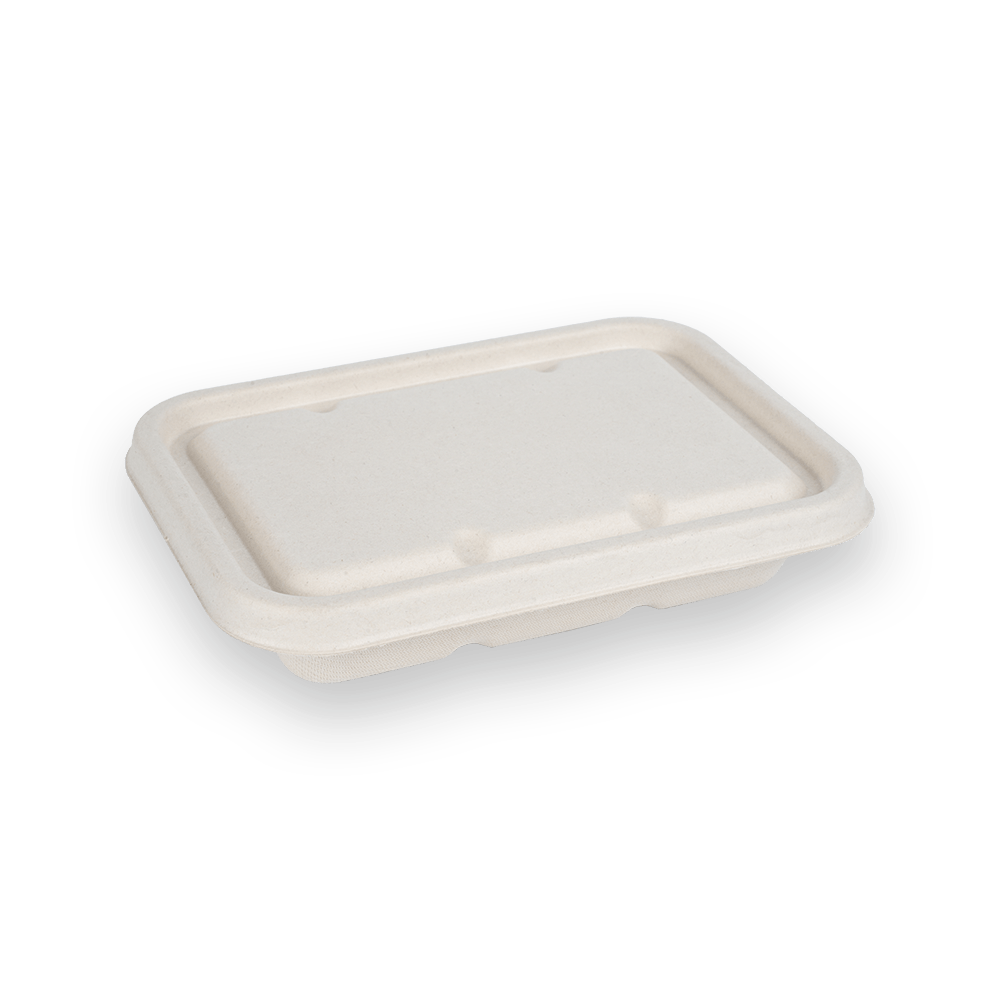

Zhong Xin Ecoware(Thailand) was registered on November 1, 2023, and officially began construction of the factory building in June 2024. At present, the first phase workshop of the factory has been fully completed and put into use. The second phase of the factory is being constructed intensively.
The landing and development of Zhong Xin in Thailand has brought a large amount of initial investment for land, factories, etc., and continuous operational investment for continuous equipment updates, technological upgrades, and capacity expansion.
Zhong Xin Ecoware(Thailand) has directly and indirectly created thousands of job opportunities, increased government revenue, promoted local economic development, cultivated local supply chains, provided systematic training for employees, improved the quality of local human capital, injected vitality into the local economy, enhanced industrial competitiveness, and ultimately improved residents' living standards.
Zhong Xin Ecoware(Thailand) actively collaborates with local pulp mills to explore new cooperation models for developing new products, improving production capacity and quality. At the same time, relying on Zhongxin's advanced production technology, process flow, management experience, and quality control system, it promotes the development of this industry in Thailand.

-
-
 +66-31240888
 -
 161 Village No. 4, Bo Thong Subdistrict Kabin Buri District Prachinburi Province 25110
-
Can Paper Packaging Meet Retail Shelf and Branding Requirements
Oct 23,2026
-
Bagasse Cups and Cup Lids: A Sourcing Guide for Foodservice and Takeaway Buyers
Oct 20,2026
-
How to Find Zhong Xin at the 140th Canton Fair: A Visitor Navigation Guide
Oct 16,2026
-
Thailand vs China Bagasse Tableware: 8 Comparisons Buyers Should Verify
Oct 16,2026
-
Will Takeout Containers Fit Your Existing Lids and Delivery Workflow
Oct 16,2026
-
What Is Bagasse Tableware? A 2026 Buyer Guide to Material, Performance and Documents
Oct 13,2026
-
Bagasse Tray Wholesale: How Bulk Buyers Cut Cost with Carton and Container Planning
Oct 09,2026
-
What Should a Bagasse Manufacturer Include in a Bulk Order Quote
Oct 09,2026
-
FOB, CIF or DDP? Incoterms for Bagasse Tableware Buyers Shipping from Thailand
Oct 06,2026
-
Packaging or Food Contact? Which EU Regime Applies to Bagasse Cups, Bowls, Plates and Cutlery
Oct 06,2026
-
Compostable Cutlery Sets for Private Label: 7 Sourcing Checks for Retail and Foodservice Buyers
Oct 06,2026
-
US vs EU Bagasse Tableware Imports: 8 Documentation and Compliance Checks Buyers Should Run
Oct 06,2026
Copyright © 2025 Zhong Xin Ecoware Technology ( Thailand ) CO., LTD.
All Rights Reserved.

Biodegradable Disposable Bagasse Tableware Manufacturer