-
 [email protected]
-
 +66-31240888



 English
 Español
 ไทย
ไทยHow is Biodegradable Tableware?
1. Material Composition
The materials used to make biodegradable tableware define its performance, durability, and decomposition characteristics.
Plant-based fibers
Many biodegradable plates and bowls are made from sugarcane bagasse, which is a by-product of sugar extraction. Bagasse is pressed and molded into tableware, producing sturdy items suitable for both hot and cold food. For example, food service providers often use bagasse plates for buffet meals or catering events because they resist moisture and heat for the duration of a meal.
Starch-based plastics
Cornstarch or potato starch can be processed into bioplastics, forming cups, cutlery, or packaging materials. These products resemble conventional plastic in appearance but are compostable under industrial conditions. Coffee shops sometimes provide cornstarch cups for hot beverages, offering a visually similar alternative to polyethylene-lined paper cups.
Other plant-derived materials
Bamboo, wheat bran, and palm leaves are also used for tableware. Bamboo plates and cutlery combine strength with a natural aesthetic, while palm leaf plates can be molded into various shapes without additional chemicals. In many picnic settings, palm leaf plates serve as disposable alternatives to plastic trays.
The choice of material affects strength, heat resistance, water absorption, and biodegradation rate, which are key factors for practical use.
2. Environmental Benefits
Biodegradable tableware is designed to reduce environmental impact compared to conventional disposable items.
Reduced plastic pollution
By substituting plastics with plant-based materials, biodegradable tableware decreases the accumulation of non-degradable waste in landfills and oceans. In urban areas, restaurants that adopt biodegradable tableware contribute less to microplastic contamination in waterways.
Compostability
Many biodegradable products can break down into organic matter under proper composting conditions. For instance, sugarcane bagasse plates can decompose in industrial composting facilities within a few months, turning into soil-enriching material.
Lower carbon footprint
Plant-based raw materials often have a smaller carbon footprint than petroleum-based plastics. Producing biodegradable tableware from agricultural by-products uses materials that would otherwise be discarded, contributing to resource efficiency.
Although biodegradable tableware reduces certain environmental pressures, proper disposal is necessary to ensure effective decomposition, as these items may not degrade efficiently in conventional landfills.
3. Production and Design
The manufacturing process and product design of biodegradable tableware influence its usability and market adoption.
Molding and shaping
Bagasse and bamboo fibers are typically steamed, pressed, and molded into plates, bowls, and trays. Cornstarch-based bioplastics are cast or extruded into cups and utensils. These methods allow for consistent size, thickness, and strength suitable for food service.
Heat and moisture resistance
Proper design ensures that biodegradable tableware withstands typical food service conditions. For example, a bagasse plate can hold hot pasta or soup without warping, while cornstarch utensils may be coated with a thin layer to improve durability when handling moist food.
Aesthetic options
Biodegradable tableware can be designed with natural textures or colored with non-toxic dyes. Some companies produce patterned plates or custom-branded cups for events, combining functionality with visual appeal.
Manufacturers aim to balance cost, strength, and environmental compliance while producing items that meet both commercial and consumer expectations.
4. Usage Scenarios
Biodegradable tableware is applied in a variety of settings where disposable dining products are convenient.
Catering and events
Weddings, corporate gatherings, and festivals often use biodegradable plates and cups to manage large volumes of disposable tableware without creating long-term waste problems.
Restaurants and takeout services
Many small and medium-sized food service businesses adopt biodegradable packaging and utensils for takeaway orders to reduce environmental impact. Coffee shops using cornstarch cups and compostable lids provide a practical example.
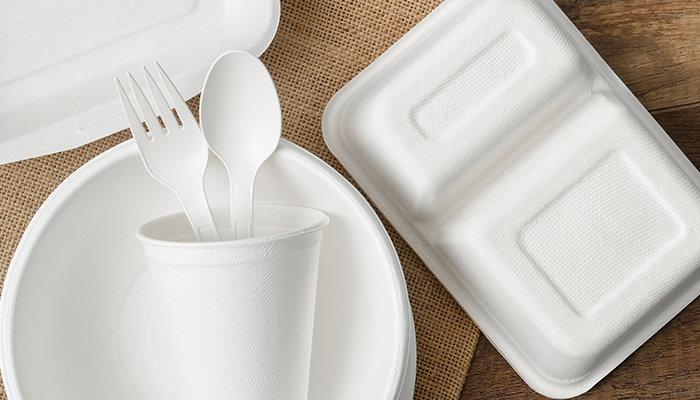
Household and outdoor activities
Families may use palm leaf or bamboo plates for picnics, barbecues, or casual gatherings to simplify cleanup and limit plastic waste.
By selecting appropriate biodegradable materials and products, users can adapt them to a range of food types, temperatures, and service contexts.
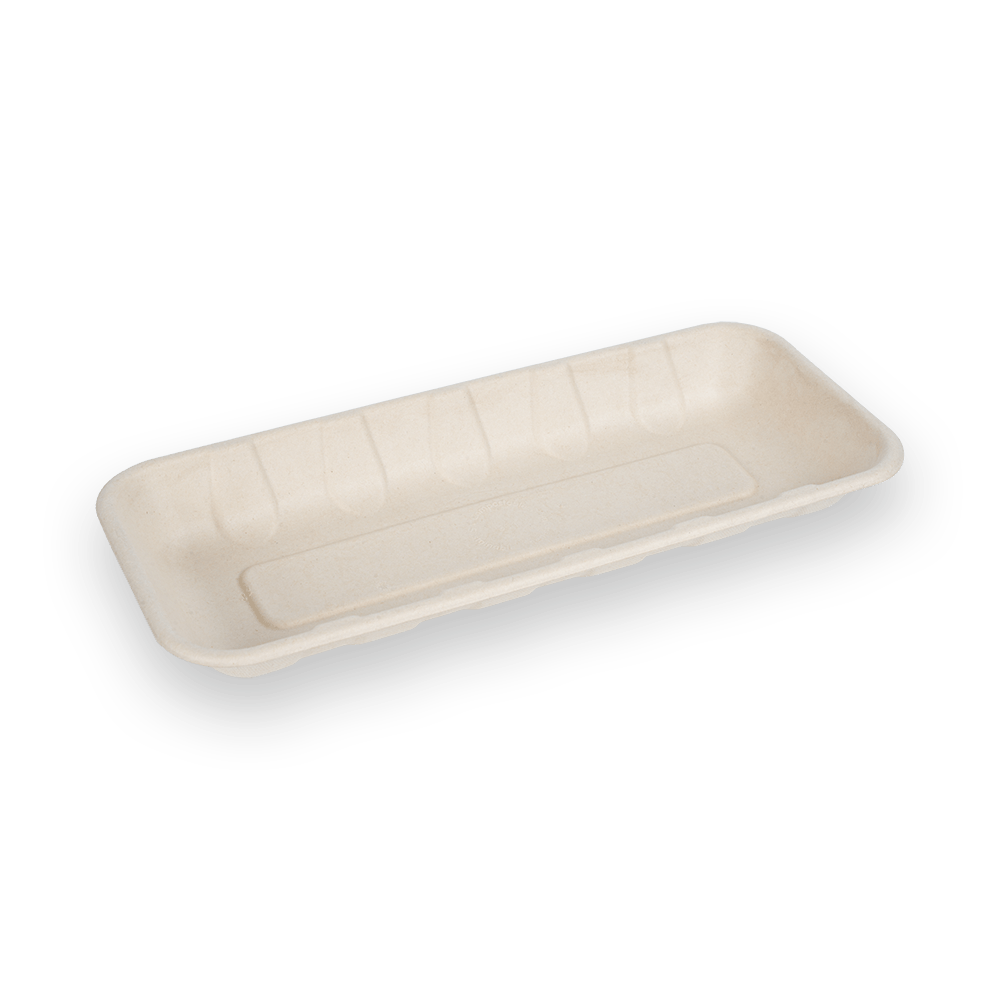
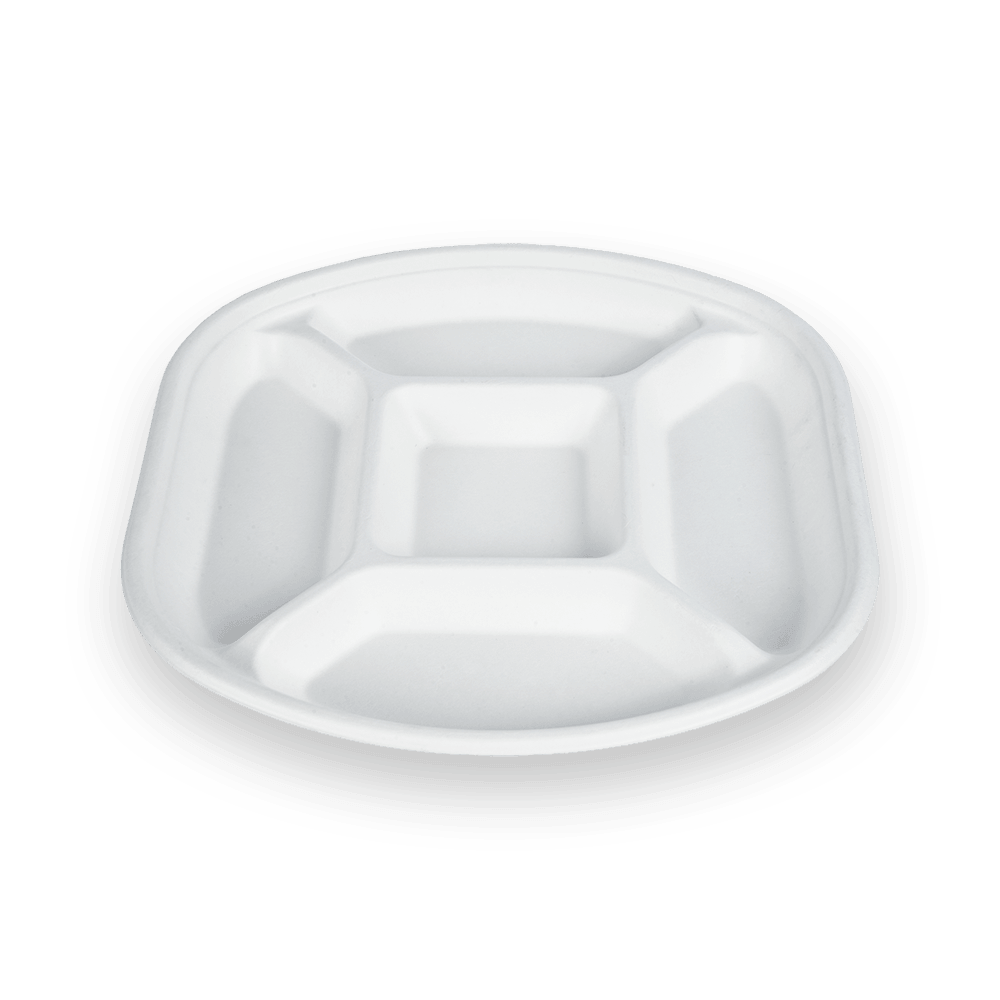
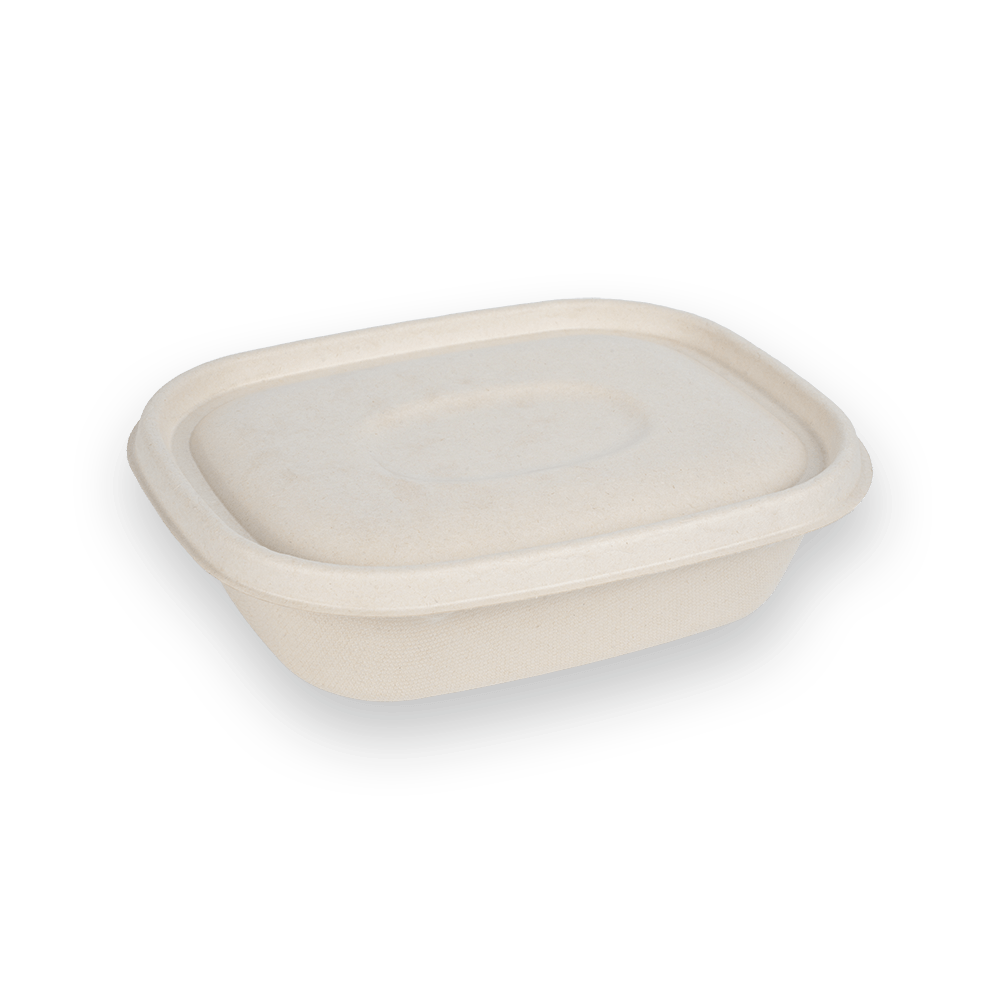
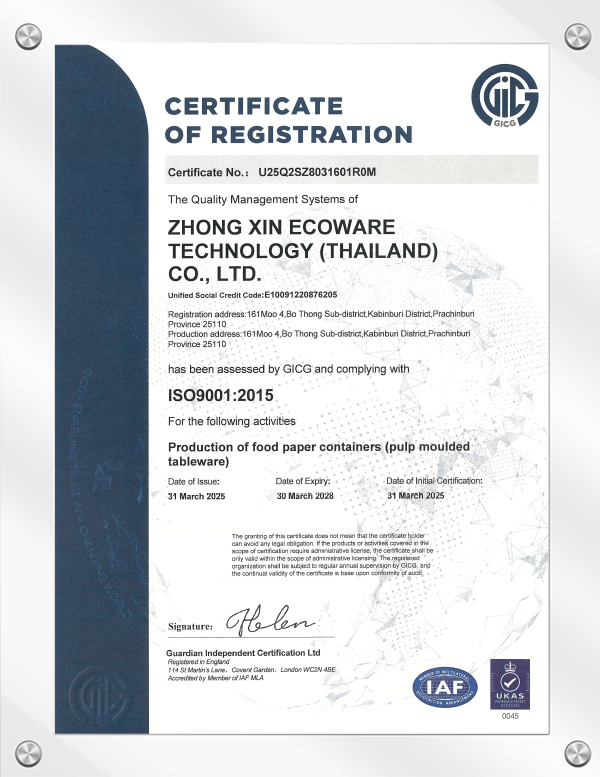
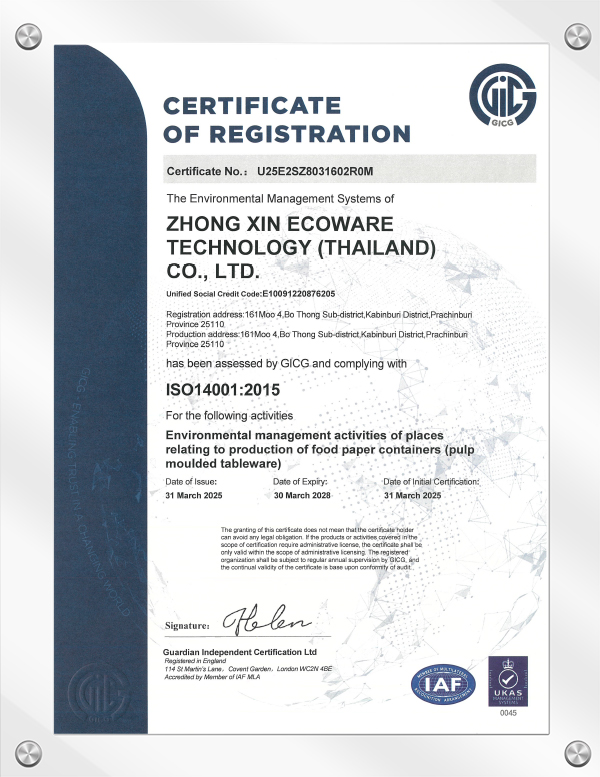
Zhong Xin Ecoware Technology (Thailand) Co., Ltd. supplies bagasse and molded fiber food packaging to importers, distributors and foodservice brands. For MOQ, pricing, samples and lead time, email info@fiber-product.com or use the contact form.

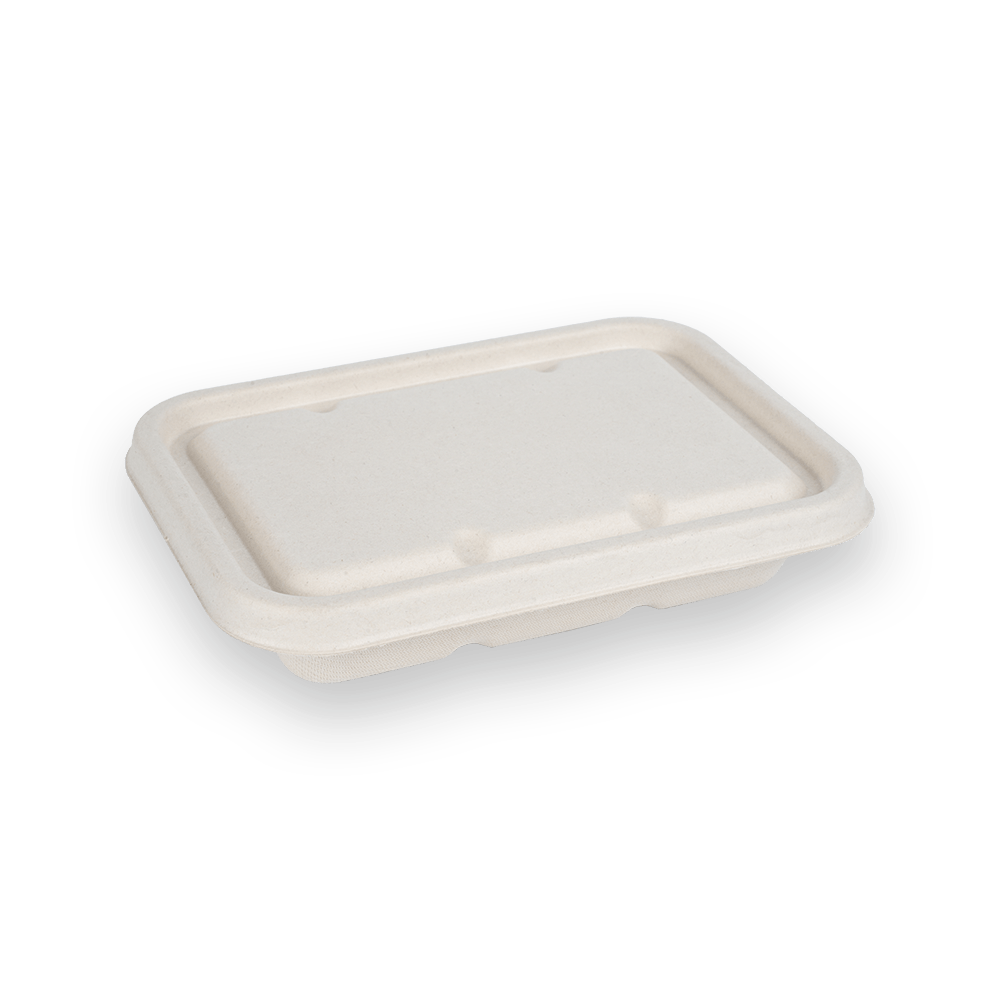

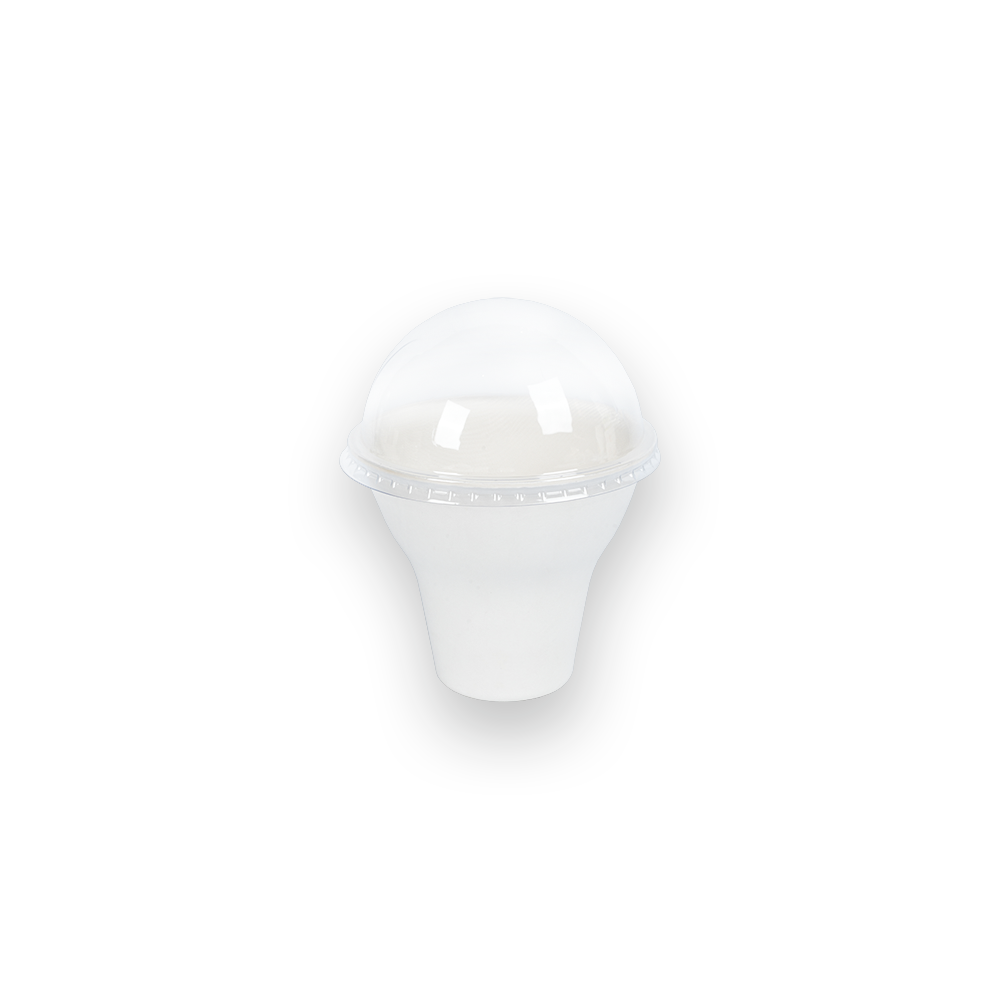
Zhong Xin Ecoware(Thailand) was registered on November 1, 2023, and officially began construction of the factory building in June 2024. At present, the first phase workshop of the factory has been fully completed and put into use. The second phase of the factory is being constructed intensively.
The landing and development of Zhong Xin in Thailand has brought a large amount of initial investment for land, factories, etc., and continuous operational investment for continuous equipment updates, technological upgrades, and capacity expansion.
Zhong Xin Ecoware(Thailand) has directly and indirectly created thousands of job opportunities, increased government revenue, promoted local economic development, cultivated local supply chains, provided systematic training for employees, improved the quality of local human capital, injected vitality into the local economy, enhanced industrial competitiveness, and ultimately improved residents' living standards.
Zhong Xin Ecoware(Thailand) actively collaborates with local pulp mills to explore new cooperation models for developing new products, improving production capacity and quality. At the same time, relying on Zhongxin's advanced production technology, process flow, management experience, and quality control system, it promotes the development of this industry in Thailand.
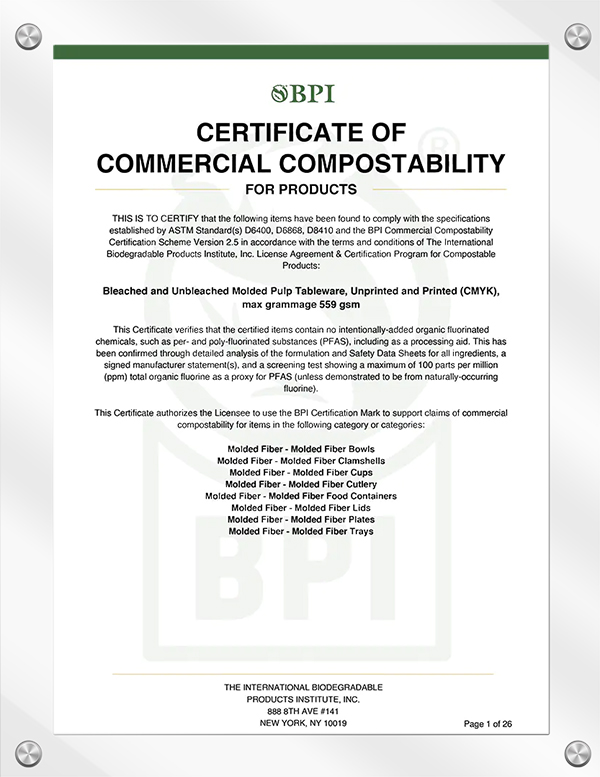
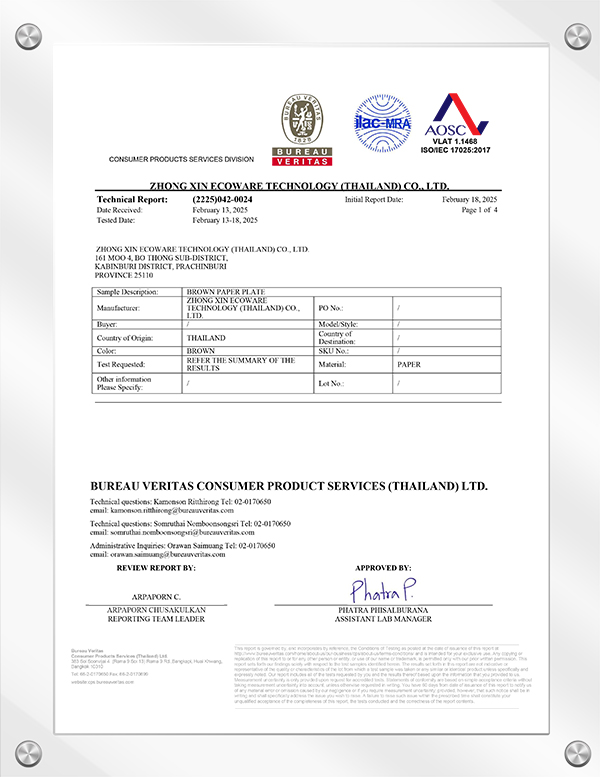

-
-
 +66-31240888
 -
 161 Village No. 4, Bo Thong Subdistrict Kabin Buri District Prachinburi Province 25110
-
How to Find Zhong Xin at the 140th Canton Fair: A Visitor Navigation Guide
Oct 16,2026
-
Thailand vs China Bagasse Tableware: 8 Comparisons Buyers Should Verify
Oct 16,2026
-
Will Takeout Containers Fit Your Existing Lids and Delivery Workflow
Oct 16,2026
-
What Is Bagasse Tableware? A 2026 Buyer Guide to Material, Performance and Documents
Oct 13,2026
-
Bagasse Tray Wholesale: How Bulk Buyers Cut Cost with Carton and Container Planning
Oct 09,2026
-
What Should a Bagasse Manufacturer Include in a Bulk Order Quote
Oct 09,2026
-
FOB, CIF or DDP? Incoterms for Bagasse Tableware Buyers Shipping from Thailand
Oct 06,2026
-
Packaging or Food Contact? Which EU Regime Applies to Bagasse Cups, Bowls, Plates and Cutlery
Oct 06,2026
-
Compostable Cutlery Sets for Private Label: 7 Sourcing Checks for Retail and Foodservice Buyers
Oct 06,2026
-
US vs EU Bagasse Tableware Imports: 8 Documentation and Compliance Checks Buyers Should Run
Oct 06,2026
-
How to Prepare a Bagasse Tableware Import: 10 Readiness Checks for US and EU Buyers
Oct 06,2026
-
Beyond Plates: Which Foods Suit Bagasse Tableware
Oct 02,2026
Copyright © 2025 Zhong Xin Ecoware Technology ( Thailand ) CO., LTD.
All Rights Reserved.

Biodegradable Disposable Bagasse Tableware Manufacturer