-
 [email protected]
-
 +66-31240888



 English
 Español
 ไทย
ไทยDifferences Between Biodegradable Clamshell and Other Packaging
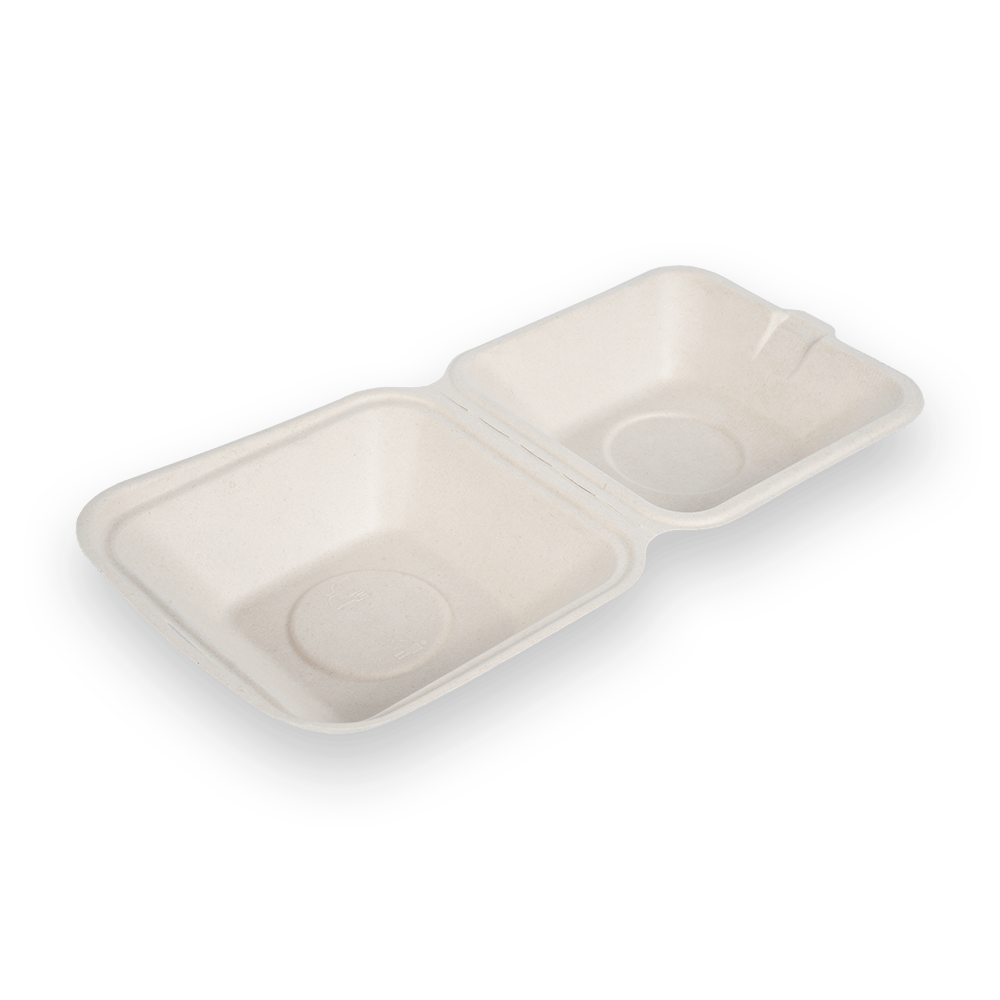
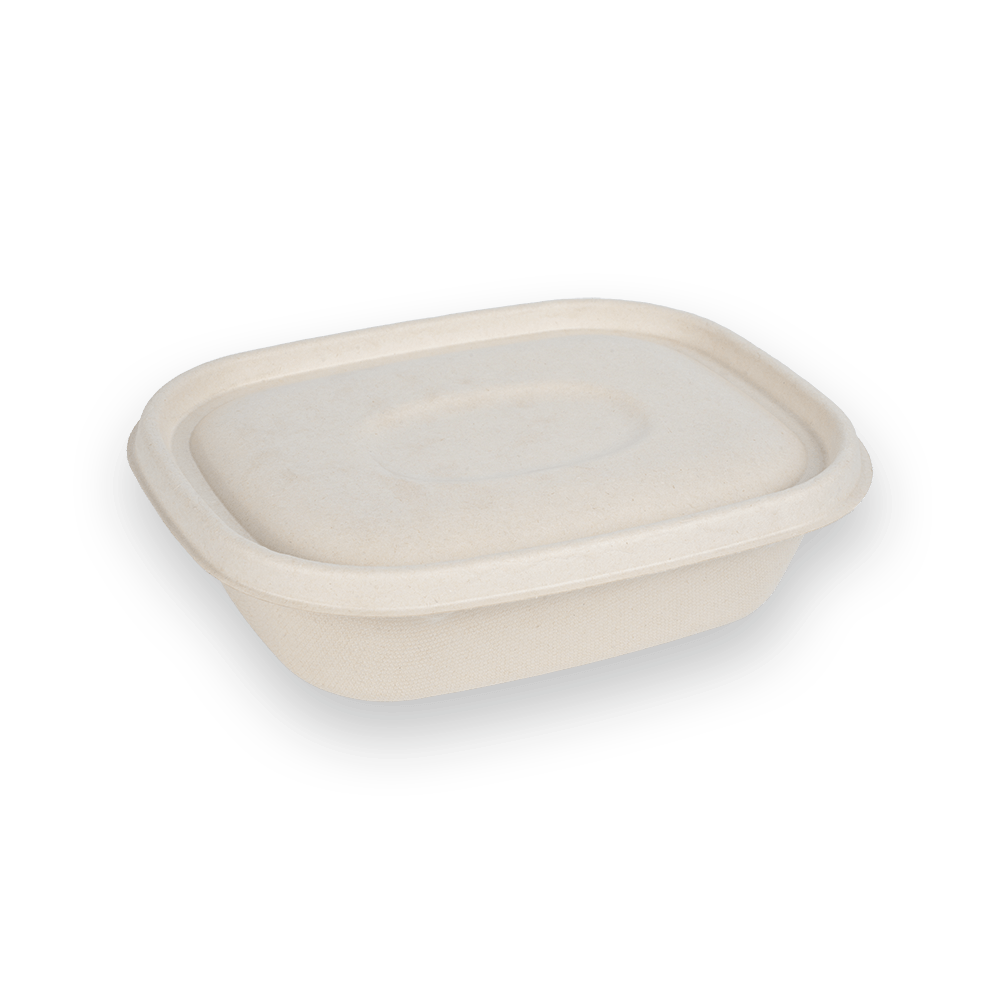
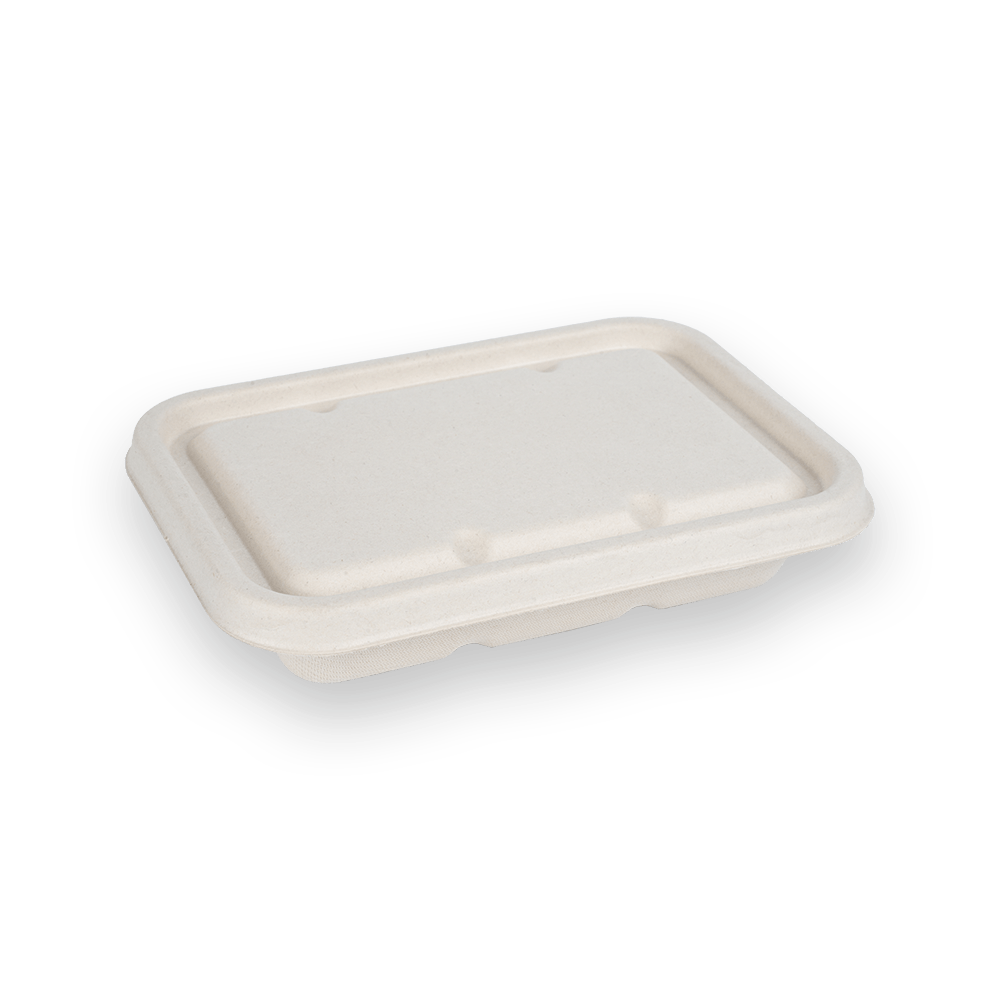
Biodegradable clamshells are commonly used for food products, including fruits, vegetables, baked goods, and ready-to-eat meals. Unlike traditional plastic packaging, biodegradable clamshells are made from plant-based materials such as sugarcane bagasse, cornstarch, or molded fiber. These materials allow the packaging to decompose under certain conditions, offering an alternative to conventional petroleum-based plastics.
Material Composition and Production Process Differences
The primary difference between biodegradable clamshells and conventional packaging lies in the materials used. Biodegradable clamshells are typically made from renewable plant-based fibers. Sugarcane bagasse, the fibrous residue left after extracting juice from sugarcane, is a common material. Other sources include cornstarch, bamboo, or wheat straw. These fibers are molded under heat and pressure to form the clamshell shape, providing a lightweight yet durable container suitable for various food products.
In contrast, traditional plastic clamshells are usually made from PET (polyethylene terephthalate) or PP (polypropylene). These materials are derived from petroleum and require chemical processing to produce sheets or molds. Plastic clamshells are highly durable and resistant to moisture but do not degrade naturally in the environment. Foam-based packaging, such as expanded polystyrene (EPS), is another common alternative, offering low cost and good insulation but limited environmental compatibility. The material composition significantly affects the environmental impact, manufacturing process, and recyclability of the packaging.
Environmental Impact and Degradability Differences
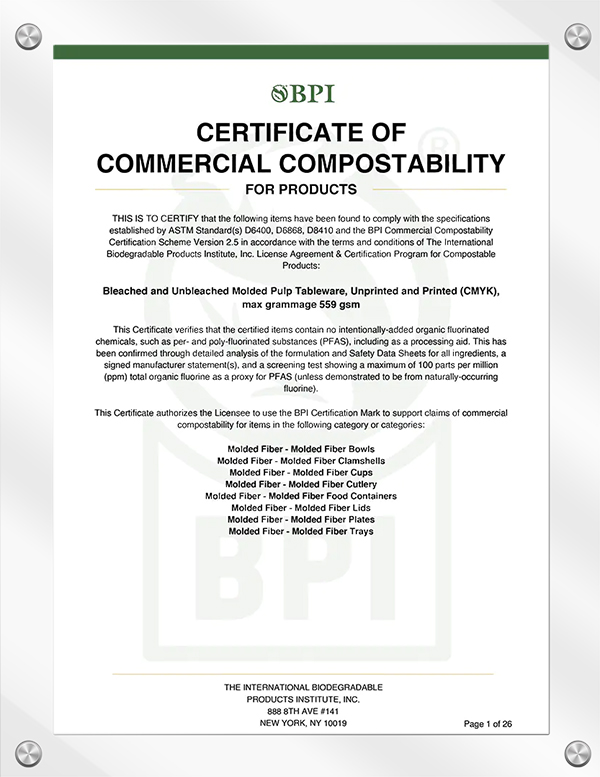
A significant difference between biodegradable clamshells and conventional packaging is the environmental impact. Biodegradable clamshells are designed to decompose under composting conditions or in industrial compost facilities. Over time, microorganisms break down the plant fibers into water, carbon dioxide, and organic matter. This process reduces landfill waste and contributes to a lower carbon footprint. Some biodegradable clamshells are certified as compostable, meeting standards such as ASTM D6400 or EN 1343
In comparison, traditional plastic clamshells are resistant to natural degradation and can persist in the environment for hundreds of years. While PET and PP plastics can be recycled, recycling rates vary depending on regional infrastructure and contamination. Foam-based packaging is recycled due to its low density and high cost of processing. Non-biodegradable packaging contributes to litter, microplastic pollution, and increased landfill usage. Therefore, biodegradable clamshells provide an environmental benefit by offering a more sustainable option for single-use packaging.
Performance and Usability Differences
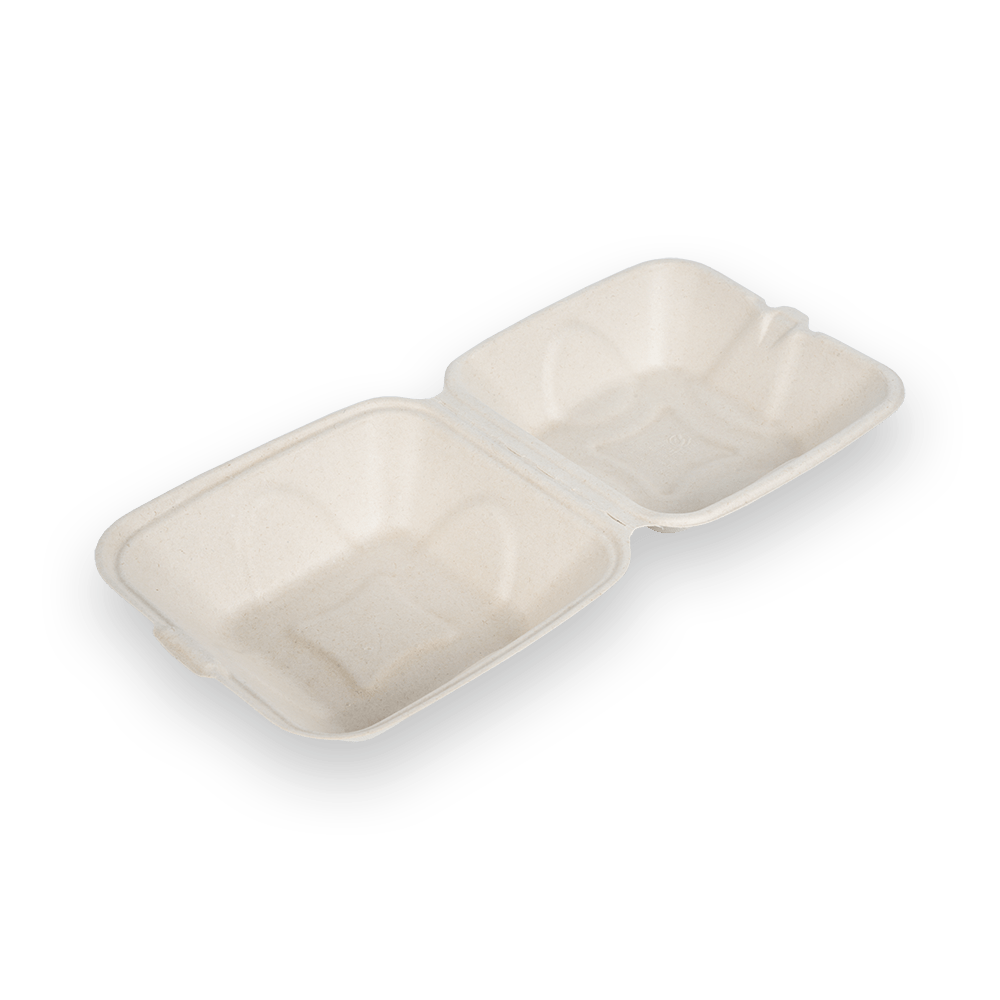
Biodegradable clamshells and conventional packaging differ in performance and usability. Biodegradable containers are generally strong enough to hold a variety of foods, resist moderate moisture, and maintain structural integrity during transport. However, they may be less resistant to heavy liquids or very high temperatures compared with plastic or foam packaging. Some biodegradable clamshells are coated with a thin layer of biodegradable or water-resistant material to improve durability without affecting compostability.
Plastic clamshells offer higher resistance to impact, water, and temperature variations. They are often transparent, allowing customers to view the product without opening the container. Foam containers provide good insulation for hot or cold foods but are prone to breaking under pressure. The choice between biodegradable and conventional packaging often involves balancing environmental goals with functional requirements, cost, and consumer preferences.
Cost, Availability, and Consumer Perception Differences
Cost and availability also distinguish biodegradable clamshells from traditional packaging. Biodegradable packaging generally has higher production costs due to raw material sourcing and specialized manufacturing processes. Availability may be limited compared with widely produced PET, PP, or foam containers. However, consumer demand for environmentally friendly packaging is increasing, encouraging manufacturers to invest in biodegradable solutions.
Consumer perception plays a role as well. Biodegradable clamshells are often associated with sustainability, health, and eco-conscious practices. Retailers and brands may use these containers to promote their environmental responsibility. Conventional packaging may be perceived as more convenient and durable but less environmentally responsible. Choosing biodegradable clamshells can support brand image and meet regulatory or market-driven requirements for sustainable packaging solutions.
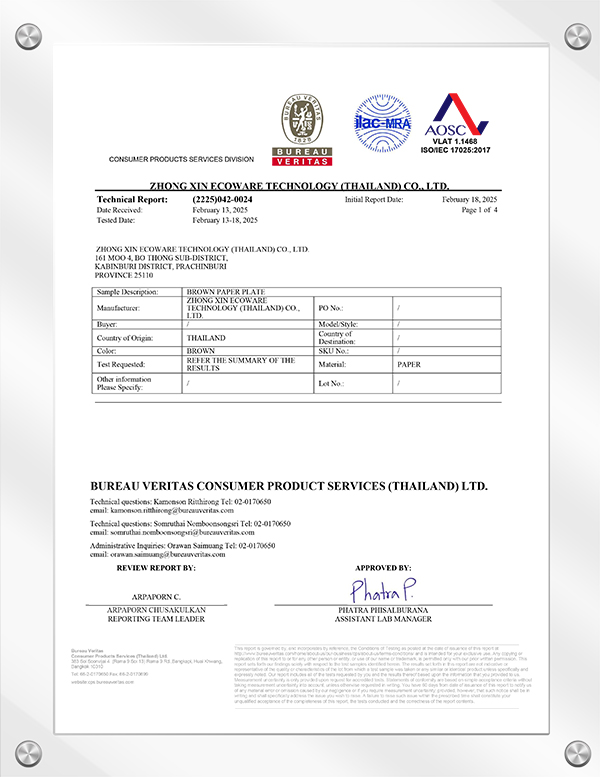
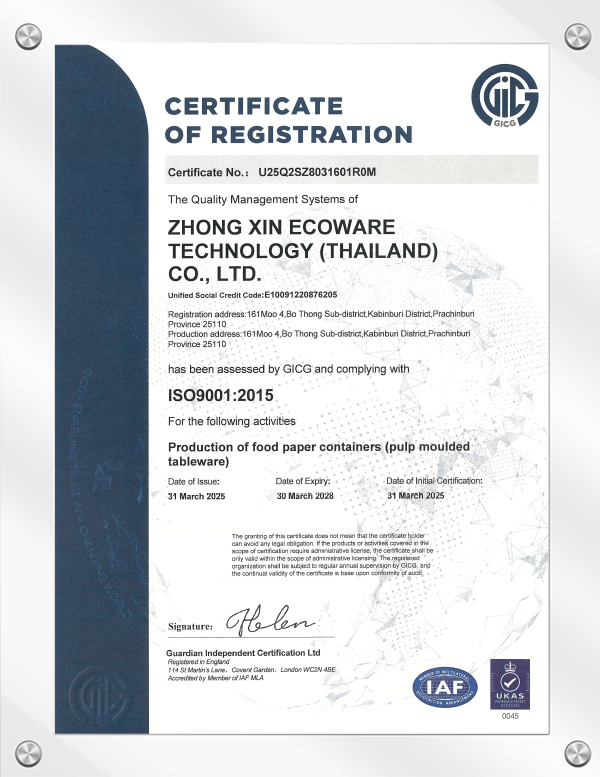
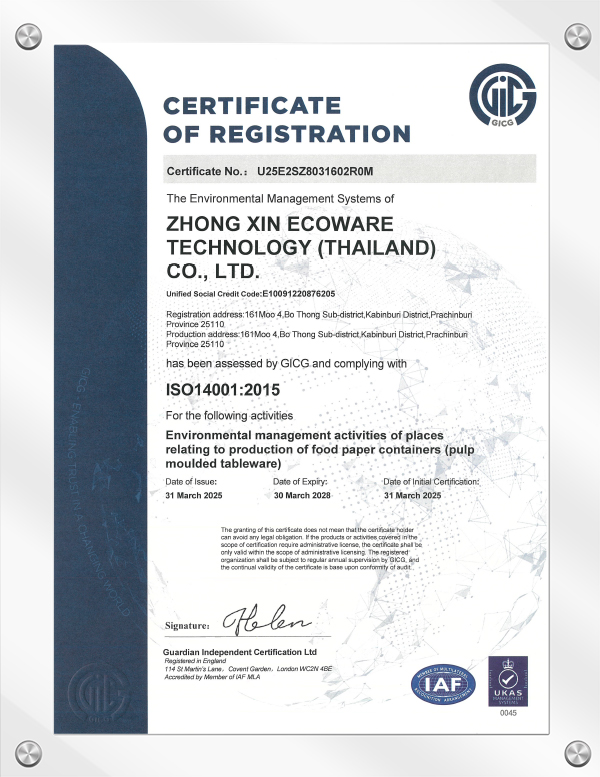
Zhong Xin Ecoware Technology (Thailand) Co., Ltd. supplies bagasse and molded fiber food packaging to importers, distributors and foodservice brands. For MOQ, pricing, samples and lead time, email info@fiber-product.com or use the contact form.
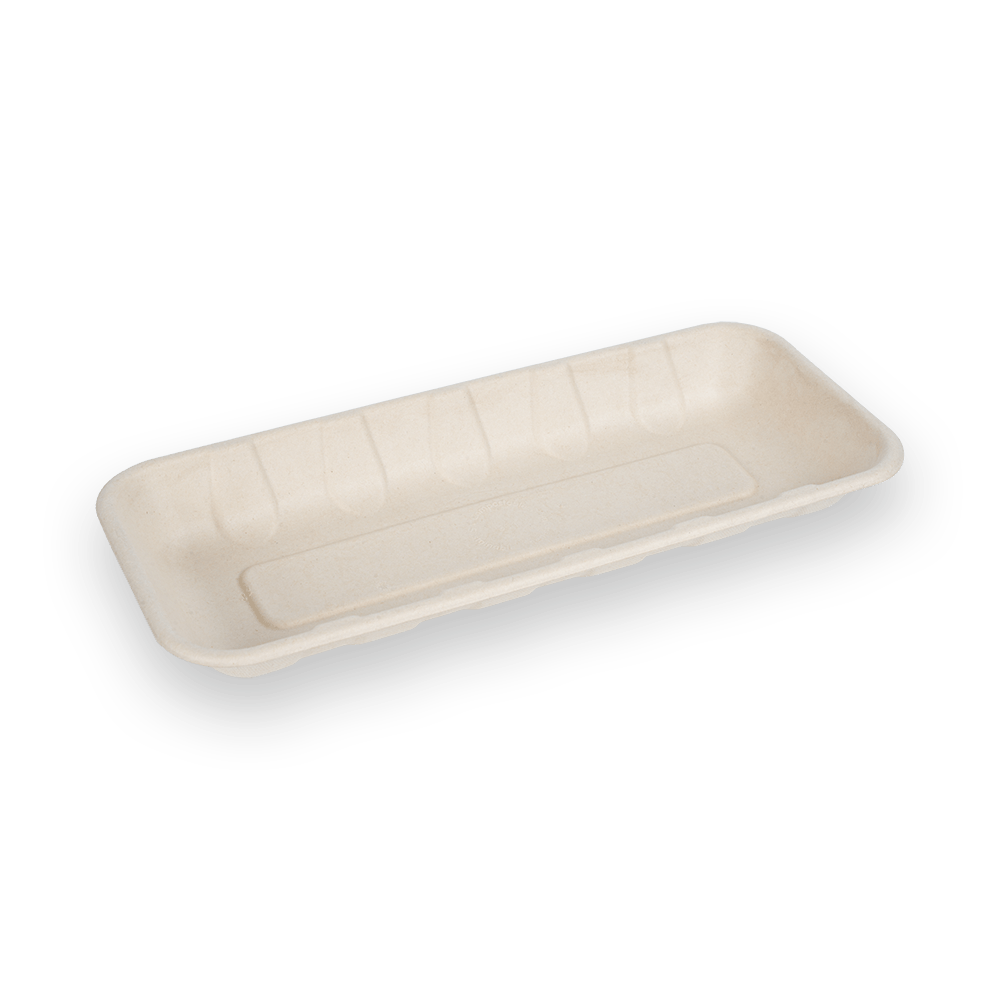
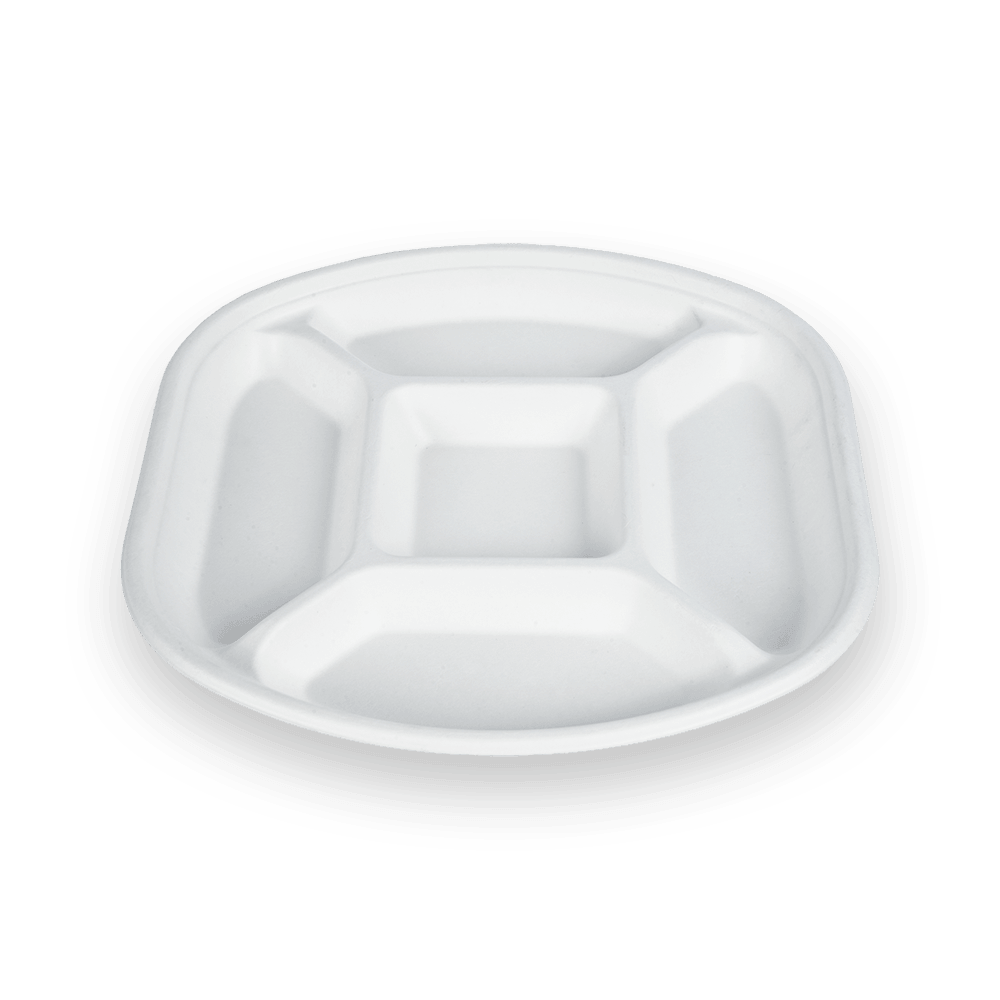


Zhong Xin Ecoware(Thailand) was registered on November 1, 2023, and officially began construction of the factory building in June 2024. At present, the first phase workshop of the factory has been fully completed and put into use. The second phase of the factory is being constructed intensively.
The landing and development of Zhong Xin in Thailand has brought a large amount of initial investment for land, factories, etc., and continuous operational investment for continuous equipment updates, technological upgrades, and capacity expansion.
Zhong Xin Ecoware(Thailand) has directly and indirectly created thousands of job opportunities, increased government revenue, promoted local economic development, cultivated local supply chains, provided systematic training for employees, improved the quality of local human capital, injected vitality into the local economy, enhanced industrial competitiveness, and ultimately improved residents' living standards.
Zhong Xin Ecoware(Thailand) actively collaborates with local pulp mills to explore new cooperation models for developing new products, improving production capacity and quality. At the same time, relying on Zhongxin's advanced production technology, process flow, management experience, and quality control system, it promotes the development of this industry in Thailand.

-
-
 +66-31240888
 -
 161 Village No. 4, Bo Thong Subdistrict Kabin Buri District Prachinburi Province 25110
-
How to Find Zhong Xin at the 140th Canton Fair: A Visitor Navigation Guide
Oct 16,2026
-
Thailand vs China Bagasse Tableware: 8 Comparisons Buyers Should Verify
Oct 16,2026
-
Will Takeout Containers Fit Your Existing Lids and Delivery Workflow
Oct 16,2026
-
What Is Bagasse Tableware? A 2026 Buyer Guide to Material, Performance and Documents
Oct 13,2026
-
Bagasse Tray Wholesale: How Bulk Buyers Cut Cost with Carton and Container Planning
Oct 09,2026
-
What Should a Bagasse Manufacturer Include in a Bulk Order Quote
Oct 09,2026
-
FOB, CIF or DDP? Incoterms for Bagasse Tableware Buyers Shipping from Thailand
Oct 06,2026
-
Packaging or Food Contact? Which EU Regime Applies to Bagasse Cups, Bowls, Plates and Cutlery
Oct 06,2026
-
Compostable Cutlery Sets for Private Label: 7 Sourcing Checks for Retail and Foodservice Buyers
Oct 06,2026
-
US vs EU Bagasse Tableware Imports: 8 Documentation and Compliance Checks Buyers Should Run
Oct 06,2026
-
How to Prepare a Bagasse Tableware Import: 10 Readiness Checks for US and EU Buyers
Oct 06,2026
-
Beyond Plates: Which Foods Suit Bagasse Tableware
Oct 02,2026
Copyright © 2025 Zhong Xin Ecoware Technology ( Thailand ) CO., LTD.
All Rights Reserved.

Biodegradable Disposable Bagasse Tableware Manufacturer