-
 [email protected]
-
 +66-31240888



 English
 Español
 ไทย
ไทยIs Plant Fiber Tableware a Viable Alternative?
Is Plant Fiber Tableware a Viable Alternative?
The global movement to reduce plastic waste has spurred significant interest in sustainable alternatives, particularly within the food service industry. Among the various options, tableware made from plant fibers, such as bagasse (sugarcane residue), bamboo, and wheat straw, has gained considerable attention. These products are often marketed as biodegradable and compostable, presenting an appealing solution to the environmental challenges posed by conventional plastics. However, their adoption necessitates a careful examination of two critical areas: the safety of these products for consumer use and a clear-eyed assessment of their practical limitations.
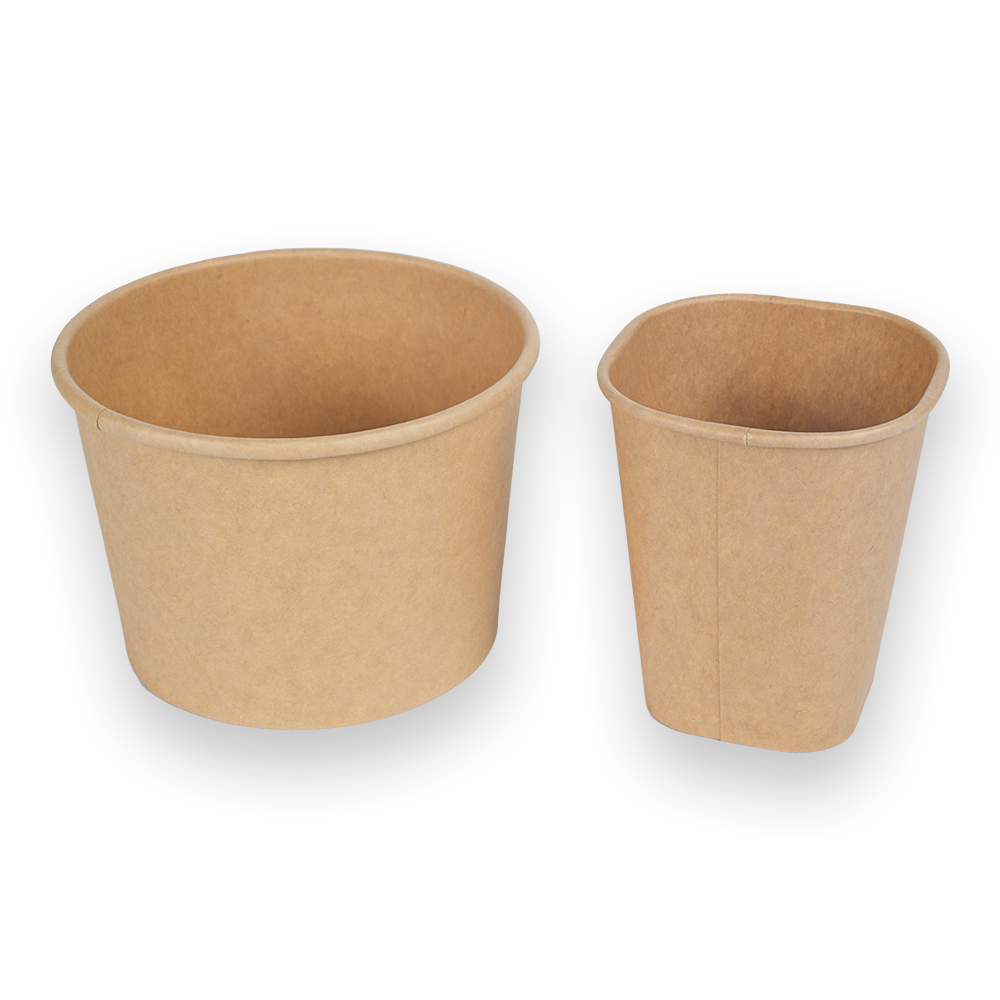
Is Biodegradable Plant Fiber Tableware Safe?
The safety of biodegradable plant fiber tableware begins with its material source and composition. These products are typically made from renewable resources such as bamboo, sugarcane, or wheat straw. Since they are derived from plants, they are inherently biodegradable, breaking down into natural elements without leaving harmful residues. This natural composition makes them a safer choice compared to petroleum-based plastics, which can leach chemicals and take centuries to decompose.
The heat resistance and durability of plant fiber tableware are also factors in its safety. While some products are designed for cold foods and beverages, others can withstand higher temperatures, making them suitable for hot foods and liquids. However, it's important to note that not all plant fiber tableware is created equal; some may become soft or break more easily when exposed to heat or moisture. Users should be aware of the specific product's limitations and use them accordingly.
The safety of biodegradable plant fiber tableware is a multifaceted issue, addressed through manufacturing standards, material composition, and usage guidelines. In general, when produced in compliance with established regulations, this category of tableware is considered safe for its intended use.
A primary safety assurance comes from the regulation of substances that could migrate into food. Reputable manufacturers adhere to food-contact material standards, which set limits on heavy metals, plasticizers, and other chemical contaminants. For instance, in the United States, products must comply with the Food and Drug Administration (FDA) regulations, which evaluate the safety of all materials, including bioplastics and coatings like Polylactic Acid (PLA), that come into contact with food. This ensures that the inks, adhesives, and any water-resistant coatings used are non-toxic and do not leach harmful substances into food under normal conditions.
The inherent stability of the base materials contributes to their safety. Plant fibers such as bagasse and bamboo are generally inert and do not react with food. The manufacturing process, which often involves high heat and pressure to mold the items, also serves to sterilize the material. However, safety can be compromised by improper use. A key consideration is microwave safety. Not all plant fiber tableware is designed for microwave use. The intense heat can break down biodegradable coatings or cause the material itself to overheat, potentially deformation or the transfer of substances into the food. Consumers must therefore rely on explicit manufacturer instructions labeled on the product.
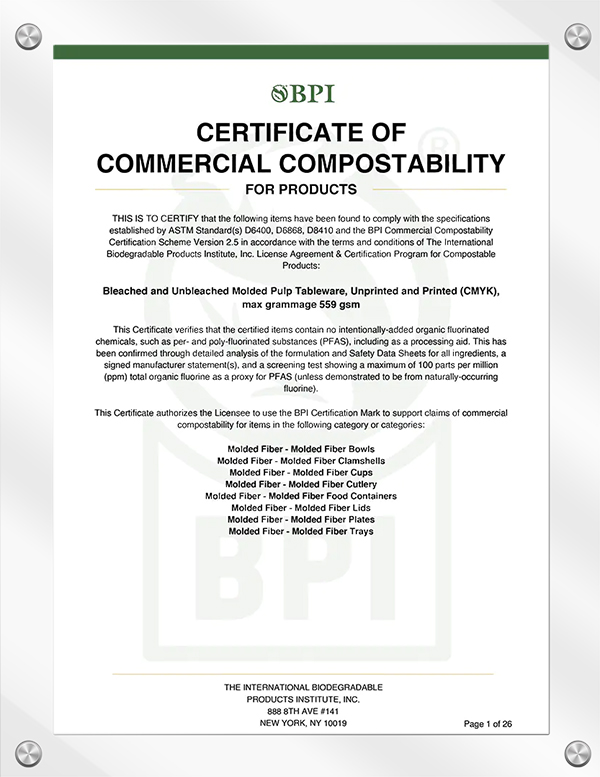
The presence of certifications provides a layer of independent verification. Marks from organizations like the Biodegradable Products Institute (BPI) or OK Compost HOME indicate that the product has been tested for compostability and for having low levels of regulated heavy metals. While these are primarily environmental certifications, they involve a degree of material safety screening. In conclusion, the safety of plant fiber tableware is not inherent but is achieved through regulatory compliance, responsible manufacturing, and appropriate consumer use.
What are the Disadvantages of Compostable Bagasse Tableware?
While compostable bagasse tableware offers a sustainable profile, its practical application is accompanied by several distinct disadvantages. These challenges can be examined from a functional, logistical, and economic perspective.
1. Functional Limitations in Specific Conditions
A significant drawback of bagasse tableware is its performance with certain types of foods and environments. Although it has good resistance to oils and can handle hot foods for a short duration, its weakness emerges with prolonged exposure to liquids. If a very hot or liquid-based food is left in a bagasse container for an extended period, the material can begin to absorb moisture, a loss of rigidity. The container may become soft, and in some cases, the bottom can sag, creating a risk of leakage or failure. This limits its suitability for dishes like soups, stews, or very wet curries that are intended to be stored for some time before consumption. Its performance is more reliable with drier, solid foods.
2. Constraints within Waste Management Infrastructure
The environmental benefit of bagasse is contingent upon its disposal in a commercial composting facility. These facilities provide the specific conditions of heat, moisture, and microbial activity required for the material to break down within a defined timeframe. However, access to such infrastructure is not universal. In many municipalities, industrial composting is unavailable. When bagasse products are sent to a landfill, they are likely to decompose anaerobically (without oxygen), a process that generates methane, a potent greenhouse gas. This negates their primary environmental advantage. Furthermore, consumer confusion often leads to bagasse being placed in recycling bins, where it acts as a contaminant, disrupting the recycling stream for paper and plastic.
3. Economic and Supply Chain Considerations
From an economic standpoint, bagasse tableware often carries a higher price point than conventional plastic or even some paper alternatives. The processes for collecting, pulping, and molding the sugarcane fiber can be more complex and less scaled than the highly optimized production of petroleum-based plastics. This cost differential can be a barrier to adoption for small businesses or cost-sensitive consumers. Additionally, the supply of bagasse, while abundant, is tied to the sugar industry. Any fluctuations in sugar production, driven by agricultural or market factors, can potentially impact the availability and price stability of the raw material for tableware manufacturing.
Plant fiber tableware, particularly products made from bagasse, represents a meaningful step toward reducing reliance on single-use plastics. Its safety for food contact is well-established through regulatory frameworks, provided it is used according to manufacturer guidelines. However, a comprehensive view requires an acknowledgment of its functional vulnerabilities with liquids, its dependence on a robust composting infrastructure to realize its end-of-life benefits, and its current economic challenges. Therefore, its viability is not absolute but is context-dependent, serving as a valuable alternative in settings where its properties align with the functional needs and where appropriate disposal pathways are accessible.
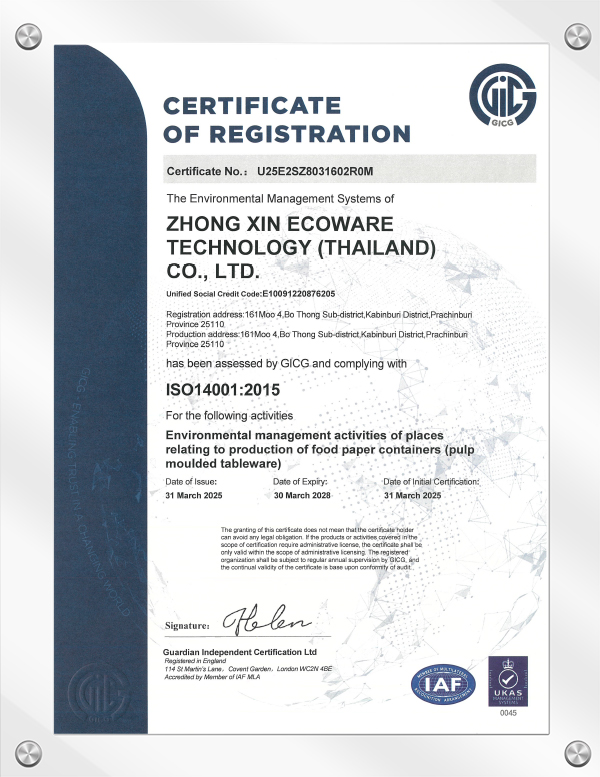
Zhong Xin Ecoware Technology (Thailand) Co., Ltd. supplies bagasse and molded fiber food packaging to importers, distributors and foodservice brands. For MOQ, pricing, samples and lead time, email info@fiber-product.com or use the contact form.
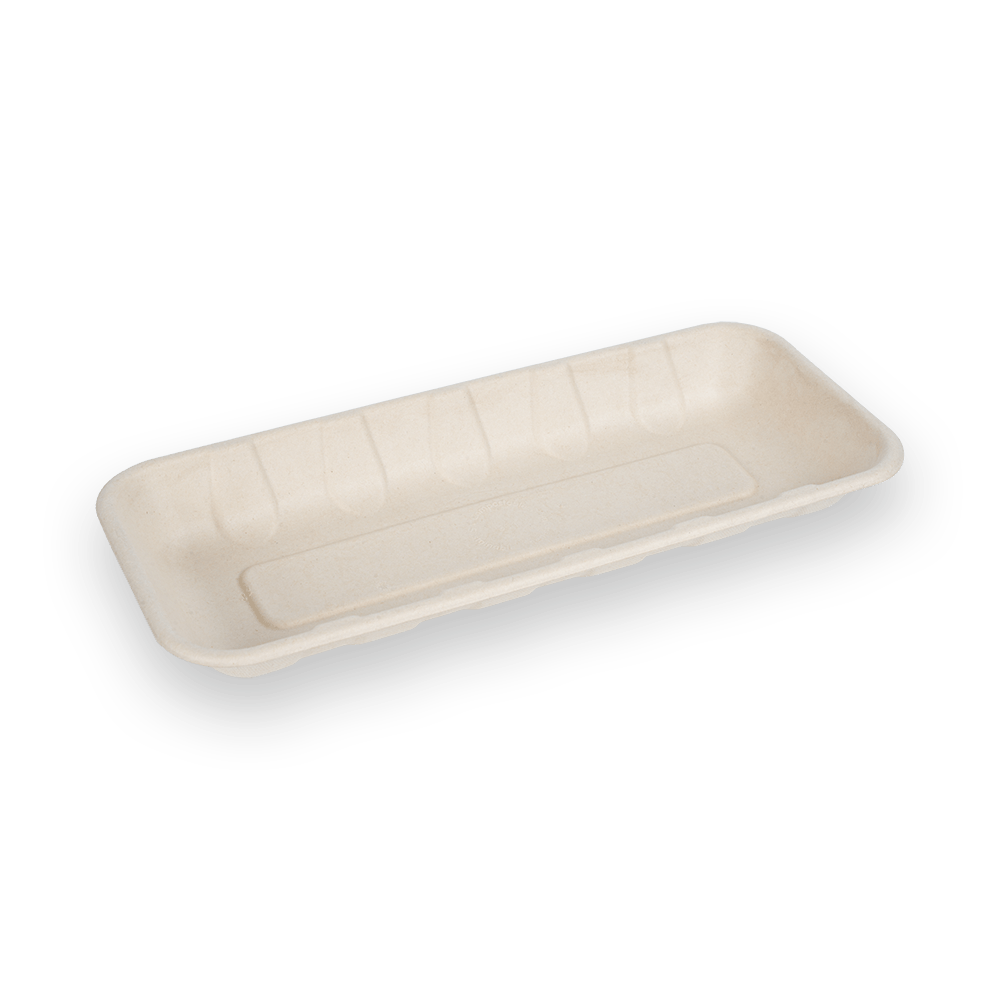


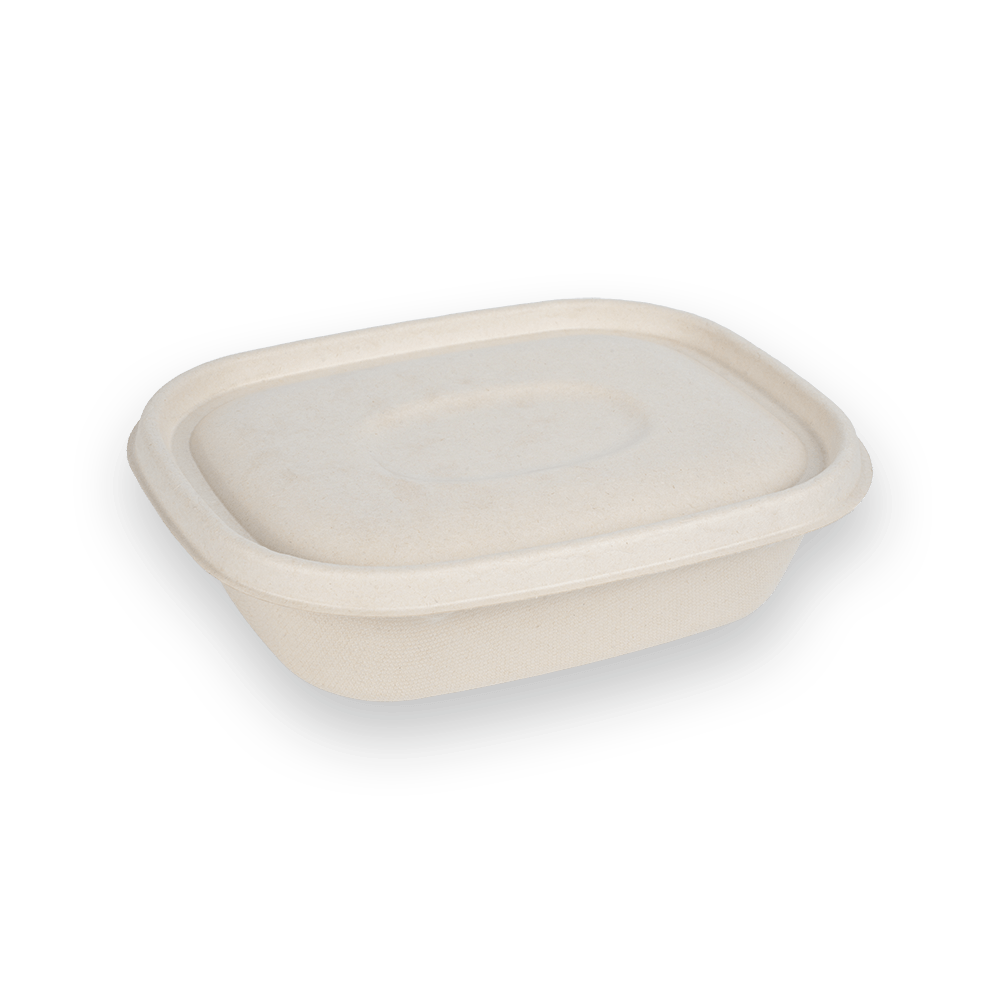
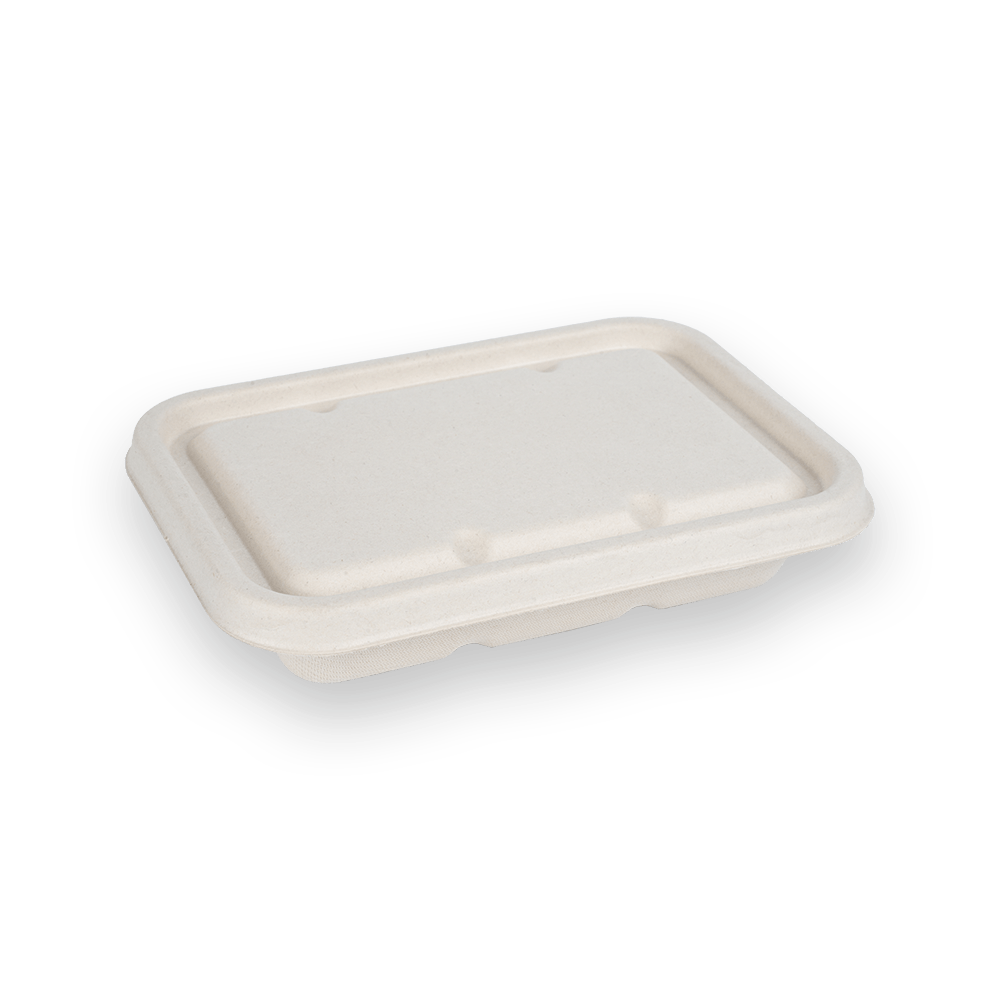

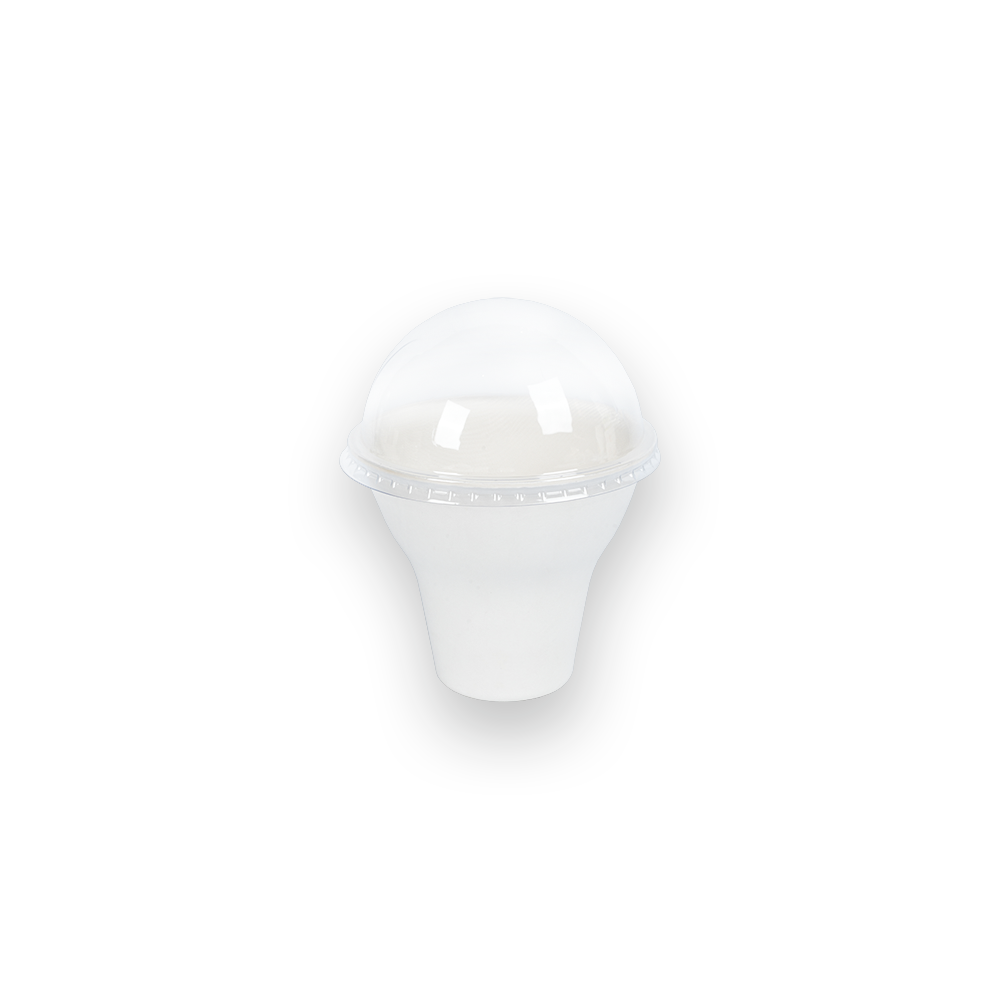
Zhong Xin Ecoware(Thailand) was registered on November 1, 2023, and officially began construction of the factory building in June 2024. At present, the first phase workshop of the factory has been fully completed and put into use. The second phase of the factory is being constructed intensively.
The landing and development of Zhong Xin in Thailand has brought a large amount of initial investment for land, factories, etc., and continuous operational investment for continuous equipment updates, technological upgrades, and capacity expansion.
Zhong Xin Ecoware(Thailand) has directly and indirectly created thousands of job opportunities, increased government revenue, promoted local economic development, cultivated local supply chains, provided systematic training for employees, improved the quality of local human capital, injected vitality into the local economy, enhanced industrial competitiveness, and ultimately improved residents' living standards.
Zhong Xin Ecoware(Thailand) actively collaborates with local pulp mills to explore new cooperation models for developing new products, improving production capacity and quality. At the same time, relying on Zhongxin's advanced production technology, process flow, management experience, and quality control system, it promotes the development of this industry in Thailand.

-
-
 +66-31240888
 -
 161 Village No. 4, Bo Thong Subdistrict Kabin Buri District Prachinburi Province 25110
-
How to Find Zhong Xin at the 140th Canton Fair: A Visitor Navigation Guide
Oct 16,2026
-
Thailand vs China Bagasse Tableware: 8 Comparisons Buyers Should Verify
Oct 16,2026
-
Will Takeout Containers Fit Your Existing Lids and Delivery Workflow
Oct 16,2026
-
What Is Bagasse Tableware? A 2026 Buyer Guide to Material, Performance and Documents
Oct 13,2026
-
Bagasse Tray Wholesale: How Bulk Buyers Cut Cost with Carton and Container Planning
Oct 09,2026
-
What Should a Bagasse Manufacturer Include in a Bulk Order Quote
Oct 09,2026
-
FOB, CIF or DDP? Incoterms for Bagasse Tableware Buyers Shipping from Thailand
Oct 06,2026
-
Packaging or Food Contact? Which EU Regime Applies to Bagasse Cups, Bowls, Plates and Cutlery
Oct 06,2026
-
Compostable Cutlery Sets for Private Label: 7 Sourcing Checks for Retail and Foodservice Buyers
Oct 06,2026
-
US vs EU Bagasse Tableware Imports: 8 Documentation and Compliance Checks Buyers Should Run
Oct 06,2026
-
How to Prepare a Bagasse Tableware Import: 10 Readiness Checks for US and EU Buyers
Oct 06,2026
-
Beyond Plates: Which Foods Suit Bagasse Tableware
Oct 02,2026
Copyright © 2025 Zhong Xin Ecoware Technology ( Thailand ) CO., LTD.
All Rights Reserved.

Biodegradable Disposable Bagasse Tableware Manufacturer