-
 [email protected]
-
 +66-31240888



 English
 Español
 ไทย
ไทยDisposable Tableware Isn't Going Away—But It's Finally Growing Up
Walk into any takeout-focused restaurant or grab coffee from a highway stop, and you’ll see the same scene: forks wrapped in plastic, lids clicking onto cups, napkins stacked in thin paper sleeves. The disposable tableware factory has become so ordinary that we barely notice it anymore. But look closer. That flimsy spoon you used for fifteen seconds might stay on the planet for longer than your entire lifetime.

So what exactly are we talking about when we say “disposable tableware”? And more importantly—what’s changing?
What Actually Counts as Disposable Tableware?
Let’s strip away the marketing terms for a moment. Disposable tableware means any eating or serving item designed for one-time use, then tossed. Think plates, bowls, cups, lids, cutlery, straws, napkins, and even those little sauce cups hiding at the bottom of a delivery bag.
For decades, the list was simple and cheap: expanded polystyrene (better known as Styrofoam), clear PET plastic, coated paperboard, and aluminum foil trays. Each had a purpose. Styrofoam kept coffee hot. Plastic forks didn’t dissolve in hot soup. Coated paper plates looked nicer than plain cardboard.
But “disposable” never meant “harmless.” Most traditional versions use a plastic or wax coating to resist liquids, which makes them poor at degrading naturally. A standard plastic fork takes about 200 years to degrade fully. A foam cup? Some estimates push that past 500 years. And that’s assuming it gets sunlight and air, which most buried landfill waste never does.
Here’s the part we often ignore: disposable tableware also includes things that feel eco-friendly but aren’t. Plain paper plates with no coating? They get soggy immediately, so manufacturers add a thin plastic layer. Biodegradable plastic spoons often need industrial composting facilities to actually break down—facilities that most towns don’t have.
So the real conversation isn’t about banning disposables entirely. It’s about distinguishing the genuinely better options from the ones wearing a green costume.
Green Disposable Tableware: Where It Actually Shows Up Today
When someone says “green disposable tableware” now, they’re usually pointing to one of three real-world solutions—each suited to different situations. Let’s walk through where you’re most likely to encounter them.
1. Fast-Casual Restaurants and Food Halls
Those fiber containers look almost like compacted egg cartons. They’re made from sugarcane bagasse (the dry pulp left after crushing sugarcane) or wheat straw—agricultural leftovers that would otherwise get burned or thrown out.
Here’s what works: these bowls hold hot noodles without leaking, don’t feel like cardboard, and will break down in a home compost bin within 60 to 90 days. No industrial facility required. The tradeoff? They’re slightly more expensive than foam, and they don’t stay rigid as long in a freezer.
Food halls also love palm leaf plates. Literally fallen areca palm leaves, cleaned, heat-pressed into shape—no glues, no coatings. Each plate looks slightly different, which customers actually like because it feels real. You’ll see these at wedding catering, farmers markets, and outdoor festivals where looking presentable matters.
2. Corporate Cafeterias and Office Pantries
Big offices are under pressure to hit sustainability targets. So the old foam cups and plastic cutlery in the breakroom? Gone in many places. Replacing them are PLA-lined paper cups (PLA stands for polylactic acid, made from fermented corn starch) and wooden cutlery that feels surprisingly sturdy.
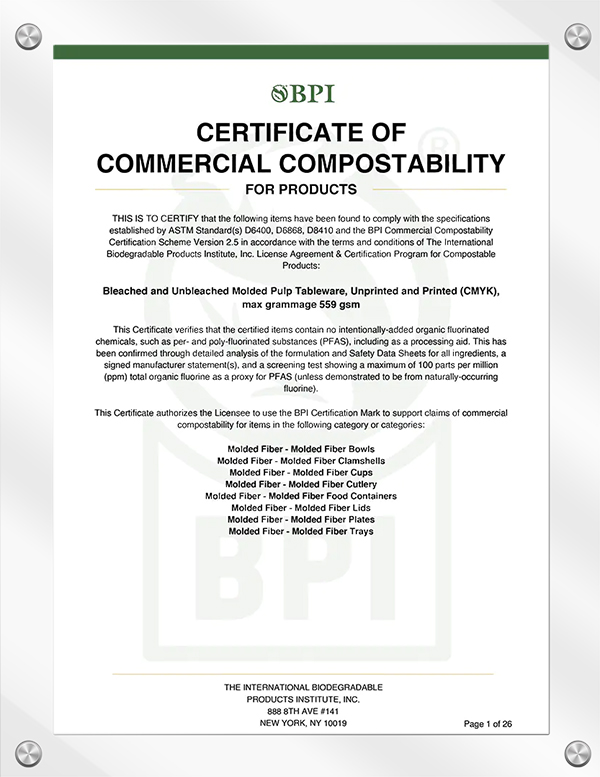
But here’s a detail most articles skip: offices need stuff that survives the dishwasher test—wait, that sounds wrong. Let me rephrase. Offices that try to switch to “compostable” often fail because employees toss everything in the same bin. So smarter buyers look for BPI-certified items (Biodegradable Products Institute) and actually train staff on which bin gets which fork. Without that step, green tableware is just expensive garbage.
Some tech campuses now use rice husk cups. Yes, rice husks—the scrap from milling rice. Ground into powder, mixed with a tiny amount of biodegradable binder, then molded. They feel like ceramic but weigh nothing. And when you’re done, they break down in soil without leaving microplastics behind.
3. Hospitals and Institutional Settings
This one surprises people. Hospitals generate enormous amounts of disposable tableware because of infection control—reusable plates require washing, which takes labor and water, and in isolation wards, reusables aren’t even allowed.
So green disposable tableware has found a real home here. Some hospitals now use bagasse trays and cups in regular patient floors. More interesting: cellulose film wrappers for cutlery (made from wood pulp) instead of plastic shrink wrap. It costs about 20% more but eliminates thousands of plastic wrappers per month.
There’s also a niche but growing category: edible spoons. Still rare outside India and parts of Europe, but some healthcare cafeterias now offer sorghum-based spoons that hold up for about 20 minutes in hot soup before softening. Not perfect for every meal, but for short-term patient use? It works.
The Uncomfortable Truth No One Mentions
Even the best green disposable tableware carries an invisible cost. Growing corn for PLA requires land, water, and fertilizer. Harvesting palm leaves at scale can disrupt ecosystems if not managed carefully. Transportation emissions for bagasse products—often shipped from Southeast Asia—can cancel out some of the carbon savings.
Does that mean we shouldn’t try? No. But it means the real solution isn’t a perfect material. It’s using disposables only when necessary, choosing the least harmful option for the specific job, and accepting that sometimes a reusable ceramic plate is still better than any disposable—even the green ones.
That’s the background most articles don’t give you. Not a simple good-versus-evil story, but a tradeoff-filled reality. And that’s where the real progress happens: not in finding a magic material, but in understanding what “disposable” actually means for the place you’re using it.
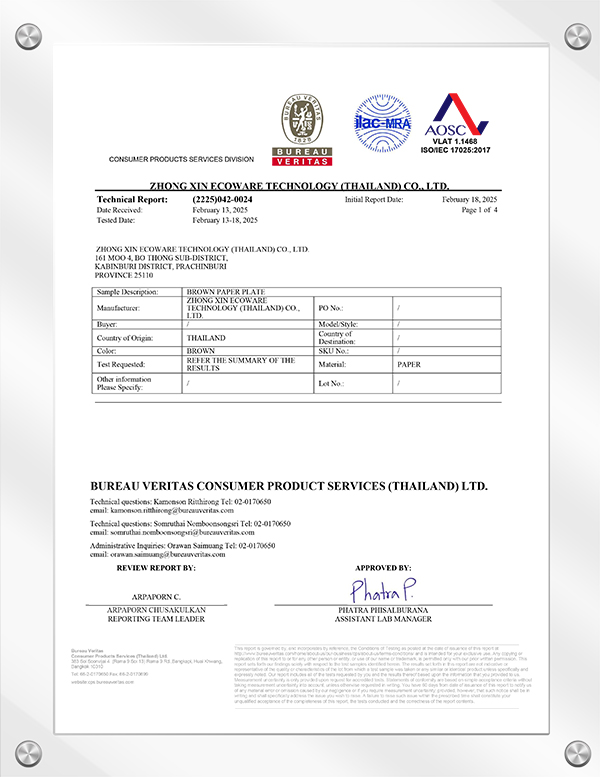
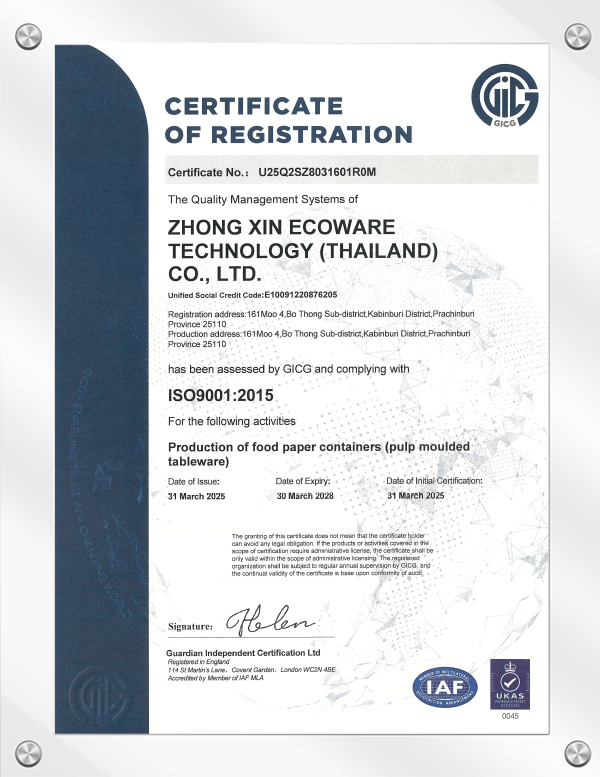
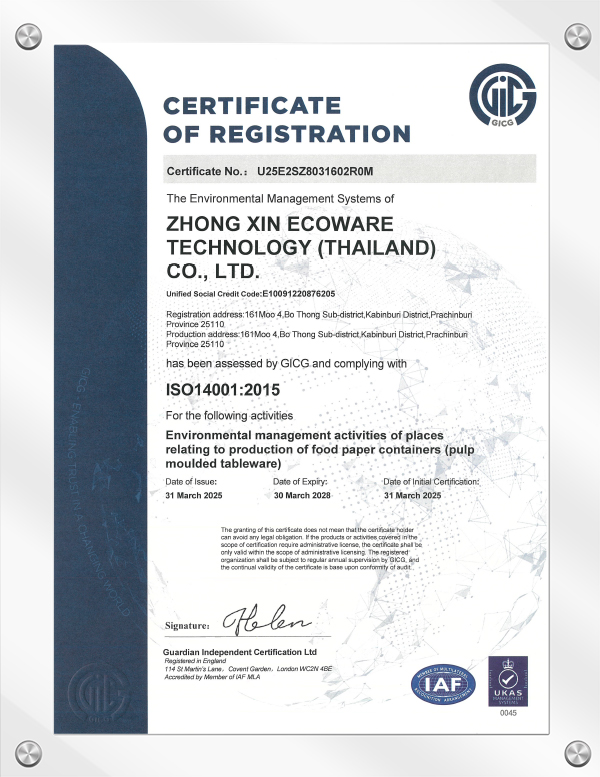
Zhong Xin Ecoware Technology (Thailand) Co., Ltd. supplies bagasse and molded fiber food packaging to importers, distributors and foodservice brands. For MOQ, pricing, samples and lead time, email info@fiber-product.com or use the contact form.
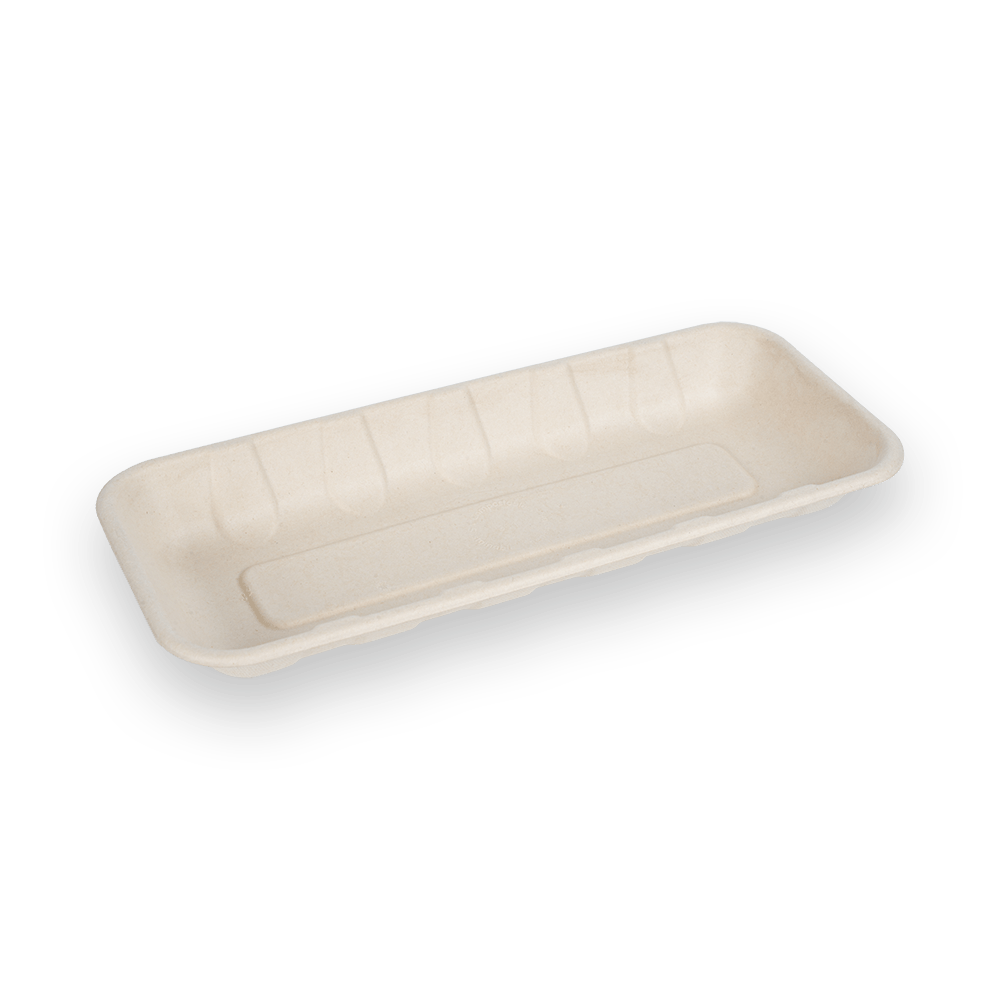


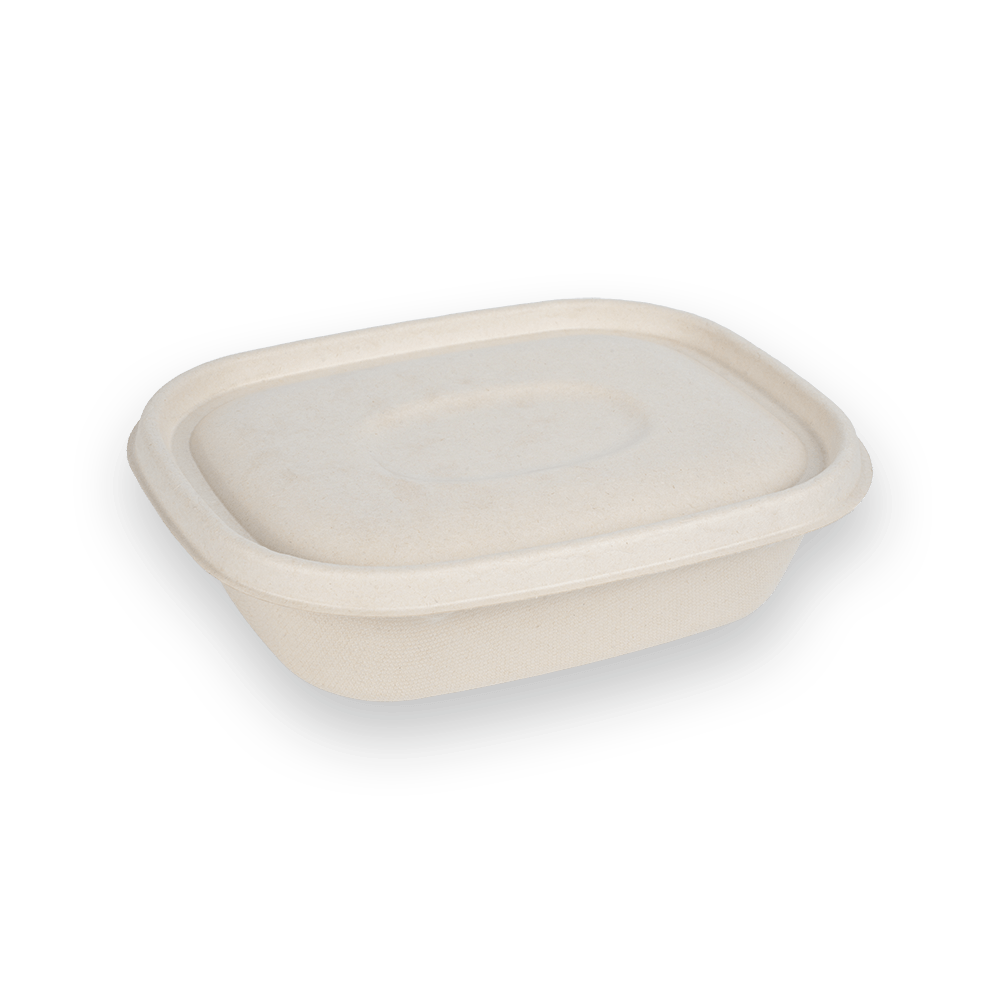
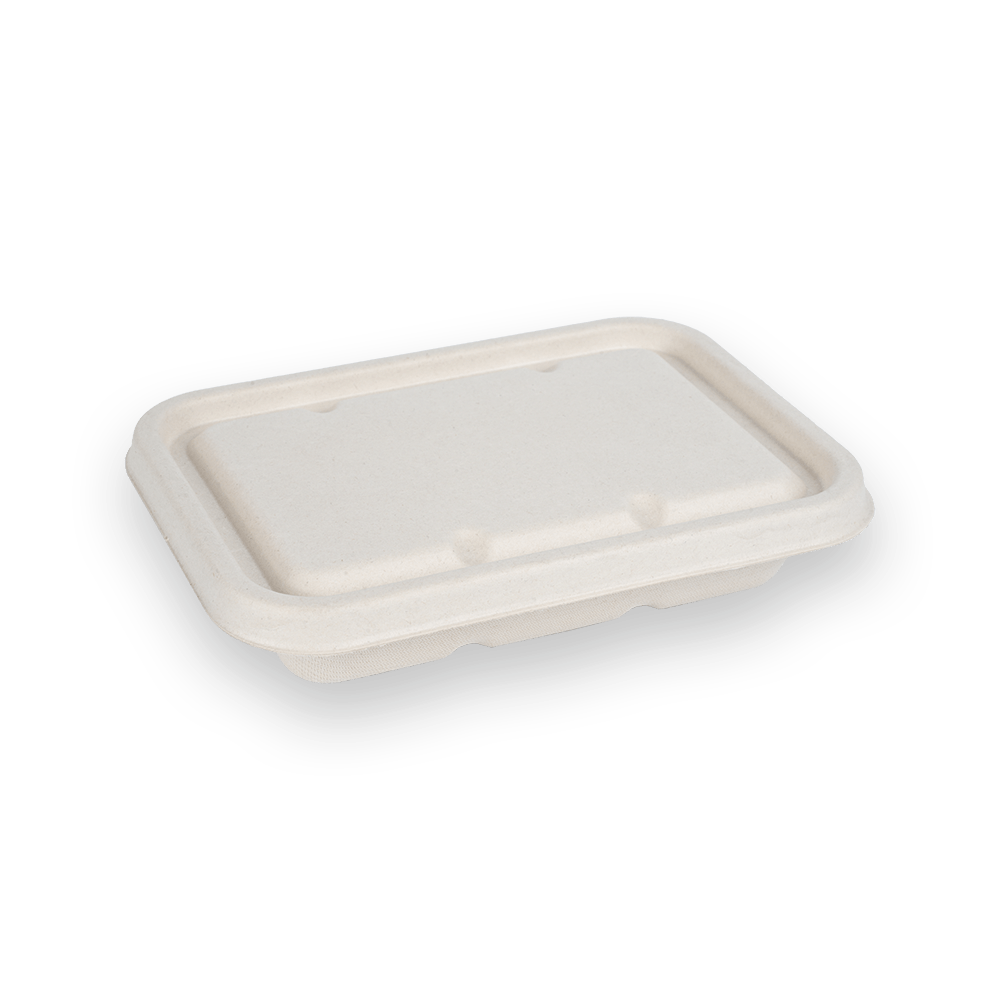

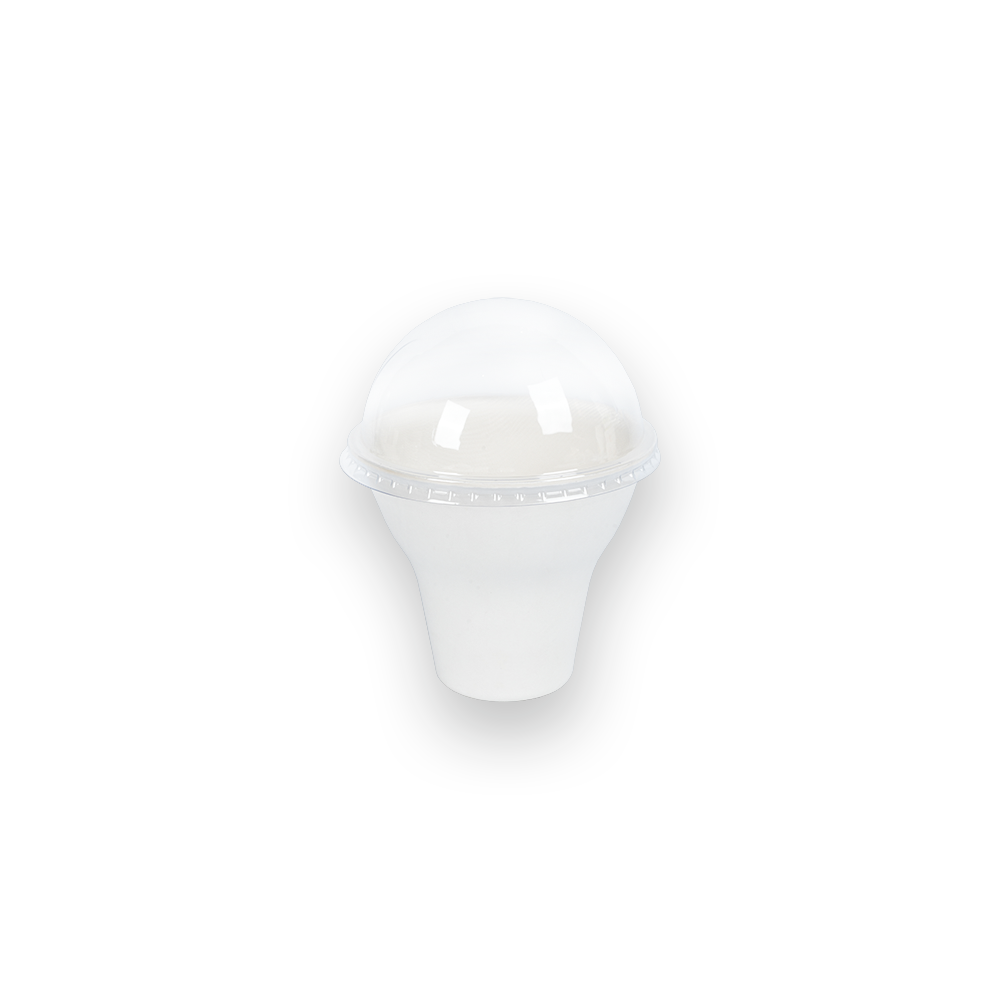
Zhong Xin Ecoware(Thailand) was registered on November 1, 2023, and officially began construction of the factory building in June 2024. At present, the first phase workshop of the factory has been fully completed and put into use. The second phase of the factory is being constructed intensively.
The landing and development of Zhong Xin in Thailand has brought a large amount of initial investment for land, factories, etc., and continuous operational investment for continuous equipment updates, technological upgrades, and capacity expansion.
Zhong Xin Ecoware(Thailand) has directly and indirectly created thousands of job opportunities, increased government revenue, promoted local economic development, cultivated local supply chains, provided systematic training for employees, improved the quality of local human capital, injected vitality into the local economy, enhanced industrial competitiveness, and ultimately improved residents' living standards.
Zhong Xin Ecoware(Thailand) actively collaborates with local pulp mills to explore new cooperation models for developing new products, improving production capacity and quality. At the same time, relying on Zhongxin's advanced production technology, process flow, management experience, and quality control system, it promotes the development of this industry in Thailand.

-
-
 +66-31240888
 -
 161 Village No. 4, Bo Thong Subdistrict Kabin Buri District Prachinburi Province 25110
-
Can Paper Packaging Meet Retail Shelf and Branding Requirements
Oct 23,2026
-
Bagasse Cups and Cup Lids: A Sourcing Guide for Foodservice and Takeaway Buyers
Oct 20,2026
-
How to Find Zhong Xin at the 140th Canton Fair: A Visitor Navigation Guide
Oct 16,2026
-
Thailand vs China Bagasse Tableware: 8 Comparisons Buyers Should Verify
Oct 16,2026
-
Will Takeout Containers Fit Your Existing Lids and Delivery Workflow
Oct 16,2026
-
What Is Bagasse Tableware? A 2026 Buyer Guide to Material, Performance and Documents
Oct 13,2026
-
Bagasse Tray Wholesale: How Bulk Buyers Cut Cost with Carton and Container Planning
Oct 09,2026
-
What Should a Bagasse Manufacturer Include in a Bulk Order Quote
Oct 09,2026
-
FOB, CIF or DDP? Incoterms for Bagasse Tableware Buyers Shipping from Thailand
Oct 06,2026
-
Packaging or Food Contact? Which EU Regime Applies to Bagasse Cups, Bowls, Plates and Cutlery
Oct 06,2026
-
Compostable Cutlery Sets for Private Label: 7 Sourcing Checks for Retail and Foodservice Buyers
Oct 06,2026
-
US vs EU Bagasse Tableware Imports: 8 Documentation and Compliance Checks Buyers Should Run
Oct 06,2026
Copyright © 2025 Zhong Xin Ecoware Technology ( Thailand ) CO., LTD.
All Rights Reserved.

Biodegradable Disposable Bagasse Tableware Manufacturer