-
 [email protected]
-
 +66-31240888



 English
 Español
 ไทย
ไทยWhat are the raw materials for medical supplies?
Degradable disposable medical supplies are made from natural plant fibers through molding technology and are environmentally friendly. These products help reduce the dependence on petroleum-based plastics often used in traditional medical disposables. As concern grows around medical waste management, hospitals and healthcare providers are actively seeking alternatives that offer both functionality and environmental benefits.
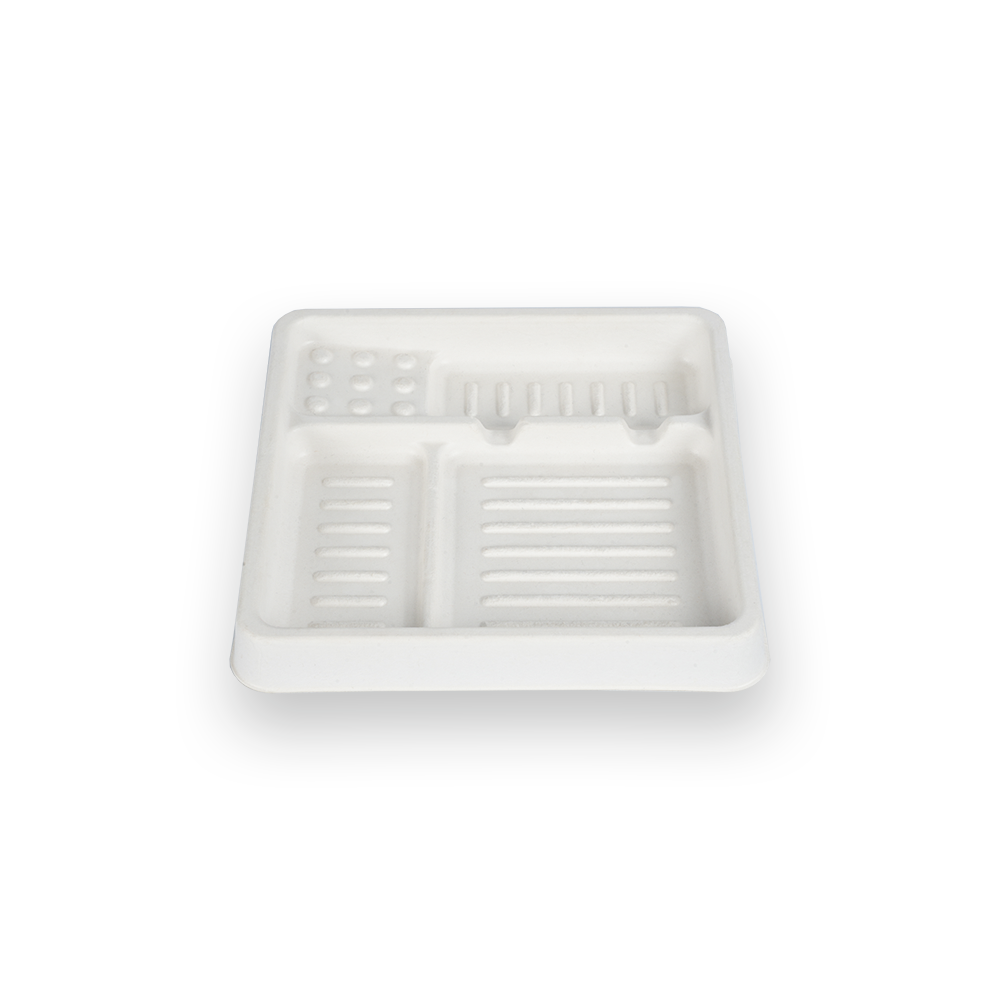
Plant-based degradable materials, such as sugarcane bagasse, bamboo fiber, and wood pulp, can be safely disposed of in composting environments after use, where they break down into organic matter without releasing toxins or microplastics. This significantly reduces the environmental load of medical waste, especially in high-volume facilities where disposables are used daily. Since many medical items are designed for single-use to avoid cross-contamination, switching to biodegradable options can help improve sustainability without compromising health and hygiene standards.
In terms of product performance, modern degradable medical disposables are engineered to be durable and reliable. They are resistant to moisture and have sufficient strength to meet standard medical requirements. Examples of such products include disposable trays, kidney dishes, pill cups, sample containers, and medical packaging. These items undergo strict quality inspections to ensure that they can safely hold medical tools, liquids, or medication while maintaining structural integrity throughout use.
Safety is also a key advantage. Because these biodegradable products lack harmful chemicals, such as plasticizers or heavy metals, they are safe for both patients and healthcare personnel. They meet food-grade and medical-grade contact requirements, which ensures that they will not negatively affect medications, instruments, or bodily tissues.
Degradable medical supplies help reduce the burden on waste disposal systems. Traditional plastic medical waste often must be incinerated after collection, contributing to air pollution and greenhouse gas emissions. Biodegradable alternatives, however, may allow for more environmentally friendly disposal methods, including industrial composting. Some products may even be compatible with recycling or energy recovery processes, depending on local waste regulations and facility infrastructure.
The adoption of environmentally friendly disposables is also aligned with evolving healthcare sustainability policies. More hospitals and clinics are incorporating green procurement guidelines to reduce their environmental footprint. Implementing degradable medical supplies can assist in achieving sustainability goals and demonstrating social responsibility, which may also enhance public trust.
What is the Role of Eco-Friendly Degradable Medical Supplies?
The healthcare industry, with its imperative for sterility and infection control, has long been a significant generator of waste, much of it plastic. In recent years, a shift has begun, marked by the emergence of eco-friendly degradable disposable medical supplies. This transition is not merely a trend but a considered response to the environmental impact of medical waste, balancing the non-negotiable demands of patient safety with a growing responsibility for sustainable resource management. The development and integration of these materials represent a complex evolution in manufacturing, application, and lifecycle thinking within the healthcare sector.
Drivers of Development
The move toward degradable medical supplies is propelled by several converging factors. Heightened awareness of plastic pollution's persistence in landfills and oceans has placed institutional pressure on large sectors, including healthcare, to examine their waste streams. Regulatory bodies and governmental policies in various regions are increasingly mandating waste reduction and the adoption of sustainable practices. Furthermore, a discernible shift in institutional and public consciousness has meant that hospitals and healthcare providers are seeking to align their operations with broader environmental stewardship goals. This is not only a matter of compliance or public image but also an operational consideration, as reducing waste volume can correlate with lower disposal costs in certain contexts. The primary driver, therefore, is a combination of external pressure and an internal re-evaluation of long-term operational sustainability.
Material Innovations
The core of this shift lies in material science. Traditional plastics are being supplemented or replaced by a new generation of materials designed to break down more readily after their useful life. A prominent category is biopolymers, such as Polylactic Acid (PLA), which is derived from renewable resources like corn starch or sugarcane. PLA can be used to manufacture certain types of containers, utensils, and even some non-woven fabrics. Another area of innovation involves compostable polymers that meet specific standards for biodegradation in industrial composting facilities. Beyond plastics, there is a renewed use of advanced forms of molded pulp, made from recycled paper or bamboo, for items like bedpans, kidney bowls, and packaging. These materials are engineered for single-use sterility and sufficient strength while being compostable or biodegradable after use.
Current Applications and Uses
The application of these degradable supplies is currently focused on areas where high-level invasive sterility is not the sole function of the item. They are increasingly common in non-critical care environments and for patient-supporting items. Examples include biodegradable patient gowns and drapes used in certain procedures, compostable food service ware for hospital trays, and plant-based trash can liners for non-hazardous waste. Molded pulp is used for disposable bedpans and emesis basins, which can be composted, reducing the volume of infectious waste requiring high-energy incineration. Packaging for medical devices and supplies is also a significant area of adoption, where protective packaging made from recycled cardboard or biodegradable foams can be utilized without compromising the sterility of the contents.
Challenges and Considerations
Despite the promise, the integration of degradable medical supplies presents distinct challenges. The foremost consideration is maintaining the stringent performance standards required in a medical setting. Any alternative material must provide an equivalent barrier against pathogens, resist chemicals, and possess the necessary physical strength for its intended use. There is also the issue of cost; developing and manufacturing these specialized materials often involves a higher initial investment compared to conventional plastics. Furthermore, the end-of-life process requires careful management. The environmental benefit of a compostable item is nullified if it is disposed of in a standard landfill or, conversely, if it contaminates a plastic recycling stream. Hospitals must therefore establish clear waste segregation protocols and have access to appropriate industrial composting facilities to realize the ecological advantages of these new supplies.
The emergence of eco-friendly degradable disposable medical supplies signifies a maturation in the healthcare industry's approach to its environmental footprint. It is a movement driven by a combination of regulatory, economic, and ethical factors, and made possible by advances in material science. While challenges related to performance, cost, and waste management infrastructure remain, the ongoing development and thoughtful application of these supplies point toward a future where the imperative to protect patient health is seamlessly integrated with the responsibility to protect the environment. This evolution represents a pragmatic and necessary step in building a more sustainable healthcare system.
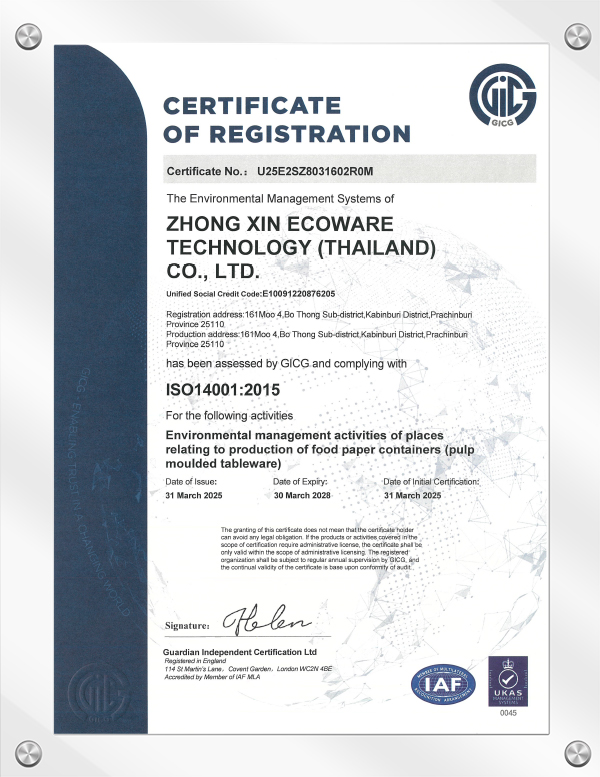
Zhong Xin Ecoware Technology (Thailand) Co., Ltd. supplies bagasse and molded fiber food packaging to importers, distributors and foodservice brands. For MOQ, pricing, samples and lead time, email info@fiber-product.com or use the contact form.
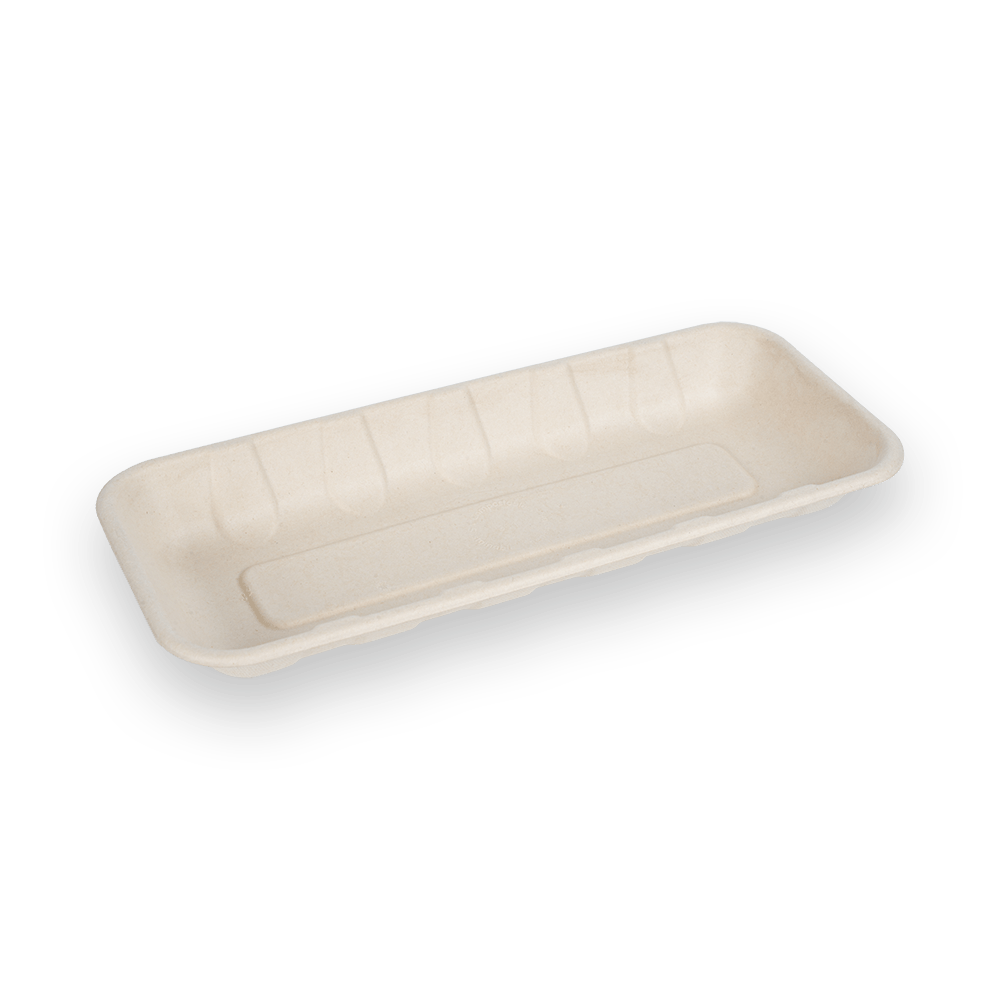


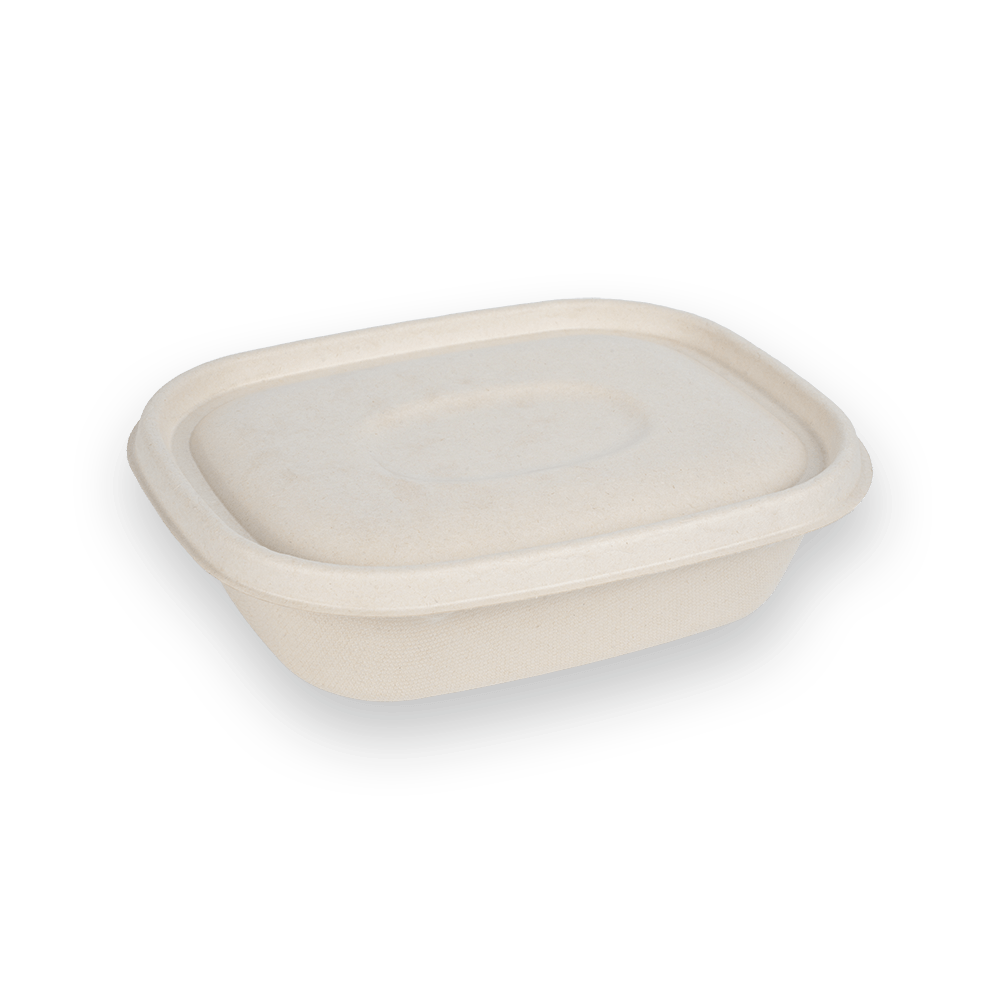
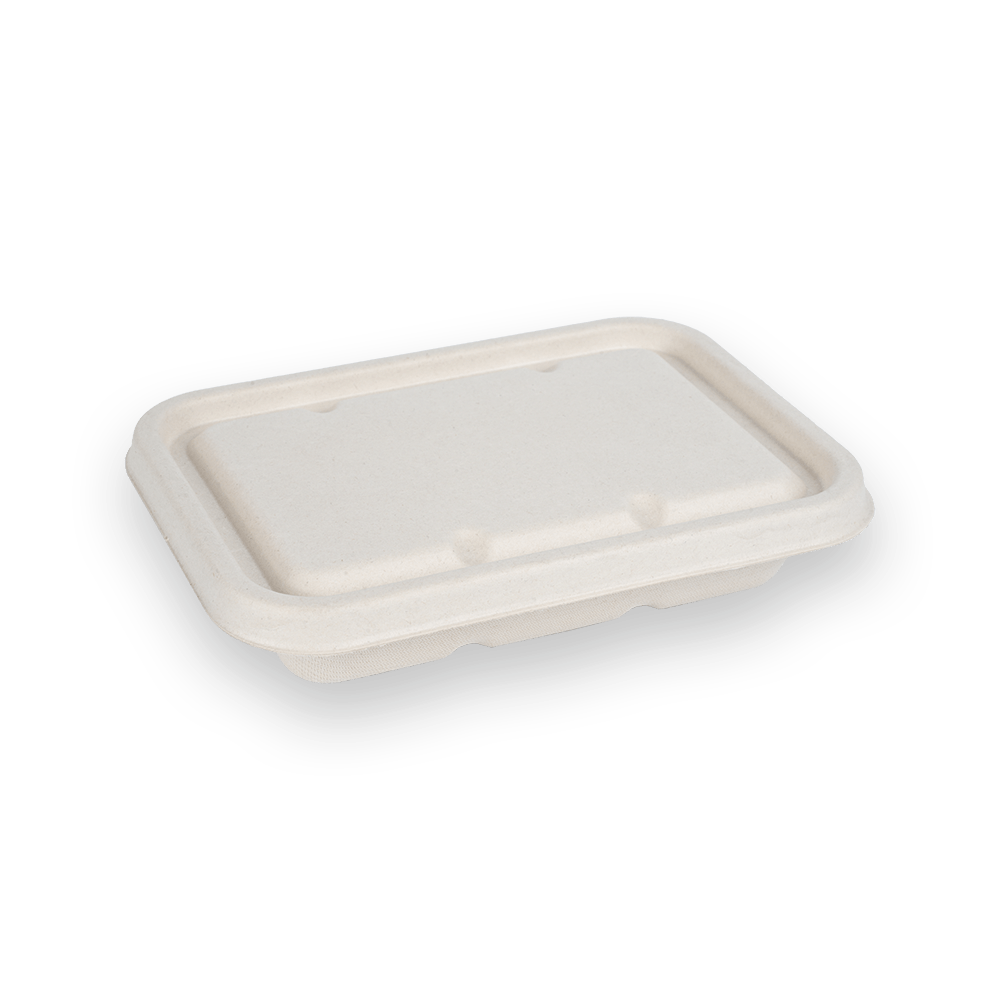

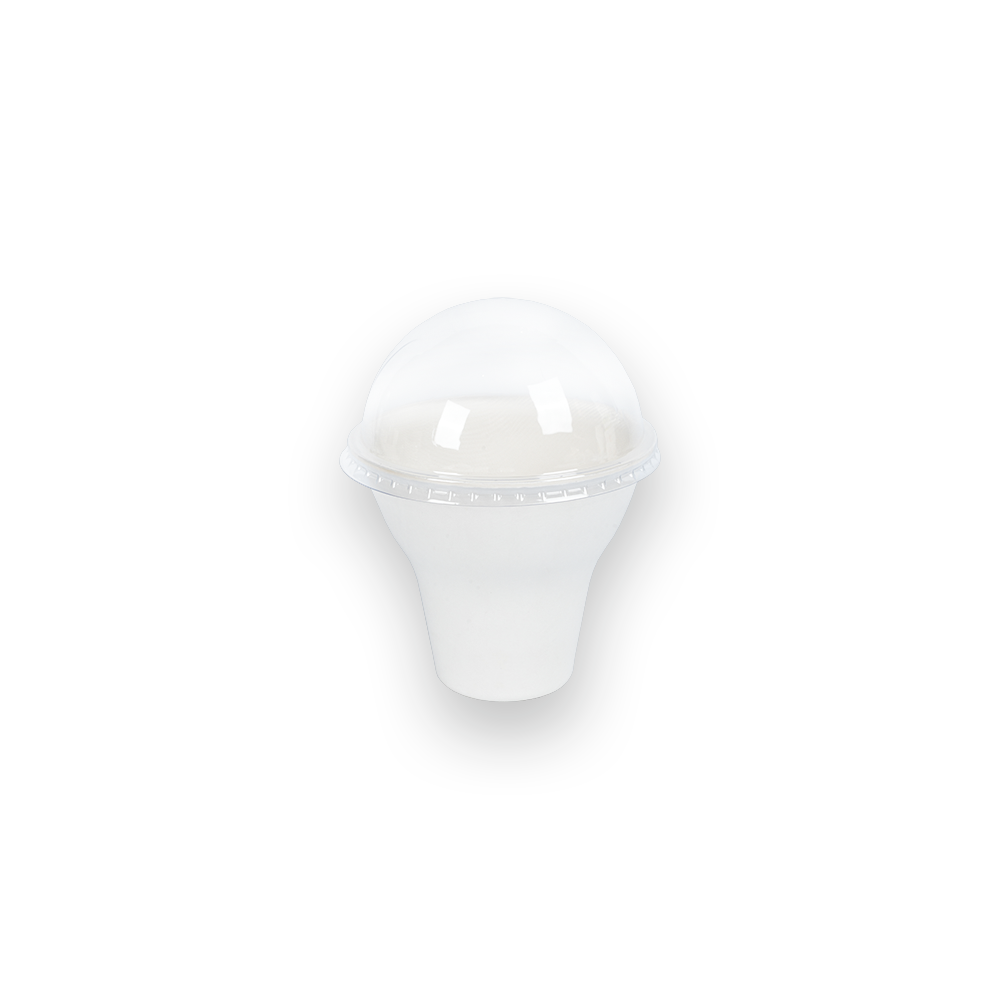
Zhong Xin Ecoware(Thailand) was registered on November 1, 2023, and officially began construction of the factory building in June 2024. At present, the first phase workshop of the factory has been fully completed and put into use. The second phase of the factory is being constructed intensively.
The landing and development of Zhong Xin in Thailand has brought a large amount of initial investment for land, factories, etc., and continuous operational investment for continuous equipment updates, technological upgrades, and capacity expansion.
Zhong Xin Ecoware(Thailand) has directly and indirectly created thousands of job opportunities, increased government revenue, promoted local economic development, cultivated local supply chains, provided systematic training for employees, improved the quality of local human capital, injected vitality into the local economy, enhanced industrial competitiveness, and ultimately improved residents' living standards.
Zhong Xin Ecoware(Thailand) actively collaborates with local pulp mills to explore new cooperation models for developing new products, improving production capacity and quality. At the same time, relying on Zhongxin's advanced production technology, process flow, management experience, and quality control system, it promotes the development of this industry in Thailand.
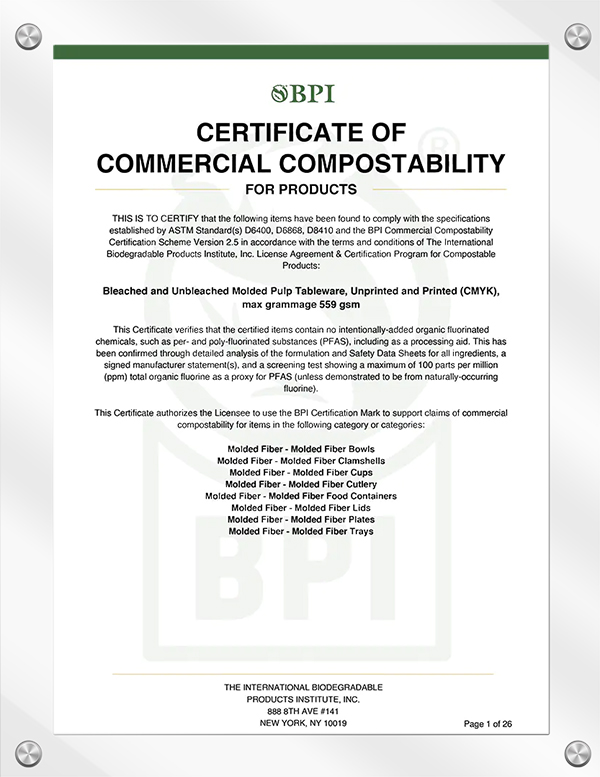
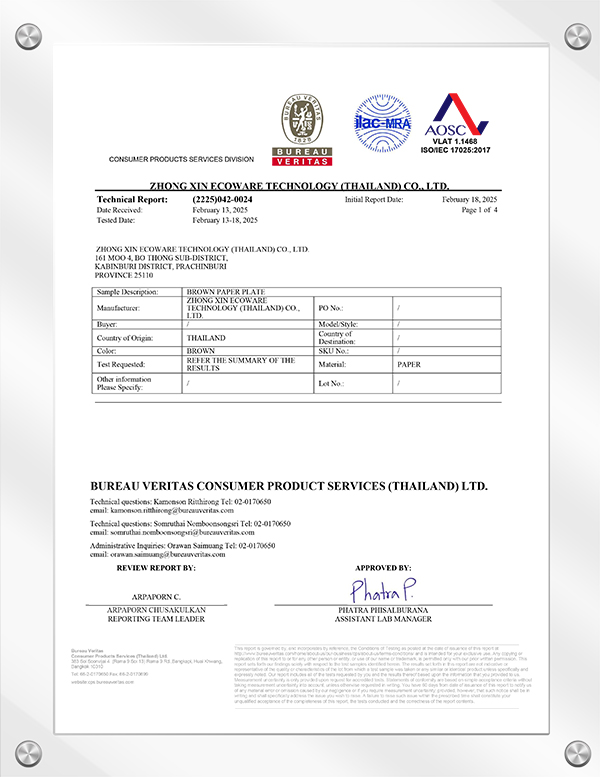
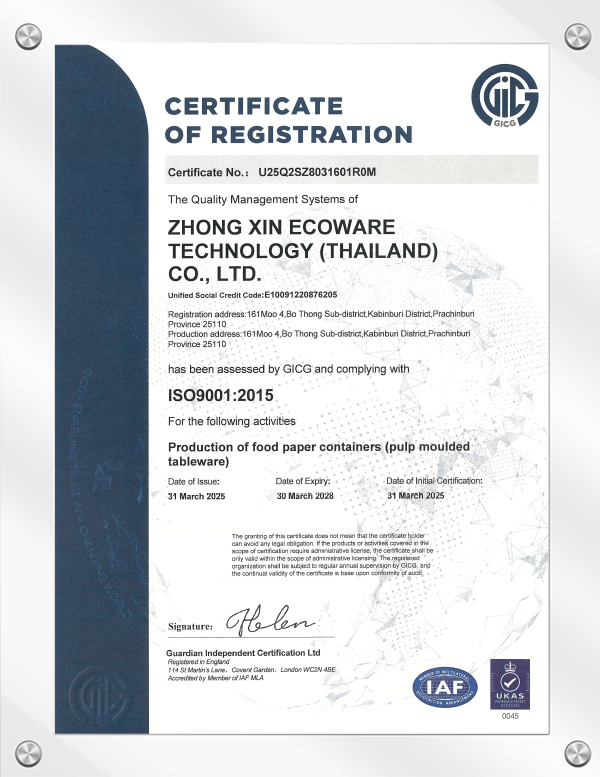

-
-
 +66-31240888
 -
 161 Village No. 4, Bo Thong Subdistrict Kabin Buri District Prachinburi Province 25110
-
How to Find Zhong Xin at the 140th Canton Fair: A Visitor Navigation Guide
Oct 16,2026
-
Thailand vs China Bagasse Tableware: 8 Comparisons Buyers Should Verify
Oct 16,2026
-
Will Takeout Containers Fit Your Existing Lids and Delivery Workflow
Oct 16,2026
-
What Is Bagasse Tableware? A 2026 Buyer Guide to Material, Performance and Documents
Oct 13,2026
-
Bagasse Tray Wholesale: How Bulk Buyers Cut Cost with Carton and Container Planning
Oct 09,2026
-
What Should a Bagasse Manufacturer Include in a Bulk Order Quote
Oct 09,2026
-
FOB, CIF or DDP? Incoterms for Bagasse Tableware Buyers Shipping from Thailand
Oct 06,2026
-
Packaging or Food Contact? Which EU Regime Applies to Bagasse Cups, Bowls, Plates and Cutlery
Oct 06,2026
-
Compostable Cutlery Sets for Private Label: 7 Sourcing Checks for Retail and Foodservice Buyers
Oct 06,2026
-
US vs EU Bagasse Tableware Imports: 8 Documentation and Compliance Checks Buyers Should Run
Oct 06,2026
-
How to Prepare a Bagasse Tableware Import: 10 Readiness Checks for US and EU Buyers
Oct 06,2026
-
Beyond Plates: Which Foods Suit Bagasse Tableware
Oct 02,2026
Copyright © 2025 Zhong Xin Ecoware Technology ( Thailand ) CO., LTD.
All Rights Reserved.

Biodegradable Disposable Bagasse Tableware Manufacturer