-
 [email protected]
-
 +66-31240888



 English
 Español
 ไทย
ไทยWhat are the raw materials for tableware?
Pulp tableware is an environmentally friendly tableware made from natural plant fibers through molding technology. 100% biodegradable, non-toxic and harmless, widely used in the catering industry, food delivery, aviation hotels, and household use, it is an ideal choice to replace traditional plastic tableware.
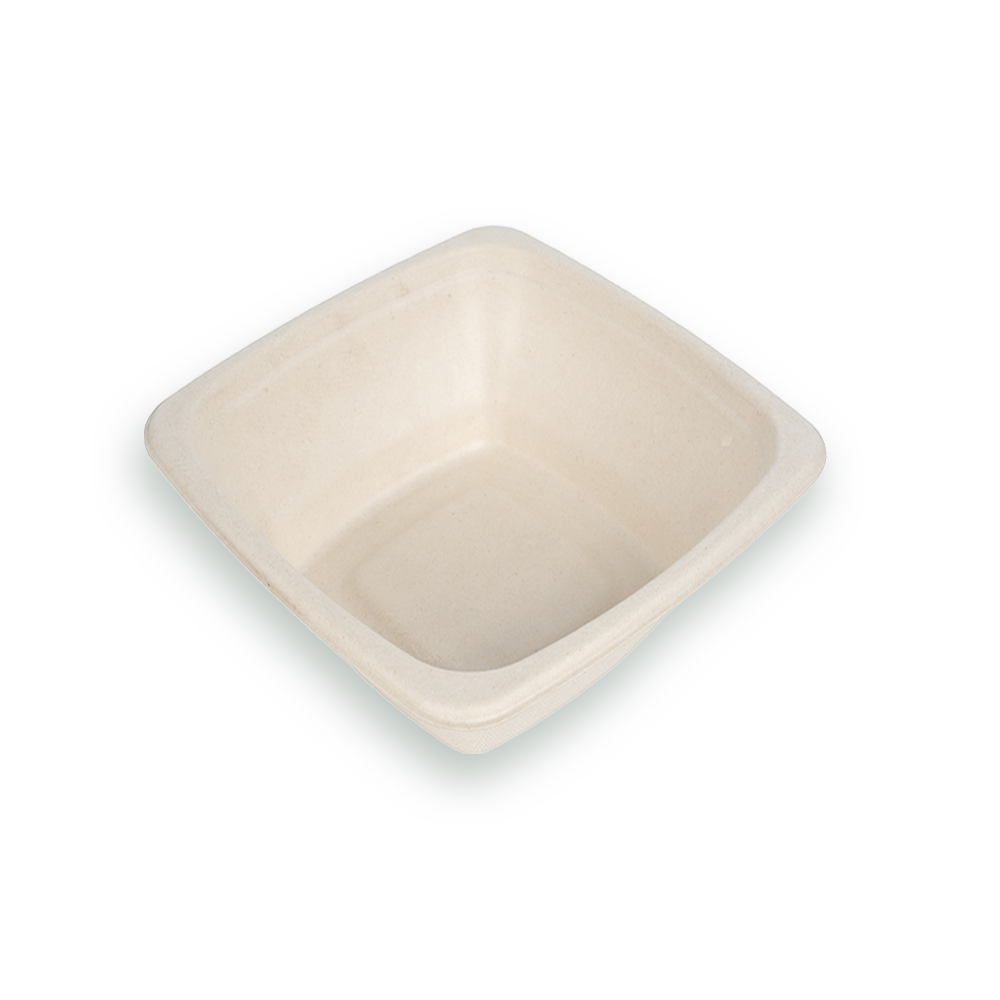
In addition to its sustainable material source, pulp tableware also offers practical performance advantages. It is usually made from renewable agricultural by-products such as sugarcane bagasse, bamboo fibers, or recycled paper pulp. This helps reduce waste from other industries while minimizing reliance on fossil fuel–based plastics. After use, pulp tableware can naturally decompose into organic matter under composting conditions, reducing the burden on landfills and avoiding long-term environmental pollution.
From a user experience standpoint, pulp tableware is designed to meet the needs of real-world food service. It has good strength, can hold both hot and cold foods, and is resistant to oil and water penetration. This makes it suitable for various dining scenarios such as hot dishes, soups, salads, and desserts. Unlike flimsy paper plates, many molded pulp products retain shape well and can withstand normal pressure without bending or leaking. Even when disposed of after a single use, they maintain a functional balance between environmental protection and durability.
Because it is made from natural fibers and manufactured without harmful chemicals, it is safe for direct food contact. Many products are certified by relevant agencies to ensure compliance with hygiene standards for packaging and tableware. In catering environments where high food safety is required—such as hospitals, school cafeterias, and airline catering—pulp tableware provides peace of mind for both providers and consumers.
The rapid growth of the food delivery market has also increased demand for pulp-based packaging. Delivering hot, greasy foods requires containers with leak resistance and insulation properties. Pulp bowls and clamshell containers can often be paired with natural or recyclable lids, making them an attractive option for takeout businesses aiming to reduce single-use plastic consumption. With more cities and regions pushing for bans or restrictions on plastics, restaurants are shifting toward pulp products as part of their sustainability transition.
What Are Some Common Environmentally Friendly Pulp Tableware Options?
As the demand for sustainable solutions in food service increases, many businesses are turning to environmentally friendly pulp tableware as a way to minimize waste. Pulp tableware, made from natural fibers such as paper, sugarcane, bamboo, or recycled materials, is an eco-conscious alternative to plastic and Styrofoam. These materials are biodegradable and compostable, offering a significant reduction in plastic waste. Below are some common types of environmentally friendly pulp tableware:
Sugarcane Bagasse Plates:
Sugarcane bagasse is a byproduct of sugar production and is an material for producing biodegradable plates, bowls, and trays. These products are durable, heat-resistant, and capable of handling both hot and cold foods. They break down naturally in composting environments, making them a popular choice for catering, restaurants, and takeaway services.
Bamboo Tableware:
Bamboo is a fast-growing, renewable resource, which makes it an ideal material for producing disposable tableware. Bamboo plates, cutlery, and serving trays are strong, lightweight, and resistant to moisture. These items are often compostable and offer a stylish alternative to plastic disposables in various food service settings.
Molded Pulp Plates:
Molded pulp is made from recycled paper, newspaper, or cardboard fibers that are formed into shapes and hardened. These plates and bowls are biodegradable and can withstand both hot and oily foods. Molded pulp tableware is often used in fast food restaurants, cafeterias, and takeout packaging.
Palm Leaf Plates:
Made from fallen palm leaves, these plates are natural, biodegradable, and sustainable. They have a unique, rustic appearance and are typically used for outdoor events, parties, or eco-conscious catering services. Palm leaf plates are sturdy, compostable, and do not require any chemicals or additives in their production.
Coconut Shell Tableware:
Coconut shells, often discarded as waste, are being repurposed into small bowls, plates, and cups. These products are sturdy and sustainable, offering a durable and biodegradable option for food service.
Each of these types of pulp tableware offers an eco-friendly alternative to traditional plastic and Styrofoam options, and they play a significant role in reducing waste and promoting sustainable practices within the food service industry.
How to Choose a Disposable Pulp Plate?
When selecting disposable pulp plates for a business or event, there are several factors to consider to ensure that the chosen product meets both functional and environmental requirements. Here are a few important considerations when choosing the right disposable pulp plate:
Material Type:
The material used in manufacturing the plate will determine its durability, compostability, and environmental impact. Common options include sugarcane bagasse, molded pulp (from recycled paper), and bamboo. Each material has its strengths and weaknesses in terms of resistance to moisture, heat, and grease. For example, sugarcane bagasse plates are great for hot foods, while molded pulp is ideal for cold foods or items that do not require significant moisture resistance.
Size and Shape:
Pulp plates come in various sizes and shapes, from small appetizer plates to large dinner plates. Consider the type of food you plan to serve and the portion sizes. Plates for salads or appetizers will require different dimensions compared to those for main courses or desserts. The shape of the plate, whether round, square, or compartmentalized, should also complement the menu.
Compostability and Certification:
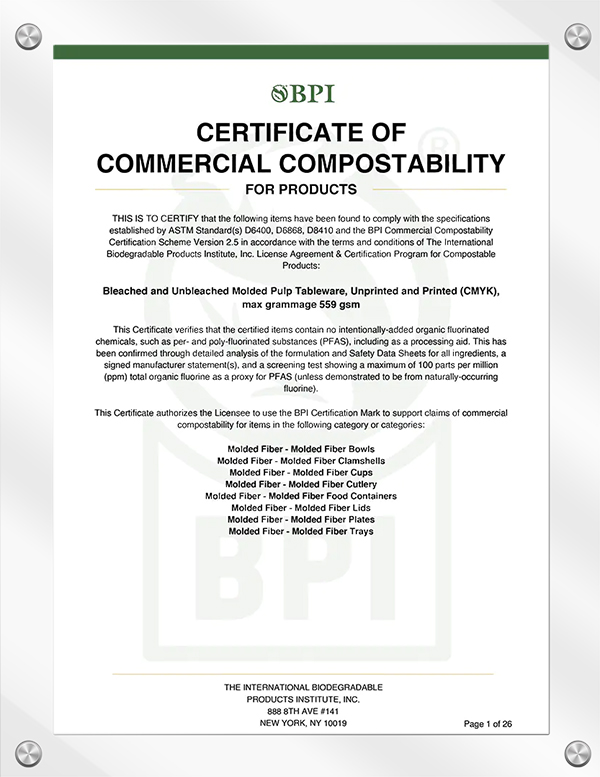
If environmental sustainability is a primary concern, it’s important to look for plates that are certified as compostable. Certifications such as the ASTM D6400 or the European EN 13432 ensure that the product will break down in a commercial composting facility without leaving harmful residues. Plates that are labeled as compostable and biodegradable meet these standards and are a better choice for businesses aiming to reduce their environmental footprint.
Strength and Durability:
Pulp plates should be sturdy enough to hold hot, greasy, or wet food without bending or leaking. When choosing disposable pulp plates, it’s important to ensure they can handle the food types you plan to serve. For instance, if you are serving heavy or saucy foods, you might need thicker or more reinforced plates to avoid spills or bending.
Cost Considerations:
While environmentally friendly pulp plates are often more expensive than plastic or foam alternatives, the benefits they offer in terms of sustainability may outweigh the extra cost. Businesses should factor in not only the cost of the plates themselves but also any associated costs like disposal or composting services. As demand for sustainable products grows, the cost of pulp tableware is expected to decrease, making it a more affordable option over time.
Certifications for Food Safety:
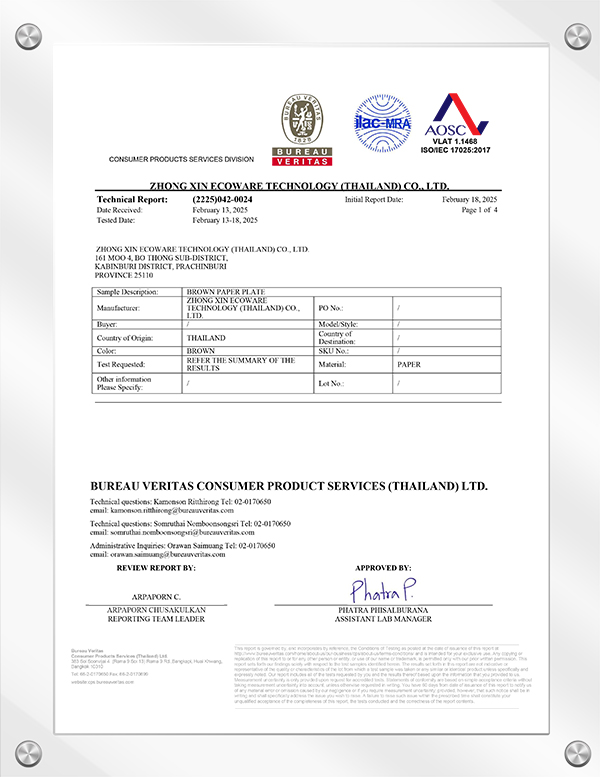
It’s crucial that disposable pulp plates are safe for direct food contact. Look for manufacturers that adhere to food safety standards to ensure that the plates do not release harmful chemicals when in contact with food. Many compostable plates are made with food-grade inks and coatings that are non-toxic and safe for consumers.
Zhong Xin Ecoware Technology (Thailand) Co., Ltd. supplies bagasse and molded fiber food packaging to importers, distributors and foodservice brands. For MOQ, pricing, samples and lead time, email info@fiber-product.com or use the contact form.
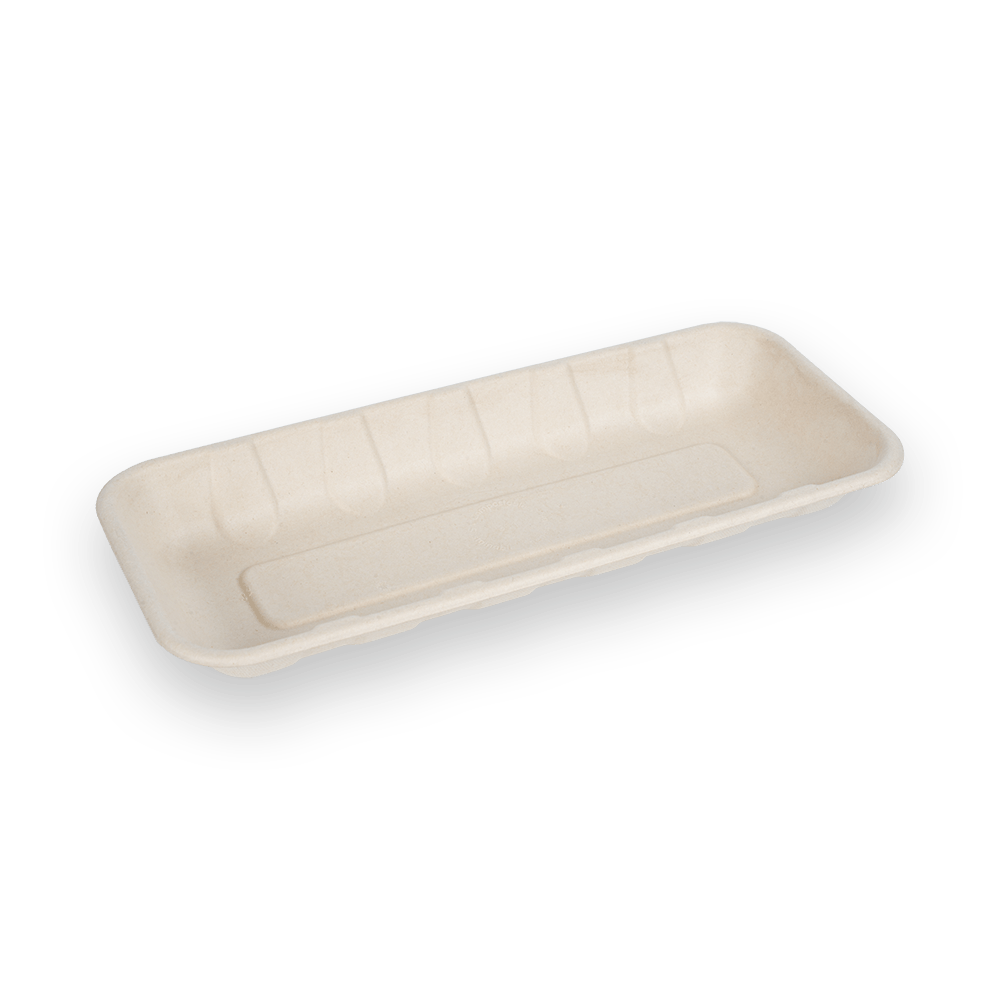
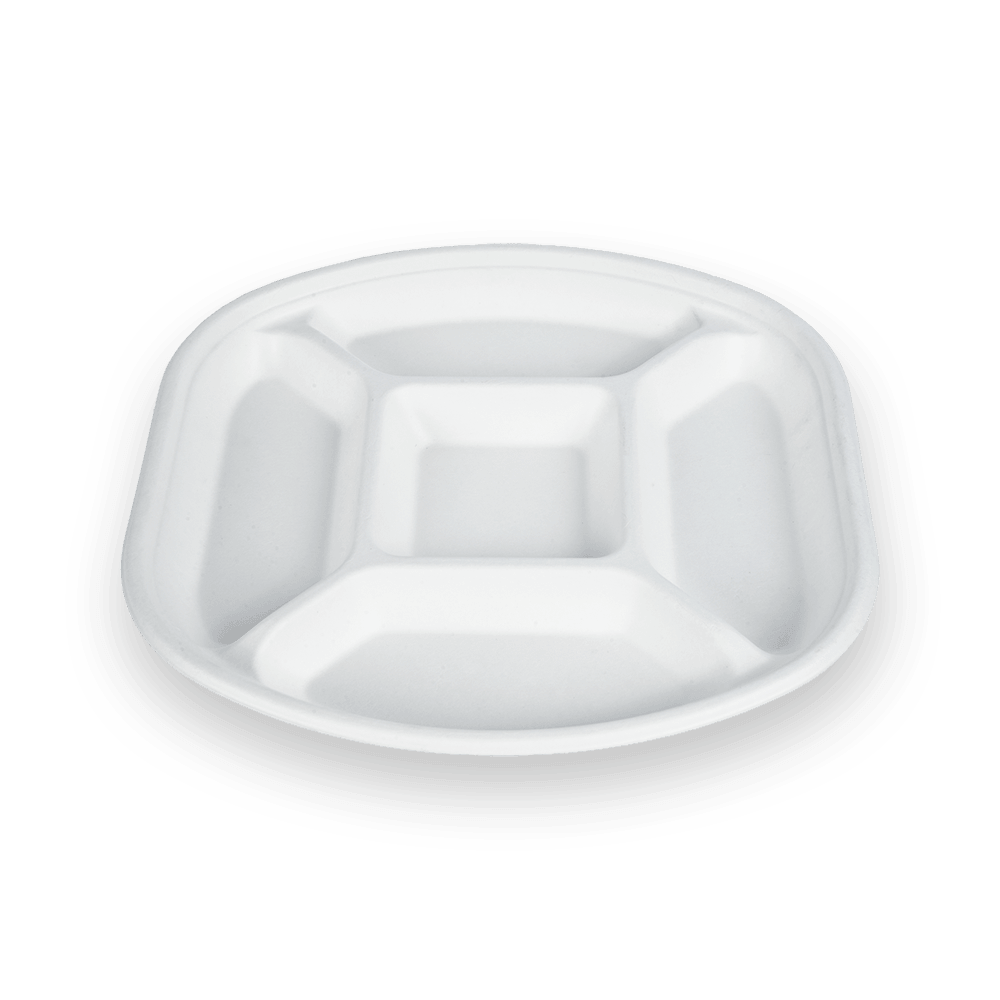

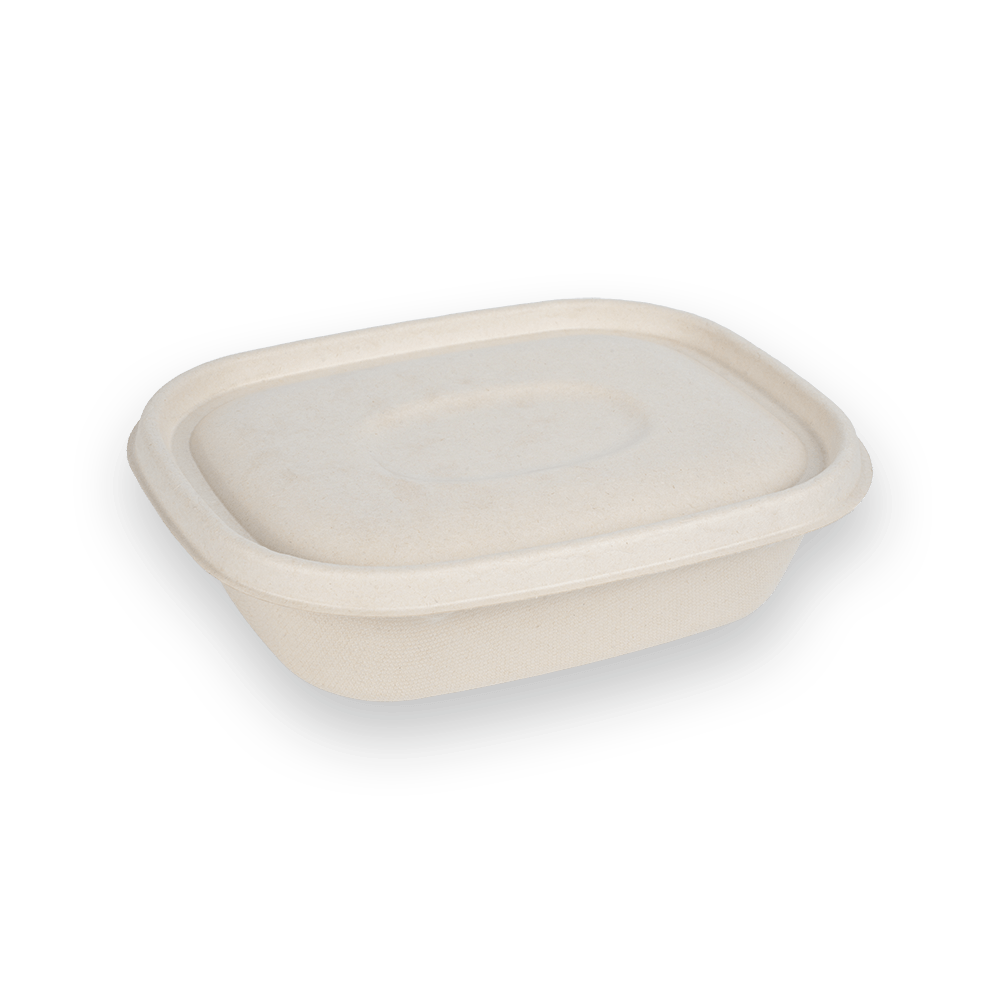
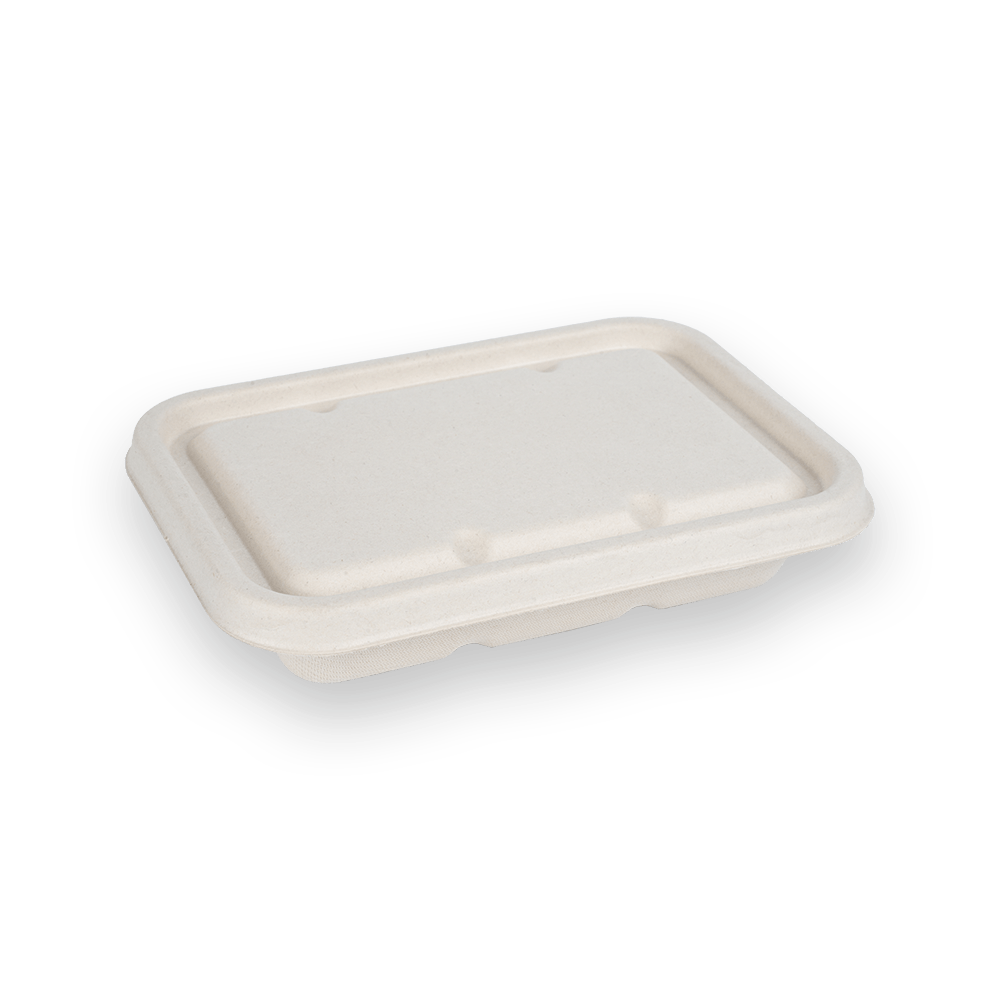

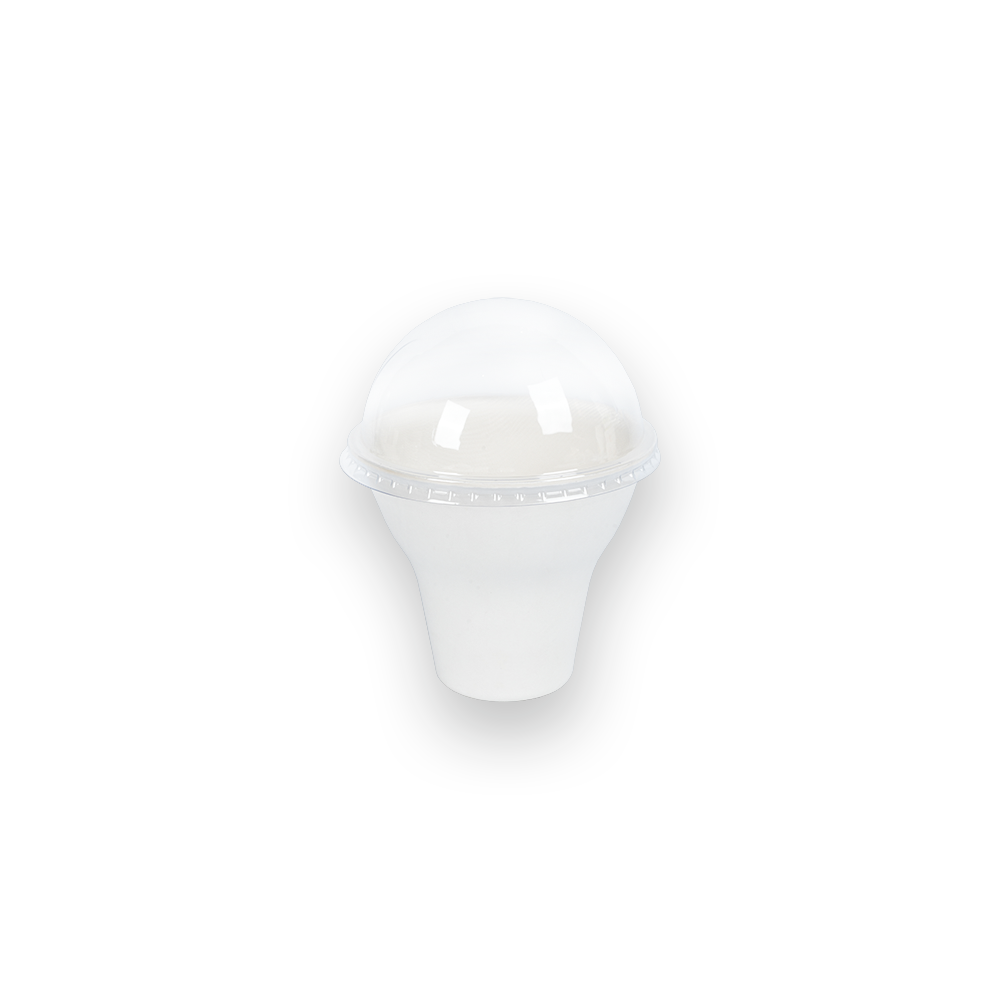
Zhong Xin Ecoware(Thailand) was registered on November 1, 2023, and officially began construction of the factory building in June 2024. At present, the first phase workshop of the factory has been fully completed and put into use. The second phase of the factory is being constructed intensively.
The landing and development of Zhong Xin in Thailand has brought a large amount of initial investment for land, factories, etc., and continuous operational investment for continuous equipment updates, technological upgrades, and capacity expansion.
Zhong Xin Ecoware(Thailand) has directly and indirectly created thousands of job opportunities, increased government revenue, promoted local economic development, cultivated local supply chains, provided systematic training for employees, improved the quality of local human capital, injected vitality into the local economy, enhanced industrial competitiveness, and ultimately improved residents' living standards.
Zhong Xin Ecoware(Thailand) actively collaborates with local pulp mills to explore new cooperation models for developing new products, improving production capacity and quality. At the same time, relying on Zhongxin's advanced production technology, process flow, management experience, and quality control system, it promotes the development of this industry in Thailand.
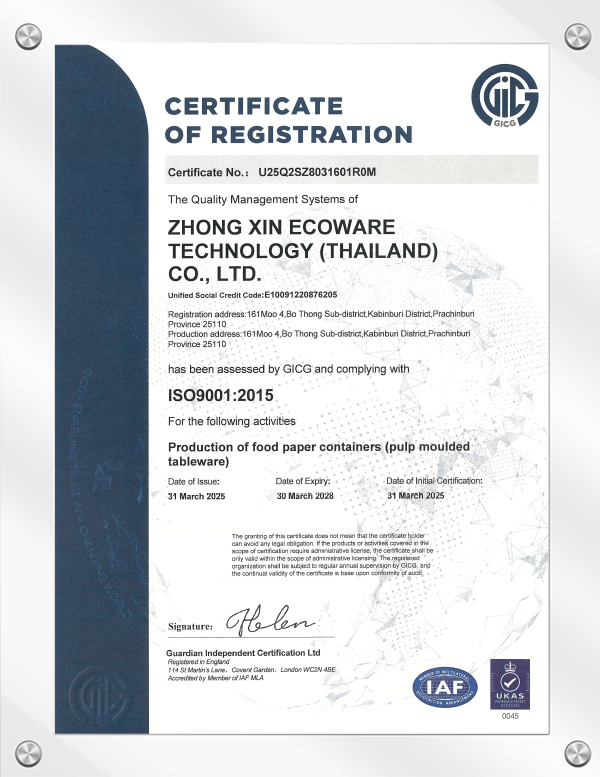
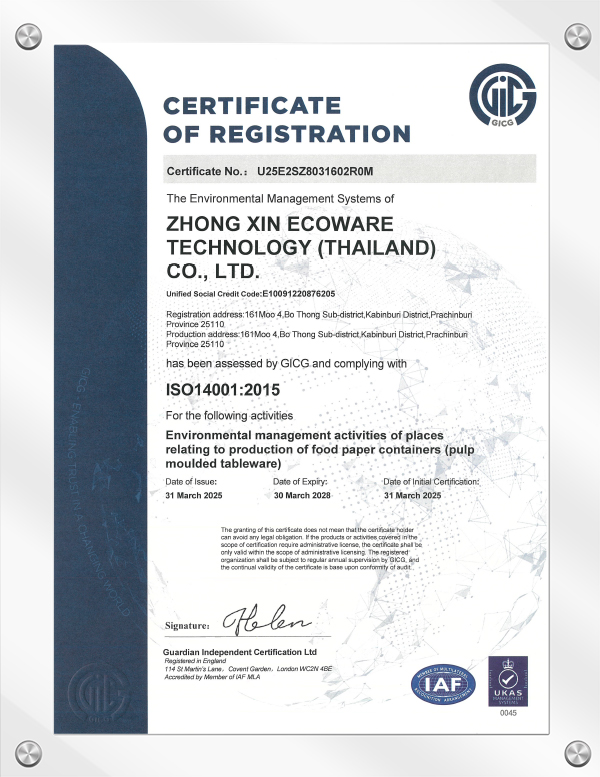

-
-
 +66-31240888
 -
 161 Village No. 4, Bo Thong Subdistrict Kabin Buri District Prachinburi Province 25110
-
How to Find Zhong Xin at the 140th Canton Fair: A Visitor Navigation Guide
Oct 16,2026
-
Thailand vs China Bagasse Tableware: 8 Comparisons Buyers Should Verify
Oct 16,2026
-
Will Takeout Containers Fit Your Existing Lids and Delivery Workflow
Oct 16,2026
-
What Is Bagasse Tableware? A 2026 Buyer Guide to Material, Performance and Documents
Oct 13,2026
-
Bagasse Tray Wholesale: How Bulk Buyers Cut Cost with Carton and Container Planning
Oct 09,2026
-
What Should a Bagasse Manufacturer Include in a Bulk Order Quote
Oct 09,2026
-
FOB, CIF or DDP? Incoterms for Bagasse Tableware Buyers Shipping from Thailand
Oct 06,2026
-
Packaging or Food Contact? Which EU Regime Applies to Bagasse Cups, Bowls, Plates and Cutlery
Oct 06,2026
-
Compostable Cutlery Sets for Private Label: 7 Sourcing Checks for Retail and Foodservice Buyers
Oct 06,2026
-
US vs EU Bagasse Tableware Imports: 8 Documentation and Compliance Checks Buyers Should Run
Oct 06,2026
-
How to Prepare a Bagasse Tableware Import: 10 Readiness Checks for US and EU Buyers
Oct 06,2026
-
Beyond Plates: Which Foods Suit Bagasse Tableware
Oct 02,2026
Copyright © 2025 Zhong Xin Ecoware Technology ( Thailand ) CO., LTD.
All Rights Reserved.

Biodegradable Disposable Bagasse Tableware Manufacturer